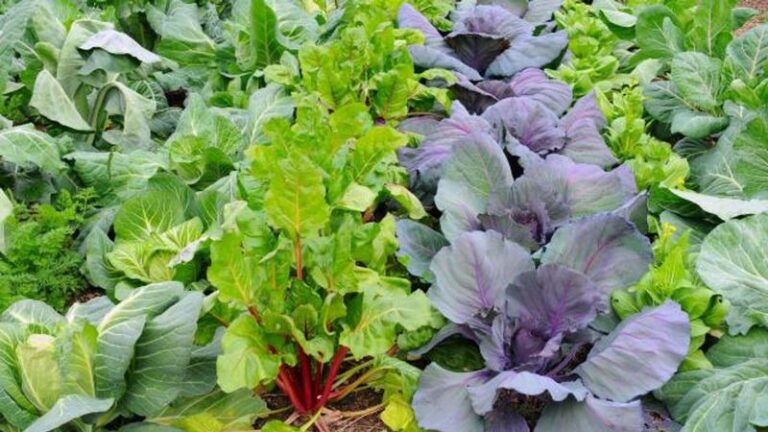
Why Fall Is The Best Time To Apply Lime To North Carolina Clay Soil
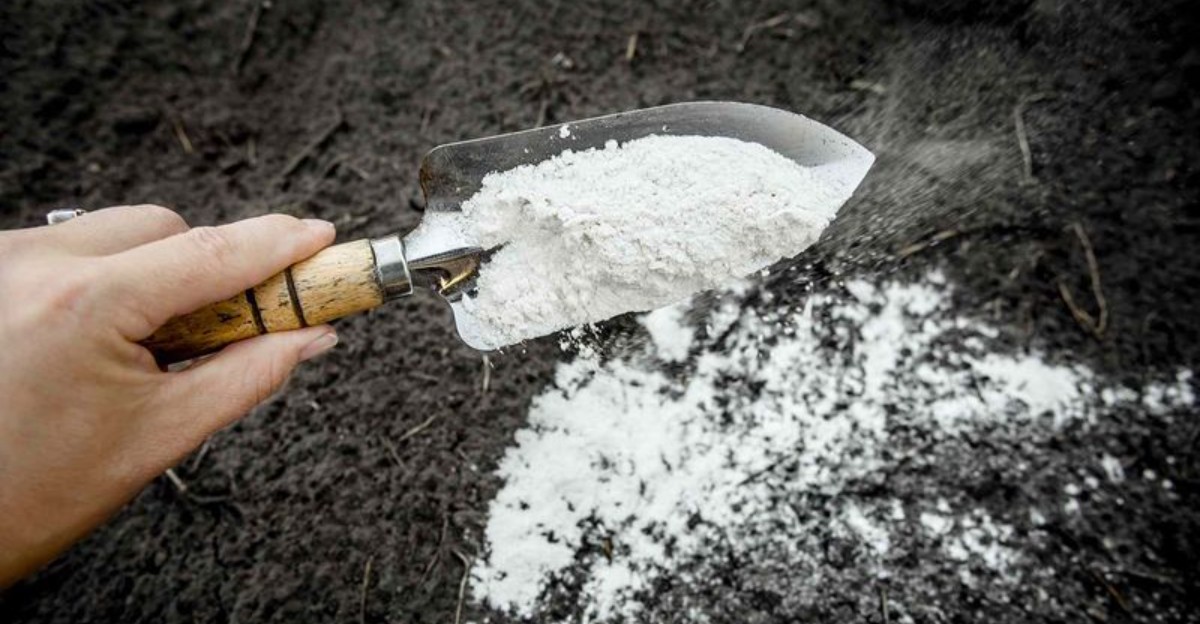
Crushed rock spread on a North Carolina yard in October can take three months or more to change the soil. I love that a job you do now quietly pays off by the time spring grass starts waking up.
Most red Piedmont clay in our state is naturally sour, often testing somewhere between pH 5.0 and 5.5. Many lawns and gardens prefer a pH closer to 6.0 or 6.5, so that gap matters a lot.
The state soil lab in Raleigh tests home samples without a fee from April through late November. Your boxes need to reach the lab by November 30, before the winter rush, when a small peak season fee kicks in.
Kneeling in the cool yard with a soil probe, you start to notice how sticky and heavy clay really feels. Soil that stays sticky and heavy often points to low pH, so this month is a good time to check it.
Your Clay Needs Months To Feel The Change
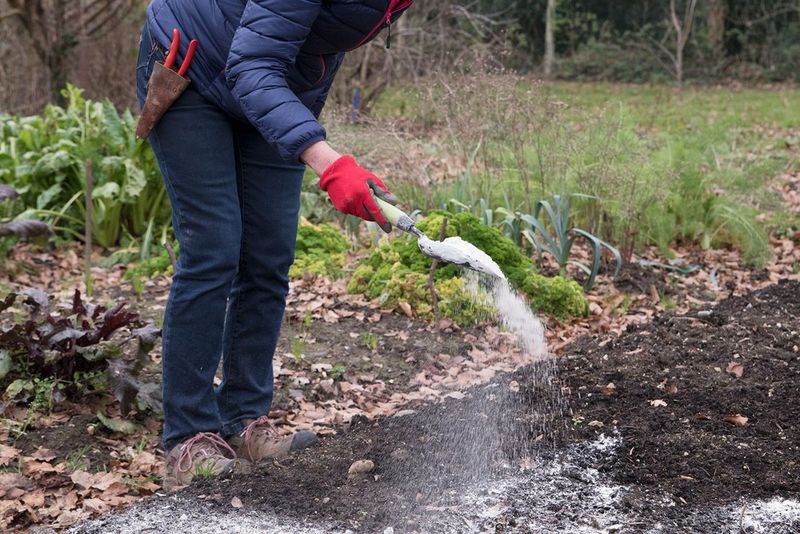
Agricultural lime works slowly, because the crushed limestone must dissolve in soil water before it can raise pH. NC State Extension notes that this reaction often takes three to six months, sometimes longer in heavy clay.
That timeline is the main reason fall makes so much sense for North Carolina gardeners and lawn owners. Lime spread in October has the whole winter to react, so the soil is much closer to ready by April.
Spring planting season is when your grass, vegetables, and shrubs need balanced soil the most to grow well. If you wait until March, much of the lime may still be sitting there, only partly dissolved.
Clay makes timing even more important, since its tiny particles hold onto acidity more tightly than sandy soil. Soil scientists call this buffer capacity, and it explains why clay usually needs more lime than sand.
The Piedmont region, stretching from Charlotte to Raleigh, is famous for this sticky red clay and its low pH. Rain over many years has washed calcium and magnesium out of these soils, leaving them naturally acidic.
Acidic soil can lock up nutrients like phosphorus, so plants struggle even when you add plenty of fertilizer. Raising pH in fall helps those nutrients become available right when roots start growing again next spring.
Think of fall liming as planting a seed of change that slowly grows underground all winter long. By the time daffodils bloom, your clay should be friendlier to most lawns and garden crops.
October Soil Tests Come Back Faster
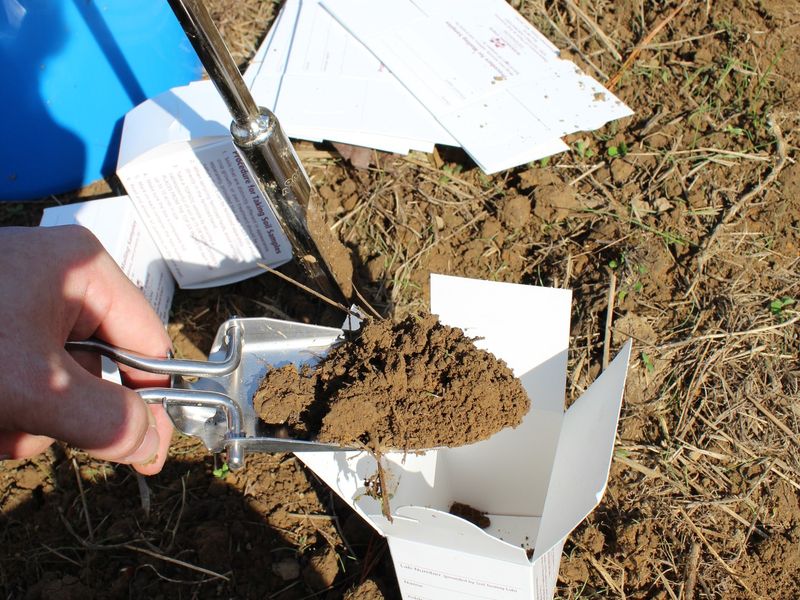
A soil test is the smartest first step, and October is a wonderful month to collect your samples. The NCDA&CS lab in Raleigh processes home samples free from April through November, which saves you a little money.
From December through March, a small fee applies because farmers flood the lab with samples before spring planting. Fall samples also come back faster, often within a few weeks instead of the longer wait in late winter.
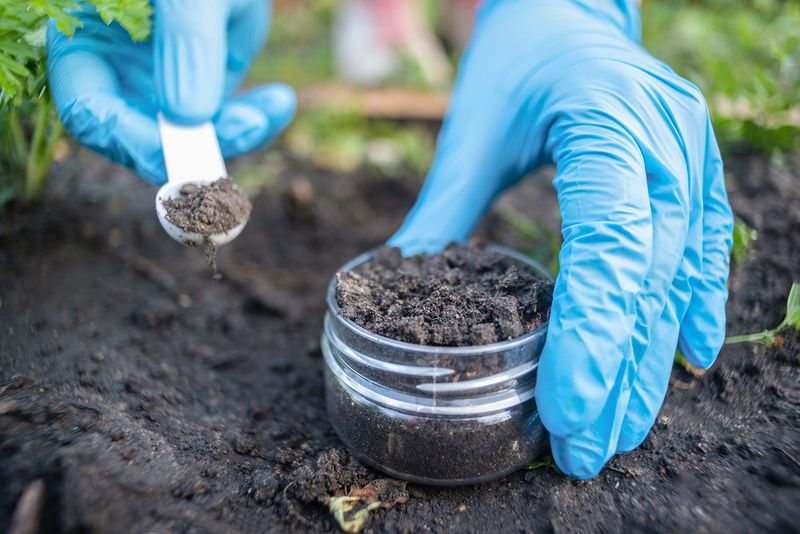
Collecting samples is simple, and you only need a clean plastic bucket plus a trowel or soil probe. Take ten to fifteen small cores from one area, about four inches deep for lawns, then mix them well.
Your North Carolina Garden Changes Every Week. Your Plan Should Too.
Gardening in North Carolina changes quickly throughout the season. Every Friday you’ll receive a simple weekly plan showing exactly what to plant, prune, fertilize, harvest, and protect so you never miss the right timing.
Garden beds should be sampled a bit deeper, usually around six to eight inches, where most roots grow. Free sample boxes and forms are available at most county Cooperative Extension offices across North Carolina.
Your report will list the current pH and give a specific lime recommendation for the crop you choose. That number takes the guessing out of liming, which protects your plants from getting too much or too little.
Testing in fall also leaves enough time to spread lime before the ground gets cold and soggy. I like mailing my boxes in early October, then spreading lime a few weeks later when the results arrive.
Label each box clearly, such as front lawn or tomato bed, so you can match results to each spot. Different areas of the same yard often need very different amounts of lime, even on similar clay.
Cool Damp Weather Helps Lime Settle In
Rain is lime’s best helper, since the powder needs moisture to dissolve and start working its way downward. North Carolina usually gets steady rainfall through late fall and winter, which gently carries lime into the soil.
Lime moves slowly, often less than an inch per year, so it needs every month of help it can get. Freezing and thawing over winter can also open small cracks in clay, helping particles reach a little deeper.
Fall is also a gentler time to work in your yard, because most plants are slowing their growth. In vegetable beds, you can mix lime into the top six inches after you clear out summer crops.
Tilling it in spreads the lime evenly, so it reaches the root zone much faster than surface spreading alone. Avoid working clay when it is soaking wet, because that can squeeze it into hard, brick-like clumps.
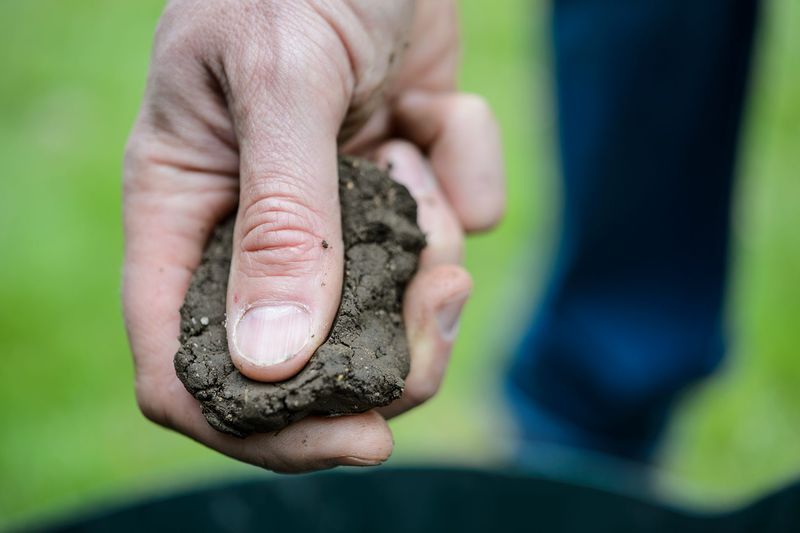
A simple test helps here, since a handful of soil should crumble apart instead of forming a sticky ball. For lawns, core aerating before liming in fall gives the lime small holes to slip into quickly.
Cool-season grasses like tall fescue are often aerated and overseeded in September or October across the state. Pairing those chores with liming saves you time and helps new seedlings grow in better balanced soil.
Many gardeners find that a light rain right after spreading is the perfect way to settle the dust. If the forecast looks dry, a quick watering with the hose can do the same job just fine.
Skip The Guesswork On Bag Rates
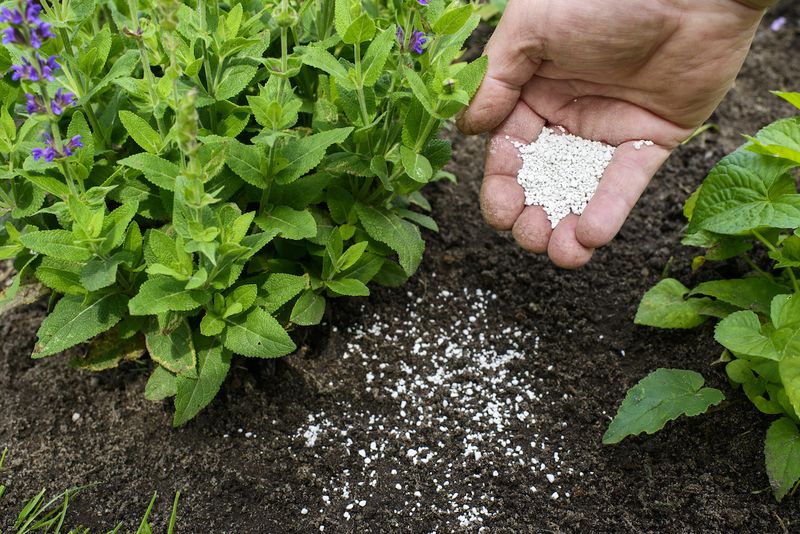
More lime is not better, and that surprises many people who spread a few extra bags just in case. Raising pH too high can cause problems like iron or manganese shortages, which often turn leaves pale yellow.
Blueberries, azaleas, and camellias prefer acidic soil, so they rarely need lime at all in North Carolina. Keep lime away from those shrubs, even if the lawn right next to them needs a hearty dose.
Your soil report usually gives lime amounts in pounds per thousand square feet, which makes math much easier. Measure your lawn or bed by multiplying length by width, then divide by one thousand for a quick estimate.
Lawns often should not get more than about fifty pounds per thousand square feet in one application. If your report calls for more, split the total between fall and the following spring for better results.
A drop or broadcast spreader gives the most even coverage, and you can rent one from many garden stores. Try spreading half the amount in one direction, then the other half crosswise, to avoid missed stripes.
Wear gloves, safety glasses, and a dust mask, because fine lime powder can irritate skin, eyes, and lungs. Sweep stray granules off sidewalks and driveways afterward, so they do not leave white marks on the concrete.
I keep a little notebook with the date and amount, which really helps when the next test arrives. Careful records show you how quickly your clay responds, so future liming becomes easier to plan.
Pick The Right Lime For Heavy Clay
Walk down the lime aisle at any garden center, and you will spot several bags with different labels. Calcitic lime mostly adds calcium, while dolomitic lime adds both calcium and magnesium to your garden soil.
Many North Carolina soils run low on magnesium, so dolomitic lime is a common choice across the state. Your soil report will show magnesium levels, which helps you decide which type fits your yard best.
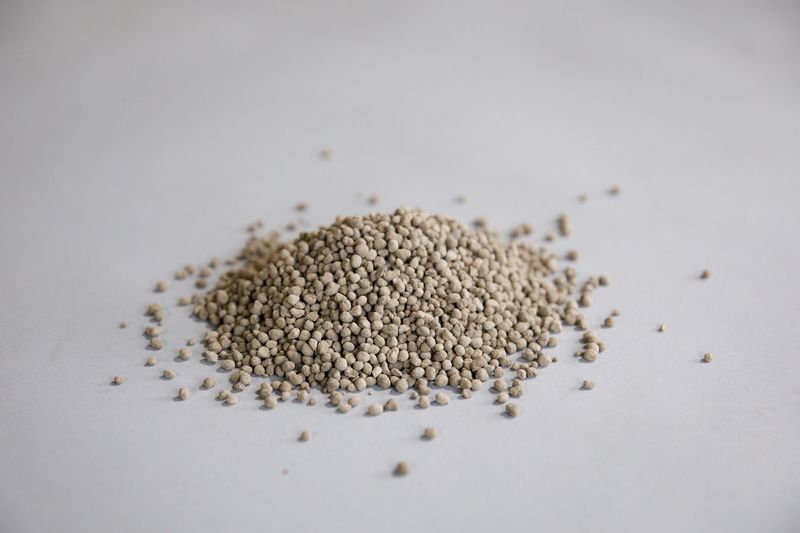
Pelletized lime is ground limestone pressed into small pellets, so it spreads easily with much less dust. Pellets break apart after rain, and they work about as well as powdered lime once they dissolve.
Powdered lime is usually cheaper per pound, but it can blow around on windy, chilly fall afternoons. Hydrated lime and quicklime act much faster, but they are caustic and can easily burn plants or skin.
Extension experts generally suggest skipping those products for home gardens, since ground limestone is safer and gentler. Gypsum often gets mixed up with lime, but it does not raise soil pH at all.
Some products claim to loosen heavy clay overnight, yet research shows gypsum rarely changes Piedmont clay much. Adding compost each fall does more to improve clay structure, and it feeds helpful soil life too.
Lime and compost make a friendly team, with one fixing acidity and the other building loose, crumbly texture. Reading the label for the calcium carbonate equivalent also tells you how strong each bag really is.
Plan Your Next Soil Test Three Years Out
Once your clay reaches a healthy pH, the effects of one good liming often last for several years. NC State Extension suggests retesting lawns and gardens about every two to three years to track changes.
Rain, fertilizer, and decaying plant material slowly push soil back toward acidity over time in our climate. Nitrogen fertilizers are a big part of that drift, especially on lawns that get fed several times yearly.
Mark your calendar for an October soil test every few years, so fall liming becomes a steady habit. Small, regular corrections are much easier on plants than big swings in pH after years of neglect.
Watch your yard for clues between tests, such as moss spreading in shady lawn areas or weak growth. Moss can point to acidic soil, but it also loves shade and poor drainage, so testing confirms the cause.
Keeping fallen leaves shredded and mixed into beds adds organic matter that slowly loosens stubborn clay. Better structure lets water and lime move through the soil more easily during each rainy winter season.
Some uncertainty remains about exact timing, since spring liming also works if you can wait for results. Still, fall gives the longest head start, which is a real advantage for slow, heavy North Carolina clay.
Each autumn, I enjoy checking old notes, comparing reports, and seeing my once sour clay slowly improve. Your yard can follow that same path, one patient fall application and one simple soil test at a time.