Common Mistakes North Carolina Gardeners Make When Planting Loropetalum Along Busy Road Facing Borders
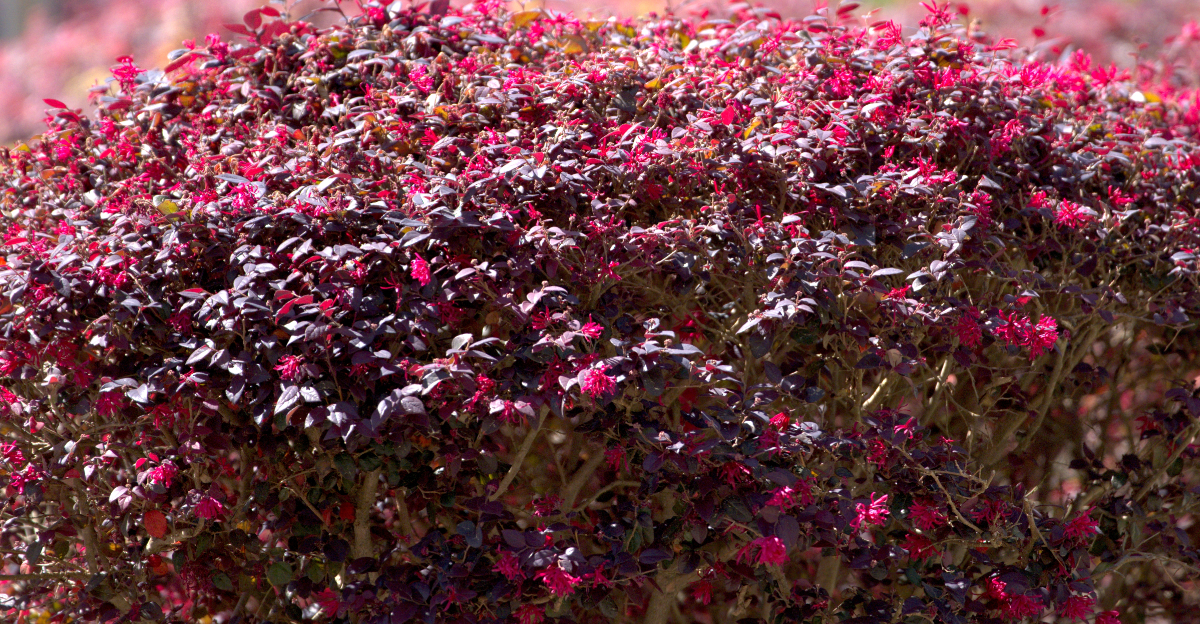
Loropetalum is one of the most striking shrubs available to North Carolina gardeners, with deep burgundy foliage and vivid blooms that look spectacular in the right setting.
Road-facing borders seem like an ideal spot to show them off, but that location comes with a specific set of challenges that catch a lot of gardeners completely off guard.
Compacted soil from road runoff, salt exposure during winter months, exhaust-related stress, and intense reflected heat from pavement all add up to conditions that loropetalum struggles with more than most people expect.
Several planting and placement habits that work fine elsewhere on the property tend to backfire in this particular spot. Getting it right from the start saves a lot of time, money, and frustration down the road.
1. Planting Too Close To The Road
Most gardeners eyeball their spacing without thinking about what a road actually throws at plants every single day.
Salt spray from winter road treatments, exhaust fumes, and the occasional car tire clipping branches are real threats that Loropetalum simply was not built to handle up close.
Roadside exposure is far more aggressive than typical garden conditions, and the damage often sneaks up on you slowly.
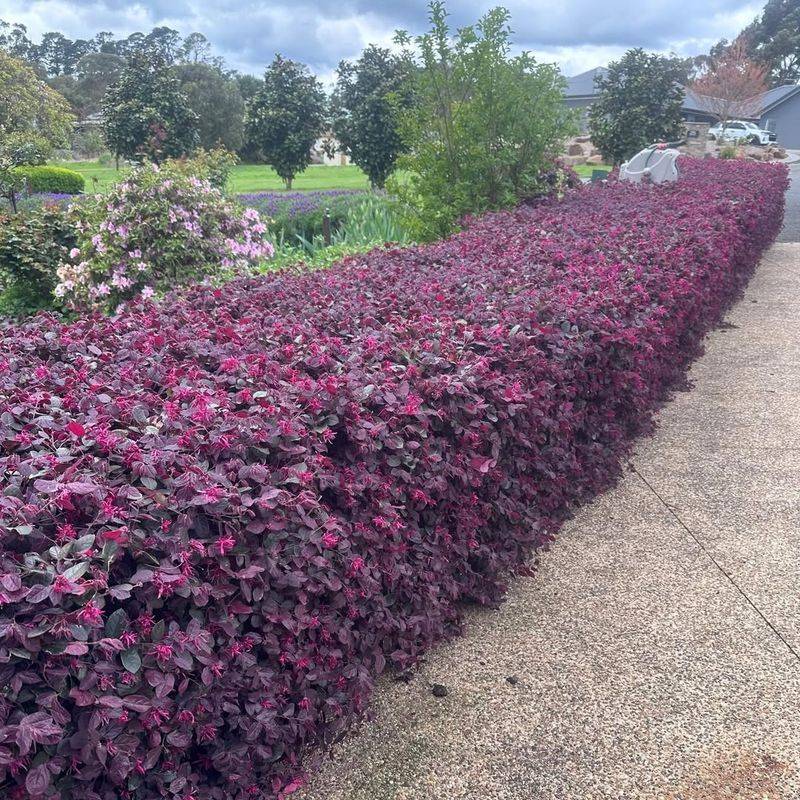
A safe setback of at least five to eight feet from the road edge gives your shrubs breathing room. This distance reduces direct contact with salt drift and keeps the foliage cleaner.
Even a small buffer zone can make a noticeable difference in how healthy and full your plants look each spring.
Pollution from heavy traffic gradually coats leaf surfaces and reduces the plant’s ability to absorb sunlight efficiently. Over time, this buildup weakens the shrub and reduces flowering.
Planting a low groundcover or ornamental grass row between the road and your Loropetalum acts as a natural filter and adds visual depth to the border. Strategic placement is not just about looks.
It is about giving your plants a genuine chance to thrive in a tough environment without constant intervention from you.
2. Choosing Wrong Cultivars
Walk into any North Carolina garden center and you will find a wall of Loropetalum tags, each promising something different.
Sizes range from compact two-foot mounds to towering twelve-foot specimens, and not every one of them is built for the punishment of a roadside border.
Picking the wrong cultivar is one of the most common and costly mistakes homeowners make.
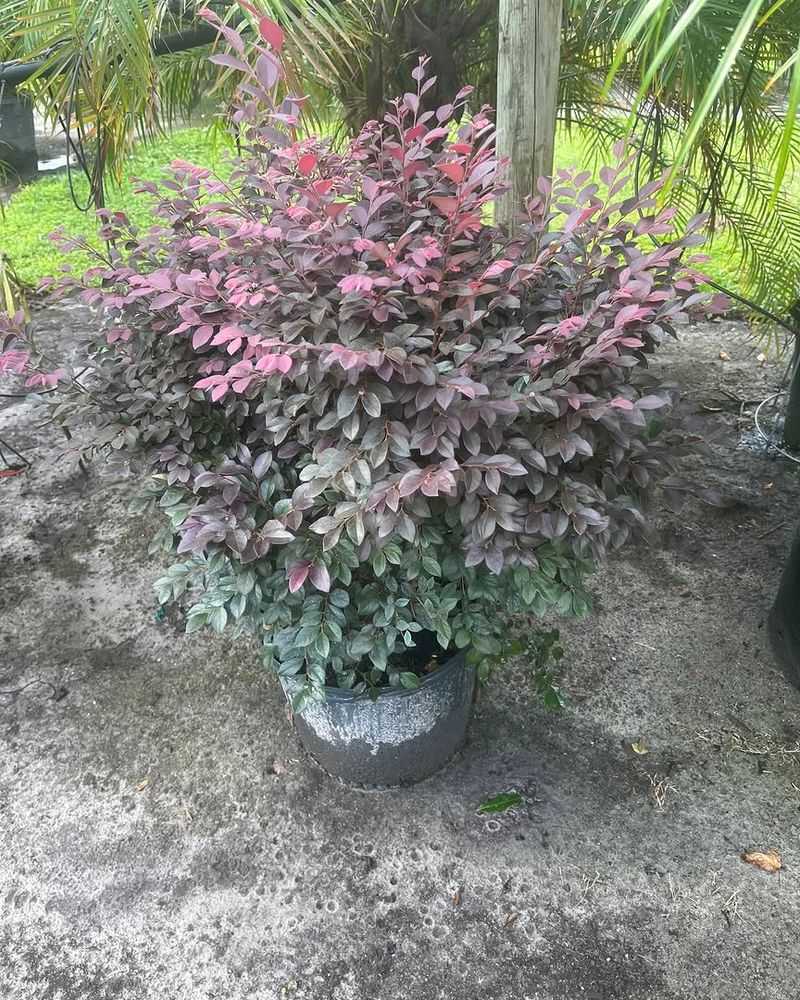
For road-facing borders, you want cultivars with proven wind and heat tolerance. Varieties like ‘Crimson Fire,’ ‘Purple Pixie,’ and ‘Plum Delight’ have strong reputations for handling full sun and moderate drought without losing their vibrant color.
These selections maintain tighter, more manageable growth habits that suit a structured border design well.
Avoid cultivars that were bred primarily for shade or sheltered courtyard settings. These tend to stretch, lose color saturation, and struggle when exposed to intense afternoon sun and drying road winds.
Always read the tag carefully and ask your local nursery professional about roadside-specific performance before purchasing. A little research upfront saves you from replacing unhappy plants in two years.
Your North Carolina Garden Changes Every Week. Your Plan Should Too.
Gardening in North Carolina changes quickly throughout the season. Every Friday you’ll receive a simple weekly plan showing exactly what to plant, prune, fertilize, harvest, and protect so you never miss the right timing.
North Carolina summers are no joke, and your Loropetalum needs to be matched to the reality of your specific planting site rather than chosen purely for its looks on the shelf.
3. Ignoring Soil Preparation
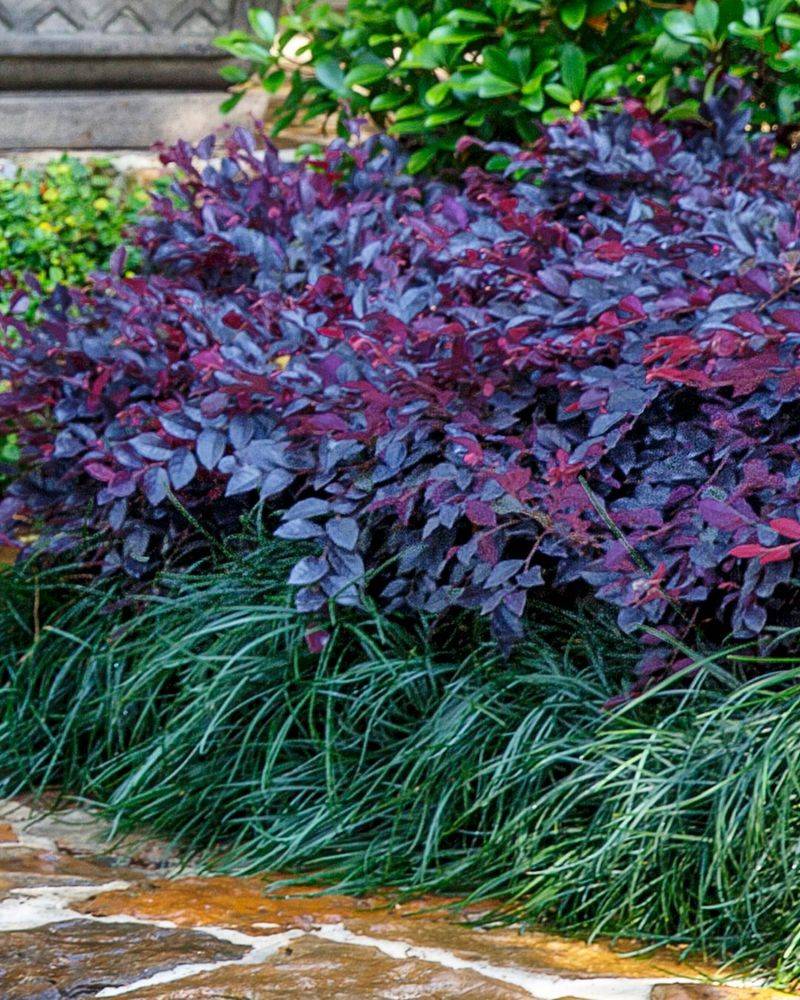
Roadside soil has a reputation for being absolutely terrible, and honestly, it earns that reputation every time.
Years of compaction from foot traffic, runoff, and construction activity leave the ground dense, poorly drained, and often stripped of the organic matter that plants depend on.
Dropping a Loropetalum into unprepared soil like that is setting it up for a slow, frustrating struggle.
Loropetalum thrives in slightly acidic, well-drained soil with a pH between 4.5 and 6.5. Before planting, test your soil using an inexpensive kit from any local garden center.
If the pH is off or the drainage is poor, work in generous amounts of compost, pine bark fines, or aged leaf mulch to loosen the structure and improve acidity naturally.
Compacted roadside areas also tend to drain poorly during heavy rain, which leaves roots sitting in water longer than they should.
Raised planting mounds, just four to six inches above grade, can dramatically improve drainage without major landscaping effort.
Mix in a slow-release fertilizer formulated for acid-loving plants at planting time to give your shrubs a strong nutritional foundation.
Skipping soil prep might save you thirty minutes today, but it almost always costs you far more time troubleshooting poor growth and patchy flowering in the seasons ahead.
4. Failing To Mulch Properly
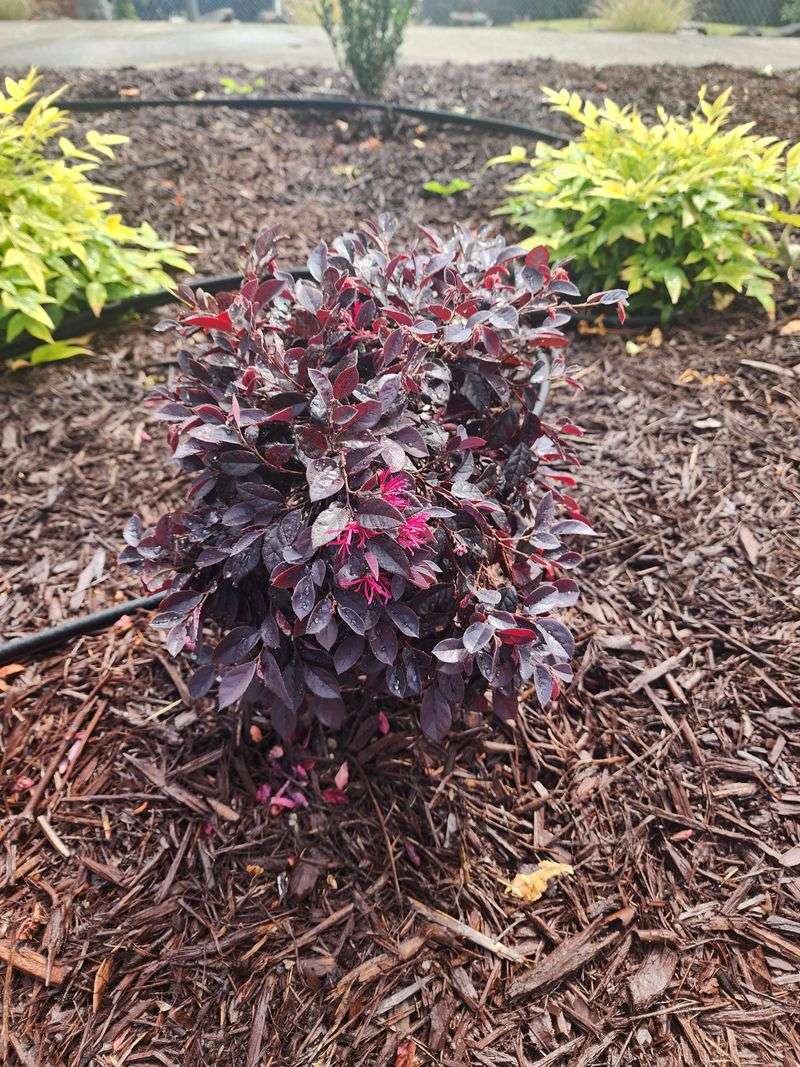
Mulching feels straightforward until you realize how many ways it can go wrong.
A thick, generous layer of mulch sounds like good plant care, but pile it too deep or push it right up against the trunk and you are creating the perfect conditions for fungal rot and pest problems.
Loropetalum is particularly sensitive to crown moisture issues, especially in North Carolina’s humid summers.
The sweet spot for mulch depth is two to three inches. Any thicker and you risk blocking oxygen from reaching the root zone, which stresses the plant over time.
Keep mulch pulled back at least two to three inches from the main stem to allow air circulation at the base and reduce moisture buildup against the bark.
Pine straw and shredded hardwood bark are both excellent choices for North Carolina roadside borders. They break down gradually, adding organic matter to the soil while maintaining a tidy, finished look.
Refresh your mulch layer once or twice a year rather than continuously piling on new material over old.
Good mulching genuinely protects your Loropetalum from temperature swings, retains soil moisture during dry spells, and suppresses weeds that compete for nutrients.
Done right, it is one of the simplest and most effective tools in your gardening routine, and it costs very little to get it right.
5. Overwatering Or Underwatering
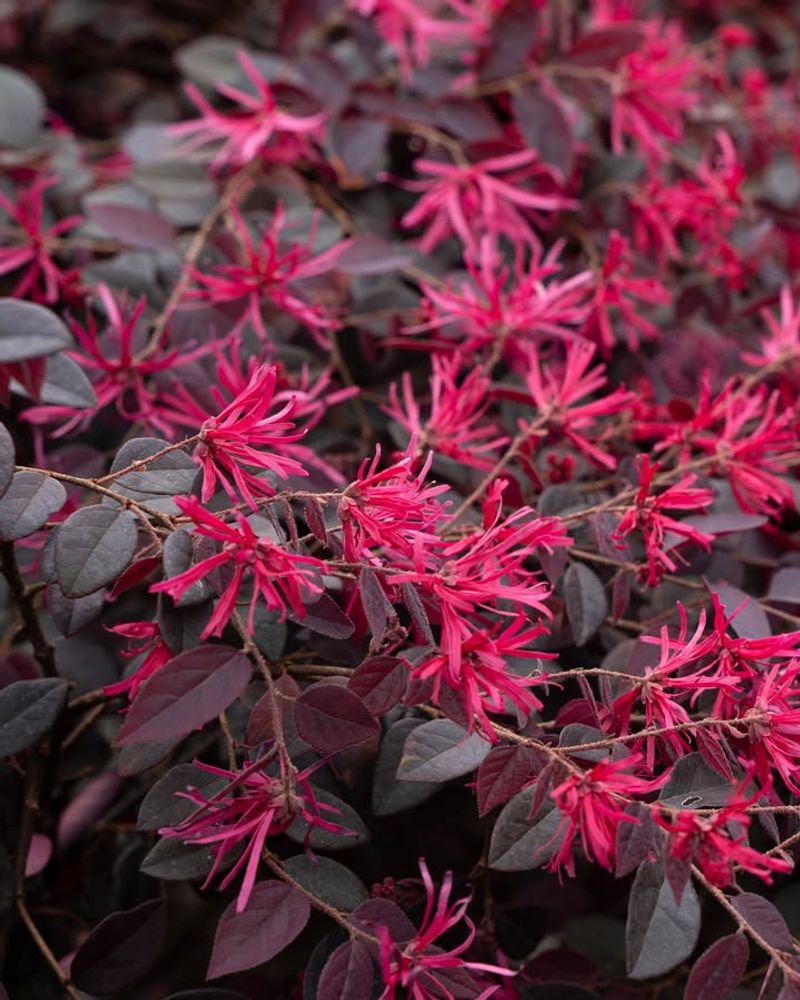
Getting the watering balance right for Loropetalum is one of those things that sounds simple but trips up even experienced gardeners. Too much water and the roots suffocate in soggy soil.
Too little and the plant drops leaves, fades in color, and stops producing those gorgeous pink flowers.
Newly planted shrubs along busy roads are especially vulnerable because they have not yet developed deep root systems to buffer against moisture swings.
For the first growing season, water your Loropetalum deeply two to three times per week, allowing the soil to dry slightly between sessions. Deep watering encourages roots to grow downward rather than staying shallow and vulnerable.
A good rule of thumb is to water until moisture reaches six to eight inches below the surface, which you can check with a simple soil probe or a wooden dowel.
Once established, typically after the first full year, Loropetalum becomes fairly drought-tolerant and needs far less attention.
During North Carolina’s hottest summer stretches, check soil moisture every few days rather than watering on a fixed schedule.
Drip irrigation or soaker hoses work beautifully for road-facing borders because they deliver water directly to the root zone without wetting the foliage.
Wet leaves combined with high humidity create conditions where fungal problems thrive, so keeping water off the plant itself is always a smart habit.
6. Not Considering Visibility And Size
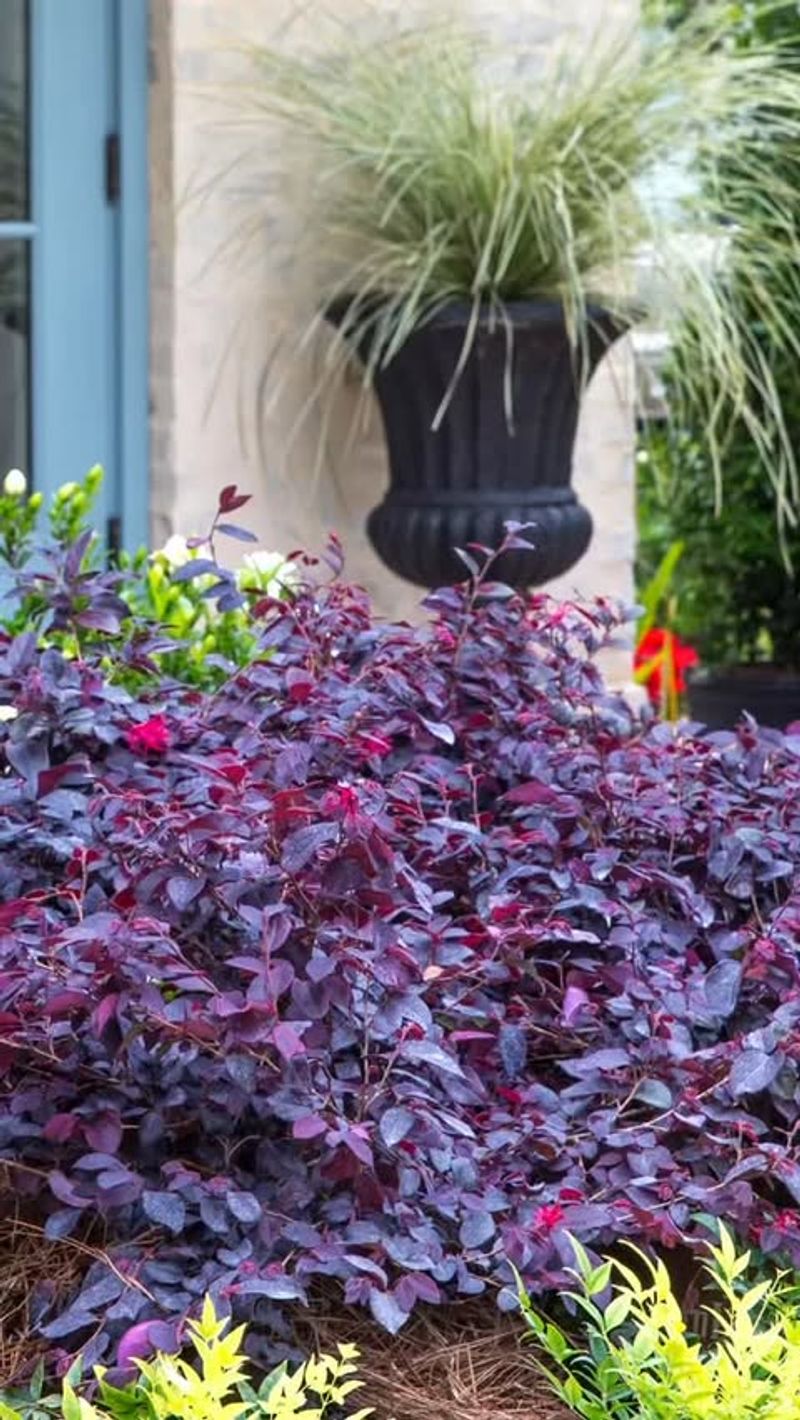
Picture this: you plant a beautiful row of Loropetalum along your road border, and five years later it has swallowed the mailbox, blocked the driveway sightline, and earned you a strongly worded note from your HOA.
Mature size is one of the most overlooked factors when choosing shrubs for a roadside planting, and Loropetalum grows faster and larger than most people expect.
Standard varieties can easily reach six to ten feet tall and equally wide without pruning. For road-facing borders with limited space or visibility concerns, compact cultivars like ‘Purple Pixie’ or ‘Crimson Fire’ are smarter choices.
These stay in the two to four foot range and require far less corrective pruning to maintain a tidy, safe appearance near traffic.
Always check the mature spread listed on the plant tag and space accordingly, typically four to six feet apart for compact types and six to eight feet for standard ones.
Avoid placing large-growing cultivars within fifteen feet of intersections or driveway exits where sight distance is critical for driver safety.
A border that looks sparse at planting will fill in beautifully within two to three growing seasons, so resist the urge to crowd plants together for an instant effect.
Thoughtful spacing from day one means a healthier, more attractive border that you will not need to constantly battle back into shape.
7. Neglecting Winter Protection
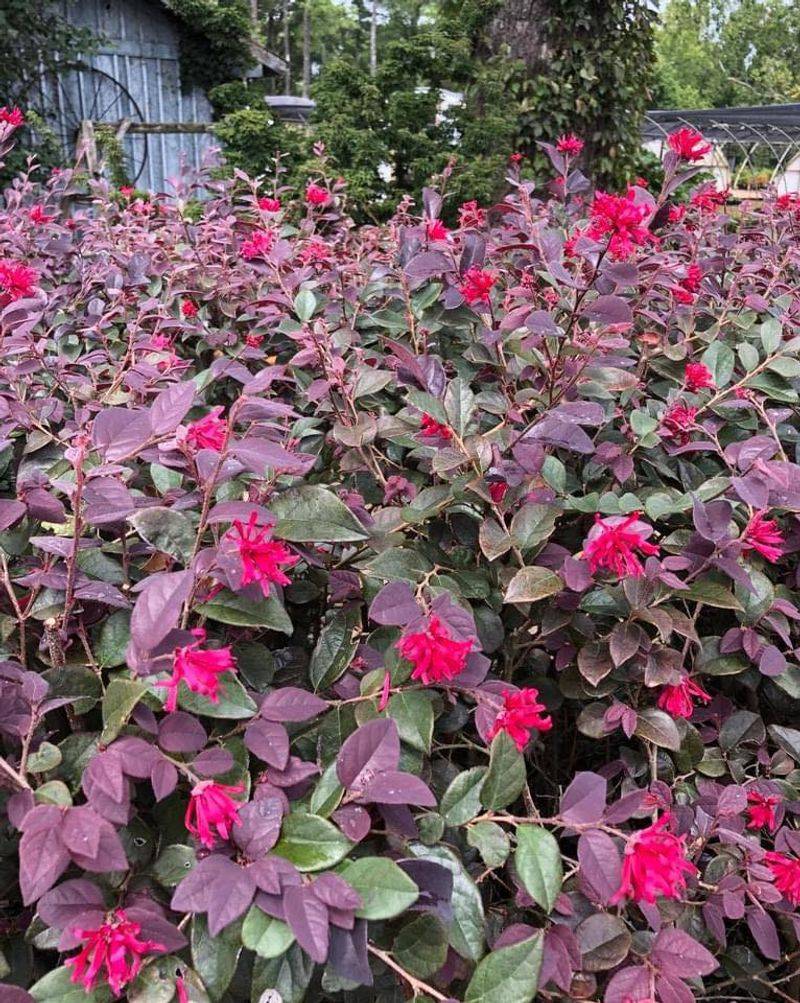
North Carolina winters are unpredictable in the best possible way and unforgiving in the worst.
While Loropetalum is generally hardy in USDA zones 7 through 9, which covers most of the state, road-facing borders expose plants to wind chill and freeze events that sheltered garden beds simply do not experience.
Wind coming off a busy road in January can damage foliage and stress root systems in ways that show up as poor flowering come spring.
Adding a fresh two to three inch layer of mulch in late fall does wonders for protecting the root zone from temperature fluctuations. Focus especially on the area directly beneath the canopy, where feeder roots are most active.
This single step alone dramatically improves how well your Loropetalum bounces back after a hard freeze.
For plants in exposed positions near the road, a temporary burlap wind barrier on the north and west sides can reduce wind chill damage significantly during cold snaps.
Avoid wrapping the plant tightly in plastic, which traps moisture and causes more problems than it solves.
Young plants in their first or second winter are the most vulnerable and deserve the most attention.
Once your Loropetalum reaches maturity and establishes a deep root system, it handles typical North Carolina winters with very little help from you, making that early protection investment well worth the effort.
8. Ignoring Maintenance Requirements
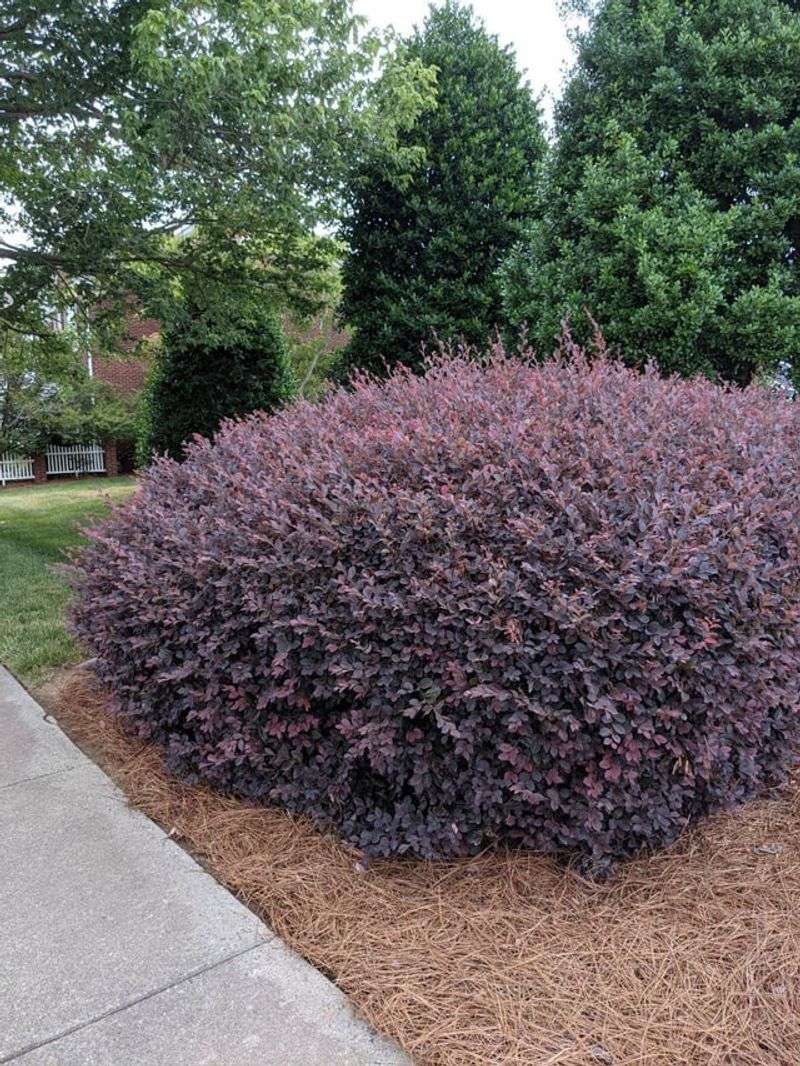
Loropetalum has a reputation for being low-maintenance, and compared to many flowering shrubs, it genuinely is.
But low-maintenance does not mean no-maintenance, and that distinction gets blurry when plants are growing along a busy road where debris, pollution, and pest pressure are constant factors.
Skipping regular care routines leads to overgrown, stressed plants that lose their visual impact and become more vulnerable to disease.
Light pruning once or twice a year keeps the shape tidy and encourages fresh growth with better flower production. The best time to prune is right after the spring bloom period wraps up, which avoids cutting off the following season’s buds.
Avoid heavy shearing in late summer or fall, as this can stimulate tender new growth that gets damaged during the first cold snap. Debris removal matters more along road borders than in typical garden beds.
Fallen leaves, windblown litter, and decaying organic material that collects beneath the shrubs create humid pockets where fungal diseases and pests like scale insects get started.
A quick cleanup every few weeks during the growing season keeps problems from building up quietly. Inspect your plants regularly for signs of leaf spot, powdery mildew, or unusual discoloration.
Catching issues early means simpler solutions. A consistent, modest maintenance routine keeps your roadside Loropetalum looking sharp, flowering reliably, and staying healthy through every season.