Warning Signs Of Rats In Your California Yard Before They Move Into Your Home
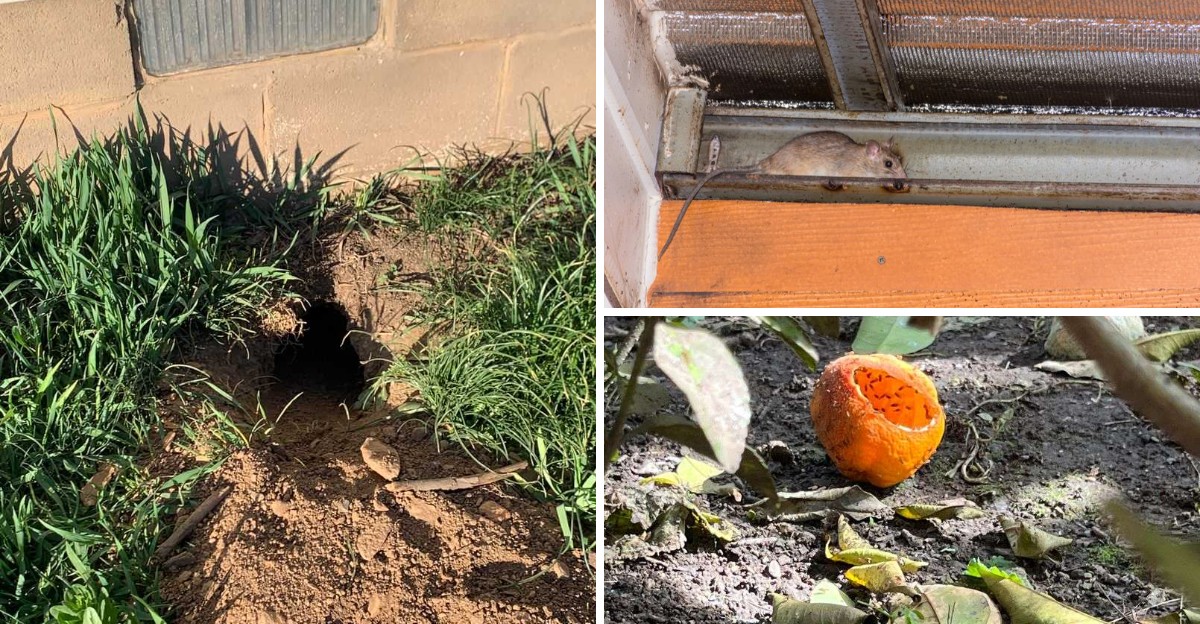
The back fence looks quiet at dusk, yet small clues often hide in plain sight. A hollowed citrus peel on the lawn, a few dark specks along a garden wall, a faint scratching from somewhere overhead.
Each one seems easy to dismiss.
Together, they can tell a story that unfolds slowly across weeks.
Unwanted visitors rarely arrive all at once. They explore first, testing food sources, shelter, and travel routes before settling in closer to the house.
Fall makes the pattern more noticeable, as cooler nights push them toward warmth.
Catching the story early keeps the solution simple and inexpensive. A few observant walks around the yard, paired with some practical fixes, can keep the outdoors outdoors.
1. Droppings Show Up Along Fences And Walls
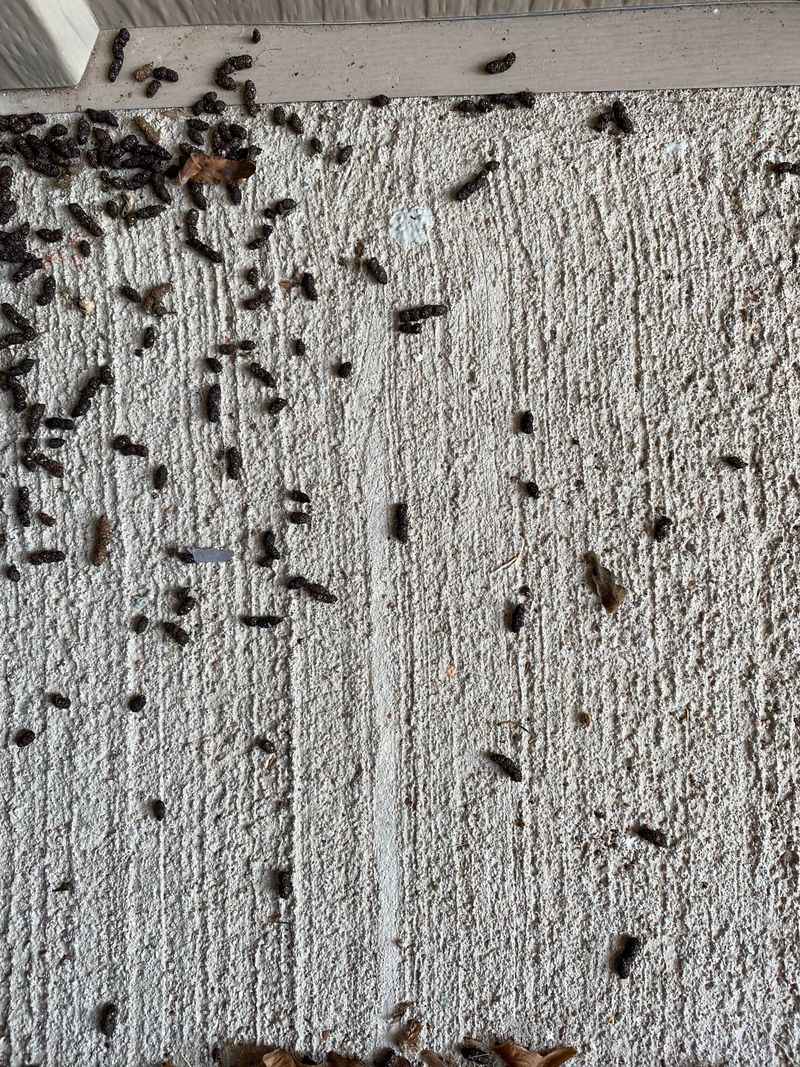
A flashlight aimed along the bottom edge of a back fence often reveals the first clue.
Rats travel with one side against a solid surface, so droppings collect along fences, walls, and shed edges.
They often turn up in the same spots again and again.
Roof rat droppings usually measure about half an inch long with pointed ends. Norway rat droppings run larger, closer to three-quarters of an inch, with blunt ends.
Fresh ones look dark, shiny, and slightly soft, while older ones turn dull, gray, and crumbly, revealing whether visitors are still around.
Quiet, protected places deserve the closest look. Spots behind trash cans, under decks, beside woodpiles, and along garage walls are favorite stops.
A small pile near a fruit tree or compost bin hints at nearby feeding, while droppings scattered across an open patio are less common.
Cleanup calls for care. Rodent droppings can carry germs, so dry sweeping or vacuuming is best avoided, since both stir up dust.
Rubber gloves, a disinfectant or bleach and water spray, and several minutes of soaking before wiping make the safer approach.
A clean sweep followed by another check a few days later shows whether the runway stays active.
New droppings in the same spot confirm regular traffic, a useful detail to share with a licensed pest professional.
Fall often brings a rise in sightings, as cooling weather nudges rats toward sheltered spots near homes.
2. Gnawed Fruit And Nuts Litter The Ground
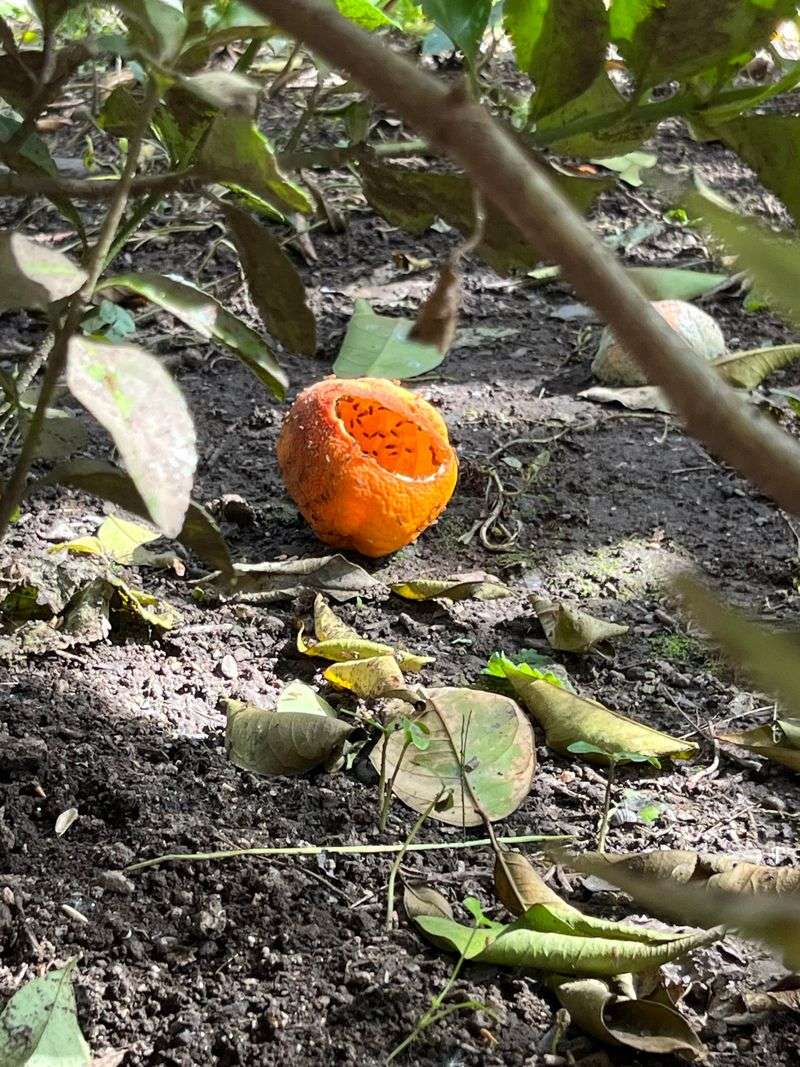
An orange that looks perfect from one side may hide a scooped-out interior on the other, leaving an empty rind like a little bowl.
Roof rats are famous for this trick on California citrus, and it ranks among the clearest clues available.
Avocados, stone fruit, figs, and berries get the same treatment, often hollowed while still on the branch.
Snails and birds also damage fruit, though birds peck ragged holes and snails leave slime trails. Rat damage shows clean, scraped edges from sharp front teeth.
Nuts tell a story too. Walnuts, almonds, and pecans with jagged openings chewed through the shell point to rodents.
Piles of shells tucked under a deck or in a woodpile suggest snacks carried back to a hiding spot.
Simple housekeeping offers the best response. Picking ripe fruit promptly and gathering dropped fruit and nuts every day or two during harvest season removes a nightly buffet.
Your California Garden Changes Every Week. Your Plan Should Too.
Gardening in California changes quickly throughout the season. Every Friday you’ll receive a simple weekly plan showing exactly what to plant, prune, fertilize, harvest, and protect so you never miss the right timing.
Fall persimmons, pomegranates, and early citrus all deserve that attention right now.
Pruning lower branches so the canopy stays clear of roofs, fences, and wires removes the bridges rats use.
A tree standing on its own is much harder for a climbing rat to reach, keeping the harvest for the household.
Clean pruners wiped with household disinfectant keep cuts tidy, and lifting skirts about two feet off the ground makes hiding spots easier to see.
3. Greasy Rub Marks Trace Their Runways
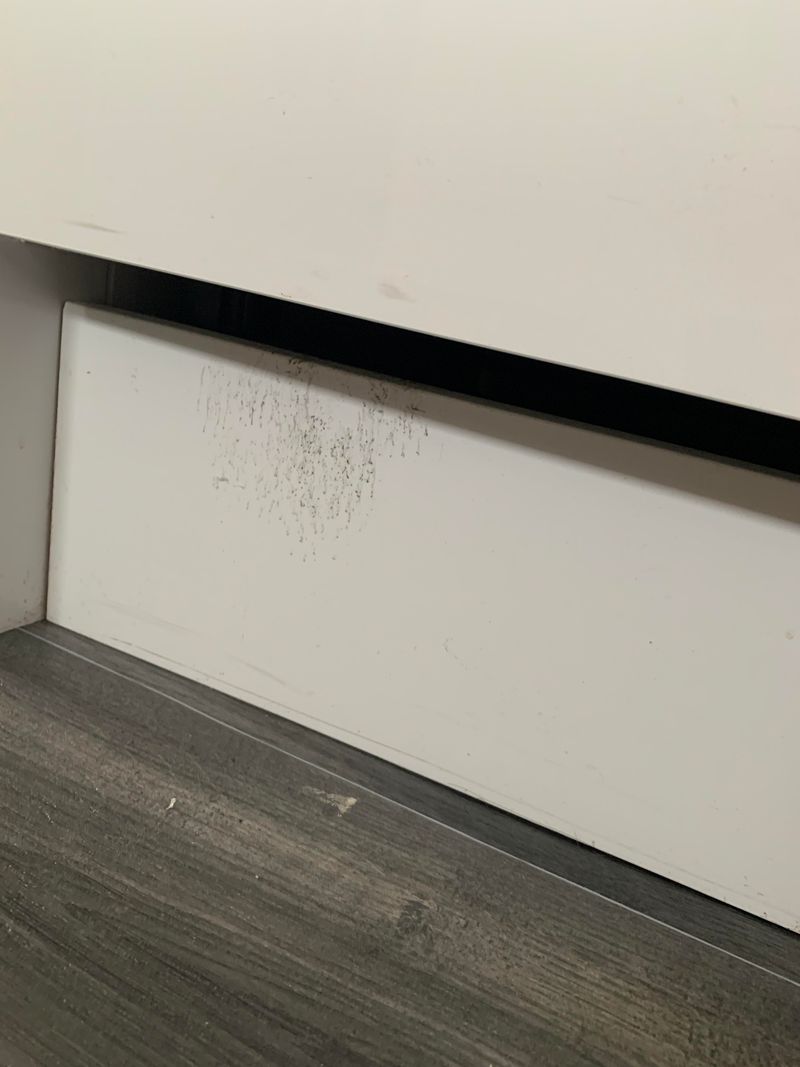
Dirty fur leaves a signature. Rats carry oil and grime on their coats, and brushing against the same surfaces nightly leaves dark, greasy smudges behind.
Over time, these marks resemble a dirty thumb rubbed along a wall.
Corners and spots where surfaces meet the ground deserve a check. Stucco walls, fence boards, pipes, beams, and the edges of holes are common locations.
Roof rats often leave rub marks high up, along rafters, ledges, or where branches meet the roofline, while Norway rats leave them lower, close to the soil.
Fresh marks feel slightly sticky and look darker, while old ones turn dry and flaky.
Paired with nearby droppings, rub marks confirm a regular travel route rather than a one-time visitor. Rats follow habits, so routes rarely change once set.
On dirt or grass, a narrow, packed path about two to three inches wide may also appear.
These runways often connect shelter, such as a woodpile, with food, such as a fruit tree or pet bowl.
That information helps considerably. Mapping runways shows exactly where rats travel, guiding exclusion work and any control plan, especially along fences and walls.
A licensed pest professional can use those routes to place monitoring and control tools safely, away from children, pets, and wildlife.
Cleaning off smudges afterward makes new ones easy to spot, a simple way to track whether efforts are working.
4. Burrows Appear Beside Foundations And Slabs
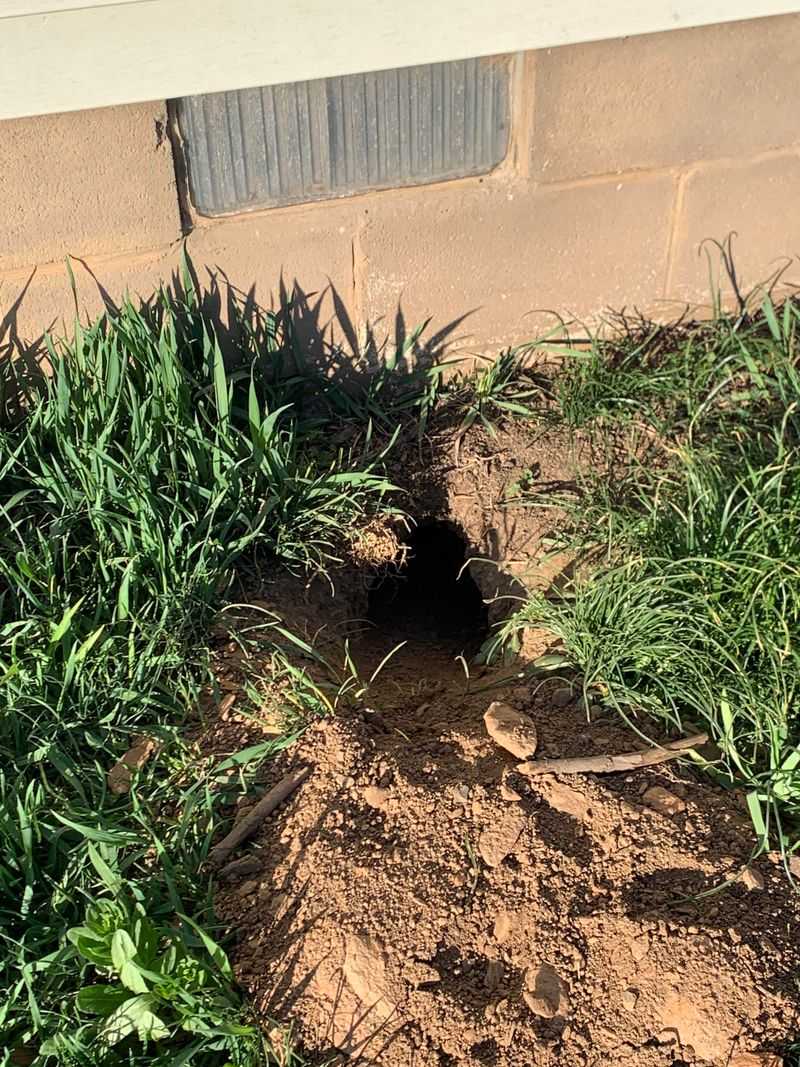
Fresh dirt piled beside a patio slab isn’t always a gopher’s work. Norway rats are diggers, tunneling beside foundations, walkways, slabs, and garden beds.
The solid surface above gives their home a sturdy roof.
Burrow openings usually measure about two to four inches across. Active holes look smooth and clean, often with loose soil fanned near the entrance and no cobwebs blocking it.
Rats commonly dig a main hole plus one or two escape exits nearby.
Gophers tend to plug holes with soil mounds, and ground squirrels leave larger openings in open areas. Rat burrows hug structures near cover like shrubs or woodpiles.
Dense ground cover hides them well, so pulling plants back allows a closer look.
A simple test confirms activity. A suspected hole loosely filled with soil or crumpled newspaper, then checked the next day, reveals use when reopened.
Burrows next to a home matter, since they can lead under slabs and toward foundation gaps over time.
Active burrows near the house are a good reason to call a licensed pest professional or consult the county Agricultural Commissioner’s office for guidance.
Once activity stops, filling holes with soil and tamping firmly closes them, and clearing nearby clutter makes the spot less inviting for future tenants.
Fall rains can soften soil and reveal fresh digging, so post-storm checks along foundations help catch new burrows early.
5. Nests Hide In Palms Ivy And Dense Trees

Shaggy palm skirts may look charming, but to a roof rat they resemble luxury apartments. These agile climbers prefer living off the ground.
Old palm fronds, thick ivy, bougainvillea, and dense trees all make cozy hideouts in California landscapes.
Roof rats build loose nests from shredded leaves, bark, paper, and other soft scraps, sometimes tucked into palm fronds or deep inside a hedge.
Occasionally the only hint is a rustle in the ivy at dusk or a fast shadow along a fence top.
Roof rats travel along power lines and thin branches with ease, balancing with long tails that measure longer than their head and body combined.
That climbing skill explains why trees near rooftops cause so much trouble.
Thinning dense plants ranks among the most useful steps. Regular removal of old palm fronds and cutting ivy back from walls, fences, and trees removes cover.
Shrubs pruned so the ground underneath stays visible, and fewer thick mats of ground cover near the house, help as well.
Tree limbs work best kept several feet from the roof. Zone 0 rules also call for keeping branches 10 feet from chimneys and clear of the area under eaves.
Dry palm skirts burn readily, so trimming them reduces fire risk as well as rodent shelter.
Without cover, rats feel exposed and tend to move along. A little time each season keeps the yard far less inviting.
6. Night Noises Come From Roofs And Walls
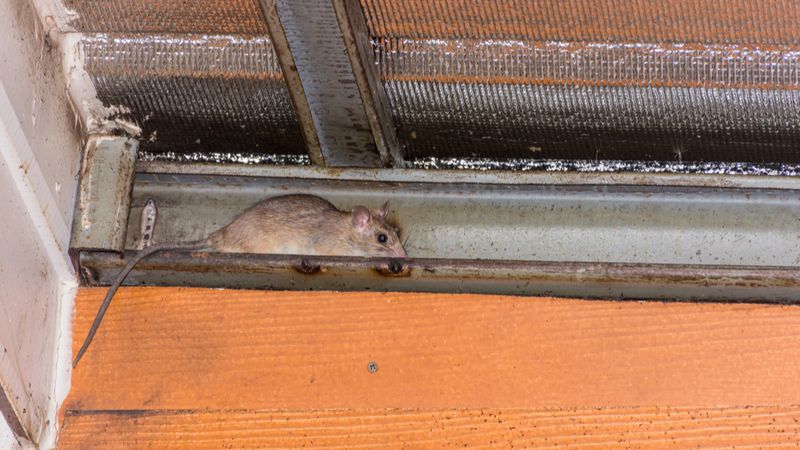
Late at night, the house goes quiet, and then it starts. A quick patter across the roof, a scratch inside the wall, and a soft thump from the attic.
Many homeowners first notice rats by ear rather than by sight.
Rats are most active after dark. Roof rats often run along roof edges, rain gutters, and attic beams, so the sounds come from overhead.
Norway rats tend to stay low, making noise under floors, in crawl spaces, or along the bottom of walls.
Sounds outside on the roof offer an early warning, since rats may be scouting for a way in.
Sounds inside walls or the attic suggest they’ve already found one, which calls for prompt action.
Some detective work helps. Noting the time and location of the noise, then checking that area in daylight for droppings, rub marks, or gaps, narrows the search.
Branches meeting the roof, vents, eaves, and pipes deserve the closest look.
Squirrels can be noisy too, but they stay busy in daytime, so night noise points strongly toward rats.
Trimming branches away from the roof helps right away. Activity inside the home calls for a licensed pest professional, who can locate entry points and manage the problem safely.
Contractors and pest companies can be verified through the Structural Pest Control Board. A few quiet nights in a row signal that efforts are working.
7. Pet Food And Bird Seed Vanish Overnight
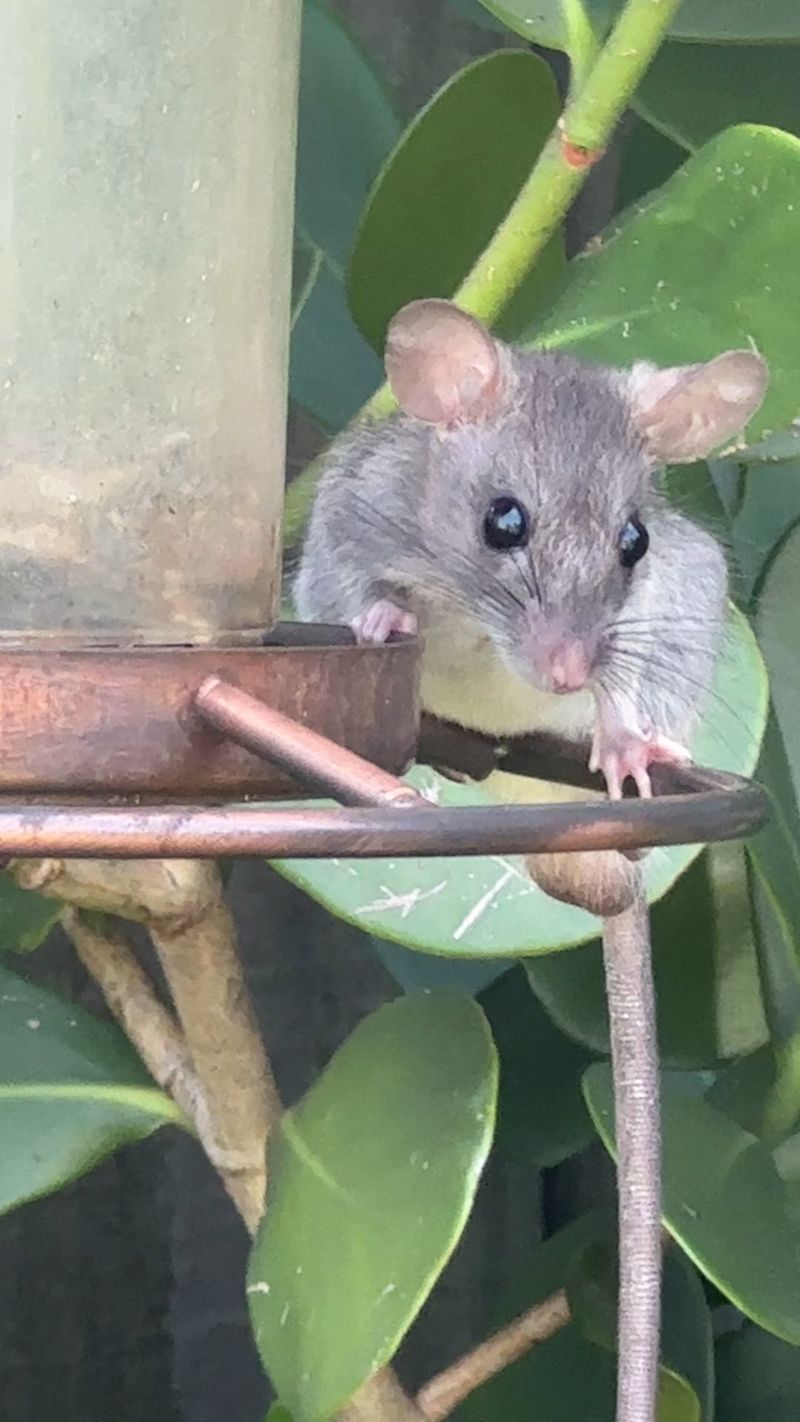
A dog bowl filled before bed and found spotless by morning may not reflect a hungry dog. Missing pet food ranks among the sneakiest signs of rats dining nearby.
Bird feeders act as another magnet. Spilled seed makes an easy midnight snack, and roof rats readily climb right up to the feeder itself.
Scattered hulls, droppings near the base, or seed vanishing faster than birds could eat it all deserve attention.
Chicken coops, rabbit hutches, and open feed bins attract rats too. Rats also eat snails, insects, and garbage, so a yard with easy food fills quickly.
Every free meal makes a property more attractive than the one next door.
The fix centers on timing and storage. Feeding pets indoors, or bringing bowls in before dark and washing them, removes nightly temptation.
Pet food, bird seed, and chicken feed belong in metal or heavy plastic bins with tight lids, since rats chew through thin bags and cardboard easily.
Feeders work best placed away from the house, with a tray catching spilled seed. Taking feeders down for a few weeks during an active problem helps even more.
Tightly closed garbage cans and compost free of meat or greasy scraps cut off additional meals.
Cutting off the snack bar sends unwanted guests looking elsewhere faster than almost any other step.
Fall bird feeding season makes this check especially timely.
8. Act Now To Seal Entry Points
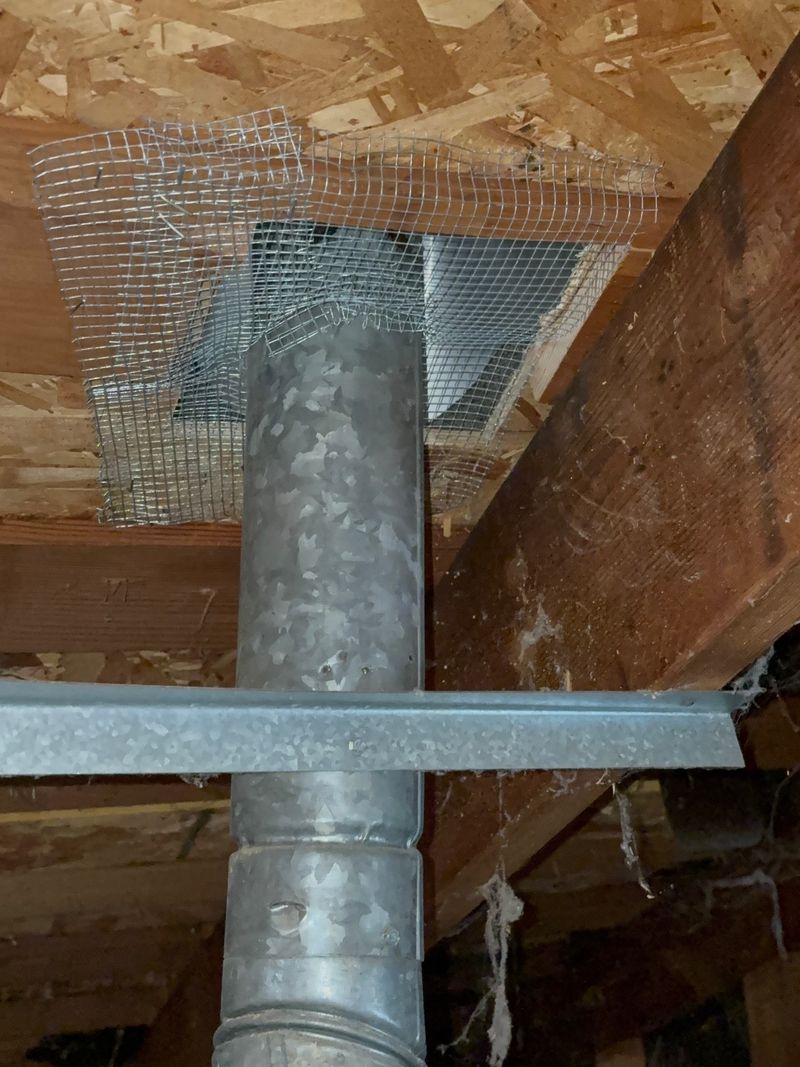
Young rats can squeeze through surprisingly small gaps, and UC IPM advises sealing even small openings around a home.
Spotting outdoor signs early allows time to close those gaps before rats move indoors.
A walk around the house, looking both low and high, reveals likely entry points. Foundation vents, gaps around pipes and wires, garage door seals, roof vents, and eaves all deserve checks.
Rub marks and droppings near an opening strongly suggest it’s in use.
Tough materials hold up best. Hardware cloth, sheet metal, concrete, and steel wool packed with sealant resist chewing, while plastic, rubber, and wood often give way.
Confirming that no rats remain inside before sealing the last opening prevents new problems.
Removing food and shelter comes next. Picking up fallen fruit, storing pet food and seed securely, clearing clutter, and thinning ivy and palm fronds all help.
Firewood stacked at least 30 feet from the house, per CAL FIRE guidance, removes another hiding spot.
For established problems, a licensed pest professional or the county Agricultural Commissioner’s office offers the safest path forward.
Rodenticides are best avoided. Poisoned rats can harm owls, hawks, pets, and other wildlife that eat them, and California already restricts many of these products.
Barn owls, encouraged with nest boxes in suitable rural yards, can help keep rodent numbers in check naturally.
Early action outdoors keeps the problem far smaller and less costly than an attic infestation.