8 Arizona Shrubs That Shade A Sun-Baked Patio Before Next Summer Hits
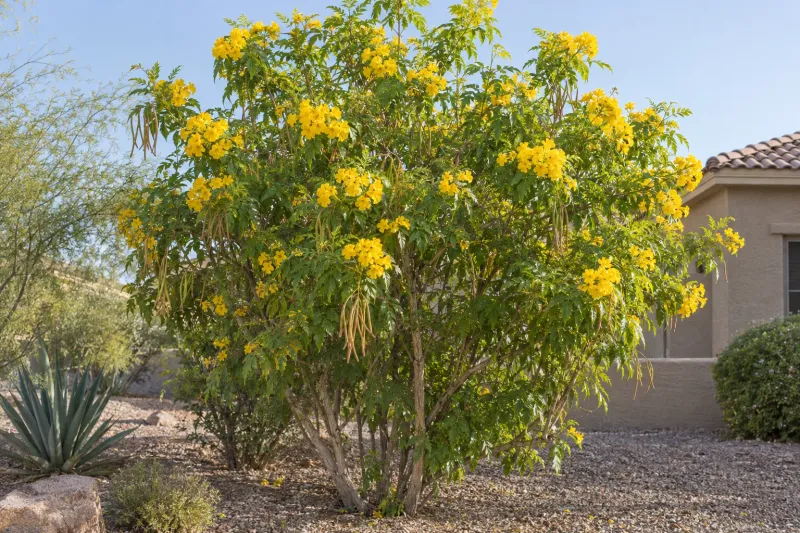
Step onto a bare Arizona patio at 3 p.m. in July and the concrete feels like a griddle. The right desert shrub can change that, casting cool shade while sipping very little water.
Plant one this fall or early spring, and it can be filling out by the time the next heat wave rolls in. Here are eight tough, low-fuss picks that also bring birds, bees, and butterflies along for the ride.
1. Arizona Yellow Bells
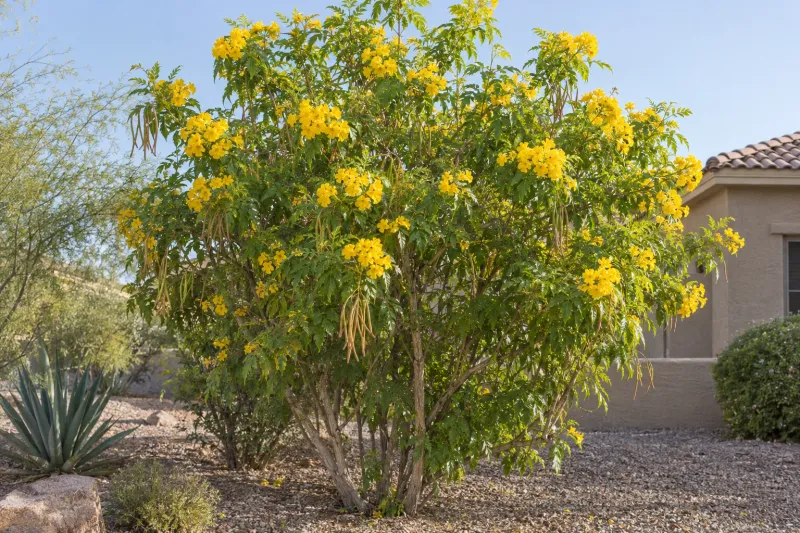
Few desert plants grow as fast as Arizona Yellow Bells, and that speed is exactly what a scorched patio needs. Planted in fall, a young shrub can shoot up several feet before June arrives.
Most reach 6 to 9 feet tall, and in warm, frost-free spots some stretch much taller.
The leaves are a bright, glossy green that looks cool even when the thermometer says otherwise. Better yet, the plant handles reflected heat from walls and pavement without sulking.
There are no thorns to snag your sleeve, and it drops very little mess on the patio floor.
From spring well into late fall, golden trumpet flowers cover the branches. Hummingbirds treat them like a fast-food stop, and bees and butterflies join in too.
If you enjoy watching wildlife over your morning coffee, few shrubs put on a better show.
For the best results, give it full sun and deep water every week or two during its first summer. After that, it gets by on much less.
A light winter frost may nip the tips, but it usually bounces back quickly in spring. Trim off any brown growth in late February and let it race toward summer again.
2. Feathery Cassia
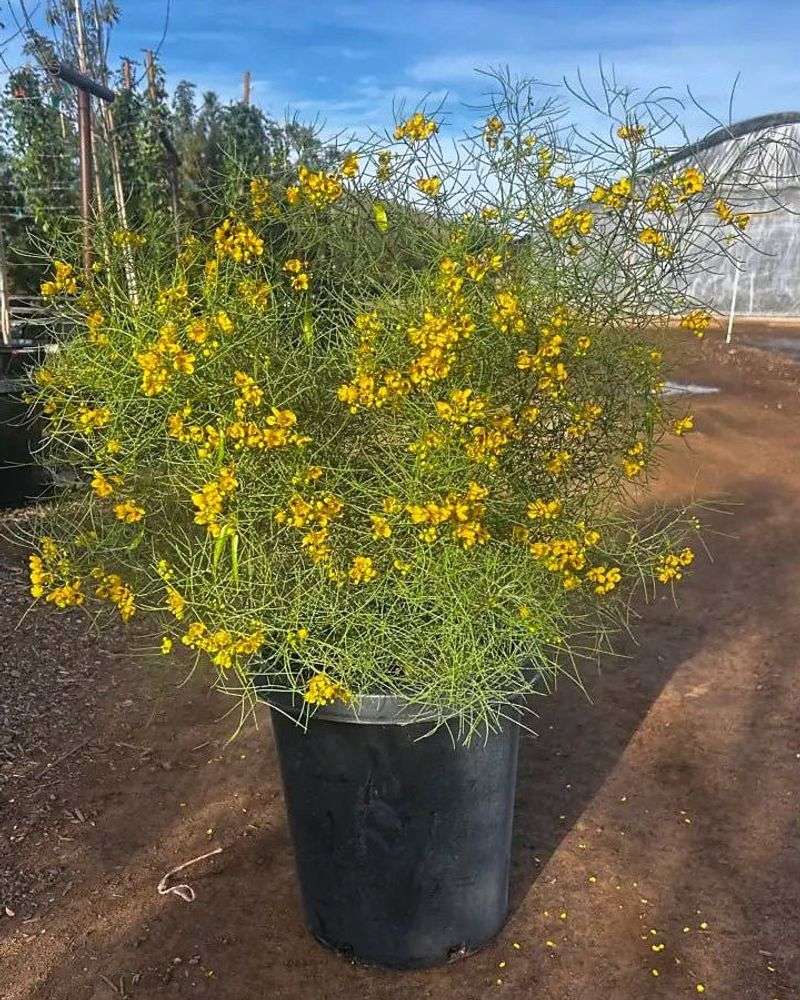
Picture soft, silvery needles swaying in a dry breeze, and you have a good idea of what Feathery Cassia looks like. Originally from the dry outback of Australia, it feels right at home in Phoenix and Tucson.
It is one of the few non-natives on this list, and it earns its spot with pure toughness.
Growing about 6 to 8 feet tall and wide, it casts a light, lacy shade rather than deep darkness. That filtered effect works well beside a seating area where you still want a bit of winter sun.
The fine gray-green foliage also reflects light, which helps the plant stay cool.
Here is the fun part. While most gardens look sleepy in late winter, this shrub bursts into fragrant yellow blooms.
Bees show up early for the buffet, giving pollinators a meal when little else is flowering.
Once settled, Feathery Cassia needs only occasional summer watering. Too much water actually makes it floppy and short-lived, so resist the urge to spoil it.
Plant it in October or November, give it full sun and well-drained soil, and prune lightly after bloom to keep it full. It is a set-it-and-relax kind of shrub.
3. Desert Hackberry
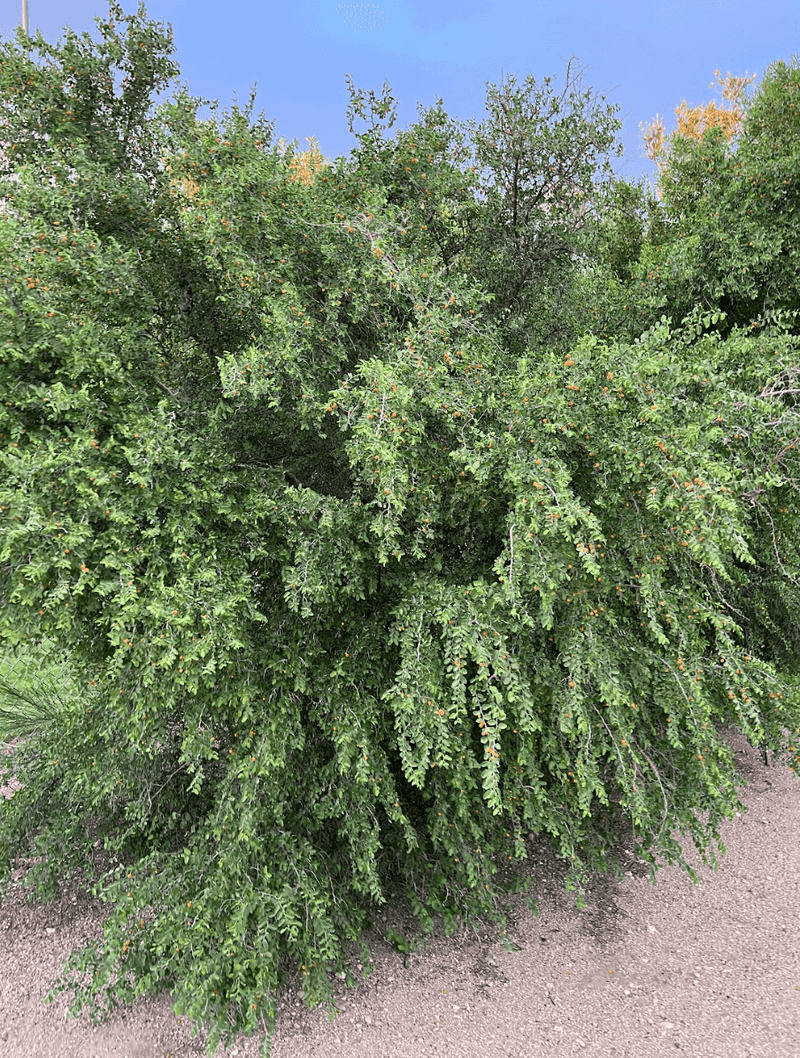
Ask a cardinal where it likes to hang out on a 110-degree afternoon, and it might point you toward a Desert Hackberry. Native to the Sonoran Desert, this evergreen shrub forms a thick, tangled canopy that birds use as a shady hideout and nesting spot.
Your Arizona Garden Changes Every Week. Your Plan Should Too.
Gardening in Arizona changes quickly throughout the season. Every Friday you’ll receive a simple weekly plan showing exactly what to plant, prune, fertilize, harvest, and protect so you never miss the right timing.
It grows anywhere from 4 to 15 feet tall and up to 10 feet wide. The dense, zigzag branches block a lot of sun, so it can create a real pocket of cooler air beside a patio.
Keep in mind those branches carry small thorns, so place it a few feet back from walkways.
In fall, tiny orange berries ripen along the stems. Cardinals, Phainopeplas, and other desert birds snack on them, and small critters do too.
Bees work the little flowers earlier in the season. Lots of birds around the yard can also mean more natural insect control, though results vary from yard to yard.
Care is refreshingly simple. Plant in full sun in almost any well-drained soil, including tough caliche.
Water deeply during the first year or two, then cut back to occasional summer drinks. If you want a shrub that works as both shade and habitat, this one pulls double duty.
4. Jojoba
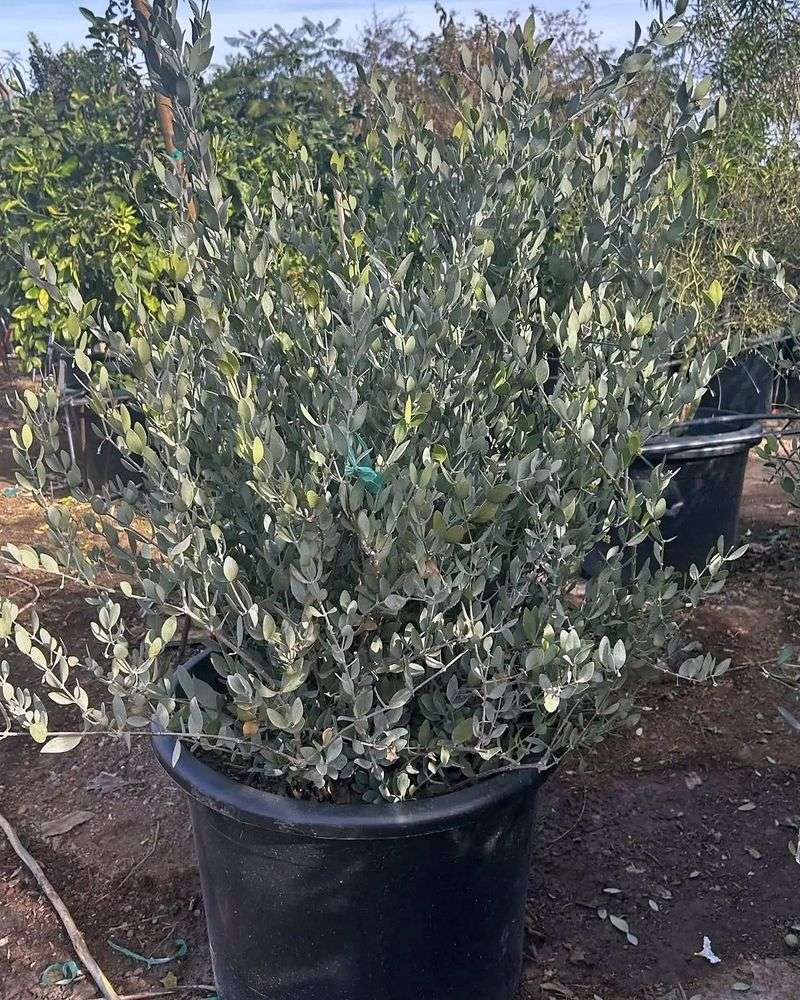
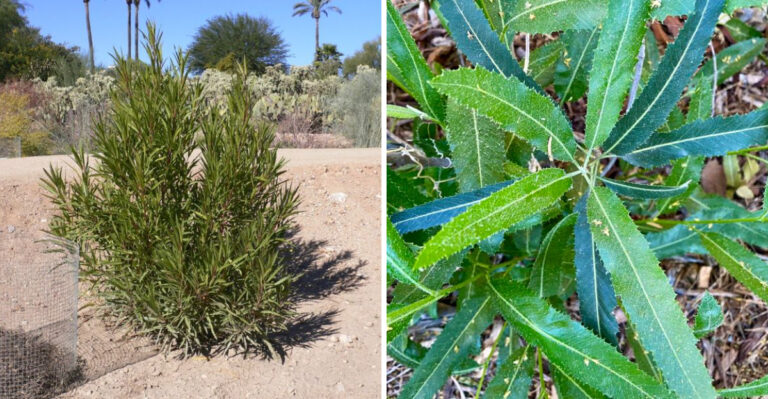
Jojoba has a clever trick for beating the heat. Its thick, waxy leaves point straight up and down, so the harsh midday sun hits only their edges.
That built-in sun shield helps it shrug off blazing temperatures and even glare bouncing off walls.
You may know the name from shampoo bottles, since the seeds produce a famous oil. In your yard, though, the real value is the plant itself.
A mature Jojoba can spread 8 feet high and 10 feet across, forming a dense, gray-green mound that works as a living privacy screen.
Set it along the west side of a patio, and it can block low afternoon rays that sneak under a roof line. The thick foliage also gives quail and small birds a safe place to duck under.
Deer and rabbits tend to nibble it, so protect young plants with a simple wire cage.
Growth is on the slower side, so buy the biggest plant your budget allows. Plant in fall and water deeply until it settles in.
After that, this evergreen native asks for very little. It is about as water-wise as patio shade gets in the low desert.
5. Arizona Rosewood
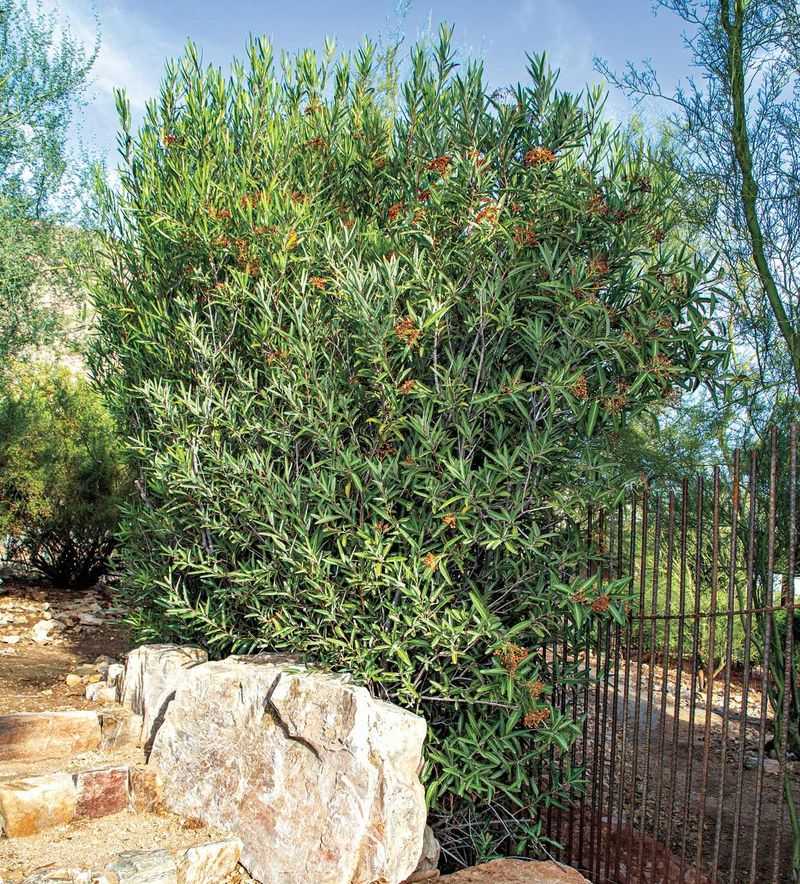
Think of Arizona Rosewood as the quiet, dependable neighbor of desert shrubs. It does not shout with flashy color, but it stays green and full all year long.
For homeowners who want shade without seasonal gaps, that reliability is golden.
This native can grow 10 to 20 feet tall and 10 to 15 feet wide. Its narrow, dark green leaves create dappled shade and a solid screen against neighbors, roads, or that hot block wall.
Trim off the lower branches over time, and it becomes a small tree you can sit beneath.
Late spring brings clusters of creamy white flowers. Bees buzz around them happily, and the thick canopy gives birds and lizards a sheltered place to rest.
It handles full sun and reflected heat without complaint.
One honest note: it starts slow. During its first year, it puts energy into roots before racing upward.
Regular deep watering helps speed things up, and growth picks up nicely in year two. Plant it in October so roots get a long, mild season to grow.
Patience now pays off with years of evergreen shade and very little pruning or fuss later.
6. Texas Sage
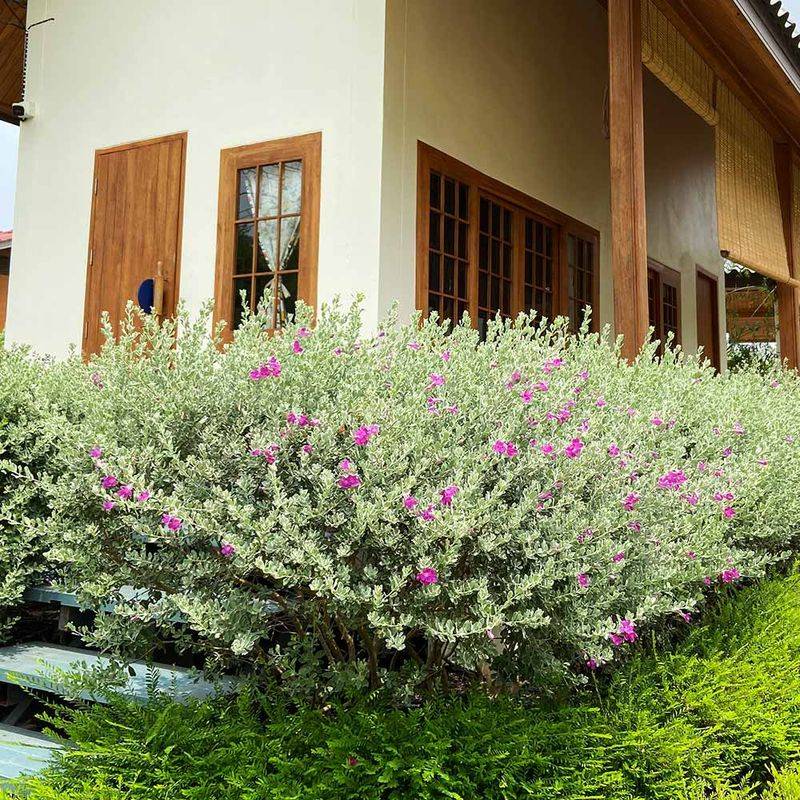
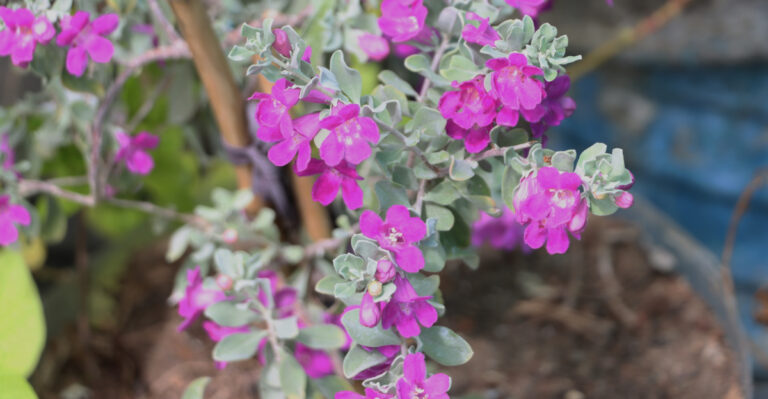
Here is a shrub that seems to predict the weather. Texas Sage often bursts into purple, pink, or white blooms right after a monsoon storm or a humid spell.
Neighbors may even call it the barometer bush because of that habit.
Most plants grow about 6 feet tall and wide, though some varieties reach 10 feet. The silvery foliage is dense, which makes it handy for a low screen or moderate shade along the edge of a patio.
It loves blazing sun, alkaline soil, and very little water once it is established.
There is also a bonus some Arizona homeowners appreciate. Strongly scented plants like Texas Sage may help make a patio edge less inviting to scorpions, though no plant offers a guarantee.
Pair it with good habits like sealing gaps and clearing debris for the best chance.
The flowers pull in bees and butterflies after every summer rain, adding a burst of life to the yard. Skip the tight boxy shearing you see in parking lots.
Instead, let it grow in its natural rounded shape and prune lightly in spring. You will get more shade, more blooms, and a healthier shrub.
7. Whitethorn Acacia
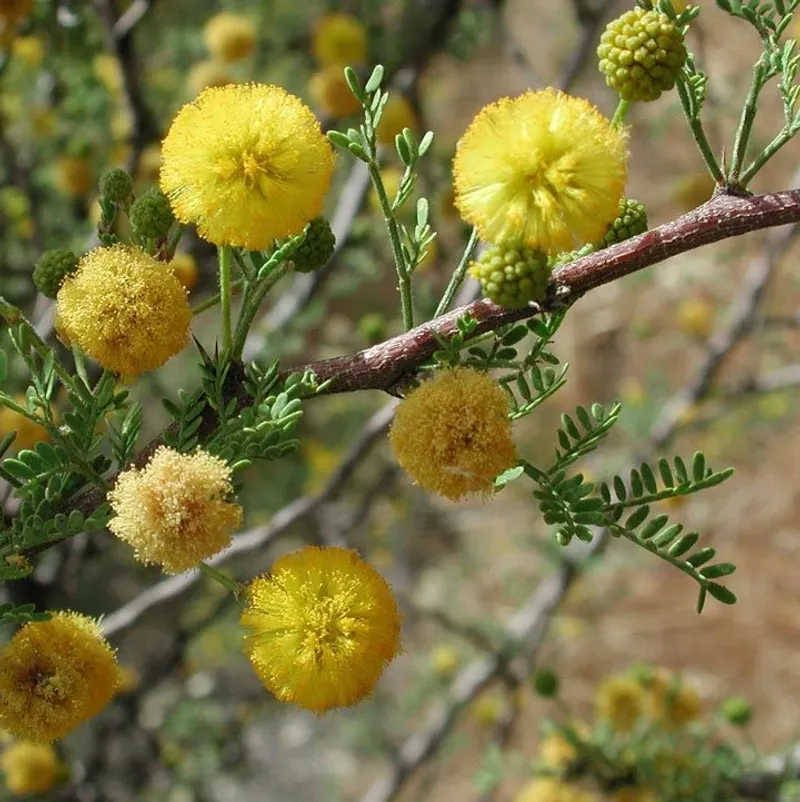
Fuzzy yellow pom-poms that smell like honey? That is the springtime look of Whitethorn Acacia, one of the most underrated natives in Arizona.
When it blooms, the whole yard can carry a sweet scent.
Growing 10 to 18 feet tall and wide, it is big enough to shape into a small multi-trunk tree. The finely divided leaves create light, filtered shade, the kind that cools a patio while still letting a breeze slip through.
It thrives in full sun and even handles shallow, rocky, alkaline soil.
Wildlife loves this plant. Butterflies and bees visit the flowers from spring into fall, and quail and small mammals eat the seed pods.
Families of Gambel’s quail scurrying under the branches are a common and charming sight.
Now about those white thorns. They are long and sharp, so keep this one away from busy walkways and play areas.
Placed at the outer edge of a patio, though, the thorns can act like a natural fence. Water deeply during the first couple of summers, then let it rely mostly on rain.
Prune in late winter to lift the canopy for easy seating underneath.
8. Desert Willow
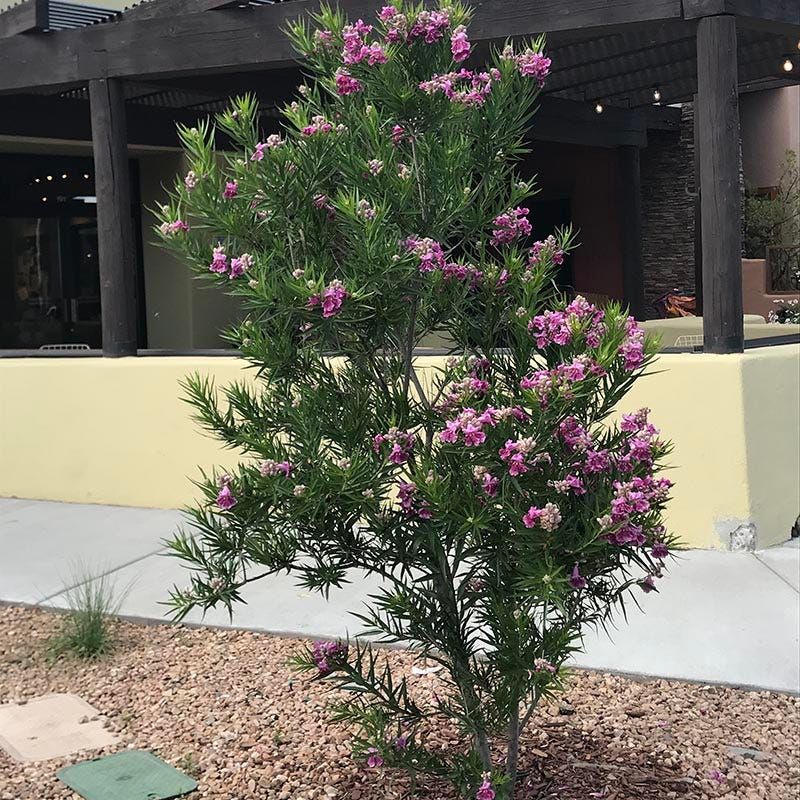
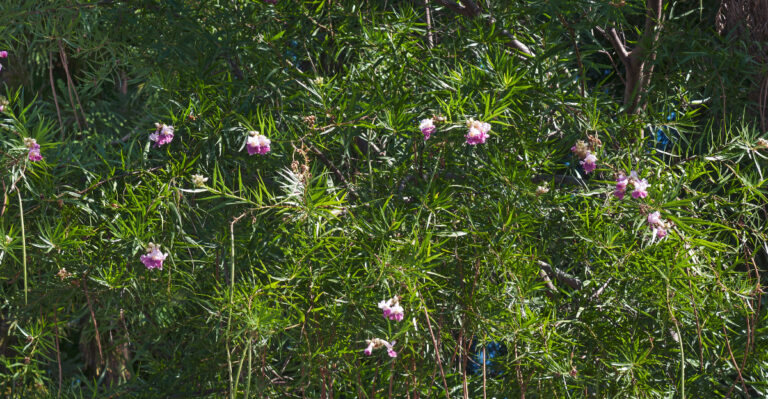
Hummingbirds can spot a Desert Willow from what seems like a mile away. Its orchid-like trumpet flowers in pink, lavender, white, or purple bloom from spring all the way into fall.
Few natives offer such a long party for pollinators.
Despite the name, it is not a true willow. It just has long, slender leaves that remind people of one.
Plants range from 6 to 25 feet tall, depending on variety and how you prune. The result is light, airy shade that softens hot sun without making the patio feel closed in.
Since it drops its leaves in winter, it lets warm sunshine reach your patio during the cool months. Then it leafs out again just as the heat returns.
That timing makes it a smart pick near windows, too. Songbirds also pick at the seed pods once winter rolls around.
Desert Willow can live on rainfall alone once established, yet a deep soak every few weeks in summer brings thicker leaves and more flowers. Plant in full sun in fall or early spring.
To keep a shrub shape, prune in spring after the new leaves appear. Choose a seedless variety if you prefer fewer pods.