How To Plan Next Year’s Vegetable Garden Before A Pennsylvania Winter
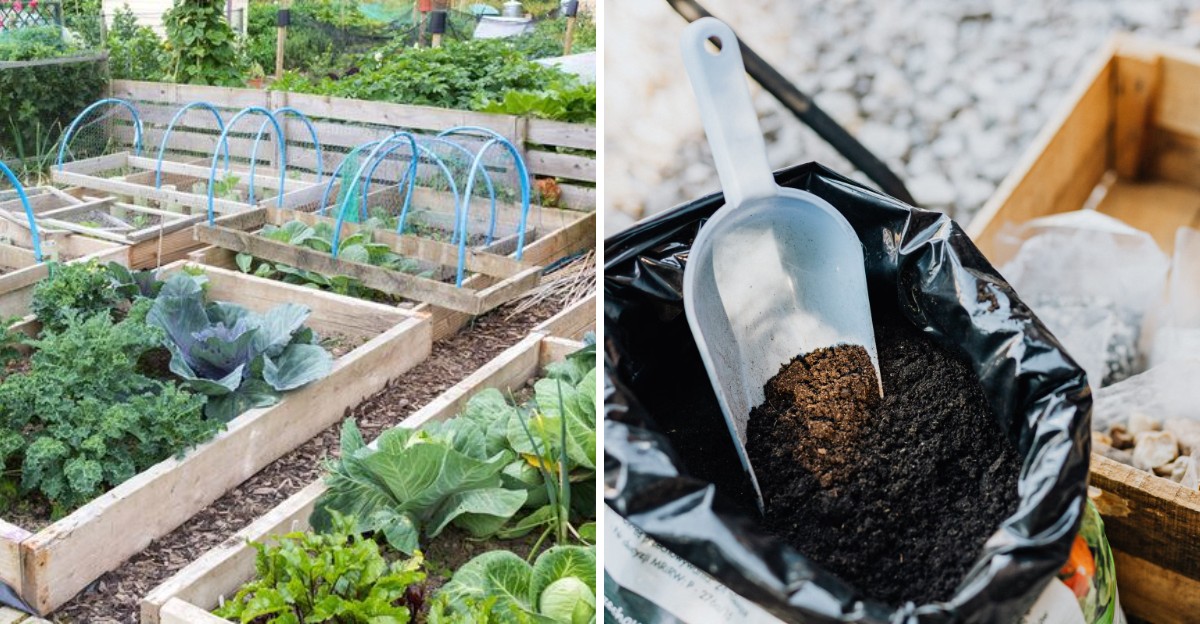
Right now, you probably remember exactly how this year’s vegetable garden went. You know which tomatoes cracked, which beans produced like crazy, where the squash bugs showed up, and which corner never got enough sun.
By March, most of those details will be fuzzy.
That’s why fall is one of the smartest times to start planning next year’s garden. The lessons are fresh, the beds are mostly empty, and you can still work the soil before the ground freezes.
It’s the perfect moment to jot down notes, map out where crops grew, and think about what to change. You can also test your soil, add compost, and get beds ready so they’re waiting for you in spring.
A little planning now means fewer mistakes, better harvests, and a much easier start once the snow melts and planting season returns.
1. Review What Worked And What Didn’t
Every gardener has a story about the zucchini that took over the yard or the carrots that never showed up. Those stories are gold. They tell you exactly what to change next year.
Memory fades fast, though. By March, you might forget which tomato tasted best or which bed the beetles loved. Grab a notebook now and write it all down while the details are still clear.
Start with your winners. List the crops that grew well and the varieties you liked most. Write down how much you harvested, even if it is just a guess like two baskets of beans or ten heads of lettuce.
Those numbers help you decide whether to plant more or less next time. Next, be honest about the flops. Did your cucumbers wilt in July?
Were your squash plants chewed by vine borers? Did powdery mildew cover the leaves in late summer? Note the problem, the date it showed up, and where in the garden it happened.
Weather notes help too. Pennsylvania summers can swing from soggy to dry in just a few weeks. Jot down any heavy rains, heat waves, or early frosts that affected your plants.
A simple sketch of your garden layout makes your notes even more useful. Draw each bed and label what grew there. You will need this map for crop rotation later.
Fun fact: Thomas Jefferson kept a garden journal for nearly 60 years at Monticello. He recorded planting dates, harvests, and failures. You do not need to be that detailed, but a few pages of notes will make you a much smarter gardener next spring.
2. Map Out A Crop Rotation
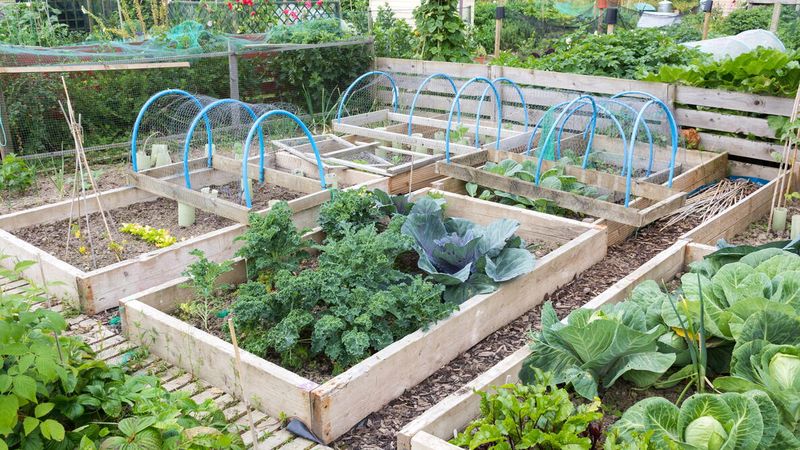
Plants are a lot like families. Tomatoes, peppers, eggplant, and potatoes are all cousins in the nightshade family. They share many of the same pests and diseases.
Here is the problem. When you plant the same family in the same spot every year, the bugs and diseases that love those plants build up in the soil. Early blight spores can hang around in the dirt and wait for their favorite meal to return.
Your Pennsylvania Garden Changes Every Week. Your Plan Should Too.
Gardening in Pennsylvania changes quickly throughout the season. Every Friday you’ll receive a simple weekly plan showing exactly what to plant, prune, fertilize, harvest, and protect so you never miss the right timing.
Crop rotation breaks that cycle. You simply move each plant family to a new bed each year. A good goal is to wait three or four years before a family returns to the same spot.
Grouping your crops makes rotation easy. Here are some common families to keep together:
Nightshades include tomatoes, peppers, eggplant, and potatoes. Squash family plants include cucumbers, zucchini, melons, and pumpkins. Cabbage family crops include broccoli, kale, cabbage, and radishes. Legumes include beans and peas.
Pull out the garden sketch you made earlier. Label each bed with the family that grew there this year. Then shift each family to a new bed on next year’s map.
Legumes are handy helpers in a rotation. Beans and peas work with tiny soil bacteria to add nitrogen to the ground. Planting heavy feeders like corn or squash after them gives those hungry crops a nice boost.
Small gardens can still rotate. Even moving tomatoes to the opposite side of one bed is better than nothing. Containers work too, since you can refresh the soil each year.
3. Test Your Soil Now
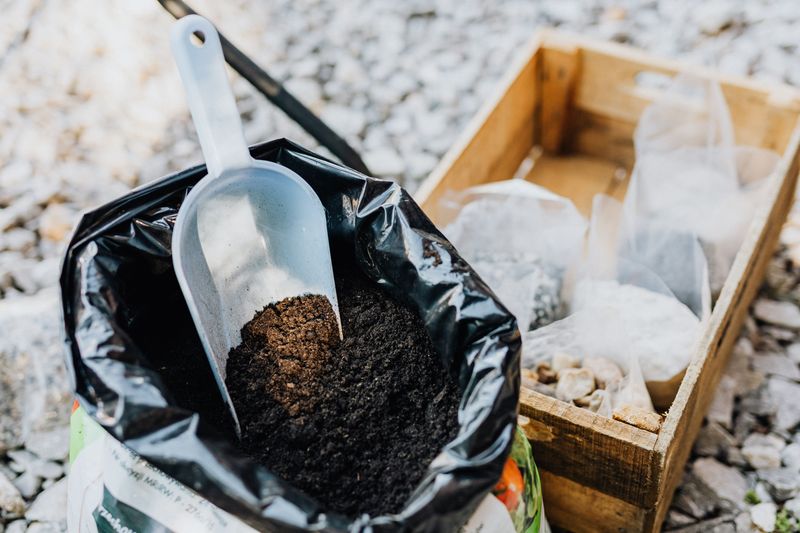
Guessing what your soil needs is like guessing what is wrong with a car without opening the hood. A soil test takes away the guesswork. It shows you the pH and the main nutrients your plants need.
Penn State Extension offers easy soil test kits for a small fee. You can buy them at county Extension offices, some garden centers, or online. The kit comes with simple directions and a mailer to send your sample to the lab.
Collecting soil is simple. Use a clean trowel to dig down about six inches in several spots across your garden. Mix the samples in a clean bucket, let them dry, and fill the bag as the kit directs.
Why do this in fall? Many Pennsylvania soils are slightly acidic, and vegetables usually like a pH between 6.0 and 7.0. If your soil is too acidic, the test will suggest adding lime.
Lime works slowly. It can take several months to change the pH. Spreading it in fall gives rain, snow, and freezing weather time to work it into the soil before spring planting.
Your report will also list levels of phosphorus and potassium. It gives clear advice on how much fertilizer to add, if any. Many gardeners learn they have been adding too much, which wastes money and can wash into streams.
Quick tip: test the same time of year each time. Results can change with the seasons, so testing every fall lets you compare apples to apples. Most gardens only need testing every two or three years once things are balanced.
4. Build Up Your Soil Over Winter
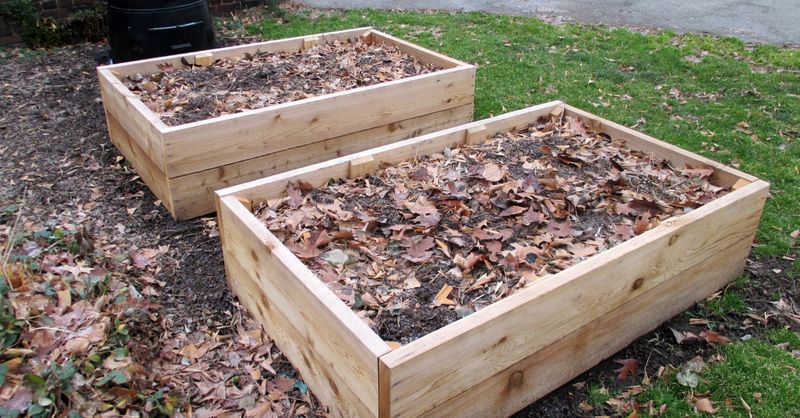
Bare soil in winter is a sad sight. Wind blows it around, heavy rain washes it away, and nothing is feeding the tiny creatures living underground. Luckily, covering it up is cheap and easy.
Compost is a great place to start. Spread one to two inches over your empty beds after you clear out the old plants. Over winter, worms and microbes pull it down into the soil for you.
Fallen leaves are free garden gold. Shred them first with a mower so they break down faster and do not mat together. Pile a few inches on each bed like a cozy blanket.
Want to try something a little fancier? Sow a cover crop. Cereal rye is a favorite in Pennsylvania because it sprouts even in cool weather and can handle tough winters.
Scatter rye seed over your beds from late September through October. Rake it in lightly and water if the weather is dry. The roots will hold your soil in place all winter.
In spring, cut the rye down before it forms seed heads. You can chop it and leave it as mulch or turn it into the soil. Wait about two to three weeks before planting so it can break down.
All of these steps add organic matter. That is the spongy stuff that helps clay soil drain better and helps sandy soil hold water. Plants grow stronger roots in soil rich with it.
Here is a neat bonus. Earthworms love leaf-covered beds, and their tunnels let air and water reach plant roots.
5. Choose Disease-Resistant Varieties
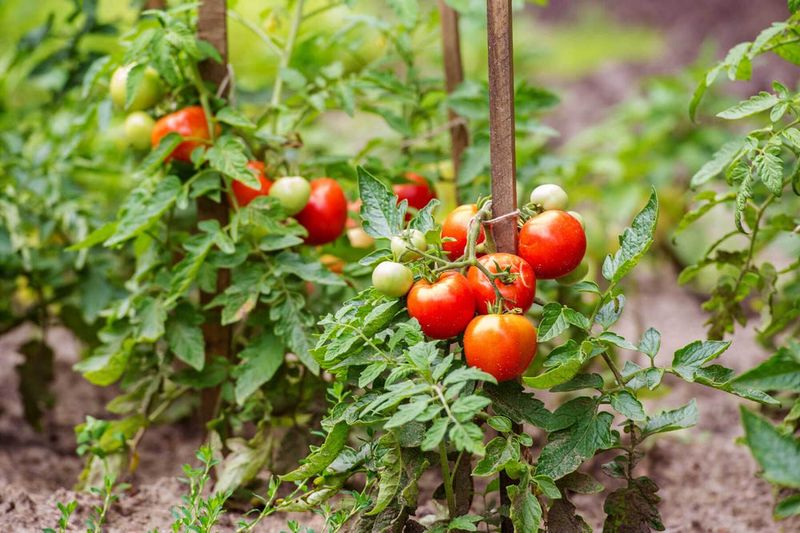
Anyone who has watched healthy tomato plants turn brown and wilt in a single week knows the heartbreak of late blight. It spreads fast in Pennsylvania’s warm, sticky summers. The good news is that plant breeders have been fighting back.
Winter is seed catalog season. Grab your garden notes and look at the problems you wrote down. Then hunt for varieties that are bred to resist those exact troubles.
Tomatoes are a great example. Varieties like Defiant and Mountain Magic were developed to stand up to late blight and other common diseases. Mountain Magic produces sweet, small fruits, while Defiant gives you classic slicing tomatoes.
Seed packets and catalogs use short codes to show resistance. You might see letters like V, F, or LB after a variety name. A key in the catalog explains what each letter means.
Other crops have helpful options too. Look for cucumbers that resist powdery mildew and downy mildew. Some squash and melon varieties also handle mildew better than older types.
Resistant does not mean bulletproof. These plants can still get sick, but they usually hold up longer and keep producing. Pair them with good habits like crop rotation and watering at the base of plants.
Do not give up on your favorite heirlooms, though. Plant a few alongside tougher varieties. That way you still enjoy the flavors you love, with a backup if disease strikes.
Order early if you can. Popular disease-resistant seeds often sell out by late winter. Making your list in December or January gives you the best choices.
6. Create A Planting Calendar

Timing can make or break a garden. Plant too early and a late frost zaps your seedlings. Plant too late and your peppers barely ripen before fall.
Everything starts with one key date, your average last spring frost. Pennsylvania is a big state with very different weather.
Southeastern areas near Philadelphia often see their last frost in mid to late April, while colder northern spots may not be safe until late May.
Finding your date is easy. Penn State Extension and many online frost date tools let you search by zip code. Write your date at the top of a fresh calendar.
Now work backward. Tomatoes should be started indoors about six to eight weeks before your last frost. Peppers and eggplant like a longer head start, usually eight to ten weeks.
Cool season crops can go out early. Peas, spinach, lettuce, and onions can often be planted outdoors several weeks before the last frost. They actually prefer chilly spring weather.
Warm season crops need patience. Wait until after your frost date and until the soil feels warm before planting tomatoes, squash, beans, and cucumbers outside.
Mark every task on your calendar. Include dates for starting seeds, hardening off young plants, and moving them into the garden. A simple spreadsheet or phone reminder works great too.
Remember that the frost date is just an average. Keep an eye on the forecast and have an old sheet ready to cover tender plants. With a clear calendar in hand, spring will feel exciting instead of rushed.