Why Letting One Wild Corner Of Your Florida Garden Go Unmowed Keeps Snakes (And Pests) Balanced
Mow every last inch of your Florida yard, and you might be evicting the best pest crew you never hired.
That scruffy corner by the fence looks like a chore you skipped. To the creatures living there, it’s a whole neighborhood, with a food chain that quietly works in your favor.
Some residents keep rodents and bugs in check. Others make you flinch when they slip out of the grass.
A perfectly tidy lawn tips that balance in ways most homeowners never see. The pests stay put.
The helpers pack up and leave.
The trick is knowing how big a wild patch to keep, where to put it, and what to expect from it. Get those wrong and the corner turns into a headache.
Walk the edges of your property and pick your spot before the next mow. A little mess can do a lot of good.
1. Unmowed Areas Fill In With More Diverse Plants
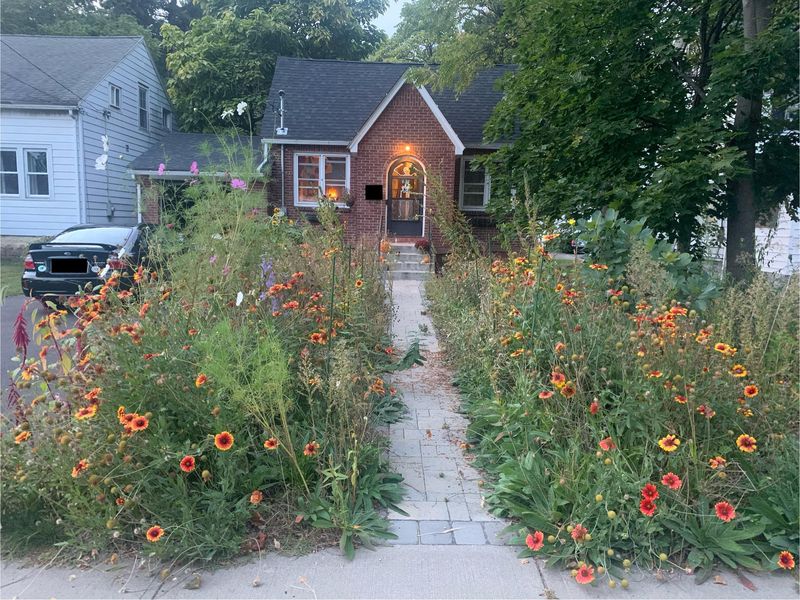
Give a patch of Florida lawn one quiet summer, and it starts to surprise you. Seeds that were waiting in the soil finally get their chance to sprout and grow.
Within weeks, you might spot native grasses, tiny flowers, and plants you did not even know were there. Many of them are natives that love heat, sandy soil, and summer storms.
They often grow well with little or no extra watering, which saves you time and money.
A mowed lawn is mostly one kind of grass, cut short over and over. An unmowed corner is more like a mixed salad, with many different leaves, stems, and blooms.
That variety matters because each plant offers something different to wildlife. Some give nectar, some give seeds, and some give shelter from the hot sun.
Native plants also help the land itself. Their deep roots can loosen packed soil and help rainwater soak in instead of running off.
Over time, the soil in your wild corner can get richer and healthier.
Want to speed things up? Try tossing in a few native seeds, like coreopsis, Florida’s state wildflower.
Pull out any invasive plants you notice, such as Brazilian pepper. With a little patience, your corner turns into a tiny habitat that feels alive every time you walk past it.
2. Diverse Plants Draw More Insects, And Birds Follow
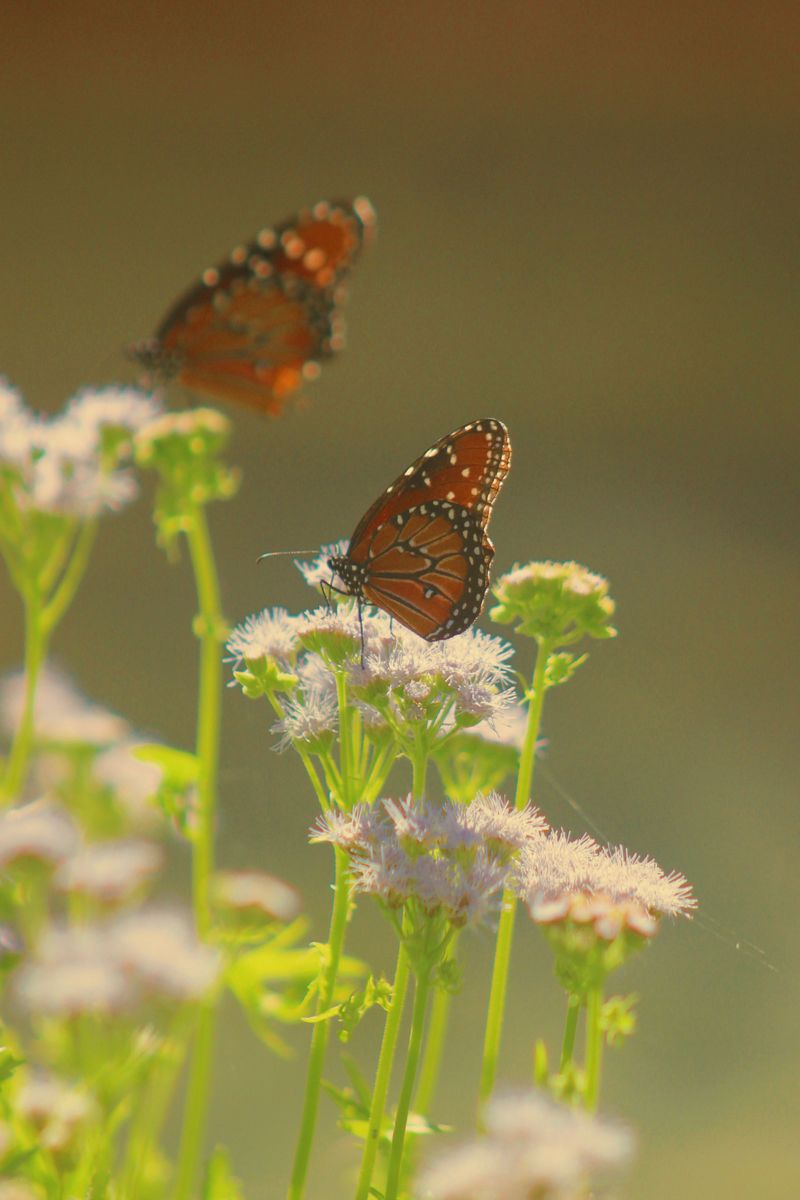
Here is a fun number to share at dinner: about 96 percent of land birds eat insects. Even birds that munch seeds as adults usually feed bugs to their babies.
So when your wild corner fills with plants, it also fills with bugs. Bees visit the flowers, beetles crawl along stems, and caterpillars nibble on leaves.
Each plant species attracts its own group of insects, so more kinds of plants usually mean more kinds of bugs.
Birds notice this right away. Cardinals, wrens, mockingbirds, and warblers will start dropping by to grab a snack.
You might hear more chirping in the morning and see quick flashes of color between the stems. It can feel like your yard suddenly has its own nature show.
Your Florida Garden Changes Every Week. Your Plan Should Too.
Gardening in Florida changes quickly throughout the season. Every Friday you’ll receive a simple weekly plan showing exactly what to plant, prune, fertilize, harvest, and protect so you never miss the right timing.
Birds are helpful garden partners, too. A single family of nesting songbirds can eat thousands of caterpillars while raising their young.
That means fewer chewed leaves on your vegetables and shrubs.
To make your corner even more bird friendly, add a shallow water dish nearby and refresh it every couple of days. Leave some seed heads standing in fall so birds can pick through them.
You will be building a food chain right in your own backyard, one flower and one feather at a time.
3. Many Of Those Insects Are Pest-Eating Natural Enemies
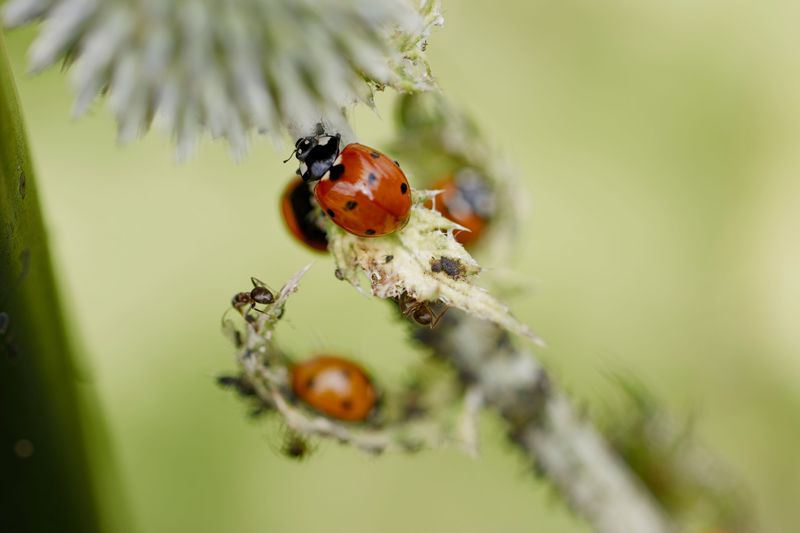
Bugs get a bad reputation, but most of them are on your side. Less than 1 percent of insects around the world are true pests.
Think of your wild corner as a training camp for tiny bodyguards. Ladybugs gobble up aphids by the dozens.
Green lacewing larvae, sometimes called aphid lions, grab soft pests with their sharp jaws. Hoverflies look like little bees, but their larvae munch on aphids and thrips.
Then there are the sneaky helpers. Tiny parasitic wasps, many smaller than a grain of rice, lay eggs inside pests like whiteflies and caterpillars.
They do not sting people, and you may hardly notice them at all. Yet they quietly keep pest numbers in check.
Florida gardens also host minute pirate bugs, big-eyed bugs, assassin bugs, praying mantises, dragonflies, and plenty of spiders. Each one has its own hunting style and favorite targets.
Together, they form a team that works day and night.
Here is the catch: these helpers need a place to live between meals. Many adults also need nectar and pollen to stay strong.
Your unmowed corner gives them both, so they stick around and patrol your tomatoes, roses, and citrus trees. Learning to spot them is half the fun, so grab a magnifying glass and take a look.
4. UF Research Found Wildflowers Boosted Natural Pest Control
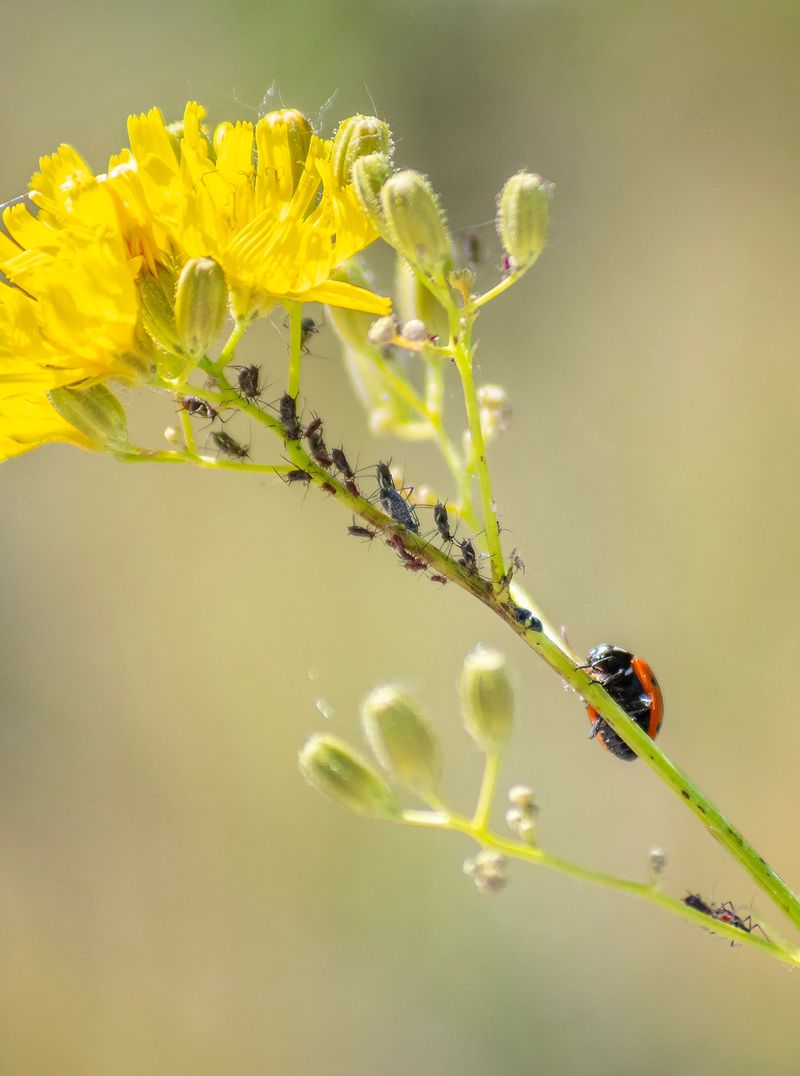
Scientists at the University of Florida have spent years studying how flowers help farmers and gardeners. Their extension experts, known as UF/IFAS, often recommend planting blooms to bring in helpful bugs.
These special plants are called insectary plants. Their job is simple: feed the good insects so they stay close to your crops.
Many adult predators and parasitic wasps need nectar and pollen for energy. When flowers are nearby, these helpers live longer and lay more eggs.
UF/IFAS suggests several Florida-friendly choices. Coreopsis, beach sunflower, gaillardia, coneflower, dotted horsemint, and bee balm are all on the list.
Many of these handle heat and sandy soil well, which makes them perfect for a wild corner.
Fun fact: dotted horsemint has a spicy smell and pinkish leaves that look like flowers. Pollinators and wasps flock to it in late summer and fall.
You do not need a farm to use this idea. Even a small patch of these wildflowers near your vegetable bed can bring in more pest hunters.
Try planting a mix that blooms at different times of year, so the buffet stays open from spring through fall. Your local county extension office can also help you pick the best plants for your part of the state.
5. Fewer Pesticides Means More Beneficial Insects
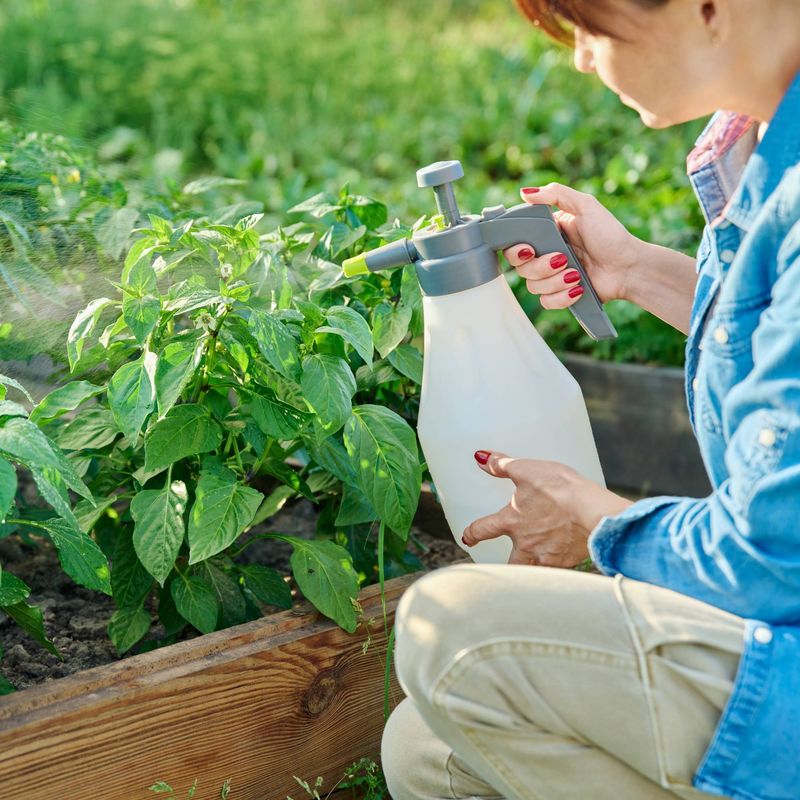
Picture spraying a whole yard to stop a few aphids. It is a bit like using a fire hose to water one houseplant.
Many chemical sprays do not pick sides. They can harm ladybugs, lacewings, bees, and butterflies right along with the pests.
Some even cause hidden problems, like making it harder for bees to find their way home or remember which flowers have food.
There is another twist. Pests often bounce back faster than their predators after spraying.
That can leave you with an even bigger pest problem a few weeks later. Over time, some pests can also build up resistance, so the same spray works less well.
A wild corner works best when you go easy on the chemicals. Try these gentler steps first:
Blast aphids off plants with a strong spray of water. Pick off big caterpillars by hand and drop them in soapy water.
Use insecticidal soap or horticultural oil only on the plants that need it, and spray in the evening when bees are resting.
Give your helpers a little time, too. It can take a few weeks for predators to discover a new pest outbreak.
Once they show up, they often handle the job better than any bottle could, and your garden stays safer for kids and pets.
6. Snakes May Move In To Hunt Rodents And Slugs
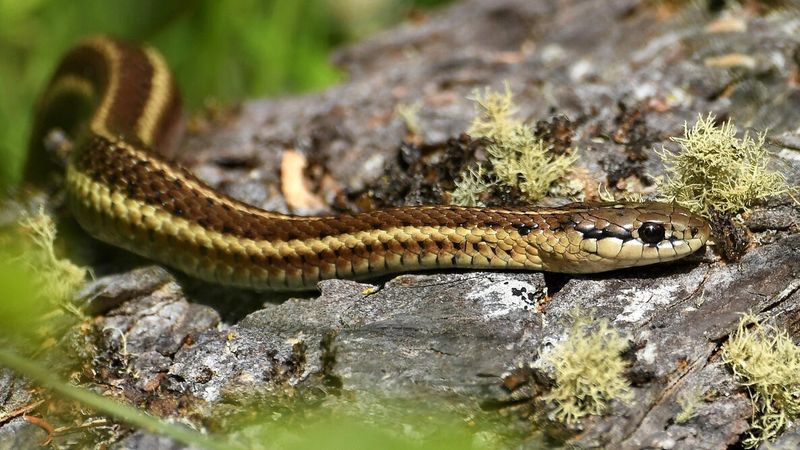
Okay, take a deep breath. Yes, a wild corner might attract a snake or two, and that can be good news.
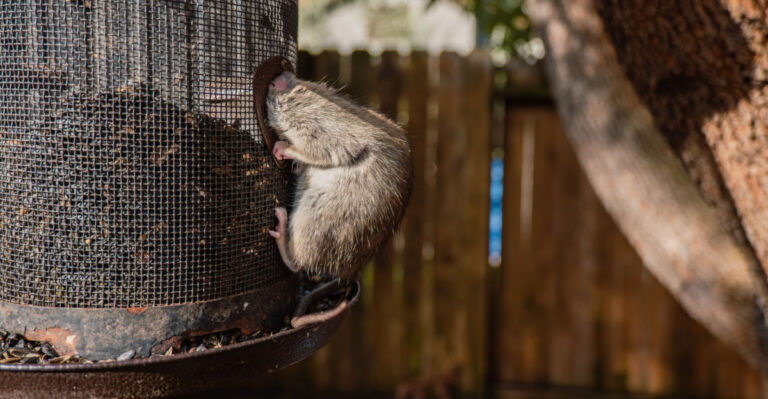
Snakes go where the food is. If mice, rats, slugs, or frogs are hanging around, snakes may follow.
In the state, many of the snakes you might see are harmless and shy. They would much rather slip away than meet you.
Garter snakes are a great example. These striped little hunters eat slugs, insects, and even small mice.
Ring-necked snakes are tiny and secretive, with a bright orange band around the neck. They snack on slugs, snails, worms, and insect larvae, which helps protect your leafy greens.
Larger snakes, like the Florida kingsnake and rat snakes, go after rodents. One snake can eat many mice over a season.
That means fewer critters chewing on your seeds, wires, and stored birdseed.
The best plan is to watch from a distance and let them work. Do not try to pick up or bother any snake.
If you are unsure what kind you are looking at, snap a photo from far away and check a guide from the Florida Fish and Wildlife Conservation Commission. Learning a few common species can turn fear into curiosity, and you might start cheering for your scaly pest patrol.
7. Some Harmless Snakes Even Eat Venomous Ones
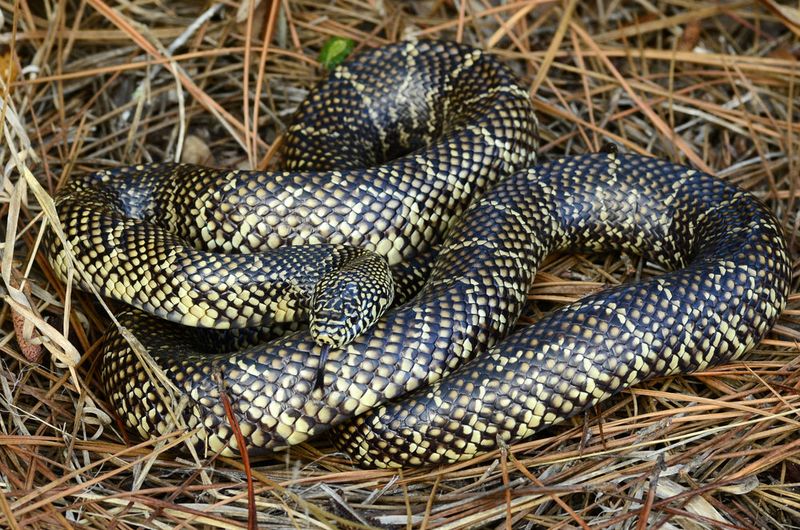
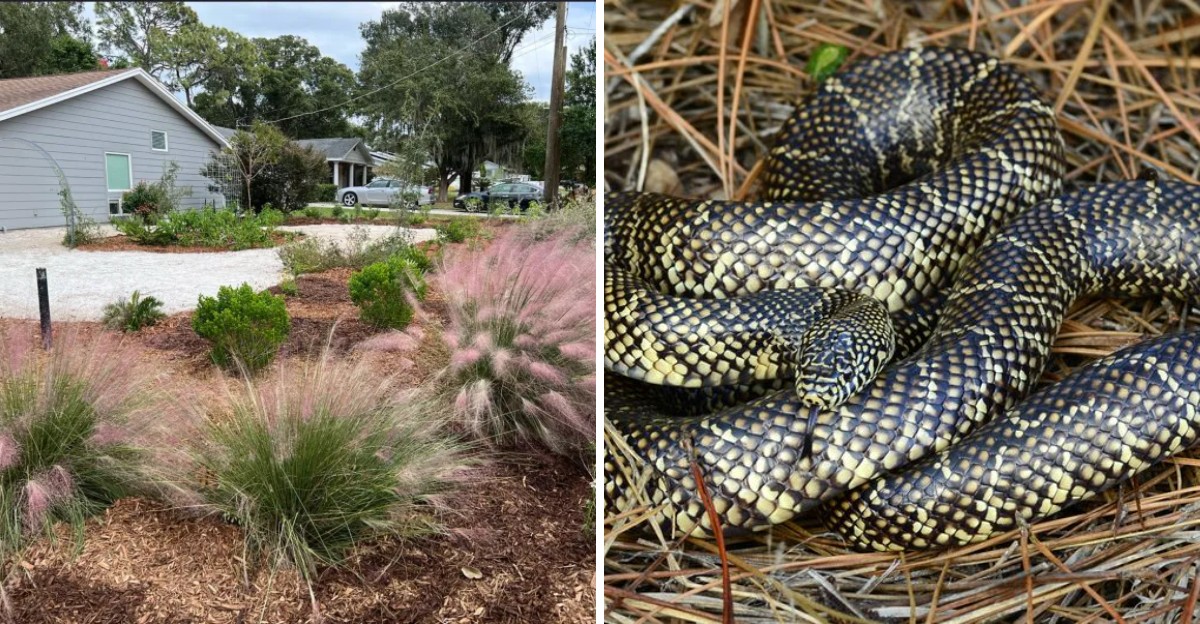
Meet the snake with a royal name and a bold menu. The kingsnake earned its title because it eats other snakes.
That includes venomous ones. Kingsnakes are known to prey on rattlesnakes, cottonmouths, and copperheads.
Even more amazing, they can handle the venom of native venomous snakes without getting seriously sick. Scientists have studied this for years because it is such an unusual skill.
Kingsnakes are not venomous themselves. Instead, they are constrictors, which means they wrap around prey and squeeze.
They also eat rodents, lizards, frogs, bird eggs, and more. Think of them as the bouncers of the backyard, keeping rough characters in check.
The state has a few kinds worth knowing. The Florida kingsnake has dark and pale bands that can look speckled.
The scarlet kingsnake is small and colorful, with red, black, and yellow rings. It mostly eats skinks and small snakes.
Here is a helpful tip: the scarlet kingsnake looks a lot like the venomous coral snake. Since rhymes about color patterns can be confusing, the safest rule is to admire any banded snake from afar.
Kingsnake numbers have dropped in parts of Florida, so seeing one is a real treat. Your wild corner might just become a welcome home for a true backyard hero.
8. Keep The Wild Corner Away From The House And Play Areas
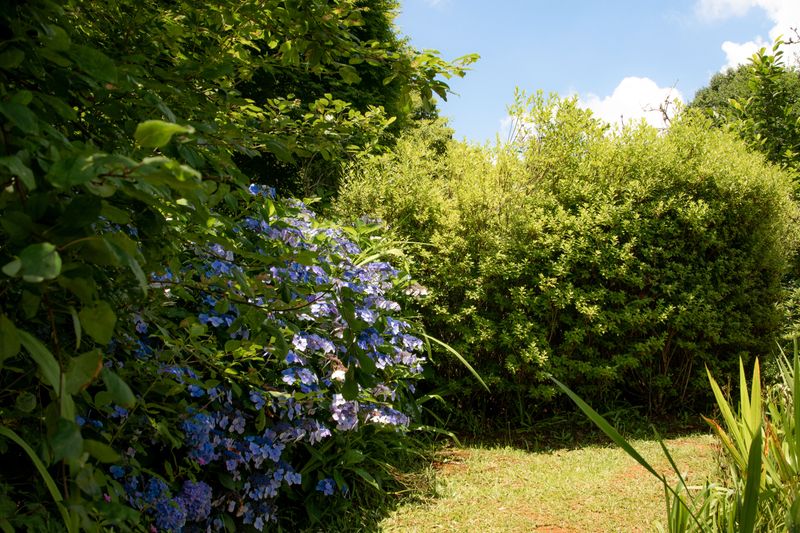
Location is everything, even for a patch of weeds and wildflowers. Where you put your wild corner can make the difference between peaceful and stressful.
Pick a spot far from your doors, patio, and windows. The back corner of the yard, near a fence line, often works great.
That way, wildlife has a quiet hideout, and you still have plenty of open space to relax.
Keep it well away from swing sets, sandboxes, and spots where kids or pets love to play. Little ones are curious, and dogs like to sniff everything.
A little distance helps everyone stay safe and keeps animals from feeling cornered.
Fire safety matters too, especially during dry spring months. Experts suggest keeping about 30 feet around your house filled with low-flammability plants and well-kept lawn.
Tall, dry grass is better placed farther out.
A few more smart moves can help. Store firewood, lumber, and piles of junk away from the house, since these can attract rodents.
Seal gaps under doors and around pipes so critters stay outside.
Teach your family a simple rule: look, do not touch. Admire birds, bugs, and snakes from a distance, and never feed wild animals.
With good planning, your wild corner can be a happy neighbor instead of a nervous surprise.
9. Leave A Mowed Buffer Along Walkways
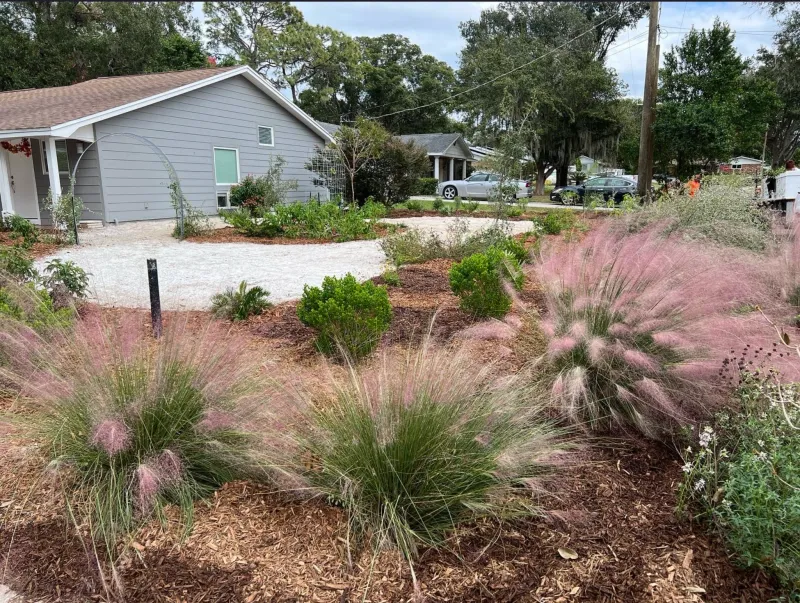
Think of it like a hallway with clean edges. A short, mowed strip between your path and the wild area keeps things tidy and safe.
When grass and plants grow right up to a sidewalk, it is hard to see what is near your feet. A buffer of short grass, about two or three feet wide, gives you a clear view.
If a snake or toad is crossing, you will spot it long before you get close.
That strip also tells neighbors your messy-looking corner is on purpose. Clean edges make a wild patch look planned and cared for.
Some gardeners add a small sign that says pollinator habitat, which often starts friendly conversations.
Buffers help in other ways, too. They keep tall plants from flopping onto paths after a rainstorm.
They can also slow runoff and catch soil before it washes onto your walkway or driveway.
Keep bushy shrubs from crowding corners where paths meet. Clear sightlines make walking at dusk feel much more comfortable.
Maintenance is easy. Just run the mower along the edge every week or two during the growing season.
You get the best of both worlds: a lively habitat buzzing with helpers and a neat, safe route for strolling, carrying groceries, or chasing the dog.