The Fall Pruning Mistake That Invites Disease Into Ohio Fruit Trees
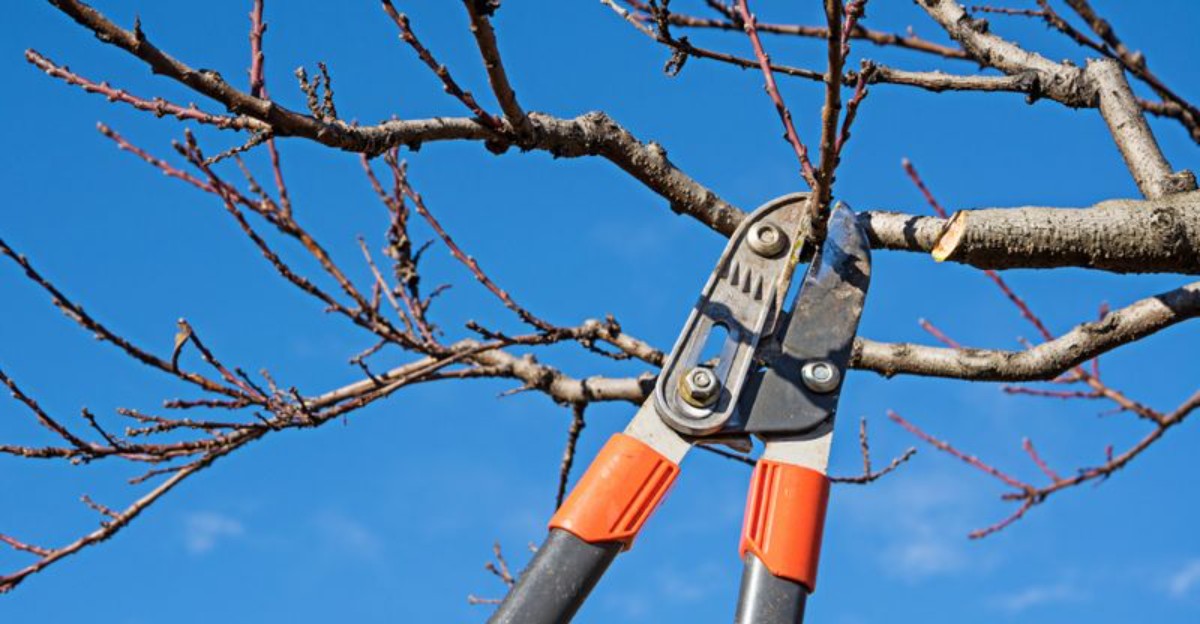
A fresh pruning cut made in October can stay open for months, because trees slow their healing as days shorten. I was surprised to learn that a wound can sit exposed from autumn until new growth starts in spring.
Ohio State University Extension suggests waiting until late winter, usually late February through March, for most backyard orchard pruning. By then the coldest weather has mostly passed, and the tree is close to waking and sealing cuts.
Cool, damp fall weather in Ohio also suits several canker fungi that slip into fresh wounds on stone fruit branches. You rarely see the damage right away, since sunken bark and oozing gum often show up the following season.
I know the urge to grab loppers on an afternoon, when leaves are down and every branch is visible. Who knew that patience in October could be one of the kindest gifts you give your trees?
Fresh Cuts Stay Open All Winter Long
Apple, peach, and cherry trees in Ohio start shutting down for winter as October days grow shorter and cooler. That slowdown is the heart of the problem, because a tree heals wounds mostly while it is actively growing.
A pruning cut made now may form little protective callus tissue before the ground freezes and growth stops. So the open wood sits exposed through rain, sleet, and freeze cycles for four or five months.
Fungal spores and bacteria drift through orchards on wind and rain, looking for any opening into living bark. An unhealed pruning wound gives them a clean doorway, with no natural barrier slowing their entry into wood.
Fall cuts can also trigger a small burst of tender new shoots if the weather stays mild for several weeks. Those soft shoots rarely harden off before frost, so they often suffer winter injury that invites more trouble.
Ohio State University Extension and Penn State Extension both advise against routine fruit tree pruning during autumn months. Their guidance points gardeners toward the dormant season instead, when cuts have the best chance to close quickly.
The mistake feels harmless because leaves have dropped, the branches are easy to see, and the weather is pleasant. Yet that convenient timing is exactly when the tree is least prepared to defend a brand new wound.
Think of fall pruning as opening a door right before you leave home for the whole winter season. Waiting a few months keeps that door shut until the tree is ready to guard it again.
Late Winter Gives Your Trees The Best Start
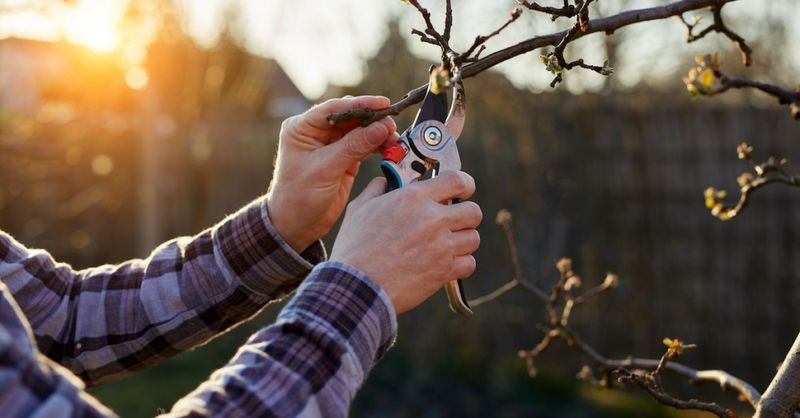
Late February through March is the sweet spot many Ohio extension specialists recommend for pruning most backyard fruit trees. The worst cold snaps have usually passed by then, which lowers the risk of winter injury around fresh cuts.
Buds begin to swell soon after, and the tree starts building new tissue that seals pruning wounds much faster. That quick response shortens the window when fungi and bacteria can sneak into exposed wood through the cut.
Your Ohio Garden Changes Every Week. Your Plan Should Too.
Gardening in Ohio changes quickly throughout the season. Every Friday you’ll receive a simple weekly plan showing exactly what to plant, prune, fertilize, harvest, and protect so you never miss the right timing.
Apples and pears are usually pruned first, since they tolerate cold better than peaches, cherries, and plums do. Many growers save stone fruit for last, often waiting until just before bloom in late March or early April.
Peaches are especially sensitive, and Penn State Extension notes that pruning them near bloom reduces canker problems noticeably. Their bark is thin, and their cuts heal slowly when temperatures stay cold for weeks after pruning.
Northern Ohio gardeners near Lake Erie may need to wait a little longer than gardeners near Cincinnati. Lake effect cold often lingers into March, so watching your own buds works better than following a fixed date.
Dry weather matters too, because spores spread easily when rain splashes across fresh cuts on bare branches. Picking a dry stretch with no rain in the forecast for a day or two gives cuts a head start.
Mark a reminder on your calendar now, so the job does not slip away once spring gets busy. A little planning in October makes that late winter pruning day feel calm, organized, and well timed.
Canker Fungi Love A Damp October Wound
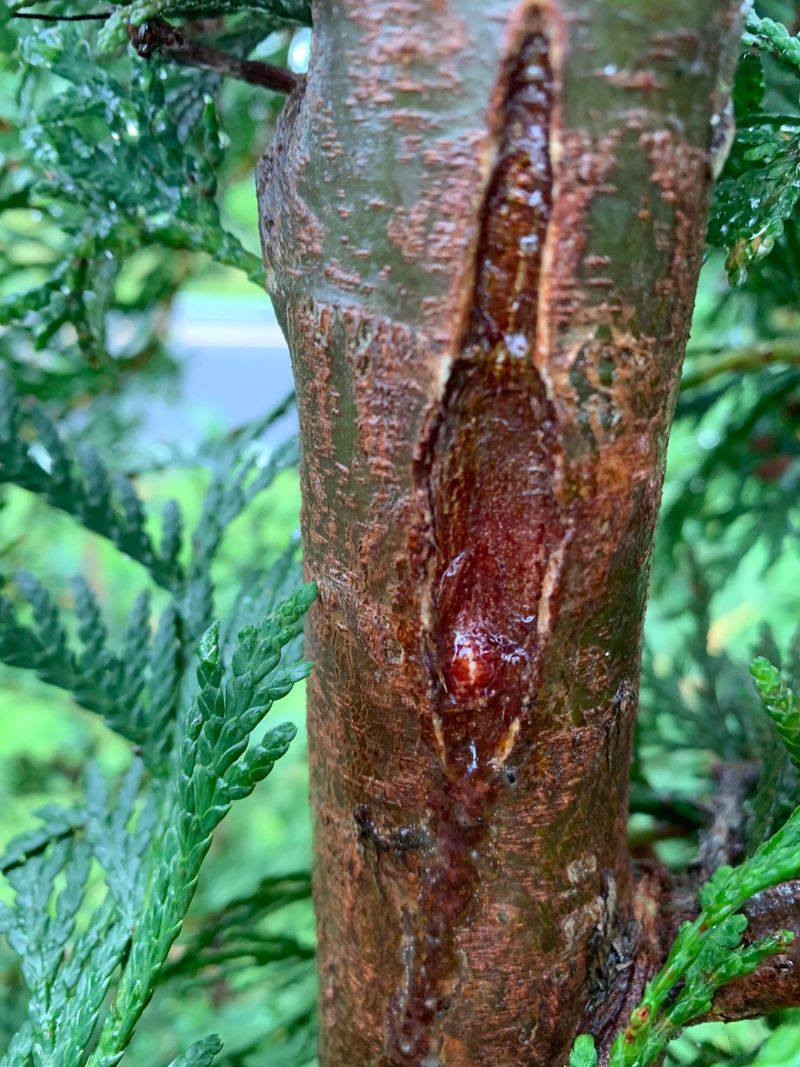
Few backyard growers notice cankers until a branch on their favorite peach tree suddenly wilts in early summer. By that point, the fungus has often been working quietly under the bark since the previous fall or winter.
Cytospora canker, sometimes called Leucostoma canker, is a common problem on peaches, cherries, and plums across Ohio. The fungus enters through wounds, including pruning cuts, cold injury, and broken limbs left from storms.
Its spores spread in rain and stay active during cool, wet periods, which Ohio autumns supply in steady amounts. Fall pruning cuts that stay open until spring give the fungus months to settle into the living bark.
Once established, the infection forms sunken, discolored patches that often ooze amber gum on stone fruit branches. Over several years, these cankers can girdle limbs and cause a steady decline in tree vigor and fruit yield.
Apple trees face their own canker troubles, including Nectria and black rot cankers. These diseases enter through wounds and can weaken apple branches over time.
Researchers note that infection risk depends on weather, tree health, and local spore levels, so outcomes vary. Not every fall cut leads to disease, yet the risk can be higher than with cuts made closer to bloom.
Spotting gum, cracked bark, or wilting shoots next season may point back to pruning done the year before. Keeping notes on when and where you cut helps you connect those dots and adjust your routine.
Some Fall Cleanup Still Makes Sense
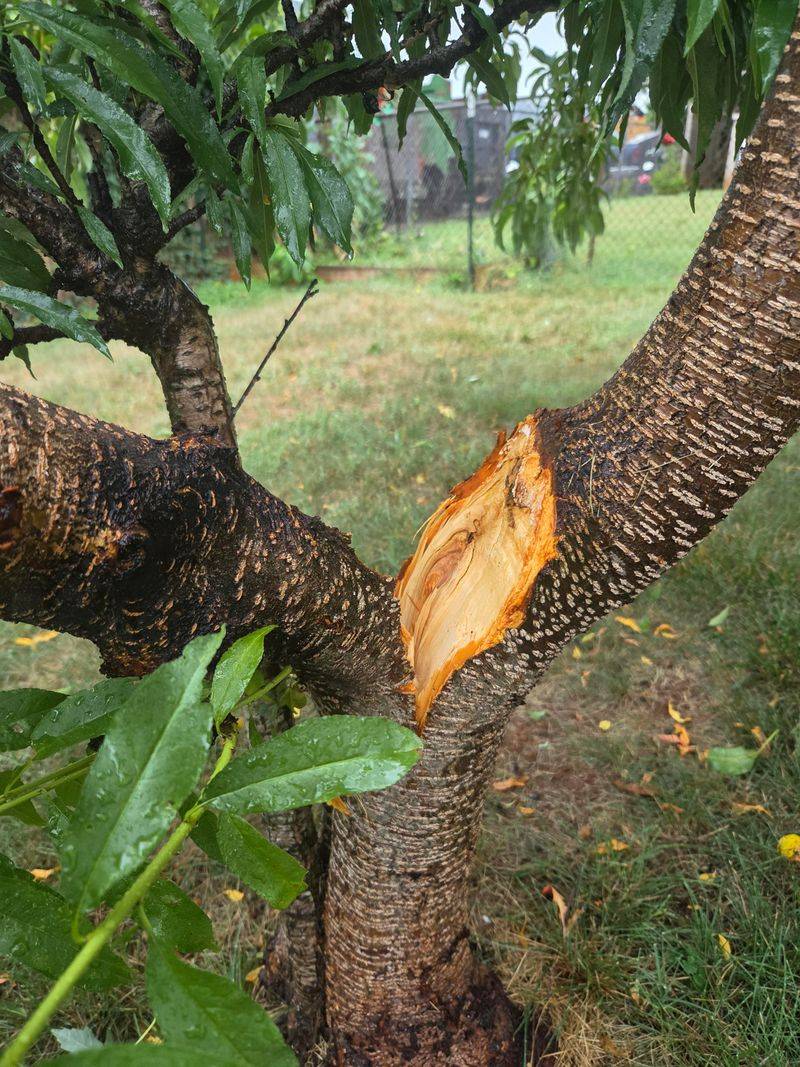
Not every snip has to wait until February, and a few small jobs are perfectly fine to handle this fall. The key difference is removing damage that already exists, rather than making new cuts into healthy wood.
Branches broken by wind or heavy fruit should be cut back cleanly, since jagged tears invite more trouble. A smooth cut just outside the branch collar heals better than splintered bark flapping in winter storms.
Black knot on plums and cherries shows up clearly once leaves drop, as hard black swellings along twigs. Mark the spots now, then remove the knots during winter dormancy, cutting several inches below the swelling into clean wood.
Fire blight cankers on apples and pears are another story, and many specialists prefer handling them in winter. The bacteria spread more easily in mild, wet weather, so cutting during deep cold lowers the chance of spread.
Water sprouts and crossing branches can look messy, but they rarely need attention before late winter pruning. Leaving them in place for now keeps your tree from pushing tender growth during a warm spell.
Remove any infected wood from your yard rather than tossing it in a compost pile near the orchard. Bagging it for trash pickup or burning where local rules allow keeps spores from drifting back to trees.
A short walk through your trees each week lets you catch broken limbs before they tear further. That small habit keeps fall work focused on true repairs, not the full pruning job saved for later.
Your Cuts Matter As Much As Your Calendar
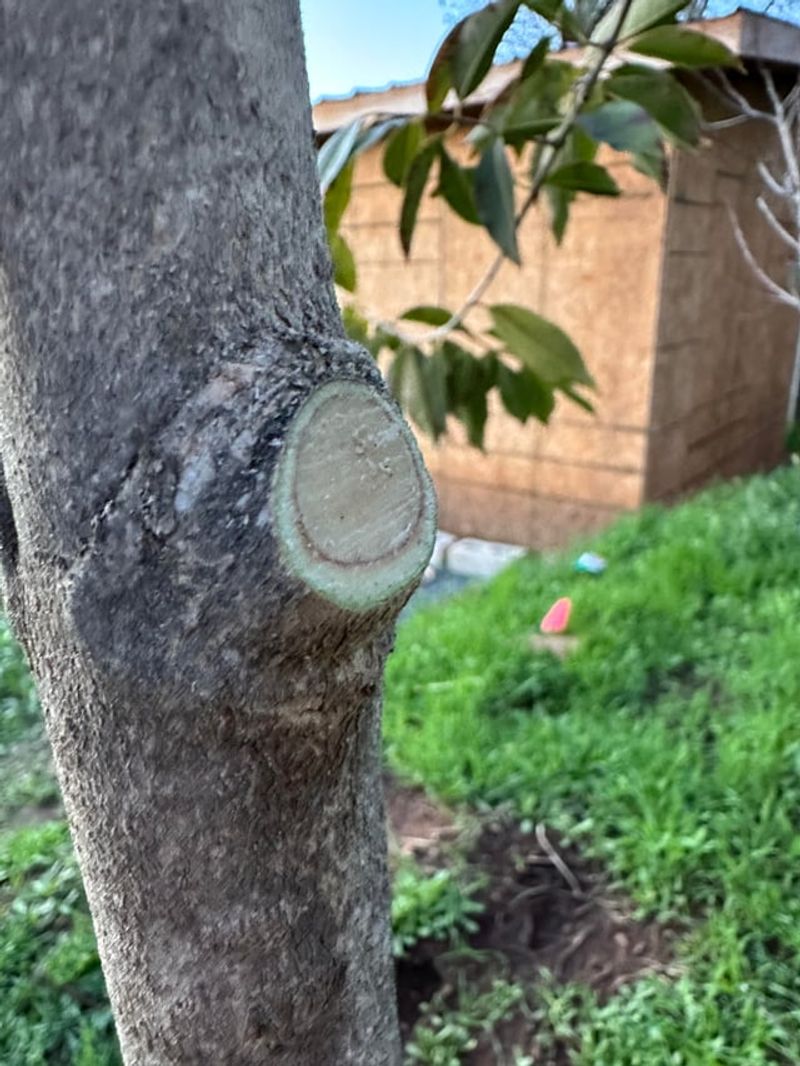
A perfectly timed cut can still cause problems if it is made in the wrong place on a branch. Good technique matters in every season, and it becomes even more important when you handle unavoidable fall repairs.
Look for the branch collar, a slightly swollen ring of bark where a limb joins the trunk or larger branch. Cutting just outside that collar lets the tree seal the wound with natural chemical barriers built into this zone.
Flush cuts made tight against the trunk remove that protective tissue and leave a larger wound to close. Long stubs cause trouble too, because they often decay slowly and give fungi an easy place to start.
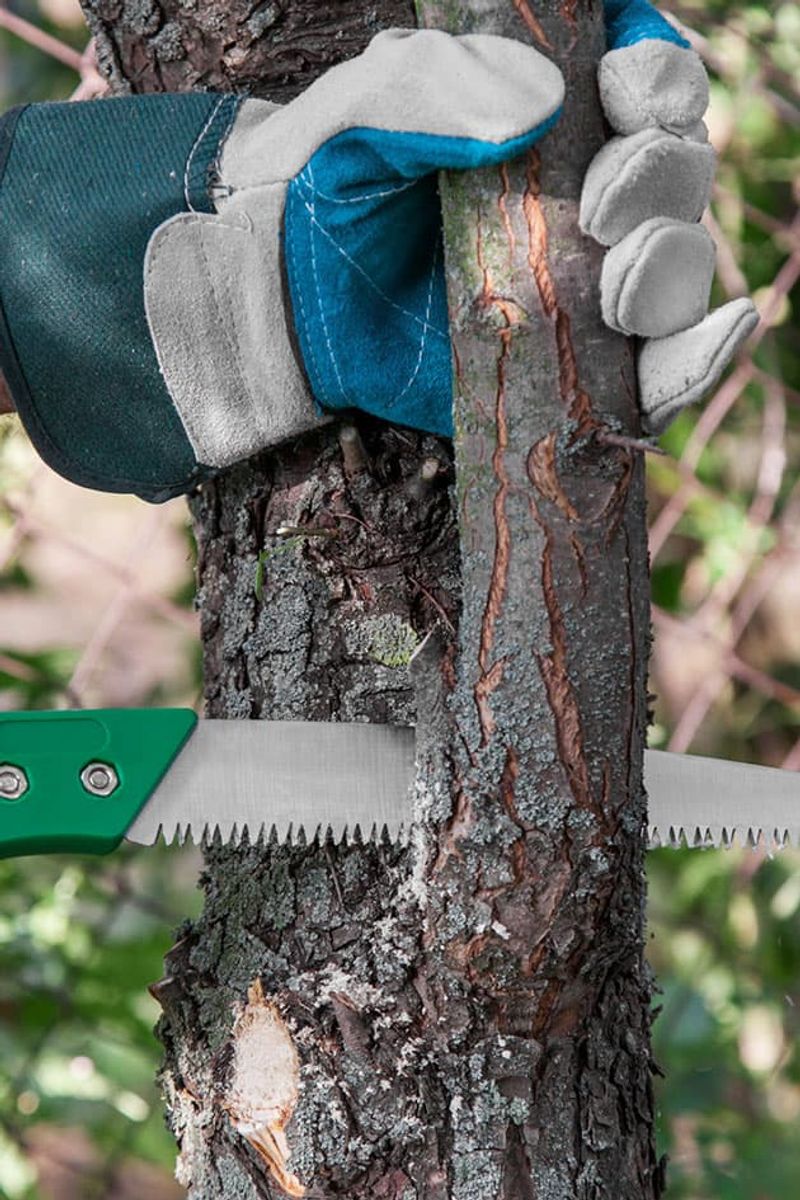
Heavy limbs need a three cut method to stop bark from peeling down the trunk as weight pulls away. Make an undercut first, then a top cut farther out, and finally trim the remaining stub at the collar.
Wound paints and sealers are rarely recommended by extension services, since research shows they do not speed healing. Some sealers can even trap moisture against the wood, which may encourage decay rather than prevent it.
Sharp bypass pruners and a clean pruning saw make smooth cuts that close faster than ragged, crushed ones. Wiping blades with a diluted bleach solution between trees helps reduce the spread of fire blight and cankers.
I like keeping a small spray bottle of disinfectant in my pruning bucket, so cleaning tools becomes routine. Treat the tool kit with as much care as the calendar, and your trees will benefit for years.
Smart October Chores Set Up A Healthier Spring
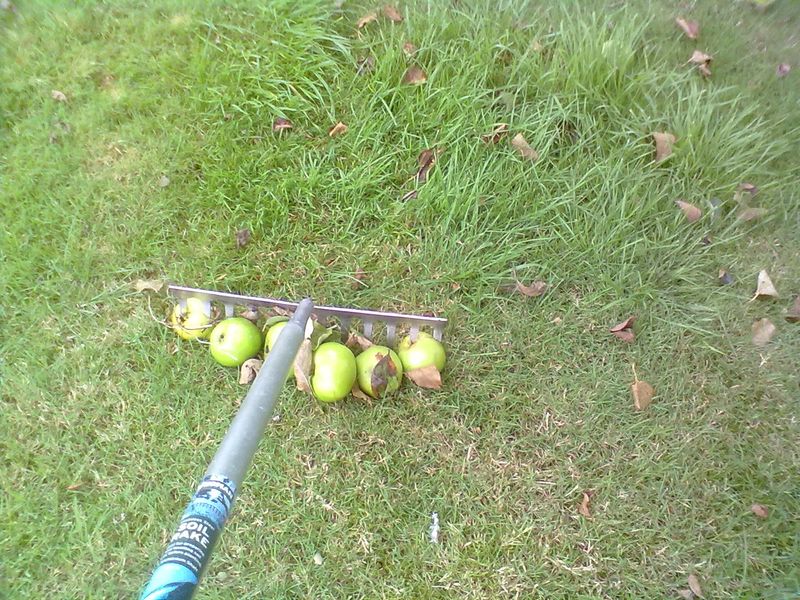
October still offers plenty of useful orchard work, even while the pruning saw stays hanging in the shed. Many of these chores help lower disease pressure next spring.
Rake up fallen apple leaves, because the apple scab fungus spends the winter on leaf litter under trees. Removing or shredding those leaves cuts down the spores that splash onto new growth when spring rains begin.
Pick off shriveled fruit mummies still hanging on branches, since brown rot fungus overwinters inside them on stone fruit. Mummies lying on the ground should be gathered too, then bagged and placed in the trash.
Wrap young trunks with white plastic guards or paint them with diluted white latex paint to reduce sunscald. Winter sun can warm the bark on the south side, and those cracks become fresh entry points for cankers.
Pull mulch a few inches away from the trunk, since piled mulch can hide voles that chew bark. Hardware cloth wrapped around the base gives extra protection through the cold months ahead in most Ohio yards.
Water trees deeply during dry fall spells until the ground freezes, because well hydrated wood handles winter better. Skip nitrogen fertilizer now, since it can push late growth that rarely hardens in time for freezing nights.
A tidy, well prepared orchard goes into winter with fewer weak spots for disease to exploit later on. Then, when late February arrives, you can prune with confidence and give those cuts a fast start.