Why Ohio Gardeners Keep Ruining Lavender And What To Do Instead
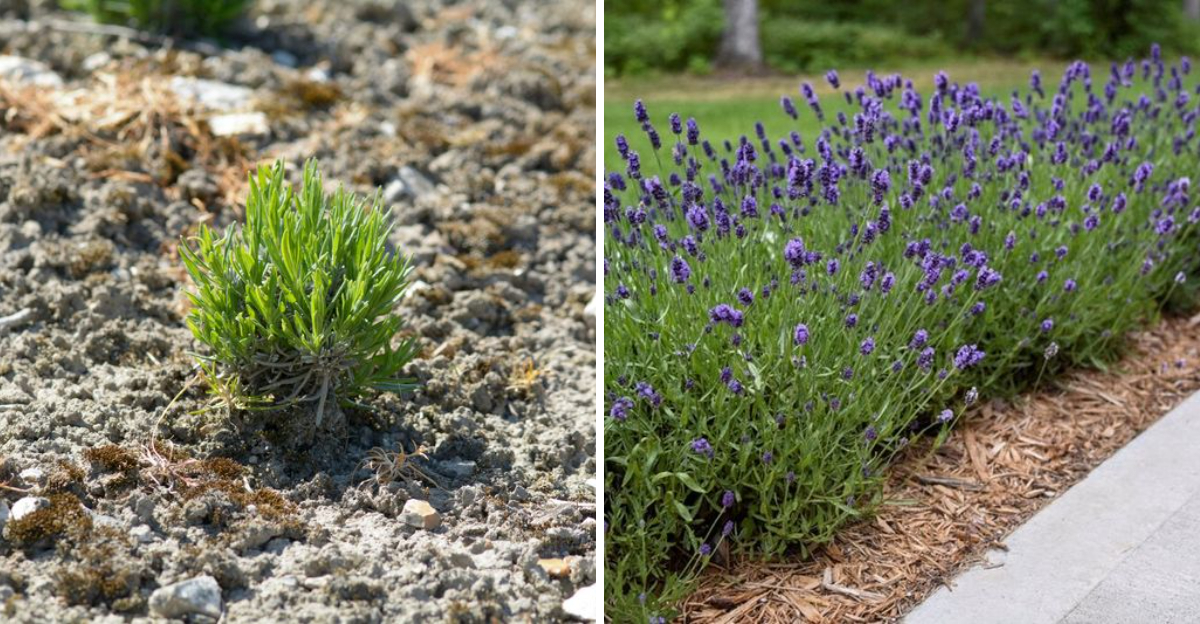
Why does lavender look so effortless at the garden center, then act like a diva once it lands in an Ohio yard?
You bring home that silvery little plant expecting fragrance, purple blooms, and easy cottage-garden charm. For a while, everything looks promising.
Then Ohio does what Ohio does. Spring rain hangs around too long, clay soil stays heavy and damp, summer air turns thick, and suddenly your lavender starts looking yellow, floppy, woody, or just plain miserable.
It is enough to make any gardener wonder, what gives?
The truth is, lavender is not hard to grow because it is delicate. It is hard to grow because it wants the opposite of what many Ohio gardens naturally offer.
This is a plant built for sun, lean soil, sharp drainage, and dry roots, not soggy beds, rich compost, and daily watering. Treat it like a thirsty perennial and you are barking up the wrong tree.
The good news is that you do not have to throw in the towel. Once you understand what lavender is really asking for, the fixes are surprisingly simple.
1. Stop Treating Lavender Like A Moisture Lover
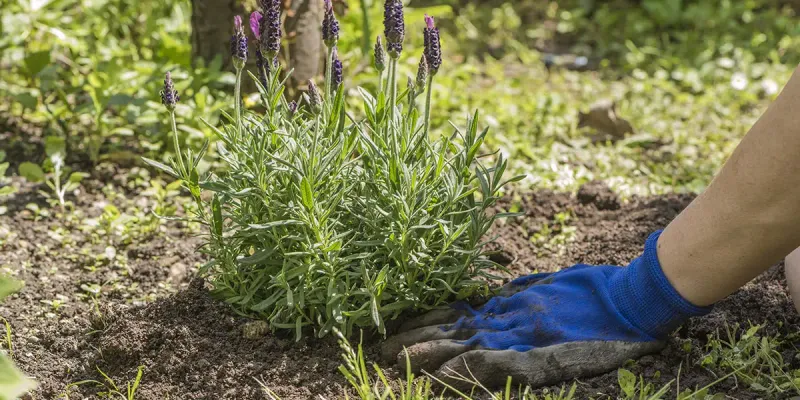
Walk through almost any Ohio neighborhood in May and you will spot lavender plants sitting in soil that is still soaked from winter. That soggy situation is probably the single biggest reason lavender struggles here.
Lavender is native to the rocky, dry hillsides of the Mediterranean region, where the soil drains fast and rainfall is limited. Ohio’s spring weather is almost the opposite of that.
Ohio’s heavy clay soils hold moisture for a long time after rain, and the state averages over 38 inches of precipitation per year according to the Ohio State Climatologist. That is a lot of standing water for a plant that genuinely prefers dry feet.
Roots sitting in damp soil for extended periods are far more likely to develop root rot, which shows up as wilting, yellowing, and a plant that looks weak even in warm weather.
The fix starts with changing how and when you water. Once lavender is established, it rarely needs supplemental watering during Ohio’s rainy seasons.
Before you reach for the hose, push a finger two inches into the soil. If it feels moist at all, hold off.
Avoid planting lavender in low spots or areas where water pools after storms. Choosing a spot with natural slope or good surface drainage can make a significant difference in how your plant performs through the season.
2. Give The Roots Room To Breathe
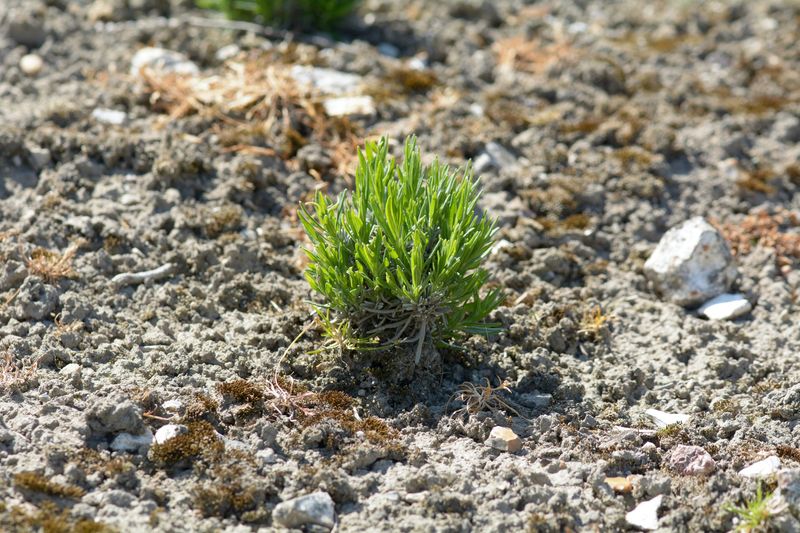
Compacted soil is one of those invisible problems that can quietly cause a lavender plant to underperform for years. Lavender roots need oxygen as much as they need water.
When soil is dense and compacted, air pockets disappear and roots struggle to spread, absorb nutrients, or function properly.
Ohio’s native soils, especially in central and western parts of the state, tend to be heavy with clay. Clay particles pack tightly together and leave very little room for air or water movement.
Your Ohio Garden Changes Every Week. Your Plan Should Too.
Gardening in Ohio changes quickly throughout the season. Every Friday you’ll receive a simple weekly plan showing exactly what to plant, prune, fertilize, harvest, and protect so you never miss the right timing.
Even if you are not overwatering, a plant sitting in a dense clay pocket can behave as though it is waterlogged simply because drainage is so slow.
Ohio State University Extension notes that improving soil structure before planting is one of the most effective things gardeners can do to support perennials that prefer well-drained conditions.
Before planting, loosen a wide area of soil and improve drainage by planting lavender slightly high, using a raised bed, or replacing a poorly drained clay pocket with a fast-draining planting mix.
Avoid simply stirring a small amount of sand into heavy clay, which may not improve drainage enough.
3. Plant Lavender Where The Sun Hits Hard
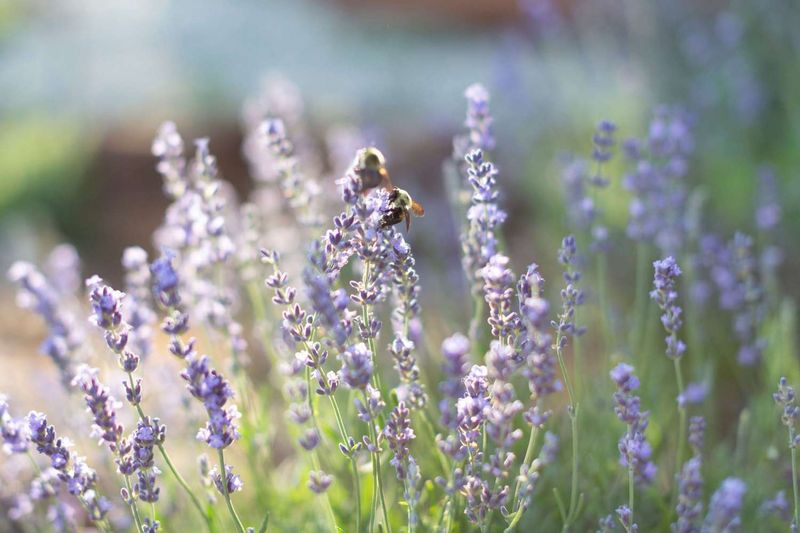
Lavender is not shy about what it wants from the sun. Give it anything less than six to eight hours of direct sunlight per day and the plant will tell you.
Stems get long and floppy, the plant stretches toward light, and flower production drops noticeably. In Ohio’s already-cloudy climate, placing lavender in a partially shaded spot makes things even harder.
Lavender performs best in full sun with excellent air circulation. Ohio averages fewer sunny days than many western states, which means the sunniest spot in your yard becomes even more valuable for sun-demanding plants like lavender.
That spot near the tall fence, under the edge of a maple tree, or tucked behind a row of tall perennials is not the right home for this plant, no matter how pretty it looks on paper.
Walk your yard on a clear summer afternoon and notice where direct sunlight lands longest and hardest. South-facing or west-facing slopes and open beds away from structures tend to be the best candidates.
Full sun also helps dry out soil and foliage faster after rain, which reduces the moisture-related stress that lavender encounters so often in Ohio.
Bonus: a hot, bright location tends to intensify the fragrance oils in lavender stems and flowers, so your plant will smell better too.
4. Skip The Rich Soil And Heavy Compost
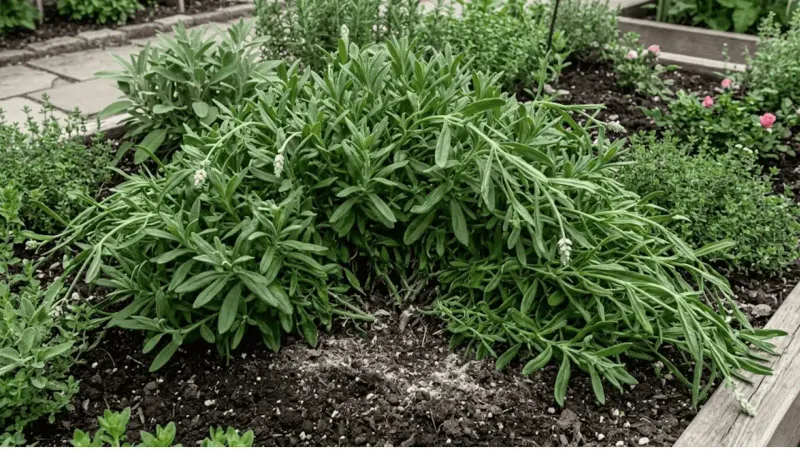
Gardeners in Ohio who grow tomatoes, hostas, or hydrangeas learn quickly that rich, amended soil produces great results. So it makes sense that many of them apply that same approach to lavender.
Unfortunately, lavender did not get the memo about loving compost-heavy beds.
Overly fertile soil encourages lavender to put out a lot of soft, leafy growth rather than the compact, sturdy stems it is known for.
That lush-looking growth sounds appealing, but it is actually weaker, more prone to flopping, and less fragrant than growth produced in leaner soil.
Research from university extension programs consistently recommends that lavender be grown in low to moderately fertile, well-drained soil.
Heavy compost additions can also increase moisture retention, which circles right back to the drainage problems Ohio gardeners already face.
Skip the bags of garden soil and rich compost blends when preparing a lavender bed. Instead, aim for a lean mix that drains quickly.
A small amount of compost worked in at planting time is generally fine, but avoid annual top-dressings of organic material around the base of the plant. Fertilizing is rarely necessary for established lavender.
If you feel the need to feed it, a light application of a balanced, slow-release fertilizer in early spring is usually more than enough to support healthy growth without pushing weak, floppy stems.
5. Keep Mulch Away From The Crown
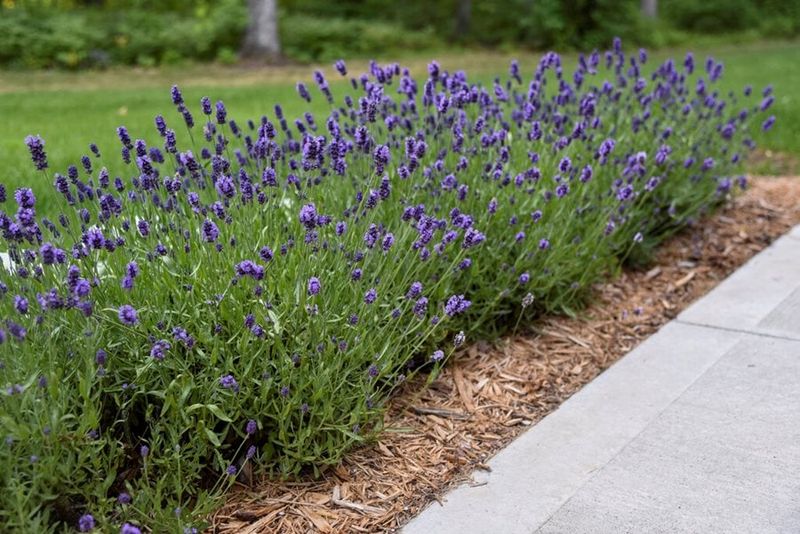
Mulching is second nature for most Ohio gardeners. It controls weeds, holds soil moisture through hot summers, and makes beds look tidy.
For most perennials, a thick layer of wood chip mulch is genuinely helpful. Lavender, though, is a notable exception to that rule, especially when the mulch gets piled up against the base of the plant.
Organic mulch holds moisture. When that moisture sits against the crown and lower stems of a lavender plant, it creates exactly the damp, low-airflow environment where fungal problems and crown rot thrive.
Ohio’s humid summers make this worse because there is already less evaporation happening around the plant. Many gardeners do not realize their mulching habit is contributing to lavender problems because the damage happens slowly and underground.
Pull mulch back at least three to four inches from the base of the plant so the crown and lower stems stay exposed to air.
If you use mulch at all near lavender, consider a lighter material like pea gravel or coarse grit, which improves drainage around the plant rather than holding moisture.
Some experienced lavender growers in humid climates skip organic mulch around lavender entirely and rely on regular weeding instead.
The extra effort is worth it when you see how much better the plant responds to good airflow at its base through Ohio’s muggy summer months.
6. Choose Hardy Lavender For Ohio Winters
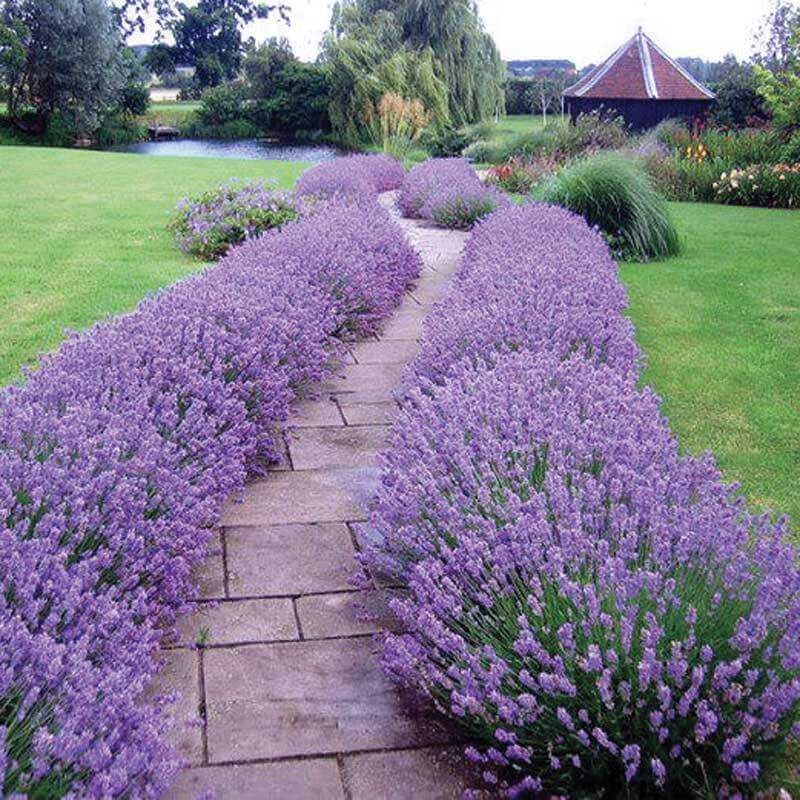
Not every lavender plant sold at a garden center is suited for an Ohio winter. That is a fact that catches a lot of gardeners off guard, especially when a plant looks perfectly healthy through summer and then fails to come back the following spring.
Variety selection matters more than many people realize.
Ohio generally falls within USDA hardiness zones 5b through 7a, depending on location, with much of the state in zones 6a and 6b.
English lavender varieties, which belong to the species Lavandula angustifolia, are considered the most cold-hardy and are typically the safest choice for Ohio gardens.
Popular English varieties like Hidcote and Munstead are widely cited by extension resources as reliable performers in cold-winter climates.
Spanish lavender (Lavandula stoechas) and French lavender types are far less winter-hardy and are better treated as annuals or container plants in most parts of Ohio.
Before buying, check the plant tag carefully and look for hardiness information. If a tag lists the plant as hardy only to zone 7 or 8, it is unlikely to survive an Ohio winter outdoors without significant protection.
Buying from a local nursery that sources plants with your region in mind is a smart move.
Ohio State University Extension recommends selecting regionally appropriate varieties as one of the most reliable ways to improve long-term success with borderline-hardy plants in this climate.
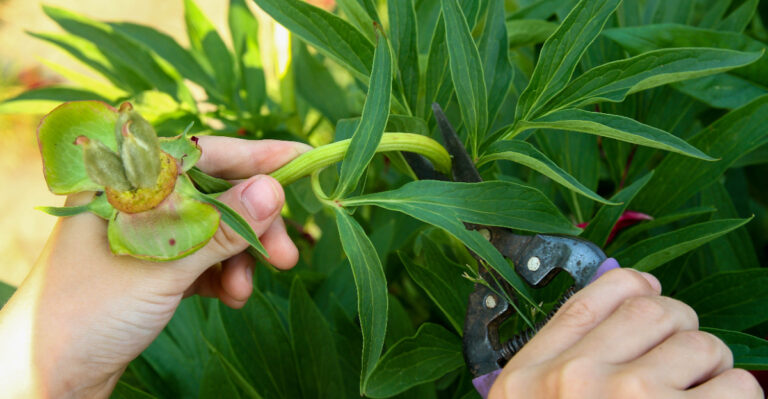
7. Prune Lightly And At The Right Time
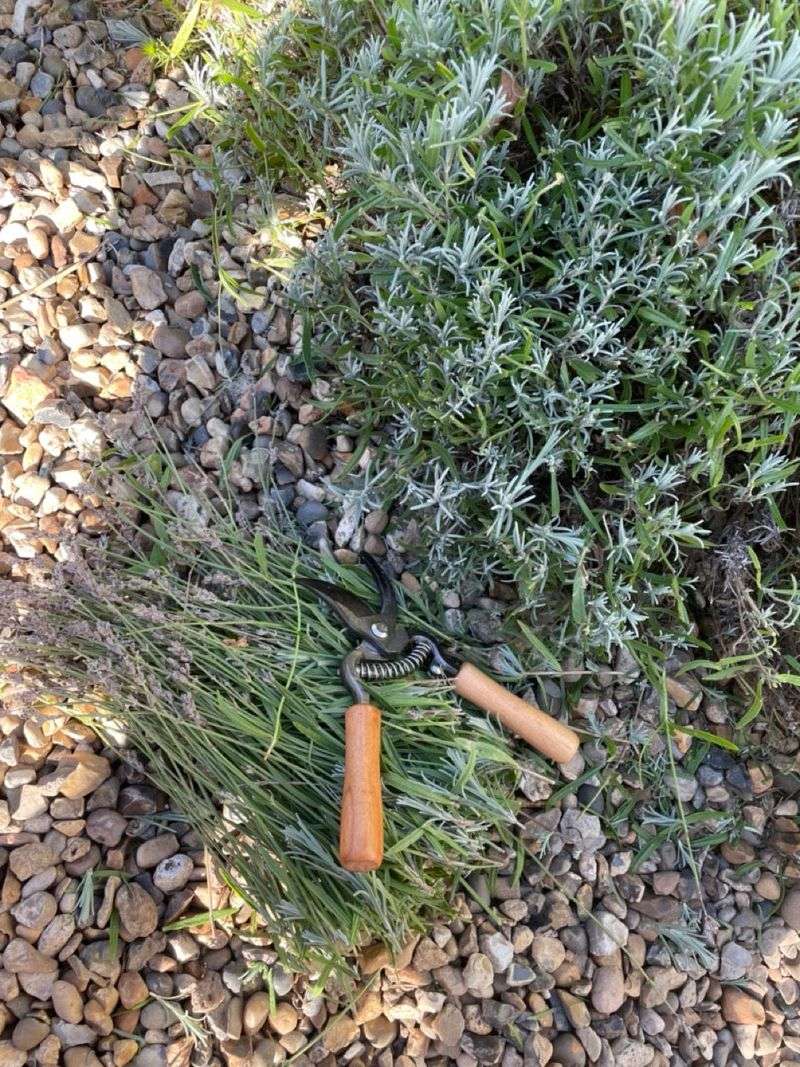
Pruning lavender seems straightforward until someone cuts too far back and the plant never recovers. It is one of those gardening mistakes that feels harmless in the moment but has real consequences.
Lavender has a woody base and a zone of green, living growth above it, and those two parts behave very differently when cut.
The woody lower stems of a lavender plant do not reliably produce new growth if cut hard. Pruning deep into that old wood, especially late in the season, can leave a plant without enough healthy growth to sustain itself through winter or push out fresh stems in spring.
University extension resources consistently caution against hard pruning into woody tissue for this reason.
The safer approach is light shaping after the main flush of flowers fades, typically midsummer in Ohio. Trim back the spent flower stalks and shape the plant lightly, removing no more than about one-third of the green growth.
In early spring, remove winter-damaged tips and lightly shape only where you see green growth. Save heavier shaping for after flowering, and do not cut deeply into bare woody stems.
Do not prune lavender late in summer or fall, as that timing can leave fresh cuts exposed heading into cold weather.
Keeping the plant compact with regular light pruning over several years produces much better results than letting it go woody and then attempting a dramatic rescue cut.
8. Grow Lavender In Raised Beds Or Pots
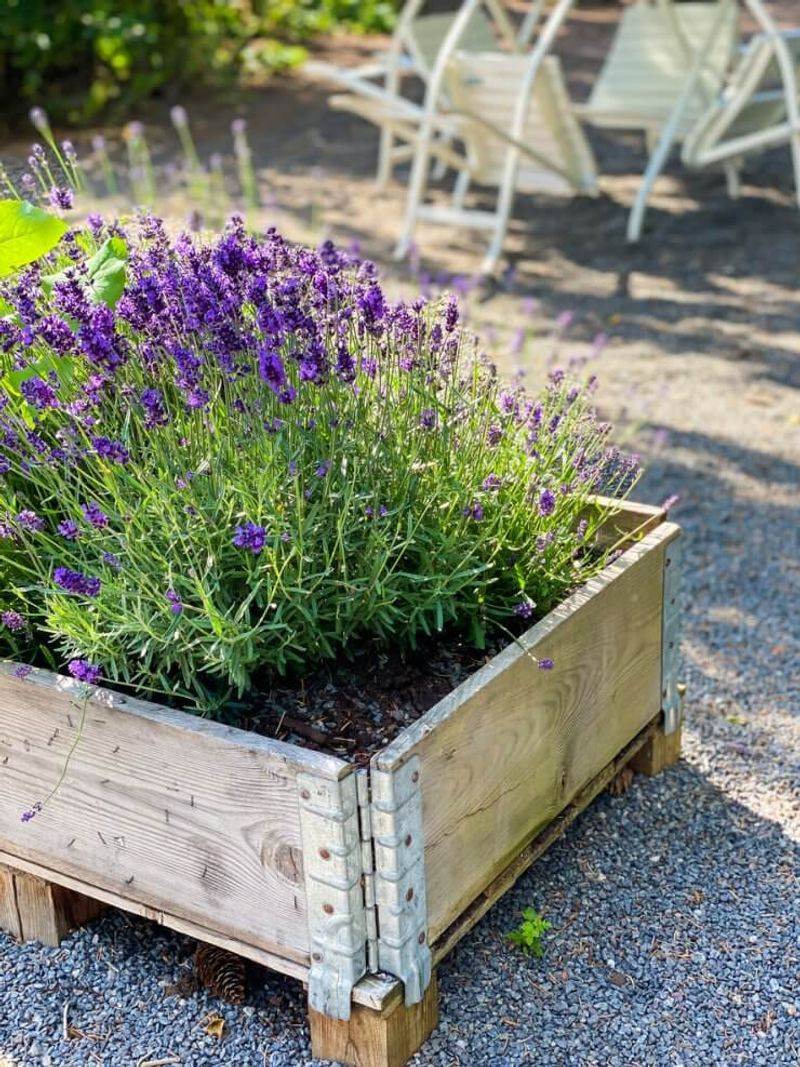
Sometimes the most honest advice is also the most practical: if your yard has dense clay soil that stays wet, do not fight it.
Raised beds and containers give lavender the conditions it needs when the native ground simply will not cooperate, and for many Ohio gardeners that is exactly the situation they are working with.
A raised bed filled with a lean, fast-draining mix gives you full control over soil quality, drainage, and even the height of the planting surface. Elevating the root zone even six to eight inches above the native soil level can dramatically improve drainage.
Use a lean, fast-draining planting mix designed for herbs, Mediterranean plants, or containers, and avoid heavy garden soil that stays wet. A small amount of compost is fine, but the mix should drain quickly.
Container growing is another solid option, especially for gardeners who want flexibility or who garden on patios and decks.
Choose a pot with drainage holes at the bottom, because saucers that hold standing water will recreate the same soggy conditions you are trying to avoid.
Terra cotta pots are a popular choice because they are porous and help wick excess moisture away from the root zone. Place containers in the sunniest spot available.
One caution with pots in Ohio: potted lavender may need extra protection in winter since container roots are more exposed to freezing temperatures than in-ground roots.