The Hidden Root Problem New York Lawns Face Every Fall
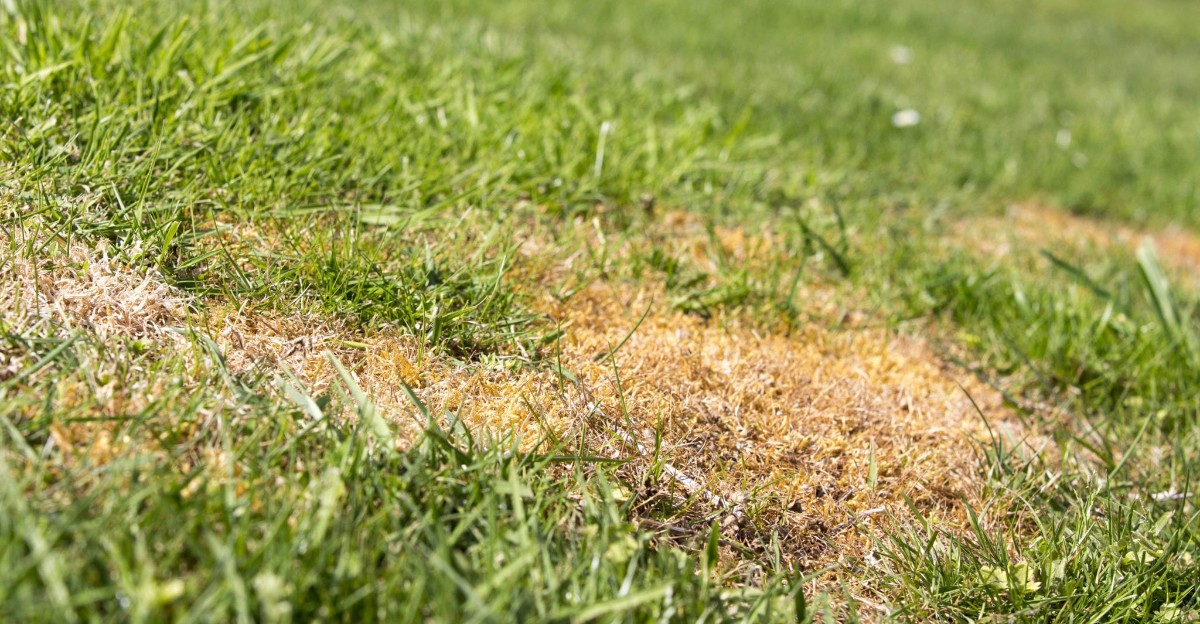
Small cream-colored creatures can spend early fall chewing grass roots an inch or two below a green-looking New York lawn. I find it wild that you can roll back damaged turf like a rug once they finish feeding.
Cornell experts note that the feeding often looks like drought stress, so many homeowners water more and miss the cause. Brown patches tend to show up in sunny areas first, where the adult insects laid eggs in midsummer.
As October soil cools, the hungry creatures move deeper, where they rest through winter below the frost line. They return to the root zone in spring, feed for a few more weeks, then turn into beetles.
You may notice spongy spots underfoot while raking leaves, or fresh holes where skunks and raccoons dug overnight for food. Have you ever wondered if those midnight diggers were actually pointing at a problem hiding in your yard?
Your Fall Lawn Damage Often Starts With Hungry Grubs
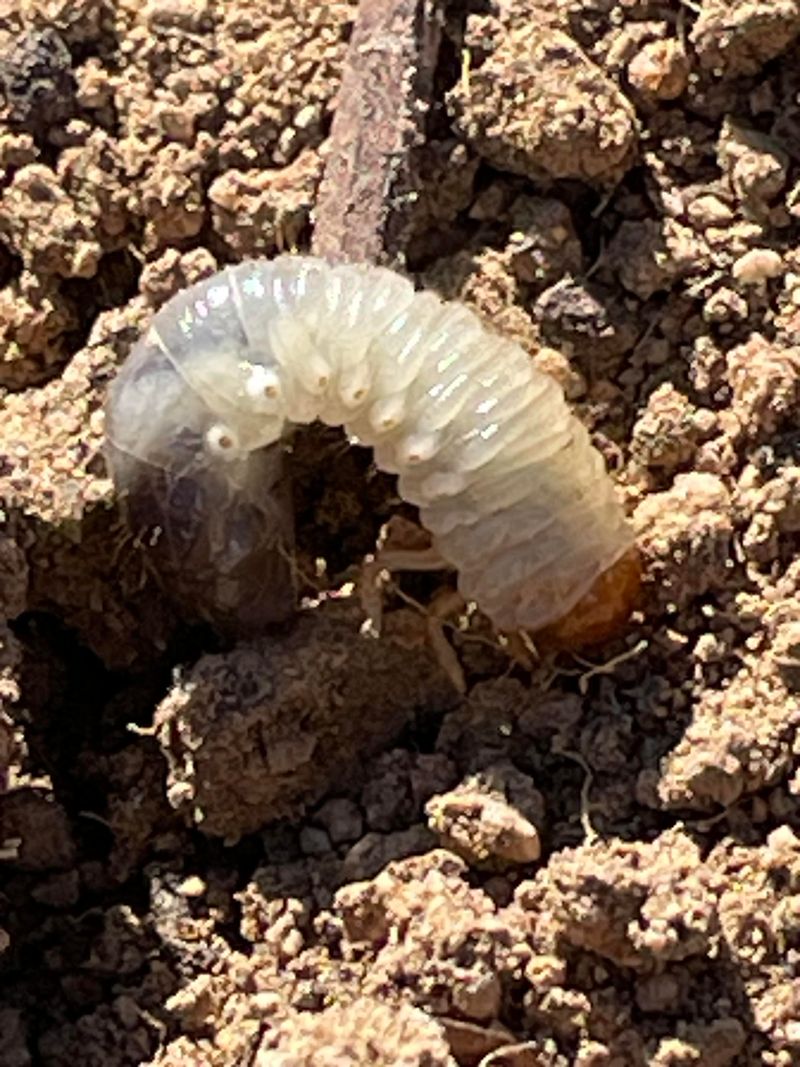
Fall brown patches in many New York lawns trace back to white grubs feeding on grass roots underground. These C-shaped larvae are the young stage of Japanese beetles, European chafers, and a few other scarab beetles.
Cornell Cooperative Extension lists European chafer as a major turf pest across western and central New York. Japanese beetle grubs show up statewide, and Oriental beetle grubs are common in lawns on Long Island.
Adult beetles lay eggs in moist lawns during midsummer, and the tiny grubs hatch within a few weeks. From August into early fall, the growing grubs chew through roots right where the grass needs them most.
Grass blades can stay green for a while, which is why the problem often hides until damage spreads. Once enough roots are gone, the turf turns brown and can lift away from the soil by hand.
Each grub has a cream body, a tan head, and three pairs of small legs near the front. Most curl into a tight letter C when you dig them up, which makes them fairly easy to spot.
Not every brown patch comes from grubs, since drought, disease, and dog urine can look surprisingly similar. Experts suggest checking the soil before blaming any one cause, because each problem needs a different fix.
I like knowing the culprit early, because fall still gives you time to repair the lawn before winter. Even a small patch is worth a closer look while the soil is still soft enough to dig.
Cooler October Soil Sends Grubs Deeper
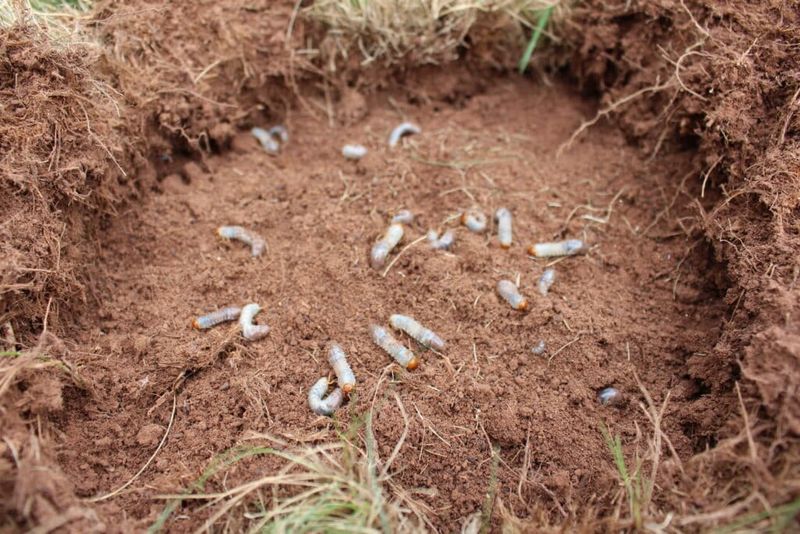
Soil temperature acts like a clock for grubs, and October in New York usually pushes that clock forward fast. As the top few inches cool, the larvae stop feeding and start moving down into deeper soil.
Many grubs settle four to eight inches below the surface, and some travel even deeper during cold winters. Down there, they rest until spring warms the soil and brings them back up to the root zone.
Timing matters because grubs near the surface in September are much easier to reach than buried ones in late fall. Larger grubs also handle many lawn insecticides better than the small, young grubs found in August.
Your New York Garden Changes Every Week. Your Plan Should Too.
Gardening in New York changes quickly throughout the season. Every Friday you’ll receive a simple weekly plan showing exactly what to plant, prune, fertilize, harvest, and protect so you never miss the right timing.
Weather shifts this schedule a bit, so a warm October in the Hudson Valley may keep grubs active longer. Lawns in the Adirondacks or Tug Hill region often see grubs head downward much earlier in the season.
The damage you notice in October usually happened weeks earlier, during the heaviest feeding of late summer. Grass that lost its roots then simply could not handle dry spells or cooler nights very well.
Cool-season grasses like Kentucky bluegrass and tall fescue grow new roots in fall when conditions allow. That regrowth can help a lightly damaged lawn bounce back once the grubs move down for winter.
Think of October as a window for checking and repairing, rather than a perfect month for chemical treatments. Your effort pays off more when it supports root growth instead of chasing grubs that already went deeper.
Extra Water Rarely Fixes This Kind Of Brown Patch
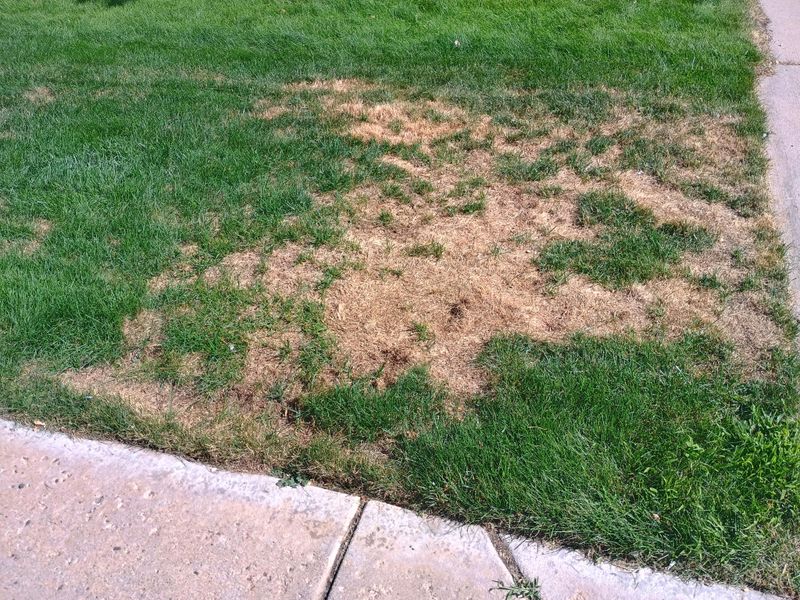
Plenty of homeowners see brown grass in fall and reach straight for the hose or sprinkler timer. Extra water rarely helps grub-damaged turf, because the plants have lost the roots needed to drink it.
Soggy soil can also invite fungal disease, which adds a second problem on top of the first one. Before changing your watering plan, tug gently on the brown grass and see whether it lifts easily.
Another common slip is spreading a grub product in October simply because the damage finally became visible. Many extension services point out that late fall treatments often give poor results against large, deep grubs.
Preventive products like chlorantraniliprole work best when applied in late spring or early summer, before eggs hatch. Using them now mostly wastes money and puts chemicals into soil where they may not reach any target.
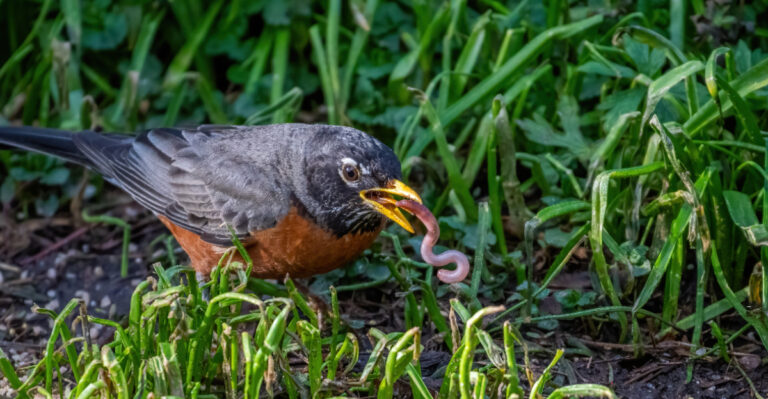
Some people also blame the skunks or raccoons digging up the yard, then try to chase them away. Those animals are usually hunting grubs, so the digging is a clue rather than the true cause.
Heavy fertilizer is one more tempting fix, but weak roots struggle to use a big dose of nitrogen. Extra nutrients can wash away in fall rains and end up in nearby streams, ponds, or lakes.
You save time and money by confirming the cause first, then matching your response to the season. A five-minute look under the sod beats weeks of guessing with water, fertilizer, or the wrong spray.
A Quick Square Foot Check Tells You A Lot
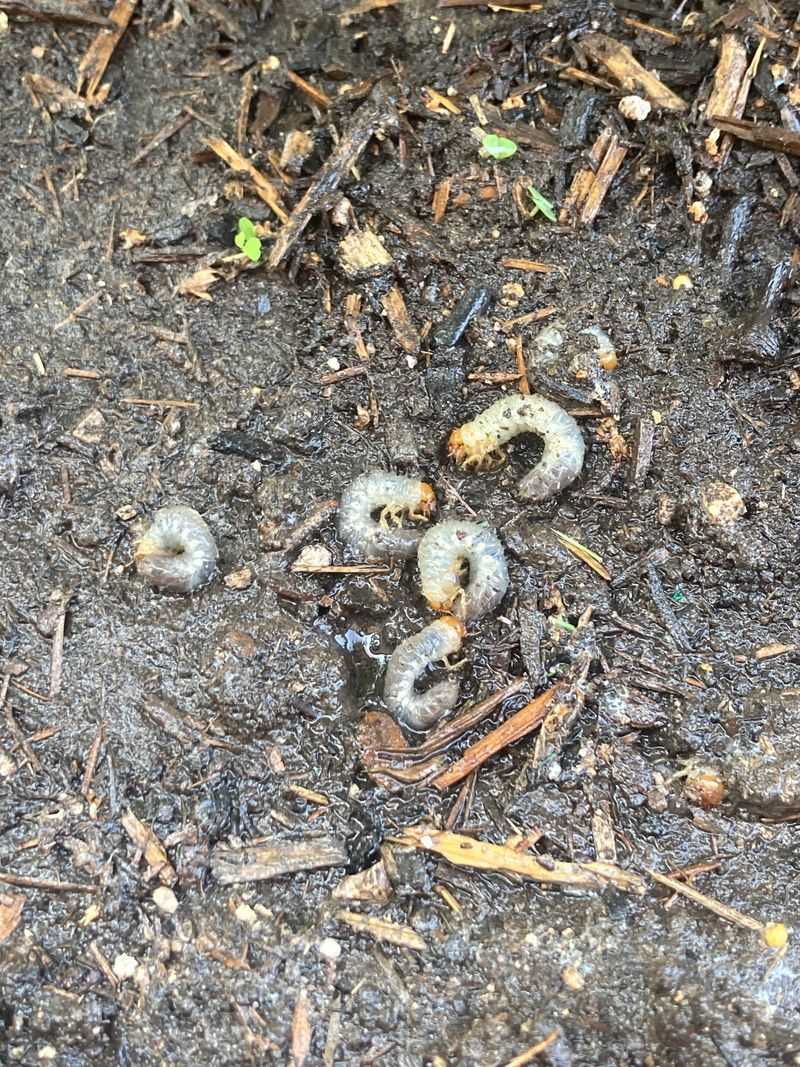
Grab a flat shovel and a ruler, because checking for grubs takes less effort than raking one pile of leaves. Pick a spot right at the edge of a brown patch, where green and damaged grass meet.
Cut three sides of a square about one foot wide and two or three inches deep. Fold the sod back like a page in a book, then sift through the loose soil with your fingers.
Count every grub you find, and repeat the test in a few spots across the lawn for accuracy. Cornell guidance suggests that around five to ten grubs per square foot can cause noticeable turf damage.
Healthy, well-watered lawns can often handle more grubs than that without showing much stress at all. Lawns stressed by drought, shade, or thin soil usually show trouble at lower numbers of grubs.
In mid to late October, you may find very few grubs near the surface even in damaged areas. Digging a little deeper, closer to six inches, often turns up the ones that already moved down.
Write down your counts and the spots you tested, along with the date, in a notebook or phone. Those notes help you decide next summer whether a preventive treatment makes sense for your yard.
Press the sod back into place when you finish, then water it lightly so the roots can reattach. Most test squares blend back in within a couple of weeks if the grass still has some roots.
Your Thin Spots Still Have Time To Recover
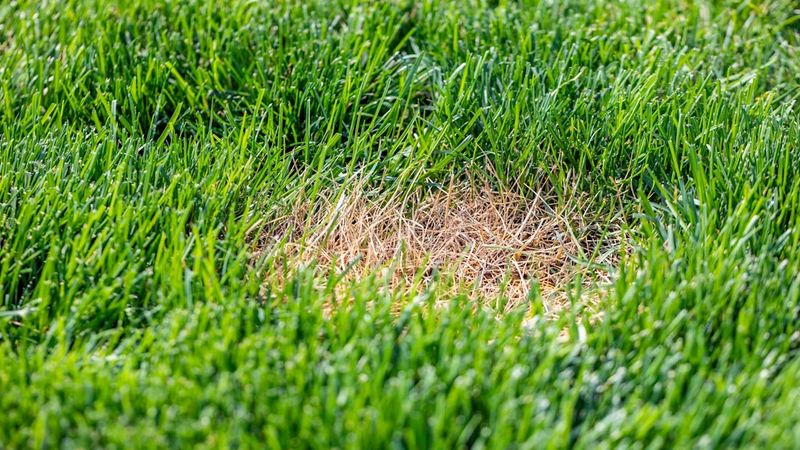
Early October is still workable for seeding in much of downstate New York, including Long Island, though mid-August to mid-September is the ideal window. Upstate lawns usually need seed down by mid-September, so later repairs there may wait until dormant seeding.
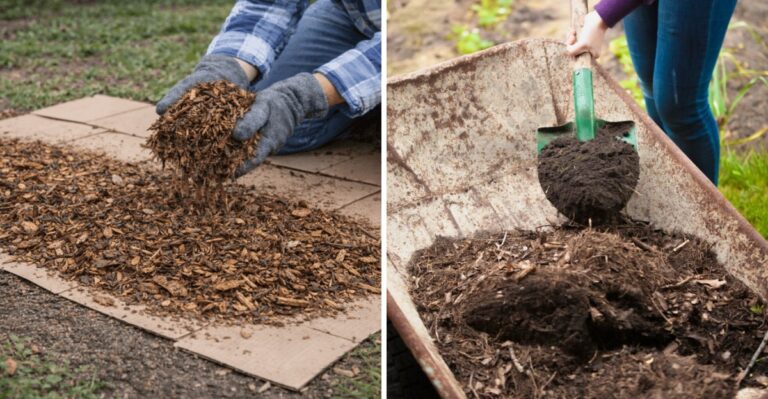
Start by raking out the brown, loose turf so new seed can touch bare soil directly. Loosen the top half inch with a hard rake, then spread a thin layer of compost if you have it.
Choose a seed mix that matches your existing grass, often Kentucky bluegrass, perennial ryegrass, or fine fescue. Perennial ryegrass sprouts fast, sometimes in a week, which helps when fall days are getting shorter.
Keep the seedbed lightly moist with short daily watering until the new blades reach about two inches. Cool fall air slows drying, so you may need less water than you would in late summer.
Dormant seeding works by spreading seed after soil drops below about fifty degrees, usually in late November. The seed sits quietly through winter, then sprouts in early spring when the ground begins to warm.
Fallen leaves on new seedlings block light, so mow over them or rake them away each week. Mowing shreds leaves into small bits that break down and feed the soil over the winter months.
I love watching a patched spot fill in, because it proves your lawn can rebuild after a rough season. Small patches often look normal again by late spring, especially with steady mowing at a taller height.
Next Summer Is Your Best Window For Prevention
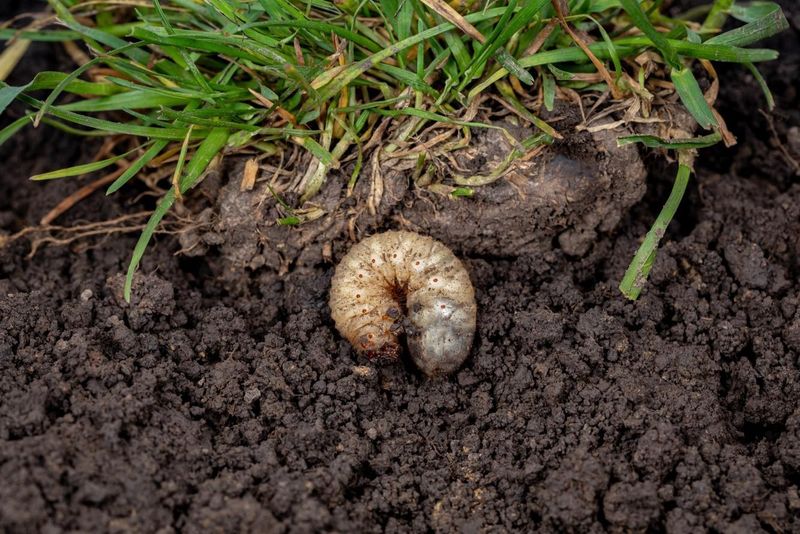
Grub prevention for next fall actually begins in June or July, long before any brown patches appear. Cornell and other extension programs generally recommend preventive products for lawns with a history of grub damage.
Treating every lawn every year often wastes money and can harm helpful insects that live in the soil. Your notes from this October can tell you whether your yard truly needs a product next summer.
Biological options exist too, including beneficial nematodes that hunt grubs in moist soil during late summer. University research shows mixed results with nematodes, so success depends on the species chosen and careful watering.
Mowing at three inches or higher helps grass grow deeper roots that can handle some grub feeding. Taller turf may also make the lawn less inviting to egg-laying beetles looking for short, sunny grass.
A light fall feeding, often around Labor Day in New York, supports strong roots heading into winter. Core aeration in early fall can also loosen packed soil, letting water and air reach the root zone.
Some homeowners swap part of the lawn for native New York plants or groundcovers that grubs rarely bother. Smaller lawns mean less turf to monitor, water, and repair when a tough grub year comes along.
I believe the best plan is a habit of checking the soil once each fall, just like raking. A few minutes with a shovel each October can keep a hidden root problem from surprising you again.