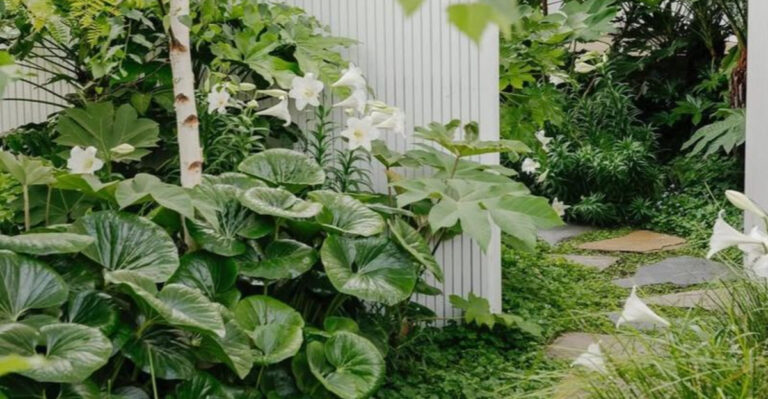
Why New York Gardeners Are Sheet Mulching Vegetable Beds Instead Of Tilling
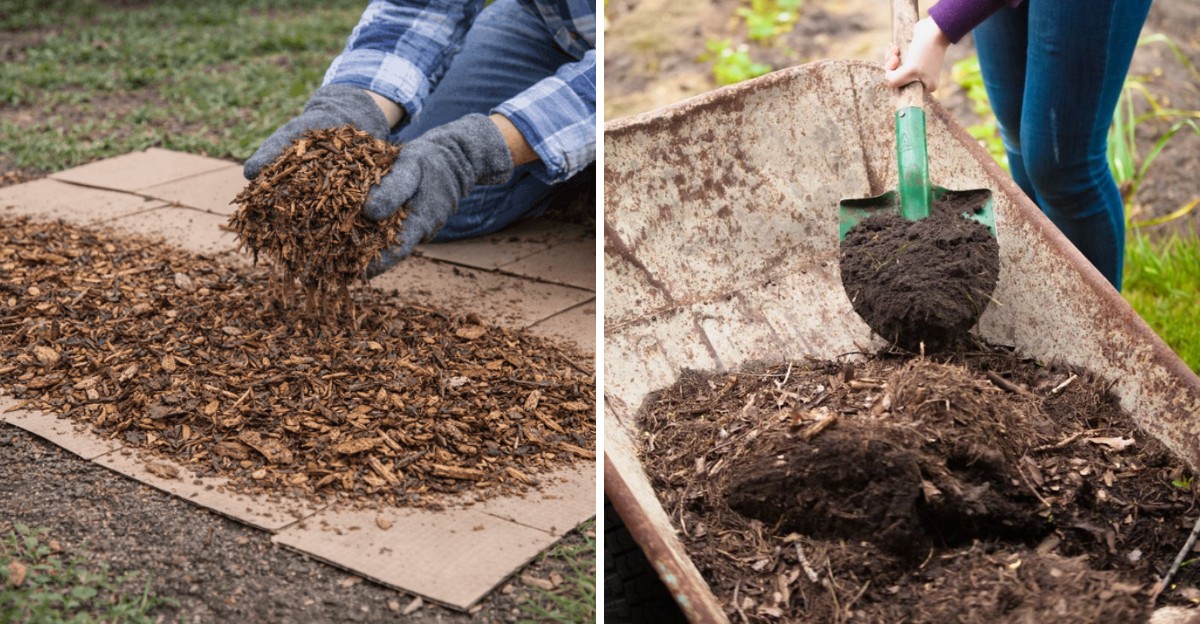
Your shovel is disturbing the soil you’re trying to build. Across New York, you will find growers carrying soggy cardboard instead of tools.
You blanket grass with cardboard, and weeds lose their footing. Crumbly fall leaves come next, and you pile them thick.
Worms handle the tilling while you plan your next harvest. Brooklyn rooftops and Buffalo plots hand you results in fat, glossy tomatoes.
Soil structure stays intact, so moisture lingers where your roots can reach it. Fungal networks you would split with a spade keep feeding your plants.
Watering drops, and you spend fewer hours bent over a hose. Neighbors across New York will ask what you changed.
Chiropractors may frown, yet you gain weekends and healthier beds. Imagine pulling heavy, sweet tomatoes from ground you left untouched. Grab cardboard, gather leaves, and let your old shovel rest.
1. Keeps Soil Life Thriving Underground
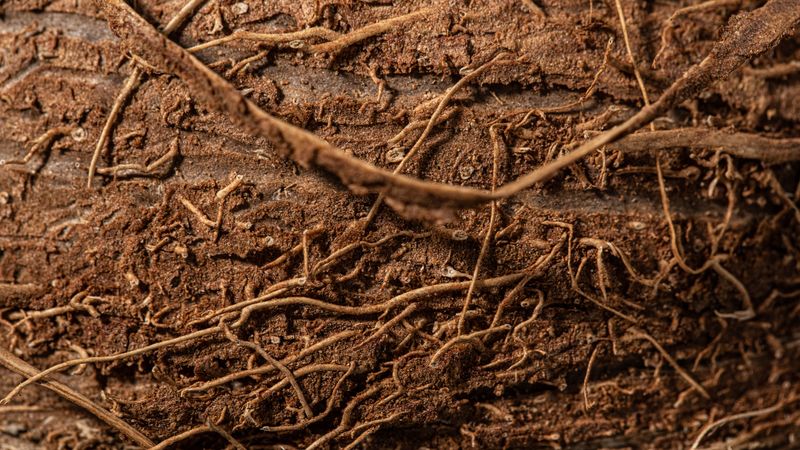
Dig up a shovelful of healthy soil, and you are holding more living things than people in Manhattan. A single teaspoon can carry billions of bacteria, plus fungal threads and other microscopic organisms.
Tilling disrupts that hidden city of organisms. Fungal threads break, worm tunnels close, and the soil’s natural structure loosens and loses biological activity.
Sheet mulching takes the opposite approach by leaving the ground alone. You simply stack cardboard, compost, and organic matter on top, then let nature handle the heavy lifting.
Beneficial earthworms do well in this setup. Watch for invasive jumping worms, which can harm soil, and avoid compost or mulch that contains them.
Fungi benefit too, spreading thread-like networks that feed plant roots water and minerals. Scientists call these mycorrhizal fungi, and they work like an underground delivery service for many of your vegetables.
Undisturbed soil also stays fluffy over time because creatures keep making tiny tunnels and pockets. Those spaces let rain soak in and roots stretch out without a fight.
In tilled beds, that delicate system has to partly rebuild itself each spring. No-dig beds skip the reset, so the soil often gets richer and livelier over the years.
Want to see the difference yourself? Lift a corner of your mulch in late spring and count the wriggling worms hiding underneath.
Many gardeners report finding more than they ever spotted in tilled rows. That busy crowd beneath your feet is one reason your plants may start looking stronger.
2. Suppresses Weeds Without Herbicides
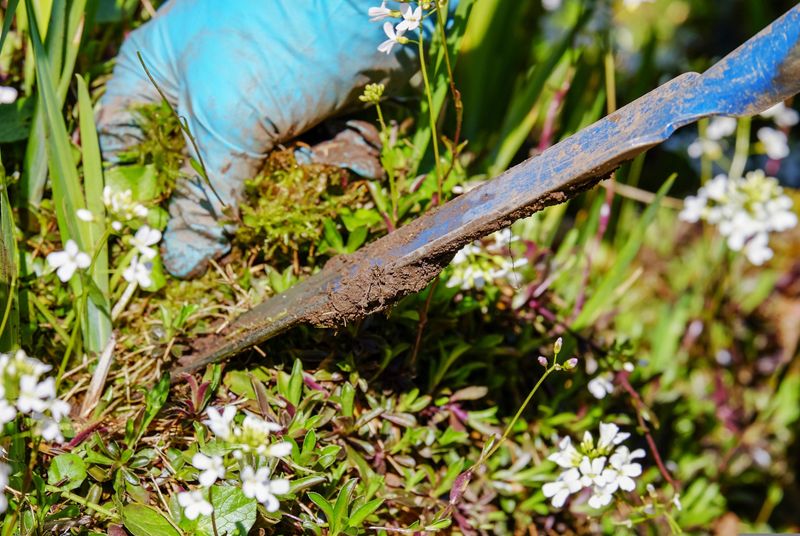
Many New York gardeners know the moment a tidy bed fills with crabgrass within days. Weeds seem to sprout faster than you can pull them, especially after a warm June rain.
Tilling has a drawback. Turning the soil drags buried weed seeds up to the surface, where sunlight wakes them right up.
Some seeds can wait in the ground for decades, just hoping for a little light. Each pass of the tiller hands them a fresh chance to grow.
Sheet mulching flips that script by blocking light instead of exposing seeds. Thick cardboard or several layers of newspaper act like a blackout curtain over the soil.
Your New York Garden Changes Every Week. Your Plan Should Too.
Gardening in New York changes quickly throughout the season. Every Friday you’ll receive a simple weekly plan showing exactly what to plant, prune, fertilize, harvest, and protect so you never miss the right timing.
Without sunshine, weeds below the layers cannot make food, so they weaken and break down. Their leftover roots and leaves turn into compost that feeds your future vegetables.
For best results, overlap cardboard edges by at least six inches so fewer weeds sneak through. Remove plastic tape and glossy labels first, since those will not break down. Persistent weeds like bindweed need repeated smothering and root removal.
Japanese knotweed is a prohibited invasive in New York, so it needs a dedicated management plan, not extra cardboard. Never compost or mulch its cuttings, since small stem fragments can regrow.
Patience pays off, though, because each season often brings fewer weeds than the last. Families with kids and pets like this method because no sprays are involved.
Test your soil for lead first, especially in older urban neighborhoods, before letting toddlers dig for carrots. A light top layer of straw or wood chips keeps new weed seeds from settling in. Pull the occasional stray by hand, and your bed stays neat with little effort.
3. Saves Gardeners From Strenuous Work
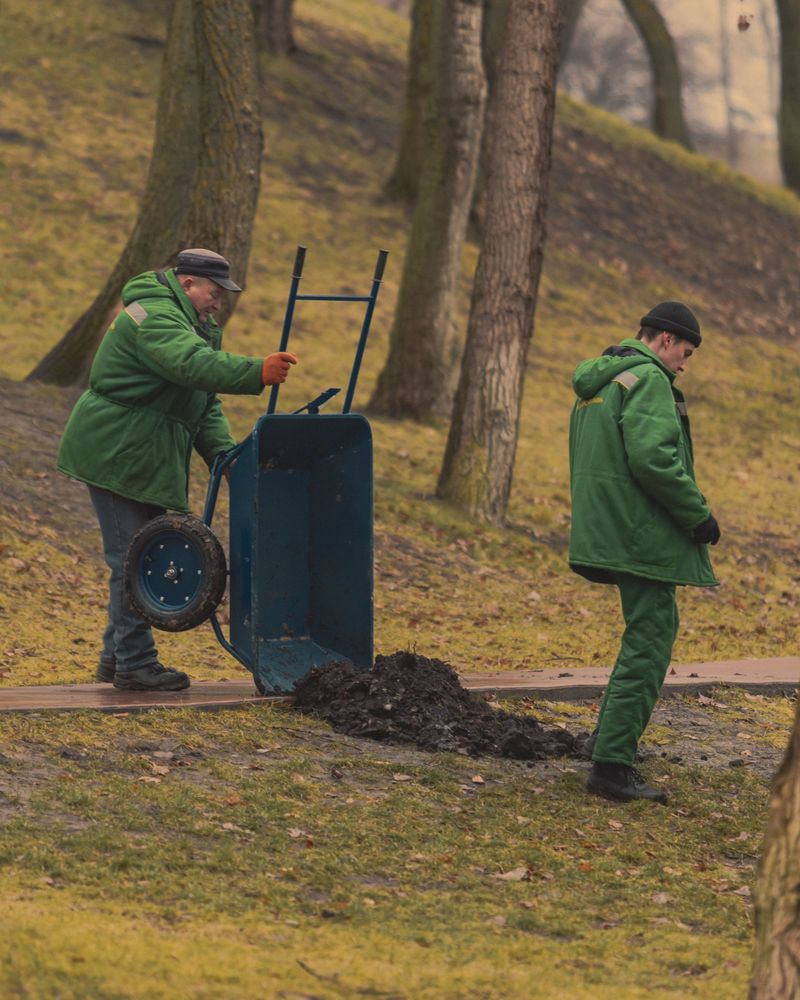
Ask any veteran gardener in the Hudson Valley about tilling day, and you might hear a groan. Maneuvering a rented rototiller over rocky ground feels like steering a heavy, unwieldy machine.
Hand digging is not much better, with hours of bending, lifting, and turning heavy soil. By evening, your shoulders ache and your enthusiasm for gardening has shrunk a bit.
Sheet mulching swaps all that strain for a much gentler routine. You lay flat cardboard, spread compost, and toss leaves on top, mostly standing upright the whole time.
That makes a meaningful difference for older gardeners and anyone with sore knees or a tricky back. Some seniors in community gardens say it helps them keep growing food longer.
The work also spreads out across the year instead of piling up in spring. Fall is a good time for building beds, since bagged leaves are often available at the curb.
By planting time, the layers have softened, and you just poke holes for seedlings. No heavy machines, no gas fumes, and no noisy engine waking the neighbors at dawn.
Weeding and watering also shrink, so routine chores can take minutes instead of whole afternoons. Busy parents and working folks finally have a garden that fits real life.
Try using a garden cart or wagon to haul compost, and work in short bursts. Gardening should feel relaxing, not like a demanding workout at the gym.
Your body and your schedule may both benefit. Less time sweating over soil means more time actually enjoying the tomatoes, peppers, and herbs you worked to grow.
4. Holds Moisture Through Hot New York Summers
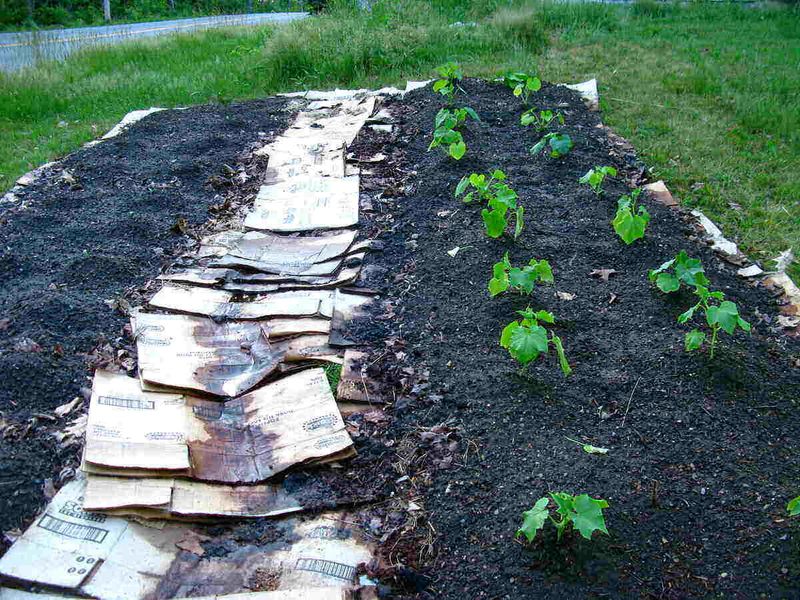
July in New York can feel like living inside a steamy subway car. Then, without warning, weeks pass without rain, and garden soil dries out and cracks.
Bare, tilled ground loses water fast because sun and wind pull moisture right out of it. Plants wilt by noon, and gardeners end up dragging hoses around most evenings.
Layers of cardboard, compost, and mulch work like a cozy blanket over the soil. They shade the surface, slow evaporation, and keep roots cool even on hot afternoons.
Some gardeners report cutting their watering by a quarter to a half after switching. That saves money on water bills and gives you back precious summer evenings.
Wet cardboard acts like a sponge, soaking up water and releasing it slowly over days, so soak it well before you cover it. Underneath, the soil stays damp and dark, which earthworms find wonderfully inviting.
Healthy, unbroken soil also absorbs heavy downpours better than tilled dirt. Instead of running off and carrying topsoil into the street, rainwater sinks in where roots can reach it.
That matters as New York sees heavier downpours alongside occasional dry spells. A mulched bed handles both extremes with surprising calm.
Keep your top layer at least three inches deep for the best moisture protection. Shredded leaves, straw, or wood chips all work well and cost little or nothing.
Check moisture by poking a finger two inches down before you water. If it feels like a wrung-out sponge, your plants are doing well for now.
5. Turns City Waste Into Rich Garden Food
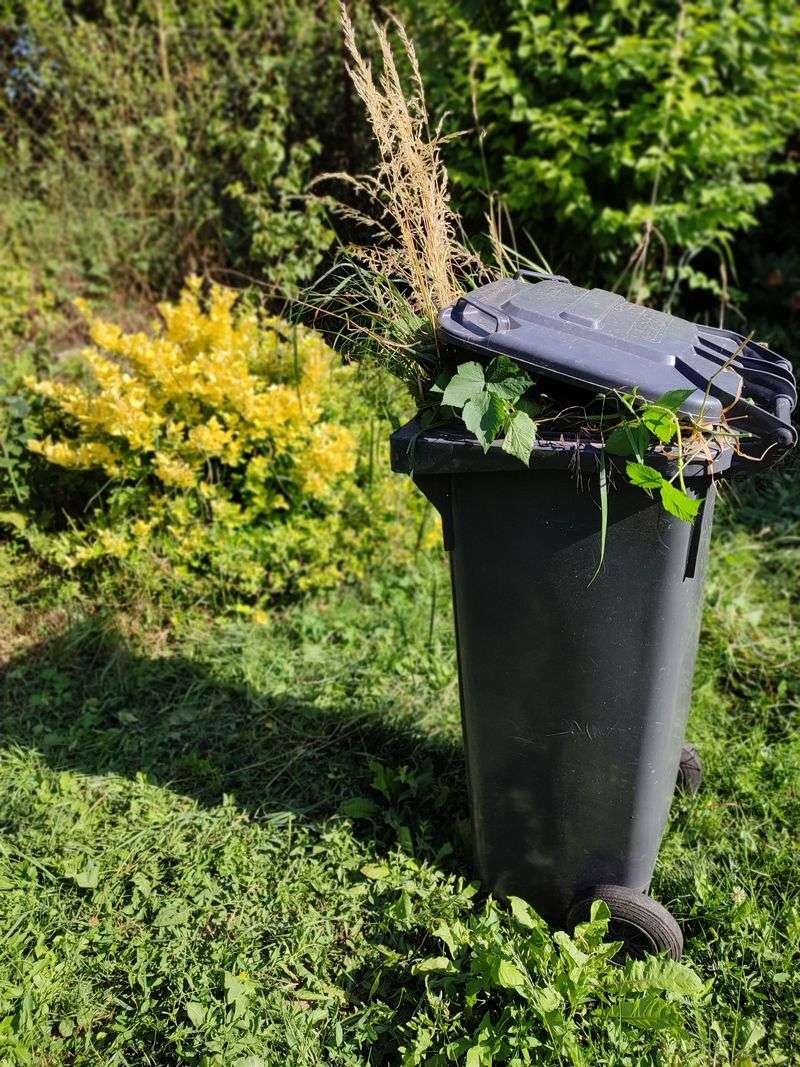
Walk down a Brooklyn block on recycling day, and you will spot stacks of flattened delivery boxes. To a sheet mulcher, that pile looks less like waste and more like a useful resource.
New Yorkers discard large amounts of cardboard, coffee grounds, and fall leaves every year. Sheet mulching puts coffee grounds and leaves to work close to home, and gives cardboard a second use.
Plain brown cardboard makes the perfect base layer for blocking weeds. On top, gardeners stack grass clippings, shredded leaves, and finished compost like a layered lasagna, burying any kitchen scraps to avoid attracting rats.
Gardeners even call the method lasagna gardening for exactly that reason. The mix of brown and green layers breaks down into dark, crumbly soil packed with nutrients.
Some coffee shops hand over used grounds for free if you ask politely. Local parks departments and tree crews sometimes give away wood chips, too.
Bagged leaves put out each fall offer another bonus, so check local collection rules first. Grab a few bags, and you have months of free mulch waiting.
Skip glossy, colorful, or waxed cardboard, along with anything treated or greasy. Pizza boxes with heavy oil stains can attract rats and other pests, so leave those out.
Reusing these materials cuts down on garbage trucks, landfill gas, and store-bought fertilizer. Your garden becomes a small recycling system right in your backyard.
Eating a salad grown from recycled materials is a satisfying reward. It is thrifty, earth-friendly, and practical.
6. Improves Heavy Clay And Rocky Ground
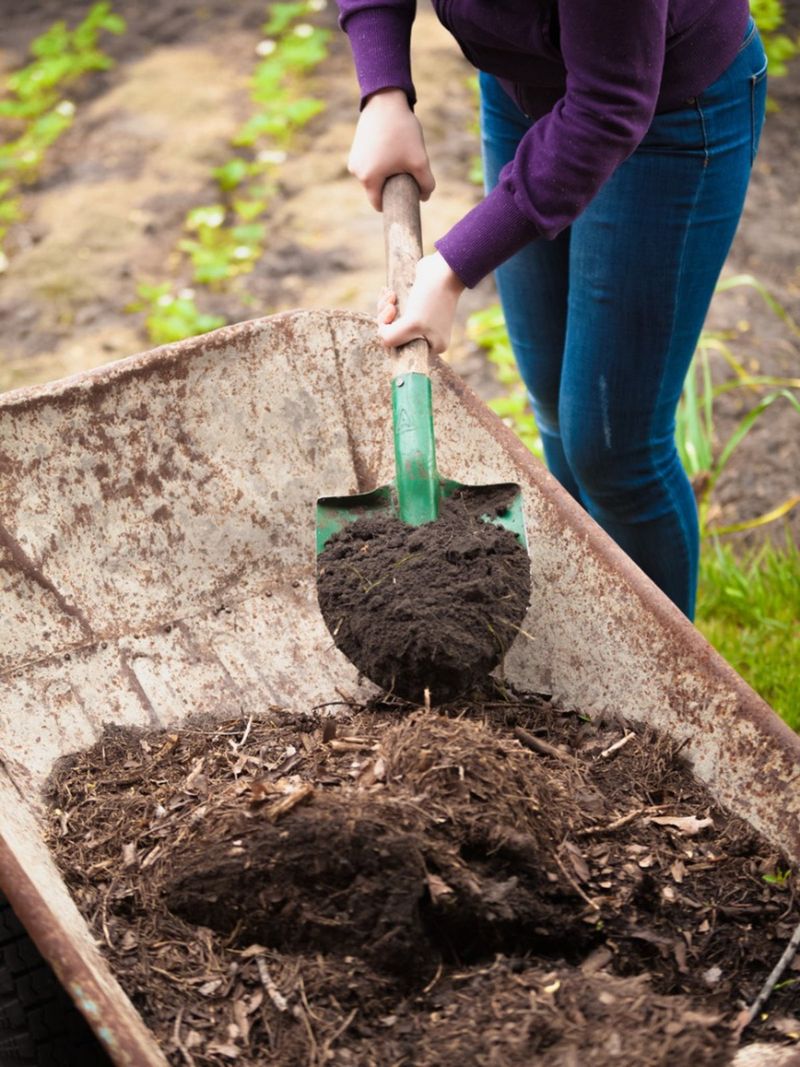
Much of upstate New York sits on soil that glaciers left behind thousands of years ago. The result is often sticky clay, many rocks, or both in the same difficult bed.
Clay turns sticky when wet and hardens when dry. Tilling it at the wrong time can create hard clumps that last for seasons.
Worse yet, repeated tilling forms a packed layer just below the blade called a tillage pan. Roots hit that barrier and spread sideways instead of growing deep and strong.
Sheet mulching improves these problems slowly from the top down. As organic layers rot, worms and microbes pull that rich material deep into the clay.
Over several seasons, the heavy ground gradually loosens and starts to crumble like chocolate cake. Drainage often improves, so roots spend less time sitting in soggy soil after spring rains.
Rocky soil benefits as well, because you build fresh growing space on top of the stones. There is no need to pry out all the rocks before planting your first crop.
For really tough spots, pile your layers eight to twelve inches high at the start. They will settle down over winter, leaving a soft, deep bed by planting season.
Shallow-rooted crops like lettuce, spinach, and radishes thrive right away in the new layers. Deeper growers such as carrots do better once the clay underneath has softened a bit.
Think of it as hiring millions of tiny workers who happily work straight through lunch. They do the hard digging, and you get the credit.
7. Helps Store Carbon In The Soil
Soil is an often overlooked tool in addressing climate change. Soils worldwide store more carbon than all the world’s plants and the atmosphere combined.
When soil is tilled, air enters and microbes break down stored organic matter. That process releases carbon dioxide into the atmosphere, contributing to warming.
Leaving the ground undisturbed helps keep stored carbon in place. Sheet mulching adds fresh organic material, some of which slowly becomes stable soil.
New York has set big goals for cutting greenhouse gases in the coming decades. Backyard gardeners make a small contribution, but many mulched beds can add up.
Some community gardens in the five boroughs teach no-dig methods in workshops. Groups like GrowNYC encourage residents to compost and build healthier soil at home.
Keeping leaves and food scraps out of landfills helps the effort too. When those materials rot in a dump, they create methane, a gas far stronger than carbon dioxide.
Turning them into garden layers sends that carbon into the ground instead. Your vegetable bed can make a small contribution to carbon storage while you grow beans and squash.
Kids can enjoy learning that healthy backyard soil helps store carbon. It turns gardening into a hands-on science lesson the whole family can share.
You do not need special tools or fancy training to make a difference here. A stack of cardboard and a pile of leaves are honestly enough to begin.
8. Makes Starting New Beds Quick And Cheap
Picture turning a stretch of patchy lawn into a vegetable garden in one Saturday afternoon. No sod cutter, no tiller rental, and no pile of grass clumps to haul away.
Sheet mulching makes that goal realistic for beginners. Start by mowing the grass short and soaking the area well with a hose.
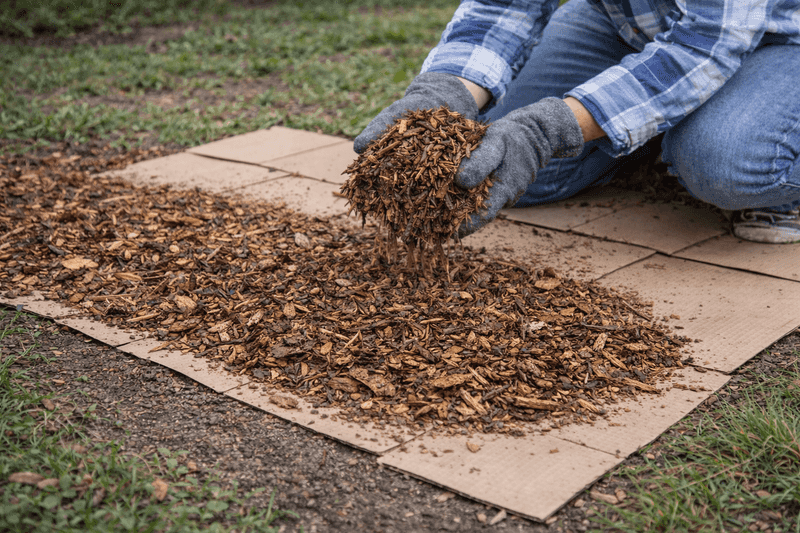
Next, lay down plain cardboard, overlapping the edges so no grass peeks through. Wet the cardboard again until it feels soft and floppy.
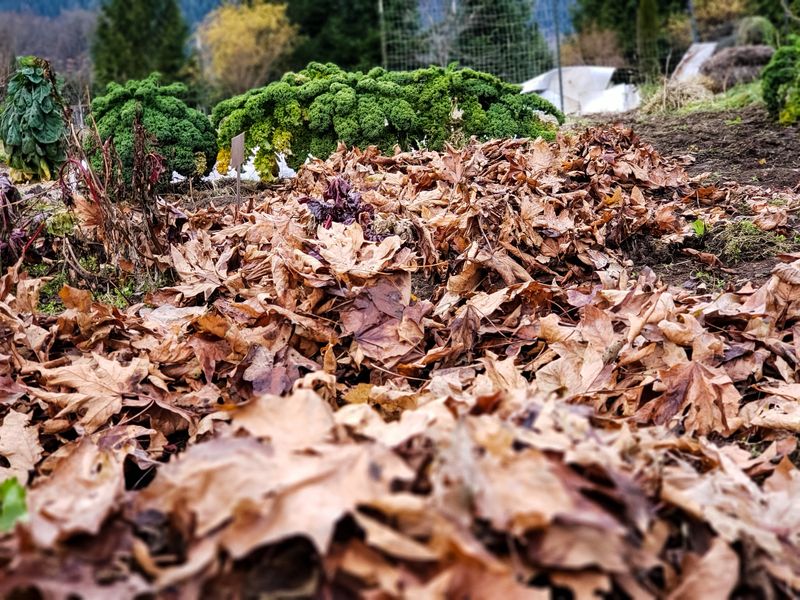
Pile on four to six inches of compost, then top it with straw or shredded leaves. You can plant seedlings right away by cutting small holes through the cardboard.
Building the bed in fall gives you an even better result by spring. Over winter, the grass underneath breaks down and the layers gradually turn into rich, dark soil.
The costs stay low because most materials are free or very cheap. Renting a tiller costs money every time, and fuel or delivery can add to the bill.
Compare that to a stack of grocery store boxes and a few bags of neighborhood leaves. A bulk load of compost can cost less than one rental weekend, though delivery fees vary.
Renters may like this approach, too, since it avoids digging up the yard. Ask your landlord first, since the compost layer will remain if you move.
Start small with a single four-by-eight bed to learn how the layers behave. Once you see those first plump tomatoes, you might start eyeing the rest of the backyard.