Why Your Christmas Cactus Is Dropping Buds In Louisiana’s Dry Indoor Air
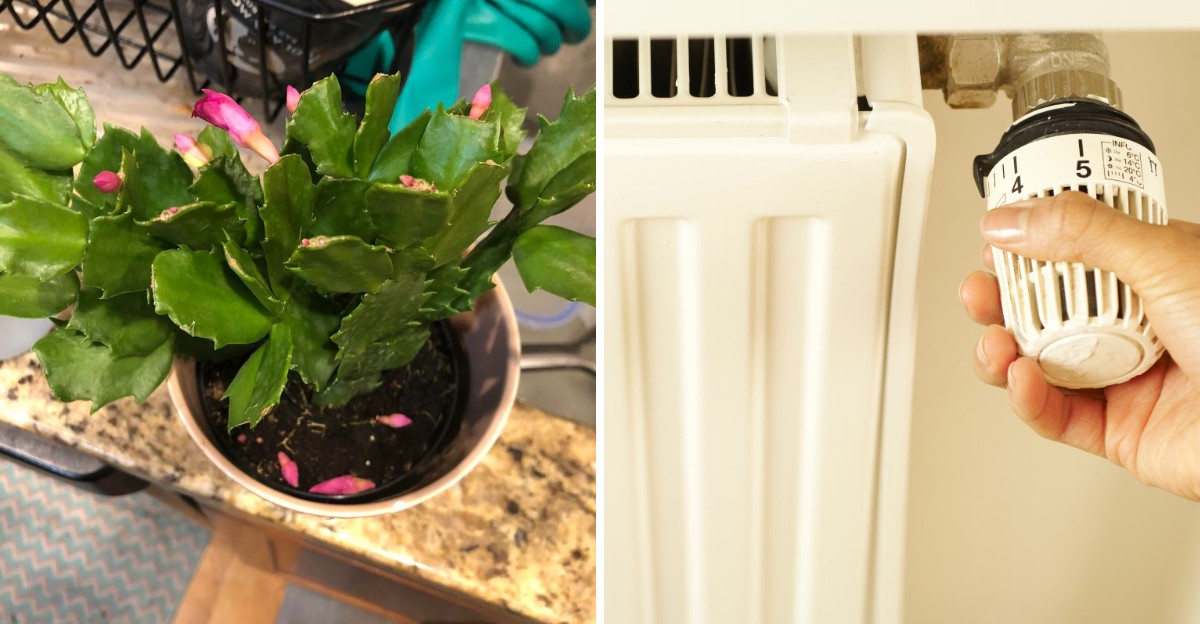
Your Christmas cactus just dropped its buds, and the cause may be your thermostat settings. Louisiana October air fools you into thinking indoor conditions match the steamy bayou outside.
Heaters and air conditioners strip moisture from your rooms, cracking your lips too. That same dryness hits your plant harder than you realize.
You are seeing a stress response. Temperature swings, drafts, and shorter days can all trigger bud drop.
Moving the pot even a few inches can set it off. Sunny windowsills near vents blast your plant with hot, parched air.
Cold snaps chill the glass at night, and Louisiana windowsills vary widely in temperature. Recovery is possible, and you can protect the buds still on the plant.
Small fixes in light, location, and watering can rebuild your bloom schedule. Prepare to give your plant the longer darkness it needs.
1. Low Humidity From Running The Heater Or AC
Picture a sponge left on the counter overnight, stiff and crackly by morning. Your plant’s buds go through something similar when the heater runs all evening.
This plant comes from Brazilian cloud forests where mist hangs in the air most days. It expects humidity around 50 to 60 percent, especially while it builds flowers.
Once October nights cool down in Louisiana, many folks turn on the heat or run the AC harder. Indoor humidity can drop below 30 percent, which is much drier than the plant prefers.
Buds lose water through their thin skin faster than roots can replace it. When the plant senses stress, it drops the buds to save its own energy.
A cheap hygrometer from the hardware store tells you exactly what the air is doing. Set it near the pot and check it each morning with your coffee.
A small cool-mist humidifier is the most reliable way to raise humidity. A pebble tray helps only slightly, so keep the pot bottom above the waterline.
Grouping several houseplants together also helps, since they share moisture like neighbors sharing gossip. Running the humidifier during long heating or cooling stretches keeps the effect steady.
Skip heavy misting, though, because wet buds can grow mold in still indoor air. Steady, gentle moisture keeps those buds plump and ready for the holidays.
Kitchens and bathrooms often hold more humidity than bedrooms or living rooms. Moving the pot there before buds form can work, as long as the spot has bright, indirect light and steady temperatures.
2. Moving The Pot After Buds Form
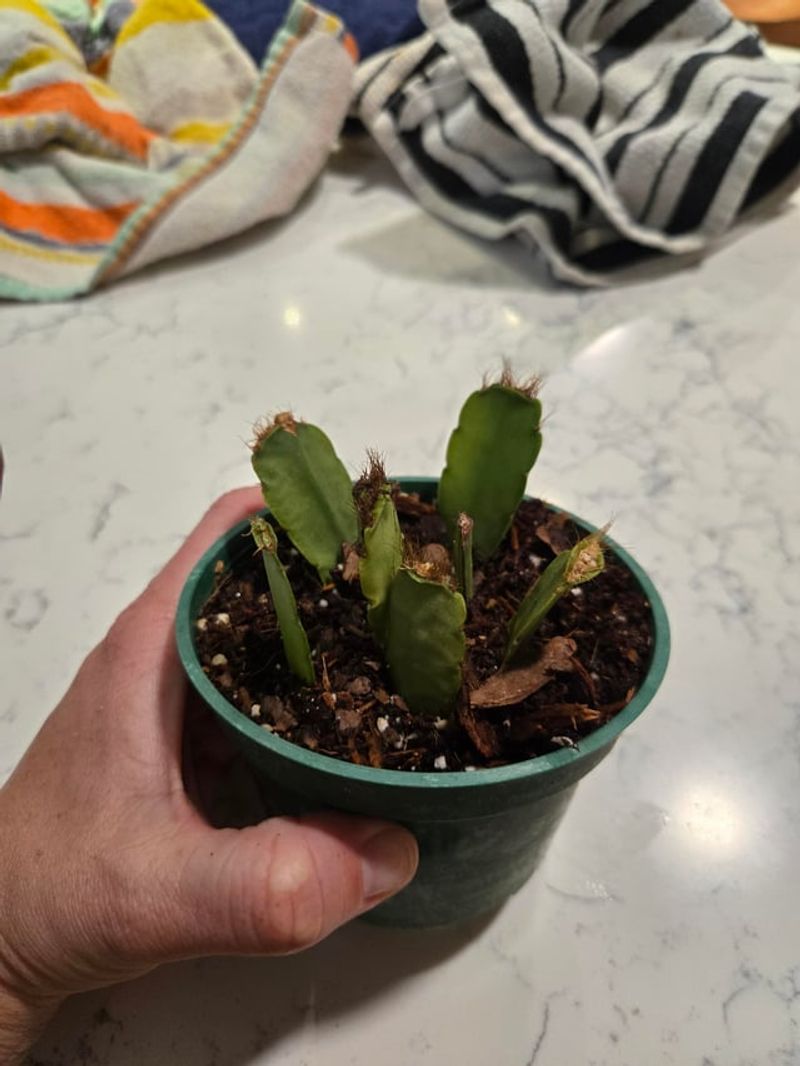
Grandma had a rule about her holiday plant: once the buds showed up, nobody touched it. She was onto something, since moving a budded plant is a well-known trigger for bud drop.
Plants orient themselves toward their light source. Rotating the pot or moving it to a new room changes the light, and the buds may react by dropping.
That sudden change in light direction is stressful for young buds. Many plants respond by letting go of the weakest ones, sometimes dozens at once.
A new spot also brings new temperature and humidity levels. In a Louisiana home, the guest room might feel nothing like the sunny kitchen.
Your Louisiana Garden Changes Every Week. Your Plan Should Too.
Gardening in Louisiana changes quickly throughout the season. Every Friday you’ll receive a simple weekly plan showing exactly what to plant, prune, fertilize, harvest, and protect so you never miss the right timing.
Pick a permanent home for the plant before buds start forming in early fall. Bright, indirect light and stable conditions make the best choice.
Mark the side of the pot that faces the window with a small piece of tape. If you must lift it for cleaning, put it back facing the same direction.
Resist the urge to show off the plant at a holiday party across town. Car rides bring bumps, chilly air, and light changes all in one trip.
Repotting during bud season is best avoided, unless the roots are rotting. Otherwise, wait until spring, after blooming ends, to give it a fresh home and new soil.
Once the buds open into full flowers, you can move the plant more freely. Even then, handle it gently and keep it away from harsh drafts.
Sometimes the best care means doing nothing at all. Grandma would be proud of your patience.
3. Sudden Temperature Swings In The House
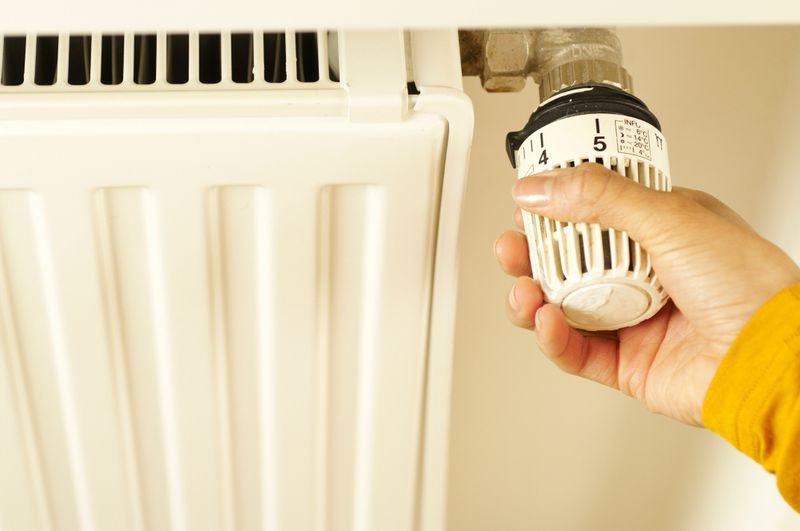
Louisiana weather in October can feel like a coin toss, with 85 degrees Monday and 55 by Thursday. Your plant notices every flip, and it does not enjoy the ride.
These plants like steady temperatures between 60 and 70 degrees while buds develop. Cool nights in the mid-50s help trigger flowering in the first place.
Trouble starts when the house jumps from chilly to toasty in a single afternoon. A thermostat set high at night, then low by day, sends confusing signals to the buds.
Think of each bud as a tiny oven-baked cake that needs even heat. Open the oven door too often, and the bake is disrupted.
Keep the thermostat fairly steady, even when the weather outside changes its mind. Once buds form, avoid sudden jumps, and keep nights steady in the mid-50s.
Watch where the plant sits, too. Spots near ovens, fireplaces, or sunny glass doors can heat up fast and cool down just as quickly.
A simple digital thermometer placed beside the pot shows the real story. Many people are surprised to find a ten-degree difference between rooms.
If your plant spent summer on the porch, bring it inside before nights dip below 50. A gradual move over a few days helps it adjust without stress.
Steady, boring temperatures might sound dull to you. For a budding plant, though, dull is exactly the comfort it craves.
Once flowers open fully, they handle small changes a bit better. Until then, treat the plant like a guest who dislikes surprises.
4. Uneven Watering In Dry Months
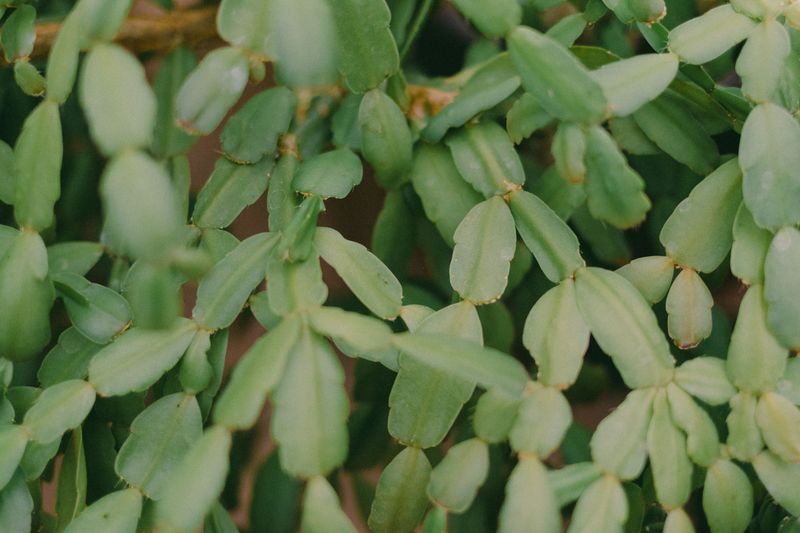
Watering sounds simple until the air turns dry and the soil starts playing tricks. One week the pot feels damp, and the next it is dusty as a gravel road.
Dry indoor air pulls moisture from soil faster than many people expect. A watering schedule that worked in August may leave roots thirsty by late October.
On the flip side, some folks panic and pour water every single day. Soggy roots cannot breathe, and the plant reacts by dropping buds it cannot support.
Despite the name, this is not a desert cactus that loves bone-dry soil. It grows on tree branches in the wild, soaking up rain and drying out between showers.
Push your finger about one inch into the soil before grabbing the watering can. Water only when that top inch feels dry, then soak it until water drains out.
Empty the saucer after about fifteen minutes so the roots do not sit in a puddle. Room-temperature water works best, since cold water may stress tender roots.
Lifting the pot is another handy trick. A dry pot feels surprisingly light, while a freshly watered one feels heavy and solid.
During bud season, consistency matters more than amount. Aim for steady moisture, not a cycle of drought followed by flood.
Keep a small notebook or phone reminder to track each watering. Over time, you will learn your plant’s rhythm like a favorite song.
Tap water can leave a white crust on the soil in some areas, so check your local water report. Rainwater or filtered water keeps things cleaner and gentler on the roots.
5. Drafts From Doors And Windows
Ever feel a sneaky chill brush your ankles near the front door? Your plant feels that same cold whisper, and its buds take it personally.
Drafts are a common reason for bud drop. Cold air from opening doors or leaky windows hits buds like a splash of ice water.
Hot air counts too. A heater vent blowing straight at the pot dries and overheats the buds.
Older Louisiana homes often have charming windows with not-so-charming gaps. Those little cracks let in cool October breezes, especially at night.
Try a quick test with a strip of tissue paper. Hold it near the window frame, and if it flutters, you have found a draft.
Move the plant at least a few feet away from exterior doors and busy hallways. Kids running in and out after school can create a steady stream of chilly gusts.
Check the ceiling fan, too, since many Southern homes keep fans spinning year-round. Gentle circulation is fine, but strong wind dries buds in a hurry.
Weather stripping and foam tape are cheap fixes for leaky windows. They also lower your energy bill, so everyone in the house wins.
A sheer curtain between the glass and the plant can soften cold spots. It still lets plenty of bright light pass through during the day.
Once you start hunting drafts, you may find them everywhere. Your plant will thank you with buds that stay put through the holidays.
6. Too Little Light In Short Days

Light plays a sneaky double role for this plant during fall. Darkness tells it when to make buds, while daylight fuels those buds as they grow.
These plants need about 12 to 14 hours of darkness each night to start blooming. That part usually happens naturally as October days grow shorter.
Problems show up when the daytime light is too weak to support all those buds. A plant tucked in a dim corner simply cannot feed every flower it started.
Think of it like planning a big party with only enough snacks for half the guests. Some buds get cut from the list, and they drop to the floor.
Bright, indirect light works best, such as an east-facing window with soft morning sun. Strong afternoon sun in Louisiana can scorch the leaves, even in fall.
If your home lacks good windows, a small LED grow light makes a big difference. Run it during daytime hours only, and make sure the plant still gets 12 to 14 hours of uninterrupted darkness each night.
Keep nighttime dark, though, because lamps and porch lights can confuse the plant. Even a TV glow in the living room may delay or disrupt flowering.
Wipe dust off the leaves with a soft, damp cloth every few weeks. Clean leaves soak up more light, like freshly washed windows.
Watch for pale or stretched growth, which signals a hunger for light. Healthy segments look plump and green, while red edges can signal too much sun or cold stress.
Balancing bright days with dark nights takes a little planning. The reward is a windowsill packed with color by December.
7. Poor Drainage And Soggy Roots
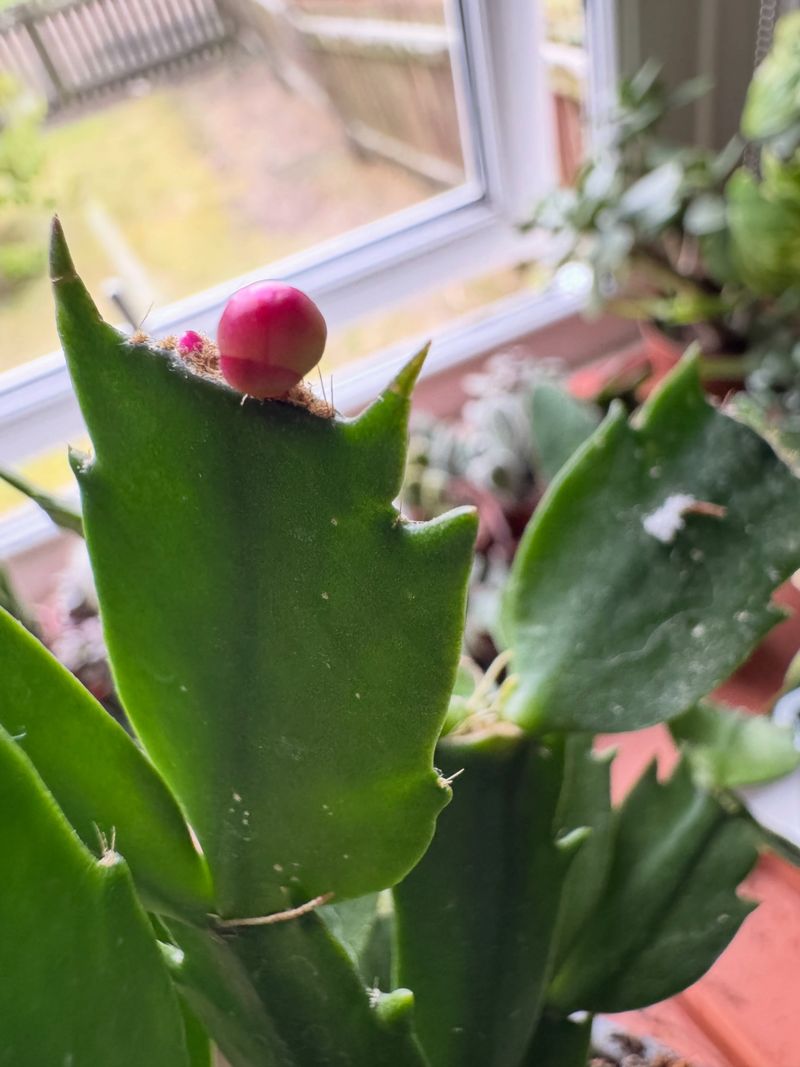
Underneath that cheerful green top, trouble can brew where you cannot see it. Roots sitting in wet soil turn mushy, and the buds pay the price.
Many store-bought plants arrive in plastic pots tucked inside decorative sleeves or foil. Water collects at the bottom, creating standing water right under the roots.
Healthy roots need air as much as water. When soil stays soaked, roots lose oxygen and may begin to rot, cutting off the buds’ supply line.
Sniff the soil if you suspect a problem. A sour, swampy smell or black, slimy roots are clear warning signs.
Pick a pot with drainage holes, no matter how pretty the alternatives look. Terra cotta works well because it breathes and dries out evenly.
Soil choice matters just as much. Mix regular potting soil with orchid bark or perlite for a loose, airy blend these plants love.
Avoid heavy garden soil or dense mixes that hold water like a sponge. Louisiana clay, for example, is too dense for a pot.
If root rot has already started, act gently but quickly. Trim away soft, dark roots with clean scissors and replant healthy pieces in fresh mix.
Repotting during bud season carries risk, but rot is the bigger threat. You may lose a few buds now to save the whole plant.
Healthy cuttings can even be rooted to grow new plants. Many families have passed down pieces of the same plant for generations.
Good drainage might not be glamorous. Still, it keeps the roots firm, white, and ready to support a full holiday show.
8. Feeding At The Wrong Time
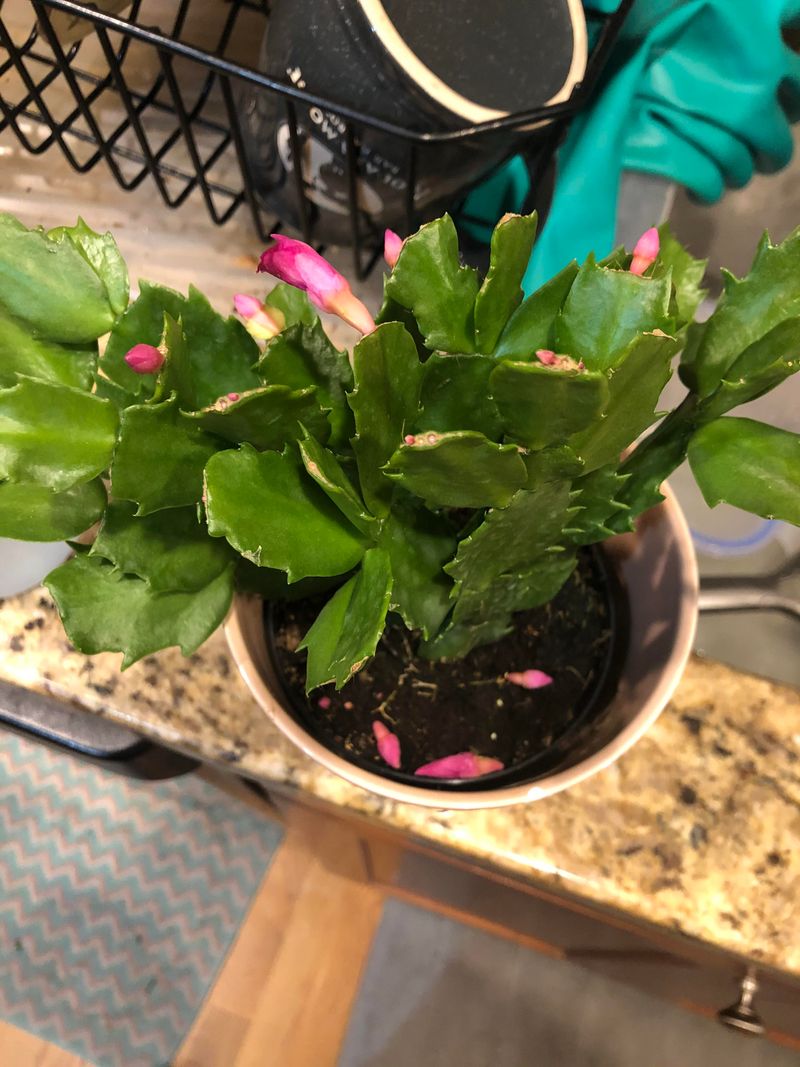
More food does not mean more flowers, at least not for this holiday plant. Fertilizer at the wrong moment can encourage leaf growth instead of buds and add stress to the roots.
Spring and summer are the plant’s growing seasons, when it builds new leaves and segments. Feeding every two to four weeks during those months keeps it strong.
By early fall, the plant shifts its focus from growing leaves to making flowers. Heavy feeding now tells it to keep growing green instead of blooming.
Too much fertilizer also leaves salt buildup in the soil. Those salts pull moisture from roots, adding stress on top of Louisiana’s dry indoor air.
A good rule is to pause feeding once buds begin to form. Put the fertilizer away until after the blooms fade.
Spot a white crust on the soil surface or pot rim? That crust is salt, and it can be flushed out with a slow, deep watering.
Run plain water through the pot for a minute or two, letting it drain freely. Do this once, then let the soil dry slightly before watering again.
When spring returns, use a balanced houseplant fertilizer mixed at half strength. Some growers add a pinch of Epsom salt for magnesium, though the benefit is not well proven.
Think of fall as a quiet resting season, like the calm before a holiday feast. Hold back the extras now, and the plant saves its energy for flowers.