The May Move Louisiana Gardeners Swear By (That Most People Miss)
I learned this the hard way: I lost an entire bed of tomatoes my first Louisiana summer, despite obsessively following every gardening guide I could find.
It wasn’t until my neighbor leaned over the fence one sticky May afternoon and said, “You skipped the step, didn’t you?” that everything clicked into place.
Turns out, there’s a single task Louisiana gardeners quietly do every May.
One that never makes it onto those glossy national planting calendars, because frankly, the rest of the country doesn’t need it.
But down here, where the heat hits like a wall and the humidity has opinions, skipping it is practically gardening malpractice.
She taught me what it was, and once you know it, you’ll never plant another season without it.
1. This Is A Simple May Move That Saves Louisiana Gardens Before Summer Gets Mean
Before the summer heat rolls in and turns everything into a sweaty struggle, experienced gardeners here know exactly what to do in May. Do you?
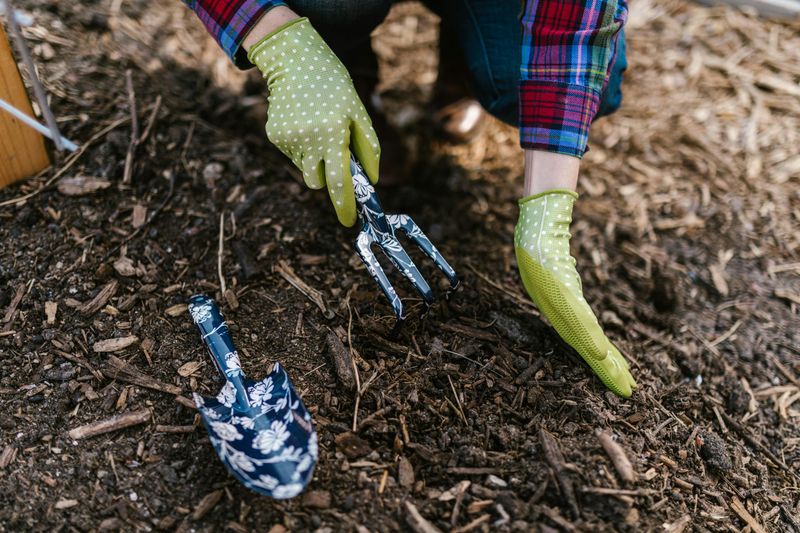
Layering fresh mulch across garden beds is the one move that quietly does more work than almost anything else in the yard.
It is not flashy, and it does not cost a fortune, but the results speak for themselves every single July.
Mulching in May creates a protective barrier between your soil and the scorching sun that is coming.
That barrier slows moisture loss, keeps roots cooler, and makes the whole growing season easier to manage.
Gardeners who skip this step often find themselves watering twice a day and still watching plants wilt by noon.
The timing here is what makes it special.
May sits in that sweet spot where the soil is warm enough to encourage root growth but not yet baked dry by summer temperatures.
Adding mulch at this moment locks in that ideal condition before conditions shift.
Think of it like putting sunscreen on before you head outside, not after you are already burned.
The protection works best when it is applied early.
Waiting until June or July means the soil has already started losing moisture and the weeds have already taken root.
Gardeners who have been working Gulf South soil for years will tell you this is the step most newcomers overlook.
They focus on planting and fertilizing but forget about protecting what they have already put in the ground.
One bag of mulch in May can save hours of work all summer long.
2. May Is The Best Time To Save Moisture Before The Heat Hits
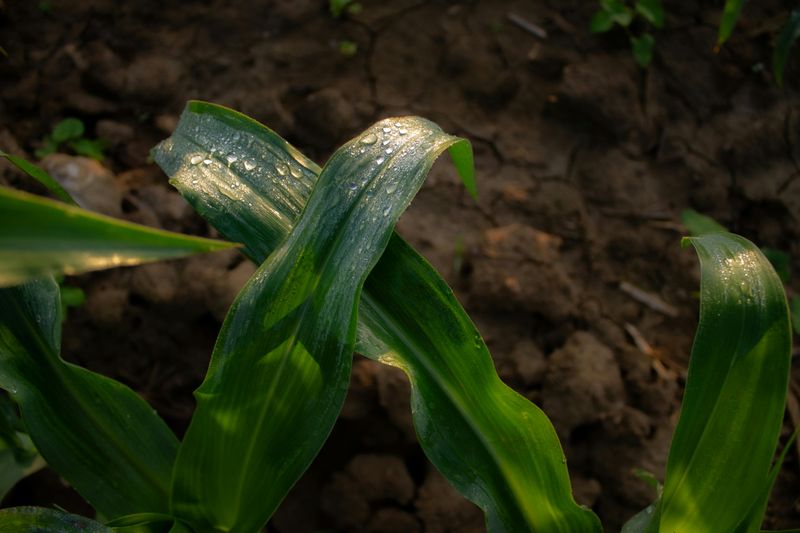
Water is the most valuable resource in a summer garden, and May is the last real chance to protect it before things heat up.
Once June arrives in the Deep South, soil moisture can vanish within hours on a hot afternoon.
Getting mulch down before that happens is one of the most effective water-saving strategies a gardener can use, right?
Bare soil loses moisture through a process called evaporation, and in humid, sun-baked conditions, it happens shockingly fast.
Your Louisiana Garden Changes Every Week. Your Plan Should Too.
Gardening in Louisiana changes quickly throughout the season. Every Friday you’ll receive a simple weekly plan showing exactly what to plant, prune, fertilize, harvest, and protect so you never miss the right timing.
A thick layer of organic mulch slows that process dramatically by shading the soil and reducing direct sun exposure.
Studies from university extension programs have shown that mulched soil can retain 25 to 50 percent more moisture than uncovered soil.
For home gardeners, that number translates directly into less time dragging hoses around the yard.
Fewer watering sessions mean lower water bills and less stress on the plants themselves.
Overwatering during recovery attempts can actually cause root problems, so prevention is the smarter path.
May also tends to bring some decent rainfall before the dry spells kick in.
When you mulch right after a good rain, you are essentially sealing that moisture into the soil like a lid on a jar.
The mulch holds the benefit of that rain for days longer than bare soil ever could.
Veteran gardeners in this region treat May mulching the same way they treat storm preparation.
You do it ahead of time because waiting until the problem arrives is always harder.
A little effort now protects months of hard work later.
3. Mulch Helps Your Garden Handle Louisiana Heat
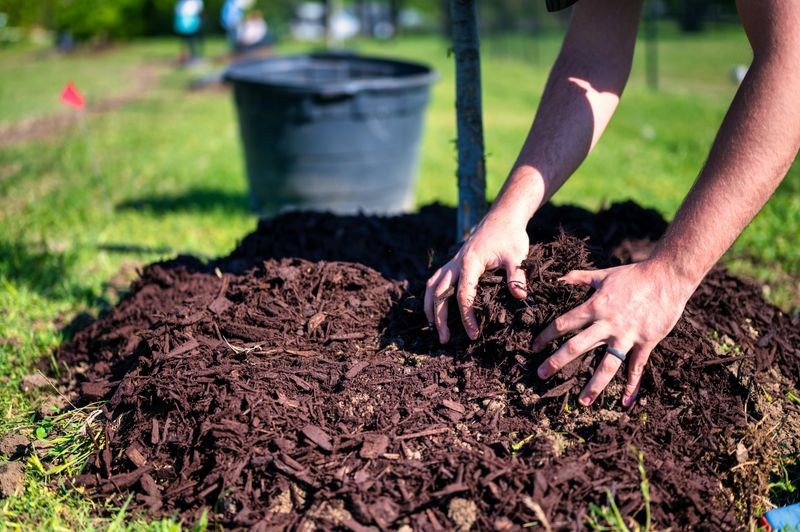
Summers in this part of the South are not just hot, they are relentless.
Temperatures regularly climb past 95 degrees, and the combination of heat and humidity can stress even the toughest garden plants.
Mulch does not eliminate that challenge, but it gives your plants a fighting chance by keeping their root zone significantly cooler.
Research from Louisiana State University AgCenter has shown that mulched soil can run 10 to 15 degrees cooler than exposed soil on a hot afternoon.
That temperature difference is enormous from a plant’s perspective, isn’t it?
It really shows how stressed plants can get.
Roots that stay cooler are better able to absorb water and nutrients, which keeps the whole plant healthier through the season.
Beyond temperature, mulch also acts as a physical buffer against the heavy rainstorms that roll through the Gulf South in summer.
Hard rain can compact bare soil and wash away nutrients before plant roots ever get a chance to use them.
A mulch layer absorbs that impact and lets water soak in gradually instead of running off.
Gardeners growing tomatoes, peppers, okra, and herbs especially notice the difference that mulch makes.
Those crops need consistent soil moisture and stable root temperatures to produce well.
Without mulch, the swings between dry and waterlogged soil can cause problems like blossom drop and cracked fruit.
Adding mulch is not a magic fix for every summer challenge, but it stacks the odds in your favor.
It is one of those foundational habits that makes everything else in the garden work a little better.
Once you try it, going back to bare soil feels like gardening with one hand tied behind your back.
4. Bare Soil Turns Into A Weed Party Fast
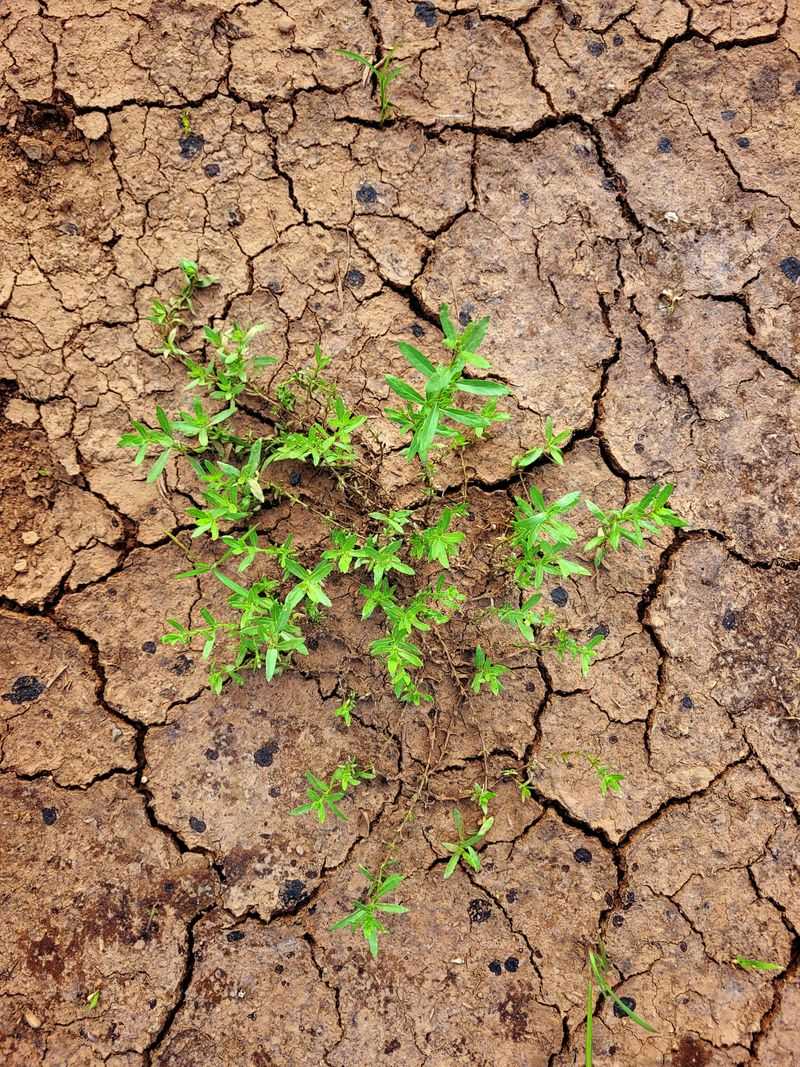
Leave any patch of bare garden soil alone for two weeks in May, and you will come back to a weed convention.Warm soil, spring moisture, and plenty of sunshine create the ideal conditions for weed seeds to sprout and spread fast.
Most of those seeds were already sitting in the soil, just waiting for the right moment to go to work.
Weeds are not just ugly, they are aggressive competitors.They pull water, nutrients, and light away from the plants you actually want to grow.
In a hot, humid climate, some weed species can double in size every few days if left unchecked, which makes catching them early absolutely critical.
A solid layer of mulch blocks sunlight from reaching the soil surface, and without light, most weed seeds simply cannot germinate.It does not stop every single weed, especially persistent ones that push through from deep roots, but it dramatically reduces the overall weed pressure in your beds.
Gardeners who mulch in May often report spending far less time weeding in June and July compared to those who skip it.
The math is pretty straightforward.Spend 30 minutes spreading mulch in May, or spend several hours each week pulling weeds all summer.
For most people, that trade-off is an easy choice.
Keeping weeds down also means your garden looks better with less effort.A tidy, mulched bed signals that the garden is being cared for, and it makes it easier to spot new growth, pests, or anything else that needs attention.
Weed control is just one of many reasons experienced gardeners reach for the mulch bag every spring.
5. One Layer Of Mulch Means Less Summer Watering
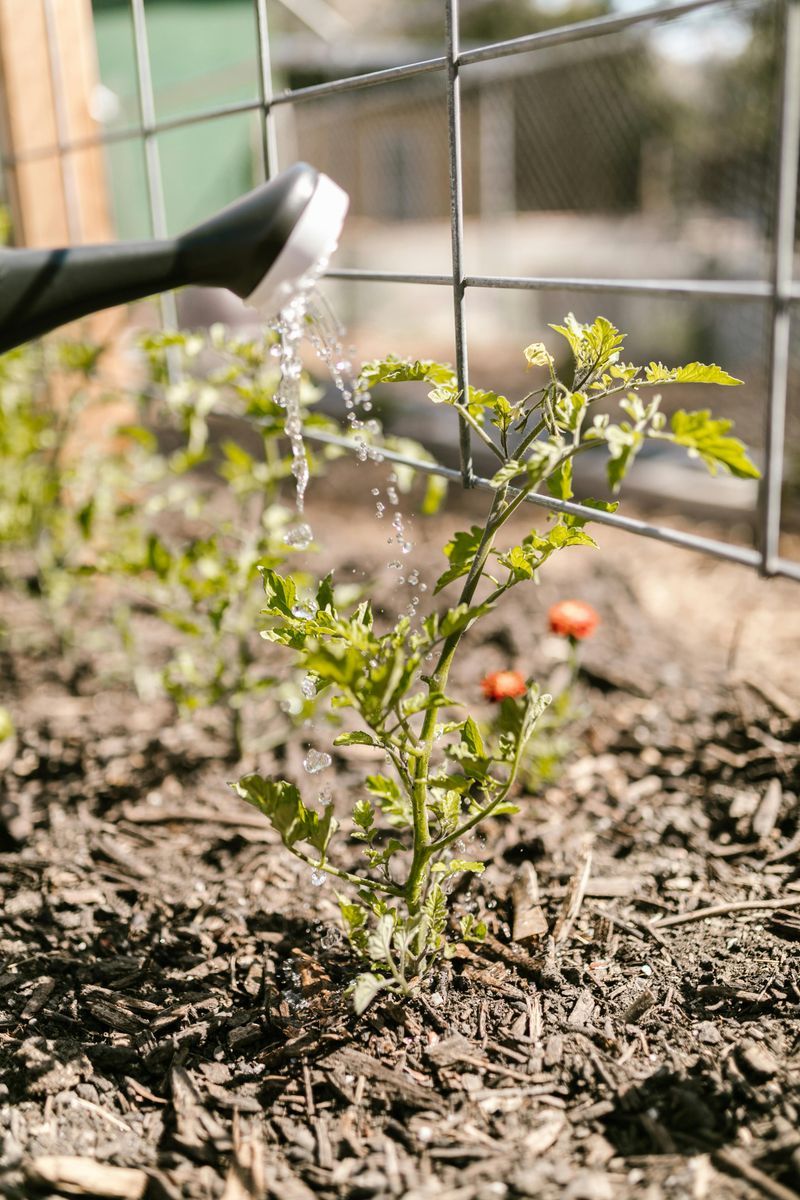
Ask any seasoned gardener what their least favorite summer chore is, and watering in brutal heat is usually near the top of the list.
Dragging hoses, setting sprinklers, and monitoring soil moisture every day gets old fast, especially when temperatures are in the high 90s and above.
Mulch will not eliminate the need to water, but it can seriously cut down how often you have to do it.
When soil is left bare, the sun hits it directly and moisture evaporates from the surface within hours.
A 2 to 3 inch layer of organic mulch shades the soil and creates a slower, steadier moisture release environment.
Instead of watering every single day, many gardeners find they can stretch to every two or three days without plants showing any signs of stress.
That reduction in watering frequency adds up over a long summer, doesn’t it?
It really makes a noticeable difference over time.
Fewer watering sessions mean less time spent in the heat, lower water usage, and a smaller utility bill at the end of the month.
For gardeners on well systems or with water restrictions, this can make a meaningful difference in how well the garden performs.
There is also a plant health angle here worth mentioning.
Inconsistent watering, where soil goes from bone dry to soaking wet and back again, puts stress on roots and can lead to issues like blossom end rot in tomatoes.
Mulch smooths out those moisture swings and creates more stable growing conditions overall.
Once gardeners experience their first mulched summer, they rarely go back.
The difference in daily effort is noticeable almost immediately, and the plants seem to appreciate the consistency just as much as the gardener does.
6. The Best Mulch For Louisiana Gardens
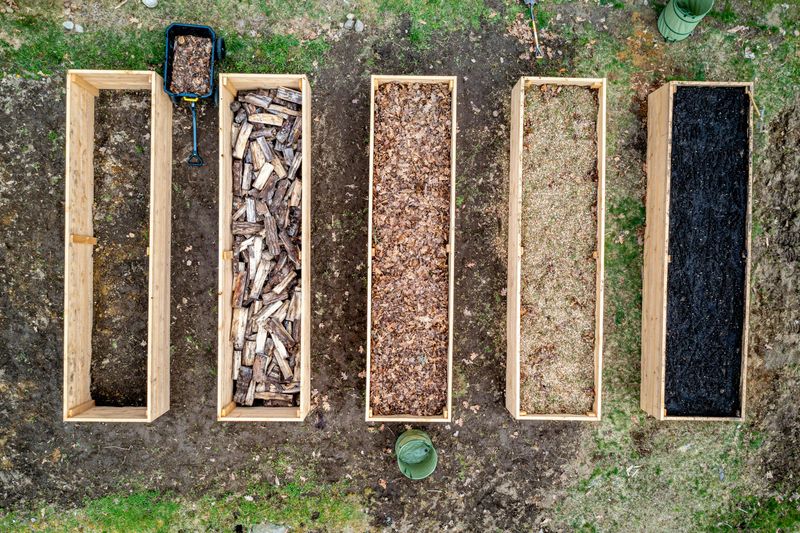
In Louisiana’s humid Gulf South, your mulch choice can make or break your entire garden.
Some mulches break down quickly and feed the soil, while others last longer and focus more on weed suppression and moisture retention.
Knowing the difference helps you pick the right tool for the job.
Pine straw is one of the most popular choices in this region, and for good reason.
It is lightweight, easy to spread, breaks down slowly, and is widely available at local nurseries and home improvement stores.
It also allows water to pass through easily, which means rain and irrigation reach the soil instead of running off the surface.
Hardwood mulch and cypress mulch are also solid options that offer longer-lasting coverage.
Cypress mulch has natural oils that resist moisture and pests.
Louisiana’s coastal cypress swamps are under serious conservation pressure.
Most environmental groups recommend avoiding it altogether.
Pine straw or hardwood mulch are better choices here.
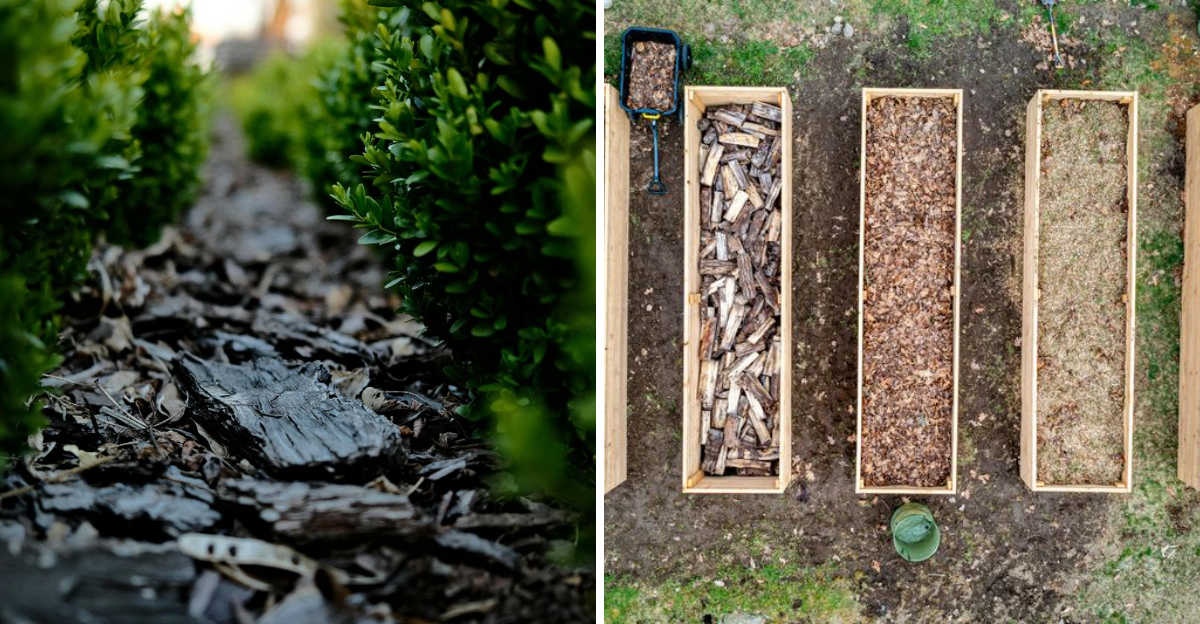
For vegetable gardens specifically, straw or shredded leaves tend to work well because they break down into the soil over the season and add organic matter.
That breakdown improves soil structure and feeds the microbes that help plants thrive.
Compost mulch is another great option for veggie beds if you have access to it.
Avoid using dyed or treated wood mulch in edible gardens since some products contain chemicals that do not belong near food crops.
For ornamental beds, those products are generally fine.
Matching the mulch to the purpose makes the whole system work more effectively throughout the growing season.
7. How Much Mulch To Add Before June
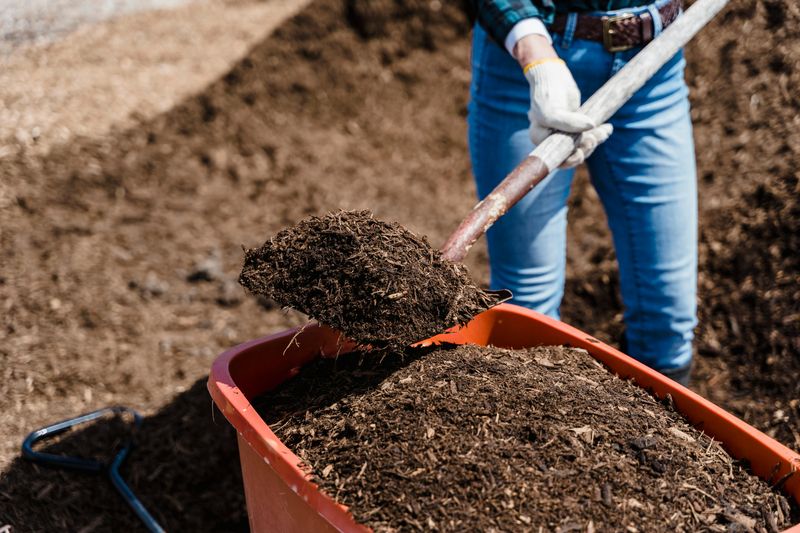
Knowing that mulch helps is one thing, but knowing how much to apply is where a lot of gardeners run into trouble, isn’t it?
Too little and the benefits are minimal.
Too much and you can actually create problems for your plants, which is frustrating when you are trying to do the right thing.
The general sweet spot for most garden beds is between 2 and 3 inches of mulch depth.
That thickness is enough to suppress weeds and hold moisture without smothering the soil or blocking oxygen exchange.
For established shrubs and trees, you can go up to 4 inches, but always keep mulch pulled back a few inches from the base of the plant.
Piling mulch directly against plant stems or tree trunks is a common mistake that creates moisture buildup and can lead to rot and disease over time.
Gardeners call this a mulch volcano, and it looks dramatic but causes real damage.
Leave a small gap around each stem so air can circulate freely.
Before adding new mulch in May, take a few minutes to rake back any old mulch from previous seasons.
If the existing layer is still 2 inches or more, you may only need to top it off lightly rather than starting fresh.
Adding too much year after year can actually compact and mat down, which reduces water penetration.
For a standard 100 square foot garden bed, a 2-cubic-foot bag of mulch typically covers about 12 square feet at 2 inches deep.
Doing a quick calculation before heading to the store saves extra trips and ensures you have enough to finish the job properly.
8. The Mulch Mistake That Can Hurt Your Garden In The Heat
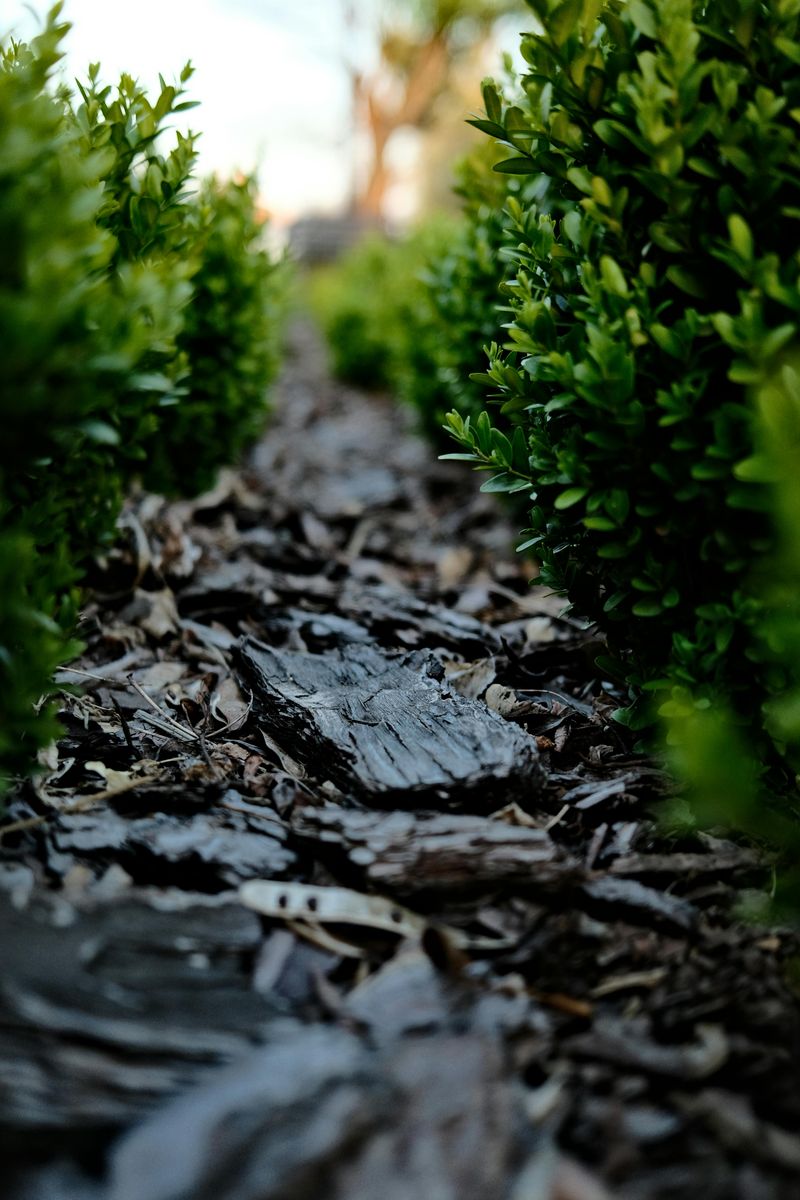
Mulch should be a no-brainer, yet one repeated mistake turns this garden hero into a quiet villain.
Applying too much mulch too close to plant stems creates warm, moist conditions that fungal diseases absolutely love.
In a climate already known for high humidity, that combination can cause more damage than bare soil ever would.
The mulch volcano problem mentioned earlier deserves a second look because it is that common.
Walking through any neighborhood in May or June, you will spot it in nearly every other yard.
Gardeners pile mulch high around the base of shrubs or trees thinking more protection is better, but the opposite is actually true in this case.
Another frequent mistake is using mulch that is too fine or too densely packed.
Finely shredded mulch can mat together when wet and form a crust that actually repels water rather than letting it soak through.
When that happens, rain and irrigation run off the surface instead of reaching the roots where it is needed most.
Refreshing mulch that has gone slimy or compacted mid-season is worth the effort.
A quick rake to loosen the layer restores airflow and water penetration without requiring a full replacement.
Some gardeners do this once in July to keep the mulch functioning well through the rest of summer.
Getting the application right the first time is always easier than correcting problems later.
Keep the layer between 2 and 3 inches, leave breathing room around stems, and choose a mulch type that allows water to pass through freely.
Those three habits together make mulching one of the most rewarding things you can do for your garden before summer arrives.