How To Overwinter Geraniums So They Bloom Again Next Year
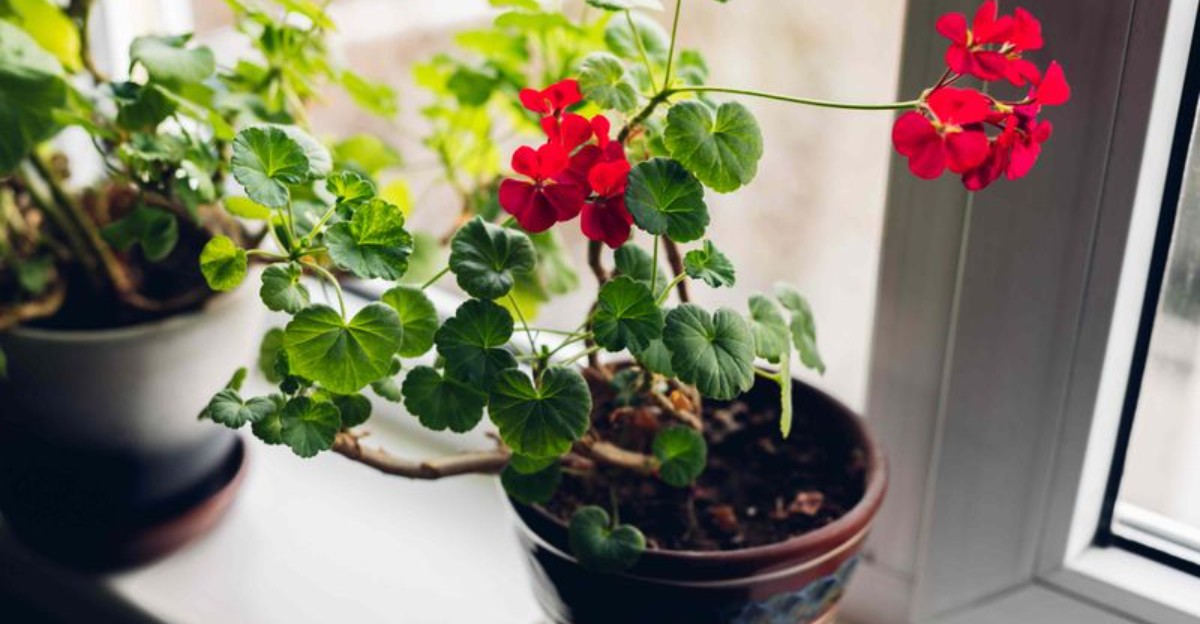
Many of the bright porch flowers we buy each spring actually started as woody shrubs in South Africa. In their home climate, they keep growing for years instead of being tossed out after the first frost.
I still find it funny that whole plants can rest bare-root inside a paper bag all winter. Old-time gardeners hung them upside down in cool cellars and brought them back to life each spring.
You can also snip a short stem, tuck it into moist soil, and see roots form within weeks. Many extension services say those little cuttings often grow into sturdy, blooming plants by the following May.
October is the month I start eyeing my pots and counting which favorites deserve a spot indoors. Saving them now costs almost nothing, and it means fewer new plants to buy next spring.
1. Your Porch Favorites Have Three Ways To Spend Winter
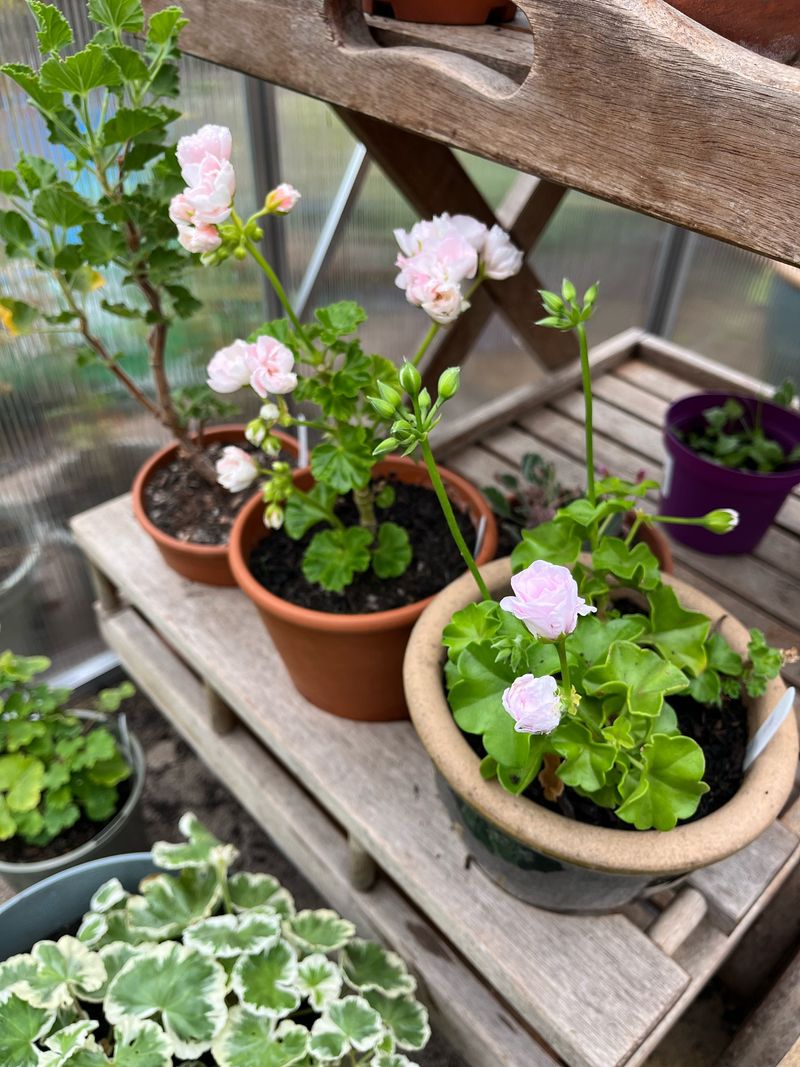
Most so-called geraniums on porches are really pelargoniums, tender plants from South Africa that cannot handle a hard freeze. Gardeners in USDA zones 10 and 11 can leave them outside, but most of us need a winter plan.
University extension services describe three main ways to carry geraniums through the cold months until the next growing season. You can grow them as houseplants, root fresh stem cuttings, or store whole plants bare-root while they sit dormant.
Each method can work, but each one leads to a slightly different result when warm weather returns in spring. Potted plants kept in bright light often keep making a few flowers through winter on a sunny south-facing windowsill.
Cuttings take up the least room, and they usually grow into compact, healthy plants full of fresh energy by spring. Dormant plants need almost no care, though a few may struggle and fail to sprout again in late winter.
I like to mix methods, keeping one big favorite in a pot and rooting cuttings from all the rest. That way, if one approach has a rough winter, the other still gives me plenty of plants for spring.
Your choice mostly depends on how much sunny window space, cool storage room, and patience you have available this fall. Any of the three can lead to bright, healthy blooms on your porch again by late next spring.
2. Beat The First Frost With A Little Prep Work
Timing matters a lot, because geraniums suffer damage once nighttime temperatures slip below about 32 degrees. In October, many extension services suggest bringing them inside when nights start dropping into the low 40s or upper 30s.
Check your local frost date online or through your county extension office so you are not caught off guard. An early cold snap can blacken soft leaves overnight, so watching the forecast closely really pays off this month.
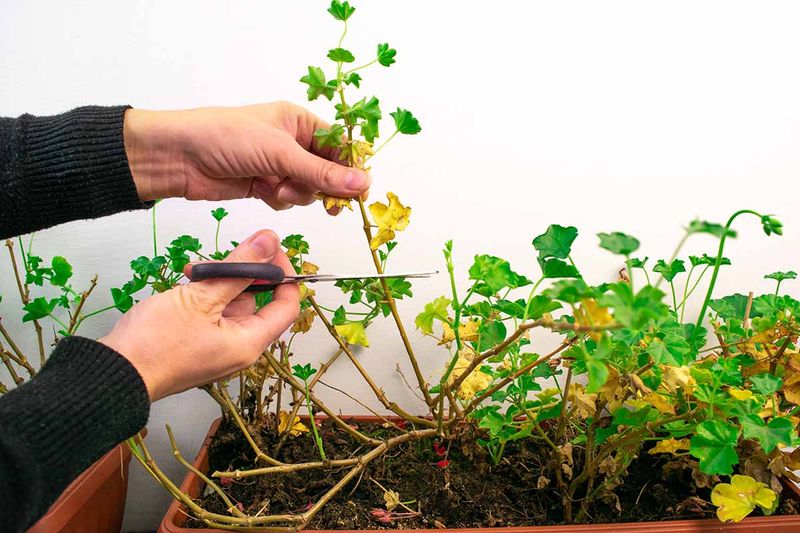
Before moving plants indoors, cut the stems back with clean pruners by about one-third to one-half of their summer height. Shorter plants fit better on windowsills, and the trim encourages bushy new growth instead of long, floppy stems later.
Remove spent blooms, yellow leaves, and any fallen debris sitting on the soil surface inside each pot or garden container. Old plant material can hold fungal spores, like Botrytis gray mold, that spread quickly in cool, still indoor air.
Plants growing in garden beds can be dug up carefully and placed into pots with fresh, well-drained potting mix. Choose a container only slightly larger than the root ball, since extra soil stays wet and invites root rot.
I usually do this prep on a dry, mild afternoon, when the plants are not stressed by heat or cold. You will also find the job goes faster when you set up a tarp nearby to catch messy soil.
3. A Sunny Window Can Become Your Winter Flower Bed
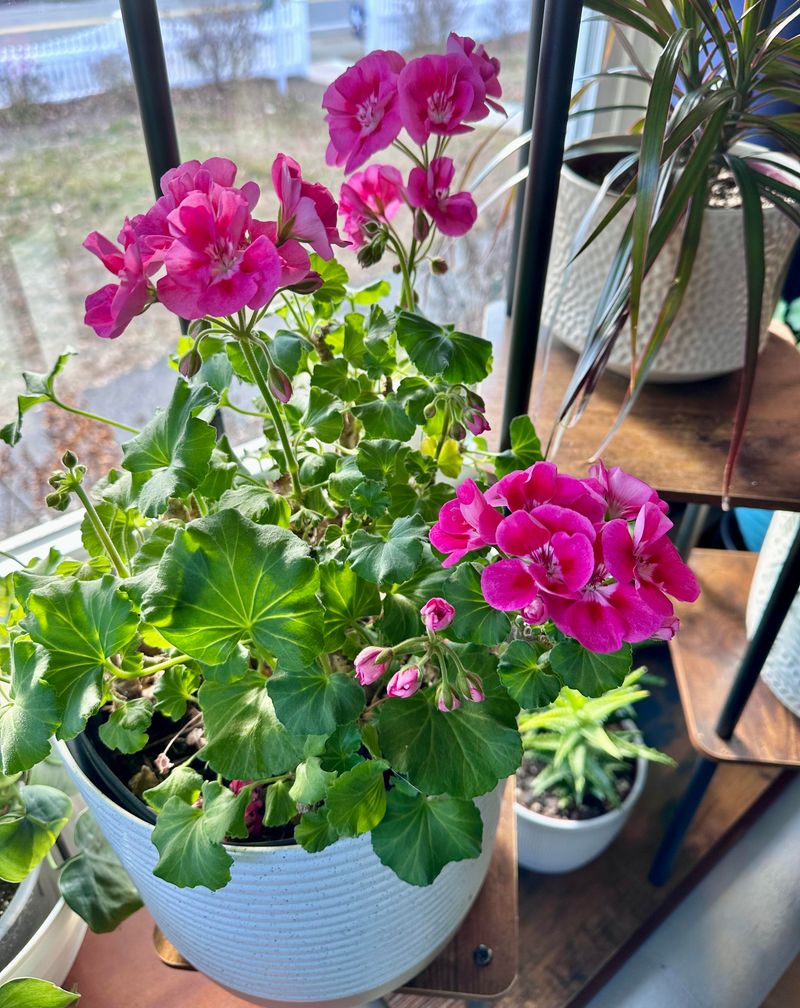
Last winter, my kitchen window held four potted geraniums that kept tossing out a few red blooms until March. That small show happened because the plants got plenty of steady light, which is the biggest need indoors.
Geraniums grown as houseplants need at least six hours of bright light each day, according to most extension experts. A south-facing or west-facing window works best, since north windows rarely give enough brightness during the short winter months.
If your home is shady, a simple LED grow light hung about 6 to 12 inches above the plants helps a lot. Set it on a timer for about 12 to 14 hours daily so the stems stay short and sturdy.
Cool rooms suit geraniums better than warm ones, with days near 65 degrees and nights around 55 degrees Fahrenheit. Warm, dim spots usually lead to pale, stretched stems that lean toward the glass and produce very few flowers.
Turn each pot a quarter turn every week so all sides of the plant receive an equal share of sunlight. Keep plants away from heater vents and drafty doors, because sudden temperature swings can cause leaves to yellow and drop.
Some lower leaves will turn yellow anyway as the plant adjusts to lower indoor light after a summer spent outdoors. Simply pick those off, and you will usually see healthy new leaves forming near the stem tips within weeks.
4. Snip A Few Stems For Tiny Backup Plants
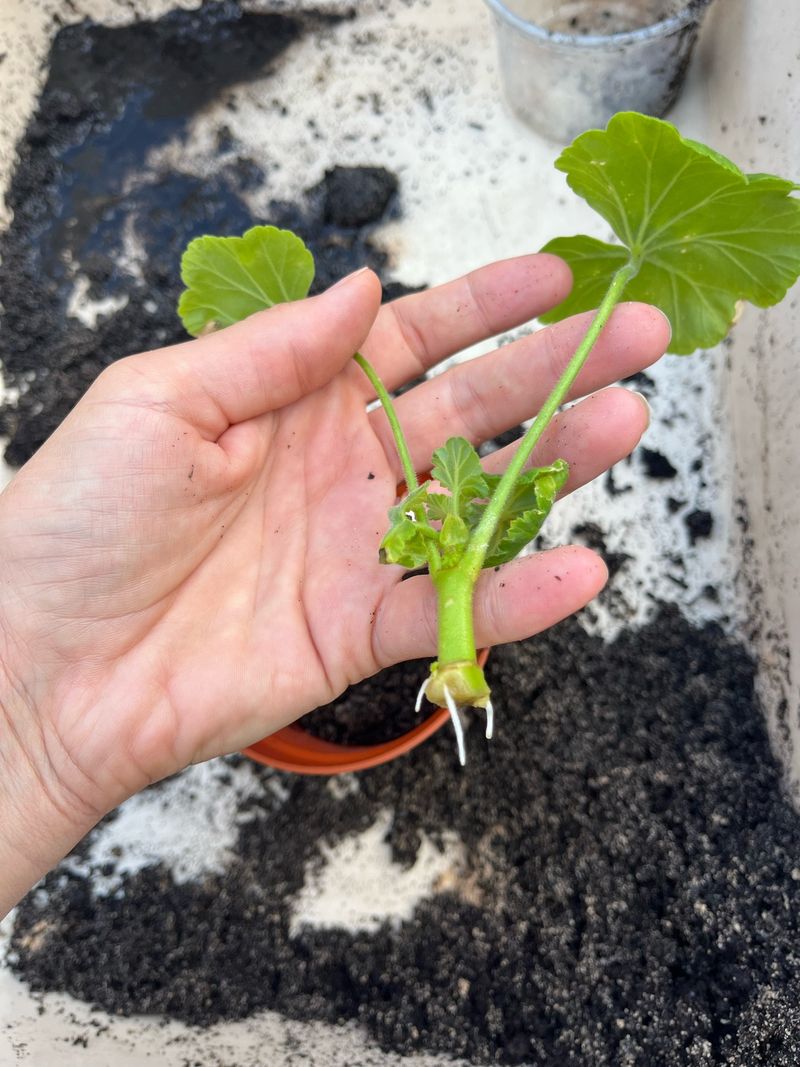
Gardeners have shared geranium cuttings with friends for generations, and the trick still works beautifully on a kitchen counter. One healthy plant can give you several new starts, which saves both indoor space and garden money this fall.
Choose firm, leafy stem tips three to four inches long, then cut just below a leaf node with clean pruners. Strip off the lower leaves and any flower buds, leaving only two or three leaves at the top of each cutting.
Many growers let the cut ends dry for a few hours so a light callus forms before planting them. Rooting hormone can help, but geraniums often root well without it, according to several trusted university extension guides.
Stick each cutting about an inch deep into moist perlite, sand, or a light seed-starting mix inside small pots. Skip the plastic bag cover that works for other plants, because geranium stems tend to rot in high humidity.
Place the pots in bright, indirect light, and water lightly whenever the top of the mix feels dry. Roots usually form in about three to six weeks, and a gentle tug that meets resistance means success.
Move rooted cuttings into four-inch pots with regular potting mix, then treat them like your other indoor geraniums. I think watching those little sprigs turn into blooming plants by May is the most rewarding winter project.
5. Your Basement Might Be A Cozy Sleeping Spot
Grandparents in colder states often stored geraniums in the cellar, hanging them upside down from the rafters like bundles. That old method still works for many people, especially those with little window space but a cool basement.
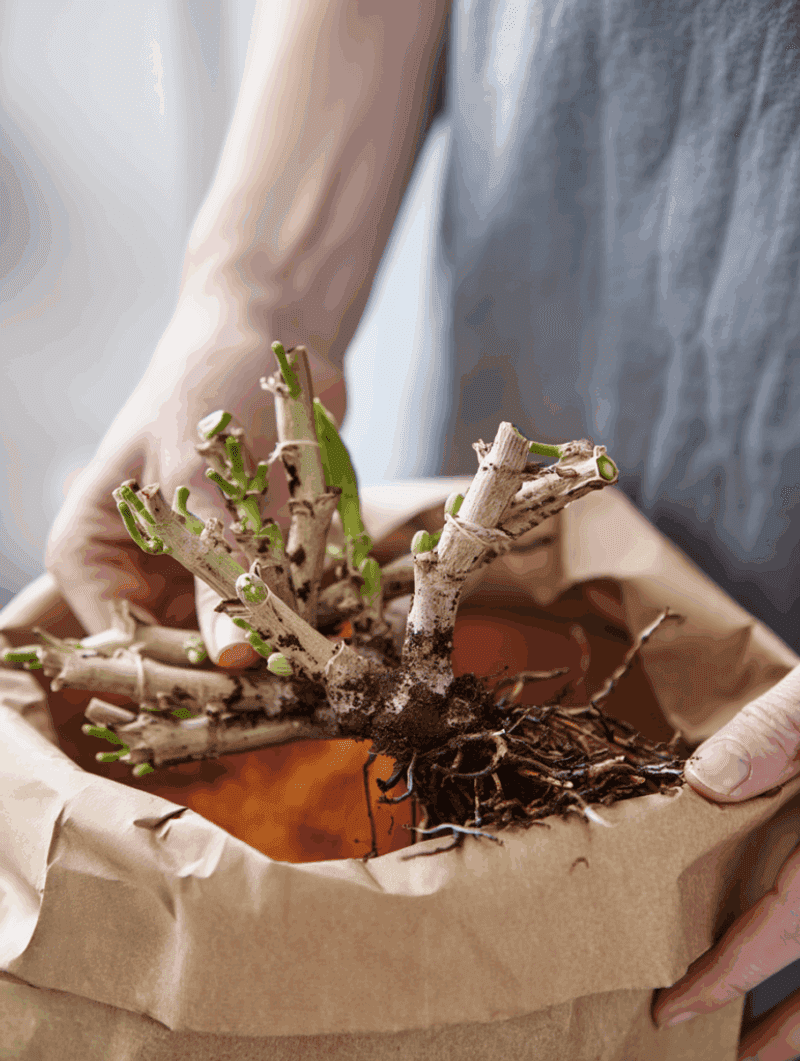
Before a hard frost, dig up each plant and gently shake off as much soil from the roots as possible. You can then hang the plants upside down or place one or two inside an open paper grocery bag.
The storage spot should stay dark, fairly dry, and cool, ideally somewhere between 45 and 50 degrees Fahrenheit. Unheated basements, cool crawl spaces, or attached garages that stay above freezing often fit that range quite nicely.
Once a month, soak the roots in water for an hour or two to keep them from drying out. Leaves will shrivel and drop during storage, which is normal, but the stems should stay firm to the touch.
Soft, mushy, or moldy stems usually signal rot, so remove those pieces before the problem spreads to others. Honestly, this method has a lower success rate than potted plants, and some stored geraniums simply fail to sprout.
Results vary from home to home, so I suggest storing a few extra plants this way, just in case a couple struggle before spring arrives.
6. Go Easy On The Watering Can Until Spring
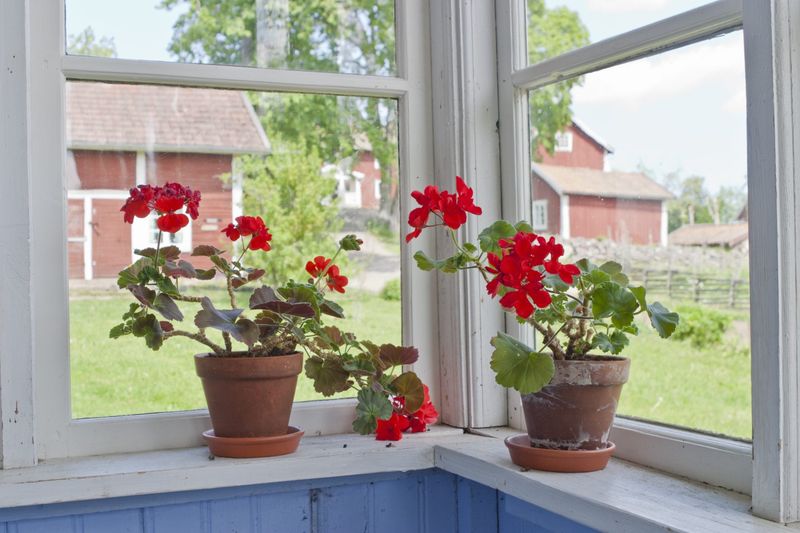
More indoor geraniums suffer from too much water than too little in winter, and soggy soil is the usual cause. These plants come from dry regions of South Africa, so their thick stems hold moisture and tolerate a short dry spell.
Before watering, push a finger about an inch into the soil and check whether it feels dry at that depth. If it does, water slowly until a little drains from the bottom, then empty the saucer right away.
Most potted geraniums indoors need water about once every week or two, depending on light and room temperature. Clay pots dry out faster than plastic ones, which many growers like because it lowers the risk of rot.
Hold off on fertilizer through most of the winter, since slow-growing plants cannot use extra nutrients very well. Too much feeding in low light can lead to salt buildup and weak, spindly stems with few blooms.
Watch the leaves for clues, because they tell you a lot about how the roots are doing below the soil. Yellowing lower leaves with soft stems often point to overwatering, while crispy brown edges suggest the soil stayed dry.
I keep a small notebook by my plants to jot down watering days, which stops me from guessing. You might find a simple routine like that makes winter care feel calm instead of confusing or stressful.
7. Give Every Pot A Close Look For Hidden Hitchhikers
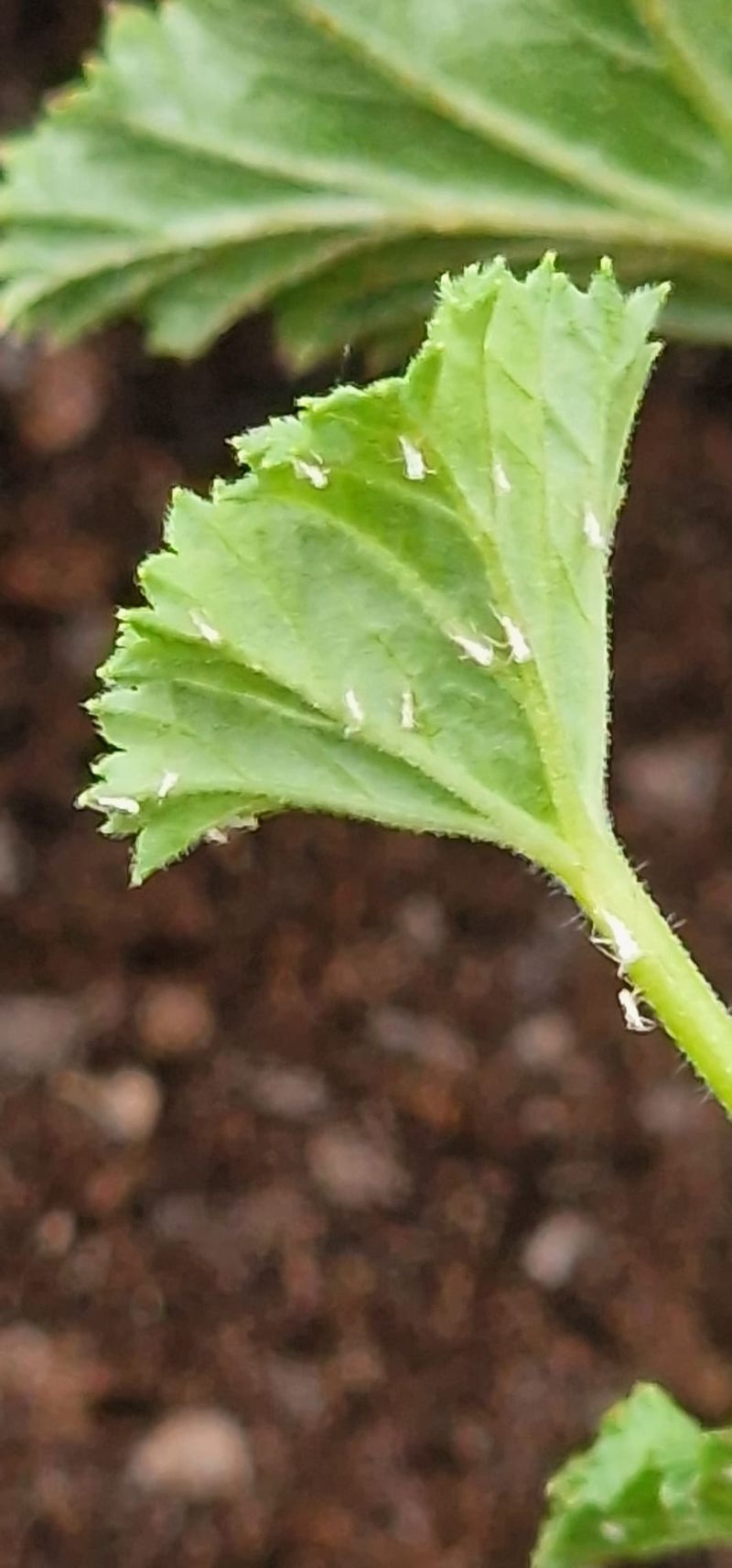
Whiteflies, aphids, and spider mites love hitching a ride indoors on geraniums that spent the summer outside on the patio. Once inside a warm house without natural predators, those tiny pests can multiply quickly across every nearby plant.
Before bringing pots in, check the undersides of leaves carefully, since many insects hide there out of sight. Look for sticky residue, fine webbing, speckled leaves, or small clouds of white insects flying up when touched.
A strong spray of water from the garden hose knocks off many pests before the big move indoors. Extension services often recommend insecticidal soap for remaining pests, applied according to the label directions on the bottle.
Check the soil surface too, because slugs, earwigs, and fungus gnats sometimes travel along in large outdoor garden pots. Many gardeners keep new arrivals in a separate room for about two weeks to watch for any problems.
This short waiting period protects your other houseplants, like African violets or ferns, from unwanted surprise infestations this winter. Yellow sticky cards placed near the plants are an easy way to monitor whiteflies and gnats through winter.
I found one stowaway caterpillar tucked under a leaf on my geranium last October, munching happily on a bud. Catching problems early is much easier than managing a houseful of pests by the middle of cold January.
8. Wake Your Plants Up Gently As Days Grow Longer
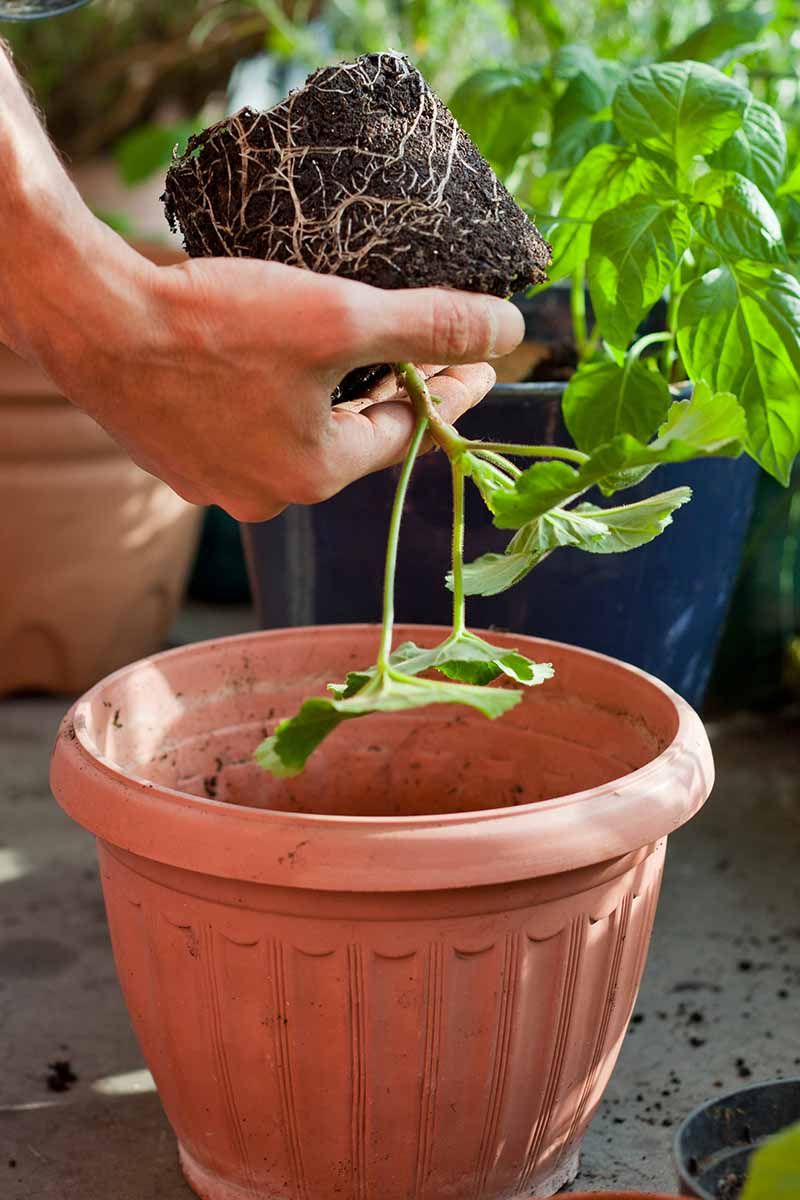
Around late February, longer days nudge stored and potted geraniums to start growing again with fresh green shoots. That timing gives you a couple of months in many areas to prepare strong plants before the last spring frost.
Pot up dormant plants in fresh potting mix, cut stems back to firm green tissue, and water them well. Set them in your sunniest window, and new buds often appear along the stems within a few weeks.
Leggy houseplant geraniums benefit from a hard trim now, cutting each stem back to just a few leaf nodes. Those trimmings can become another round of cuttings, giving you even more plants for porch boxes in May.
Once growth picks up, start feeding every two weeks with a balanced, water-soluble fertilizer mixed at half strength. Pinching the stem tips a couple of times in early spring helps plants branch out and form more buds.
After your area’s frost date passes, move the pots outdoors slowly over about a week to harden them off. Start with a few hours in shade, then add more sun each day so the leaves avoid sunburn.
Before long, those same plants you rescued this October will be covered in bright clusters of blooms again. I believe that first flower of the season feels sweeter when you know the plant spent winter with you.