How To Keep Rosemary Alive Indoors All Winter
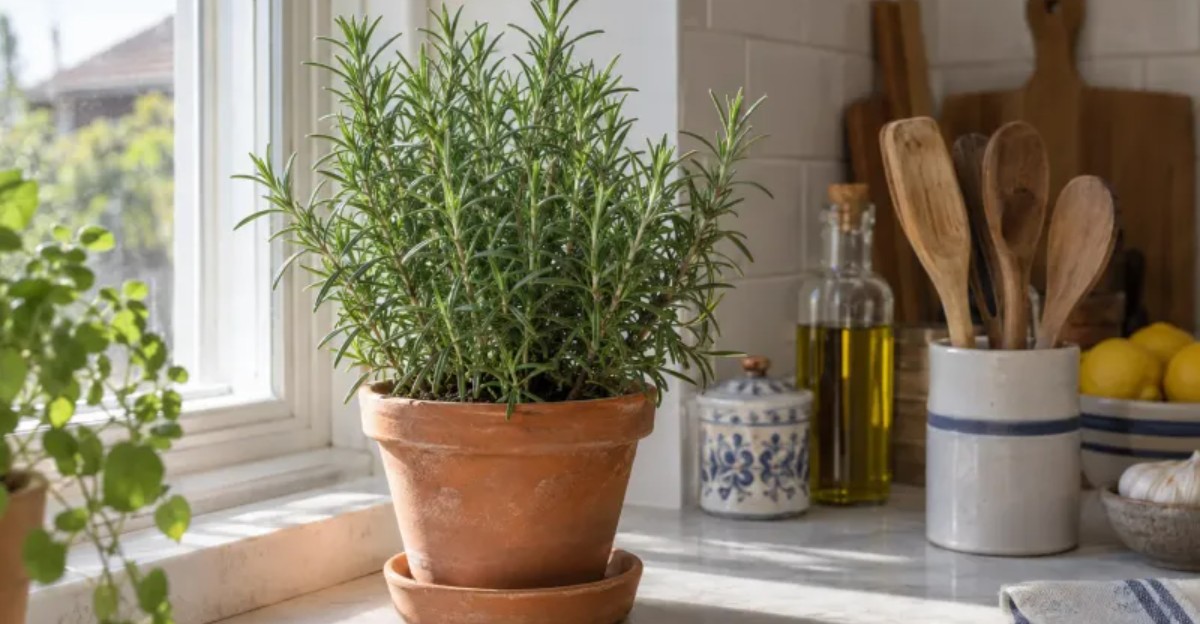
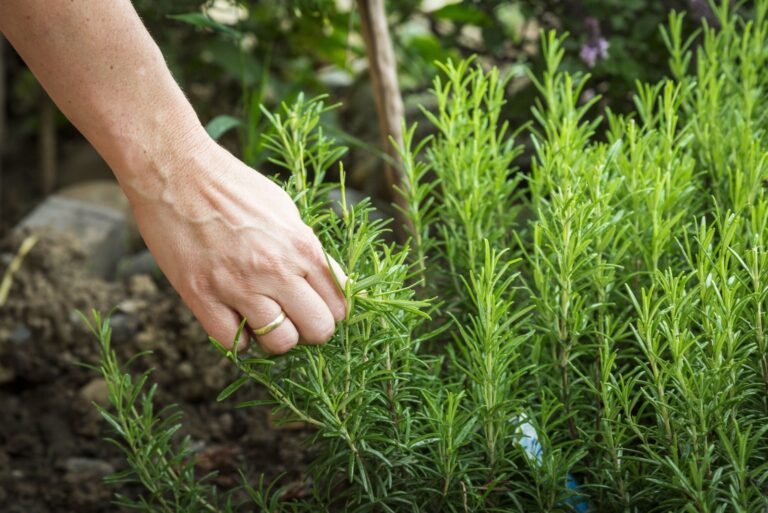
Botanists moved this woody herb into the sage genus in 2017, so your kitchen favorite technically counts as a sage. I love that detail, because both plants carry fragrant oils in tiny glands on their leaves and stems.
In the wild, it grows on dry, rocky hills along the Mediterranean coast, where winters stay mild and bright. Most American homes in October offer the opposite, with shorter days, dim windows, and furnace air that dries out the leaves and soil.
Extension experts say indoor plants often struggle from soggy roots or poor light, not from the cold itself. Let the top inch of soil dry between waterings, though, because a fully dried root ball rarely bounces back.
I believe the best part comes in January, when you brush past the pot and the whole room smells green. A small shrub from seaside cliffs can make a snowy afternoon feel a little more like summer.
1. Your Herb Wants A Cool Sunny Window Most Of All
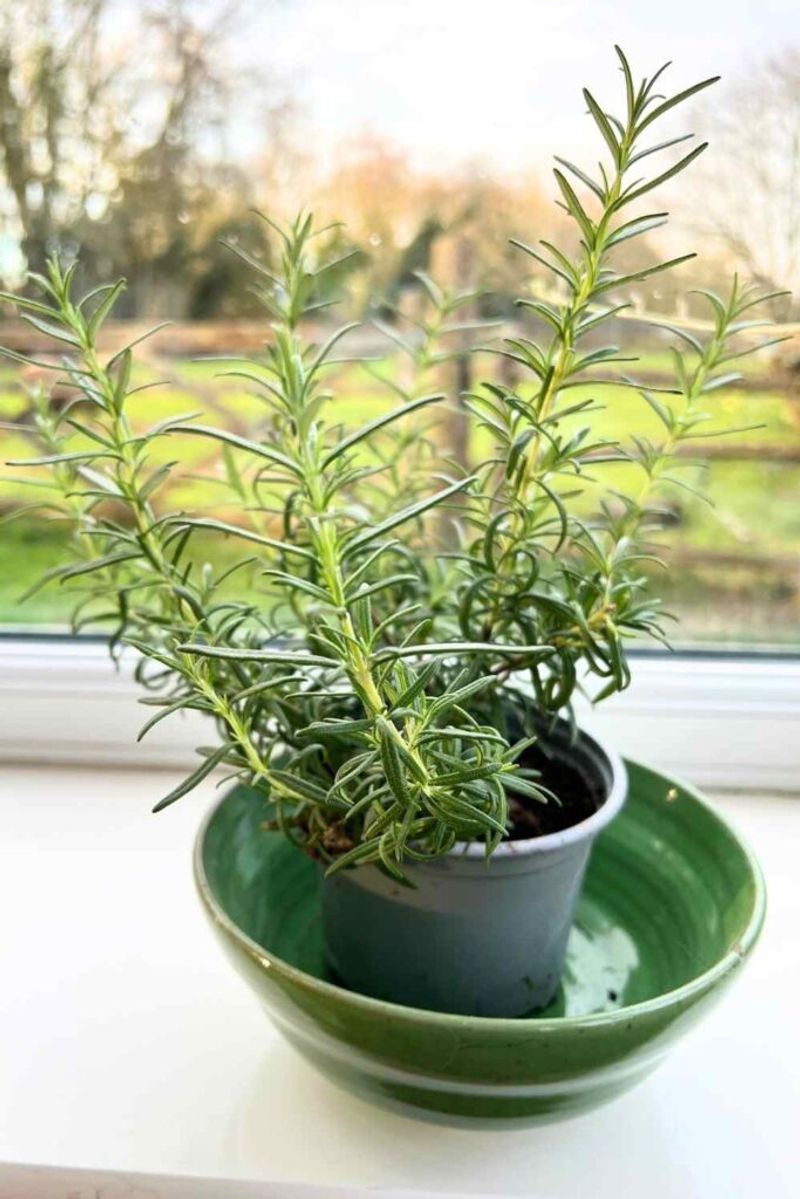
Rosemary handles indoor winters best when it gets strong light and cool air, much like its native coastal hillsides. Many university extension services suggest at least six hours of direct sun, which usually means a south-facing window.
Temperature matters almost as much as light, and the sweet spot sits between about 50 and 65 degrees. A cool sunroom, an unheated porch with windows, or a chilly bedroom often works better than a toasty kitchen.
Warm rooms push the plant to grow soft, pale shoots while dim winter light cannot keep up with demand. Cooler air slows that growth down, so the plant uses less energy and stays sturdy until spring returns.
Keep the pot a few inches from the glass, since frosty panes can chill leaves on the coldest nights. Heating vents are a bigger problem, because their blasts of hot, dry air quickly crisp the needle-like leaves.
Turn the pot a quarter turn each week so every side gets a fair share of the sunlight. Without turning, stems lean hard toward the window and the shaded side grows thin and patchy over time.
I like to tuck a small thermometer near the plant so I can check that spot during October. Readings often surprise people, since window ledges can swing several degrees between a sunny afternoon and a clear night.
2. Your Watering Can Needs A Lighter Touch This Season
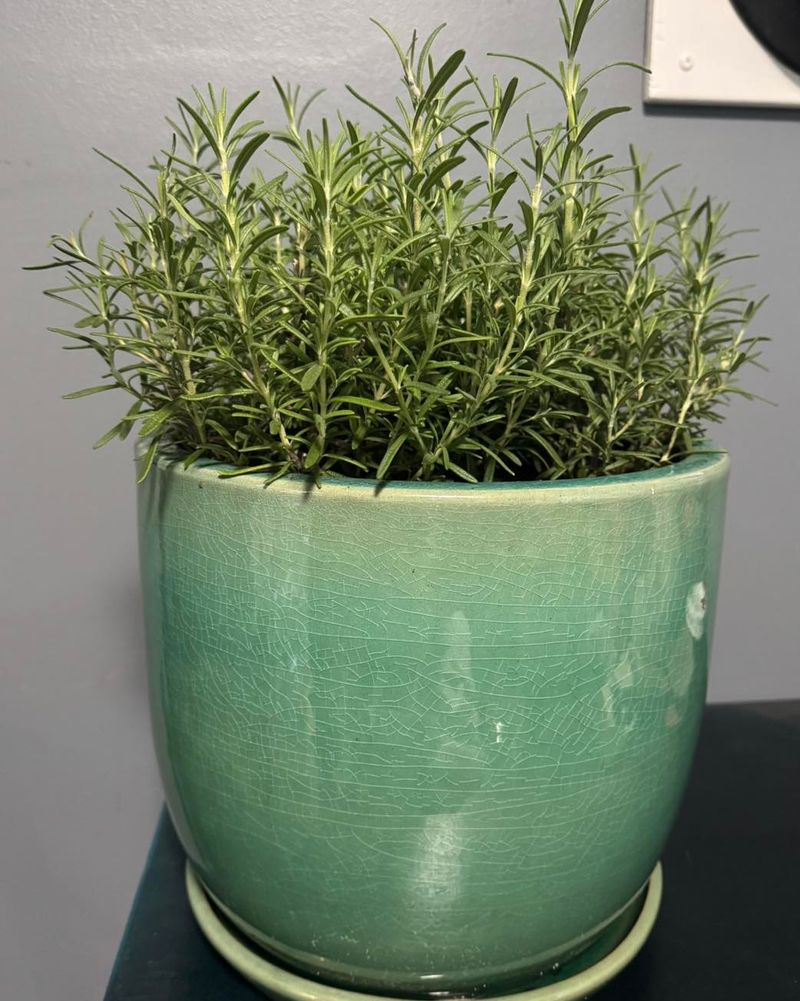
Overwatering is the most common way indoor herbs fail over winter, according to many university extension gardening guides. Rosemary roots sitting in soggy soil can rot within weeks, especially when cool temperatures slow how fast water evaporates.
The tricky twist is that letting the root ball dry out fully can also cause sudden, widespread browning. Unlike many drought-tolerant plants, this herb often shows no warning signs until the damage is already done to the roots.
The safest approach is to push a finger into the soil and water when the top inch feels dry. Below that layer, the soil should still feel faintly cool and damp, like a well wrung-out kitchen sponge.
Water slowly at the base until some drips from the drainage hole, then empty the saucer after about fifteen minutes. Standing water in a saucer wicks back into the pot and keeps the lower roots wet for days.
In a cool room, you may only need to water every one to two weeks during the short winter months. Lifting the pot helps too, since a dry pot feels noticeably lighter than one that was just watered.
I keep a simple calendar note on my phone, but I still check the soil before pouring anything. Schedules are helpful reminders, yet the soil itself gives the most honest answer about what your plant needs.
3. Your Pot Choice Makes A Bigger Difference Than You Expect
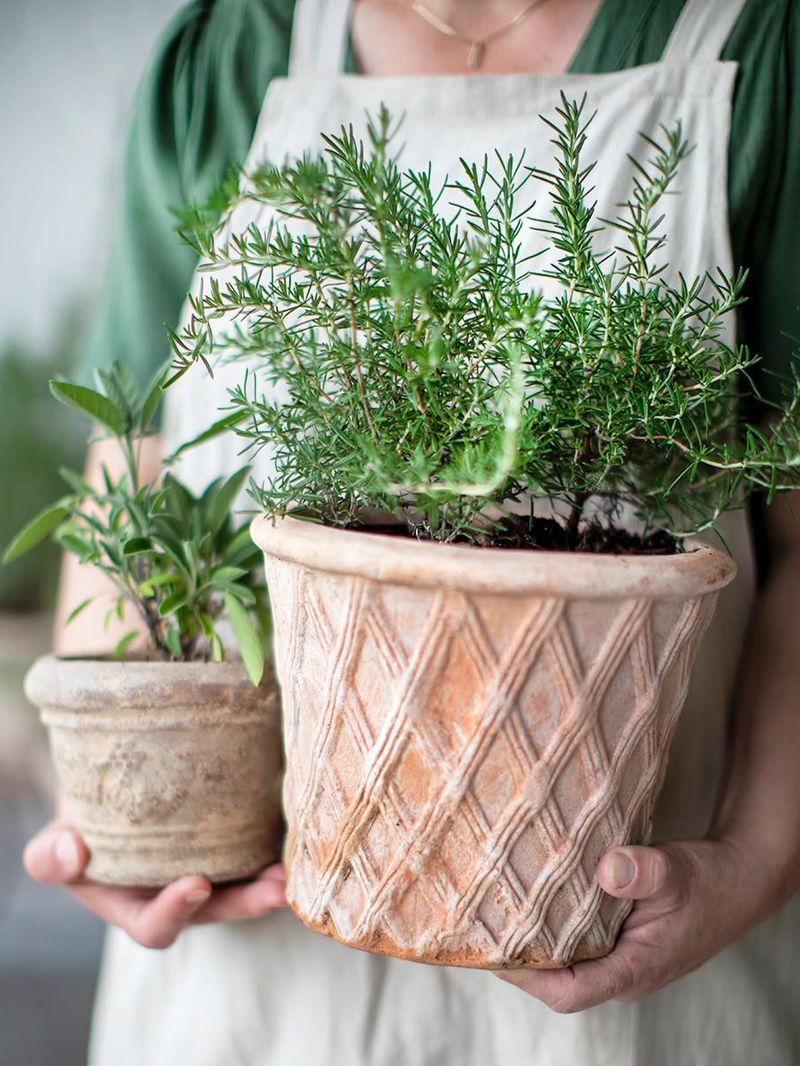
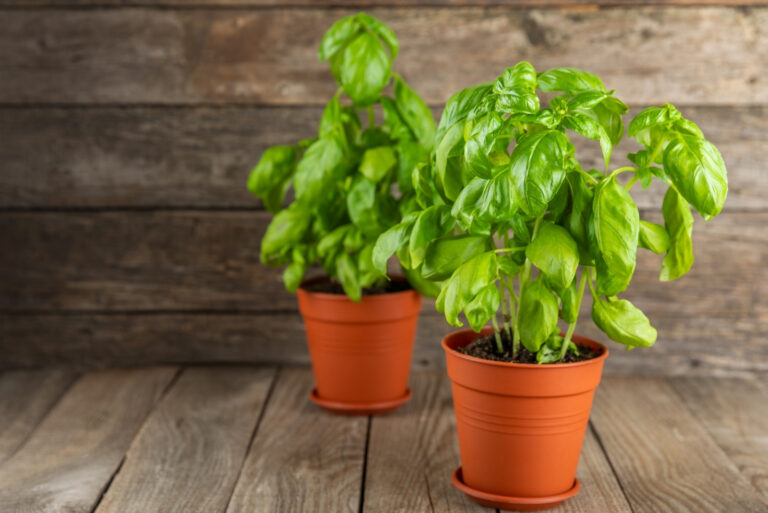
Clay pots help here, because their porous walls let extra moisture escape through the sides of the pot. That airflow helps protect rosemary roots from staying soggy, which matters more indoors where sunlight and breezes are limited.
Plastic or glazed pots can still work, but you will need to water them less often than clay. Whatever you choose, a drainage hole is required, since water trapped at the bottom quickly suffocates the roots.
Soil deserves just as much attention, and a gritty, fast-draining mix suits this herb better than heavy potting soil. Many gardeners mix potting soil with perlite or coarse sand, using about one part grit to three parts soil.
Cactus and succulent mixes also work well indoors, since they are designed for plants that dislike wet feet. Avoid moisture-control blends, because the added wetting agents hold water longer than a dry-loving Mediterranean shrub usually prefers.
Size matters too, and a pot only an inch or two wider than the root ball is ideal. Oversized containers hold extra soil that stays wet for days at a time, which raises the chance of root rot.
If your plant needs a bigger pot, early fall is a better time to repot than midwinter, while roots are still active and growing. Waiting until midwinter adds stress, since the plant has less light to support new root growth in those months.
4. Grow Lights Can Fill In For Your Short Fall Days
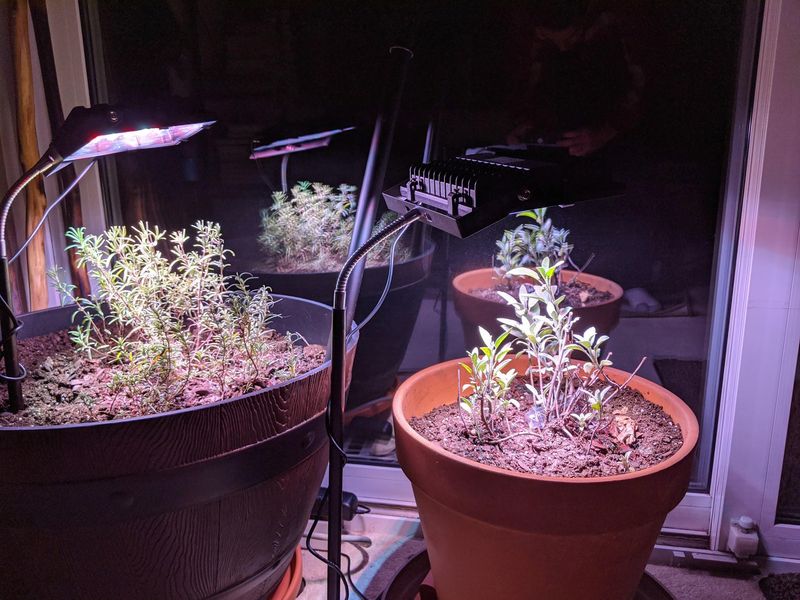
Short October days can leave even a south window falling short of the light this sun-loving herb really needs. By December, northern states may get fewer than nine hours of daylight, and much of it is weak and low.
A simple LED grow light can help make up the difference, and full-spectrum bulbs use little electricity each month. Many growers aim for twelve to fourteen hours of light daily when relying mostly on artificial sources indoors.
Placement matters a lot, because light strength drops quickly as the distance between the bulb and leaves increases. Most LED fixtures work best hanging about six to twelve inches above the tallest leaves of the plant.
Check the product label, though, since stronger panels may need more space to avoid scorching the tender growing tips. Pale, stretched stems mean the light is too far away, while bleached spots suggest it sits too close.
A cheap outlet timer from the hardware store turns the light on and off at set times daily. Plants respond well to steady routines, and you will not have to remember the switch each busy morning.
Grow lights can also free you from the windowsill, letting the pot sit on a cool basement shelf. That cooler setting often suits the plant nicely, as long as temperatures stay comfortably above freezing all season.
5. Give Your Plant A Slow Move Indoors Before Frost
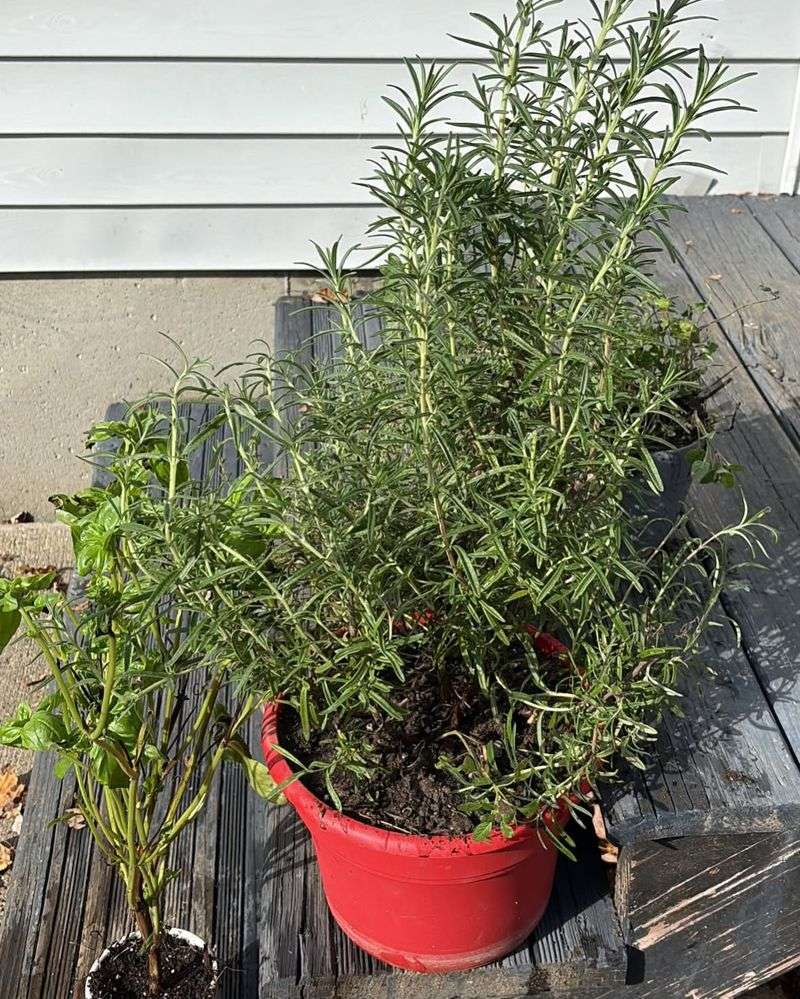
Timing your move indoors matters, and most experts suggest bringing potted rosemary inside before the first hard frost. Many varieties handle light chills, but temperatures in the low twenties can seriously harm the tender new stems.
A sudden switch from bright patio sun to a dim living room shocks the plant in a big way. Leaves may yellow or drop as the plant tries to adjust to so much less light almost overnight.
A gentler plan is to move the pot into partial shade outdoors for about a week before the big move. Then bring it inside for a few hours each day, adding time gradually over the next week or two.
Garden-grown plants need digging up, so lift them carefully with a wide root ball and pot them promptly. Water well after repotting, then let the plant settle in a bright, sheltered spot for several days afterward.
Some gardeners in milder areas keep hardy varieties like Arp outdoors year-round, since that type tolerates colder temperatures. Results vary by winter, so protection with mulch or a sheltered wall still helps those outdoor plants survive.
Check your local frost dates through your state extension office, since timing differs widely across the country. I mark the move on my calendar in early October, which gives me a comfortable cushion before frost every year.
6. Moving Air Keeps Powdery Mildew From Settling In
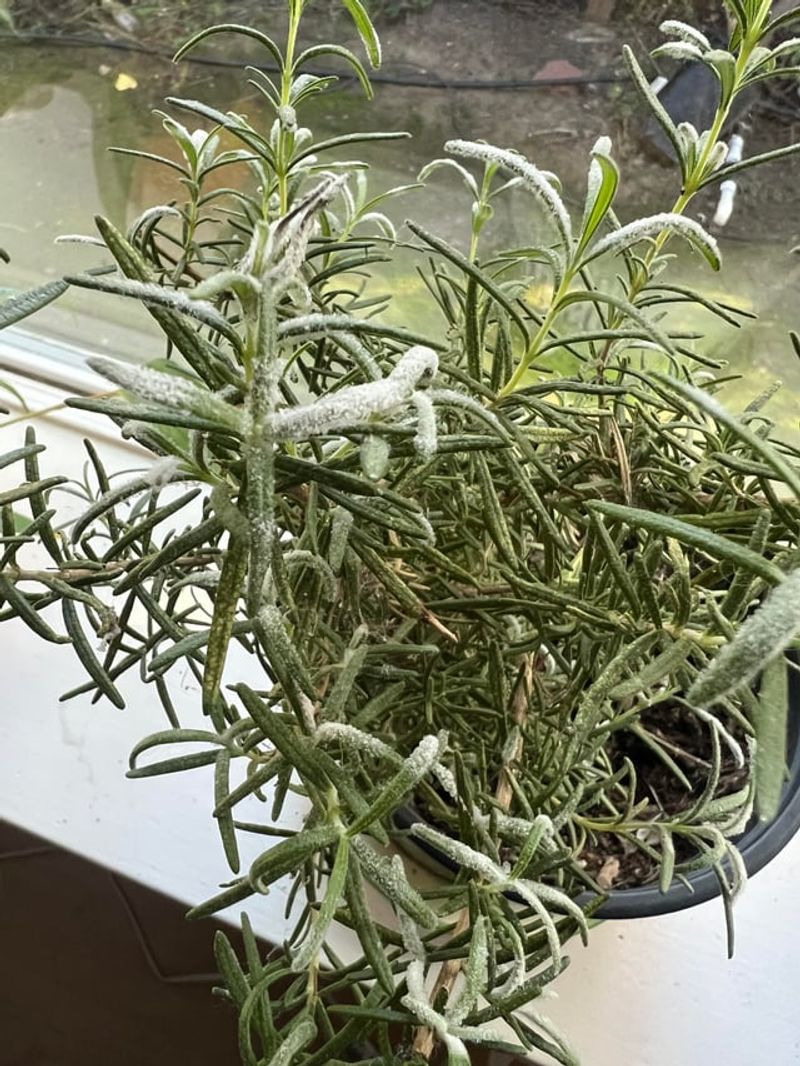
White, dusty patches on the leaves are a common winter complaint, and they usually point to powdery mildew. This fungus thrives indoors when air sits still and plants are crowded together on a single crowded windowsill.
Gentle air movement helps a lot, and a small fan on low for a few hours daily works well. Point the fan near the plant rather than directly at it, so the leaves do not dry out.
Spacing pots a few inches apart lets air flow between branches and reduces how easily mildew spores spread. Thinning a few crowded inner stems also opens the plant up, which helps the foliage dry faster after watering.
Water the soil rather than the leaves, since wet foliage in cool, still air invites fungal trouble quickly. Misting is often suggested for dry homes, but many extension sources say it does little and raises disease risk.
If mildew appears, snip off the worst stems and toss them in the trash, not the compost pile. Mild cases often fade once airflow improves, though stubborn ones may need a fungicide labeled for edible herbs.
Read every label carefully before spraying, because anything used on cooking herbs should list them as approved crops. Clean airflow is a cheap habit, and it saves you from dealing with fungus during the darkest weeks of winter.
7. Tiny Pests Love Your Warm Living Room Too
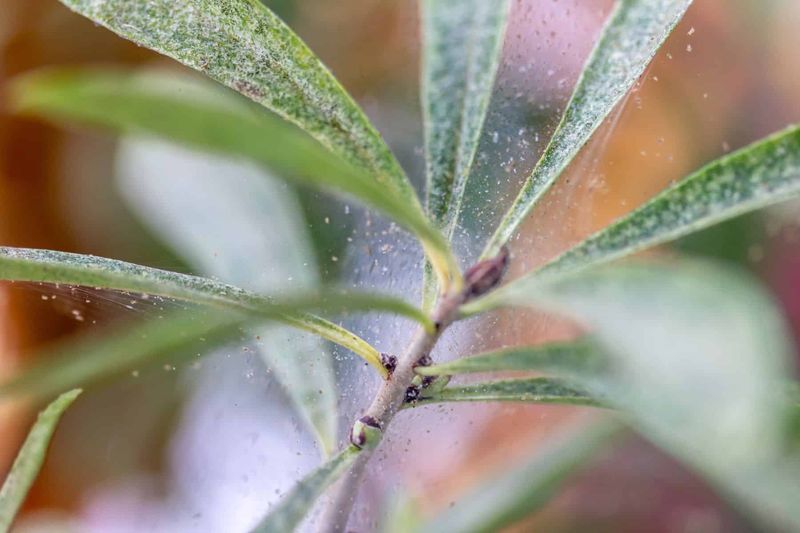
Spider mites often show up once the furnace starts running for the season each fall. These tiny pests love warm, dry indoor air, and they often show up as fine webbing between needles.
Aphids, mealybugs, and whiteflies may also hitch a ride indoors on plants that spent the whole summer outside on the patio. Before moving your pot inside this October, check under the leaves and along the stems with real care.
A strong spray of water from the garden hose knocks off many pests before they reach your home. Rinse both the tops and undersides of the branches, then let the plant drip dry in the shade.
Once indoors, a weekly look with a flashlight helps you catch problems early, while numbers are still small. Tapping a branch over white paper is a handy trick, since mites appear as tiny moving specks on the sheet.
Insecticidal soap is a common extension recommendation for soft-bodied pests, and it breaks down quickly after you use it. Spray in the evening or on cloudy days, and repeat as the label directs to catch newly hatched insects.
Keep any new houseplants apart from your herb for a couple of weeks, just in case they carry hitchhikers. I learned that lesson from a bargain fern once, and my windowsill took a full month to recover afterward.
8. Light Trims Keep Your Plant Fresh Until Spring
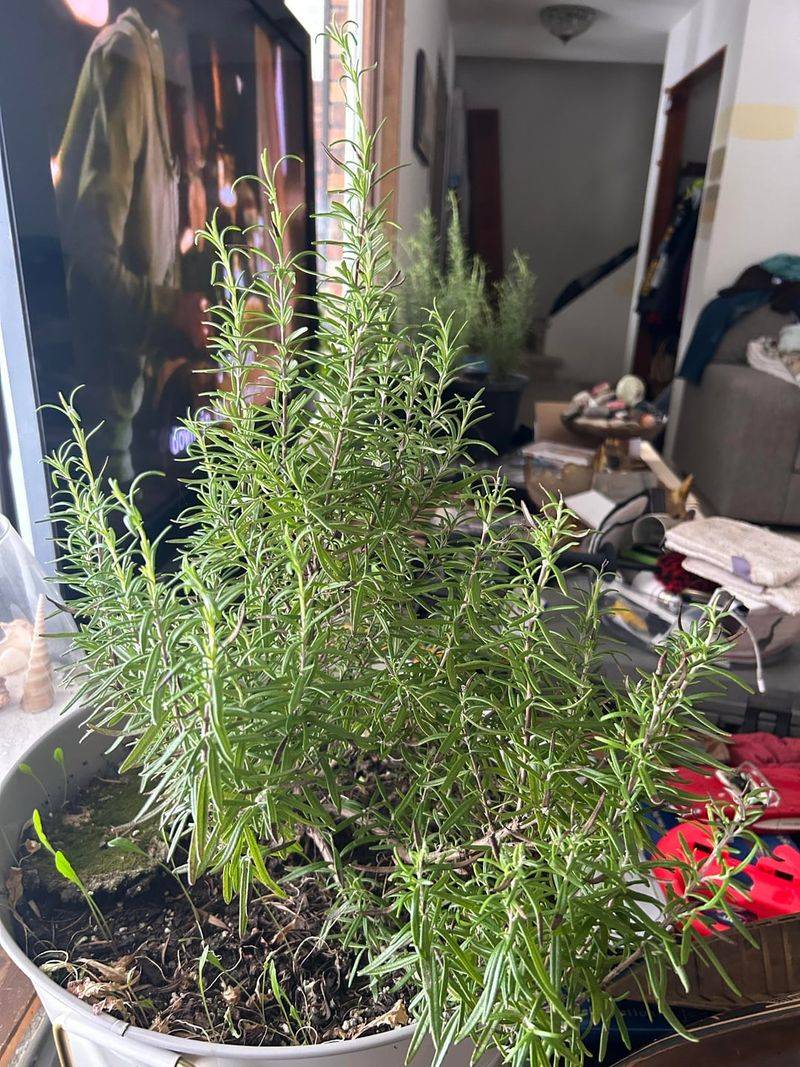
Snipping a few sprigs for roasted potatoes is one of the best perks of growing this herb indoors. Light harvesting during winter is fine, but take no more than about a quarter of the whole plant at once.
Growth slows down a lot under winter light, so heavy cuts take months to fill back in nicely. Cut just above a pair of leaves, using clean scissors so the stems heal without ragged, torn edges.
Avoid cutting deep into the old, woody parts of the stems, since those rarely sprout fresh new growth. Fertilizer can mostly wait until spring, because a resting plant cannot use extra nutrients during short days.
Too much feeding in winter often leads to weak, floppy growth and a buildup of salts in the soil. Once days lengthen in March, a diluted balanced fertilizer every few weeks helps the plant wake up again.
Brown tips on a few needles are normal, but widespread browning usually points to a watering or root issue. Gently slide the plant from its pot and look for firm, white roots instead of mushy brown ones.
After the last spring frost, move the pot back outside slowly, reversing the gradual steps you took in fall. A plant that makes it through one indoor winter often handles the next one with far less fuss.