Why You Should Stop Bagging Your Fall Leaves
Some fireflies spend the winter as tiny larvae tucked under fallen leaves, waiting for warm spring nights to glow. Luna moth cocoons and the pupae of many other moths hide in that same brown layer, looking like crumpled bits of leaf.
I was surprised to learn that yard trimmings made up about twelve percent of all American trash in 2018. The EPA reports that millions of tons of those clippings and leaves still end up buried in landfills each year.
Researchers at Michigan State University tested what happens to lawns when autumn foliage stays put through the fall. Their test plots showed healthy grass, and some plots even had fewer dandelions popping up the next spring.
You probably have a rake leaning by the door right now, with a yard full of gold and red. So what if the easiest choice this October also turned out to be the kindest one for your yard?
Your Fallen Leaves Are Free Lawn Food
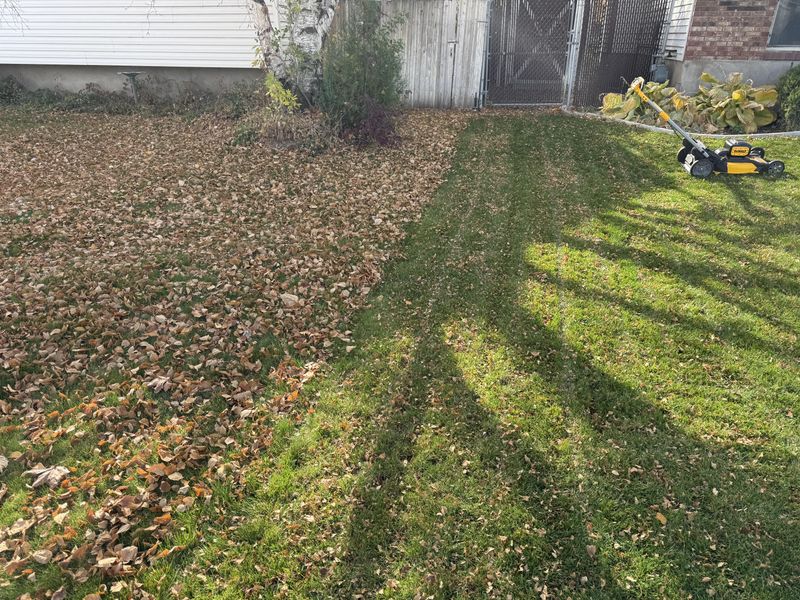
Fallen leaves hold nutrients that trees pulled from the soil all summer, including nitrogen, potassium, and a little phosphorus. When you bag them and send them away, you are throwing out a free supply of plant food.
Many university extension services now suggest mowing leaves into small pieces and leaving them on the lawn instead. The shredded bits slip down between grass blades, where soil microbes and earthworms break them down over winter.
As the pieces break apart, they add organic matter that helps soil hold water and stay loose for roots. Sandy soils keep moisture longer, and heavy clay soils drain a bit better when organic matter builds up.
Michigan State University turfgrass researchers tested this idea for several years on lawn plots at their research center. The grass stayed healthy, and the plots with mulched leaves often showed fewer dandelions popping up the following spring.
Scientists are still studying the exact reason, so it is fair to call the weed benefit likely rather than certain. One idea is that the leaf pieces cover bare soil spots where weed seeds would otherwise sprout in spring.
You also save money, since free leaf mulch can reduce how much fertilizer your lawn needs over time. It is a simple swap that turns a tiring October chore into a small gift for your yard.
A Mower Does The Raking For You
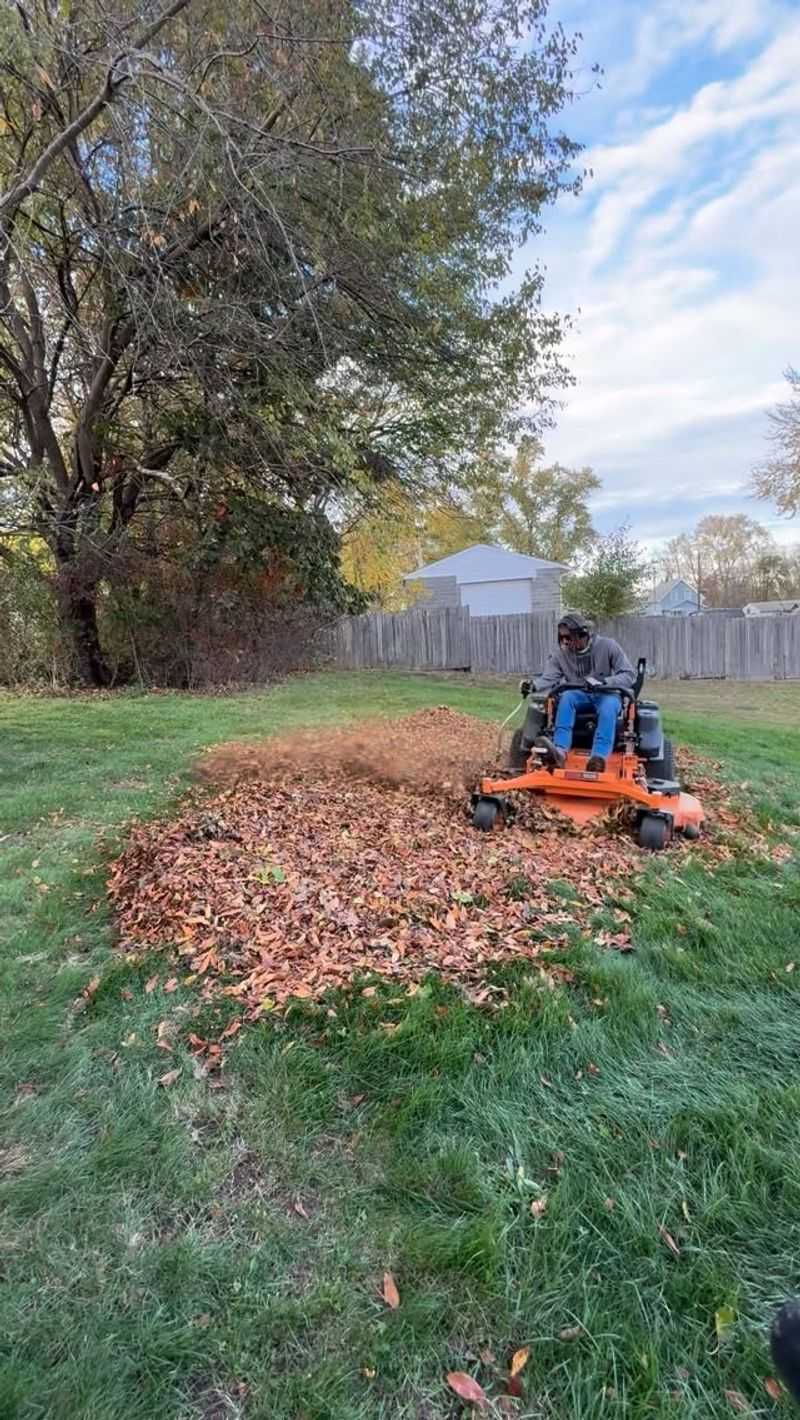
I used to spend whole Saturday afternoons raking, until I learned my lawn mower could handle most of the job. A regular rotary mower chops dry leaves into pieces about the size of a dime in one or two passes.
Extension experts suggest mowing while the leaves are dry, because wet leaves clump together and clog the mower deck. Set the blade at a normal height for your grass, usually around three inches for many cool-season lawns.
A mulching blade or mulching kit helps a lot, since it keeps pieces under the deck longer for extra chopping. Close the side chute or remove the bag, so the shredded leaves fall right back onto the grass.
After mowing, you should see green grass blades poking through a light sprinkle of brown leaf bits. If you still see whole leaves lying flat on top, run the mower over that area one more time.
Mowing once a week through October and early November keeps the layer thin and much easier to manage. Waiting until every tree is bare can leave you with a thick pile that is hard to shred.
You also skip buying paper yard bags, which often cost a few dollars for each small bundle. Best of all, your back gets a break, and the job usually takes less time than raking does.
Bagged Leaves Take Up Landfill Space
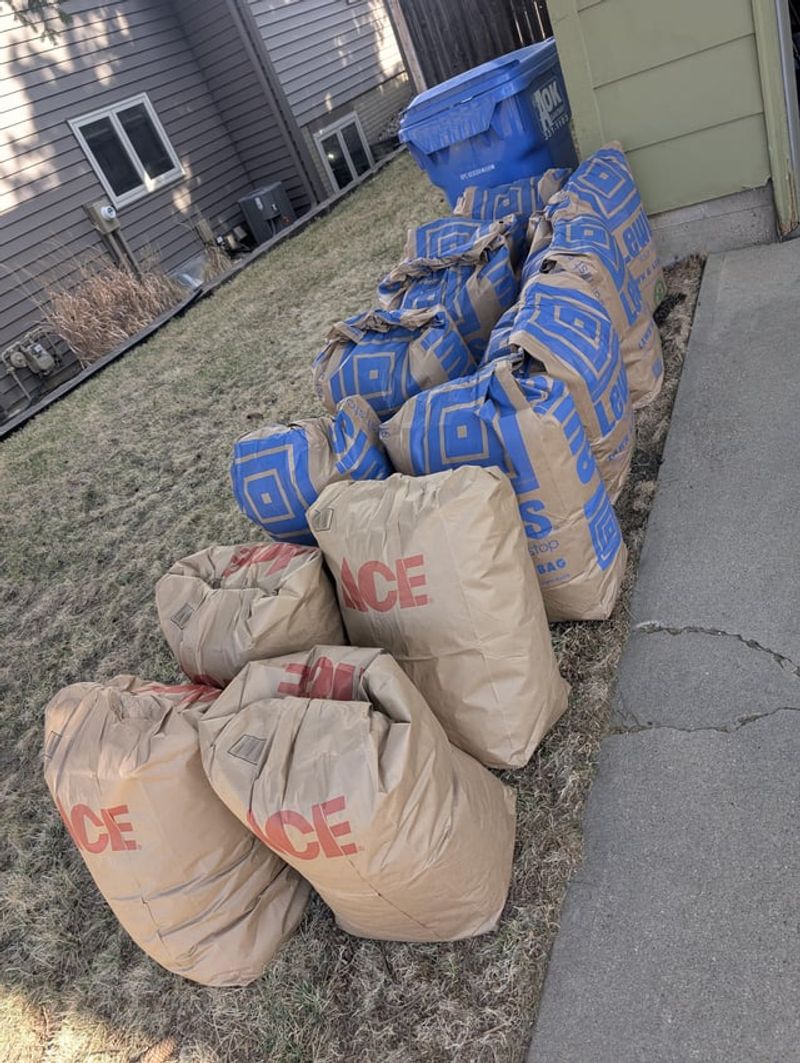
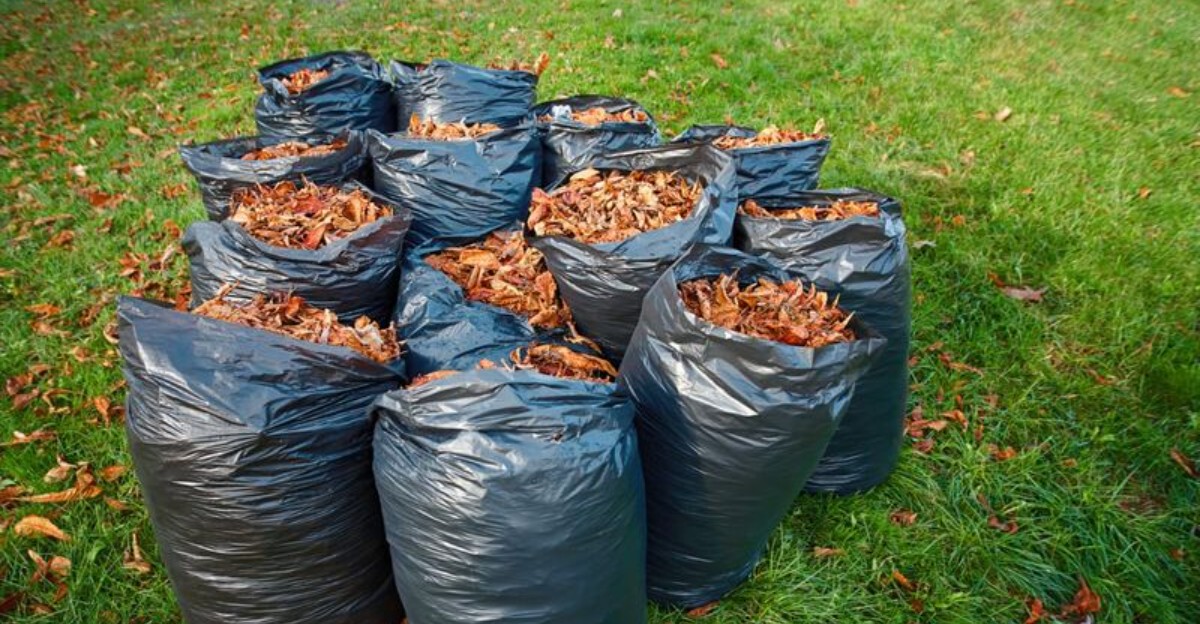
Bags of leaves lined up at the curb look tidy, but their trip after pickup is not so simple. The EPA estimates that about ten million tons of yard trimmings went to American landfills in 2018 alone.
Inside a landfill, leaves are packed tightly under layers of other trash, so very little air reaches them. Without air, they break down slowly and can release methane, a gas that traps much more heat than carbon dioxide.
Many states, including Michigan and Illinois, have banned yard waste from regular landfills for decades because of space concerns. In those places, bagged leaves usually go to compost sites, which takes trucks, fuel, and city workers’ time.
Composting beats landfilling, but every truck trip still burns fuel and adds real cost to your town’s yearly budget. Plastic bags make things harder, since many compost sites reject them or must tear them open by hand.
Keeping leaves on your own property cuts out that whole process and keeps the nutrients close to home. Your city may still offer leaf pickup, and that remains a solid choice for leaves you cannot use.
Check your town website this month for paper bag rules, pickup dates, and any free spring compost giveaways. Some cities even return finished leaf compost to residents in spring, which is a nice bonus for gardeners.
Your Garden Beds Want A Leafy Blanket
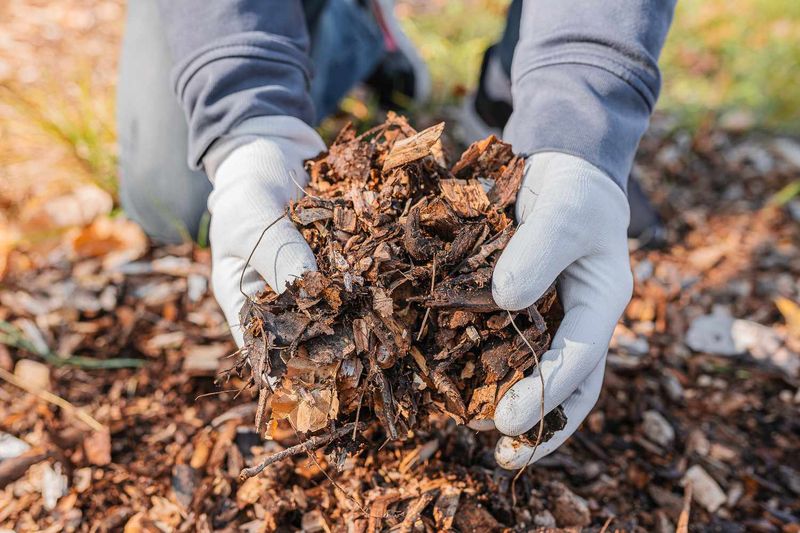
Gardeners pay good money for bark mulch every spring, yet a free version falls from the trees each October. Shredded leaves make a fine mulch for flower beds, vegetable gardens, and the ground around shrubs.
Spread a layer about two to three inches deep, keeping it a few inches away from stems and trunks. That layer helps insulate roots from sudden freezes and thaws, which can push young perennials right out of the soil.
Shredding matters here, since whole maple leaves can mat down into a soggy sheet that blocks air and water. Oak leaves curl and stay fluffier, so many gardeners use them whole in beds without much trouble.
Extra leaves can go into a compost pile, where they provide the brown material that balances green kitchen scraps. Some people simply pile leaves inside a wire ring and let them sit for a year or two.
The result is leaf mold, a dark, crumbly material that holds water well and improves garden soil texture. Leaf mold is low in nutrients, so think of it as a soil builder rather than a fertilizer.
Black walnut leaves are one exception, because they contain juglone, which can slow the growth of tomatoes and other plants. Most extension sources say composting breaks juglone down over several weeks, but keep fresh walnut leaves out of vegetable beds.
Small Wildlife Shelters In The Leaf Layer
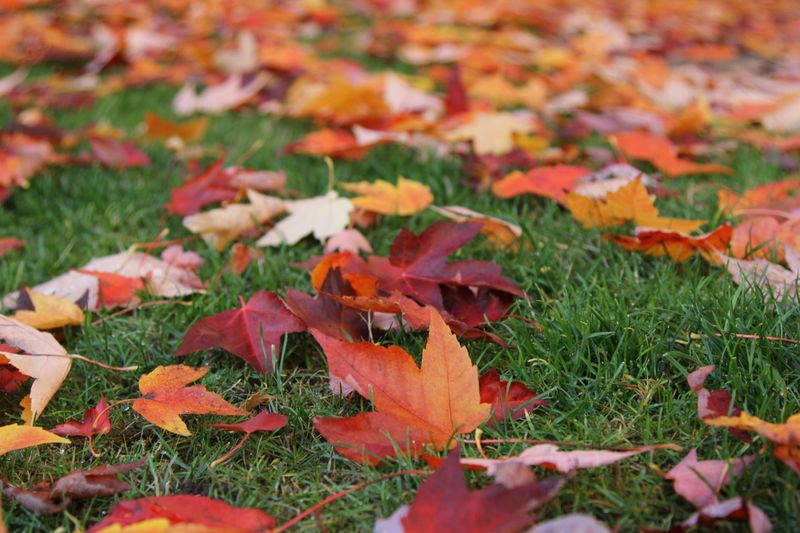
Under that messy blanket of brown, a whole community of small creatures is getting ready for the cold months. Many moth and butterfly species spend winter in leaf litter as eggs, caterpillars, cocoons, or chrysalises.
The Xerces Society, a group that protects insects, encourages people to leave leaves in place to shelter these overwintering insects. Bumblebee queens often dig just under the soil surface, and a leafy cover helps buffer them from harsh temperature swings.
Toads, salamanders, spiders, and beetles also use the leaf layer as shelter while temperatures drop through late fall. Those insects matter a great deal to birds, since many songbirds feed their spring nestlings mostly soft caterpillars.
Wrens, juncos, and sparrows also scratch through fallen leaves in fall and winter, searching for seeds and insects. Bagging and hauling leaves away can carry off many of those hidden insects before they get a chance to hatch or emerge.
Shredding with a mower can harm some of them too, so a few untouched spots help a lot. Try leaving whole leaves under shrubs, along fence lines, or in a quiet corner where nobody mows.
I like to think of these spots as a cozy hotel for the insects my garden needs next year. Pollinators, pest-eating beetles, and hungry birds all benefit when part of your yard stays a little wild over winter.
Too Many Leaves Can Crowd Your Grass
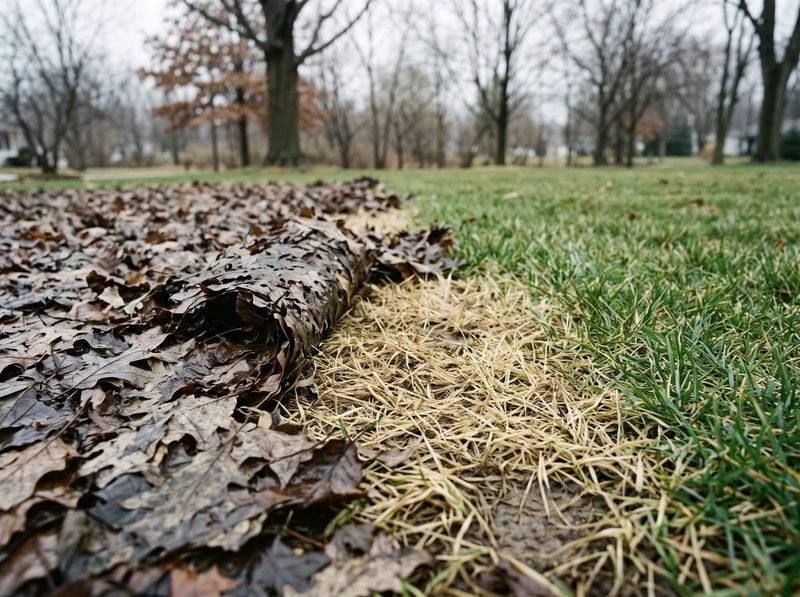
A thick, wet layer of whole leaves left on grass all winter can cause real trouble by early spring. The matted leaves block sunlight and trap moisture, which can lead to thin patches and snow mold on lawns.
So the goal is balance, not a lawn buried under every leaf from the big maple tree next door. A good rule from extension experts is that you should see at least half of the grass after mowing.
If leaf pieces still cover most of the lawn, rake or blow some of them onto your garden beds. Yards with several large trees often produce more leaves than the grass can absorb in one season.
In that case, start a compost pile or share the extra leaves with a neighbor who gardens. Keep leaves out of street gutters and storm drains, because they can clog drains and add extra phosphorus to streams.
Research by the U.S. Geological Survey in Wisconsin found that leaves were a major source of phosphorus in city runoff. Burning leaves is another option to skip, since many towns restrict it and the smoke can irritate lungs.
Start small this October by mowing a section of your lawn and mulching one garden bed with shredded leaves. Next spring, you can check the grass and soil yourself and decide how much of this approach fits your yard.