Leave These 8 Plants Standing Until Spring
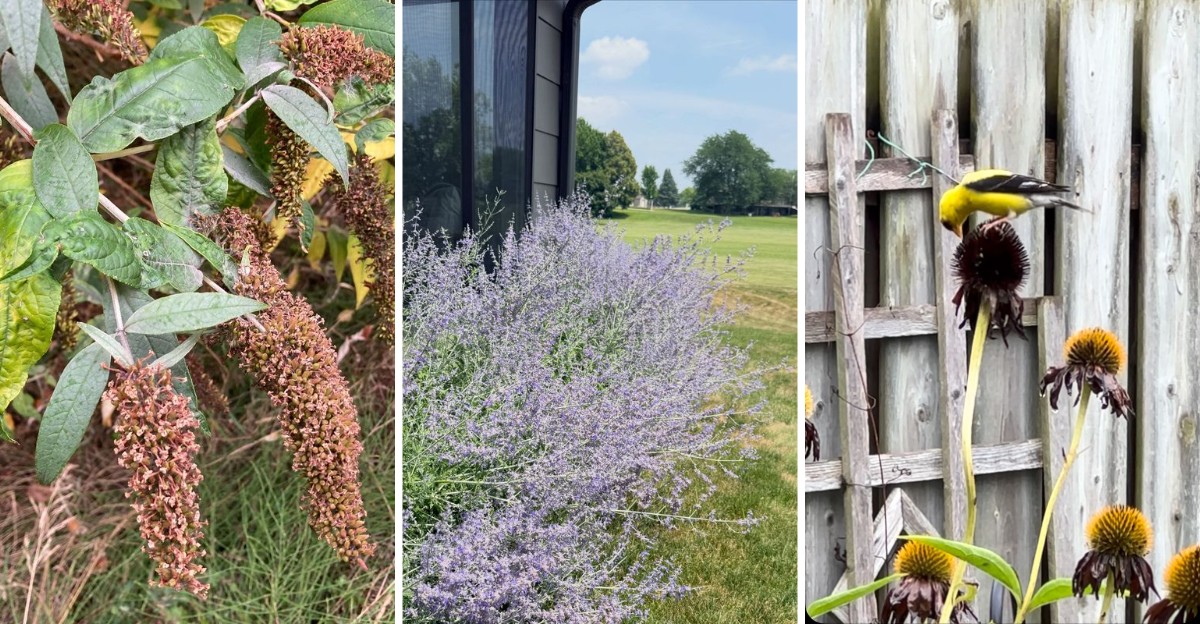
Some native bees spend the whole winter tucked inside hollow plant stems that gardeners often snip off in October. Small carpenter bees and mason bees lay eggs in those stems, and new bees emerge the following spring.
I also love that dried seed heads left standing in the garden feed goldfinches and juncos through the cold months. Extension services in many states point out that seeds are a valuable winter food when insects are hard to find.
Another quiet detail is that old stems and leaves trap snow, which works like a blanket over plant crowns. That snow cover helps reduce the freeze and thaw cycles that can push roots right out of the soil.
Many of us feel a strong urge to tidy every bed once the first frost browns the leaves. I believe the messiest corner of your yard may be the liveliest spot in the garden by January.
1. Spare Those Bigleaf Hydrangea Stems Holding Next Year’s Buds
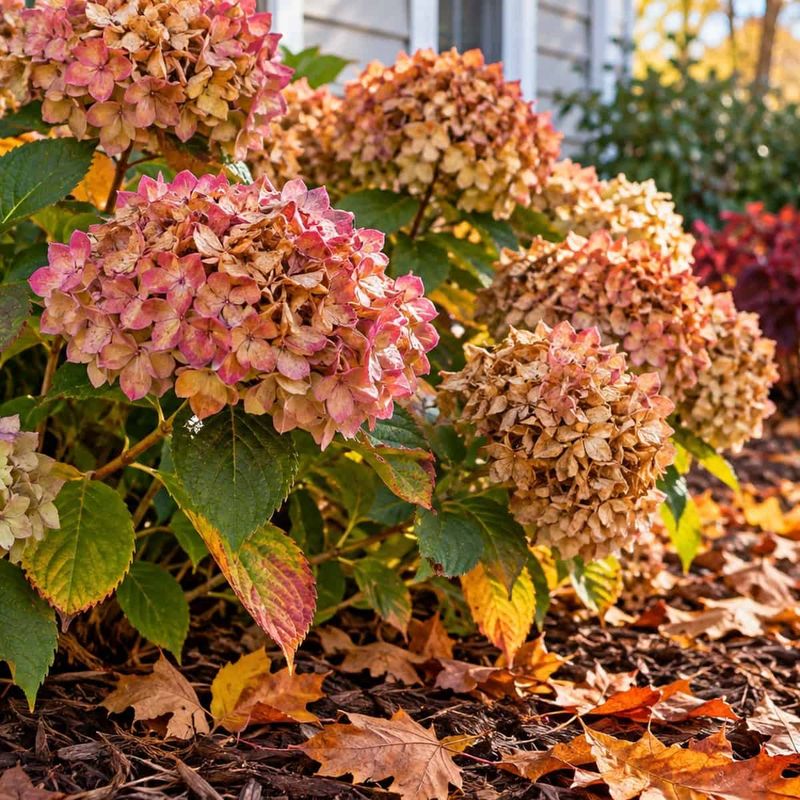
Anyone who has waited all summer for blue mophead blooms knows the frustration of a hydrangea that refuses to flower. Bigleaf hydrangea, or Hydrangea macrophylla, sets most of its flower buds on old wood during late summer and early fall.
Cutting those stems back in October removes the buds that would have opened into flowers next June or July. University extension services, including Penn State and Clemson, recommend pruning bigleaf types right after they finish blooming in summer.
Oakleaf and mountain hydrangeas follow the same old wood pattern, so they deserve the same hands-off approach this fall. Reblooming varieties such as Endless Summer can flower on new wood too, but they still benefit from keeping old stems.
The faded flower heads can stay on the plant through winter, where they add texture and shield the buds below. Some gardeners in colder zones also wrap plants in burlap or pile shredded leaves around the base for extra protection.
You can safely remove broken branches or stems that look brittle and hollow, since those rarely produce healthy blooms. Smooth hydrangea and panicle hydrangea are different, because they bloom on new wood and handle late winter pruning well.
If you are unsure which type you own, compare the leaves and flowers with an extension fact sheet. Waiting until spring to trim gives you time to see which stems leaf out before you make any cuts.
2. Let Your Lavender Keep Its Woody Winter Coat
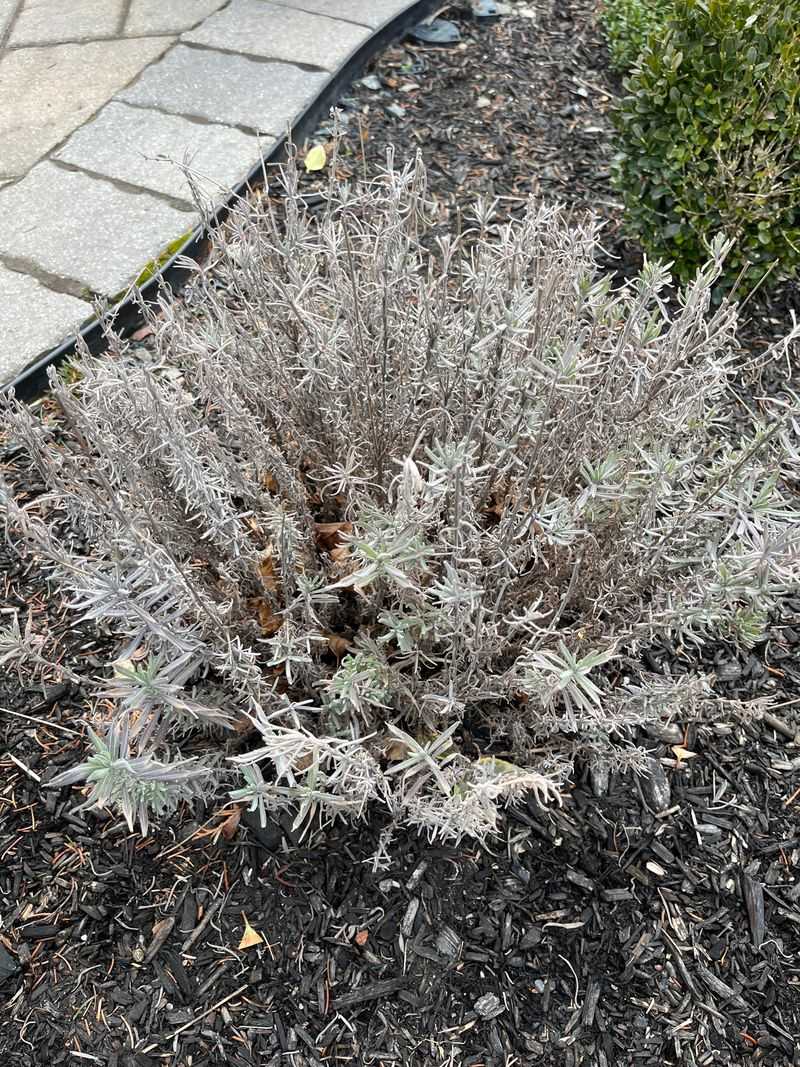
Lavender often struggles to recover after a hard fall cut into old wood. Purdue Extension and other university programs note that lavender rarely sprouts new growth from bare, woody stems below the leaves.
Fall pruning also triggers tender new shoots that cannot harden off before the first deep freeze arrives in winter. Those soft shoots often turn brown and leave the plant weaker, especially in gardens with wet clay soil.
A light trim right after the summer bloom is the better choice, with the main shaping saved for spring. Most extension guides suggest waiting for fresh green growth near the base before cutting back in April or May.
During October, you can snip off any spent flower spikes that still cling to the plant without touching the leaves. Leaving the gray foliage in place helps protect the crown from cold winds and sudden temperature swings this season.
English lavender, like Munstead and Hidcote, handles cold better than Spanish or French types, which struggle north of zone 7. Good drainage matters even more than pruning, because soggy roots in winter are one of the leading causes of lavender decline.
Gravel mulch around the base keeps moisture away from the crown better than wood chips or shredded bark. Your patience now pays off next summer, when the plant fills out with fragrant purple spikes for bees and cutting.
3. Keep Your Ornamental Grasses Standing Through The Snow
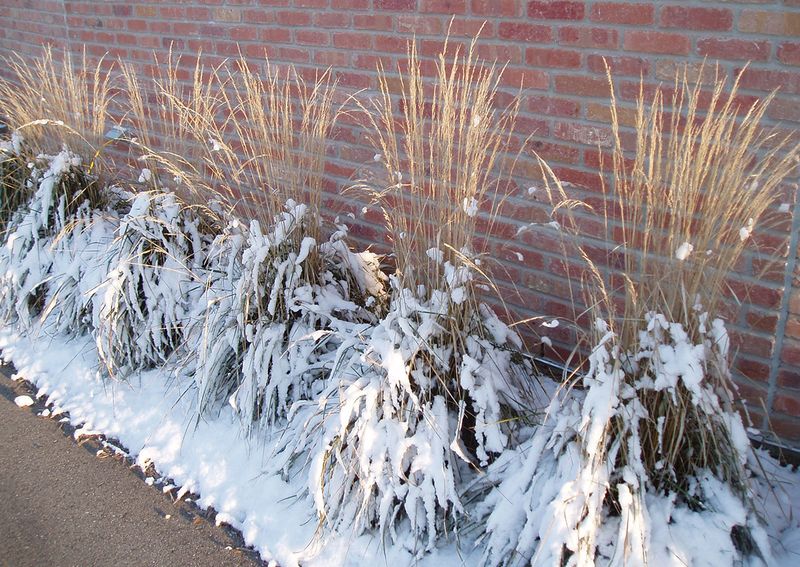
Few garden plants look as striking in January as a clump of switchgrass catching frost on its tan seed plumes. Ornamental grasses like switchgrass, little bluestem, and maiden grass hold their form well into winter when left standing.
The University of Minnesota Extension suggests leaving most grasses uncut until late winter or early spring for better plant health. The old foliage protects the crown from cold, while the hollow stems shelter insects that birds hunt in winter.
Warm-season grasses, which start growing late in spring, are especially sensitive to early cuts that expose their crowns to cold. Big bluestem, Indian grass, and fountain grass all fall into this group and benefit from a winter coat.
Seed heads on native grasses also feed sparrows, juncos, and other small birds when food grows scarce. You will often see birds perched on bending stems, picking seeds right out of the plumes on calm afternoons.
Cut grasses back to about four to six inches tall in March, before fresh green shoots start to appear. Tying the clump with twine first makes cleanup much easier, since the stems stay bundled while you trim them.
One exception is a grass that flops badly under wet snow, which may need trimming if it blocks a walkway. Otherwise, let those swaying stems stay put and enjoy the soft sound they make when winter winds pass through.
4. Save Your Coneflower Seed Heads For Hungry Finches
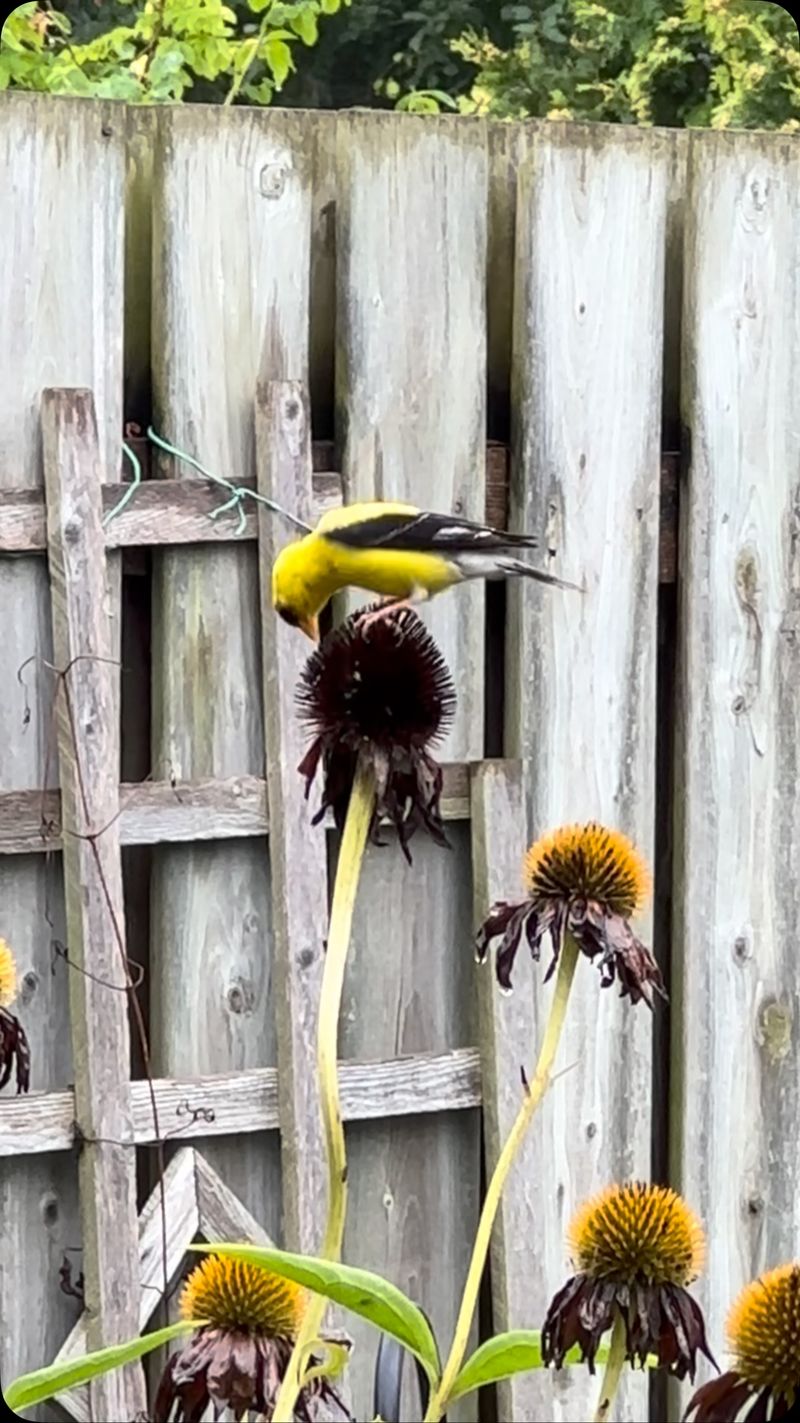
Goldfinches perched on spiky brown coneflower heads are one of the cheeriest sights in a fall garden, at least for me. Purple coneflower, or Echinacea purpurea, produces seeds that many extension services list as a reliable food for winter birds.
Cutting the stems to the ground in October takes that food away just as insects start to disappear from gardens. Leaving the seed heads standing also allows some seeds to fall and sprout, which can fill gaps in your beds.
Black-eyed Susan, sunflowers, and blazing star offer similar seed buffets, so they belong on the leave-alone list as well. Penn State Extension notes that hollow and pithy stems from these plants give native bees safe places to spend winter.
Some small bees nest inside stems for months, so experts suggest leaving stems about twelve to eighteen inches tall. When spring arrives, new growth quickly hides the old stubs, and the bees inside can emerge on their own schedule.
If you prefer fewer volunteer seedlings, simply remove spent blooms on a few plants and leave the rest for birds. Coneflowers with twisted, greenish, or oddly deformed blooms may have aster yellows, a disease that calls for removing the affected plant.
Healthy plants, however, ask for very little from you this time of year besides a bit of patience. Watching a flock of finches work through your garden on a gray morning makes that messy look feel worthwhile.
5. Hold Off On Your Butterfly Bush Until Spring
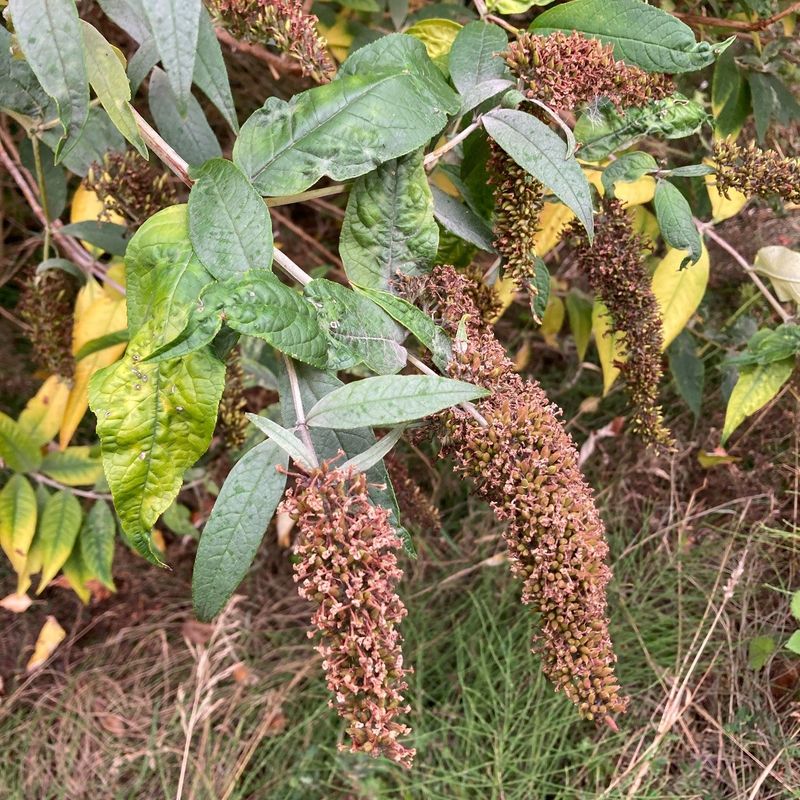
Butterfly bush looks ragged by October, with drooping stems and faded flower clusters that tempt nearly every gardener to grab pruners. Buddleja davidii, though, behaves like a tender shrub in colder zones and often suffers when cut back before winter.
The old stems help insulate the crown, and fall cuts can let cold and moisture into the woody base. Many extension services recommend waiting until new buds swell in spring, usually around April in many regions.
Once growth begins, you can cut the stems down to about twelve inches, since flowers form on new wood. Waiting also lets you see which branches made it through winter and which ones show brown, brittle wood instead.
In zones 5 and 6, the top growth often declines over winter while the roots stay alive below ground. Gardeners who prune too early there sometimes lose the whole plant, so a little restraint goes a long way.
Some states, including Oregon and Washington, list Buddleja davidii as invasive, because it spreads seeds easily into wild areas. Choosing sterile or low-seed cultivars, like those in the Lo and Behold series, can help reduce that concern.
A layer of shredded leaves around the base adds extra protection for the crown during the coldest months. Come spring, the plant will reward your patience with fresh growth and summer blooms that draw butterflies and hummingbirds.
6. Give Your Hardy Mums Their Old Stems For Shelter
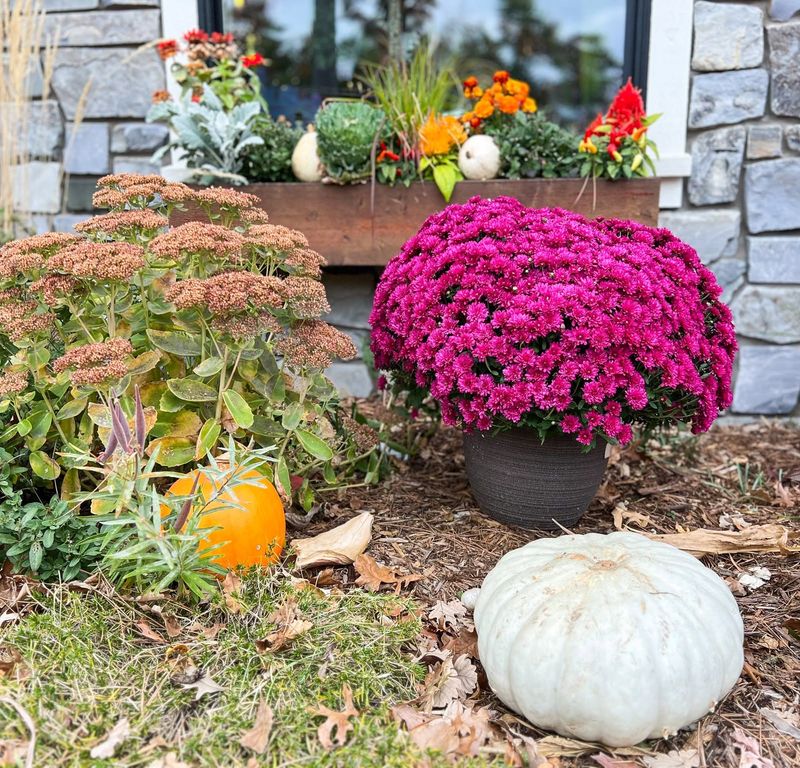
My grandmother kept her garden mums in the same sunny bed for years, and she rarely touched them before spring. Hardy chrysanthemums survive winter much better when their old stems and leaves stay in place until new growth appears.
The University of Minnesota Extension notes that leaving the tops on helps trap snow, which insulates the shallow roots below. Mums planted in fall have small root systems, so extra protection helps them get through winter.
After a hard freeze browns the foliage, add a few inches of straw or shredded leaves around each plant. Avoid heavy, wet mulch right against the crown, since soggy conditions can cause rot during long, cold stretches.
Florist mums sold in decorative pots are often less cold hardy, so they may not return even with careful care. Garden mums labeled as hardy perennials have a much better chance of surviving, especially when planted early in the fall.
In spring, cut the old stems down to a few inches once you see fresh green shoots near the soil. Pinching the new growth a few times before early July keeps plants compact and loaded with buds for next autumn.
You can still snip off faded blooms this month for a tidier look without removing the protective stems and leaves. That small compromise keeps the plant neat on your porch while giving the roots the shelter they need.
7. Allow Your Russian Sage To Stay Silver All Winter
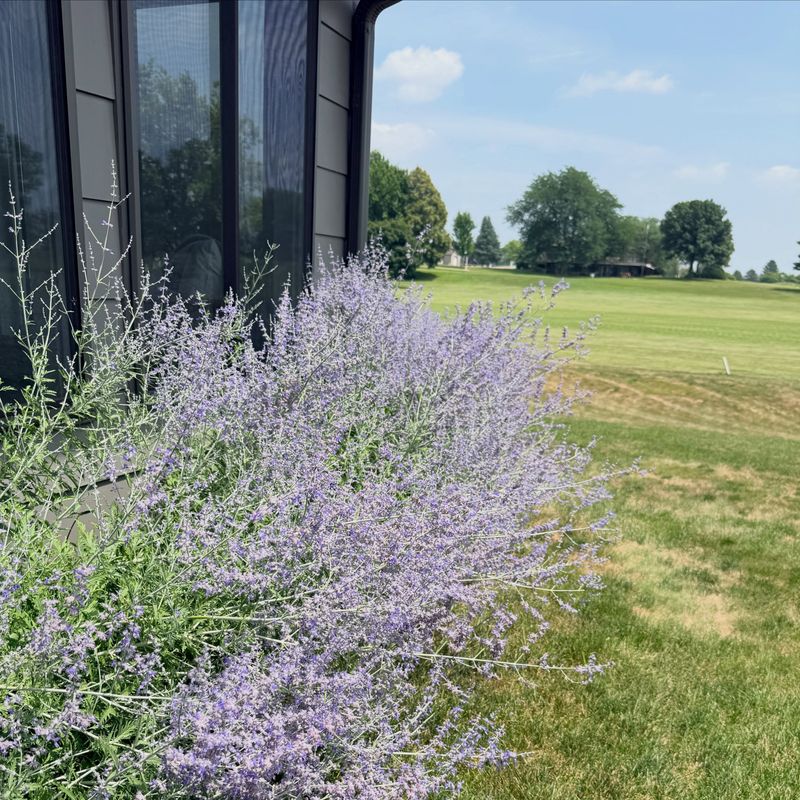
Russian sage is neither Russian nor technically a separate genus anymore, since botanists moved it into Salvia in 2017. Whatever you call it, the plant has woody stems that handle winter far better when gardeners leave them standing.
Many extension services recommend waiting until early spring, when small leaf buds appear, before cutting Russian sage back. Fall pruning can encourage tender growth late in the season, and that soft growth often struggles once hard frosts arrive.
The silvery stems also look lovely in winter, especially when frost or a dusting of snow settles across the branches. They give the garden some height and structure during months when most perennials have faded down to the ground.
In spring, trim the stems back to about six to twelve inches, just above a healthy set of new buds. Cutting lower than the live buds can slow regrowth, so take a close look before you make each cut.
Woody perennials like thyme, oregano, and caryopteris follow a similar pattern and generally prefer spring pruning over fall cleanup. Caryopteris, often called bluebeard, blooms on new wood, so spring trimming still gives you plenty of late summer flowers.
Russian sage thrives in dry, sunny spots and rarely needs extra water once it settles into the garden. That tough, low-care nature makes it a smart pick for busy gardeners who prefer letting winter do its own thing.
8. Wait On Your Lilacs Since Their Buds Already Formed
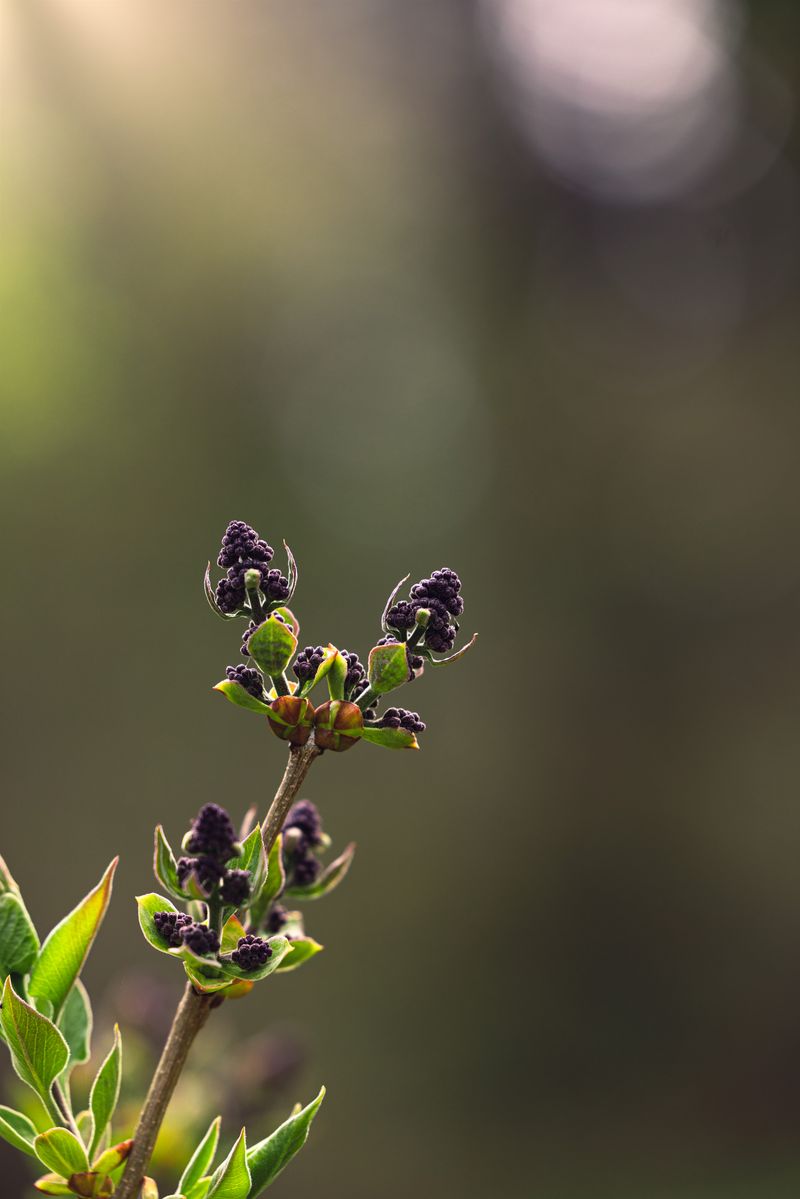
Lilac buds for next May are already on the branches right now, plump and ready for winter rest. Spring-blooming shrubs like lilac, forsythia, azalea, and rhododendron set their flower buds during summer and early fall.
Pruning them in October removes those buds, which often means a spring with plenty of leaves and very few flowers. Most extension guides suggest pruning these shrubs within a few weeks after they finish blooming in late spring.
Forsythia, for example, can be thinned right after its yellow flowers fade, usually sometime in April in many areas. Removing about one third of the oldest stems at ground level keeps the shrub vigorous without sacrificing next year’s show.
Fall is still a fine time to remove stems that are broken, diseased, or rubbing against each other badly. Clean cuts on those problem branches help reduce disease issues and rarely affect the overall flowering of the shrub.
A simple garden notebook can help you track bloom times for each shrub, so pruning dates are easy to remember. Snapping a quick photo of each plant in bloom also helps you match shrubs with the right pruning schedule later.
For now, rake leaves, water deeply before the ground freezes, and let your shrubs rest with their buds intact. Your future self will be thankful when the lilacs open next spring and fill the yard with that sweet scent.