10 Plants That Help Stop Erosion on North Carolina Slopes After Flooding
One hard storm can carry off more topsoil than your whole garden gained in years of patient composting. I still wince when I see bare red clay slumping down a hillside after the creek finally drops.
Across North Carolina, early October often means cleanup season after the big tropical rains of late summer. Slopes look tired, gullies look deeper, and every new shower seems to nibble a little more ground away.
I believe roots work harder than any wall of timber or stone you could haul up that bank. Living plants grip the soil and slow the runoff, and they actually get stronger with every passing season of growth.
Fall is a smart moment to plant in North Carolina, because cooler air and warm soil help roots settle. The ten choices below come from riverbanks and shady creek bottoms that handle rising water without much fuss.
1. American Sycamore
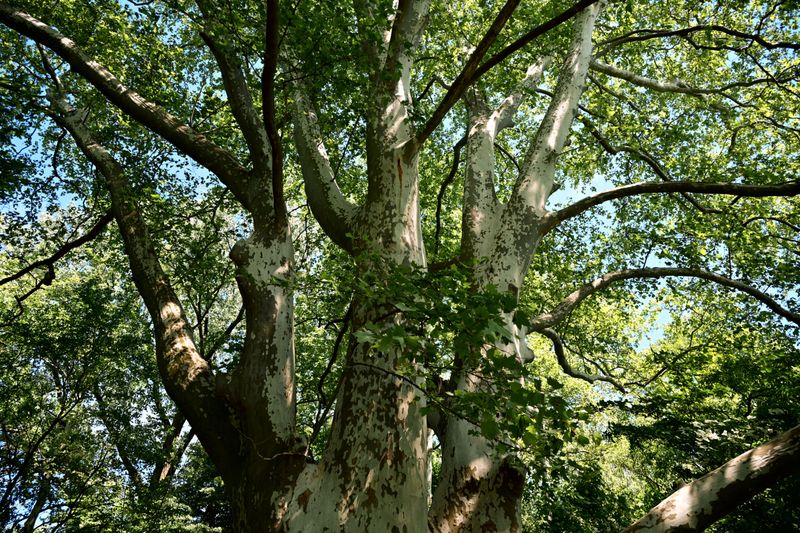
Ghostly white upper branches make sycamores easy to spot from a car window, especially along a river in winter. That pale bark flakes off in puzzle pieces, showing patches of cream and olive green underneath.
Platanus occidentalis ranks among the largest native hardwoods in eastern North America, with trunks that grow impressively thick. Mature trees often reach 75 to 100 feet tall, so this is a choice for big properties only.
Floodplains are its natural home, and it tolerates wet soil and occasional flooding without much complaint at all. A deep, wide root system grabs streambank soil and helps keep high water from carving away the edges.
Most of the state falls within its comfortable range, since it grows in USDA zones 4 through 9. You will see wild sycamores along Piedmont rivers, often leaning out over the water with roots exposed below.
Speed is a big bonus after a flood, because young trees can add several feet of height each year. Quick growth means the root network fills in sooner, giving a raw slope protection faster than slower trees.
One honest warning is that sycamores drop plenty of big leaves and fuzzy seed balls each fall. Plant them away from gutters and patios unless you enjoy lots of raking on crisp October afternoons.
Anthracnose, a leaf disease, can cause spotting during cool, wet springs, but healthy trees usually recover by summer. I’m sure a towering sycamore on a creek bank will make neighbors slow down just to admire it.
2. Common Elderberry
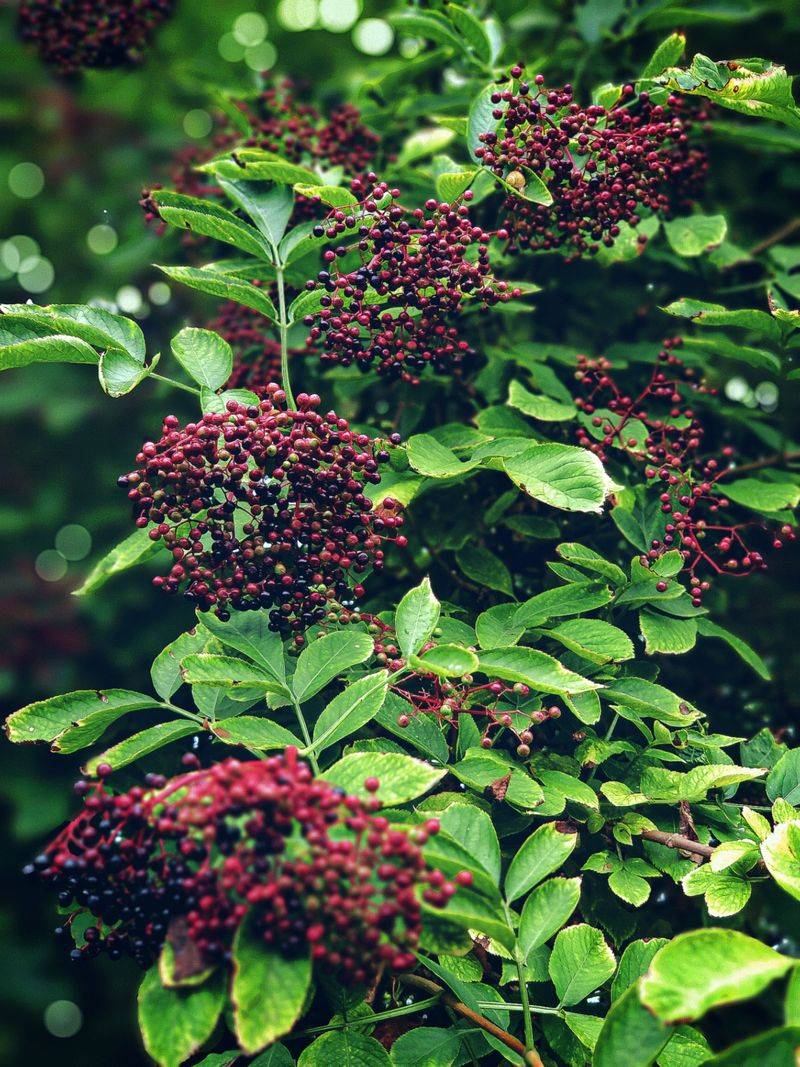
Some shrubs hold soil and some feed songbirds, but elderberry manages both while spreading into friendly thickets. Dark purple berry clusters dangle like tiny grapes in late summer, and birds clean them off remarkably fast.
Botanists call it Sambucus canadensis, though many sources now list it as a subspecies of Sambucus nigra. It is native across the eastern United States and grows well in USDA zones 3 through 9.
Root suckers help this shrub spread into colonies, and those crowded stems slow water rushing down a slope. Wet ditches and stream edges are typical spots where you find it growing wild during the warm months.
Your North Carolina Garden Changes Every Week. Your Plan Should Too.
Gardening in North Carolina changes quickly throughout the season. Every Friday you’ll receive a simple weekly plan showing exactly what to plant, prune, fertilize, harvest, and protect so you never miss the right timing.
Most plants reach about 5 to 12 feet tall and wide, forming a loose, arching shape over time. Full sun gives the best flowering, although partial shade works fine when soil stays fairly moist and rich.
Restoration crews love a clever trick, pushing dormant elderberry cuttings straight into wet soil as live stakes. Those stakes sprout roots and leaves, giving a damaged bank fast, budget-friendly protection with very little digging.
Late fall into winter is prime time for cutting stakes, once leaves drop and the plants go dormant. Potted shrubs can go in the ground now in October, while soil stays warm enough for roots.
Raw berries, stems, and leaves can upset your stomach, so only properly cooked ripe fruit should be eaten. I love how one tough shrub can guard a muddy bank and still feed a whole crowd of birds.
3. Silky Dogwood
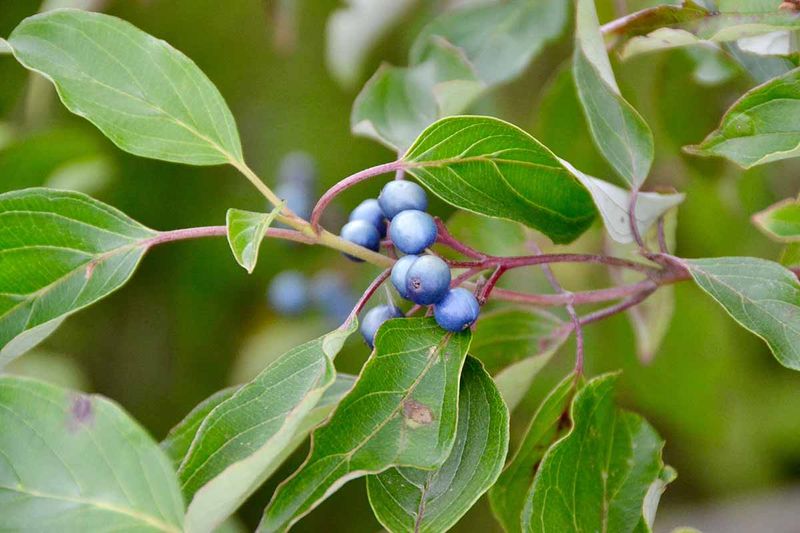
Those burgundy twigs glowing beside a winter creek belong to a shrub that hardly ever minds soggy ground. Silky dogwood gets its name from the soft, silky hairs covering young twigs and the undersides of leaves.
Cornus amomum is native to eastern North America and grows in USDA zones 5 through 8 or so. Wild plants show up along streams and wet meadows throughout much of the Piedmont and mountain regions.
Branches that bend and touch the ground can root right where they land, slowly building a dense thicket. That tangle of stems and roots grabs soil along stream edges, which makes it a restoration favorite.
Expect a rounded shrub around 6 to 12 feet tall and wide, with a loose, multi-stemmed shape. Flat clusters of creamy white flowers open in late spring, and pollinators visit them busily for weeks.
By late summer, the flowers turn into blue berries that often show a creamy white blotch on them. Birds gobble them quickly, so you may only notice the fruit if you check the shrub every day.
Clay soil and wet spots suit this dogwood well, and it handles both sun and partial shade. Like elderberry, it is commonly used as a live stake, cut while dormant and pushed into damp banks.
Fall planting works nicely, since cooler October air reduces stress while roots settle into the still warm soil. I’d tuck a few along the bottom of a slope, where runoff gathers after every heavy storm.
4. River Birch
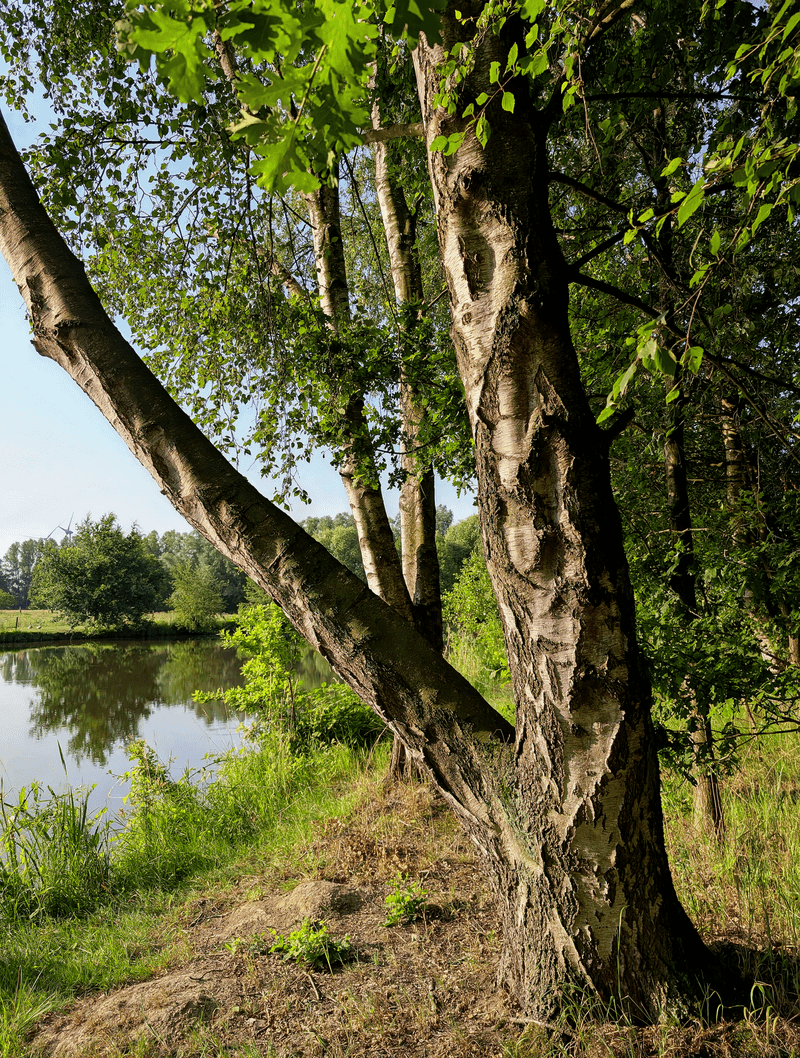
Peeling bark that curls like old cinnamon sticks makes this tree look rumpled, yet its roots mean serious business. You will find wild river birches leaning over creeks, holding banks together long after floodwater slides back downstream.
Betula nigra is native across much of the eastern United States, including nearly every corner of the Tar Heel State. It grows well in USDA zones 4 through 9, so mountain yards and coastal lots both make the list.
Wet feet rarely bother this tree, and it handles short periods of flooding better than most shade trees. Its spreading root system knits loose soil along streambanks, which is why restoration crews plant it so often.
Expect fast growth, often reaching 40 to 70 feet tall with a broad, airy crown over time. Give it plenty of elbow room, because roots and branches both reach wider than many homeowners first expect.
Heavy clay soils suit it fine, though it does prefer slightly acidic ground and steady moisture during dry spells. Leaves may yellow and drop early during drought, which is just its way of saving water for later.
Early October is a great window for planting, since roots keep growing while the air turns cool and comfortable. Set the tree near the lower slope, where water collects, and spread mulch without piling it against the trunk.
Birds love the seeds and shelter, and the peeling bark adds cozy winter interest when everything else looks gray. I think few trees give back so much beauty while quietly holding a muddy bank in place.
5. Buttonbush
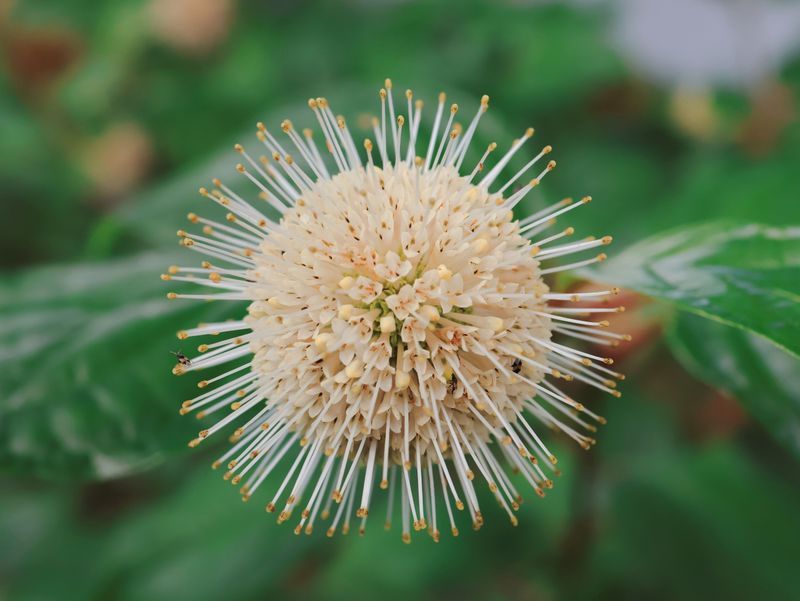
Fuzzy white flower balls that look like tiny pincushions or space satellites make this shrub instantly memorable. Butterflies and bees crowd those globes in summer, and now in fall the seed heads turn reddish brown.
Cephalanthus occidentalis is native across much of North America and grows comfortably in USDA zones 5 through 9. Wild buttonbush often stands right in the water along pond edges and slow coastal plain streams.
Few shrubs handle flooding this well, since it tolerates standing water up to about three feet deep. That makes it a smart pick for the soggiest base of a slope, where water lingers after storms.
Its dense, many-stemmed growth helps slow runoff and catch sediment before mud washes into a creek or pond. Most plants reach 6 to 12 feet tall, although some grow larger in very rich, wet sites.
Full sun to partial shade works well, and it handles heat and compacted soil better than many shrubs. Dry, sandy ground is its main weakness, so keep it in places that stay damp most of the year.
Ducks and other water birds eat the seeds, which ripen into round brown clusters during the fall months. Leaves contain compounds that can be toxic to livestock, so keep it away from grazing animals in pastures.
Buttonbush leafs out late in spring, so I’m sure some owners worry it has struggled through winter. Patience pays off, because green leaves arrive eventually, followed by those fun flower balls in early summer.
6. Virginia Sweetspire
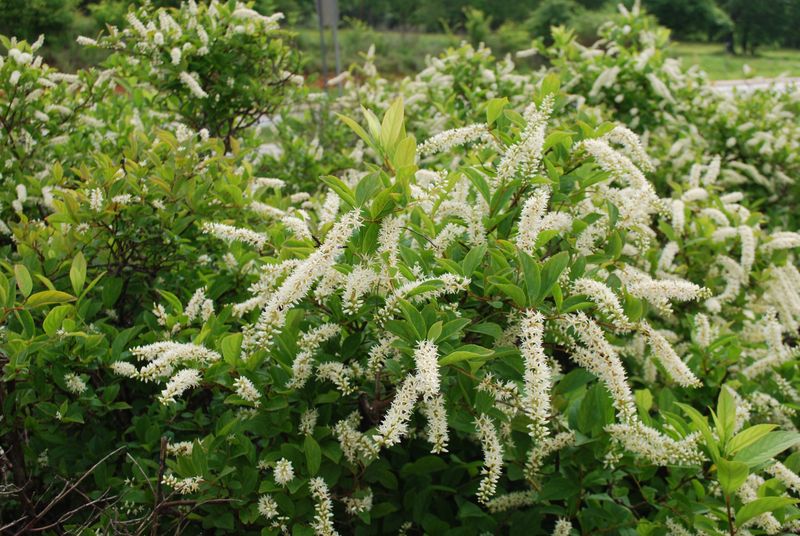
Fiery red leaves light up shady banks right about now, and they often hang on well into winter. Few native shrubs put on a fall show this bright while also holding wet soil in place so well.
Itea virginica is native to the southeastern United States and grows in USDA zones 5 through 9. In the wild it favors stream edges and damp woods, especially across the coastal plain and Piedmont.
Root suckers help it spread into wide colonies, and that spreading habit makes it a great slope stabilizer. Periodic flooding rarely bothers it, which is why designers tuck it into rain gardens and drainage swales.
Most plants grow 3 to 6 feet tall, with arching branches that spill gracefully down a hillside. Fragrant white flower spikes appear in late spring, drooping like fluffy bottlebrushes that bees and butterflies adore.
Sun or shade both work, though full sun usually brings richer red and purple fall color. It tolerates wet clay and average garden soil, which makes it one of the easiest natives to place.
Popular selections like Henry’s Garnet stay fairly compact while still spreading enough to cover troublesome ground. Space plants a few feet apart, and the colonies will knit together into a solid living mat.
October planting gives roots several months to settle before the heavier rains of late winter and spring arrive. I can’t imagine a cheerier way to fix a soggy bank than with this crimson autumn showstopper.
7. Switchgrass
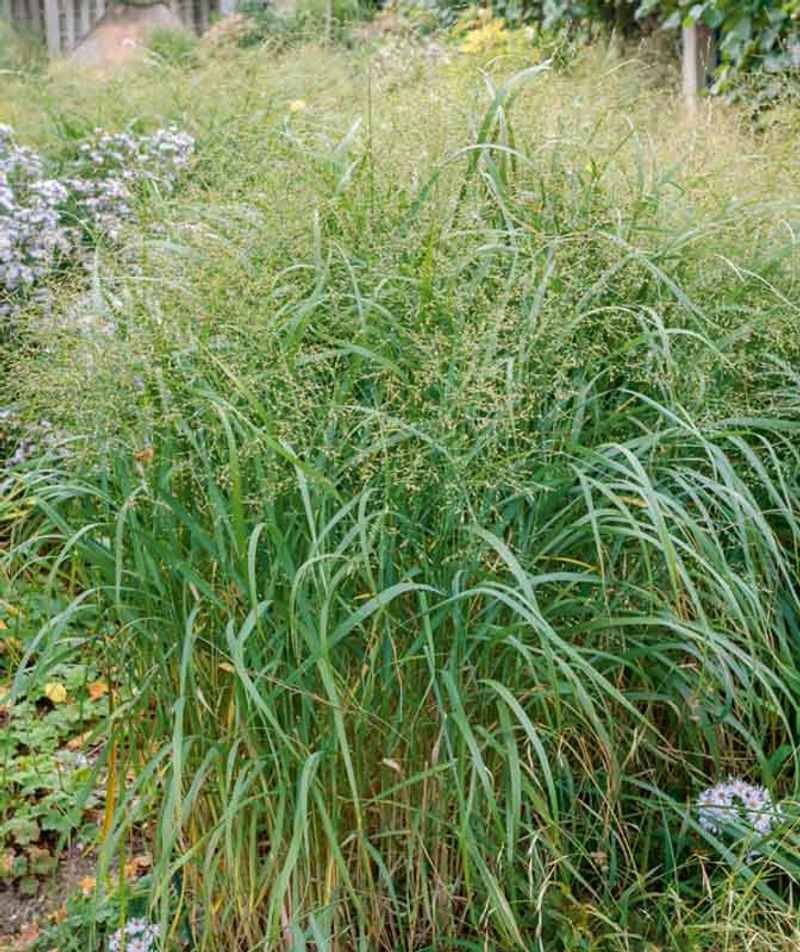
Below the airy seed heads hides a root system that can plunge ten feet or more into soil. That hidden anchor makes this native prairie grass one of the strongest soil holders you can plant.
Panicum virgatum is a warm season grass native across most of North America, including Atlantic coastal areas. It grows in USDA zones 4 through 9, and wild stands appear in coastal marshes and sunny open fields.
Thick clumps slow down rushing water and trap sediment, so less mud reaches your driveway or the creek. It tolerates occasional flooding and also handles drought once established, which suits unpredictable autumn weather here quite nicely.
Most plants reach 3 to 7 feet tall, depending on variety and growing conditions in your yard. Full sun brings the sturdiest stems, while too much shade can cause plants to flop over by autumn.
Blue-green summer leaves turn golden yellow or burgundy in fall, and seed heads glow when backlit by sunset. Cultivars such as Shenandoah and Northwind offer red tints or extra upright stems for tidy garden slopes.
Warm season grasses root best in warm soil, so container plants set out in early October should establish. Seeding is usually more reliable in late spring, so cover bare patches with straw or erosion blankets now.
Leave the dry stems standing all winter, since birds use them for cover and seeds for food. Cut them back in late winter, just before fresh green shoots poke up from the crown again.
8. River Oats
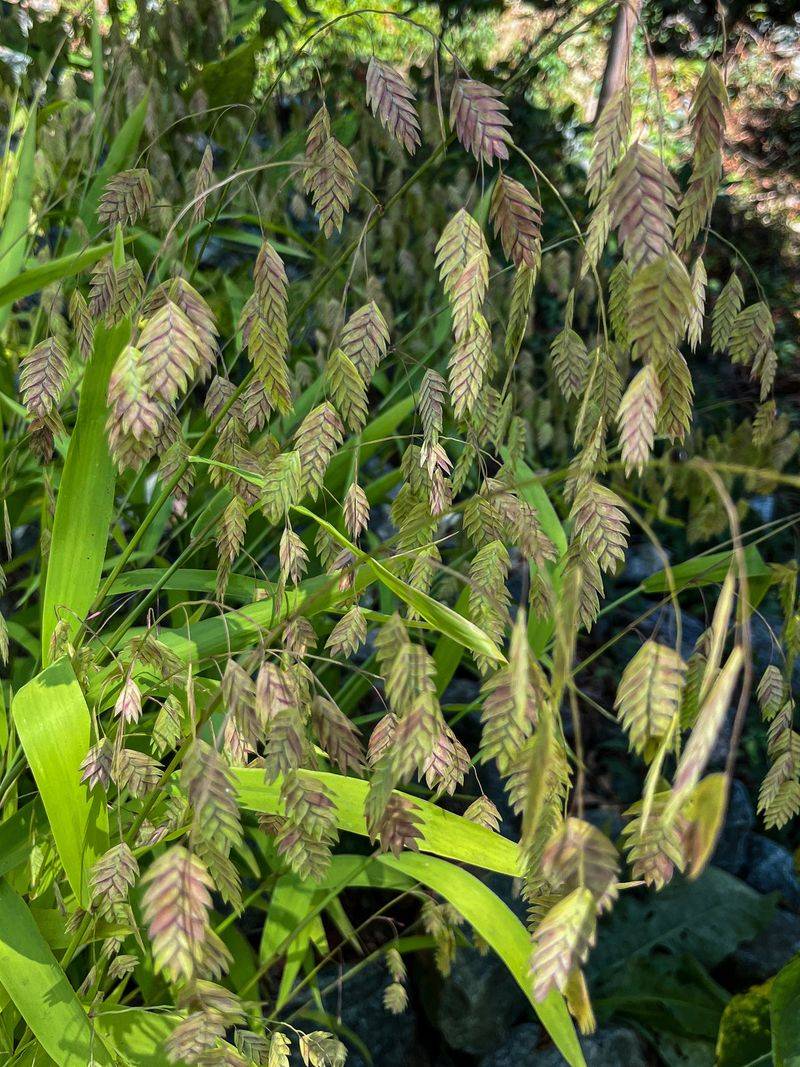
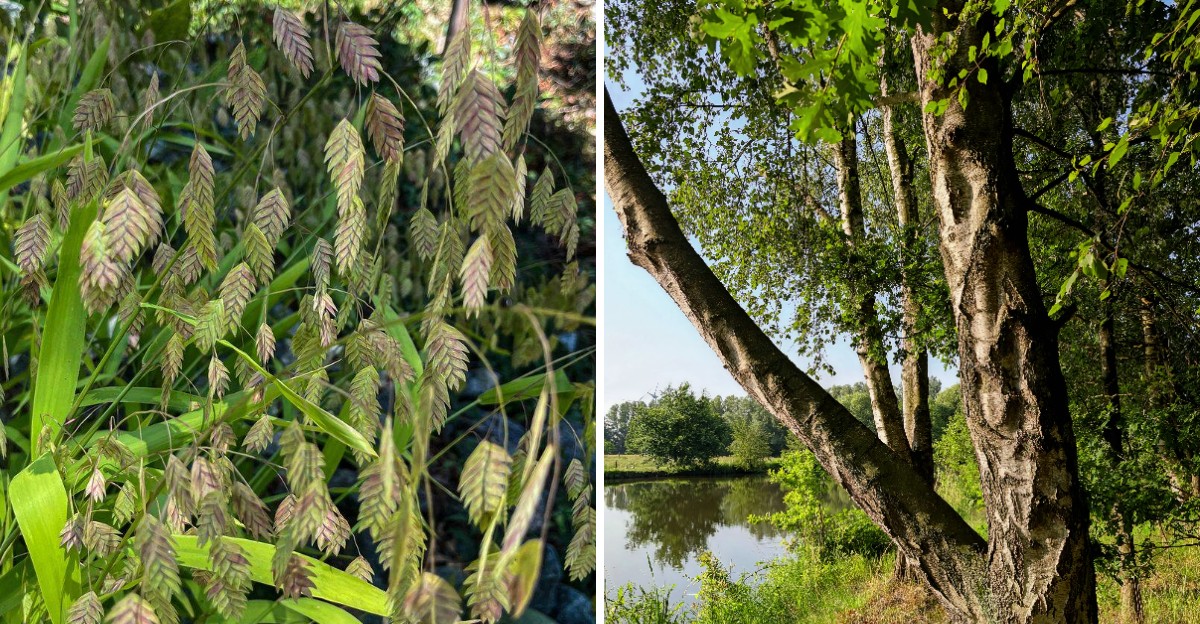
Flat seed heads dangle like tiny fish on a line, shimmering and rattling every time a breeze passes. River oats earned their nickname from wild creek banks, where they grow in thick, graceful clumps.
Botanists know this native grass as Chasmanthium latifolium, and it grows well in USDA zones 5 through 9. Wild stands appear along streams and floodplain forests, from the mountains down through the coastal plain.
Fibrous roots form a dense mat that holds loose soil, especially along shady banks where turf struggles. It tolerates occasional flooding, and established clumps handle short dry periods better than you might expect.
Expect plants around 2 to 4 feet tall, with bamboo-like leaves that arch outward from upright stems. Partial shade suits it best, although full sun works fine when the soil stays reasonably moist.
Seed heads start green in summer, then fade to tan and coppery bronze as October days grow shorter. Many gardeners cut stems for dried arrangements, since the papery spikelets keep their shape for months indoors.
One caution matters on small properties, because river oats reseed freely and can pop up in unexpected places. On an eroding slope, that eager reseeding becomes a bonus, filling bare spots without extra work from you.
Birds and small mammals snack on the seeds, and the foliage gives food to certain skipper butterfly caterpillars. I believe it ranks among the friendliest grasses for a shady hillside that floods now and then.
9. Fox Sedge
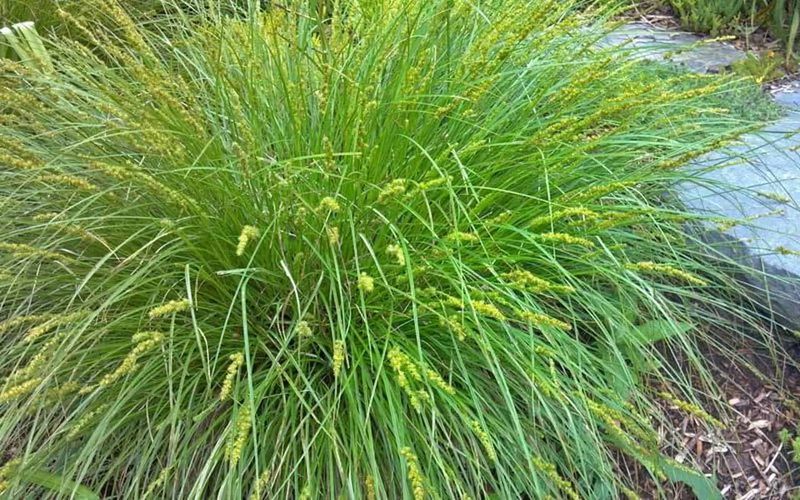
Spiky little bottlebrush seed heads give this sedge a fox-tail look, which explains its charming common name. Fox sedge may not win beauty contests, but it quietly holds wet ground better than plenty of showier plants.
Carex vulpinoidea is native across much of North America, and it grows in USDA zones 3 through 8. Wet meadows and pond edges are typical homes, where water comes and goes with each changing season.
Sedges look a lot like grasses, but their triangular stems give them away if you roll one between fingers. A handy rhyme helps beginners remember it: sedges have edges, while most grasses have round stems instead.
Dense fibrous roots grab soil firmly, which is why fox sedge shows up in many wetland and streambank seed mixes. It tolerates seasonal flooding and saturated soil, making it a solid pick for low spots that stay soggy.
Clumps usually grow 1 to 3 feet tall, with narrow green leaves and arching stems topped by seed spikes. Full sun to partial shade works well, and it reseeds readily to fill gaps between other plants.
Fall is a fine time to plant plugs, giving roots time to settle before winter rains soak the slope. Space them closely, about a foot apart, so they knit together quickly and shield bare soil from splashing.
Ducks and songbirds eat the seeds, and the clumps offer cover for frogs and insects near the water. I’m sure many of us overlook sedges, yet they deserve a spot on every flood-prone property list.
10. Wild Hydrangea
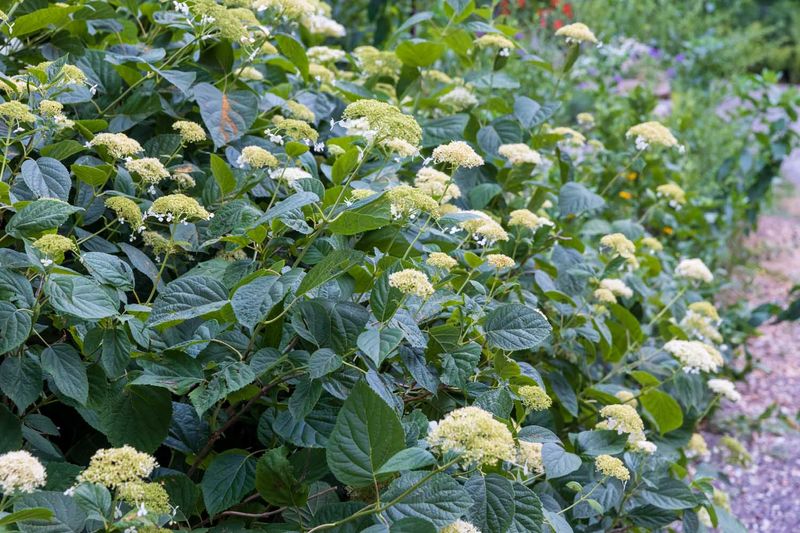
Long before fancy mophead hybrids filled garden centers, this native hydrangea was blooming quietly on shady mountain slopes. Its wild cousins still cling to rocky stream banks and steep road cuts across the western part of the state.
Hydrangea arborescens is native to the eastern United States and grows well in USDA zones 3 through 9. Famous cultivars like Annabelle and Incrediball come from this same species, so you may already know its relatives.
Spreading roots and suckering stems help it form loose colonies, which hold soil on shaded banks surprisingly well. Planting several together creates a stronger mat of roots than one lonely shrub sitting in the middle.
Most plants grow 3 to 6 feet tall and wide, with rounded clusters of white flowers in early summer. Pollinators visit the wild types eagerly, since they carry more fertile flowers than the big showy cultivars.
Partial shade and moist, well-drained soil keep it happiest, especially where afternoon sun turns hot and harsh. It handles brief wet spells fine, though it prefers slopes that drain rather than spots with standing water.
Flowers form on new growth, so you can cut stems back hard in late winter without losing blooms. Dry flower heads hang on through fall now, turning papery tan and adding texture against golden October leaves.
Deer do nibble hydrangeas at times, so a little fencing helps young plants while their roots grab hold. I think it makes a lovely final pick, mixing old-fashioned charm with serious muscle on a shady hillside.