The Houseplants Ohio Gardeners Can Multiply For Free This Winter
Every plant on your Ohio windowsill is quietly begging for a twin, and winter is the perfect time to grant the wish.
Gardeners who know the trick turn one pot into ten without spending a dime. Short days and quiet schedules leave plenty of time to snip, root, and wait.
By spring, the shelves are crowded, and the gift list for friends and family is already handled.
Not every plant cooperates, though. Some root in a glass of water within days.
Others sulk for weeks, and a few refuse to play at all. Pick the wrong one and you waste a month watching a cutting do nothing.
A short list of easy winners can get you started, and a couple of them might already be sitting in your living room.
Grab a clean pair of scissors and a jar. The first cutting takes less than a minute.
1. Pothos Roots Easily In A Glass Of Water
Ask any plant lover about their first cutting, and odds are good it was a pothos. Few houseplants forgive beginner mistakes quite so cheerfully.
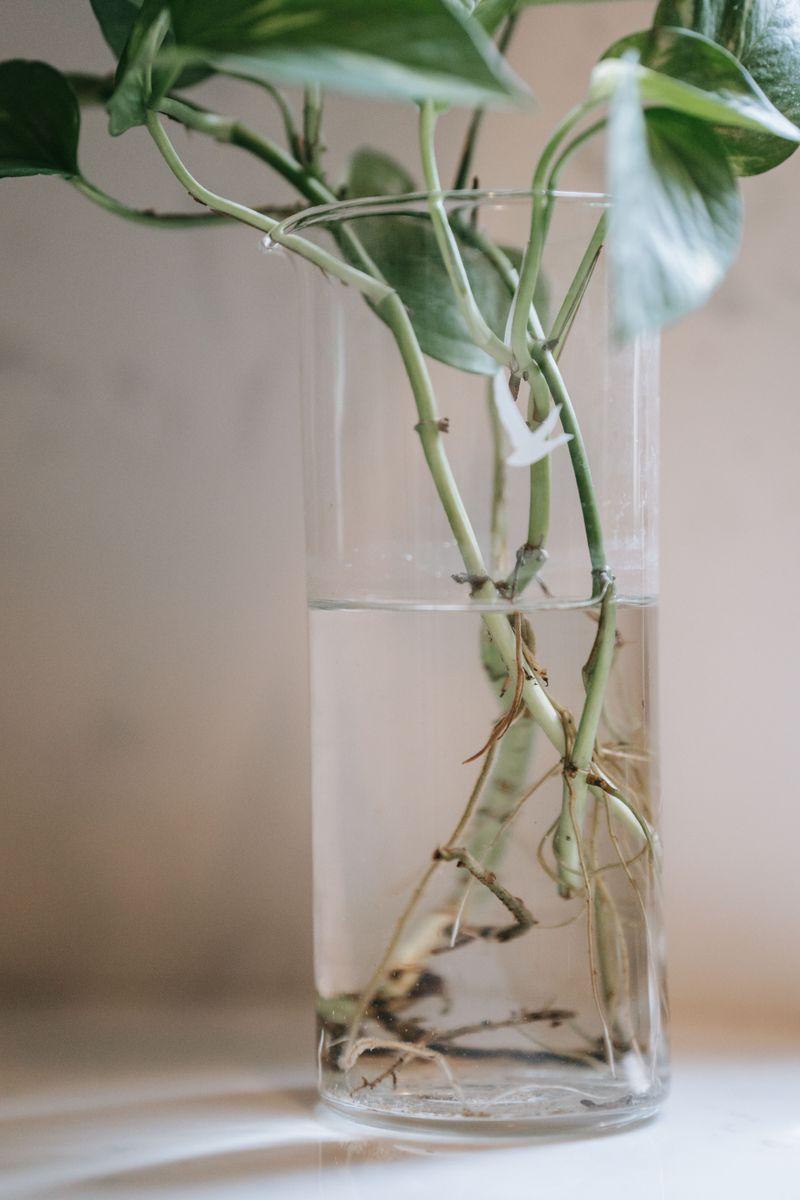
Start by snipping a stem piece about 4 to 6 inches long. Make sure it has at least one leaf and a node, which is the little bump where roots will pop out.
Pull off any leaves that would sit underwater. Soggy leaves tend to rot and make the water cloudy and smelly.
Next, drop the cutting into a glass of clean, room-temperature water. Keep the node below the surface and the leaves up in the air.
Set the glass somewhere warm with bright, indirect light. In Ohio winters, an east or south window works well, as long as the glass stays away from icy drafts.
Swap in fresh water every few days or once a week. Fresh water adds oxygen and keeps germs from building up.
Roots usually show up in about 2 to 6 weeks. Watching them grow is a fun little science show on gloomy afternoons.
Once the roots reach about an inch long, your cutting is ready for soil. Plant a few together in one pot for a fuller look, and you have a free gift for a friend.
2. Heartleaf Philodendron Is Just As Simple
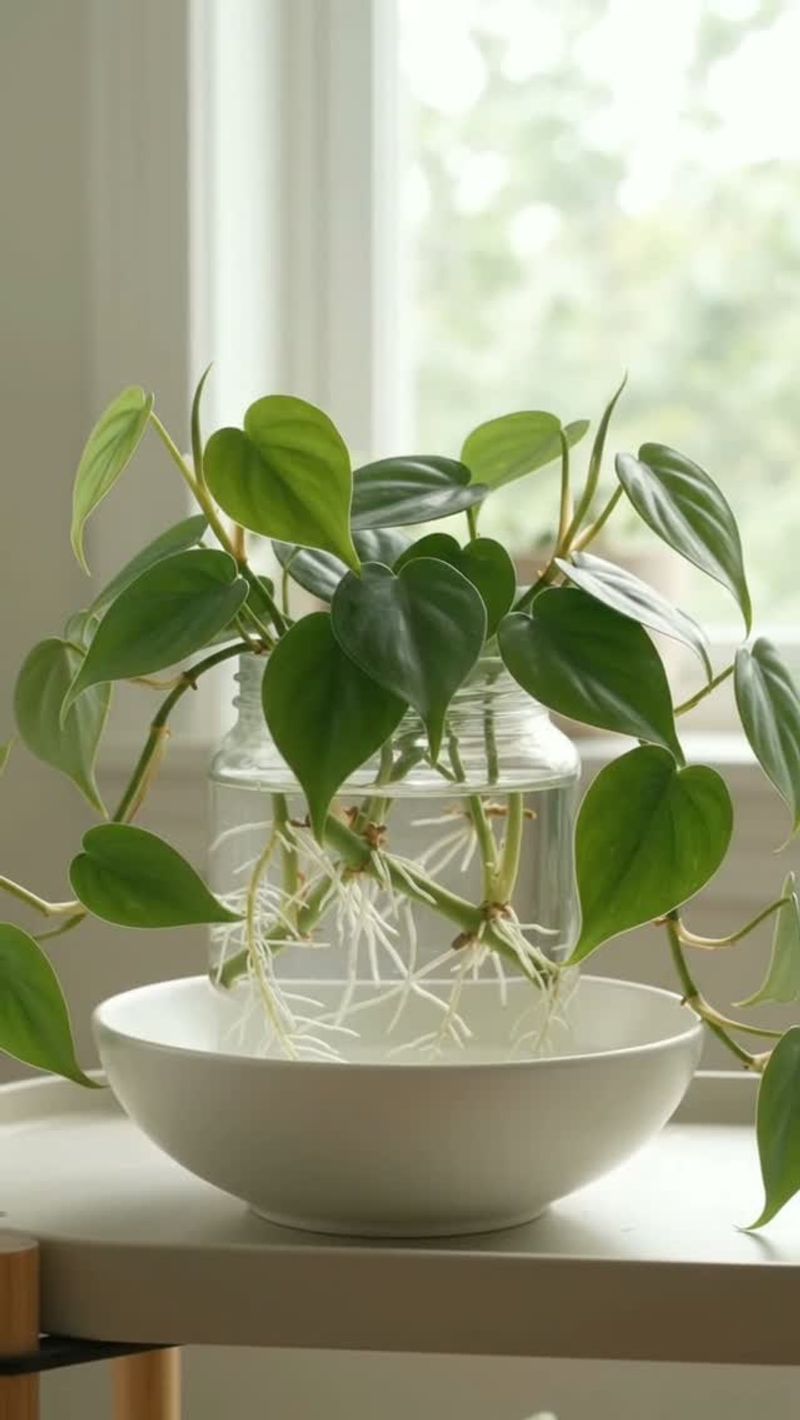
Heart-shaped leaves and an easygoing attitude make this vine a true sweetheart. Philodendron hederaceum might be the simplest philodendron to share.
Here is the plan. Cut a stem 4 to 6 inches long with at least one node and a few leaves attached.
Strip off the lower leaves so nothing green sits in the water. That one small step helps stop rot before it starts.
A clear glass jar is the best home for your cutting. You can see the roots grow, which is half the fun.
Fill the jar with room-temperature water that has no chlorine, or let tap water sit out overnight first. Keep the nodes underwater and the leaves dry.
Bright, indirect light is the sweet spot. Direct sun through a window can scorch those tender leaves, even in winter.
Your Ohio Garden Changes Every Week. Your Plan Should Too.
Gardening in Ohio changes quickly throughout the season. Every Friday you’ll receive a simple weekly plan showing exactly what to plant, prune, fertilize, harvest, and protect so you never miss the right timing.
Change the water every few days, or anytime it looks cloudy. Clean water means healthy, white roots.
Most cuttings start rooting in 1 to 4 weeks. Once the roots stretch to an inch or more, tuck them into a pot of soil.
Fun fact: this plant often gets mixed up with pothos. The philodendron has thinner, softer leaves shaped more like a valentine.
3. Spider Plants Hand You Ready-Made Babies
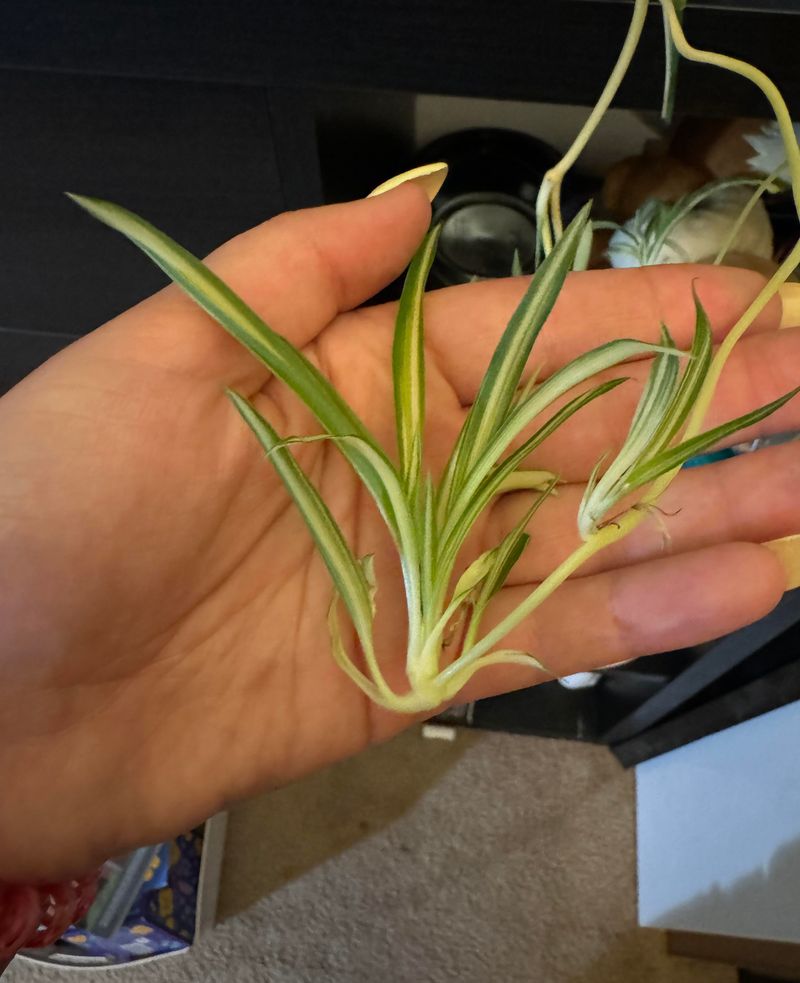
Some plants make you work for new growth. Spider plants basically mail you the babies, dangling them from long stems like party streamers.
Those little clumps are called plantlets. They are ready to leave home once they are about 2 to 3 inches wide and show tiny root nubs underneath.
Snip the baby off close to its base. Now you get to pick between water or soil.
For water, set the plantlet in a small jar. Cover just the root nubs, or the bottom quarter inch if no roots show yet.
Place the jar in bright, indirect light and refresh the water weekly. Roots often appear within 1 to 2 weeks, which feels lightning fast.
When the roots reach 2 to 3 inches, move the plant into potting mix. It will settle in happily.
Prefer to skip the jar? Plant the baby about a half inch deep in well-draining soil, covering those nubs.
Keep the soil moist but not soggy for the first 2 to 3 weeks. Bright, indirect light helps it grow strong.
Spider plants are a classic for a reason. One healthy mother can supply a whole classroom, office, or family reunion with free plants.
4. A Single Jade Leaf Can Start A New Plant
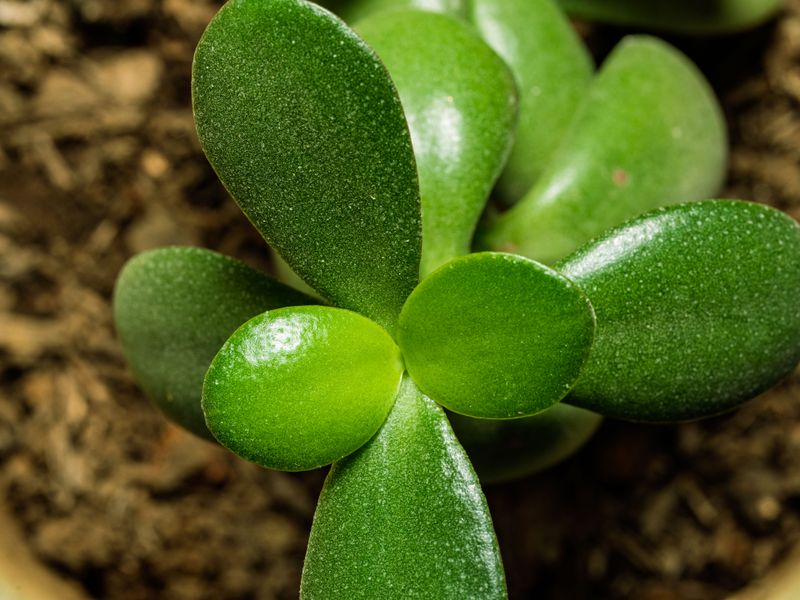
Jade plants are said to bring good luck. If that is true, one tiny leaf could start a whole lucky family on your windowsill.
Choose a plump, mature leaf with no scratches or soft spots. Gently twist it off the stem.
Look closely at the end that was attached. That little pointed tip needs to stay whole, because it is where new roots will form.
Now comes the waiting game. Let the leaves sit out and dry for 2 to 3 days, or up to a week.
During that time, the cut end forms a dry layer called a callus. It acts like a bandage that blocks rot.
Lay the callused leaves on top of moist, well-draining soil, or press them in lightly. A cactus mix works nicely.
Keep the soil slightly damp but not wet. Place the tray somewhere bright and warm, around 68 degrees Fahrenheit.
Ohio homes can run chilly in January, so a spot near a heat vent, but not right on it, can help. Roots usually appear after several weeks.
Patience matters here. Leaf cuttings grow slower than stem cuttings, but seeing a baby jade sprout from a single leaf feels like real magic.
5. African Violets Grow From Just One Leaf
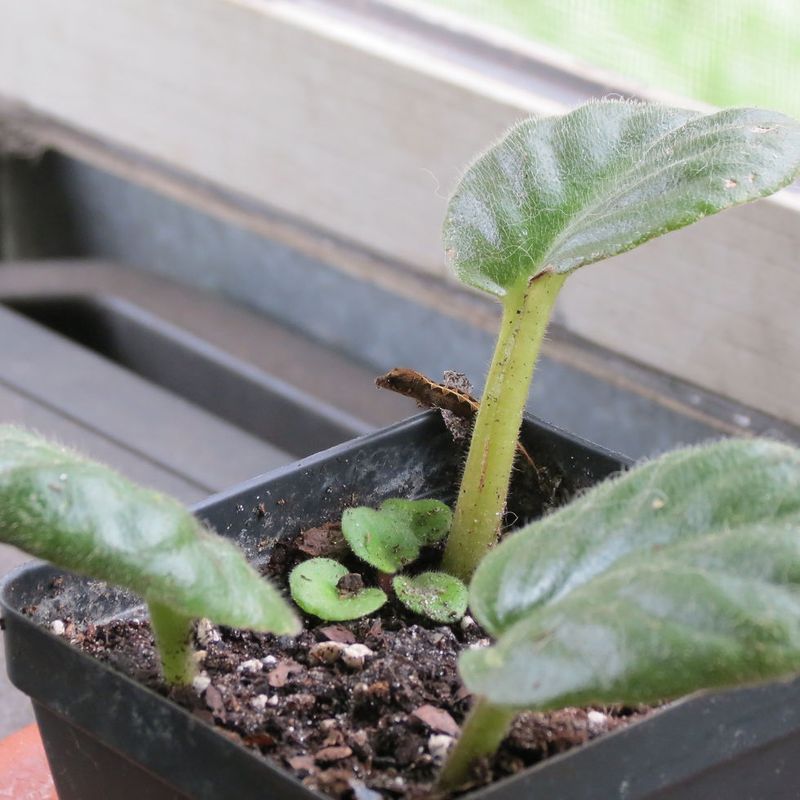
Grandma’s windowsill violets might have started from one borrowed leaf. Swapping cuttings has been a friendly tradition for generations.
Pick a firm, healthy leaf from the middle rows of the plant. Very young leaves and old outer leaves tend to struggle.
Trim the leaf stem, called the petiole, to about 1 to 1 and a half inches. Many growers cut it at a slant.
Let the cut end dry for about 10 minutes. Meanwhile, fill a small pot with moist African violet mix, or a blend of vermiculite and coarse sand.
Push the stem into the mix at an angle, burying about an inch. Keep the leaf itself above the soil.
Light is key, especially during short Ohio days. An east window or grow lights offering 10 to 12 hours a day work best.
Cover the pot loosely with a clear plastic bag. It traps moisture like a tiny greenhouse and keeps the leaf from wilting.
Roots usually form in three to four weeks. Tiny new leaves often pop up around six to eight weeks.
Each leaf can sprout several baby plants. Separate them once they grow a bit, and you may have violets for every room.
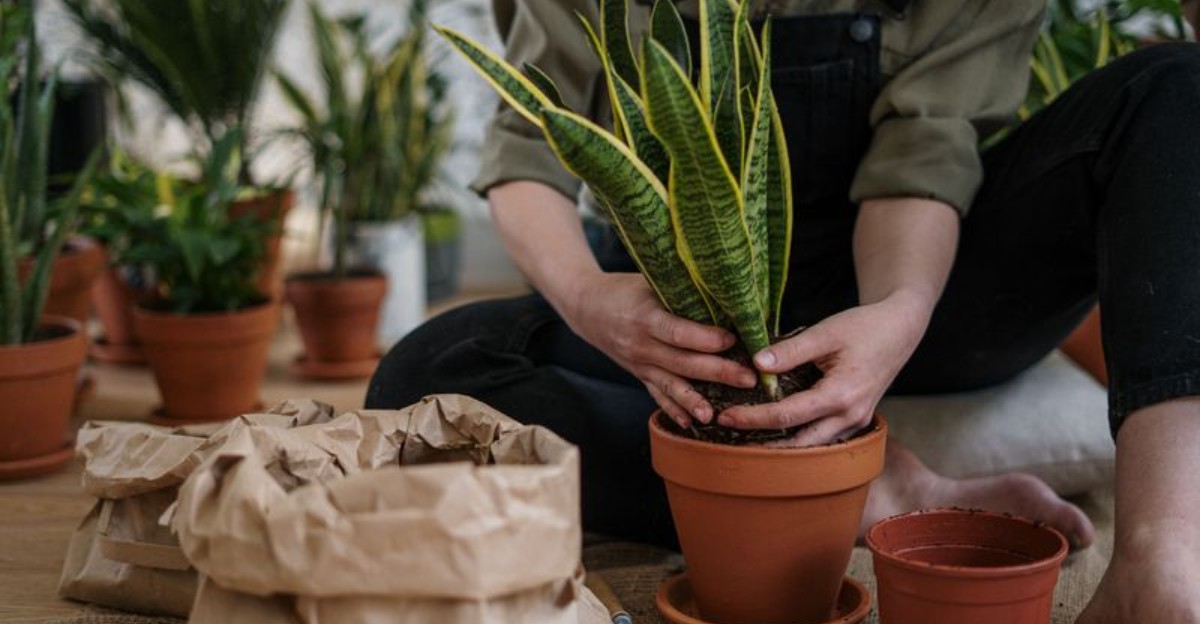
6. Snake Plant Leaves Can Be Cut Into New Plants
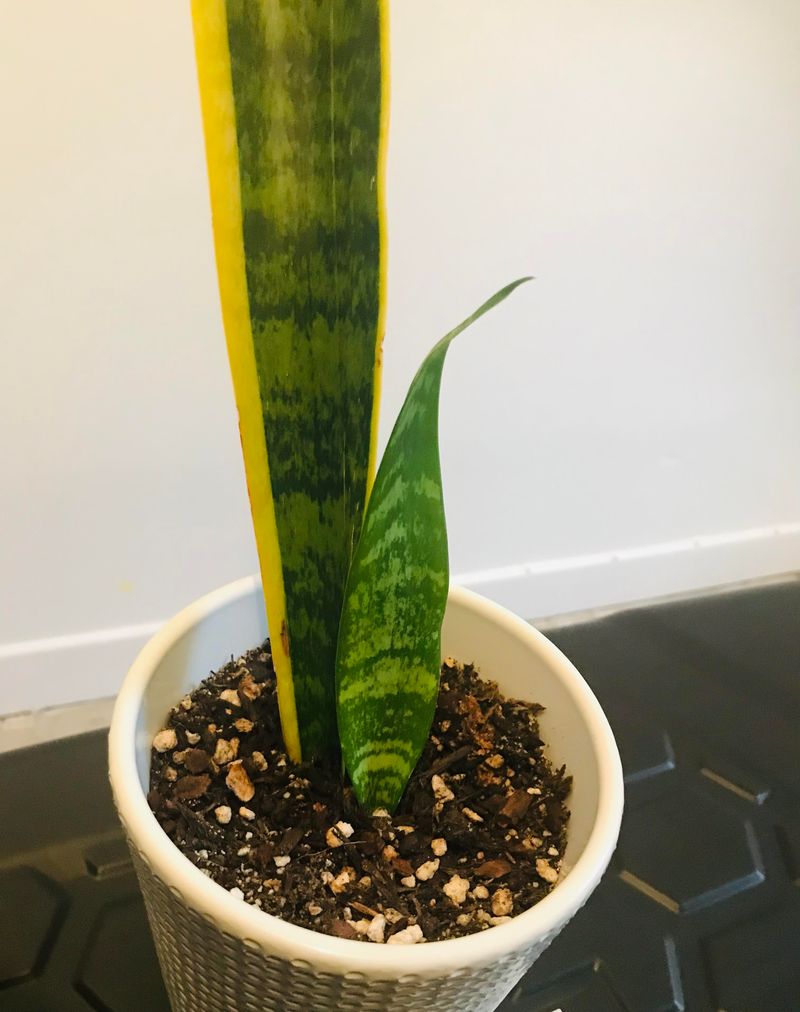
Here is a trick that sounds wild. You can slice one snake plant leaf into chunks, and each chunk can grow into a brand new plant.
Start with a healthy leaf. Cut it into sections about 3 to 4 inches long.
Give the bottom of each piece a V-shaped cut. That shape adds more surface for roots and reminds you which end goes down.
Orientation really matters with this plant. A section planted upside down will just sit there and sulk.
Let the pieces air dry for a couple of days to form a callus. Then stand them upright in a jar of water with the pointed end submerged.
Change the water every couple of weeks. Keep the jar in bright, indirect light.
Roots appear after several weeks, and baby shoots called pups follow later. The whole process often takes 2 to 3 months, which fits nicely into a long Ohio winter.
Once roots and pups form, move the cutting into well-draining potting mix. Water-grown roots may need a short adjustment period in soil.
Heads up: water-rooted cuttings can rot more easily. If one turns mushy, trim off the soft part, let it dry, and try again.
7. Aloe Pups Can Be Potted Up On Their Own
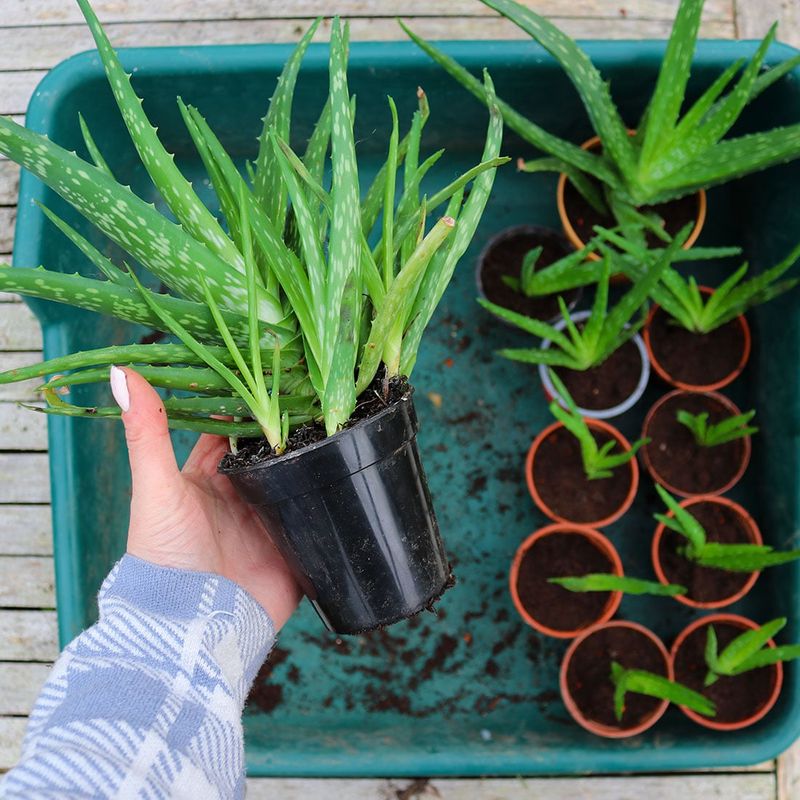
Peek around the base of a happy aloe, and you might spot a crowd of tiny look-alikes. Those little offshoots are called pups, and they are free plants waiting for their own pots.
Pups are the quickest and most reliable way to grow more aloe. Timing is the secret.
Wait until a pup is about one-third the size of its parent. Smaller pups may struggle on their own.
Use a clean, sharp knife or your fingers to separate it. Try to keep some roots attached and avoid tearing the tissue.
Next, set the pup in a shady spot to dry for one to three days. A callus will form over the cut and help prevent rot.
Plant it in well-draining soil, like cactus mix or potting soil blended with sand. Cover the roots, but keep the lowest leaves above the soil line.
Buried leaves tend to rot. A little care at planting time saves trouble later.
Place the pot in bright, indirect light. Water lightly the first week, then let the soil dry out between drinks.
Bonus: aloe gel is handy for minor kitchen burns. A few extra pots make thoughtful gifts too.
8. Peperomia Roots From Simple Stem Cuttings
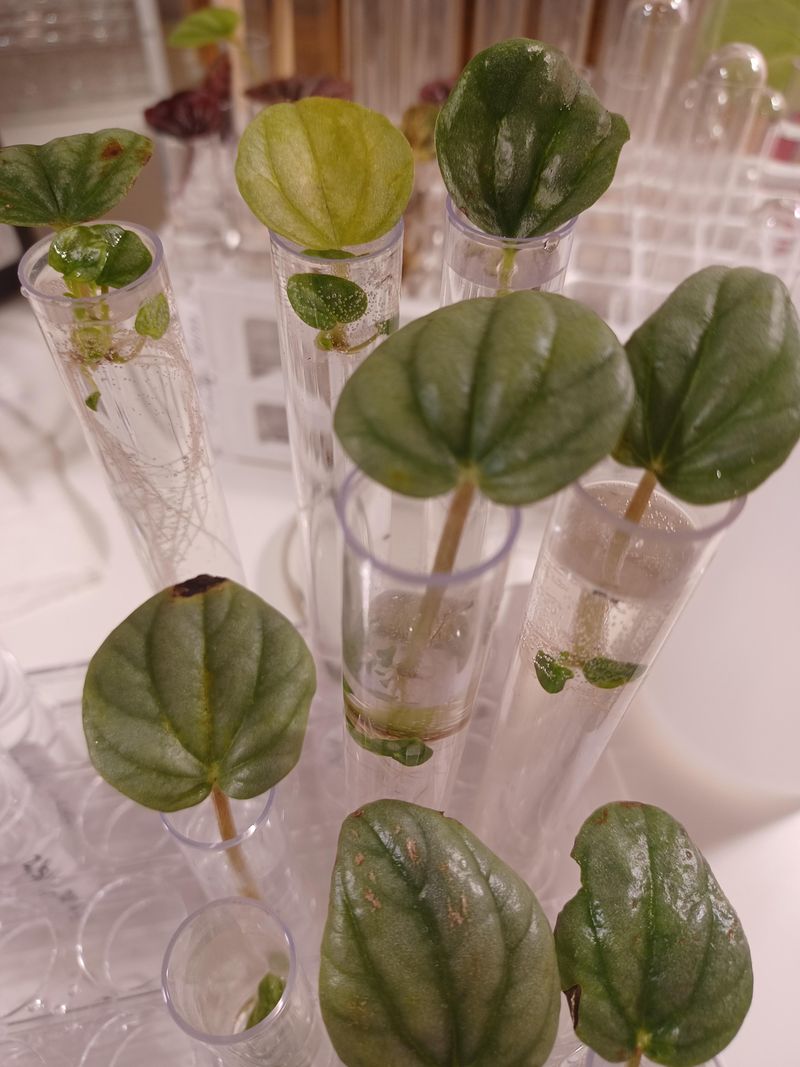
Chunky leaves, compact size, and dozens of fun patterns make peperomia a collector’s dream. Better yet, multiplying them costs nothing.
Take a healthy stem with a few leaves. Cut just below a leaf node, though some growers say peperomia can root even without one.
Remove leaves from the lower part of the stem. Anything sitting underwater may rot.
Fill a clean jar with filtered or room-temperature water. Set the cutting in so the cut end is wet and the leaves stay dry.
Find a bright spot with indirect sun. A kitchen window above the sink often works well in winter because the air there is a bit more humid.
Change the water every few days or at least once a week. Roots usually form within a few weeks.
When they reach about 1 to 2 inches, plant the cutting in soil. Start with a small pot so the roots do not sit in extra wet soil.
Want to skip water? Dip the cut end in rooting hormone if you have it, then plant it straight into well-draining mix.
Cover the pot loosely with plastic wrap to hold in moisture. It works like a mini rain forest on your counter.
9. Holiday Cactus Grows From Stem Pieces
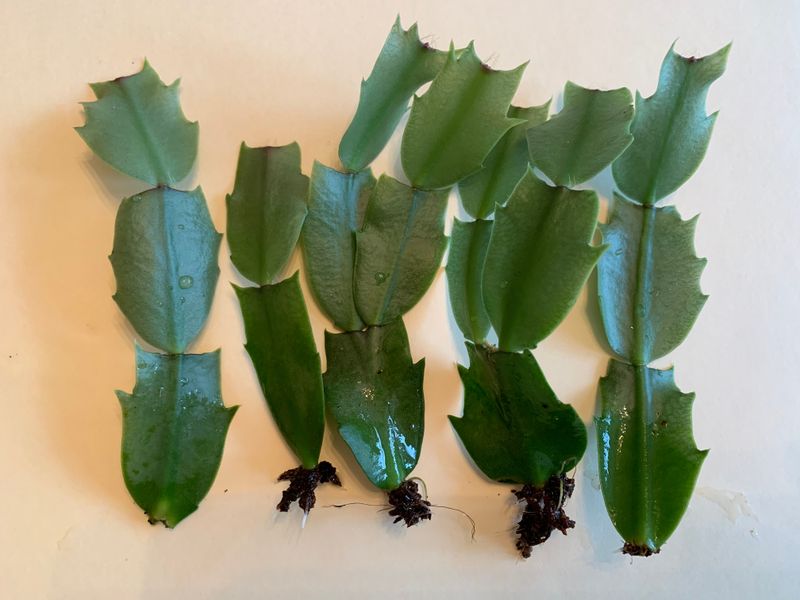
Many Ohio families have a holiday cactus that has bloomed every December for decades. Sharing a piece of that heirloom is easier than you might think.
Christmas, Thanksgiving, and Easter cacti all grow well from stem cuttings. Pick a healthy piece with two or three flat segments, about 3 inches long.
Twist or cut it off just below a joint. Then let the end dry for 1 to 3 days to form a callus.
For water rooting, set the cutting in a glass with only the bottom one or two segments underwater. A few pebbles help it stand upright and give roots something to grip.
Change the water weekly. Roots may appear in 1 to 2 weeks, and the cutting can move to soil once they are 1 to 3 inches long.
Beginners often love this method. Watching roots grow takes the guesswork out of it.
Soil works too. Push the callused end about a quarter to a half inch into moist cactus or succulent mix.
Press the soil gently around it and keep it lightly moist, not soggy. Place it somewhere warm with bright, indirect light.
Soil rooting can take 2 to 3 months. By next winter, your new plant may be ready to bloom.