The Ohio Wildflowers You’re Not Allowed To Dig Up From The Wild
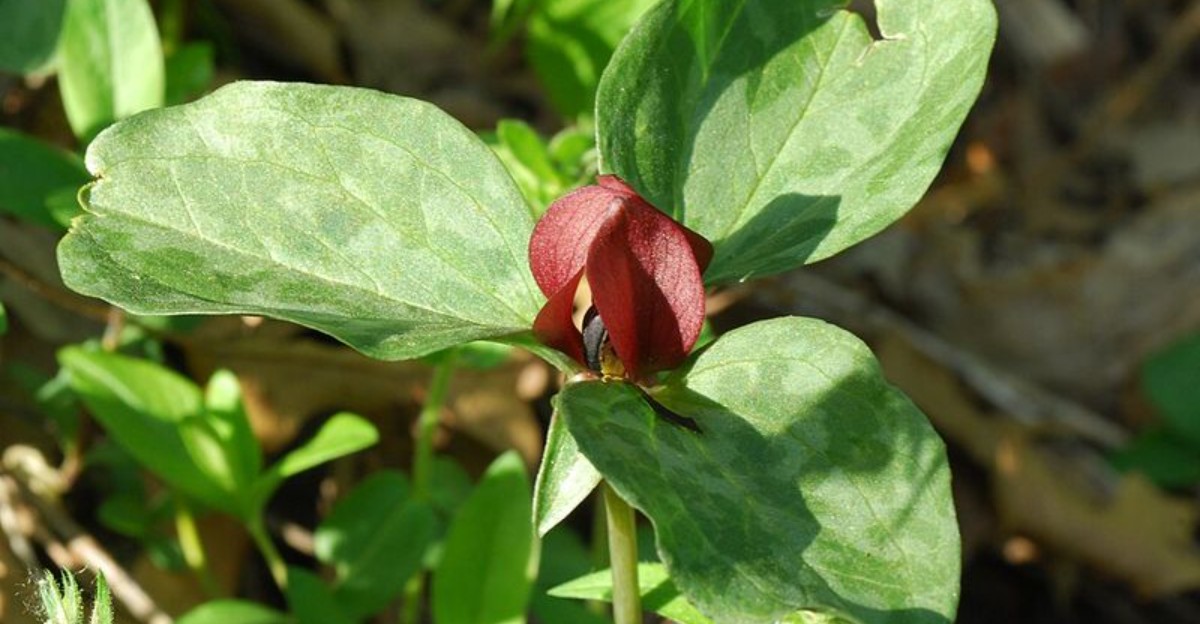
That trillium blooming at the edge of the woods looks like a free upgrade for your garden. Put the trowel down.
Ohio protects a handful of native wildflowers, and the rules apply even when the plant sits on a roadside or an empty lot. Some have been picked and dug up for so long that their numbers have dropped.
Others carry restrictions that surprise even seasoned gardeners.
A few of the protected names will sound familiar. Others you’d never guess.
Nobody posts a sign, and ignorance won’t help if a ranger spots your shovel.
You don’t have to give up the look. Plenty of legal ways exist to bring those flowers home, and some give you better plants anyway.
Learn the list before your next walk. A quick read can keep you and the woods out of trouble.
1. Small White Lady’s-Slipper
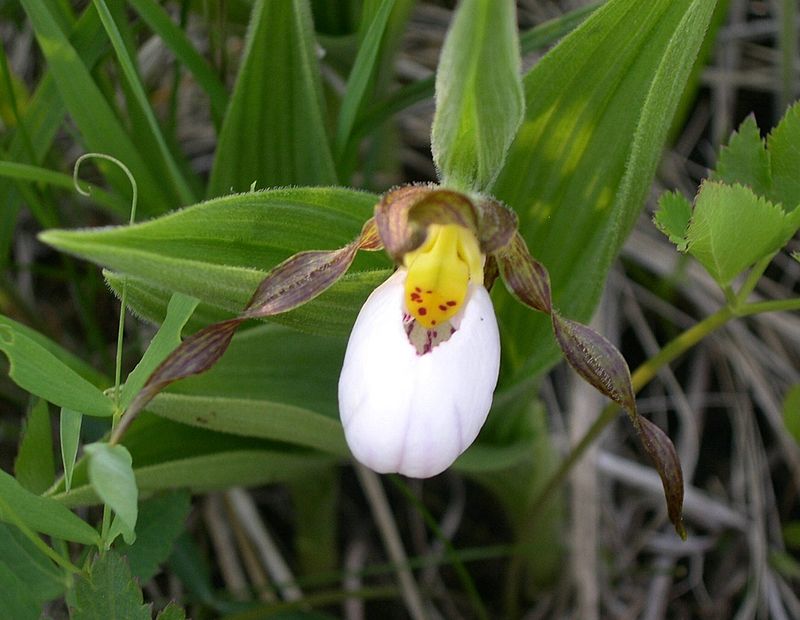
Blink and you might walk right past this pint-sized beauty. Standing only about 6 to 10 inches tall, it ranks among the smallest lady’s-slippers in North America.
Its bloom looks like a tiny white shoe with curly, brownish ribbons on each side. Ohio lists it as threatened, so digging it up from the wild is against the rules.
The plant is fussy about where it lives. It wants full sun, wet ground, and soil rich in lime, like the kind found in fens and wet prairies.
Sadly, those soggy, sunny places are hard to find in the state today. Many have been drained for farms, or shrubs and trees have crept in and shaded them out.
Here is the tricky part for gardeners. Wild orchids depend on special fungi in the soil to grow, so a dug-up plant usually fades away in a backyard bed.
Collectors have still taken plenty over the years, and the losses add up fast. When only a few small groups remain, even one stolen plant matters.
If you want to see one, visit a nature preserve in late spring. Stay on the trail, bring a zoom lens, and let the little white slipper keep its spot in the sun.
2. Showy Lady’s-Slipper, Ohio’s Largest Native Orchid
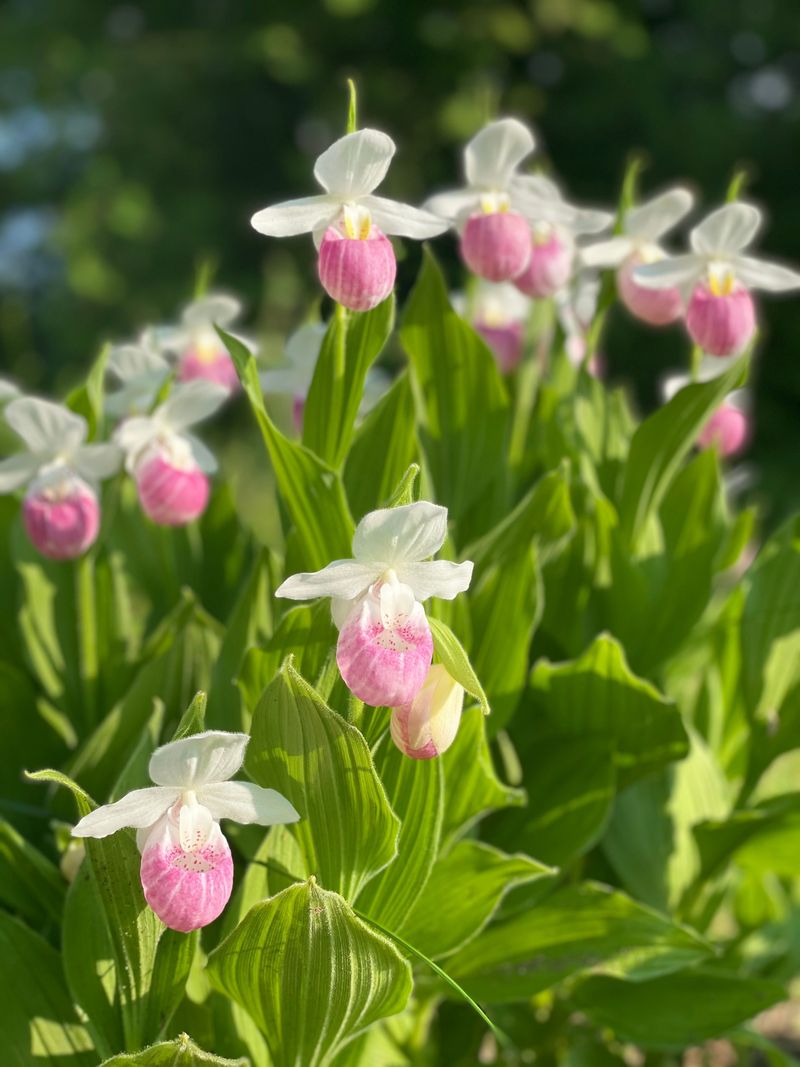
Talk about a showstopper. With white petals and a puffy pink pouch, the Showy Lady’s-Slipper is North America’s largest native orchid, both in height and flower size.
Once you see it in bloom, you will not mix it up with anything else. It looks like something from a fancy greenhouse, yet it grows wild in the state.
Long ago, it could be found across much of central and northern Ohio. Now only a few groups remain, and the state lists it as threatened.
Look for it in wet, open spots like fen borders, wet prairies, and seepy hillsides. It likes soil that is neutral or a bit alkaline, with sun or light shade.
Gardeners and nursery sellers once dug these up by the bucketful. Casual picking and drained wetlands only made the problem worse.
Here is a fun warning, too. Touching the fuzzy leaves can give some people an itchy rash, a bit like poison ivy.
Your Ohio Garden Changes Every Week. Your Plan Should Too.
Gardening in Ohio changes quickly throughout the season. Every Friday you’ll receive a simple weekly plan showing exactly what to plant, prune, fertilize, harvest, and protect so you never miss the right timing.
The good news is that this orchid handles change better than its cousins. With careful habitat care, experts think it has a real chance to bounce back, as long as people keep their hands and shovels to themselves.
3. Small Yellow Lady’s-Slipper
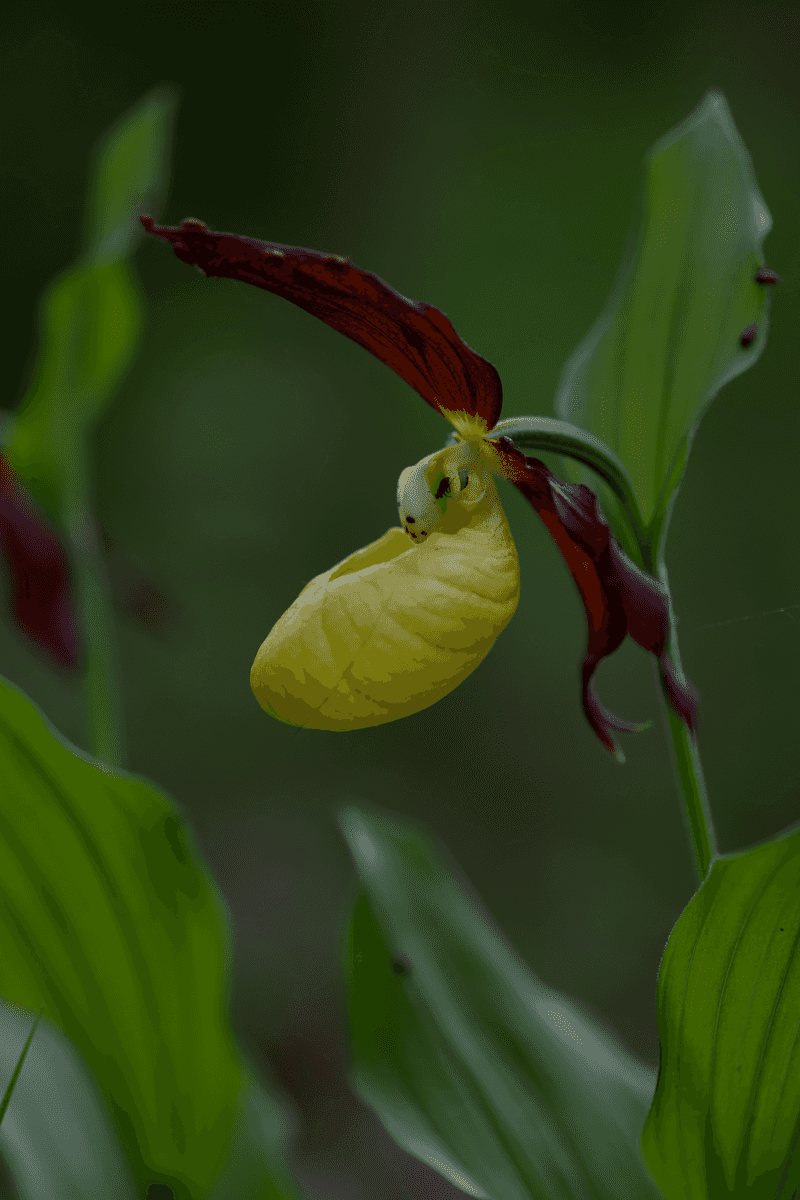
Ever found a gumdrop growing in a swamp? That is a little what the Small Yellow Lady’s-Slipper looks like, with its shiny yellow pouch and dark, twisty petals.
Ohio lists this orchid as endangered, which is the most serious level. It blooms from late May to early June, so timing your hike matters.
Many folks confuse it with the Large Yellow Lady’s-Slipper, a more common cousin. The small one has a tinier pouch and darker, richer-colored side petals.
It loves wet places with neutral or slightly alkaline soil. Fens, swamp forests, and wet prairies are its favorite hangouts.
Unlike some relatives, it can handle more shade and soggier ground. However, it does not cope well with being bothered at all.
Trampling feet pack down the soil and harm its roots. Picked flowers mean no seeds, and dug-up plants rarely survive in a garden.
Collectors have targeted some groups on purpose, which is a big reason experts worry. If you spot one, enjoy the moment, snap a photo, and keep the location to yourself so it stays safe.
4. Prairie Trillium
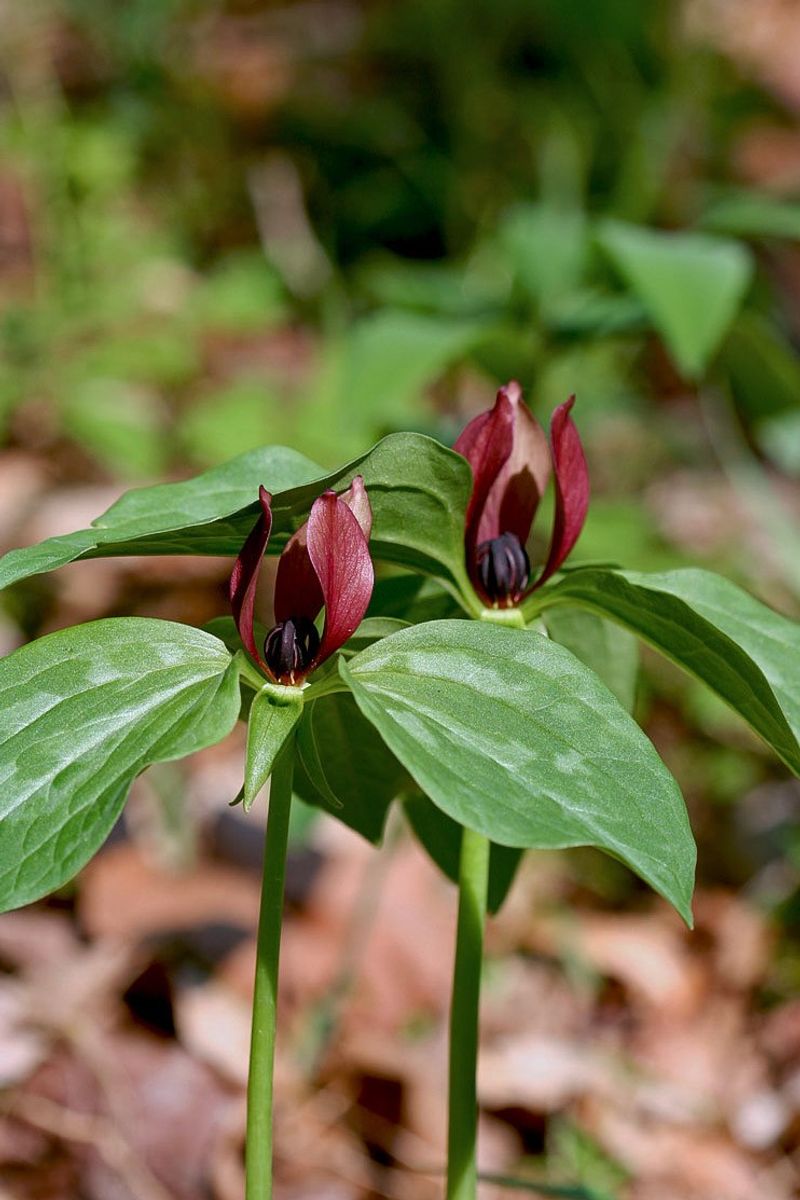
Here is a plant with a name that fibs a little. Prairie Trillium, also called Prairie Wake-robin, usually grows in open woods instead of prairies.
It has three spotted leaves and three deep red petals that stand straight up. The leaf-like parts under the bloom bend backward, which helps you tell it apart.
The state has eight native trillium species, and this one is among the rarest. It shows up in only a few counties and is listed as potentially threatened.
What makes it a mystery is its neighbor next door. In Indiana, it is quite common, yet in Ohio it stays oddly scarce.
It likes woods with dry to moist soil that is rich in lime. Early spring is the best time to look, before the trees fully leaf out.
Digging, picking, invasive weeds, and lost forests all cause trouble. Picking a trillium flower can also weaken the plant for years, since those leaves feed its roots.
Want one for your yard? This trillium grows well from seed, so buy plants from a nursery that raises them.
That way your garden gets a new star, and the wild ones stay put.
5. Showy Goldenrod
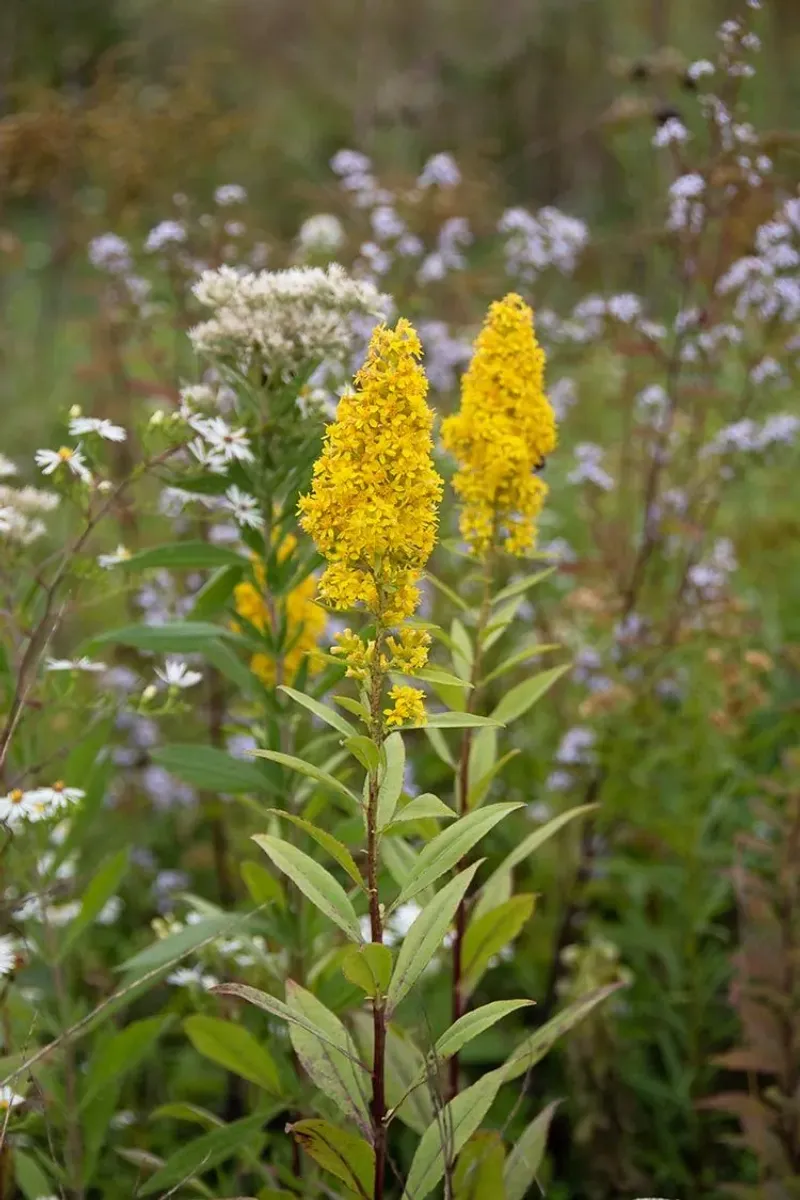
Not every goldenrod is just a roadside weed. Showy Goldenrod stands tall with reddish stems and thick, cone-shaped clusters of bright yellow flowers in late summer.
Bees and butterflies go wild for it. On a sunny September day, a single patch can buzz like a tiny airport.
Many people lump all goldenrods together, and that is a mistake. Some kinds are common, but Showy Goldenrod shows up much less often in Ohio’s open prairies and dry fields.
The exact status of plants can shift, since the state updates its rare plant list every two years. Checking the latest list from the Department of Natural Resources is a smart habit before touching anything wild.
Here is another fun fact. Goldenrod gets blamed for sneezing season, yet its pollen is heavy and sticky, so ragweed is the real troublemaker.
If you love this plant, the best move is easy. Many native plant nurseries sell Showy Goldenrod grown from seed, and it does well in sunny yards.
Planting your own helps pollinators without harming wild groups. Leave the ones in parks and preserves alone, and your garden can still glow gold each fall.
6. Small Purple Fringed And Yellow Fringed Orchids
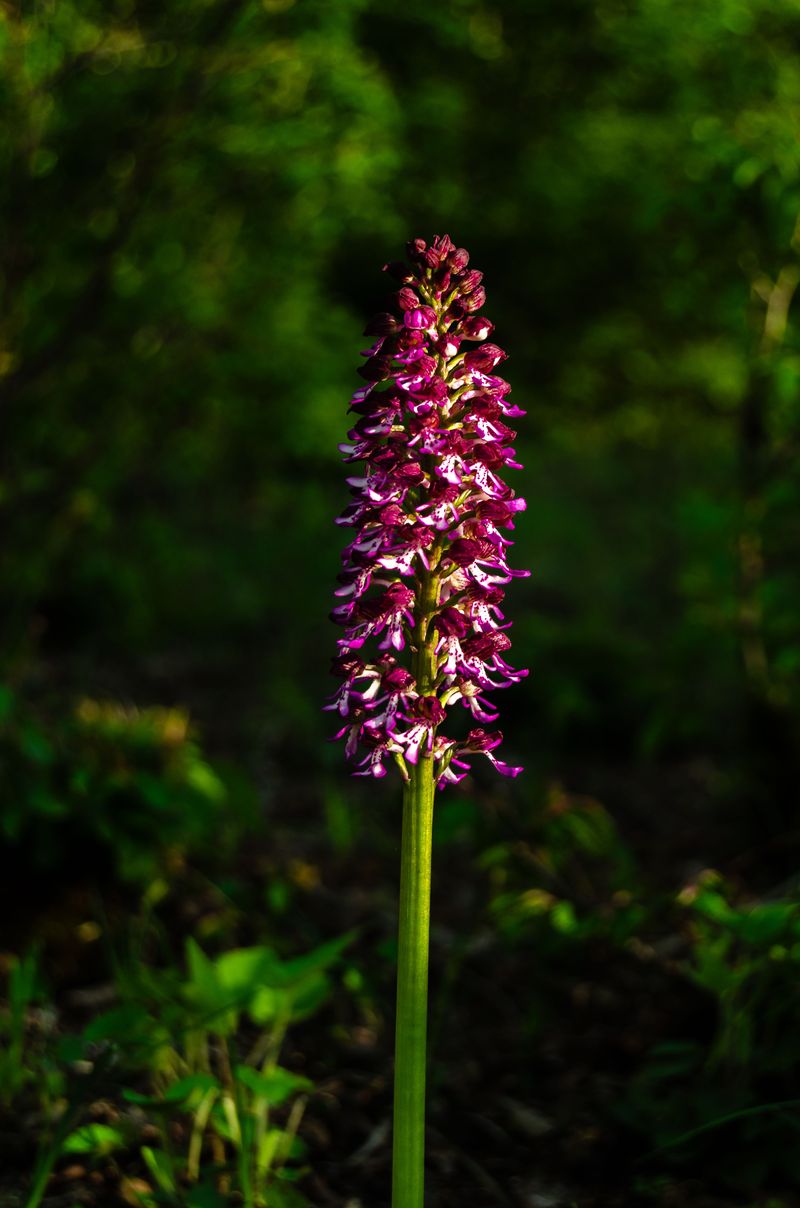
Two orchids, two colors, one big shared problem. Both the Small Purple Fringed Orchid and the Yellow Fringed Orchid are listed as threatened in the state.
The purple one blooms from June to August with frilly lavender flowers. It looks a lot like its rarer cousin, the Large Purple Fringed Orchid, but has smaller flowers and blooms later.
You will find it in shady, wet places like swamp woods and alder thickets. Changes to water flow, opened tree canopies, and digging by gardeners have hurt it.
The yellow one is a total firecracker. Its bright yellow to orange blooms, covered in fringes, pop up in late July and August.
This orchid wants sun, steady water, and sandy, acidic soil. Wet fields, pastures, and seepage areas are its happy places.
Day-flying butterflies carry its pollen, so open spaces are key. When shrubs shade it out, those butterfly visitors stop coming by.
Neither orchid moves well to a new home. So enjoy them with binoculars or a camera instead, and support groups that keep wet meadows open and healthy.
7. Northern Monkshood
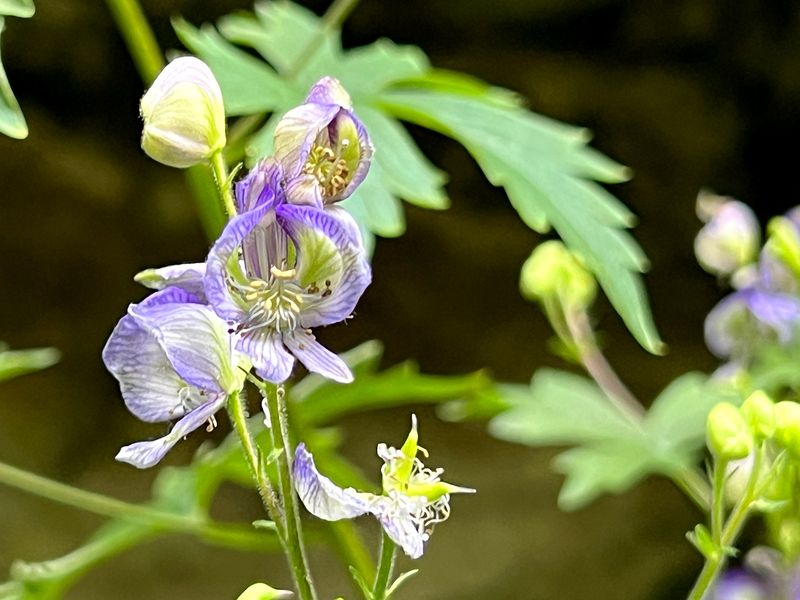
Imagine a flower wearing a tiny blue hood, like a monk heading to evening prayers. That is how Northern Monkshood earned its name.
This plant is a true rarity. It is protected by both the federal government and the state of Ohio, and it was first federally listed back in 1978.
Outside the state, it grows in only three states: Iowa, Wisconsin, and New York. Here at home, it is mostly found in Summit County, with just two known spots.
Northern Monkshood belongs to the buttercup family. It likes cool, shady cliffs, chilly rocky slopes, and the edges of cold streams.
Those cool pockets are leftover from the Ice Age, which makes them special. Pollution, filled-in sinkholes, grazing animals, and habitat damage all put it at risk.
One more reason to keep your hands off is safety. Monkshood plants are toxic, so touching or tasting them is a bad idea for people and pets.
Scientists are working hard to help it. They collect seeds, test its genes, guard existing plants, and start new backup groups, giving this hooded wonder a better shot at the future.
8. Gattinger’s-Foxglove
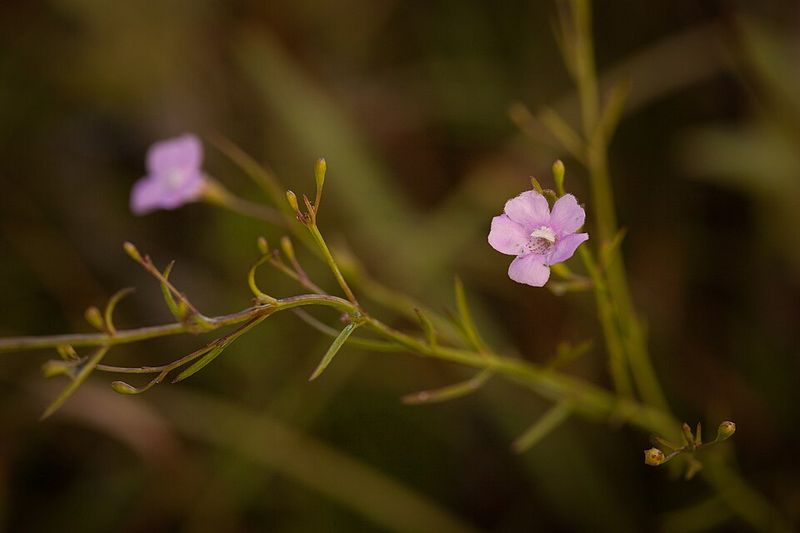
Some plants are bold and loud, but this one whispers. Gattinger’s-Foxglove has thin, wiry stems, needle-like leaves, and small pink tube-shaped flowers.
Look closer and you will see red speckles and two yellow lines inside each bloom. Those markings act like little runway lights that guide bees inside.
It lives for just one year, so each plant must make seeds before frost. It flowers and makes fruit from August through October.
Here is a sneaky secret about it. The plant is partly parasitic, tapping into the roots of nearby grasses for extra food.
That trick means it cannot be moved to a garden easily. Without its plant partners nearby, it struggles to grow at all.
Ohio lists it as threatened, and it is extremely rare. You might find it in sunny barrens, prairies, and open woods with acidic soil.
Its biggest enemy is shrubs and trees slowly filling in those open places. Land managers sometimes use careful burns or brush cutting to keep the sunlight coming, and that gives this shy little bloom room to shine.
9. Spotted Coral-Root
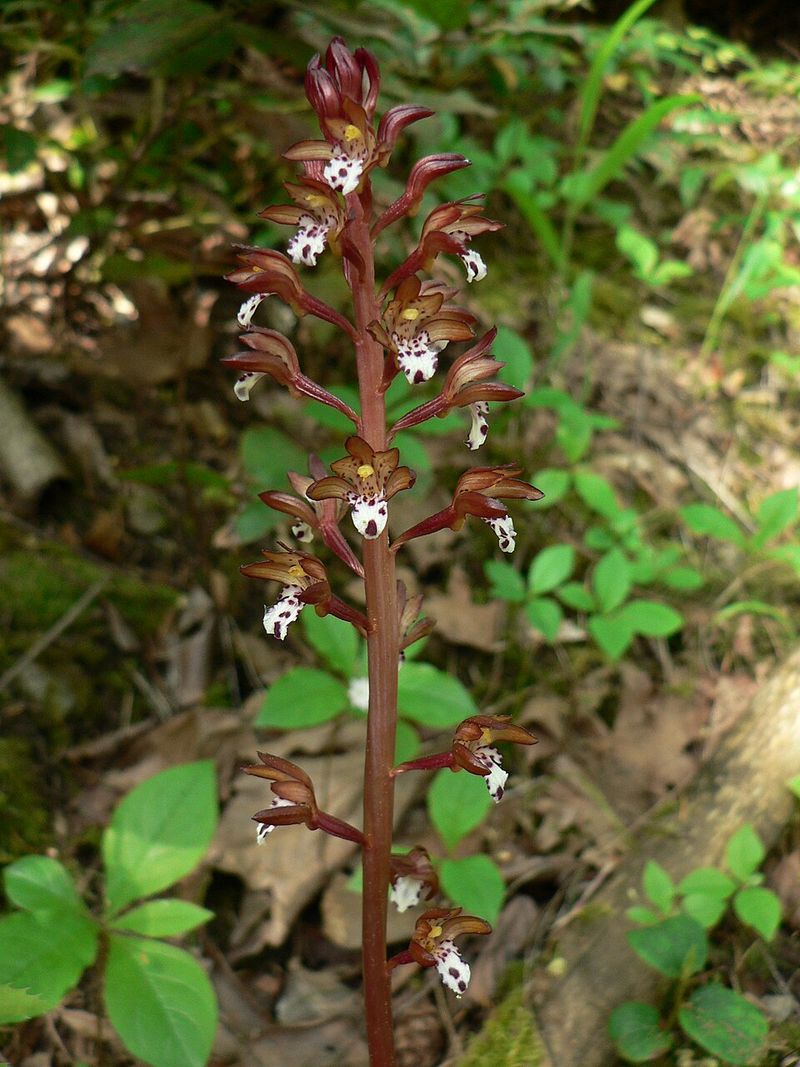
Most plants are green, but this orchid did not get the memo. Spotted Coral-Root has no leaves and a reddish-brown stem that pokes up from the forest floor.
Its small flowers have white lips dotted with purple spots. Up close, they look like tiny freckled faces staring back at you.
So how does a plant without green leaves eat? It gets nearly all its food from fungi in the soil, which are linked to the roots of nearby trees.
That hidden partnership makes it nearly impossible to grow in a yard. Dig it up, and you cut it off from its food supply.
Its name comes from the roots, which look like branching pieces of coral. It is a fun word to share with friends on your next hike.
Spotted Coral-Root is easy to miss because it blends in with fallen leaves. Its rarity can vary across regions, so checking Ohio’s latest rare plant list is a wise move.
Even when a plant is not listed, taking it from parks or other people’s land is not allowed. Let this quiet forest oddball stay hidden in the shade, where it belongs.