Pale White Plants Are Rising From The Shaded Soil Of Alabama Yards And Do Not Use Sunlight Directly
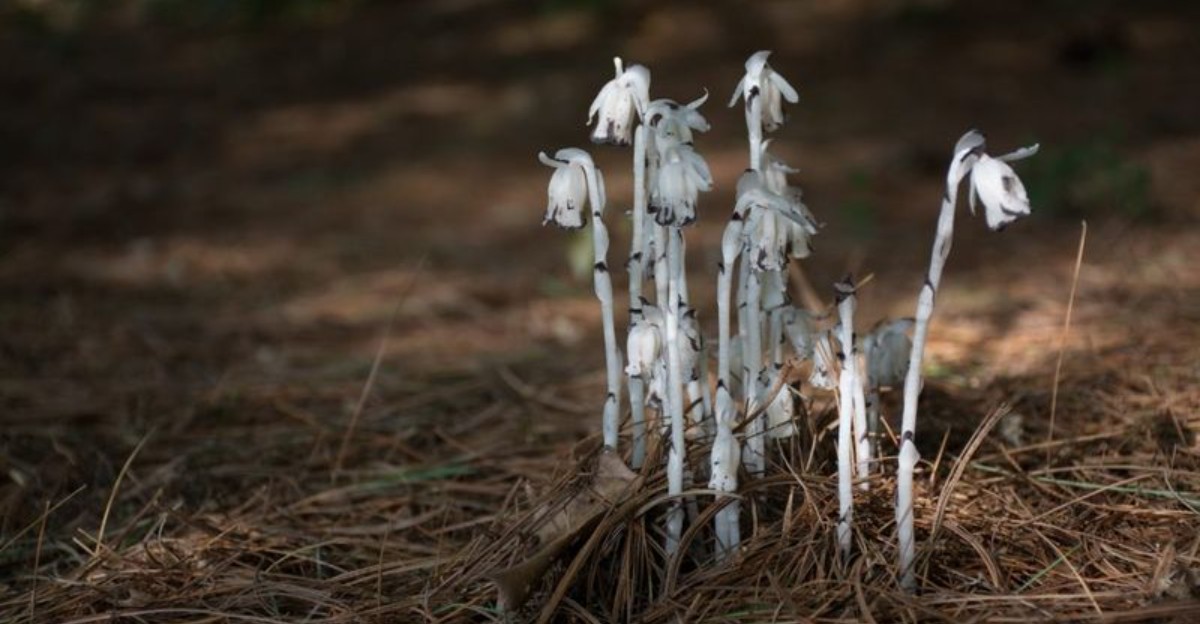
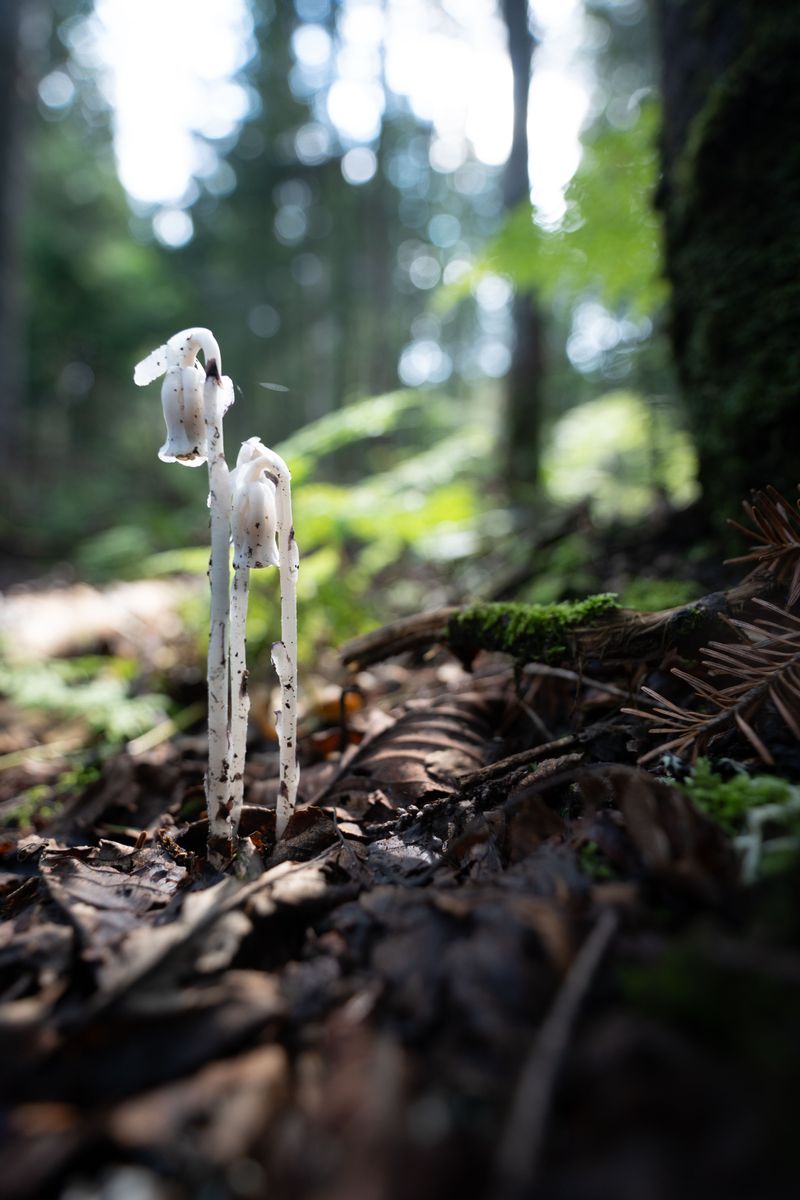
You just found a plant that refuses sunlight, and it is hiding a secret underground. Its waxy white stem bows as if you caught it misbehaving.
Touch it, and your fingertips leave a black bruise on the skin. Chlorophyll is missing here, so you will find no green leaves anywhere.
Fungi in the soil feed it sugars siphoned from tree roots you walk past. Across Alabama, you can spot it beneath oaks from summer into autumn.
By October, you see the white flesh turn black. Then the nodding head lifts upright, and you spot a seed capsule.
Alabama hikers pass a plant that borrows sugar through fungal middlemen, and you probably have.
Researchers trace its sugar back to host trees, a transfer you can now picture. Now you must discover why botanists long believed this plant fed on forest humus.
A Flowering Plant That Feeds On Fungi Instead Of The Sun
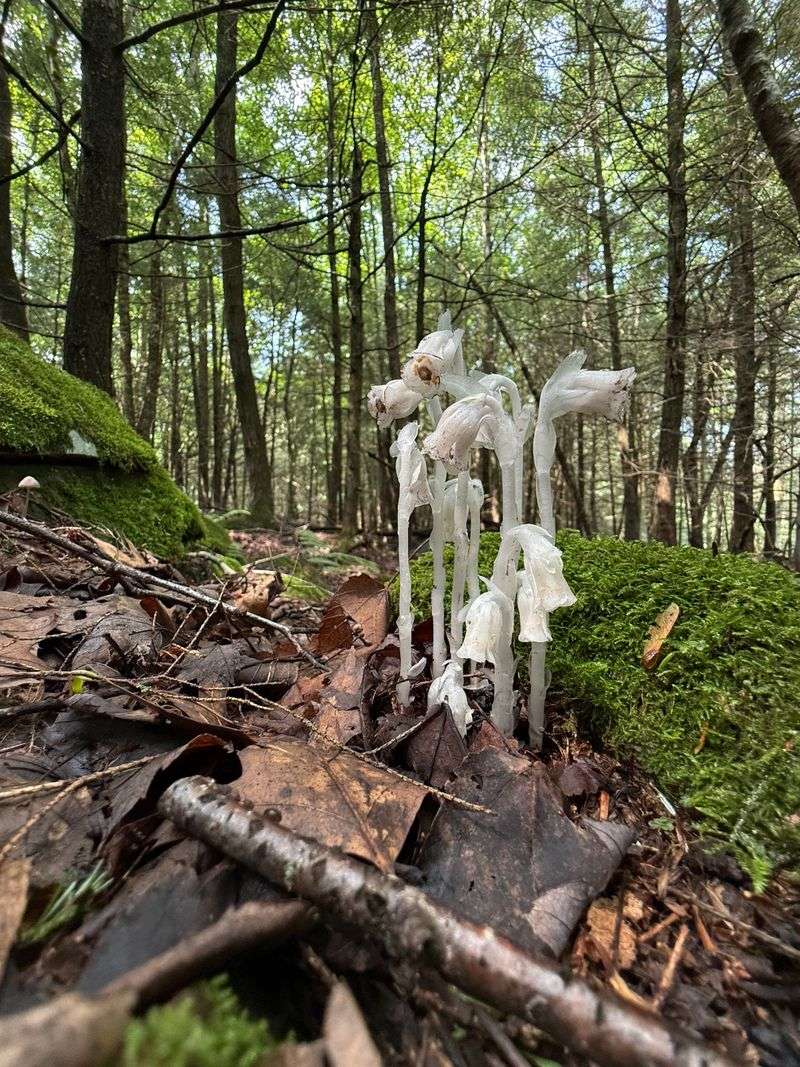
Picture a flower that skipped the whole green phase and went straight to ghost costume. The pale stalks popping up in Alabama yards belong to a real flowering plant, not a mushroom.
Many people call it ghost plant or Indian pipe, and its science name is Monotropa uniflora. Each stem grows about four to ten inches tall and holds a single nodding flower.
Most plants use green chlorophyll to turn sunlight into food. Ghost plant has no chlorophyll at all, so its color stays white, pinkish, or sometimes faintly red.
Without that green power, it cannot use sunlight directly. Instead, the plant gets its sugars by tapping into underground fungi that are linked to nearby tree roots.
Scientists call this kind of lifestyle mycoheterotrophy, which is a big word for eating through fungi. It sounds like science fiction, yet it has worked for this plant for ages.
Because it skips the sun, ghost plant thrives in deep shade where grass struggles. You will often find it under oaks, pines, and beech trees with thick leaf cover.
The flowers point downward at first, like tiny shepherd hooks. After pollination by bumblebees and other insects, each flower slowly tilts upward toward the sky.
Its waxy stems feel cool and a bit rubbery, almost like candle wax. Handle them, and the bruised spots often turn black within a short time.
So no, your yard is not haunted, and nobody spilled paint on the weeds. You are simply looking at one of the unusual wildflowers growing in the Southeast.
The Hidden Fungal Network Beneath Shady Alabama Trees
Underneath your shady lawn sits a busy trading market you cannot see. Threads of fungi, called mycelium, weave through the soil like miles of tiny white yarn.
Many of these fungi team up with trees in a deal called mycorrhiza. The fungus helps roots soak up water and minerals, and the tree pays back with sugar.
Ghost plant joins this partnership without giving anything back. Its roots connect to the fungi and quietly draw some of the sugar the trees sent along.
Your Alabama Garden Changes Every Week. Your Plan Should Too.
Gardening in Alabama changes quickly throughout the season. Every Friday you’ll receive a simple weekly plan showing exactly what to plant, prune, fertilize, harvest, and protect so you never miss the right timing.
Researchers have found it often links with russula and lactarius mushrooms. Those are common woodland fungi in Alabama, especially around oak and pine forests.
So in a way, ghost plant is eating sunlight secondhand. The tree catches the sunshine, the fungus moves the food, and the pale plant takes a share.
That explains why it shows up in such particular spots. A patch of these stems suggests the soil below holds healthy fungi and mature tree roots.
Newer subdivisions with young trees and bare dirt may lack it. Older neighborhoods with big hardwoods and undisturbed leaf litter give it a much better chance.
Rain matters too, since fungi need moisture to stay active. A wet stretch in late summer or early fall often sends a fresh flush of stems upward.
Some gardeners even dig carefully nearby and spot fine white strands clinging to the roots. Those fuzzy threads are the hidden partners doing the main underground work.
Think of each white stalk as a little flag from the underground. It is a visible sign of the busy fungal activity going on below ground.
October Timing And The Blackened Seed Stalks Of Fall
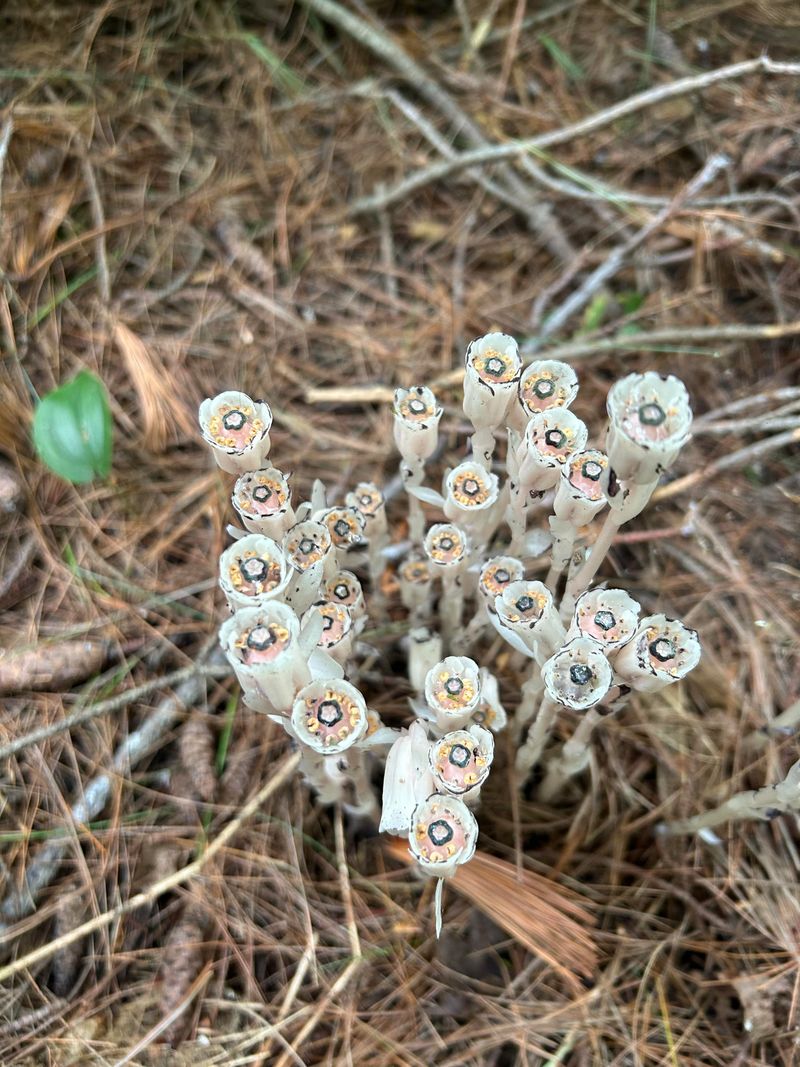
Late summer is showtime, but October brings the costume change. Across Alabama, the bright white stalks you saw in August or September are now turning brown and black.
Ghost plant usually blooms from early summer to early autumn in the Southeast. Weather shifts that window, so a rainy fall can push fresh stems out late.
After the flower gets pollinated, it slowly lifts its head from droopy to upright. Inside, a small round seed capsule starts to swell and dry out.
By mid fall, those capsules split open and release thousands of seeds as fine as dust. The wind carries them off to new shady corners of the woods.
Meanwhile, the stalk itself darkens and stiffens like a dark matchstick. Many people think something went wrong, but it is simply the plant finishing its yearly job.
The dried stems can stand in the leaf litter for weeks. Some folks even spot them in early winter, poking up like tiny black walking canes.
October is a great month to grab a camera before the black stalks crumble. A photo now and another next summer will show you the whole cycle.
So if your pale visitors look darkened this month, no need to worry. Everything is right on schedule for a plant that does its best work in shadow.
The underground part keeps living with its fungal partners after the stalks fade. Given another warm, rainy season, new white stems may rise in the very same spot.
Why Pulling Or Spraying The Pale Stems Is Not Recommended
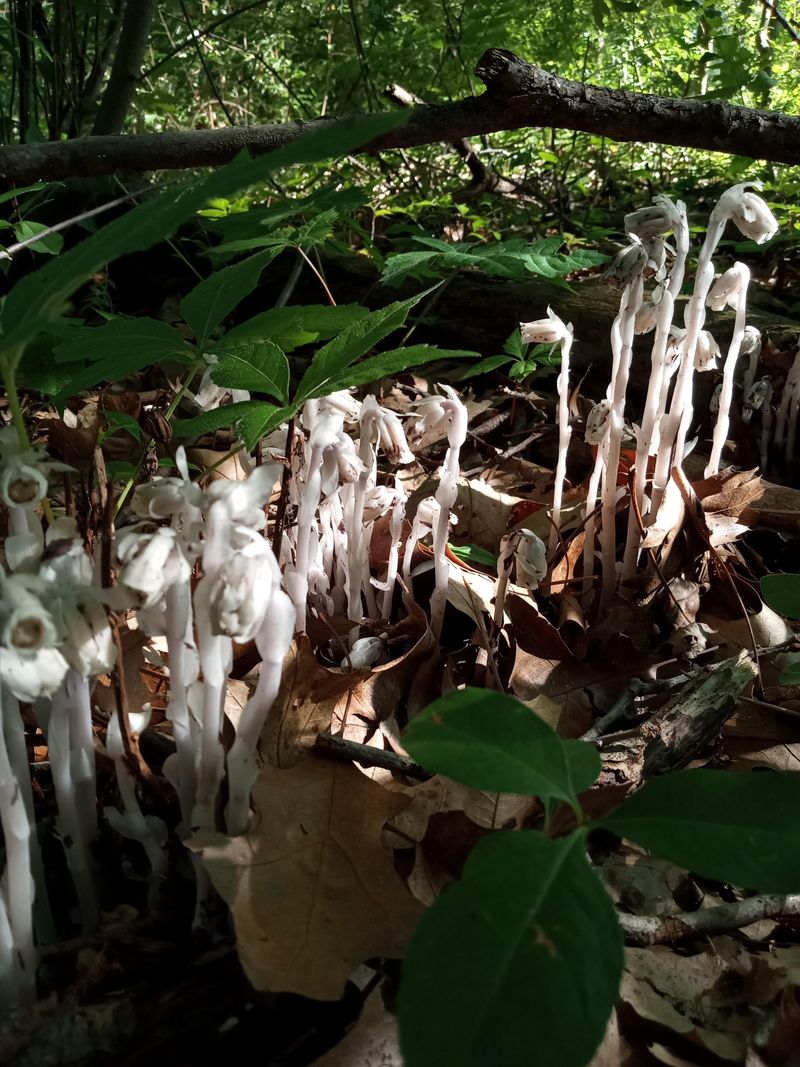
Some homeowners see a cluster of white stems by the porch and grab the weed spray. Without realizing it, they may end up soaking an uncommon wildflower.
That reaction is understandable, and honestly, it makes sense. Pale, waxy stalks look like a fungus or a strange weed to anyone who has not seen them before.
Ghost plant does not harm grass or shrubs. It only borrows a little sugar through fungi, and trees show little effect. It only borrows a little sugar through fungi, and the trees hardly notice the tiny loss.
Pulling it up also fails. You might grab the stem, but the root ball and fungal link stay tangled underground.
Digging it up to move it into a pot is another popular mistake. Without its exact fungus and tree partners, a transplanted ghost plant quickly fades away.
Chemical sprays cause more problems than you might expect. Fungicides can harm the helpful fungi in your soil, which affects your trees and nearby plants too.
Raking every leaf down to bare soil causes problems as well. Leaf litter keeps the ground cool and damp, which is exactly what those fungi need.
Mowing straight over a patch is a smaller slip, yet it still breaks the stems. Raise the mower blade or steer around the cluster for a few weeks.
Some folks also mistake the plant for a mushroom and worry about pets. It is a flowering plant that may be toxic if eaten, so keep dogs and kids from chewing it.
Old herbal books mention people using its juice for eye troubles. Modern experts advise against tasting or treating anything with it, so admire it with your eyes only.
Recommended First Steps For Homeowners Who Spot The Pale Clusters
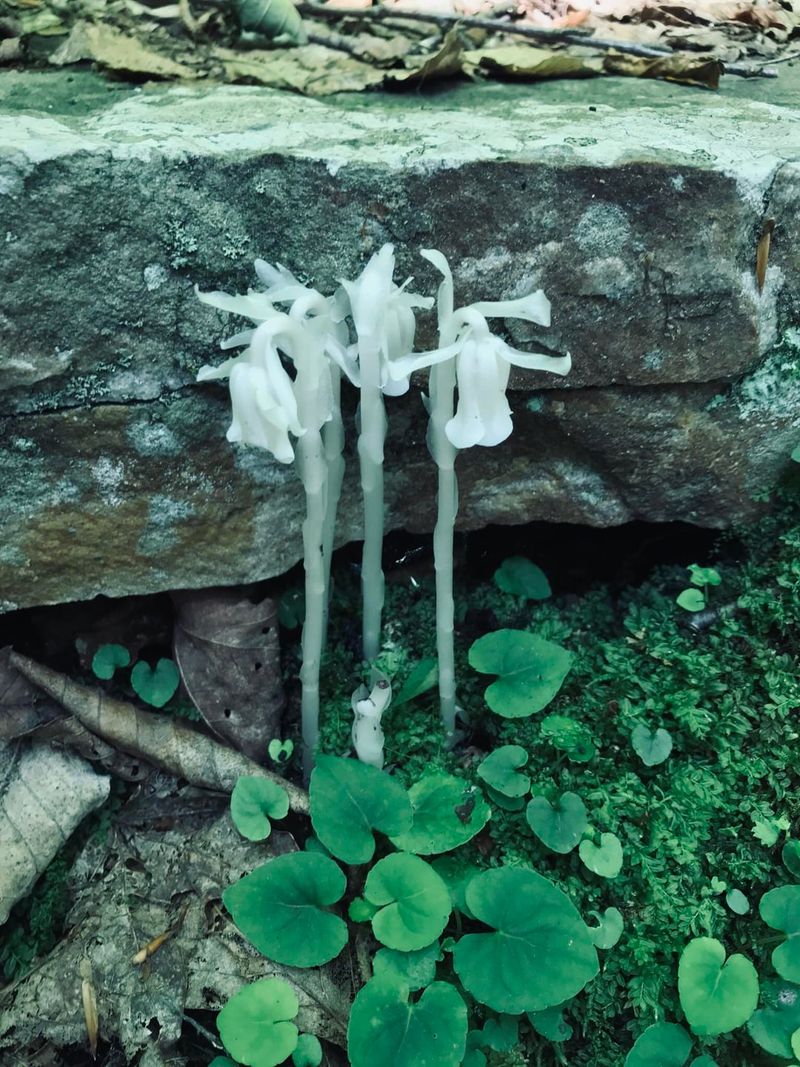
Congratulations, your yard just earned an uncommon nature badge. Now the smart move is simple, and it costs very little money: leave the pale plants alone.
Mark the spot with a small stick or garden flag so nobody tramples it. Kids, mowers, and curious dogs can damage the delicate stems in seconds.
Look closely, but keep your hands off the stalks. Touch bruises them, and the bruised areas turn black much faster than normal.
Snap photos from different angles and note the date. Tracking when stems appear can help you predict next year’s show and impress your friends.
Some people share sightings on apps like iNaturalist. Scientists can use those reports to map where ghost plant grows and how weather affects it.
Keep the surrounding area shady and moist. Avoid trimming big tree limbs right above the patch, since extra sun dries out the soil and fungi.
If the patch sits in a walking path, think about rerouting traffic for the season. A few stepping stones off to the side can solve that easily.
Hold off on fertilizer near the cluster too. Extra nitrogen can upset the fungal balance that ghost plant depends on for its meals.
Want a closer look at the flower parts? A handheld magnifying glass reveals tiny scales on the stem and a sticky center inside each bell.
Share the story with neighbors who might be reaching for a spray bottle. Turning one patch into a neighborhood curiosity can protect many more.
Healthy Woods, Leaf Litter, And Protection For Future Seasons
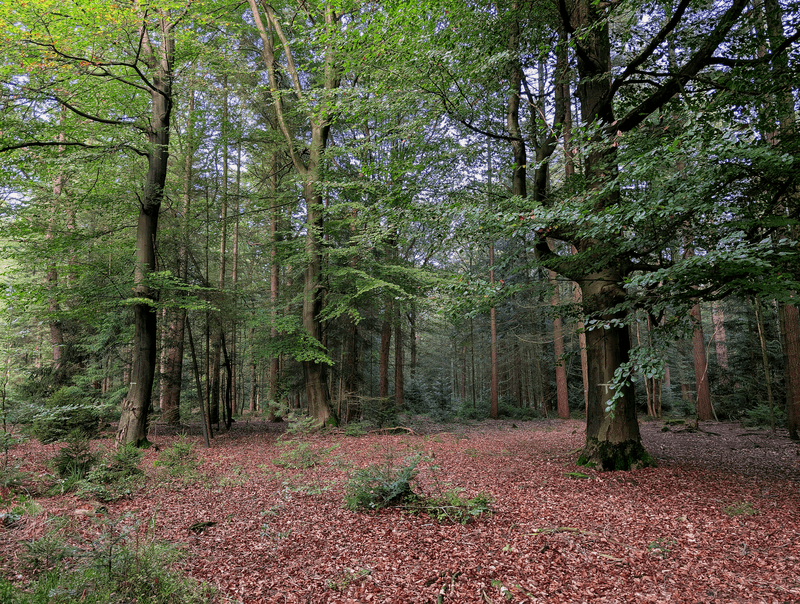
Healthy woods tend to hide healthy secrets. To keep ghost plant returning each year, focus on the space around it.
Start by keeping mature trees standing whenever you can. Oaks, pines, and beeches feed the underground fungi that the pale plant depends on.
Let leaves pile up naturally in shady corners this fall. That crunchy blanket breaks down slowly, feeding fungi and holding moisture through dry spells.
Skip heavy foot traffic and machinery in those areas. Packed soil holds less air, and fungal threads struggle to spread through hard ground.
Go easy on chemicals across the whole yard, not just near the patch. Fungicides and strong herbicides can drift and upset the soil life below.
Planting native shade plants nearby can help too. Ferns, wild ginger, and mayapples share similar conditions and make the area feel like a mini forest.
Over time, you might notice more white stems spreading across the shade. That slow growth may signal your soil is thriving, which can benefit the trees and shrubs you own.
Some lucky yards even host the pink form, which looks like it blushed. Others might welcome its cousin, pinesap, a yellowish or reddish relative that blooms into fall.
Patience matters most, since ghost plant may skip a year after a dry summer. The fungi stay busy underground, waiting for the right rain to send stems up.
Protecting one small patch can ripple through your whole property. A shady yard full of life is a much better Halloween decoration than plastic skeletons.