Why Your Alabama Yard Is Missing Painted Buntings And What Finally Brings Them In
Painted buntings notice small details you never think to check first. Alabama yards rarely offer what your favorite dazzling birds need.
Something in your current setup might already be quietly repelling them. Bright feeders alone won’t ever convince a bunting to visit you.
Specific seed choices matter far more than you probably realize. Dense shrubs planted near your property signal safety these birds instinctively crave.
Open lawns tell painted buntings to skip your yard entirely fast. Water placed wrong can push painted buntings away from your yard.
Confidence grows once you understand exact, deliberate placement choices. Careless landscaping sends painted buntings straight toward your Alabama neighbors instead.
Patience alone won’t fix mistakes hiding inside your own landscaping. Correcting even one small detail could transform your entire yard.
Nothing about attracting these vivid birds happens without your effort. Ignore these signals, and you may never see one land in your yard.
Dense Shrubs Are Missing From Your Yard
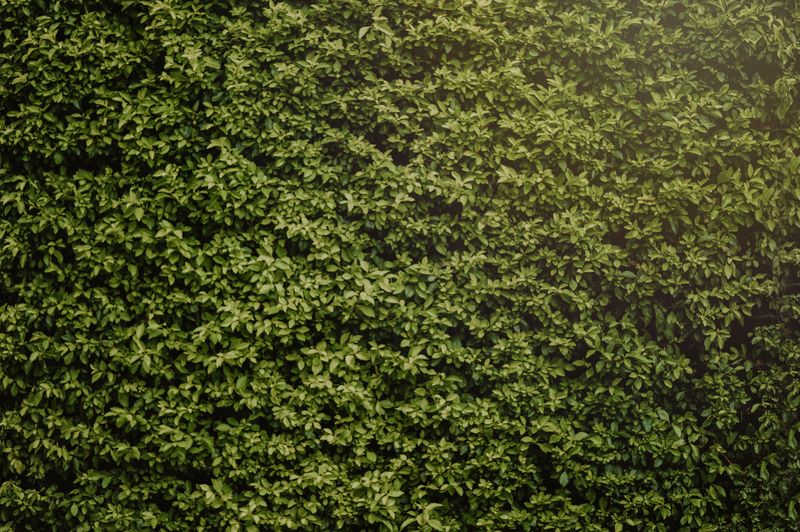
Painted buntings are secretive birds that crave thick cover above everything else, and your odds of attracting one are best near the Gulf Coast or Alabama’s Black Belt region. Without dense shrubs, they refuse to feel safe enough to land.
These birds spend most of their time hidden inside layered vegetation, rarely exposing themselves in the open. A bare, manicured yard feels like a danger zone, not a dining room.
Shrubs give painted buntings a fast, reliable escape route from predators. The moment a hawk passes overhead, they dart straight into the nearest thicket.
Native shrubs like wax myrtle, beautyberry, and yaupon holly make ideal choices for Alabama yards. They grow quickly, look attractive, and provide exactly the layered cover buntings instinctively prefer.
Planting shrubs along fence lines or property edges creates natural green corridors. Birds rely on these pathways to move safely between feeding spots and hiding places.
Even a single dense shrub near a feeder can change everything. Buntings will perch inside it before and after feeding, watching for danger. Many Alabama homeowners unintentionally strip away the habitat these birds depend on.
Tidy yards without undergrowth may look polished to people but appear empty to birds. Think of shrubs as furniture built for nervous, colorful visitors.
Every thick cluster of branches becomes a tiny safe house worth defending. Grouping three or more shrubs together produces noticeably better results than isolated plantings.
A cluster of native plants offers layered protection no single bush could match. Start small if you must, but start today. Your yard’s hidden bunting potential is waiting beneath a few well placed shrubs.
Native Seed Plants Aren’t Part Of Your Landscape
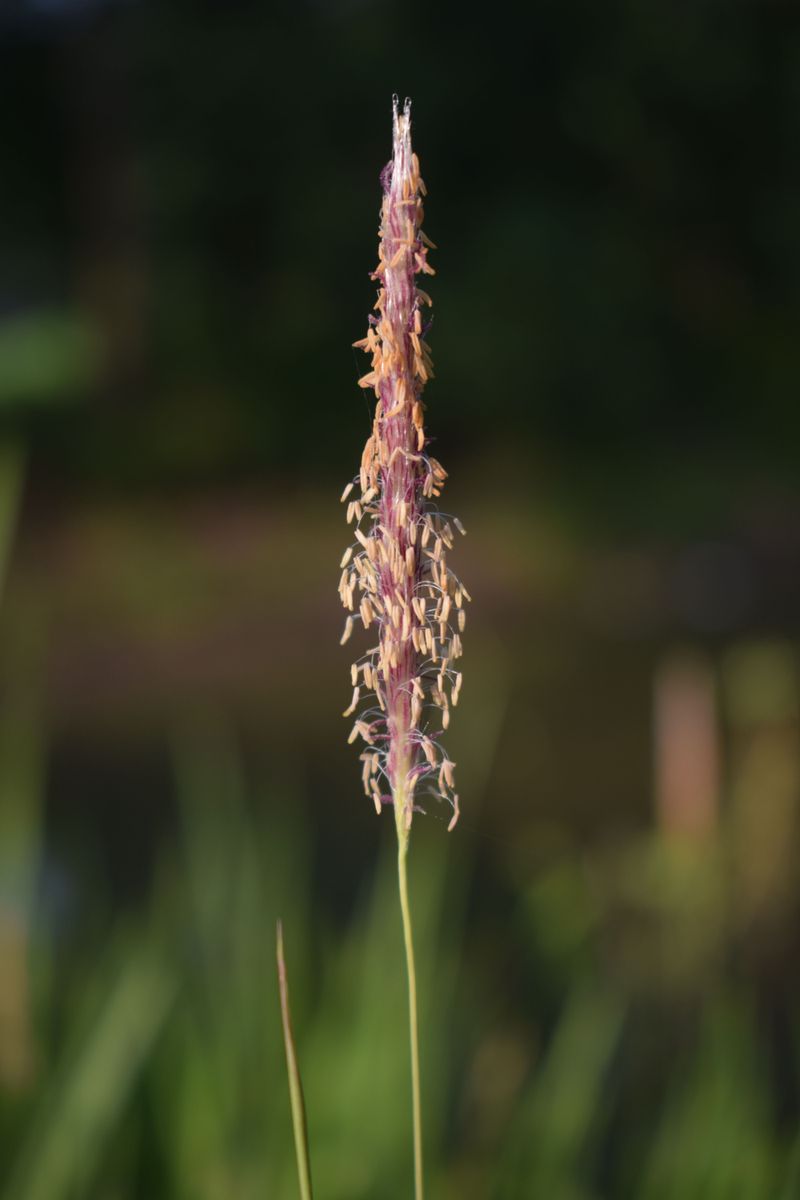
Painted buntings are seed-eating machines, and they have strong preferences. They won’t waste energy on plants that don’t deliver the right fuel.
Native seed plants like purple coneflower, native sunflowers, and panic grass are bunting favorites. These plants evolved alongside local wildlife, making them perfectly matched food sources.
Non-native ornamental plants often produce seeds that buntings simply ignore. A yard full of imported flowers may look stunning but offer little nutritional value to wild birds.
Your Alabama Garden Changes Every Week. Your Plan Should Too.
Gardening in Alabama changes quickly throughout the season. Every Friday you’ll receive a simple weekly plan showing exactly what to plant, prune, fertilize, harvest, and protect so you never miss the right timing.
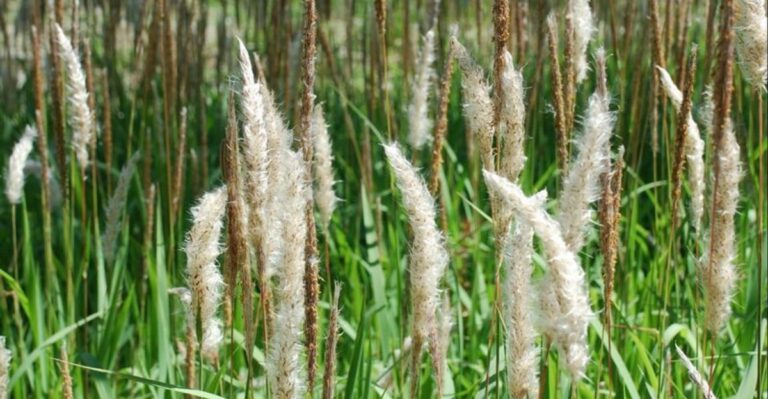
Planting native grasses is one of the fastest ways to attract buntings naturally. Grasses like little bluestem and switchgrass produce abundant seeds through fall and winter.
Native plants also attract insects, which buntings feed to their young. A landscape rich in native species supports the entire food chain these birds depend on.
Converting even a small garden bed to native plants sends a strong signal. Birds notice food sources quickly, especially during migration when energy demands are highest.
Some nurseries in Alabama carry native seed plants suited specifically for wildlife gardening. Ask for species native to your specific region for the best results.
Mixing native flowering plants with native grasses creates a layered habitat. This combination offers seeds at different heights, which matches how buntings naturally forage.
Letting some plants go to seed instead of trimming them is key. That dried flower head you want to clip off is actually a tiny buffet waiting to be discovered. Your landscape can work harder for wildlife without looking wild or unkempt.
Open Manicured Lawns Offer Them Nothing
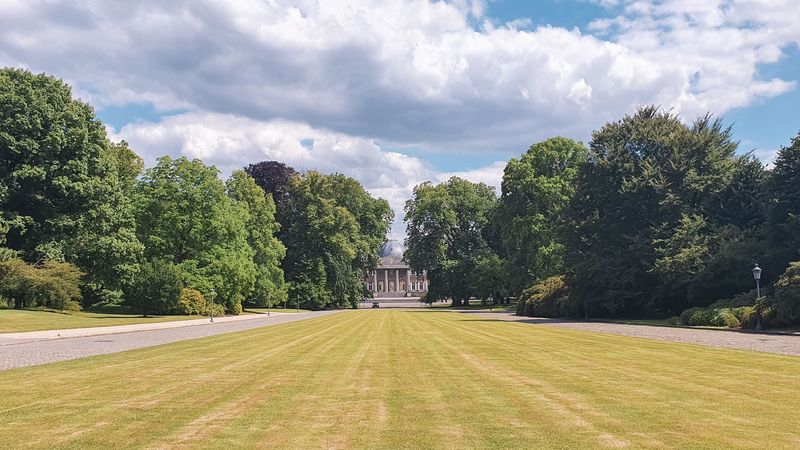
A closely mowed lawn offers little food or shelter. Painted buntings look at short cut grass and see nowhere to hide and nothing to eat. Most American yards are dominated by turf grass, which offers very limited wildlife value.
Painted buntings evolved for edges, thickets, and brushy areas, not golf course style lawns. The instinct to keep everything neat works against attracting these colorful birds.
Buntings actively avoid wide open spaces where predators can spot them easily. Even reducing your mowed area by a modest amount helps.
Letting one section of yard grow a little wilder creates the edge habitat buntings seek. Lawn alternatives like native groundcovers or low ornamental grasses add valuable texture.
These plants break up the flat green carpet that tells birds there is nothing here for them. Meadow style planting in a corner of your yard creates an instant habitat patch.
Buntings are drawn to these transitional zones between open space and dense vegetation. A manicured lawn also lacks the leaf litter buntings forage through on the ground.
Insects and fallen seeds hide inside debris, giving birds a good reason to scratch around and stay awhile. Consider leaving a border of unmowed grass along a fence or tree line.
That simple strip of taller growth becomes a runway for foraging birds throughout the season. Shifting your yard’s identity from showpiece to sanctuary does not mean letting it go wild.
Strategic wildness, placed thoughtfully, is all it takes to welcome painted buntings into your Alabama backyard sanctuary.fully, is all it takes to welcome painted buntings into your Alabama backyard sanctuary.
Nearby Feeders Lack White Millet Seed
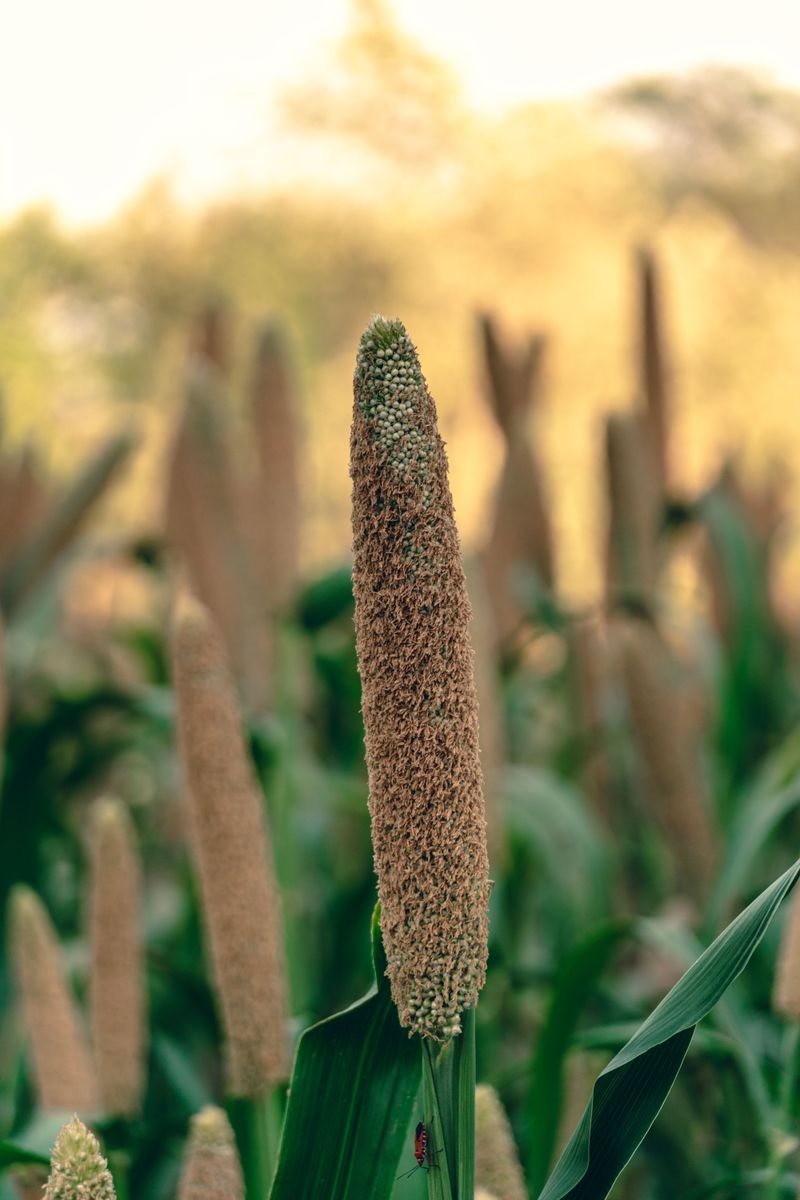
White millet is one of the most important seeds for attracting painted buntings to feeders. Without it, feeders are less likely to attract them.
Most standard birdseed mixes contain sunflower seeds, safflower, and corn, which buntings largely ignore. Sunflower seeds are too large for their small bills to crack efficiently.
White proso millet is small, round, and easy for buntings to handle. It’s the seed they seek out first when foraging naturally on the ground.
Switching your feeder fill to pure white millet is one of the quickest dietary changes to try today. Results can sometimes appear quickly during migration season, though timing varies.
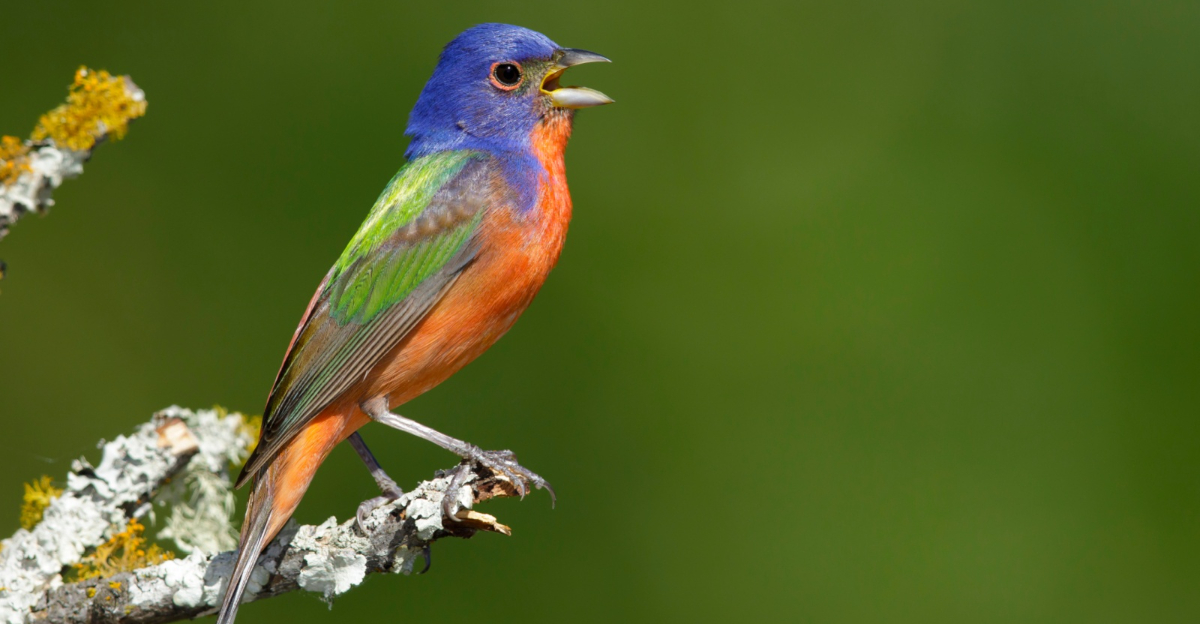
Female and juvenile painted buntings are green and can be mistaken for sparrows. Watching for small greenish birds eating millet is often how people first confirm buntings are visiting.
Millet is affordable and widely available at garden centers and farm supply stores. Buying it in bulk keeps costs low and ensures your feeder stays stocked consistently.
Avoid mixes with filler seeds like milo or red millet, which buntings reject. Wasted seed on the ground attracts squirrels and less desirable birds instead.
Adding white millet costs very little and can make a noticeable difference. It’s a clear invitation to painted buntings passing through your Alabama yard.
Keep millet fresh and dry to maintain its appeal. Wet or moldy seed gets abandoned fast, so check your feeder after rain and refresh it promptly.
Plant Thick Native Shrubs For Cover
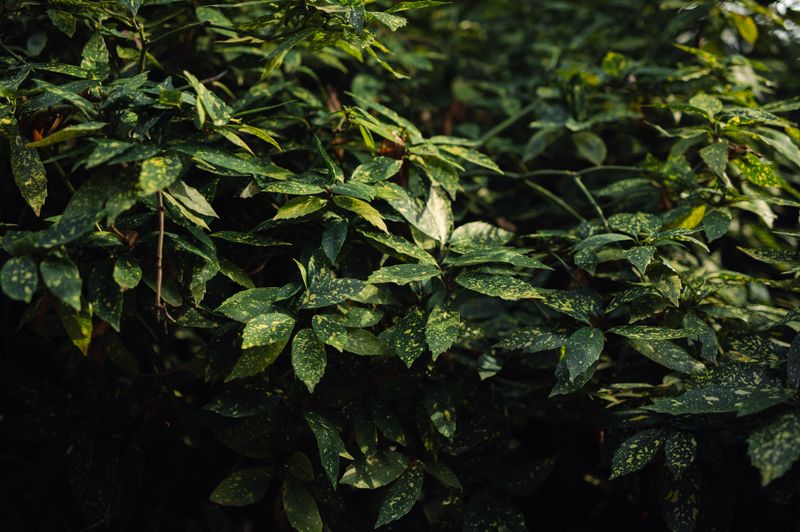
Planting native shrubs is one of the most effective steps for attracting painted buntings. Everything else works better when thick cover is already in place.
Wax myrtle is one of the top choices for Alabama yards. It grows fast, stays evergreen through winter, and offers both food and shelter in one plant.
Beautyberry is another powerhouse native shrub that buntings adore. Its bright purple berries persist into fall, providing food exactly when migrating birds need extra energy.
Plant shrubs in clusters rather than spacing them evenly across the yard. Grouped plantings create the dense, layered cover that mimics natural thicket habitat buntings feel safe in.
Position shrub clusters relatively close to your feeder station. Buntings prefer to dart quickly between cover and food rather than crossing wide-open ground.
Yaupon holly adds year-round structure and berries that extend into winter. Its dense branching pattern creates perfect hiding spots for nervous birds scanning for predators.
Native shrubs also require less maintenance once established. They’re adapted to Alabama’s climate, meaning less watering, fewer pest problems, and stronger growth without much intervention.
Mulching around new shrubs helps retain moisture and speeds up establishment. A healthy, fast-growing shrub becomes useful habitat much sooner than a stressed, slow-growing one.
Consider adding a trellis or fence behind your shrub grouping for extra depth. Climbing native vines like coral honeysuckle add another layer of cover and attract hummingbirds too. Each shrub you plant adds lasting value for your yard’s wildlife over time.
Offer White Millet In Low Feeders
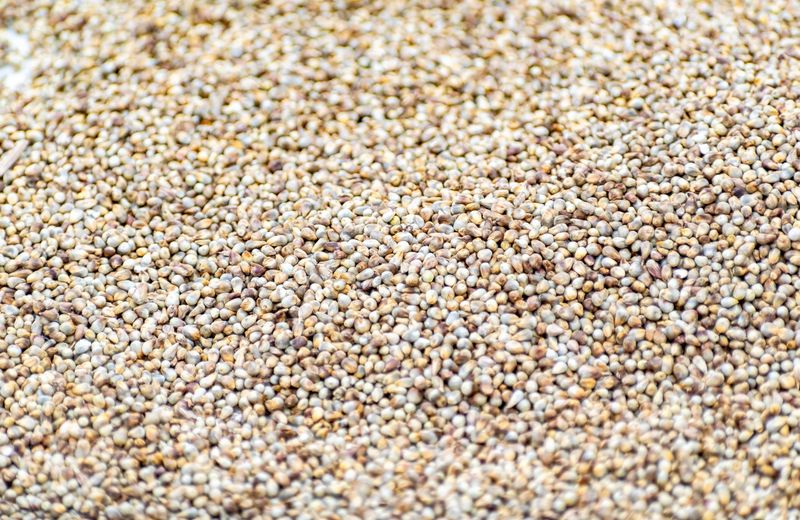
Ground-level feeding is how painted buntings prefer to eat in the wild. Mounting millet too high in a tube feeder puts it out of their comfort zone.
Platform feeders or low tray feeders placed near ground level match bunting feeding behavior naturally. These birds forage on the ground and feel most secure eating close to it.
A low platform feeder, set close to ground level, tends to work fairly well overall. Higher than that and buntings may skip it in favor of foraging on the ground nearby.
Sprinkling white millet directly on the ground under a shrub also works. Buntings are comfortable scratching through leaf litter and loose soil to find seeds.
Keep low feeders positioned near thick shrubs for maximum effectiveness. Buntings feel safer and more likely to stay when a quick escape route is nearby right after landing.
Squirrels and sparrows will also visit low feeders, which is expected. The key is keeping millet consistently available so buntings learn your yard is a reliable food stop.
Clean platform feeders regularly to prevent mold and bacteria buildup. A dirty feeder can discourage birds from returning quickly, since their systems are sensitive.
Using a feeder with drainage holes helps keep millet drier after rain. Wet millet clumps together and spoils faster, making it less appealing to every bird visiting your yard.
Consistency is your most powerful tool here. Painted buntings remember reliable food sources and return to them season after season.
Add A Shallow Water Source Nearby
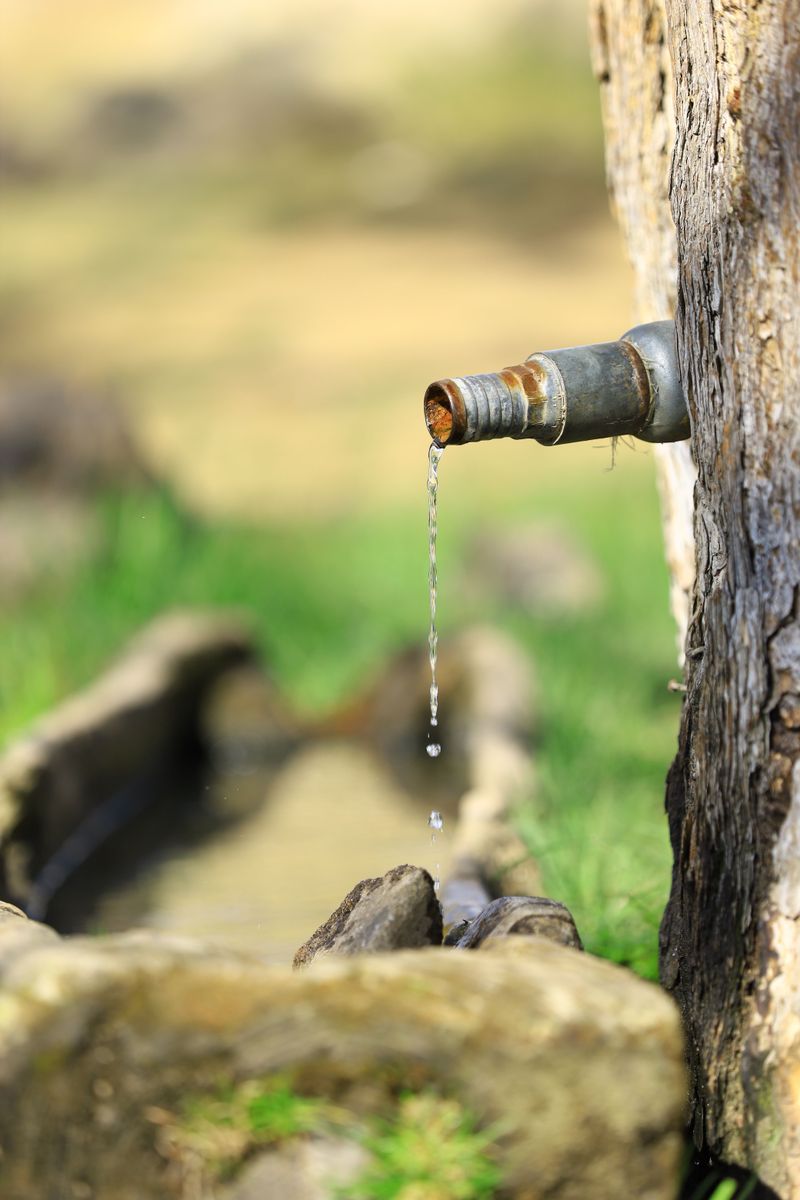
Water is a non-negotiable part of attracting painted buntings to your yard. A reliable, clean water source can pull in birds that feeders alone never reach.
Shallow birdbaths work best because buntings are small birds with short legs. Deep water basins intimidate them and can actually prevent smaller birds from bathing safely.
Aim for a bath depth of about one to one and a half inches. A simple ceramic or stone dish with a rough surface gives birds secure footing while they drink.
Moving water is even more effective than a still bath. The sound of dripping or trickling water carries through dense vegetation and attracts birds from surprising distances.
Solar-powered water wigglers or small drip attachments are affordable and easy to install. Adding gentle movement to your birdbath can dramatically increase the number of species visiting your yard.
Place the water source in partial shade to keep it cooler and reduce algae growth. Birds feel safer bathing under light tree cover than in the middle of an open sunny lawn.
Position the bath within a few feet of your shrub cluster for the best bunting appeal. Quick access to cover after bathing is something these cautious birds always factor into their decisions.
Scrub the bath and refresh the water every two to three days. Stagnant water attracts mosquitoes and can also deter the birds you’re working hard to attract.
Water, cover, and white millet together cover the core needs your Alabama yard has been missing.
Grow Native Grasses That Produce Seed
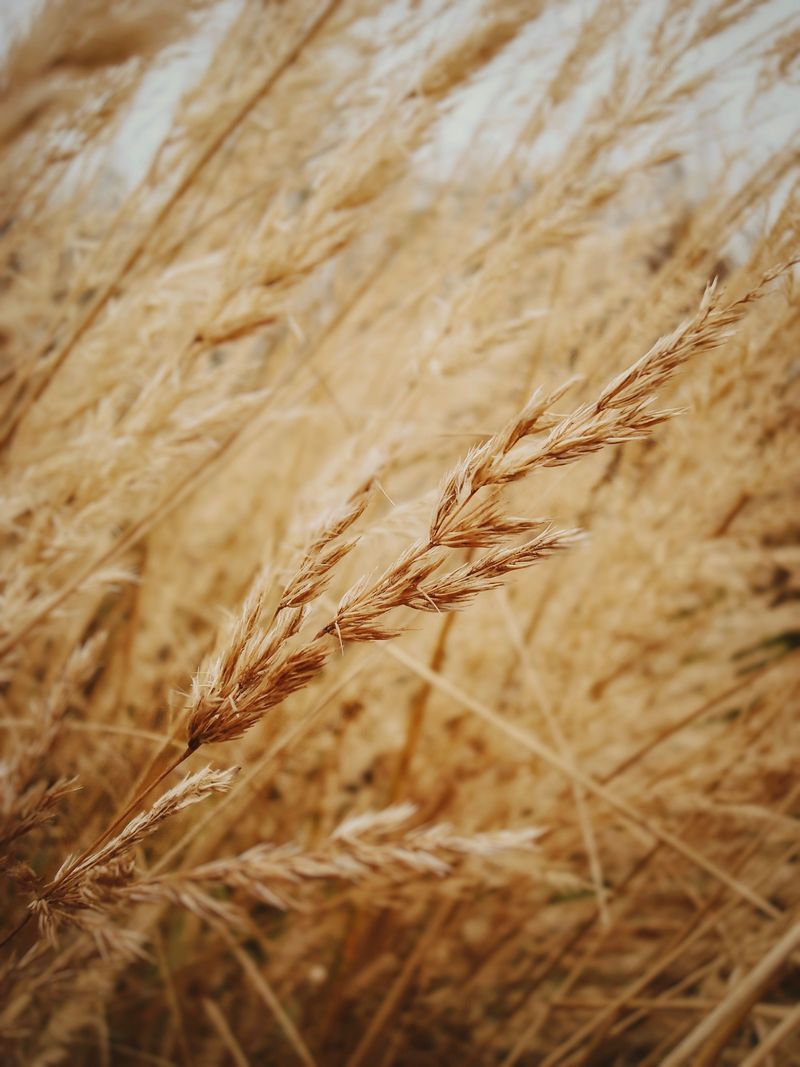
Painted buntings rely on grass seed as a major part of their diet. Native grasses tend to produce more of the small, nutritious seeds these birds prefer than ornamental varieties do.
Species like little bluestem, broomsedge, and switchgrass offer seed heads that ripen at different points through the season.
This staggered timing can help provide a more consistent food source rather than one short burst that disappears quickly. Unlike manicured lawns, native grasses are typically left to grow tall and go to seed naturally.
That seed head is often the point, since it becomes a foraging stop for buntings and other seed eating birds.
Planting a mix of native grasses along a border, slope, or unused corner can add texture and movement to a yard while quietly supporting wildlife.
Many of these grasses are fairly drought tolerant once established, which can reduce watering needs over time.
Letting seed heads stand through fall and into winter, rather than cutting them back right away, tends to benefit birds looking for late season food. Mixing grasses with a few native wildflowers can extend the seasonal offering further.
Buntings often forage low to the ground near these grass clumps, picking up fallen seed as well as insects nearby.
A small planting can go a long way toward making a yard feel more welcoming to painted buntings and other songbirds through much of the year.