Clematis in Arizona: Why Fall Is Not a Universal Pruning Window for a Fuller Vine
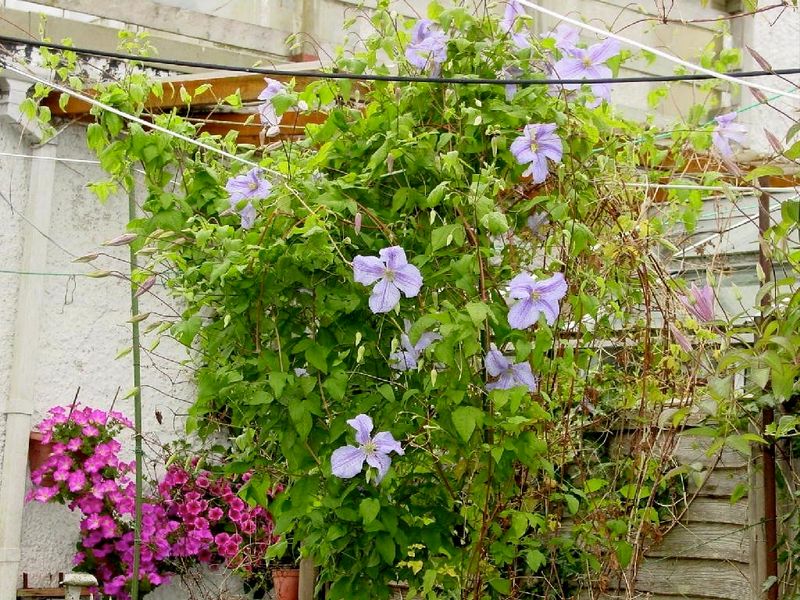
Clematis can look tired by October, and many gardeners reach for the shears. In Phoenix and Tucson, that urge can cost you next spring’s flowers.
The right cut depends on how your vine blooms, and sometimes the best move is to wait. Here is how to tell the difference.
Fall is not a universal clematis pruning window
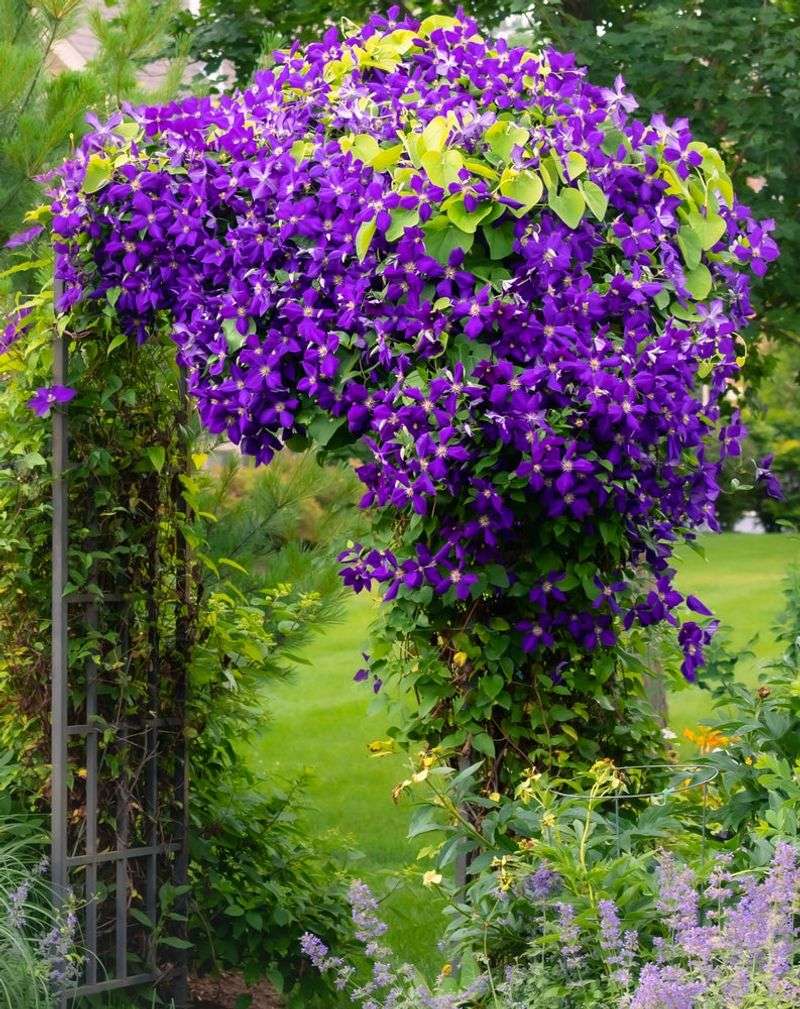
Plenty of gardeners hear that a fall haircut will give clematis a fuller vine next spring. That promise falls apart quickly, because clematis is not one plant with one pruning rule.
Some types carry next year’s flower buds on stems that already exist by autumn.
According to the Royal Horticultural Society pruning guide, a hard fall cut can remove buds on early-flowering clematis, while the later-blooming Group 3 types are generally cut back in late winter or early spring. So the season alone should never decide your task.
Any fuller growth you get depends on the plant you own and the timing of the specific cut. A vine that looks scruffy in fall may be holding exactly the stems that will flower in spring.
Before you reach for the shears, ask how this vine blooms.
Bloom timing helps reveal which stems matter
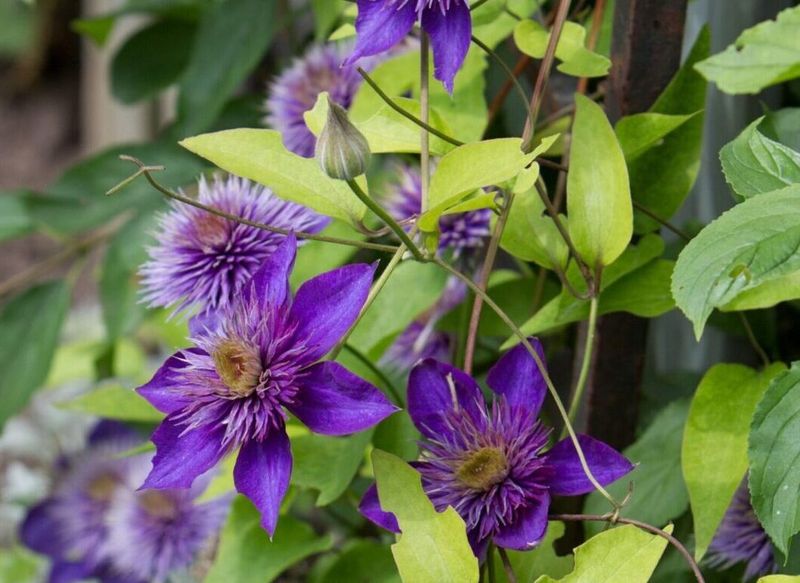
Clematis falls into three pruning groups, and the groups are based on where flowers form. Group 1 blooms on the previous season’s growth.
Group 2 flowers mainly on older growth and may repeat on new growth later. Group 3 blooms on growth made this season.
That means your calendar of blooms is a handy clue. A vine that flowers early in spring is probably on the old-wood side.
One that waits until mid or late summer is likely making flowers on fresh stems. Some mid-to-late summer types can be handled with a mix of Group 2 and Group 3 methods, as the RHS guide explains.
If you do not know the variety, jot down when it blooms each year. Keep a note on your phone or tag the trellis.
Treat that record as a guide for future pruning, not as proof of the exact cultivar, because bloom time alone cannot name a plant with certainty.
Groups 1 and 2 need their older growth protected
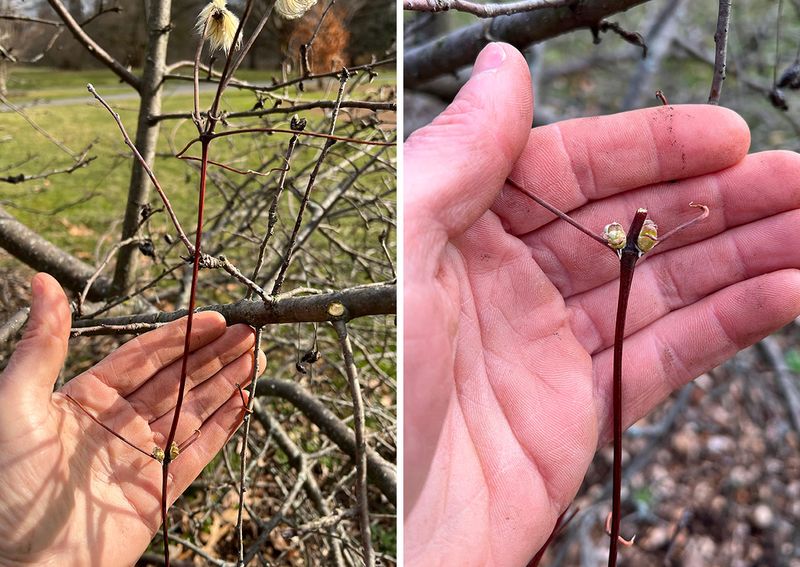
Picture a Group 1 vine in October. Those bare-looking stems are the ones that will carry spring flowers, so a hard cut now trims away the show.
Gardeners generally prune this group right after it finishes blooming, not in fall.
Group 2 sits in the middle. Its old stems can produce the first flush of flowers, so fall pruning should stay light.
Snip off anything clearly damaged or tangled and leave the framework alone.
A good test is to look for plump buds along the stems. If you see them, you are looking at potential flowers, and every inch you remove is a few blooms gone.
When in doubt, leave the stem. You can always trim later, but you cannot glue a stem back on.
Group 3 waits until before new growth
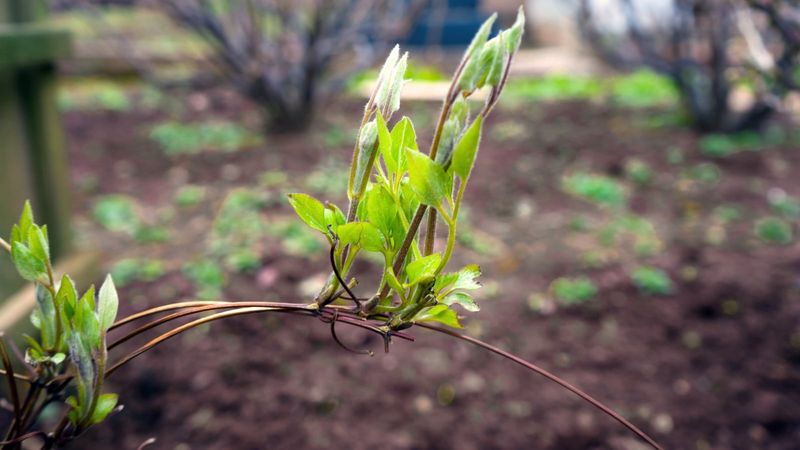
Group 3 clematis are the ones that welcome a firm cut, but the timing is late winter or early spring, before new growth begins. Cut stems back to the lowest healthy buds.
Your Arizona Garden Changes Every Week. Your Plan Should Too.
Gardening in Arizona changes quickly throughout the season. Every Friday you’ll receive a simple weekly plan showing exactly what to plant, prune, fertilize, harvest, and protect so you never miss the right timing.
That timing supports vigorous new growth, since these plants flower on stems they make this season.
Notice what is missing here: a fixed month. Sources do not give a clematis-specific low-desert calendar, so watch the plant rather than the date.
When buds start to swell, you are close to the window, and the cut should happen before shoots take off.
Cutting height varies by plant, so skip any rule that claims one number fits all. Look for living buds, make your cut just above a healthy pair, and let the vine decide where it restarts.
A newly planted vine may benefit from first-season pinching
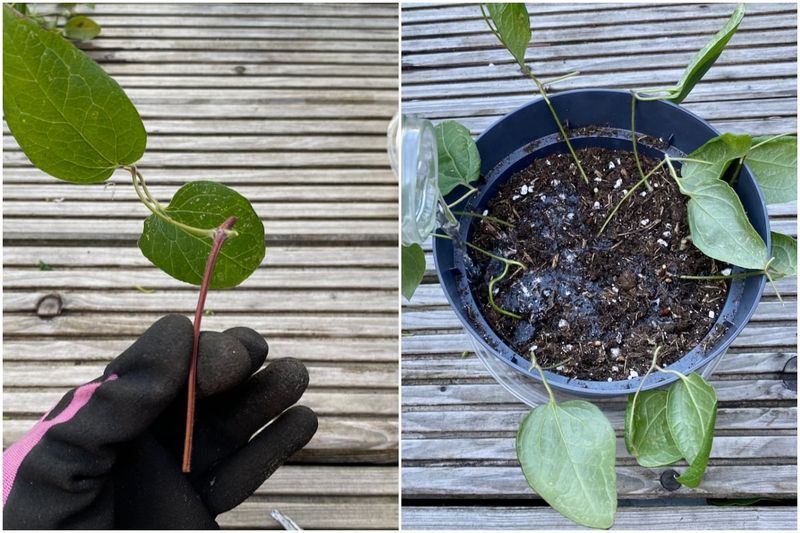
Here is the one fuller-vine trick with real backing. Arkansas Extension advises that a newly planted clematis can be pinched during its first growing season to encourage branching from the base and multiple shoots.
Notice the conditions: a young plant, in its first season. That advice is tied to the plant’s age, not to autumn, and it is not a reason to shear established vines.
Pinching also does not guarantee a thicker vine next spring.
If you planted a clematis this year, you can pinch back the tips of young growth while it is actively growing. Make small snips with clean fingers or snips, and leave the rest of the plant alone.
Think of it as nudging the vine to start more stems, nothing more.
Arizona heat makes root-zone care part of the plan
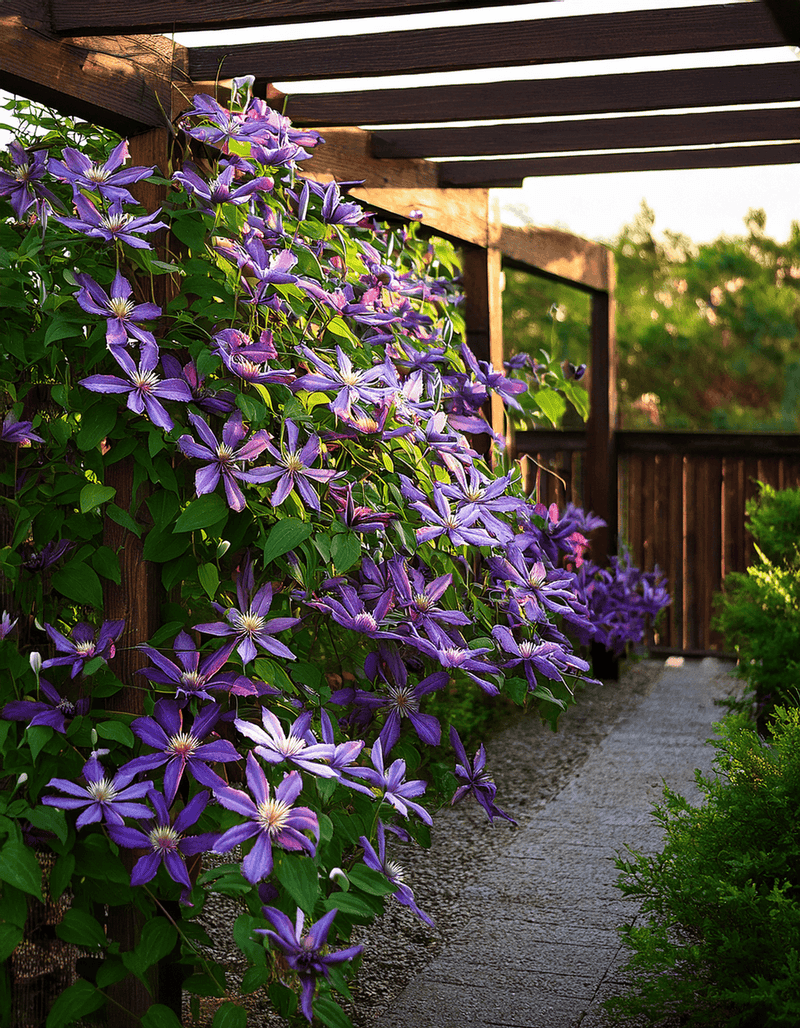
Clematis is not a desert native, and it is not a low-water pick for Phoenix or Tucson. UC IPM notes it does best in cold-winter or coastal-influenced climates, needs regular irrigation, and benefits from cool, shaded roots.
Guidance from North Carolina Extension, a hot-summer recommendation, adds afternoon shade, shade over the root zone, and thorough watering. These are general care principles, not results from Arizona clematis trials.
Our heat raises the stakes. Water demand and soil evaporation climb in Arizona summers, so mulch, shade for the base, and consistent irrigation all matter.
Your soil, exposure, and emitters vary, so adjust to what you see in the ground instead of following a fixed schedule. A stressed vine will not respond well to any pruning plan.
Use fall to observe before choosing a cut
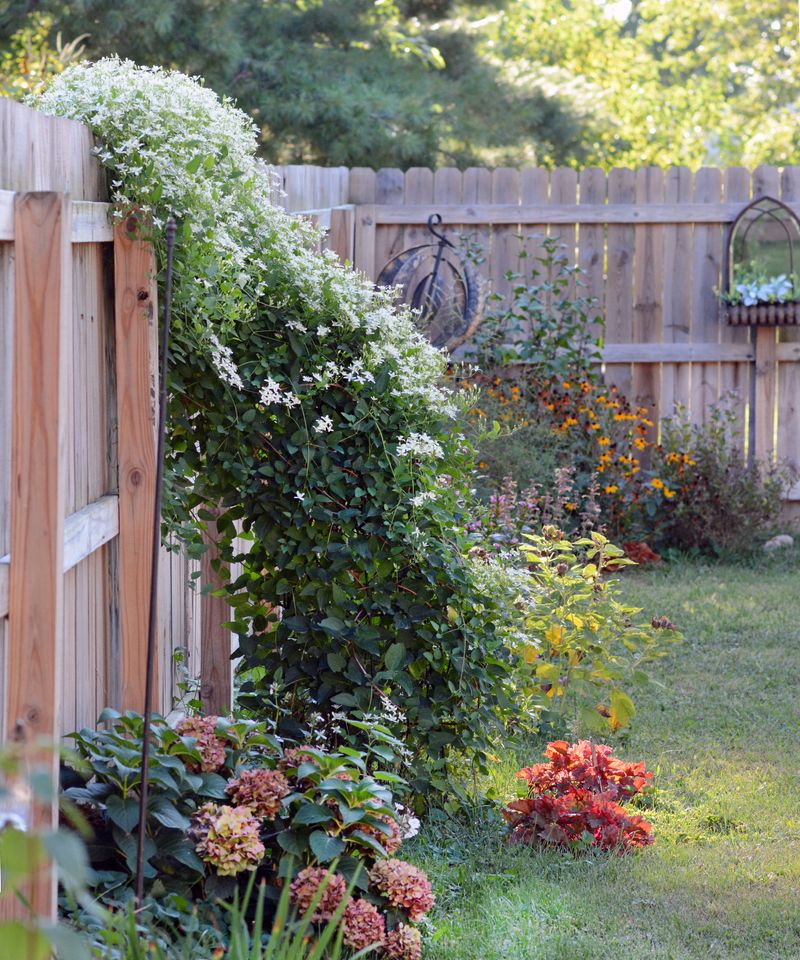
Skip the big cut this fall unless you know the vine’s group and age point to a specific job. Note when it flowers, leave older stems alone where they may carry buds, and save Group 3 pruning for just before new growth.
Watching costs nothing, and a good clematis rewards patience more than haste.