9 Flowering Vines That Turn a Bare Arizona Fence Into a Wall of Color
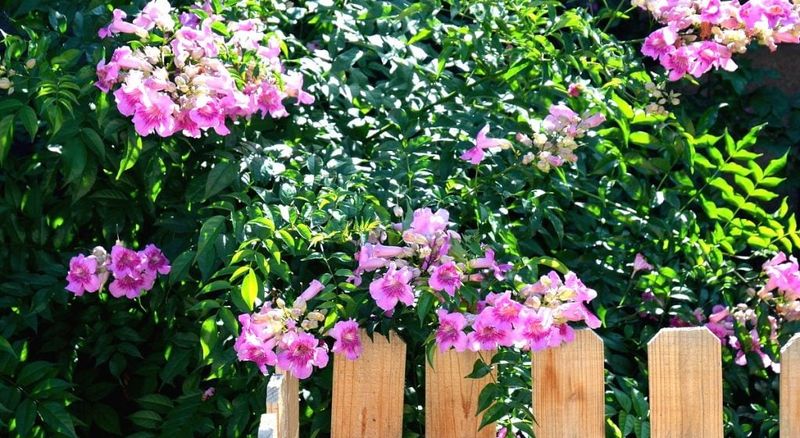
A plain block wall in Phoenix or Tucson soaks up the sun all day and throws that heat right back at your yard. The right flowering vine can cover that wall with color, cool the space a bit, and pull in hummingbirds, bees, and butterflies.
The best part is that many of these climbers handle 110-degree days and sip far less water than a lawn. Here are nine tough vines that earn their spot on a desert fence.
1. Queen’s Wreath
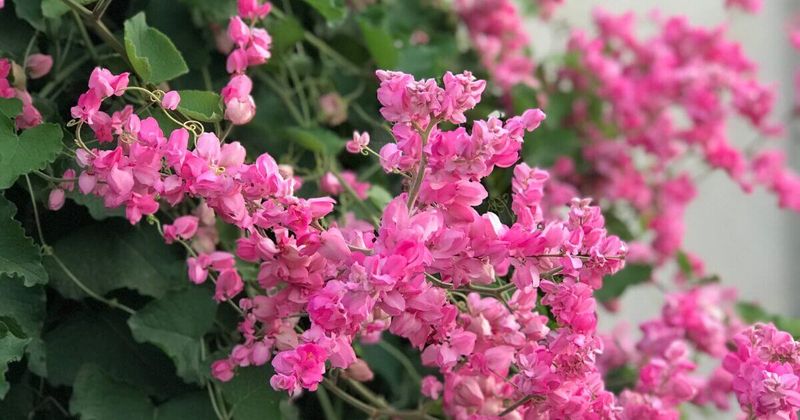
Picture a hot August afternoon when nearly everything in the yard looks tired, yet one fence is dripping with pink lace. Queen’s Wreath, also called coral vine, loves the heat so much that it seems to bloom harder as the thermometer climbs.
Native to Mexico and Central America, it climbs with curly tendrils and can stretch 15 to 20 feet, sometimes far more. Sprays of pink, rose, or white flowers appear from late spring or summer and keep going until the first frost.
Bright green, heart-shaped leaves fill in thickly, creating a soft screen against bare block.
Bees swarm the blooms, and hummingbirds and butterflies stop by too, which turns a plain wall into a busy pollinator station. Full sun and reflected heat from west-facing walls are no problem.
Once established, it handles dry spells well, though a deep soak every week or so in summer pushes out more flowers. Any well-draining soil works, including the rocky ground common around Tucson.
Frost may knock it back to the ground in winter, but the tuberous roots send up fresh growth each spring. Plant in fall or early spring, give it a sturdy support, and step back.
2. Cat’s Claw Vine
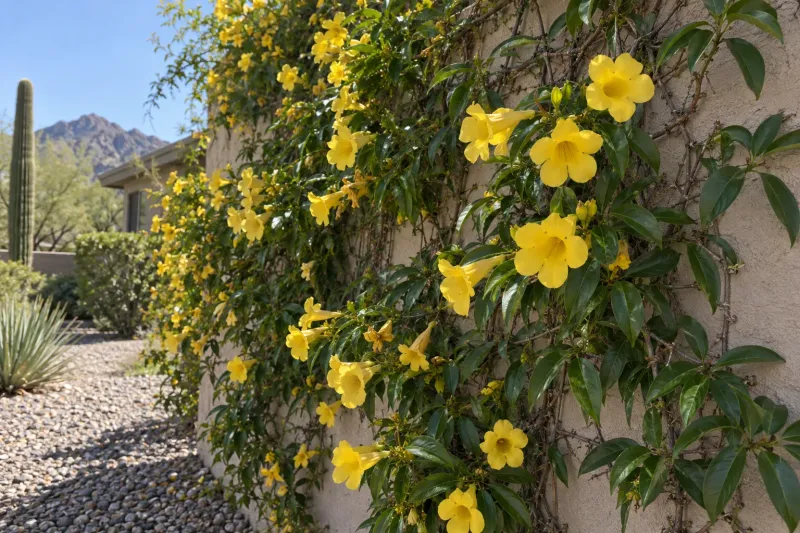
Got a long, ugly wall and very little patience? Cat’s Claw might be your answer, since few vines cover ground this fast in the low desert.
Small hooked tendrils, shaped just like a kitten’s claws, grab onto stucco, block, and wood with almost no help. In spring the whole vine lights up with bright yellow trumpet flowers that glow against a blue Arizona sky.
Bees and other pollinators visit the blooms during that showy stretch.
Toughness is its calling card. Hot west-facing walls and harsh reflected sun barely slow it down, and it grows in full sun or part shade across many soil types.
After it settles in, moderate watering during long dry periods keeps it happy.
The foliage stays mostly green through winter, though a cold snap can make it drop some leaves. It bounces back quickly once the weather warms.
Here is the honest catch: this vine can get pushy. It can run 20 feet or more and creep onto roofs or neighboring plants if ignored.
A firm trim each late winter keeps it in its lane. Plant in spring or fall, and treat it like a fast friend that needs clear boundaries.
3. Lady Banks’ Rose
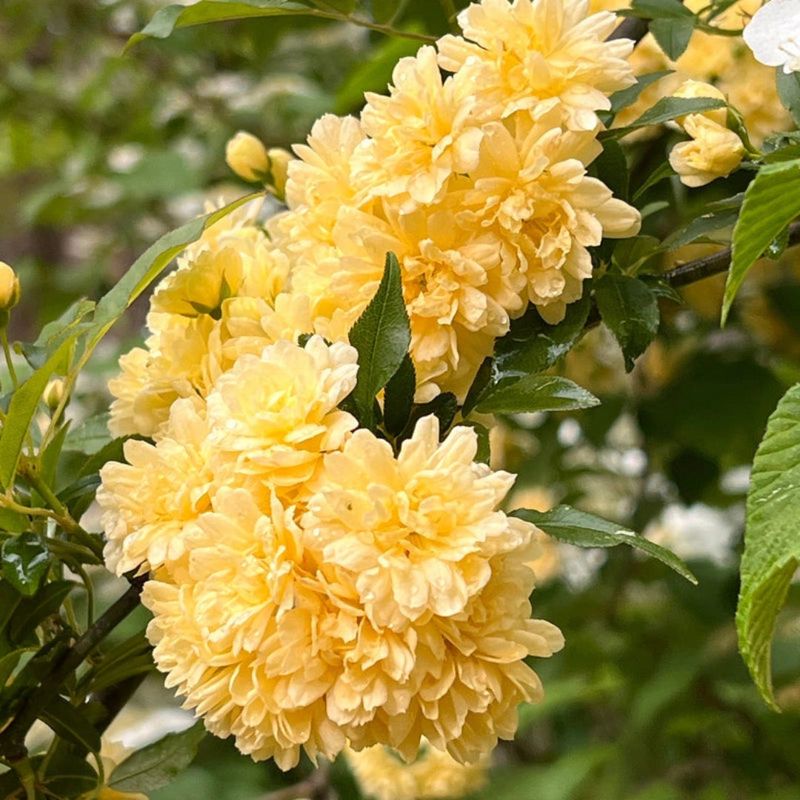
Grandmothers across Arizona have grown this rose for generations, and many old ranch homes still have a giant one spilling over a fence each March. Lady Banks’ Rose carries that kind of quiet, old-fashioned charm.
Your Arizona Garden Changes Every Week. Your Plan Should Too.
Gardening in Arizona changes quickly throughout the season. Every Friday you’ll receive a simple weekly plan showing exactly what to plant, prune, fertilize, harvest, and protect so you never miss the right timing.
Unlike most roses, it is nearly thornless, so pruning and walking past it will not leave you scratched. Each spring it puts on a six-week show of tiny double flowers in buttery yellow or white.
The white form has a sweet scent, and bees and butterflies drift through the clusters.
Glossy dark leaves stay green most of the year in our mild winters. The plant also shrugs off many of the common diseases that plague fussier roses.
In the low desert, it likes plenty of sun but appreciates a little afternoon break. An east-facing fence or filtered shade from a mesquite helps prevent leaf scorch in June.
Once established, it gets by on moderate water, which is impressive for a rose.
Expect it to reach 10 to 20 feet and spread wide, so give it room. Prune right after blooming, since next year’s flowers form on old wood.
Plant in fall or early spring.
4. Crossvine
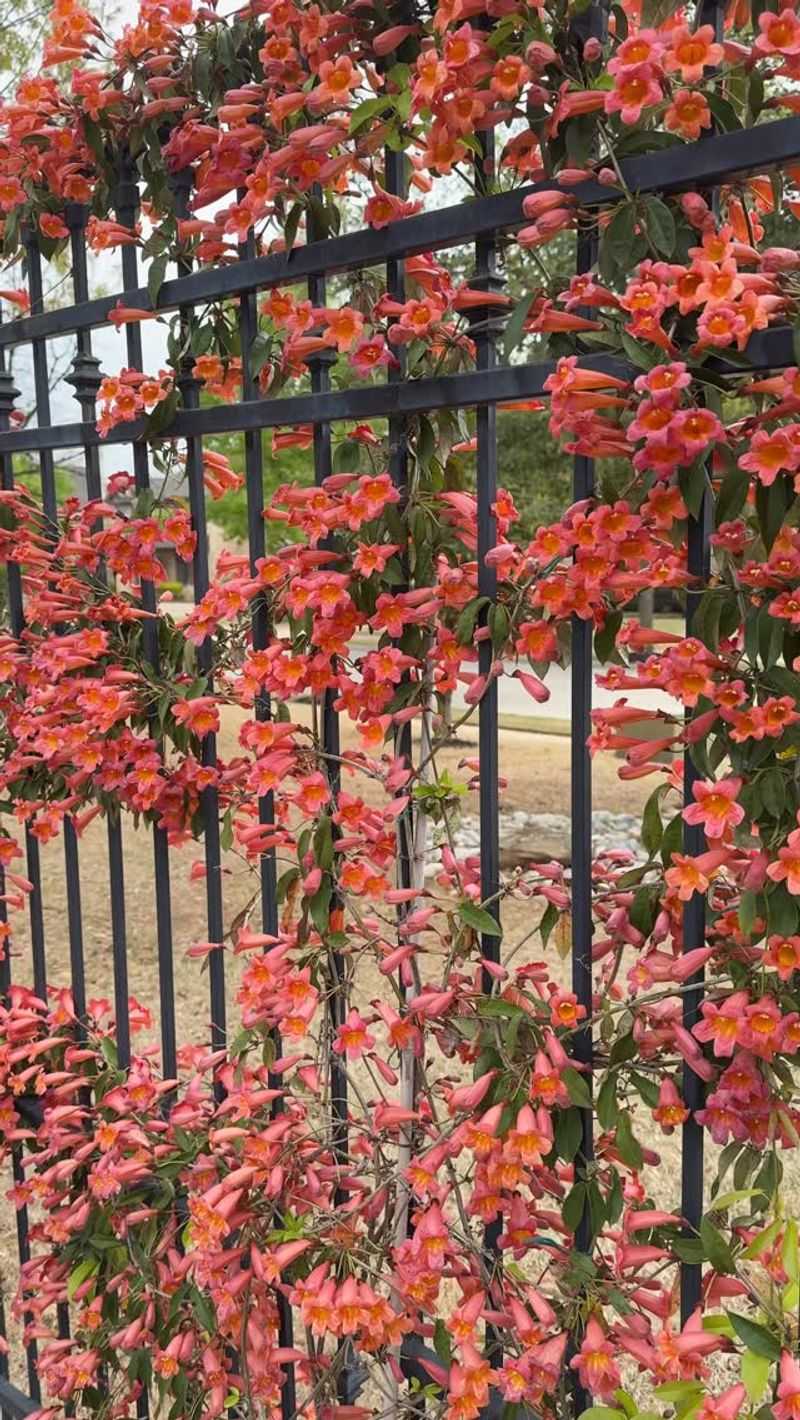
Hummingbirds seem to have a map with every crossvine in the neighborhood marked on it. Plant one, and you may notice those tiny visitors zipping in within days of the first flowers opening.
Crossvine is a North American native that adapts well to Arizona heat and alkaline soil. It clings on its own with tendrils and adhesive tips, so it can climb a block wall without much training.
Mature vines may reach 30 feet or more.
Mid-spring brings a burst of trumpet flowers in red, orange, and yellow, often with a few repeat blooms in summer. The ‘Tangerine Beauty’ variety is a local favorite for its glowing orange tone.
Bees and butterflies share the nectar with the hummingbirds.
Fun fact: slice a stem and you will see a cross-shaped pattern inside, which gave the vine its name.
The glossy leaves stay on through winter and often blush maroon or purple when nights turn cool. That gives you color even when blooms are gone.
Water regularly the first year so roots dig deep, then ease back. Full sun gives the most flowers, though light shade works.
Plant in fall or spring.
5. Pink Trumpet Vine
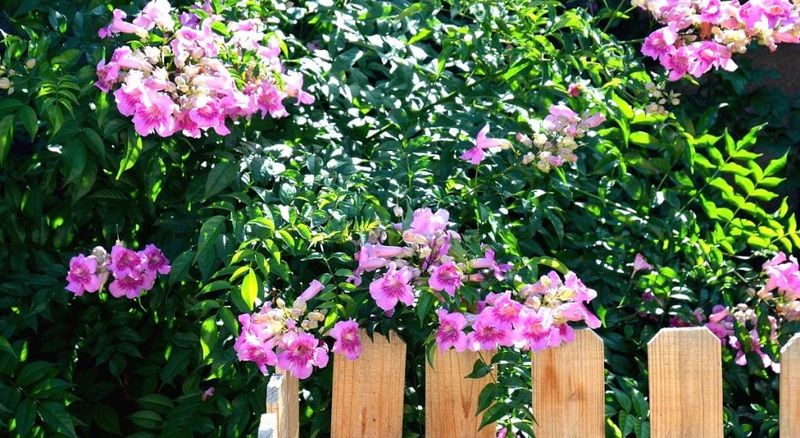
Most vines go quiet when the weather cools, but Pink Trumpet Vine saves its best show for the season when Arizonans actually want to be outside. Blooms often run from fall right through spring.
The flowers are soft pink bells with rosy stripes inside, and they carry a light fragrance. Hummingbirds and butterflies treat them like a winter buffet, which is a real gift when little else is flowering.
Speed is another perk. Many gardeners see it cover 10 to 12 feet of wall within two seasons, eventually reaching 20 feet or more.
It thrives in full sun and handles the brutal reflected heat of a south or west block wall.
One quirk to know: it has no tendrils, so it cannot grab the wall alone. Give it a trellis, wire, or sturdy hooks and tie the long stems as they grow.
After it matures, the vine is surprisingly thrifty with water, needing only an occasional deep drink during the hottest months. A hard freeze may singe the leaves, but it usually recovers fast once warmth returns.
Plant in fall or early spring for the strongest start and an easy, cheerful screen.
6. Cape Honeysuckle
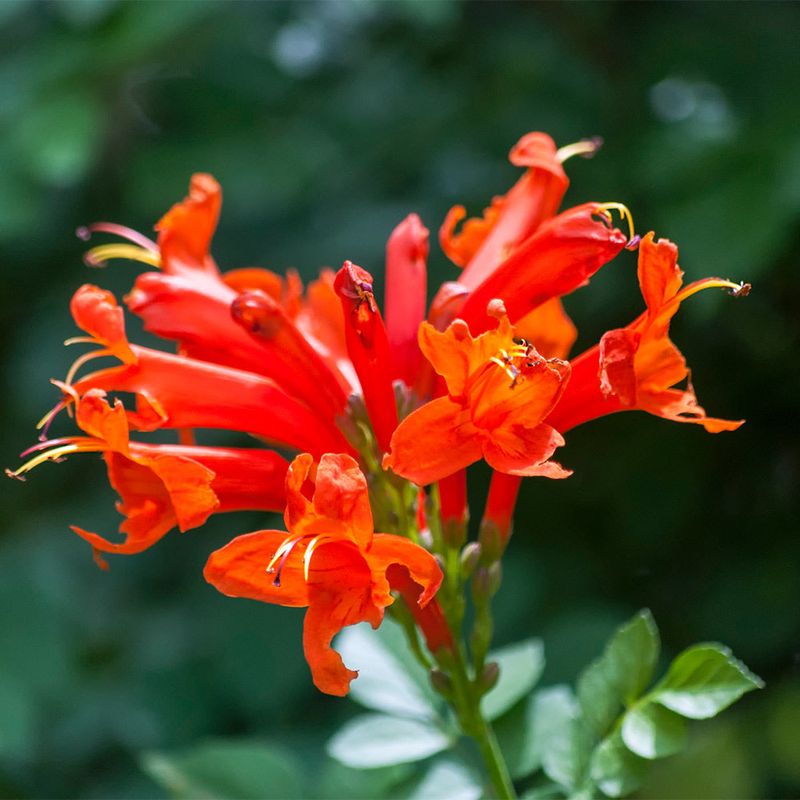
Think of Cape Honeysuckle as the flexible friend who can be whatever you need. Let it sprawl and it becomes a dense shrub, or tie it to a fence and it turns into a climbing screen.
Fiery red-orange tubes appear mostly from fall through spring, and in frost-free spots it may bloom nearly all year. Hummingbirds are almost guaranteed fans, and bees and butterflies join in too.
If you want a yard that feeds wildlife in the cooler months, this plant pulls its weight.
It grows quickly, often 5 to 10 feet, and taller with good support. Full sun brings the most flowers, though part shade is fine.
Yellow and salmon varieties exist if orange clashes with your house paint.
Water needs are modest once established, but a regular soak in summer keeps leaves lush and dense. Thick growth makes a handy privacy barrier between neighbors.
Since it is so vigorous, a heavy trim in late winter or early spring keeps it tidy and encourages fresh flowering stems. It adapts to most well-draining soils.
Plant in fall to let roots settle in before the next summer heat arrives.
7. Lavender Trumpet Vine
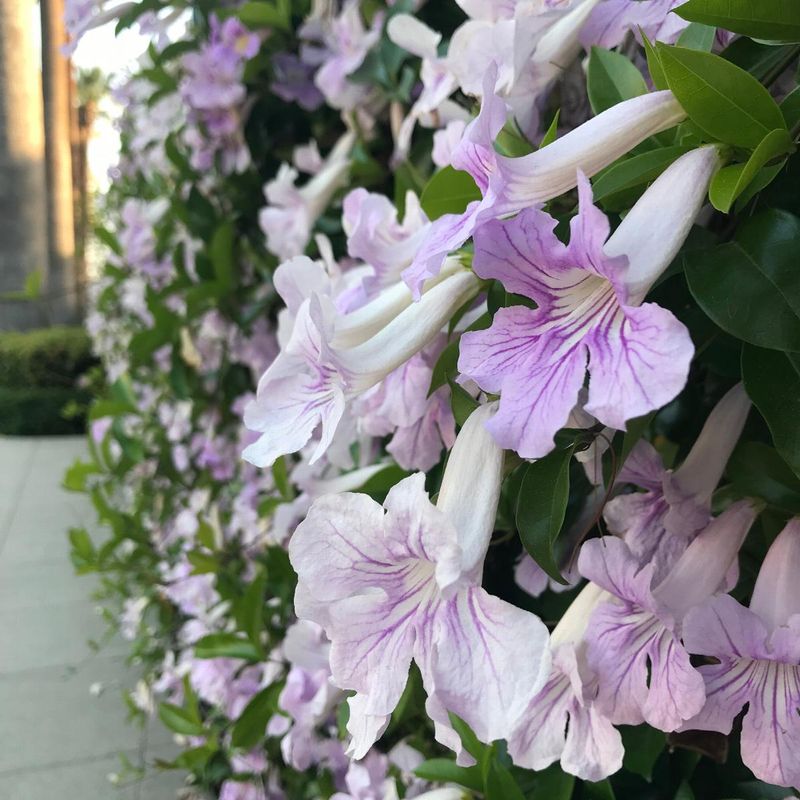
Purple is surprisingly rare among desert vines, which is exactly why Lavender Trumpet Vine stands out. Its cool, soft blooms bring a calm feeling to a yard that often looks sun-bleached by July.
Flowers in lavender to violet-blue appear from spring into fall, giving it one of the longer bloom seasons on this list. Hummingbirds, butterflies, and small birds all come by to visit.
Growth can be quick, around 6 feet a year, with a mature size of 20 feet or more. Tendrils let it climb fences and trellises easily.
Shiny evergreen leaves cover a bare wall all year, making it a solid choice for privacy.
A word of caution for low-desert homeowners: this vine likes a little relief. An east-facing fence or a spot with afternoon shade keeps it looking fresh through the worst of summer.
Consistent watering during hot, dry stretches leads to more flowers.
It tolerates sandy, loamy, and clay soils as long as water drains away. Prune lightly after the main flush of blooms to keep it neat.
Plant in fall or early spring, and enjoy a cooler color palette on your fence.
8. Trumpet Creeper
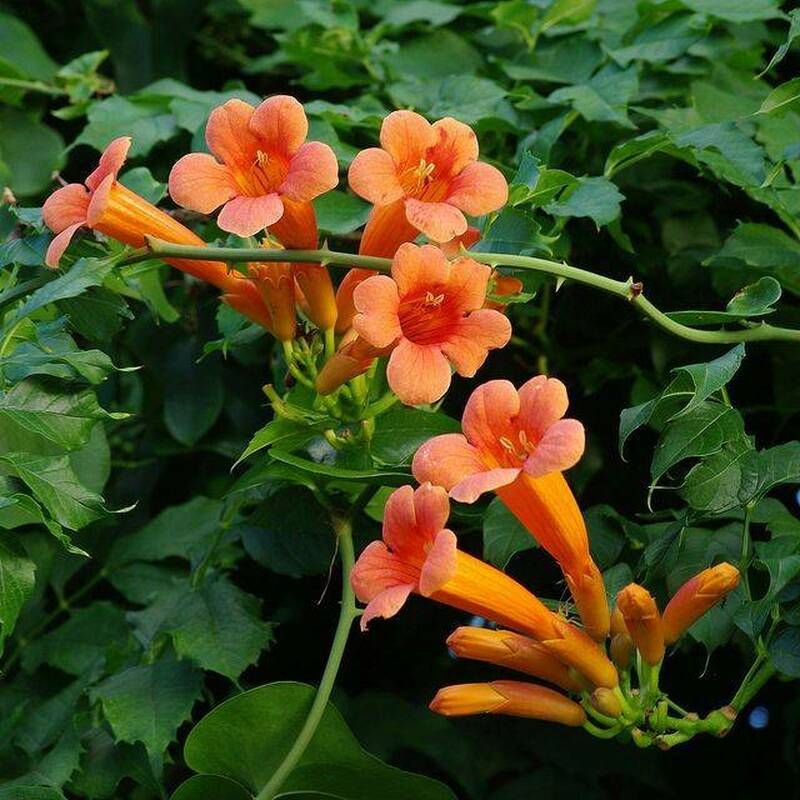
Ready for a vine with real muscle? Trumpet Creeper climbs using tiny aerial rootlets that stick to wood, stone, and block, and it can top 30 feet with ease.
From early summer into fall, clusters of orange-red trumpets cover the plant. Hummingbirds adore the deep tubes, and bees and butterflies visit too.
Its dense leaves may also give songbirds and lizards a shady spot to hide, adding to a yard that works as habitat.
Heat is no issue. Full sun produces the best flowers, and established plants handle drought very well.
Young vines need deep watering during dry spells until roots spread. It grows in clay, sand, loam, and even rocky caliche ground.
Now the fine print. This plant spreads by suckers, so baby shoots may pop up several feet away.
Pull them while small. Plan a firm prune each late winter to control size, and keep it away from roof edges and gutters.
Wear gloves when trimming, since the sap can irritate skin. The leaves drop in winter, so expect a bare look for a few months.
Give it a strong fence and steady pruning, and it rewards you every summer.
9. Bougainvillea
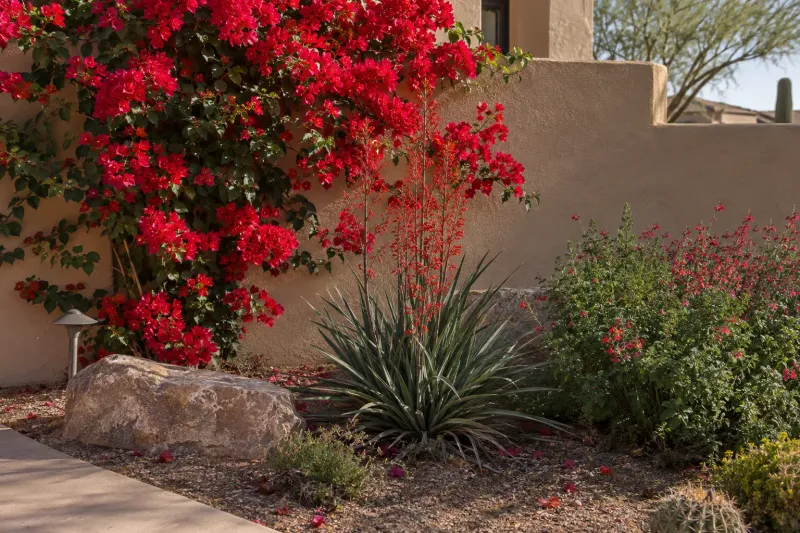
Drive through almost any Phoenix neighborhood in summer and you will spot walls blazing magenta. That color almost always comes from bougainvillea, the reigning champion of desert heat.
Here is a fun twist: the bright parts are not actually petals. They are papery leaves called bracts that surround tiny white flowers in the center.
Colors range from hot pink and red to orange, purple, and gold.
Few plants love reflected heat this much. A south or west block wall that cooks everything else is often where bougainvillea looks its best.
It uses little water once established and handles alkaline soil well. In fact, too much water can mean fewer blooms.
It does not cling by itself, so tie the long arching branches to sturdy hooks or wire. Watch for thorns while you train it, and gloves help a lot.
Frost can damage tender growth, so cover young plants on cold nights. Wait until frost danger passes in late winter before pruning.
Plant in spring after the last frost or in October for good root growth. Color can last from early summer into fall, giving that bare fence a nonstop glow.