What Happens When You Mow Over Leaves On Your Pennsylvania Lawn
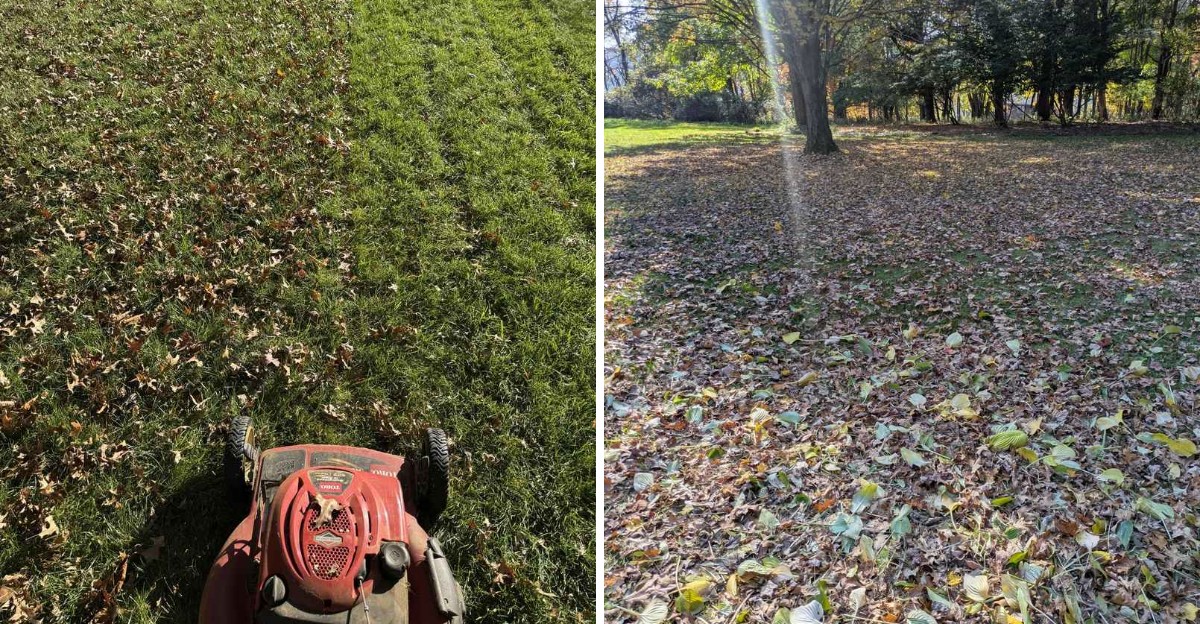
What if you could skip most of the raking this fall and end up with a healthier lawn because of it?
It sounds too good to be true, but plenty of Pennsylvania homeowners are doing exactly that. Instead of spending weekends raking, bagging, and hauling leaves to the curb, they simply run the mower over them.
The mower chops the leaves into tiny pieces that slip down between the grass blades. Over the next few weeks, those bits break down and feed the soil, adding nutrients and organic matter right where your lawn needs it.
Some research has even found that mulched leaves can help reduce certain weeds the following spring.
There’s a right way and a wrong way to do it, though. Too many leaves at once can smother the grass instead of helping it. A few simple tips can help you get it right.
1. Leaves Get Shredded Into Tiny Pieces
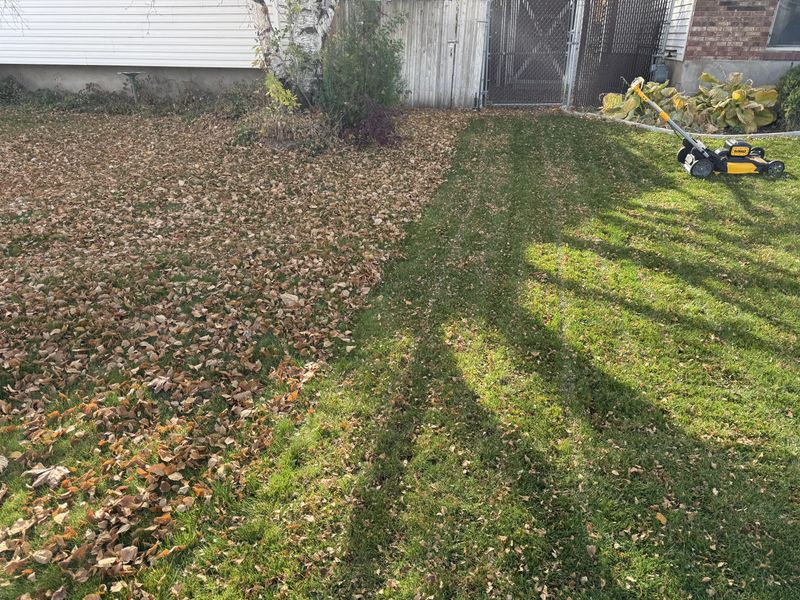
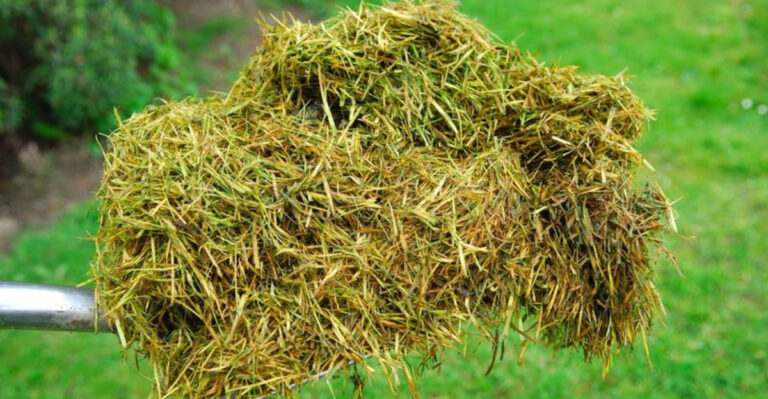
Walk outside after one quick pass with the mower, and something surprising happens. That crunchy carpet of leaves seems to vanish. Your blades have chopped it into flakes about the size of a dime or smaller.
Those tiny bits slide down between the grass blades. They settle near the soil instead of sitting on top like a blanket. Within a few days, most of them are hard to spot at all.
A regular rotary mower can do the job just fine. A mulching mower works even better because its blade is shaped to cut leaves several times before they drop.
Some people also buy a mulching blade to swap onto their current mower for a small cost.
Here are a few simple tricks for good results. Raise your mower deck to about three inches, which is a healthy height for most Pennsylvania grasses like tall fescue and Kentucky bluegrass.
Remove the bag or close the side chute so pieces stay on the lawn. Walk at a steady, slow pace so the blade has time to work.
Sometimes one pass is not enough. If you still see big chunks, mow again in a different direction. Going north to south and then east to west breaks leaves down nicely.
Leaf type matters too. Soft maple leaves shred in a flash. Thick oak leaves are tougher and may need an extra trip across the yard.
Keep your blade sharp for clean cuts. A dull blade tears leaves and grass instead of slicing them. Sharpening once a season makes the whole job faster and leaves your lawn looking neat and tidy.
2. They Break Down And Feed Your Soil
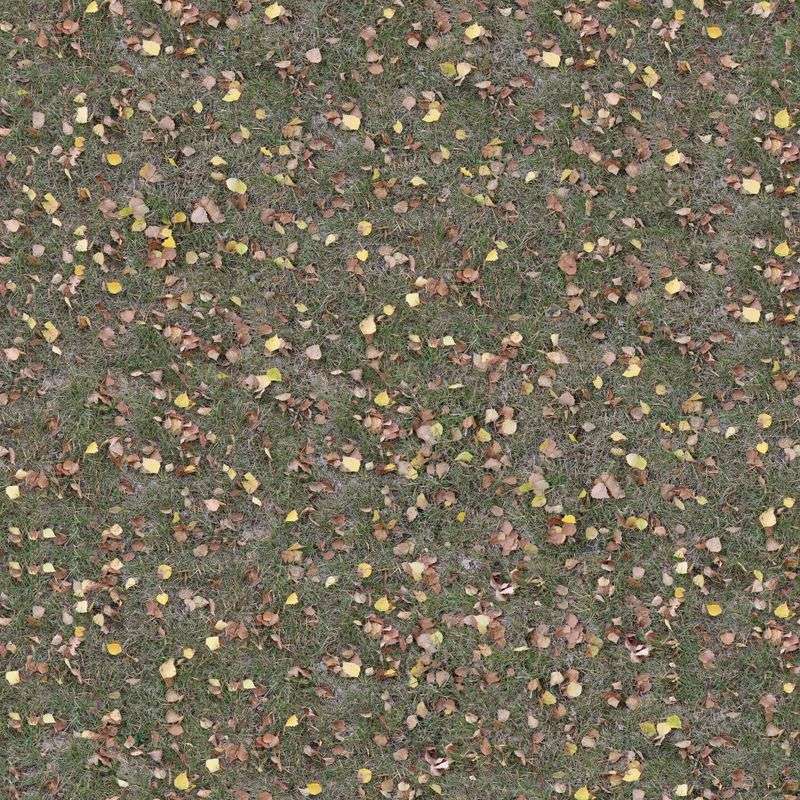
Nature has been recycling leaves for millions of years. Forests never get raked, yet their soil stays rich and dark. Your lawn can follow that same old recipe.
Once leaves are shredded, they start to decompose. Moisture from fall rain and melting snow softens them. Tiny fungi and bacteria then go to work, breaking the pieces down bit by bit through the colder months.
As they rot, leaves release nutrients back into the ground. Trees pull minerals like potassium, calcium, and some nitrogen from deep in the earth.
Your Pennsylvania Garden Changes Every Week. Your Plan Should Too.
Gardening in Pennsylvania changes quickly throughout the season. Every Friday you’ll receive a simple weekly plan showing exactly what to plant, prune, fertilize, harvest, and protect so you never miss the right timing.
When the leaves fall and break apart, those minerals return to the topsoil where grass roots can reach them.
Leaves also add organic matter. Think of organic matter as a sponge in the soil. It helps the ground hold water during dry summer spells and lets extra water drain when storms hit.
Much of Pennsylvania has heavy clay soil. Clay packs down hard and can feel like brick in August. Adding organic matter year after year slowly loosens it and makes it crumbly and easier for roots to grow through.
Fun fact: one big shade tree can drop hundreds of pounds of leaves in a single autumn. That is a lot of free soil food you would otherwise throw away.
Results do not happen overnight. You may not notice a change after just one season. After a few years, though, many homeowners see thicker, greener grass that needs less fertilizer.
Want to help things along? A light fall fertilizer feeding can give soil microbes extra energy to break leaves down faster. Just follow the label and never apply before a heavy rain.
3. Earthworms And Soil Life Get A Boost
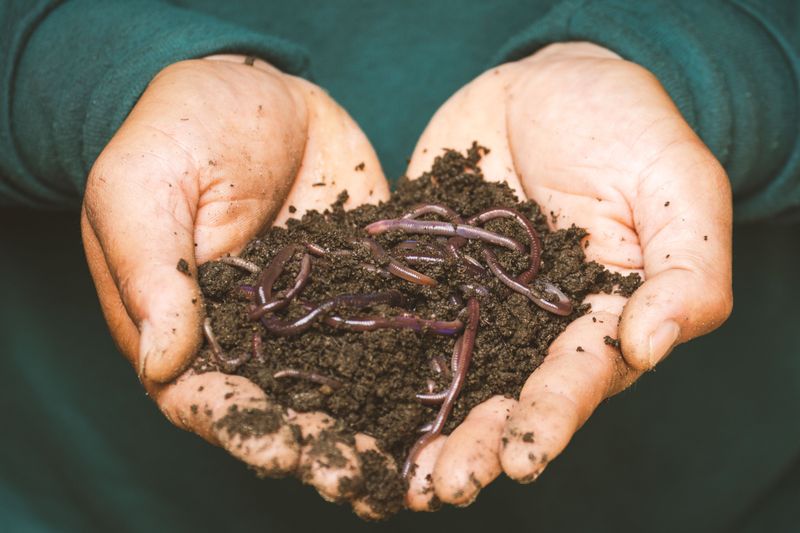
Ever notice little piles of dirt in your yard after a rainy fall night? Those are worm castings, and they are a sign of a busy underground crew. Earthworms love shredded leaves almost as much as kids love candy.
At night, worms crawl up and grab leaf bits. They drag them down into their tunnels to eat later. Along the way, they mix fresh organic matter deep into the soil.
Worms are not working alone. Billions of microbes, including bacteria and fungi, join the feast. A single handful of healthy soil can hold more living things than there are people on Earth.
All that activity does real good. Worm tunnels act like tiny air pipes and drain lines. They let oxygen and water reach grass roots more easily.
Compacted soil is a common problem in busy yards. Kids playing, dogs running, and cars parking can squash the ground flat. Worms help undo some of that damage by loosening the dirt as they burrow.
Their castings are also rich in nutrients. Gardeners often pay good money for bags of worm castings at the store. Your lawn gets them for free when you feed the worms with leaves.
A few tips can keep your soil crew happy. Avoid heavy use of harsh chemicals that can harm worms. Water during dry stretches so the soil does not turn rock hard.
You can even do a simple worm count. Dig up a one-foot square of soil about six inches deep in spring. Finding ten or more worms means your lawn is in great shape.
4. It May Help Reduce Some Weeds
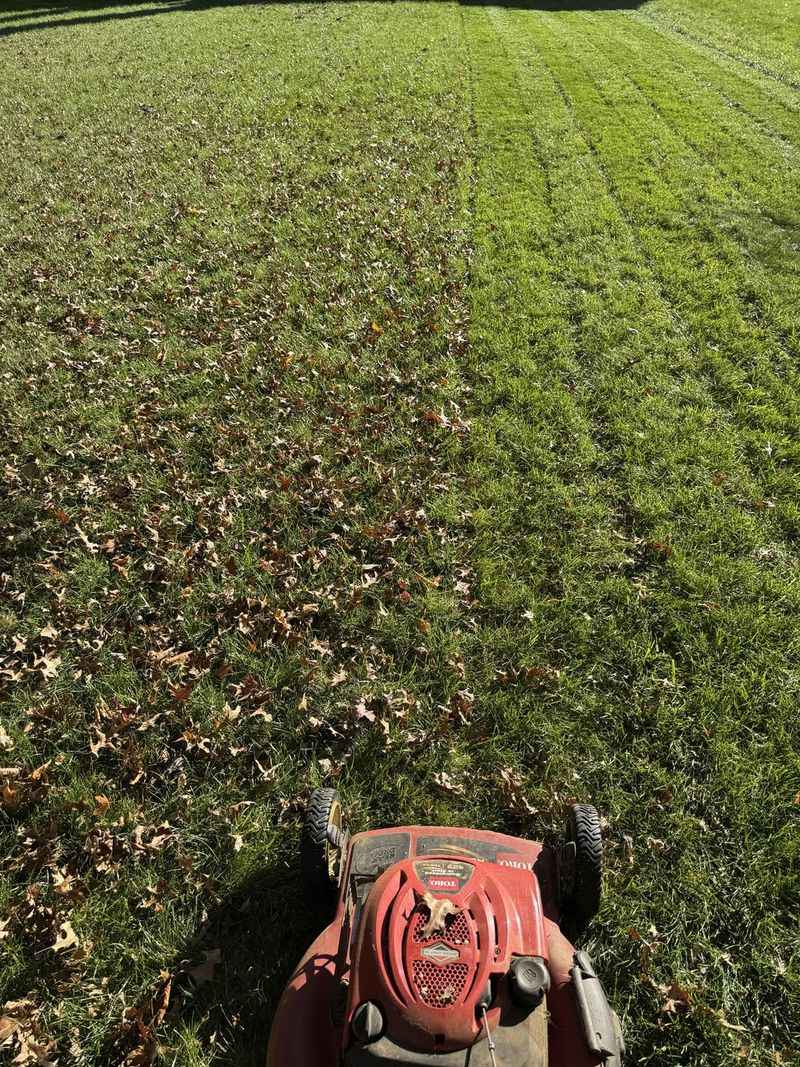
Here is a surprise that caught even some scientists off guard. Researchers spent several years studying lawns where leaves were mulched in. The results showed fewer dandelions in those plots over time.
So how can chopped leaves fight weeds? One idea is pretty simple. The leaf pieces settle into small open gaps in the turf, the exact spots where weed seeds love to land and sprout.
Weeds are opportunists. They wait for bare patches with sunlight hitting open soil. When leaf bits cover those holes, seeds have a harder time taking root.
Healthier soil plays a role too. Grass that grows thick and strong crowds out weeds naturally. A dense lawn simply leaves little room for unwanted plants to move in.
Keep your expectations realistic, though. Mulched leaves will not wipe out every weed in your yard. Tough invaders like crabgrass or creeping Charlie may still show up, and results can differ from lawn to lawn.
Still, it is a nice bonus for doing less work. Pairing leaf mulching with good habits gives you the best chance. Mow high, since taller grass shades the soil and blocks weed seeds.
Fall is also a great time to overseed thin spots. Spread grass seed in early September across Pennsylvania, before most leaves drop. New grass fills gaps before weeds can claim them.
Spot treat stubborn weeds by hand when you can. Pulling dandelions after a rain is easy because the roots slip out of soft ground. Little efforts like these, plus mulched leaves, add up to a cleaner lawn.
5. You Save Time And Reduce Waste
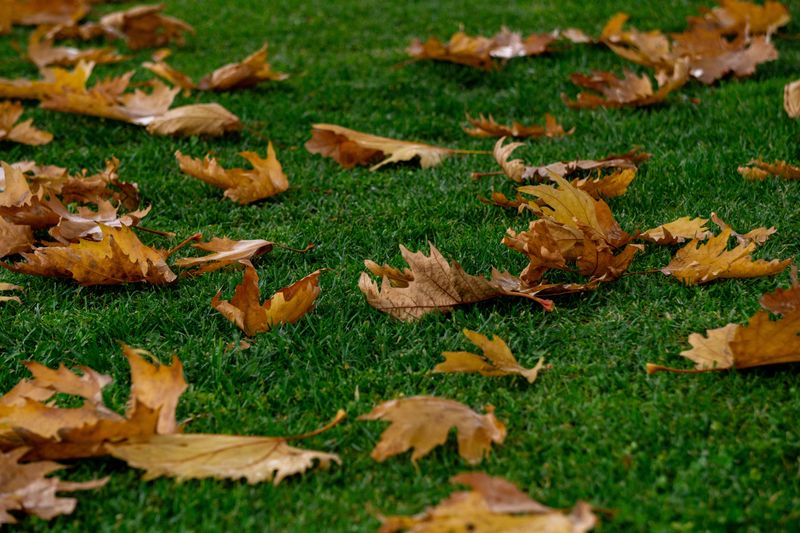
Raking used to eat up my entire Saturday every October. Blisters on my hands, a sore back, and a curb lined with paper bags. Switching to mowing the leaves changed my whole fall routine.
Mowing a leafy yard often takes about the same time as a normal cut. Raking, bagging, and hauling can take hours longer. That freed up time can go to football games, apple picking, or a trip to a pumpkin patch.
Your wallet may thank you too. Paper leaf bags cost money, and some Pennsylvania towns charge for yard waste stickers or special pickups. Keeping leaves on your lawn means skipping many of those expenses.
Then there is the bigger picture. Yard waste makes up a large share of what gets collected in many communities each fall. Fewer leaves at the curb means less work for your local municipality and its crews.
Many Pennsylvania towns compost collected leaves, which is great. Still, trucks burn fuel driving from street to street. Handling leaves at home cuts down on that traffic and pollution.
Leaves sent to landfills also take up valuable space. Buried without much air, they break down slowly and can release methane, a gas that warms the planet. Mulching them into your lawn skips that problem entirely.
Got a neighbor stuck raking every weekend? Share your method. Showing someone how easy it is might save them hours of work.
One quick note: check your local rules. A few homeowner associations have guidelines about lawn care. Most, however, are happy as long as your yard looks neat.
6. Too Many Leaves Can Still Smother The Grass
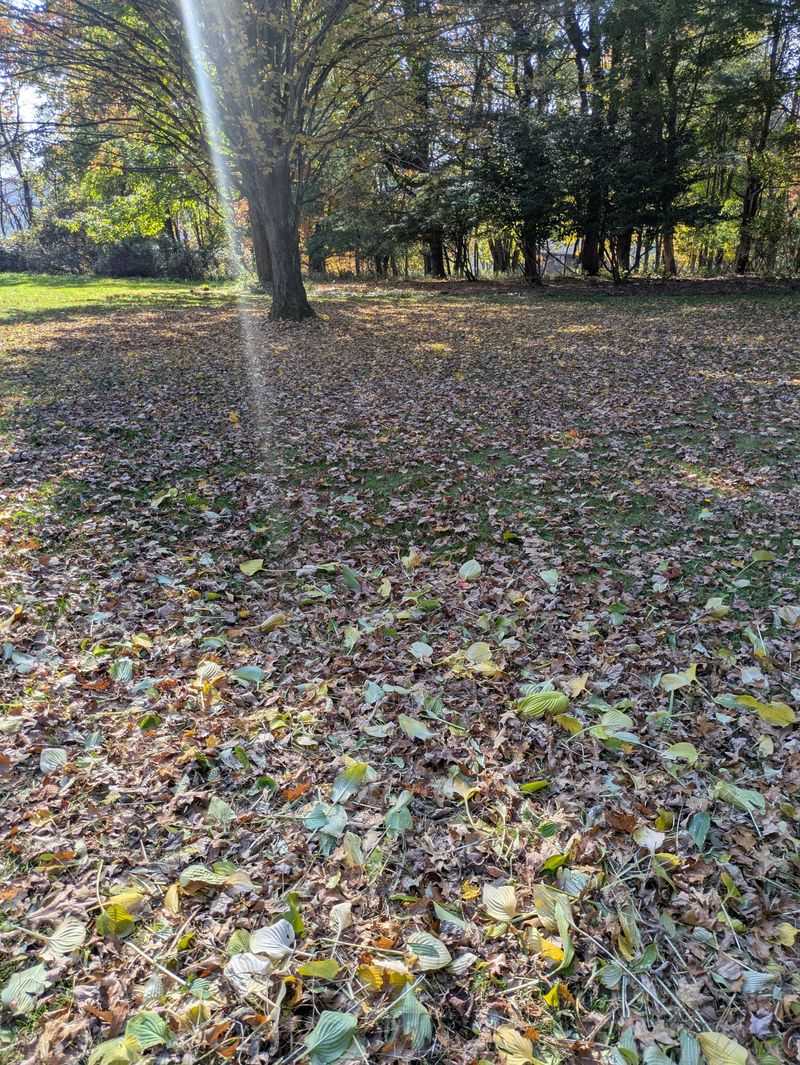
Every good thing has a limit, and leaves are no exception. A light sprinkle helps your lawn. A heavy blanket can do real harm.
Grass still needs sunlight in late fall to store energy for winter. A thick layer of leaves blocks that light. Starved grass can thin out and leave bare spots by spring.
Moisture is another problem. Wet, matted leaves trap dampness against the turf. Pennsylvania winters bring plenty of snow, and that trapped moisture can lead to snow mold.
Snow mold shows up as gray or pinkish circles once the snow melts. Patches look matted and crusty. Most lawns recover, but it is a hassle you can avoid.
The answer is timing and frequency. Mow often during peak leaf drop, which usually runs from mid October into November across most of the state. Once a week, or even twice in heavy weeks, keeps piles from building up.
Try to mow when leaves are dry. Wet leaves clump, stick to the mower deck, and refuse to shred properly. A sunny afternoon after the morning dew burns off is perfect.
Use this easy test. After mowing, look down at your lawn. If you cannot see grass blades poking through the shredded leaves, you have too much.
Do not toss the extra. Bag it and spread it as mulch around shrubs, flower beds, or vegetable gardens. Shredded leaves keep soil warm and protect plant roots all winter.
You can also start a compost pile. By next summer, those leaves become dark, rich compost your garden will love.