10 Apple Varieties Worth Growing in a Pennsylvania Backyard Orchard
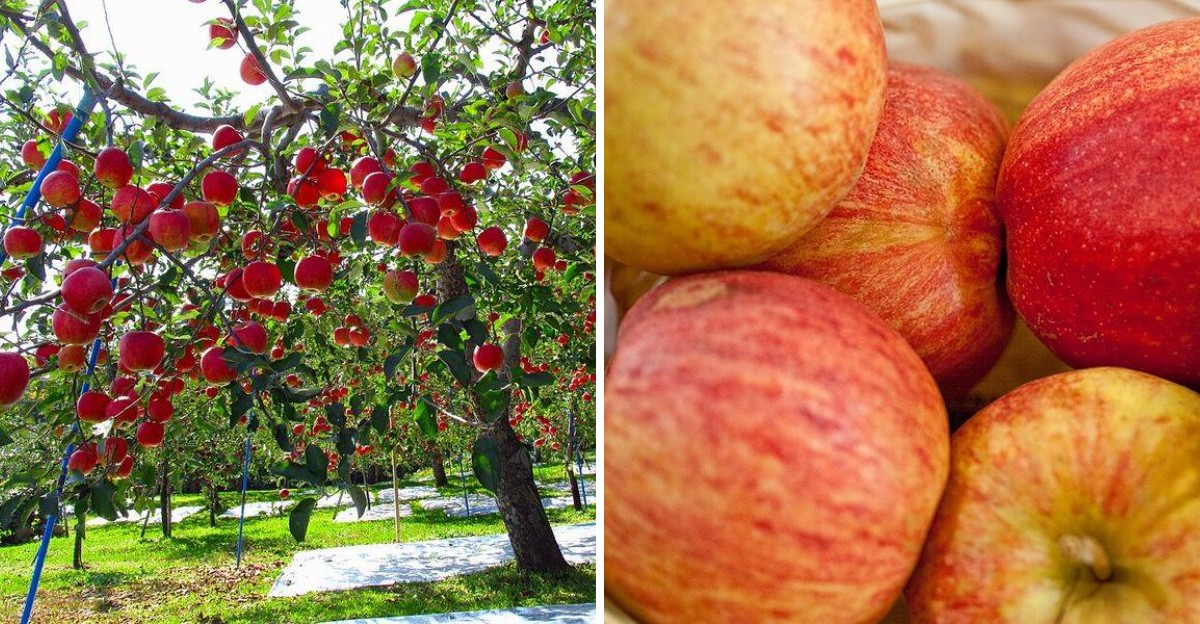
My first homegrown harvest tasted better than anything from the store, and juice ran down my chin. Grocery bins look tempting, but the crunch from your own backyard tree hits on a whole different level.
Pennsylvania gardeners have a real advantage here with cold winters and warm summers in the right balance. Our state sits mostly in zones 5 and 6, plus a few warmer pockets in the southeast corner.
Still, the wrong pick can bring years of spotted leaves and sour disappointment to your patch. I learned that lesson the hard way, and my first tree spent more time sick than fruitful.
Early fall is the smart moment to plan, and local orchards are showing off their best fruit right now. These ten picks earned their spots with big flavor and a proven track record in real backyard soil.
1. Honeycrisp
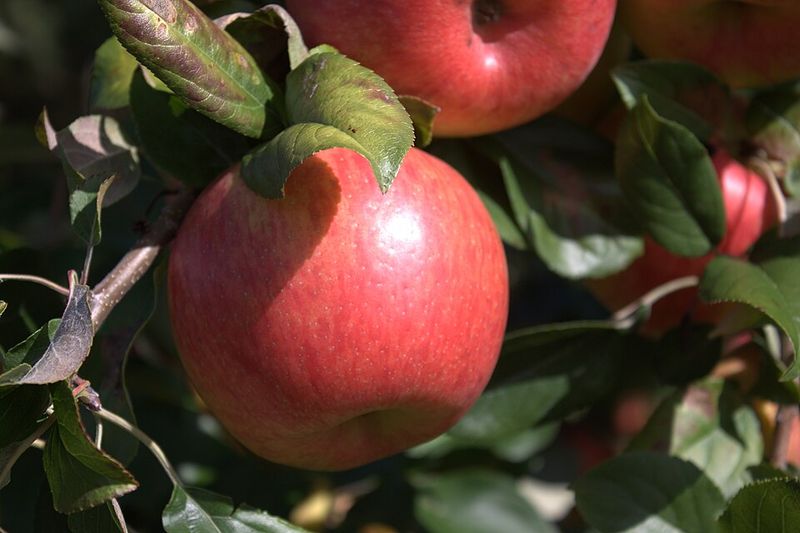
Bite into a ripe Honeycrisp and the snap sounds almost loud enough to startle the birds nearby. I still grin at that crack, and juice usually runs straight down my wrist before the second bite.
The secret hides inside the fruit, where unusually large cells burst open and flood your mouth with juice. University of Minnesota breeders developed this variety, and it quickly became a favorite across the whole country.
Honeycrisp handles zones 3 through 7, so cold winters in most of Pennsylvania suit it just fine. The large fruit carries crisp white flesh with a sweet and tart balance that rarely gets boring.
Most trees finish ripening around mid-September here, so your harvest has likely wrapped up by early October. Stored apples hold up for several months with proper cool conditions, giving you crunchy snacks into winter.
You need a second variety nearby, because Honeycrisp produces far better crops with a compatible pollinator. Gala and Fuji both make reliable partners, and they bloom close enough in timing to share busy bees.
Scab rarely bothers this tree much, yet bitter pit and fire blight can show up in some years. Sooty blotch and flyspeck may also leave smudges on the skin, though they mostly wash or rub off.
Personally, I think this tree rewards patience more than any other variety in my small backyard orchard. Fall is a fine time to mulch around the trunk, keeping a small gap so bark stays dry.
2. Gala
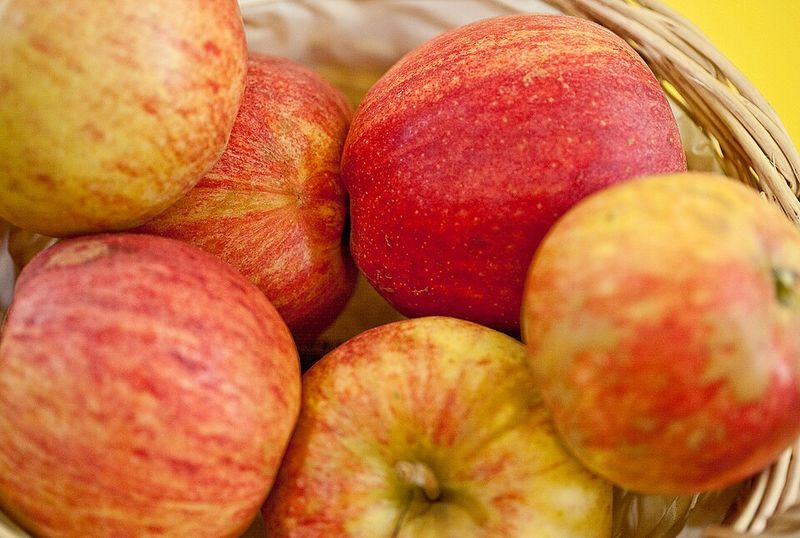
Kids tend to grab Gala first, and I suspect the faint vanilla sweetness explains their quick little hands. The orange-red skin glows in a fruit bowl, and the crisp flesh stays mild enough for picky eaters.
This variety traces its roots to New Zealand, yet it settles happily into backyard orchards across zones 4 through 8. Most Pennsylvania yards fall well inside that comfortable range, so winter cold rarely causes this tree any trouble.
Gala ripens early, with picking usually running from late August into September in most home orchards. By early October your tree has likely finished, so now is a good time to check branches for breaks.
Your Pennsylvania Garden Changes Every Week. Your Plan Should Too.
Gardening in Pennsylvania changes quickly throughout the season. Every Friday you’ll receive a simple weekly plan showing exactly what to plant, prune, fertilize, harvest, and protect so you never miss the right timing.
Heavy crops are part of the charm, since Gala trees tend to produce generous harvests year after year. Thinning young fruit in early summer helps the remaining apples size up and keeps limbs from straining.
Gala is partially self-fertile, but a second variety nearby boosts the crop in a big way. It also works as an excellent pollinator itself, so it pairs well with Honeycrisp or Fuji.
In the kitchen, I reach for Gala when making smooth applesauce for the freezer each fall. Pies are a different story, because the softer texture can turn mushy during long baking times.
You’re in for a treat if fresh snacking matters most, because few apples disappear from my counter faster. Plant one in full sun with good drainage, and it will reward you for many seasons ahead.
3. Empire
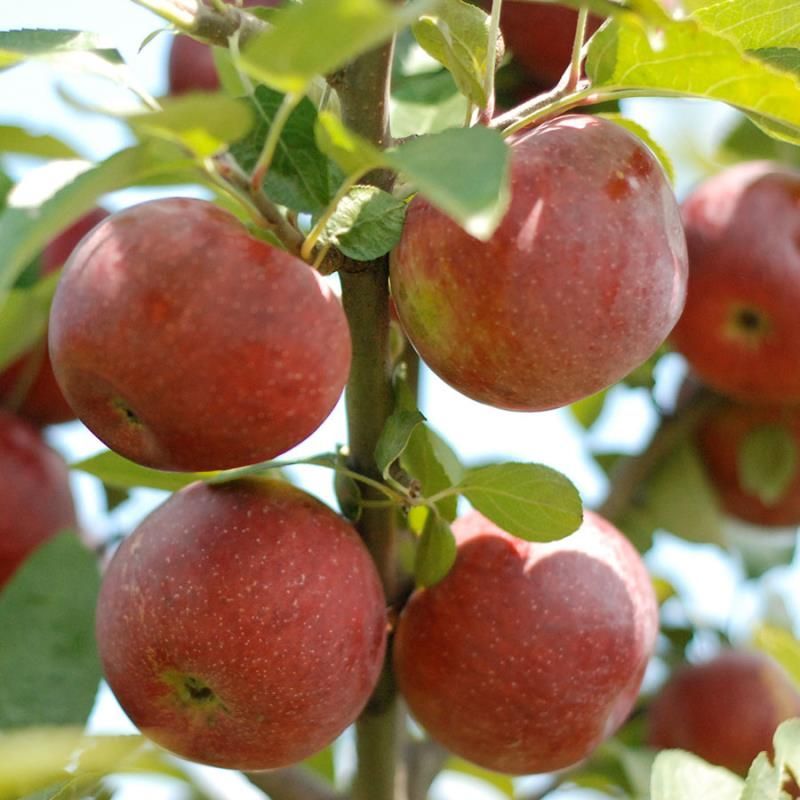
Toss an Empire into a lunchbox, and it usually comes home without a single bruise on its dark red skin. I love that tough streak, since soft apples rarely survive my backpack or my kids for long.
Breeders crossed McIntosh with Red Delicious to create Empire, and the family resemblance shows in the flavor. You get the juicy tang of one parent and the deep color of the other in every bite.
Empire grows well in zones 4 through 7, which covers nearly every corner of Pennsylvania with room to spare. Harvest usually lands in mid to late September, so many backyard trees are just finishing up now.
Disease resistance is a big selling point, with solid protection against both fire blight and cedar apple rust. That means fewer sprays and less worry for busy gardeners who prefer a lower maintenance tree.
Empire is partially self-fertile, yet a neighboring variety helps the blossoms set a much fuller crop. Gala and Honeycrisp both work nicely as partners, and they bring their own tasty harvests too.
Refrigerated Empire apples keep well into winter, so a full crisper drawer can last past the holidays. I like slicing them into pies because the sweet-tart balance holds steady after time in the oven.
The tree also crops reliably every year, which beats varieties that take a rest every other season. For a dependable all-rounder that shrugs off rough handling, this one deserves a sunny spot in your yard.
4. Golden Delicious
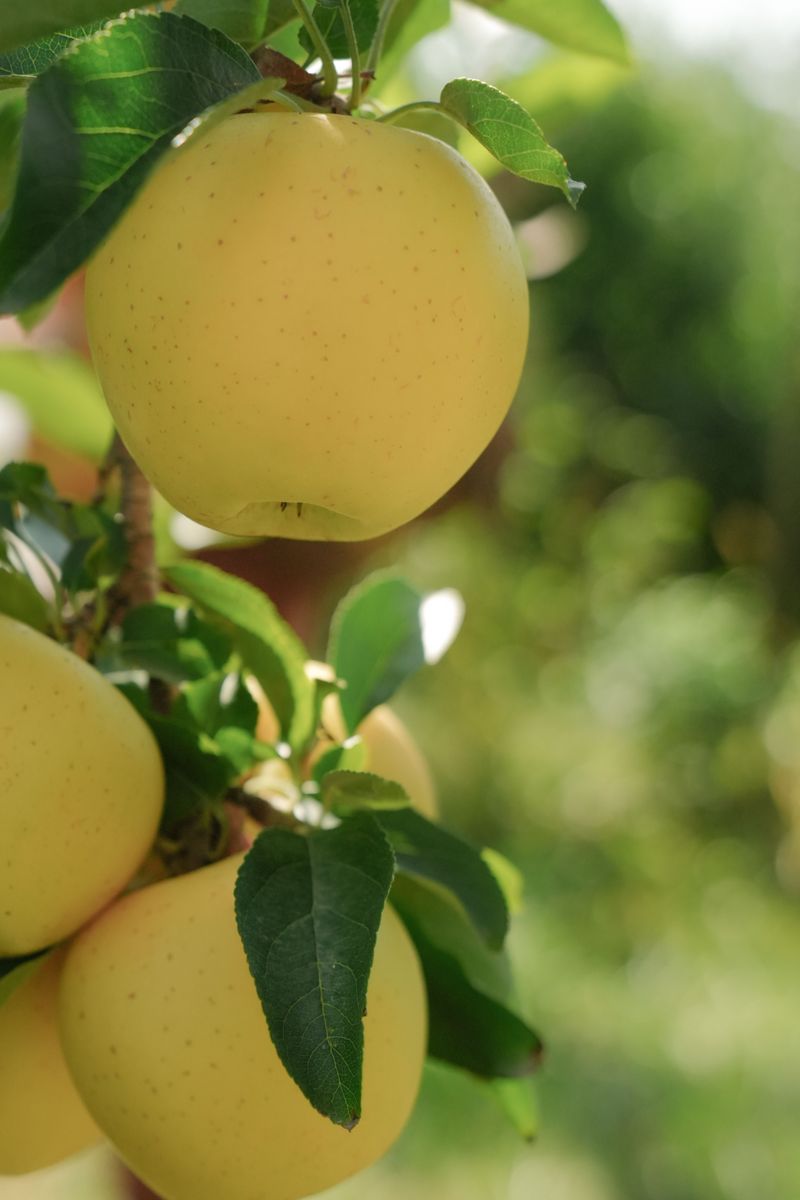
Right now is prime time for Golden Delicious, with fruit turning buttery yellow on branches across the region. Harvest runs from late September into early October, so this tree steals the spotlight this month.
Unlike many apples, this variety is self-pollinating, so a single tree can still give you a crop. Small city yards with room for only one tree benefit the most from that handy, space-saving feature.
Golden Delicious thrives in zones 4 through 9, so cold snaps in the northern tier rarely slow it down. Nurseries sell it in dwarf and semi-dwarf sizes, which makes it easier to fit along a fence.
Heavy cropping can become a problem, because overloaded branches produce small fruit that often ripens unevenly. You need to thin young apples after bloom, leaving space between clusters for the keepers to grow.
I believe this is one of the best all-purpose apples, especially for anyone who loves to bake. Slices hold sweet flavor in pies, and they add a mellow note to savory pork dishes and crunchy fall salads.
Homemade applesauce from this fruit has a distinctive golden color that looks lovely in clear jars. Some spur strains develop rough russet patches on the skin, though the flesh underneath tastes just fine.
Pick fruit when the green tint fades toward gold, and handle each one gently to avoid bruises. Thin skin marks easily, so a soft basket lined with a towel keeps your harvest looking pretty.
5. McIntosh
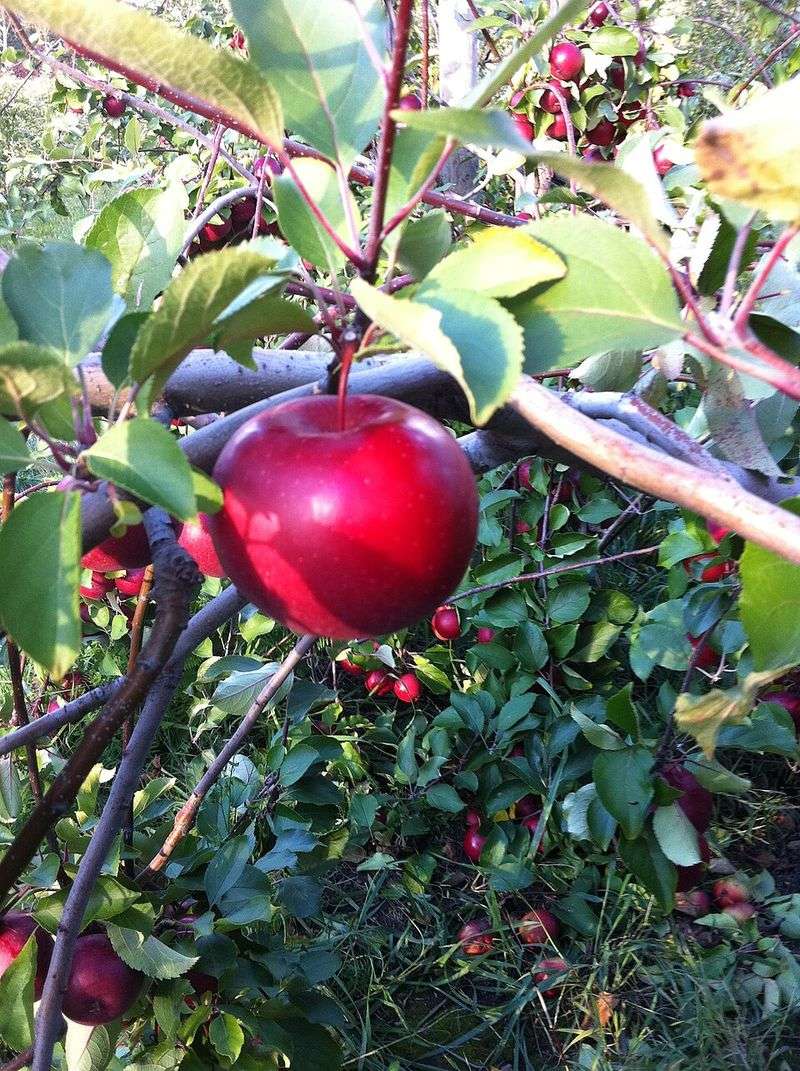
Grandma’s applesauce probably started with McIntosh, and one whiff of the spicy aroma might bring it all back. This old favorite has been filling family kitchens with that sweet tangy smell since the 1800s.
The variety began in Ontario, Canada, so it handles harsh cold better than many common orchard trees. It grows in zones 3 through 7, and fruit quality tends to shine in cooler zone 5 areas.
Northern and higher elevation parts of Pennsylvania offer the crisp nights that help McIntosh color up deeply. Trees also need roughly 800 to 1,000 chill hours each winter for steady flowering and a good fruit set.
Picking usually falls in September, though trees in cooler spots can still hold fruit into early October. The tender white flesh bruises easily, so cradle each apple rather than tossing it into a bucket.
Apple scab is the big weakness here, and McIntosh ranks among the most susceptible varieties in home orchards. Raking and removing fallen leaves this fall helps reduce the fungus that returns with wet spring rain.
Fire blight can also cause occasional trouble, although the tree resists cedar apple rust quite well. You need a different variety nearby for pollination, since McIntosh rarely sets much fruit with its own pollen.
Granny Smith and Jonathan are listed as compatible partners, and both bring different flavors to your table. Personally, I keep a few McIntosh in the fridge just for a quick batch of silky sauce.
6. Zestar
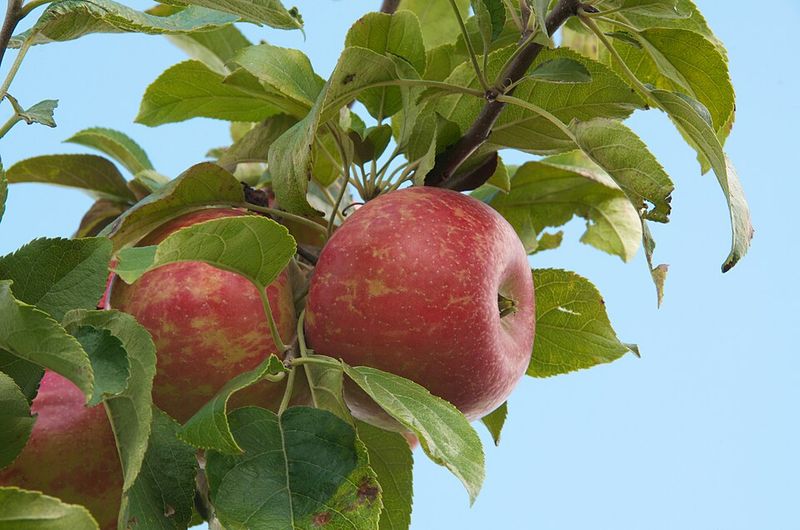
Summer barely ends before Zestar starts handing out fruit, often weeks ahead of most other backyard apples. The official name even includes an exclamation point, which feels fitting for such an eager little tree.
University of Minnesota breeders introduced Zestar in 1999, and it quickly gained fans in cold northern regions. Hardiness reaches down to zone 3b, so even the chilliest Pennsylvania valleys can host this tough variety.
Fruit ripens from mid-August into early September, depending on your location and the weather that year. Medium to large apples show a red blush over yellow skin, and they look cheerful on the branch.
The flavor surprised me the first time, with a lively sweet-tart kick and a hint of brown sugar. Crisp white flesh carries plenty of juice, so these apples shine for fresh snacking straight off the tree.
Early apples usually spoil fast, yet Zestar can last up to eight weeks with proper refrigeration. That means a late August harvest might still fill your lunch bag with crunchy slices well into October.
Apple scab is the main weak spot, so choose a sunny site with plenty of moving air. The tree shows some resistance to mildew and fire blight, which helps balance out that scab weakness.
You need a cross-pollinator for a crop, so plant another variety that blooms around the same time. I can’t imagine an orchard without one early star like this to kick off the picking season.
7. Ginger Gold
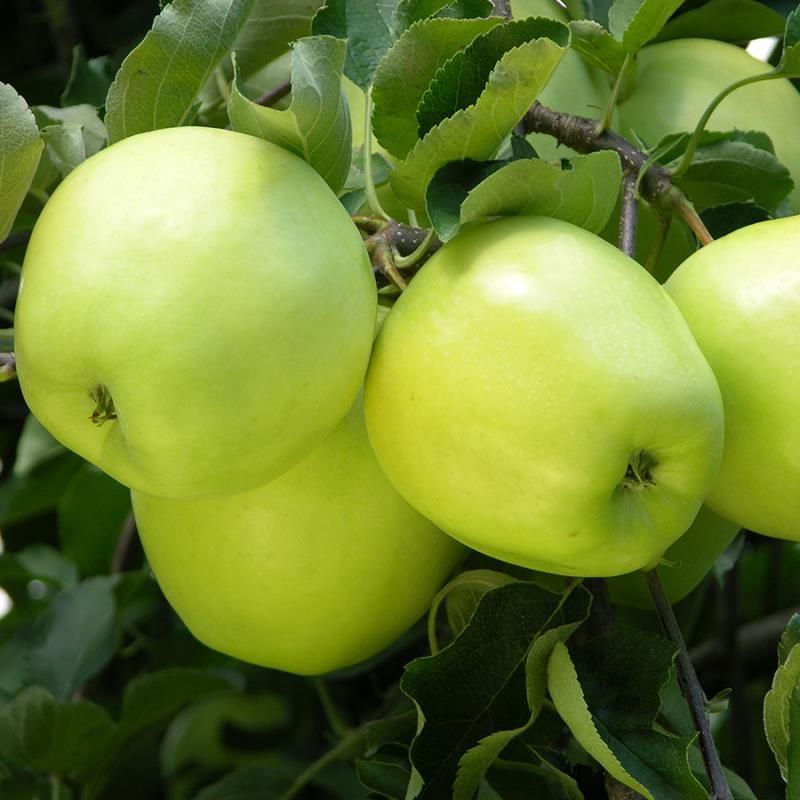
Cut a Ginger Gold in half and leave it on the counter, and the slices stay pale for surprisingly long. That natural resistance to browning makes it my top choice for fruit trays and after-school snack plates.
The variety started as a lucky chance seedling in a Virginia orchard, and growers spotted its potential quickly. Nobody planned this apple, which makes its success story feel like a happy accident worth celebrating.
Ginger Gold grows in zones 4 through 9, and it handles summer heat better than many golden apples. Warmer southeastern yards around Philadelphia can grow it just as easily as cooler spots up north.
Harvest arrives in mid to late August, weeks before most apples even start to blush on the branch. Stored fruit usually keeps one to two months, so your August pick may be fading by early October.
The medium to large fruit has smooth golden skin and fine-grained flesh that feels crisp yet tender. A mild, slightly spicy flavor hints at ginger, though the name actually honors the grower’s wife Ginger.
Young trees growing fast can be prone to fire blight, so avoid heavy nitrogen feeding in the early years. Mature trees that settle into steady fruiting tend to handle the disease much better over time.
Yields improve with a pollinating partner nearby, and Honeycrisp or Red Delicious both fit the bill nicely. Extra slices also dry beautifully into chewy chips, a fun way to stretch that short storage window.
8. Crimson Crisp
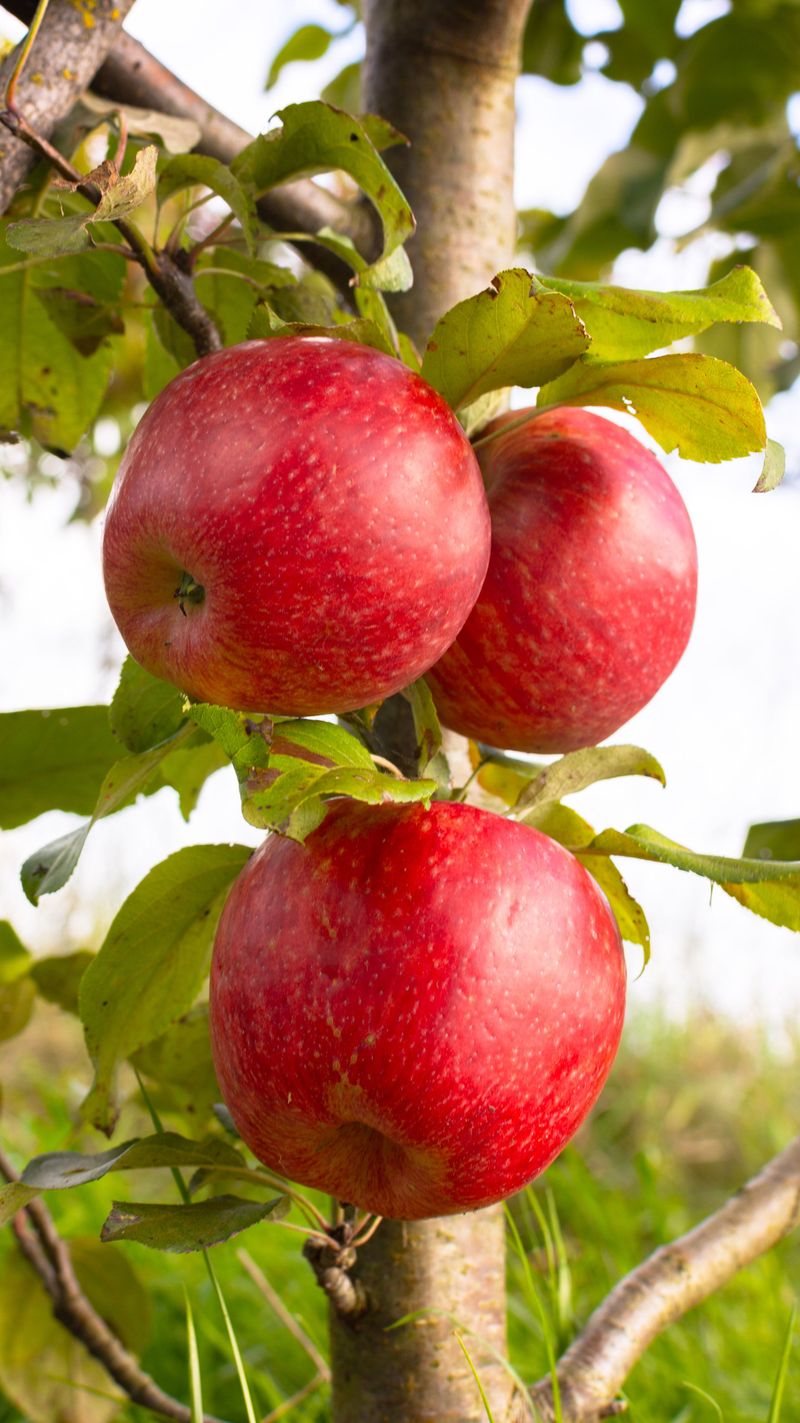
Scab spray schedules can drive a home grower crazy, so Crimson Crisp feels like a breath of fresh air. The tree carries strong resistance to apple scab, a fungus that plagues orchards in our humid summers.
Purdue University helped develop this apple through a long-running cooperative breeding program focused on natural disease resistance. The result is a medium-sized fruit with glossy crimson skin that practically glows in October light.
Take one bite and you’ll notice very firm, crisp flesh with a tart and complex flavor. Some tasters even pick up a faint cherry note behind the lively sweet and tart balance.
Harvest begins in mid-September, and the picking window can stretch for about a month on one tree. That long season means you might still be grabbing fresh fruit from the branches in early October.
Crimson Crisp grows in zones 5 through 8, which matches most backyard orchards across the state nicely. It also shows moderate resistance to cedar apple rust, though reports on fire blight resistance are mixed.
Cold storage keeps the fruit crisp for four to five months, which is impressive for a backyard apple. Leave them at room temperature too long, though, and the skin may develop a slightly greasy feel.
A pollinator partner is required, and Goldrush or Honeycrisp are both suggested as good blooming matches nearby. I think this tree is a smart pick for anyone who wants great flavor with a lighter spray routine.
9. Pixie Crunch
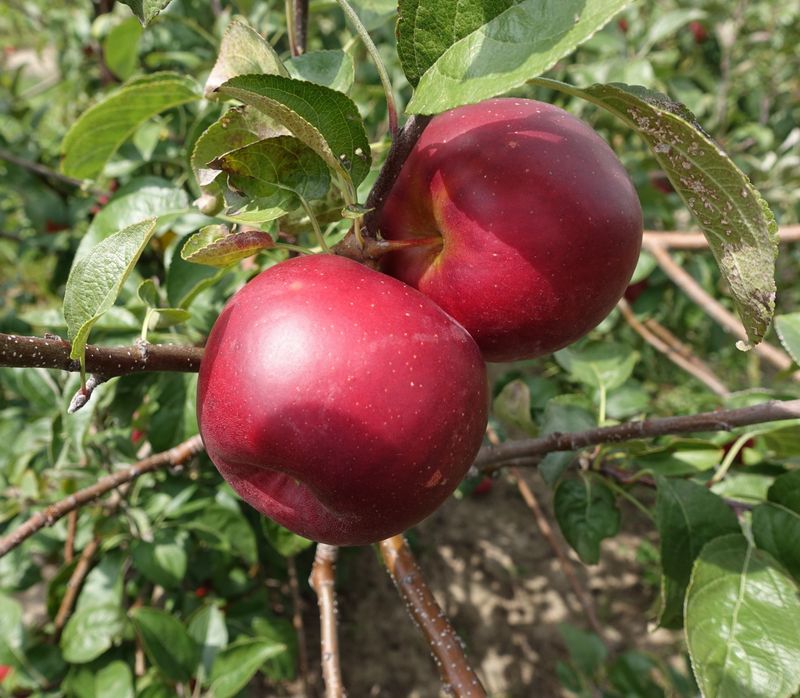
Small hands love Pixie Crunch, because each apple is just the right size for a quick snack. The fruit fits neatly in a pocket, and I rarely see one get tossed away half eaten.
Fans often describe the flavor as sweeter than Honeycrisp, with a rich and slightly spicy finish on the tongue. Dark red skin hides very crisp yellow flesh that snaps cleanly and drips with sweet juice.
Plant breeders from Purdue worked with partners at Rutgers and Illinois to create this compact little tree. The tree stays small enough for tight backyards, which makes picking and pruning much easier for home growers.
Scab barely touches it, since the variety is considered immune or very resistant to that fungus. Cedar apple rust is another story, so keep it away from eastern red cedar trees when possible.
Some susceptibility to fire blight and powdery mildew also exists, so good airflow around branches helps a lot. The tree tolerates warm, humid weather well, which suits muggy southern counties and low river valleys nicely.
Harvest usually comes in mid-September and can stretch over two or three weeks of easy picking. Stored in the fridge, the fruit keeps up to two months, so snacks can last until late fall.
Pixie Crunch is not self-fertile, so you need another apple variety blooming nearby for a decent crop. Fall planting works well once the leaves drop, giving roots time to settle before the ground freezes.
10. Fuji
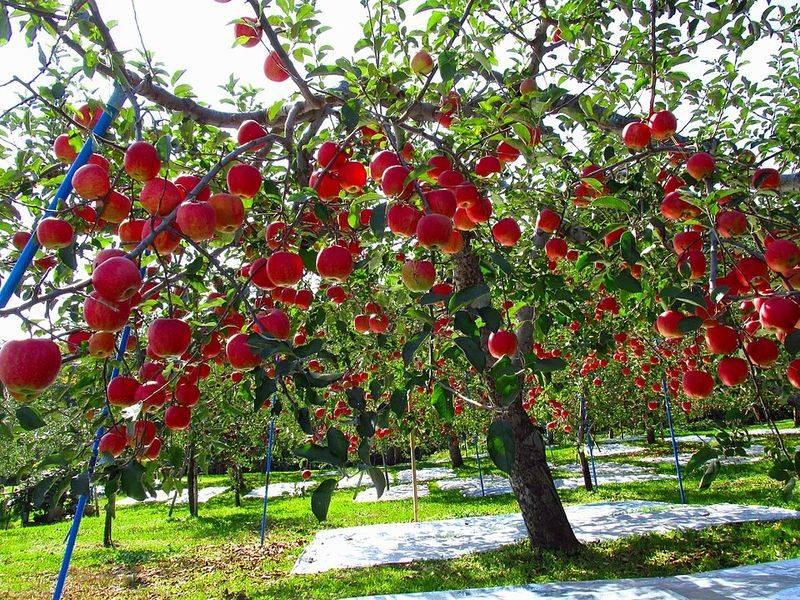
Patience pays off with Fuji, the last apple on this list to ripen and the longest keeper by far. Properly refrigerated fruit can last up to a year, which still amazes me every single spring.
Fuji was bred in Japan from Red Delicious and an old Virginia apple called Ralls Genet. Those mixed roots give it a sweet, honey-like flavor balanced by a subtle and refreshing citrus tang.
Large fruit shows reddish-pink coloring over a yellow-green background, and the firm flesh crunches loudly with every bite. Many people think of it as a warm-climate apple, yet the tree stays hardy down to zone 4.
It needs only 400 to 600 chill hours, which our winters provide with plenty to spare. Zones 4 through 8 suit Fuji well, so most backyard growers in the region can give it a try.
Fruit ripens from October into November, so early fall is when you watch the color deepen. Some apples may drop in late September or October, so check under the tree every few days.
In cooler northern spots, a hard early frost can arrive before the latest fruit fully ripens. You need a sunny, sheltered site there to give this slow ripener every possible warm day.
A pollinator is required, and Gala or Golden Delicious both make excellent bloom partners in a home orchard. I like ending the season with Fuji, because a crisp one in February feels like a small reward.