King Tide Flooding Could Leave Coastal Georgia Lawns And Gardens With A Hidden Problem
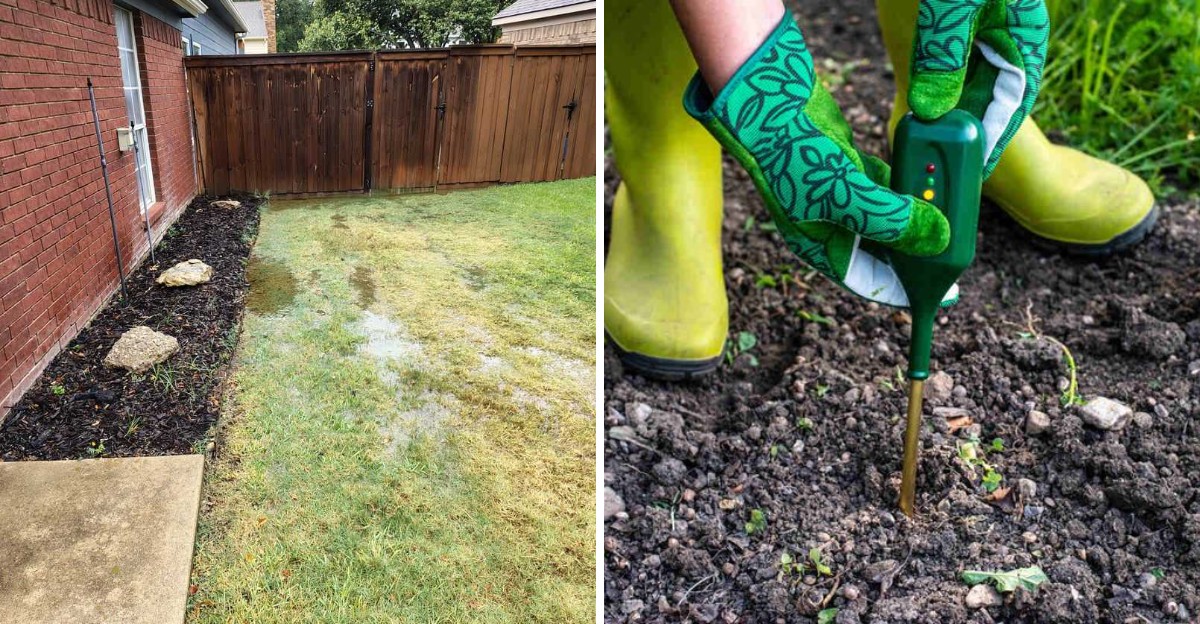
Floodwater may disappear from your yard within hours, but the damage it leaves behind can take much longer to become noticeable. Grass and garden plants might look perfectly fine at first, even after spending time underwater.
The bigger concern is what the water may have carried into the soil.
King tides can push saltwater into low-lying coastal neighborhoods, reaching lawns and planting beds that normally stay dry. Once the water recedes, salt can remain around plant roots and interfere with their ability to absorb moisture.
For coastal Georgia homeowners, that means a flooded yard deserves more than a quick inspection for standing water.
Some plants tolerate salty conditions better than others, so the effects may appear unevenly across your landscape.
Pay attention to changes in leaf color and growth over the following weeks. A yard that looks normal immediately after flooding may still need care to recover.
1. Floodwater Can Leave Behind More Than Mud And Debris
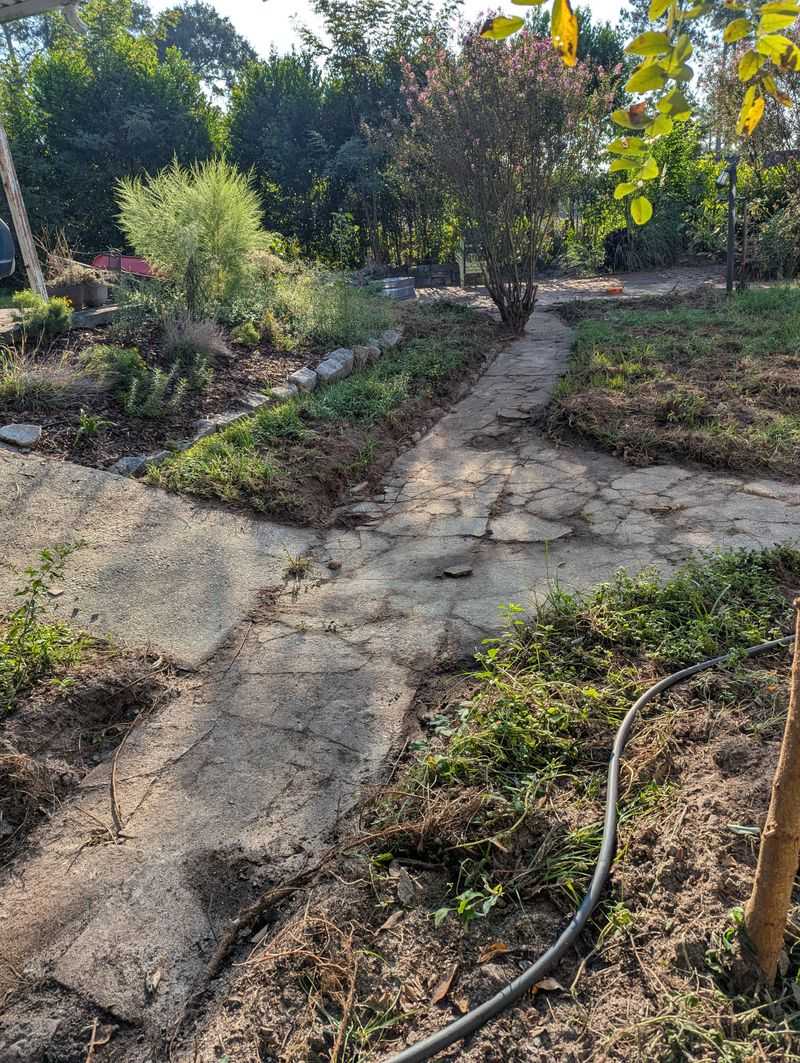
Once the water drains away, a yard can look almost normal again.
A few clumps of marsh grass and a muddy film might be the only clues left behind.
What you cannot see is the salt. Tidal floodwater is seawater or brackish water, so it carries dissolved salts that can soak into lawn and garden soil.
When the water evaporates or drains, some of that salt can stay in the ground. How much remains depends on how long the water sat, how salty it was, and what kind of soil you have.
Yards close to marshes and tidal creeks in coastal Georgia are the most likely to see this kind of flooding. Low spots that hold water longest tend to collect the most salt.
Sandy soil usually lets salt move down and out more easily than heavy clay or soil with poor drainage.
Start by clearing away wrack, trash, and any thick layer of mud sitting on top of grass or around plant stems. Heavy debris can block light and air, which adds stress to plants that are already struggling.
Take a few notes or photos of where the water reached and how long it stayed. That record helps later if plants start showing problems or if you decide to test the soil.
2. Saltwater Flooding Can Affect Plants Even After Water Recedes
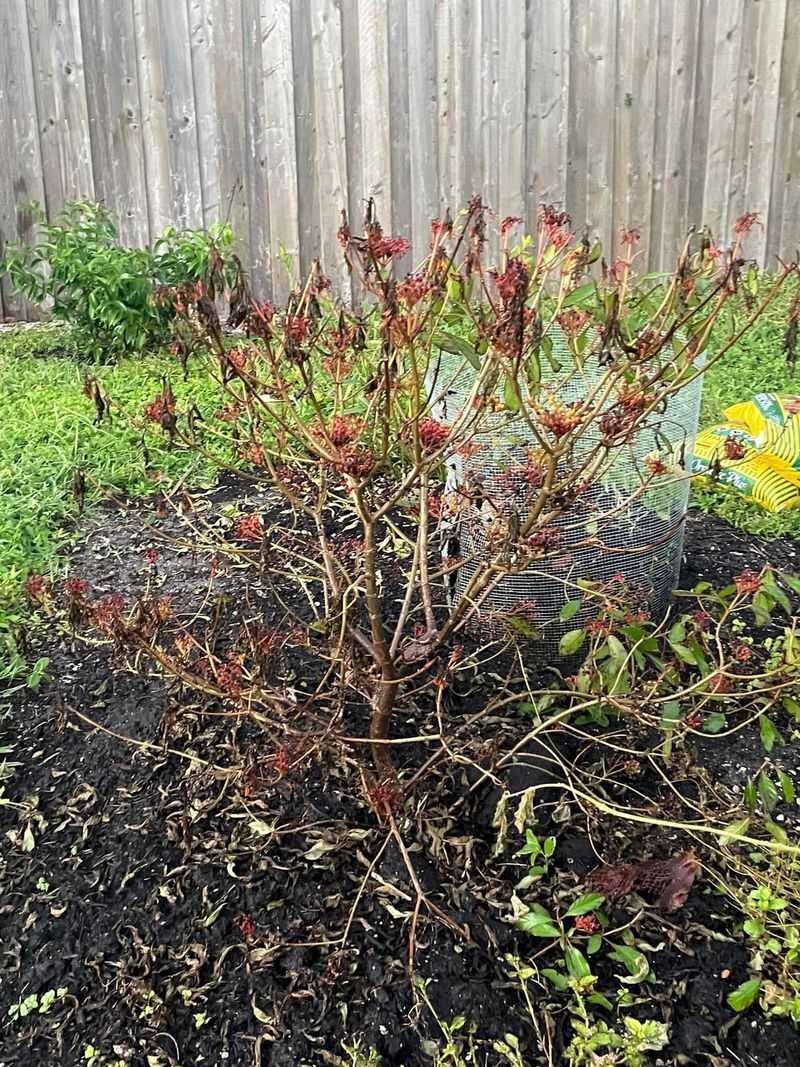
Dry ground does not mean the trouble is over. Plants can look fine for days, or even weeks, before stress from salt starts to show.
Salt in the soil works slowly on many plants, so symptoms may build over time instead of appearing overnight.
Some plants handle salt far better than others.
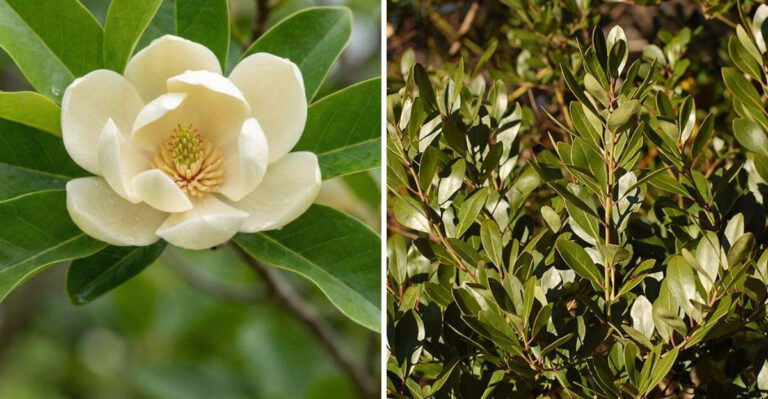
Native coastal plants like saltmeadow cordgrass, wax myrtle, and yaupon holly often tolerate salty conditions better than many typical landscape plants.
Vegetables, many annual flowers, and some ornamental shrubs tend to be more sensitive. Even within a lawn, grass types can react differently.
Seashore paspalum and St. Augustinegrass are generally considered more salt tolerant than centipedegrass, which is common across Georgia lawns.
Timing matters too. Plants that are actively growing in warm weather may show stress faster than dormant plants during cooler months.
Your Georgia Garden Changes Every Week. Your Plan Should Too.
Gardening in Georgia changes quickly throughout the season. Every Friday you’ll receive a simple weekly plan showing exactly what to plant, prune, fertilize, harvest, and protect so you never miss the right timing.
So what can you do while you wait? Keep an eye on the yard over the next several weeks and watch for slow changes in color or growth.
Hold off on heavy fertilizing right after a flood, since fertilizer adds more salts to the soil. Many sources suggest waiting until you know more about soil conditions before feeding stressed plants.
Patience is useful here, because some plants recover on their own once rain moves salt deeper into the ground.
3. Salt Left In The Soil Makes It Harder For Roots To Absorb Water
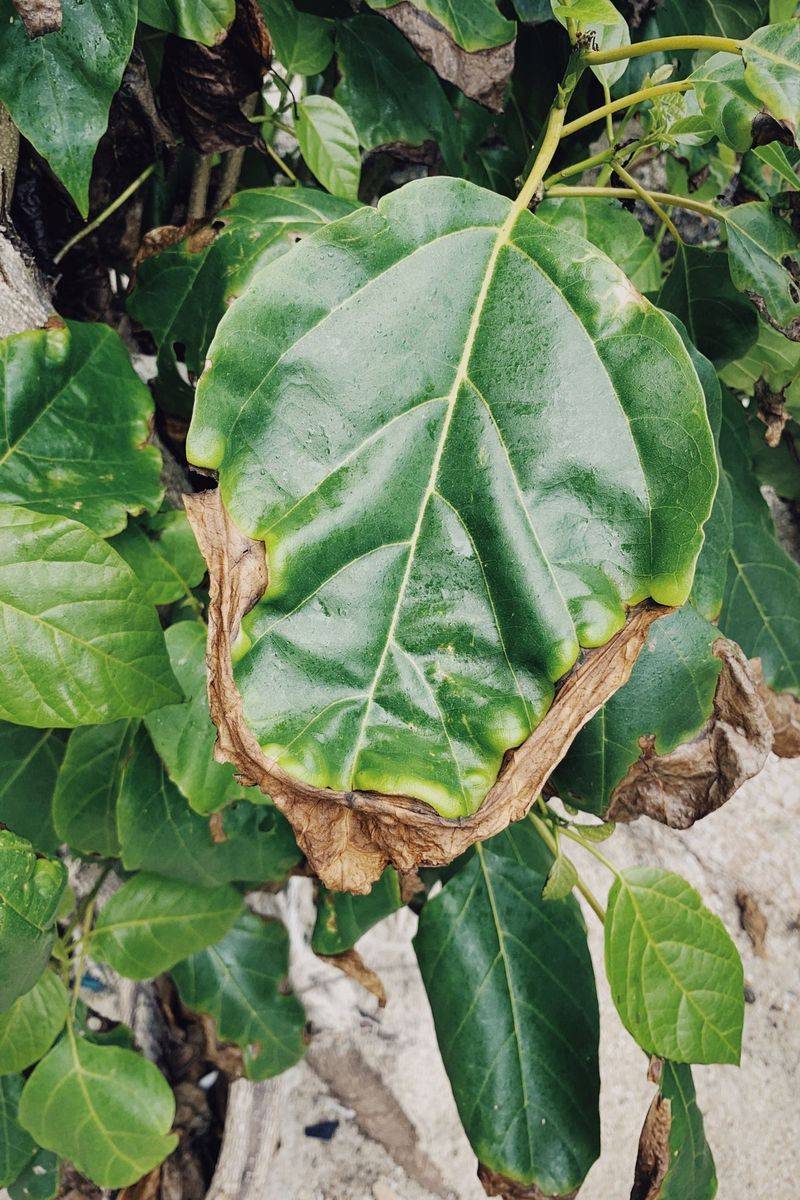
Picture a plant standing in damp soil yet acting thirsty. That odd situation is one of the main ways salt causes harm.
Roots pull in water because the inside of the root usually holds more dissolved material than the surrounding soil. When soil gets salty, that balance shifts, and water becomes harder for roots to take in.
Gardeners sometimes call this physiological drought. The soil may feel moist, but the plant struggles to use that moisture.
Sodium and chloride can also build up inside plant tissue over time. In some plants, too much of either can damage leaves and slow growth.
Salt can affect the soil itself as well. High sodium levels may break down soil structure, especially in finer soils, which can slow drainage and reduce air around roots.
Sandy soils common near the Georgia coast often drain fast, which can help salt wash through more quickly with enough rain or irrigation.
Here is a practical step.
Avoid assuming a wilting plant needs extra water before you check the soil with your finger a few inches down.
If the soil is already moist, adding more water without good drainage may not solve the problem. Watching the plant and the soil together gives you a better picture than either one alone.
4. Brown Grass And Scorched Leaf Edges May Signal Salt Damage
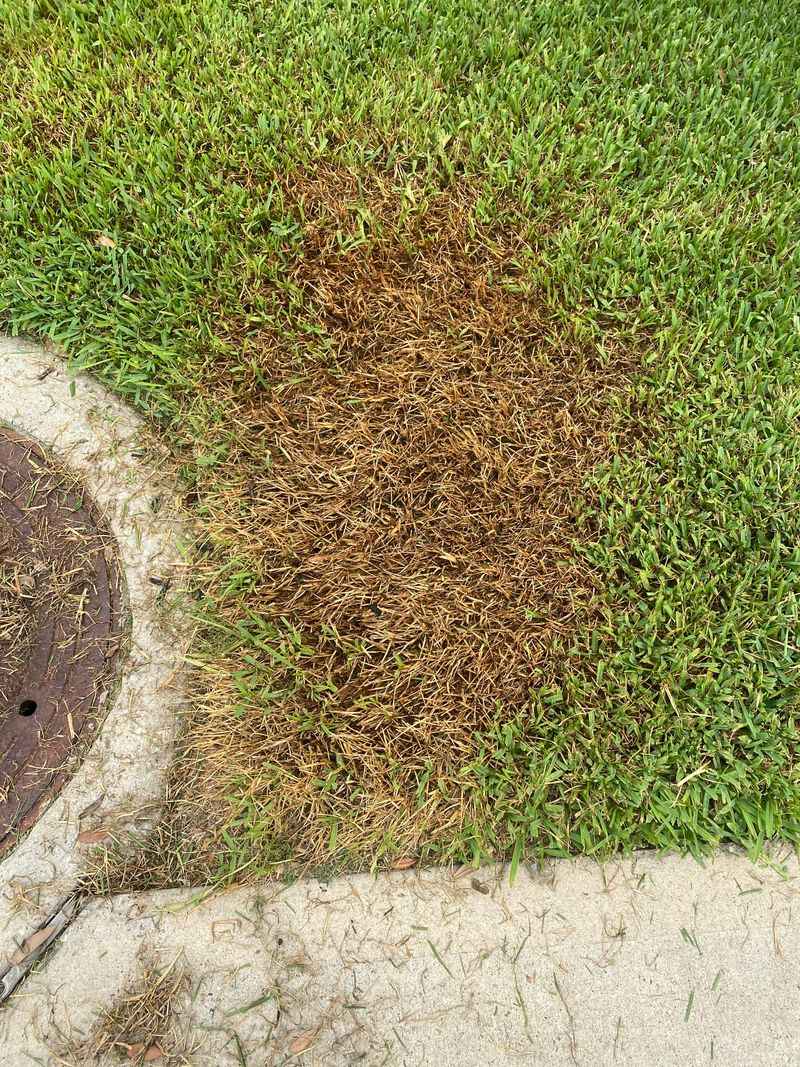
Crispy brown edges on leaves can be one of the first visible clues. Salt injury often shows up as leaf burn along the tips and margins.
Leaves may also turn yellow, curl, or drop earlier than usual. On lawns, grass might thin out or turn brown in the areas where floodwater sat longest.
Look for patterns that match the flood line. Damage that lines up with where tidal water reached is a stronger hint of salt trouble.
Still, brown leaves do not automatically mean salt. Drought, heat, root rot, fungal diseases, insects, and fertilizer burn can all cause similar symptoms.
Lawn diseases such as large patch can also cause brown areas in warm-season grasses during cool, wet weather in Georgia. That overlap is why one symptom alone is not enough to make a call.
Compare plants inside the flooded area with similar plants outside it. If both look stressed, the cause might be something other than salt.
Leave scorched leaves alone for now unless they show signs of disease.
Heavy pruning right after a flood can stress plants further.
New growth that comes in healthy is often a good sign that the plant is recovering. If symptoms keep spreading, a soil test or a call to your county Extension office can help sort out the cause.
5. Waterlogged Soil Can Harm Roots Even Without Salt Exposure
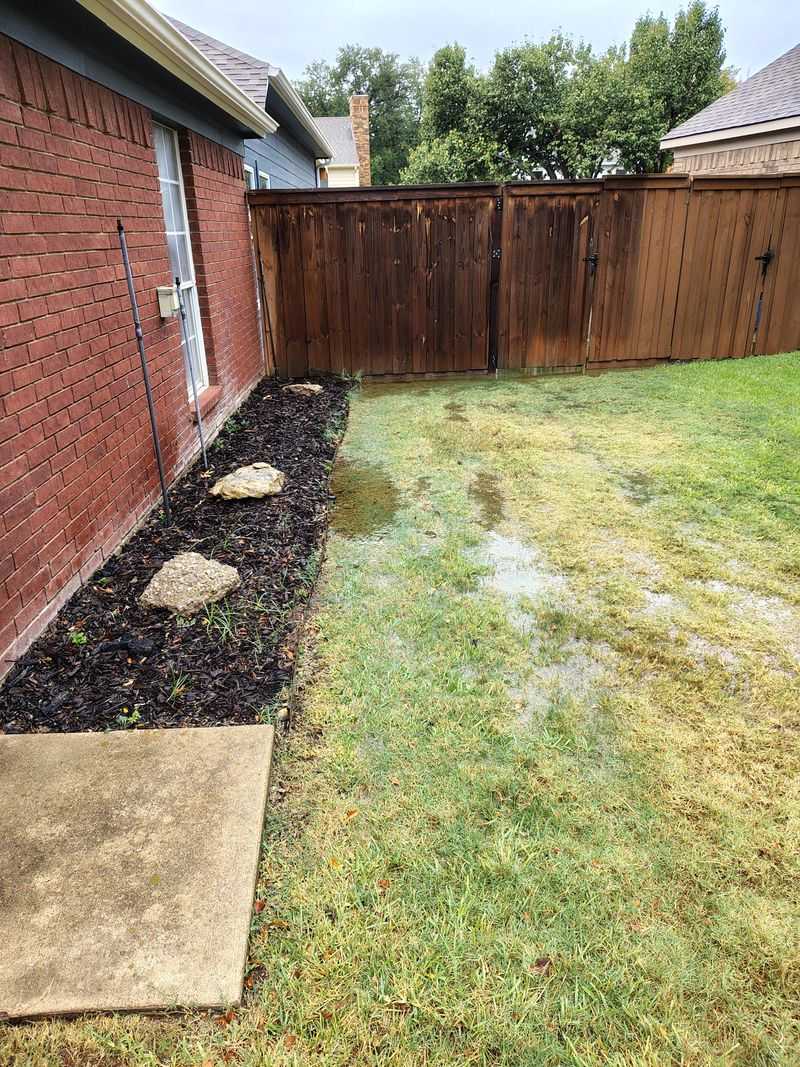
Too much water causes its own set of problems. Salt is only part of the story after a flood.
Roots need oxygen from tiny air spaces in the soil. When those spaces fill with water for a long stretch, roots can run short on air and start to decline.
How long is too long varies widely. Some plants handle a few days of wet feet, while others suffer much sooner.
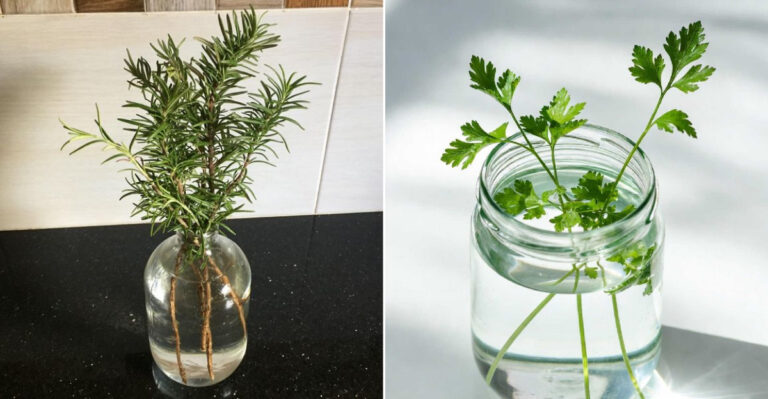
Bald cypress, many rushes, and some marsh plants tolerate soggy soil well. Azaleas, rosemary, and many vegetables tend to struggle in saturated ground.
Heavy clay and compacted soil stay wet longer than loose, sandy soil. Low spots in coastal Georgia yards may also hold water when king tides line up with heavy rain.
Soggy conditions can encourage root rot organisms in certain plants. Symptoms like wilting, yellow leaves, and slow growth can look a lot like salt damage, which makes sorting out the cause tricky.
Stay off soaked lawns and garden beds when you can.
Walking or driving on wet soil packs it down and squeezes out even more air.
Once things dry, consider whether a spot floods often. Raised beds, better grading, or plants suited to wet ground may work better in those areas over time.
6. Soil Testing Can Reveal Salt Problems Before Replanting
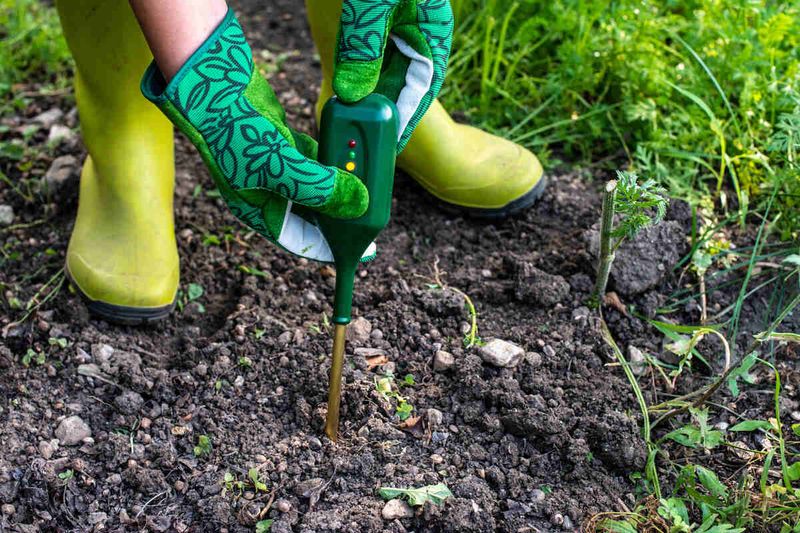
Guessing is expensive when you are buying new plants. A soil test gives you real numbers instead of hunches.
University of Georgia Cooperative Extension offers soil testing through county offices across the state. You can ask your local office about tests that check soluble salts, since a standard test may not include them.
Collecting a good sample matters.
Take several small scoops from the affected area, mix them in a clean bucket, and send in the amount your office requests.
Keep samples from flooded spots separate from samples taken in higher, drier parts of the yard. Comparing the two can show how much the flood changed things.
Results may come back with a soluble salts reading or electrical conductivity number. Extension staff can help you understand what those numbers mean for the plants you want to grow.
Testing again after several weeks of rain or irrigation can show whether salt levels are dropping.
Replanting too soon into salty soil can waste money and effort. Young transplants and seeds are often more sensitive than established plants.
If levels stay high, choosing salt-tolerant plants for that area may be a smarter long-term plan. Your county agent can suggest options that fit your site and soil.
7. Freshwater Can Help Flush Salt From Soil With Good Drainage
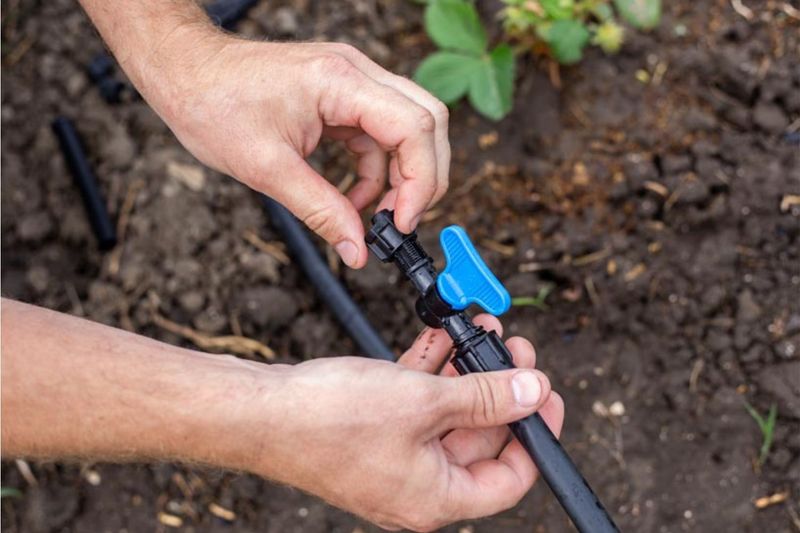
Rain is often the best helper after a saltwater flood. Steady rainfall can move salt down below the root zone over time.
Irrigation can do a similar job when rain is scarce.
The key is giving water time to soak in and drain through, rather than running off the surface.
Deep, slow watering usually works better than quick, frequent sprinkles. Light watering may only move salt around near the surface.
Drainage makes all the difference. If water has nowhere to go, flushing may leave you with soggy soil and salt still stuck in place.
Sandy soils near the Georgia coast tend to drain well, so leaching often works fairly well there. Clay or compacted soil may need more time, and results can vary.
Some guides mention gypsum for soils with high sodium. It may help certain soil types, but a soil test should guide that choice rather than guesswork.
Check that your water source is fresh. Well water in some coastal areas can carry its own salts, so testing it may be worth considering.
Watch local watering rules too, since restrictions can apply during dry spells. With rain, patience, and good drainage, many yards can bounce back over a season or two, though recovery depends on your plants and site.