The November Task That Helps North Carolina Pansies Make It Through Winter
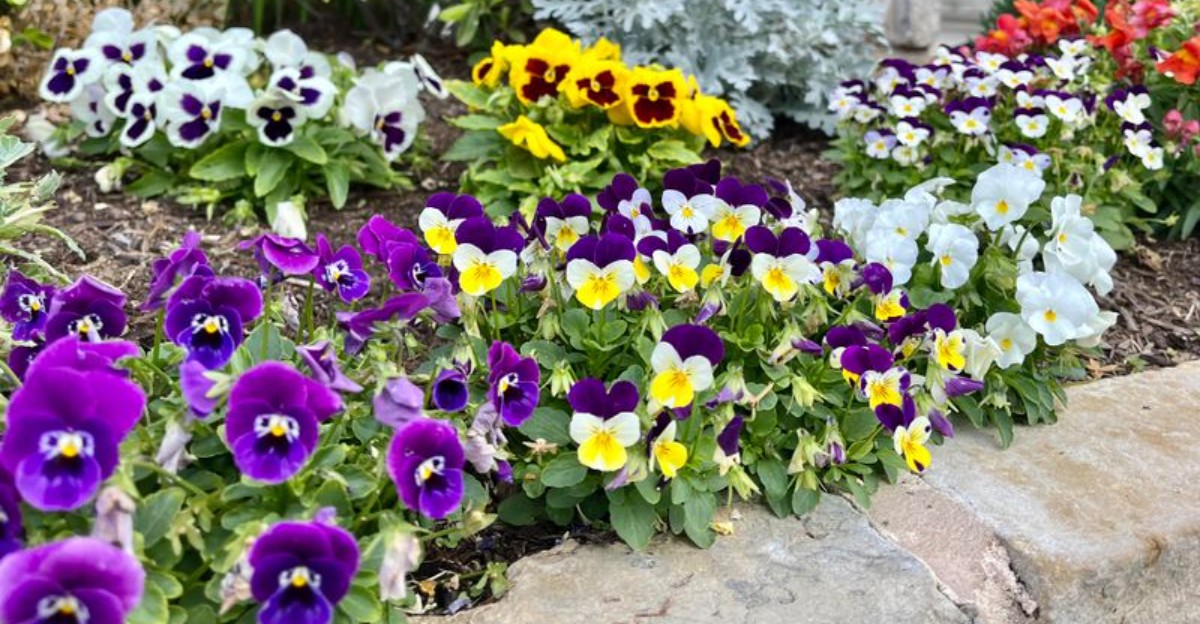
Pansies have a reputation for being tough, and they have earned it. A frosty morning flattens them, and by noon they stand up again like nothing happened. Even so, not every pansy bed makes it to spring looking good.
Some turn leggy and tired by January, while others keep blooming through the grayest weeks. The difference often comes down to one job done in November, when most gardeners have already put their tools away.
It takes about an hour and costs almost nothing. Skip it, and the plants spend winter working harder than they should.
North Carolina’s mild climate makes pansies possible in the first place, but mild weather also hides small problems until they grow. Do this one thing now, and winter color is yours.
1. Feeding With The Right Fertilizer Is The November Task
Ask any longtime North Carolina gardener about winter pansies, and you will likely hear the same secret. The job that matters most in November is feeding them with the right fertilizer. A good meal now sets the tone for months of color.
By November, the soil across the state starts to cool down fast. Pansies that head into winter well nourished build stronger roots and keep healthier, greener leaves.
They also store more energy, which helps them recover after a cold snap and keep blooming whenever the weather turns mild.
Think of it like packing a good lunch before a long hike. Plants that start the season hungry spend the winter struggling to catch up. Plants that start strong have the reserves they need when frosty nights roll in.
Timing is only half the story, though. The type of fertilizer you pick matters just as much as when you use it. Cold soil changes how pansies take in nutrients, so a product that works great in May may not do much in December.
Many gardeners grab whatever bag is sitting in the garage and wonder why their pansies look pale by January. The plants are not being picky. They simply cannot use certain nutrients well once the ground gets chilly.
Here in North Carolina, people expect a lot from their pansies. These flowers are planted in fall, asked to bloom on and off through winter, and then expected to burst into full color in spring. That is a long season for a small plant.
Giving them the right food in November is how you hold up your end of the deal. A few minutes of work now pays off with flowers that keep smiling at you well into April.
2. Cold Soil Changes How Pansies Use Nitrogen
Nitrogen is the nutrient that keeps leaves green and plants growing. Yet not all nitrogen is created equal, especially when the thermometer drops. The form it comes in decides whether your pansies can actually use it.
Many common fertilizers supply nitrogen as ammonium. Before plants can use it well, tiny soil microbes have to change it into a different form called nitrate. In warm soil, those microbes work quickly and nobody notices the extra step.
Cold soil is a different story. When temperatures fall, those helpful microbes slow way down, almost like they are taking a long winter nap. The ammonium just sits there, and your pansies wait for a meal that is slow to arrive.
Nitrate nitrogen skips that waiting line completely. Pansy roots can soak it up right away, even when the soil feels cool to the touch. That quick access makes a real difference during the shortest, chilliest days of the year.
Researchers at NC State University studied this exact problem. Their work showed that pansies perform better through winter when they are fed with nitrate-based fertilizers.
The plants stayed healthier and bloomed more than those given mostly ammonium. North Carolina gardeners are lucky to have that research right in their own backyard.
It came from local trials, so it fits our soils and our weather. You can trust that the advice was tested under conditions much like yours. Across the state, soil temperatures keep dropping all through November and December.
That is exactly when ammonium becomes less useful and nitrate becomes the hero. Understanding this one small science fact can change the way you shop for plant food forever, and your pansies will show their thanks with brighter leaves.
3. Choose A Fertilizer High In Nitrate Nitrogen
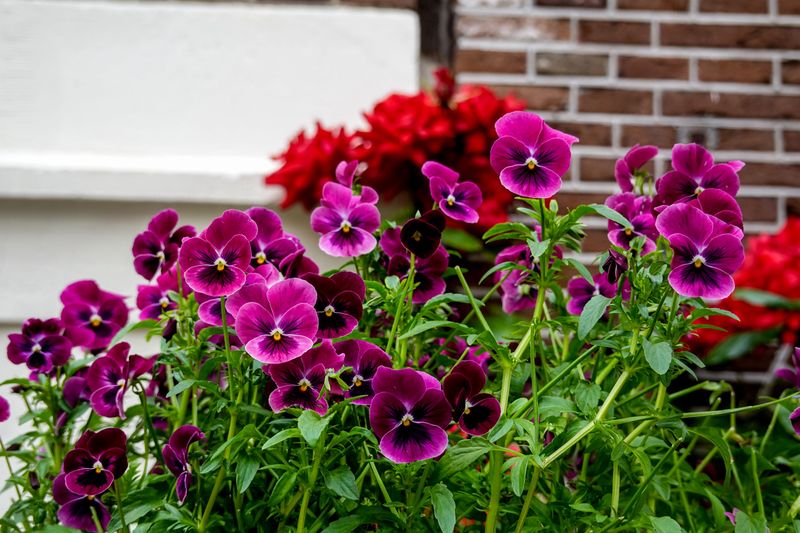
Walk into any garden center and the fertilizer aisle can feel a bit overwhelming. Bags and boxes cover the shelves, each one promising amazing results. The trick is knowing which tiny line on the label to look for.
Flip the package over and find the section that breaks down the nitrogen. Most labels list the forms included, such as nitrate nitrogen, ammoniacal nitrogen, and urea. For winter pansies, you want nitrate nitrogen to be the biggest part of that list.
Products packed with ammonium or urea are not bad. They just work slowly in cold soil because they need those sleepy microbes to break them down first. During the coolest months, they simply do not deliver much to your flowers.
A smart shortcut is to look for products made for cool-season flowers or winter bedding plants. Many of these list nitrate nitrogen as the main source. Some fertilizers built around calcium nitrate or potassium nitrate fit the bill nicely.
Still not sure which one to grab? Ask a worker at your local garden center, since staff there often know what sells well for pansies in your area. They may even point you to a favorite brand that local landscapers swear by.
Your county Cooperative Extension office is another great resource. Extension agents give free, research-based advice, and many offices have a Master Gardener helpline. You can call, email, or stop by with your questions.
For North Carolina gardeners, picking the right bag makes winter feeding far more effective.
You spend the same time and effort, but your pansies actually get to use the food. That means more color for your money and fewer disappointing surprises come February.
4. Feed Lightly During Mild Spells
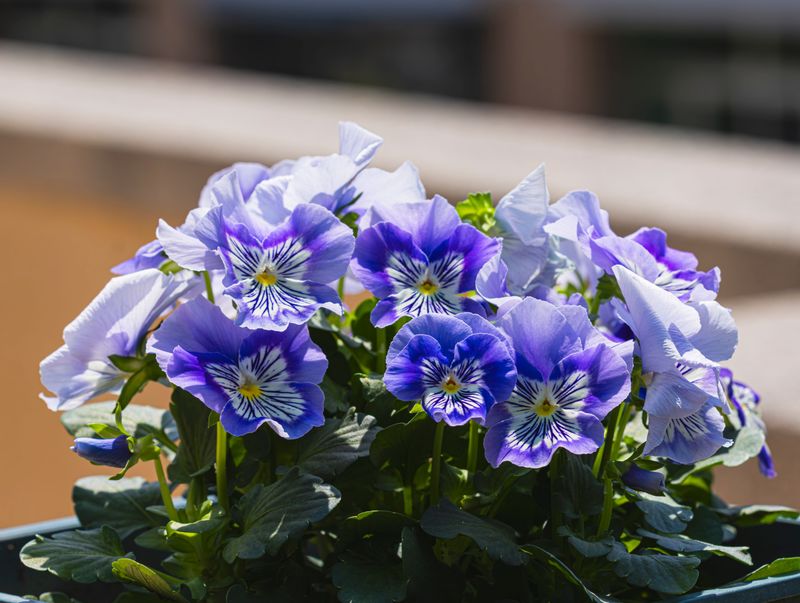
Sunshine on a 60-degree January afternoon feels like a gift in North Carolina. Your pansies think so too. Those warm, bright days are the perfect moments for a light snack of fertilizer.
Pansies take in nutrients best when the soil is not frozen and the plants are actively growing. Mild stretches in fall and winter wake them up and get their roots working. That is when feeding does the most good.
Start in November, when the soil is moist but not frozen. Measure the fertilizer carefully and follow the rate printed on the label. More is not better here, and extra product can actually hurt your plants.
After you spread it, water lightly to help the nutrients soak down to the roots. A gentle sprinkle from a watering can or hose works fine. You just want the fertilizer moving into the soil, not washing away.
From there, repeat the feeding every few weeks whenever a mild spell rolls through. Keep an eye on the weather forecast so you can time it well. If the ground is frozen solid or a hard cold front is coming, simply wait.
Heavy doses can burn tender roots and leave leaves with brown, crispy edges. A light hand keeps everything safe and steady. Small, regular meals work better than one giant feast.
North Carolina winters rarely stay cold for long. Most years bring sunny, pleasant days tucked between chilly snaps, giving gardeners plenty of chances to feed.
Taking advantage of those breaks keeps your pansies growing and blooming, even when the calendar says it should be too cold for flowers.
5. Well-Fed Pansies Bounce Back Faster After Freezes
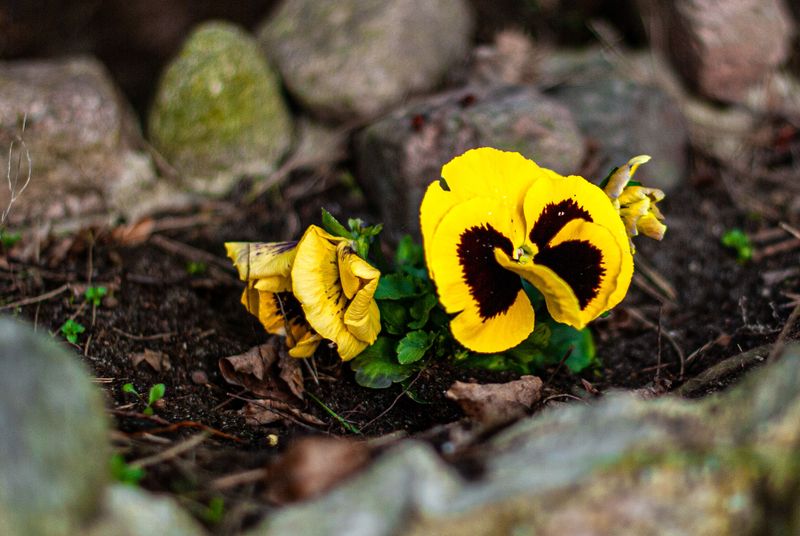
The first time you see your pansies after a hard freeze, your heart might sink a little. The leaves droop, the flowers flop over, and the whole bed looks limp. Do not panic just yet.
Pansies are tougher than they look. That droopy, wilted appearance is how they handle freezing weather, and most plants perk back up once the air warms. They can take temperatures well into the teens and keep going.
Good nutrition plays a big part in how fast they recover. Plants with healthy roots and solid nutrient levels bounce back more quickly. They also start blooming again sooner once temperatures rise, while hungry plants may stay sluggish for days.
Patience is your best tool after a freeze. Wait a day or two before deciding how much damage happened. Many leaves that look ruined in the morning will stand up straight by the next afternoon.
Resist the urge to touch, pick, or walk on plants while they are frozen. Ice crystals inside the leaves make them fragile, and handling them can cause bruising or breaks. Let the sun do its work first.
Once things thaw, take a closer look. Snip off any leaves or flowers that stay mushy, dark, or badly damaged. Clearing them away helps the plant focus on fresh growth and keeps the bed looking tidy. North Carolina winters love to play games.
Freezes can come and go many times between November and March, sometimes just days apart. Well-fed pansies handle that roller coaster far better, which is one more reason that November feeding is worth every minute.
6. Pair Feeding With Mulch And Water

Fertilizer works best when it has a couple of good teammates. Mulch and water are simple, cheap, and surprisingly powerful. Together, they help your pansies stay comfortable on cold nights.
A light layer of mulch acts like a cozy blanket over the soil. It protects roots from freeze and thaw cycles, which can push young plants right out of the ground. It also helps the soil hold moisture longer.
Pine straw is a classic choice in North Carolina, and finely shredded bark works well too. Spread about 1 to 2 inches around your pansies. Keep the mulch pulled back from the crowns, where the stems meet the soil, so the plants do not stay too wet.
Water matters more in winter than many people realize. Moist soil holds and releases more heat than dry soil. On a frosty night, that stored warmth gives roots a little extra protection.
During dry spells, water your pansies whenever the ground is not frozen. Morning is usually the best time, since leaves can dry before evening. A soaker hose or watering can at the base of the plants works great.
Keep an eye on the forecast as well. If a hard freeze is coming and the soil feels dry, give the bed a drink the day before. Always follow any local watering rules in your town.
Much of North Carolina has been dry this year, so this step is extra important. Thirsty plants struggle to use fertilizer and handle cold poorly. With mulch, water, and food working together, your pansies get the full support they need.
7. Deadheading Keeps Energy Going Into New Blooms
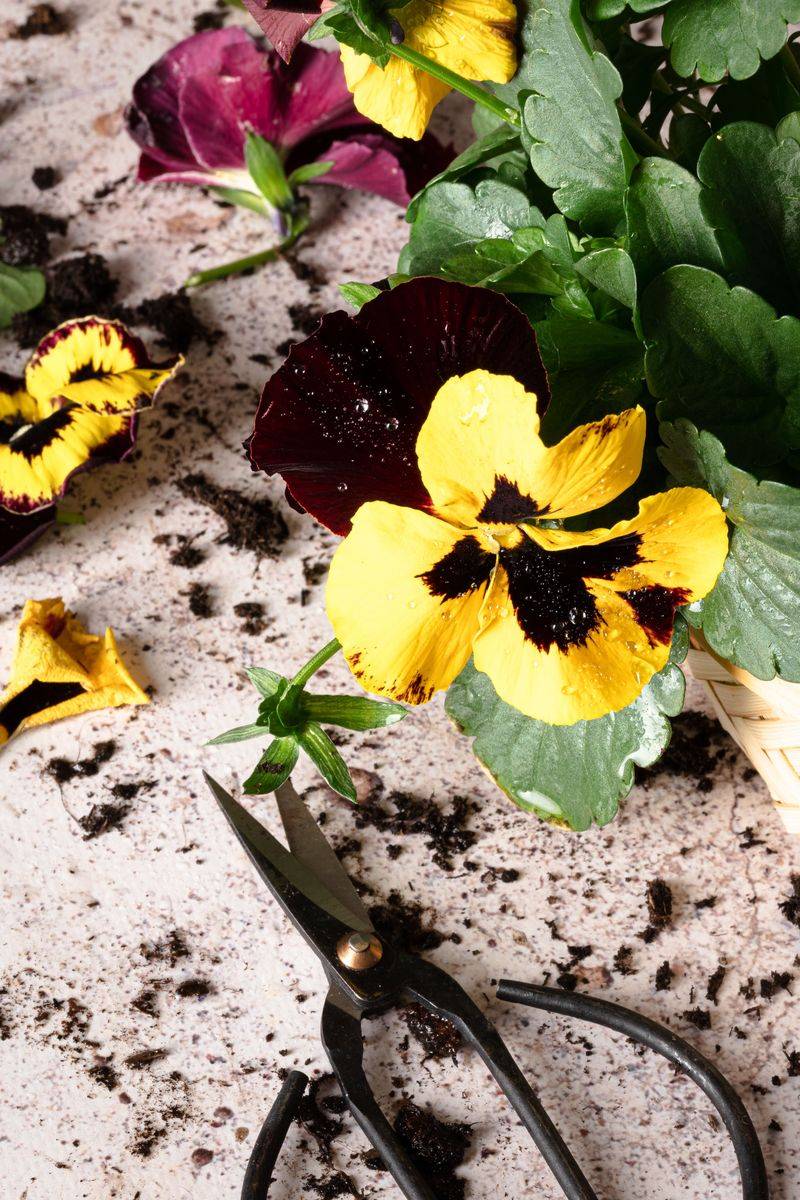
Pinch, toss, repeat. Deadheading might be the most relaxing garden chore of the winter, and it rewards you with more flowers. All you need are your fingers and a few spare minutes.
Every pansy has one main goal, which is making seeds. When faded flowers stay on the plant, it pours energy into forming seed pods. That leaves less fuel for fresh blooms.
Removing old flowers changes the plan. The pansy senses that its job is not done, so it keeps pushing out new buds whenever the weather allows. You end up with a fuller, brighter bed.
Plan to check your plants every week or two. Pinch off each faded flower along with its stem, right down near the leaves. Grabbing only the petals leaves the seed part behind, which defeats the purpose.
While you are there, snip off any yellowing leaves too. Clearing away old foliage improves airflow and keeps the planting looking neat. It also gives you a chance to spot problems early.
Mild spells bring out more than just sunshine. Slugs love cool, damp weather and may chew ragged holes in leaves overnight. Aphids can gather on new growth, so look under leaves and rinse them off with water if needed.
In North Carolina, pansies that get this kind of care often bloom during winter warm spells. Then, as days lengthen in early spring, they explode into a big, colorful show.
Combined with that November feeding, regular deadheading turns a simple flower bed into the happiest spot in the neighborhood.