The Ohio Fall Garden Strategy That Gives You Fresh Greens Weeks Longer
Fresh garden greens don’t have to disappear the moment Ohio nights turn chilly. Your lettuce, spinach, and other cool-season crops may have more growing time left than you think, even as the days get shorter.
The challenge is keeping them productive when temperatures start dropping.
Fall brings conditions that many leafy vegetables actually prefer, but an early frost can still interrupt your harvest. Some crops handle cold better than others, and their growing conditions make a difference.
That’s where a little planning can extend what your garden provides.
You don’t need a heated greenhouse or an expensive setup to give certain vegetables extra protection. The right approach depends on what you’re growing and how much cold weather is expected.
With a few practical adjustments, you may be able to keep harvesting fresh greens for weeks after an unprotected garden would have stopped producing.
1. The First Frost Does Not Have To End Your Greens Harvest
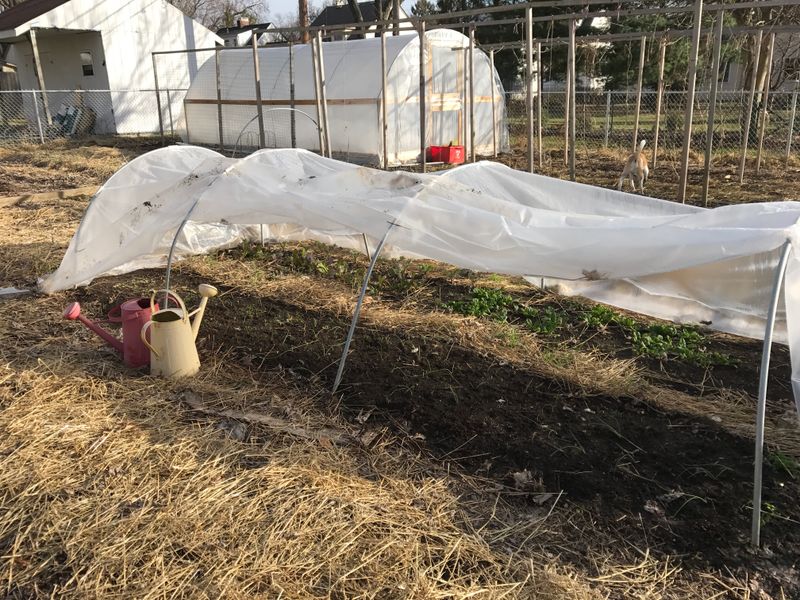
A light frost is a warning, not a finish line. Plenty of cool-season greens shrug off a chilly night, especially when they have a simple cover protecting them from the open sky.
Floating row covers are the easiest place to start for most home gardeners.
These lightweight fabric sheets let sunlight and rain pass through while holding in some of the heat that rises from the soil overnight. Depending on the fabric weight, they can offer a few degrees of protection, which is often enough to get greens through a borderline cold night.
Low tunnels take that idea one step further by adding structure overhead.
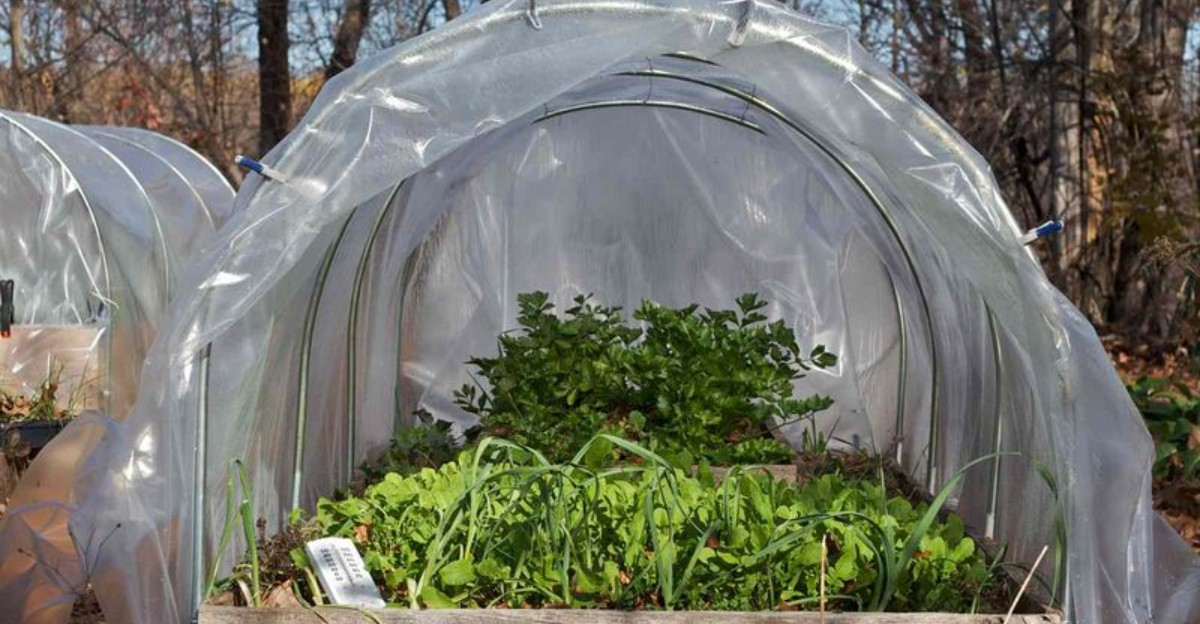
A low tunnel is simply a row of hoops covered with fabric or clear plastic, set just high enough to clear your plants. In Ohio, gardeners often combine both methods, using fabric early in fall and adding plastic as nights turn colder.
Results depend a lot on the weather in a given year. A mild autumn might stretch your harvest into late fall, while a sudden hard freeze can still damage tender crops even under cover.
Having covers ready before frost shows up in the forecast makes the biggest difference.
Store them somewhere easy to reach by late summer. When a cold night is predicted, you can get everything in place within minutes, which feels much better than scrambling with old bedsheets after dark.
2. Spinach And Kale Can Handle More Cold Than Tender Salad Greens
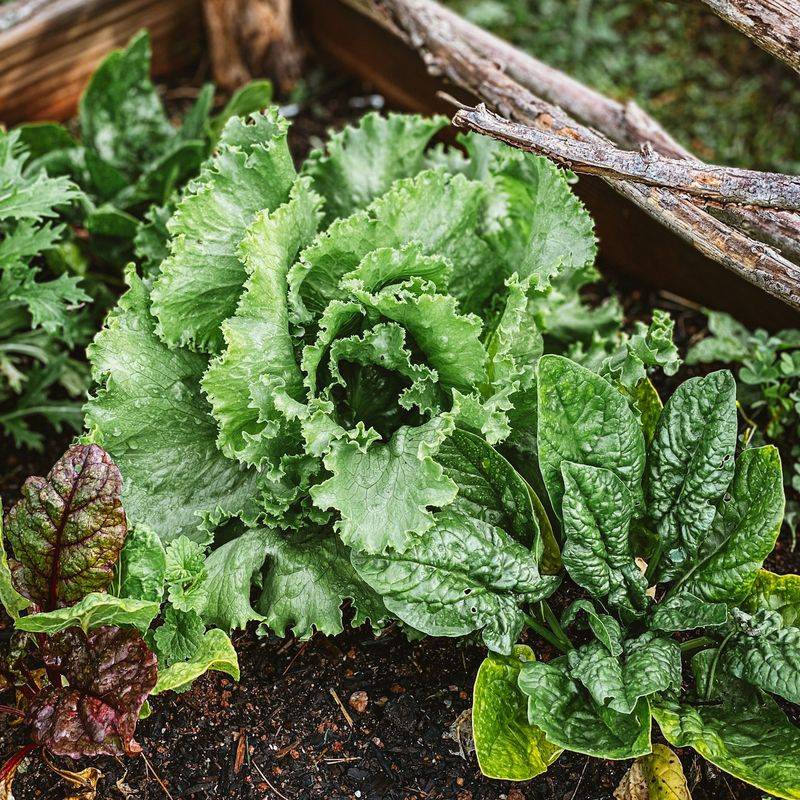
Not every leafy crop is built for November. Some greens handle cold surprisingly well, while others start to look sad as soon as temperatures dip near freezing.
Spinach and kale sit near the top of the list for cold tolerance in most home gardens.
Both can usually take a light frost with little trouble, and many gardeners notice their flavor tastes a bit sweeter after cool weather. Collards, mâche, and some Asian greens like tatsoi also tend to hold up well in chilly conditions.
Leaf lettuce is a different story, though it is not a lost cause.
Lettuce generally handles light frost better than people expect, but repeated hard freezes can turn the leaves mushy. Arugula falls somewhere in the middle, often tolerating cool nights but slowing down once the weather gets truly cold.
Planting time matters as much as variety choice. For an Ohio fall garden, most greens should be sown in mid to late summer so the plants reach a good size before days get short.
Seed packets list days to maturity, so count backward from your average first frost date.
Variety also plays a role. Some kale and spinach types are labeled as especially winter hardy, and those are worth seeking out if you want the longest possible harvest.
Mixing a few hardy crops with some lettuce gives you variety now and backup later.
3. Lightweight Hoops Keep Protective Covers Above The Leaves
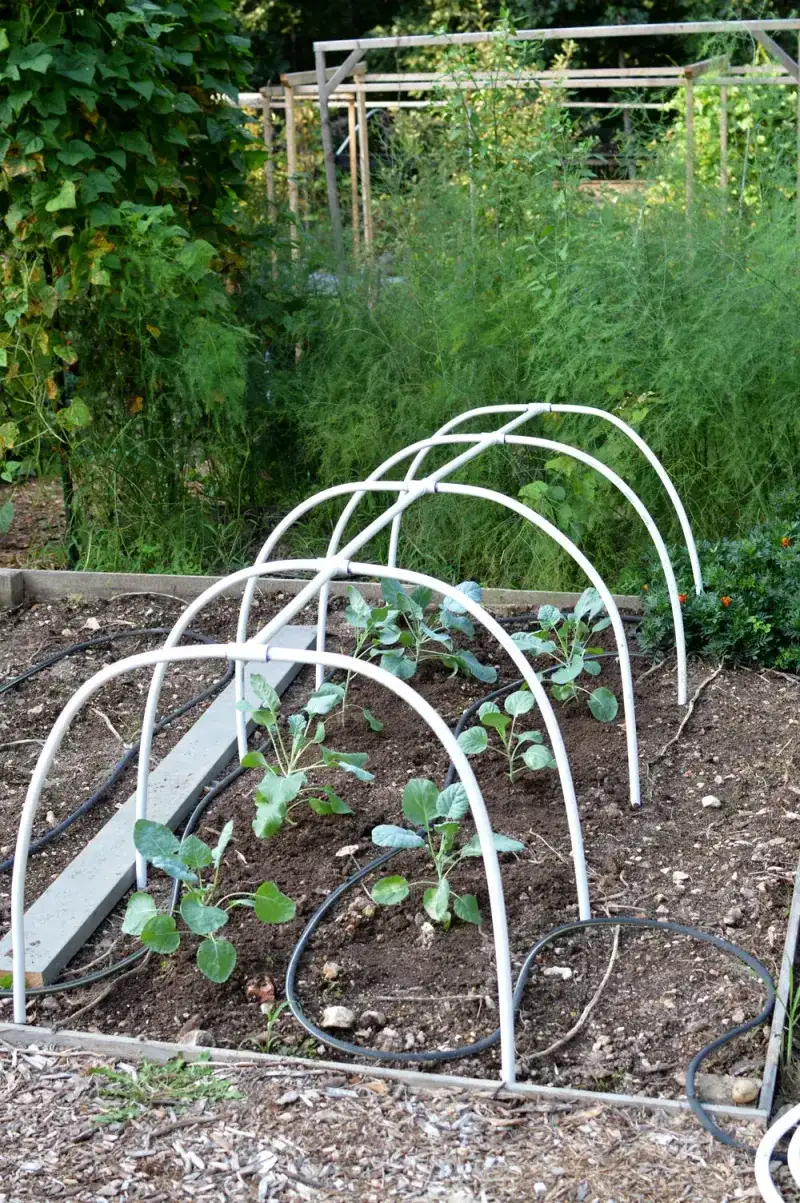
Fabric resting directly on leaves can cause trouble on frosty nights. Where the cover touches the plants, cold can transfer through, and those spots sometimes show frost damage the next morning.
Hoops solve that problem by creating a small air gap between the cover and your crops.
You have several easy choices for materials. Heavy-gauge wire hoops are sold at most garden centers, while bendable PVC pipe or electrical conduit works well for wider beds.
Spacing the hoops every few feet usually keeps fabric from sagging too much. If you expect snow, closer spacing and sturdier material can help the tunnel hold its shape under the weight.
Height is worth thinking about before you start building.
Leave enough room for plants to grow without pressing against the top, but avoid making the tunnel so tall that it catches extra wind. Low and snug tends to work best through late fall in Ohio.
Wider beds may need a ridge pole or string run along the top of the hoops for added support. It takes only a few minutes and keeps the cover from drooping into the middle.
Once the frame is set, adding or removing covers becomes a quick daily task instead of a chore.
Many gardeners leave the hoops in place all season and simply swap fabric for plastic as nights get colder.
4. Secure The Edges To Keep Cold Winds From Getting Inside
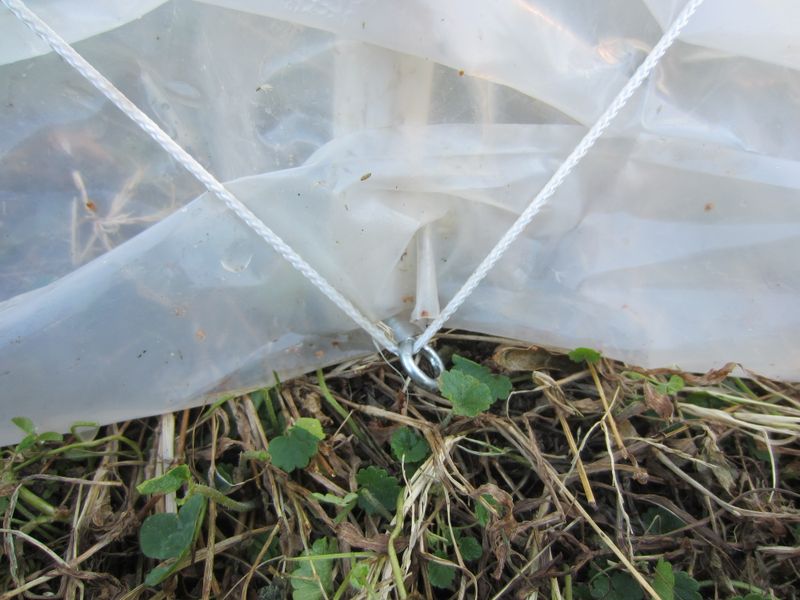
Wind is sneaky. A cover that looks perfect in the afternoon can be flapping in the yard by morning if the edges were left loose.
Gaps along the sides let cold air rush in and push out the warmth your tunnel worked to collect.
Weighing down the edges is the simplest fix. Sandbags, bricks, rocks, or lengths of lumber all work, and they make it easy to lift one side when you need to harvest.
Some gardeners bury the fabric edges in soil for an even tighter seal.
That method holds up well in strong wind, but it can make daily access a little harder. Using soil on the windward side and removable weights on the other side offers a handy middle ground.
Clips also help keep fabric firmly attached to the hoops. Snap clamps made for PVC pipe are inexpensive and stop the cover from sliding around during gusty weather.
Open areas of Ohio, along with spots near Lake Erie, can see especially strong fall winds.
If your garden sits in an exposed location, check the covers after any blustery night. Tightening a loose corner takes seconds, while chasing a torn cover across the neighborhood takes much longer.
Ends of the tunnel deserve attention too, since they are easy to forget. Gather the fabric at each end and anchor it with a stake or a heavy weight.
5. Clear Plastic Covers Need Ventilation On Sunny Days
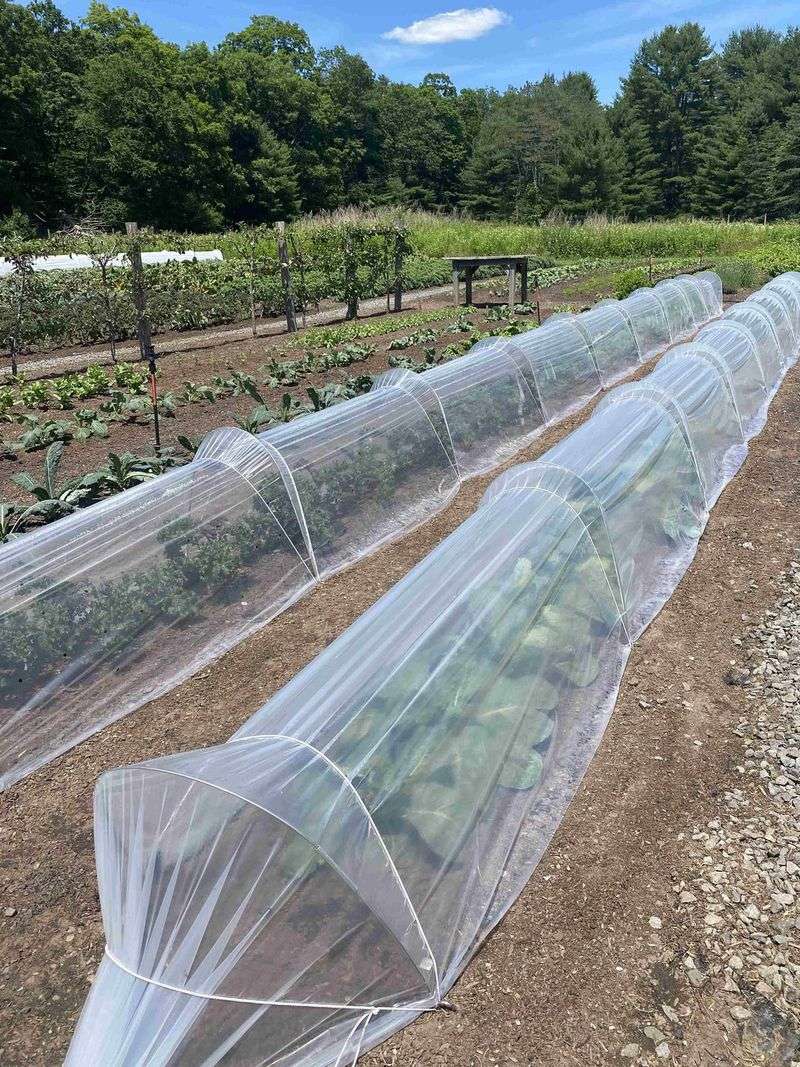
Sunshine can turn a plastic tunnel into an oven. Even on a cool fall afternoon, temperatures inside clear plastic can climb much higher than the outdoor air.
Greens like spinach and lettuce prefer cool conditions, so too much heat can stress them quickly.
Overheated plants may wilt, grow soft, or start to bolt. Trapped moisture can also build up inside, which may encourage disease on crowded leaves.
Venting is the answer, and it does not require fancy equipment.
On sunny days, roll up one side or open the ends of the tunnel in the morning. Close it again in the late afternoon so the soil can hold onto some warmth for the night.
Fall weather in Ohio can swing a lot from one day to the next. A frosty morning might turn into a bright, mild afternoon, so a quick check around midday is a smart habit.
An inexpensive thermometer placed inside the tunnel can take out the guesswork.
Fabric row covers breathe on their own and rarely need venting the same way. That is one reason some gardeners stick with fabric until the coldest part of the season arrives.
If daily checks are hard with your schedule, slitted or perforated plastic may be worth trying. It releases some heat automatically, though it gives a little less protection on the coldest nights.
6. Harvest Mature Leaves While Leaving Smaller Ones To Grow
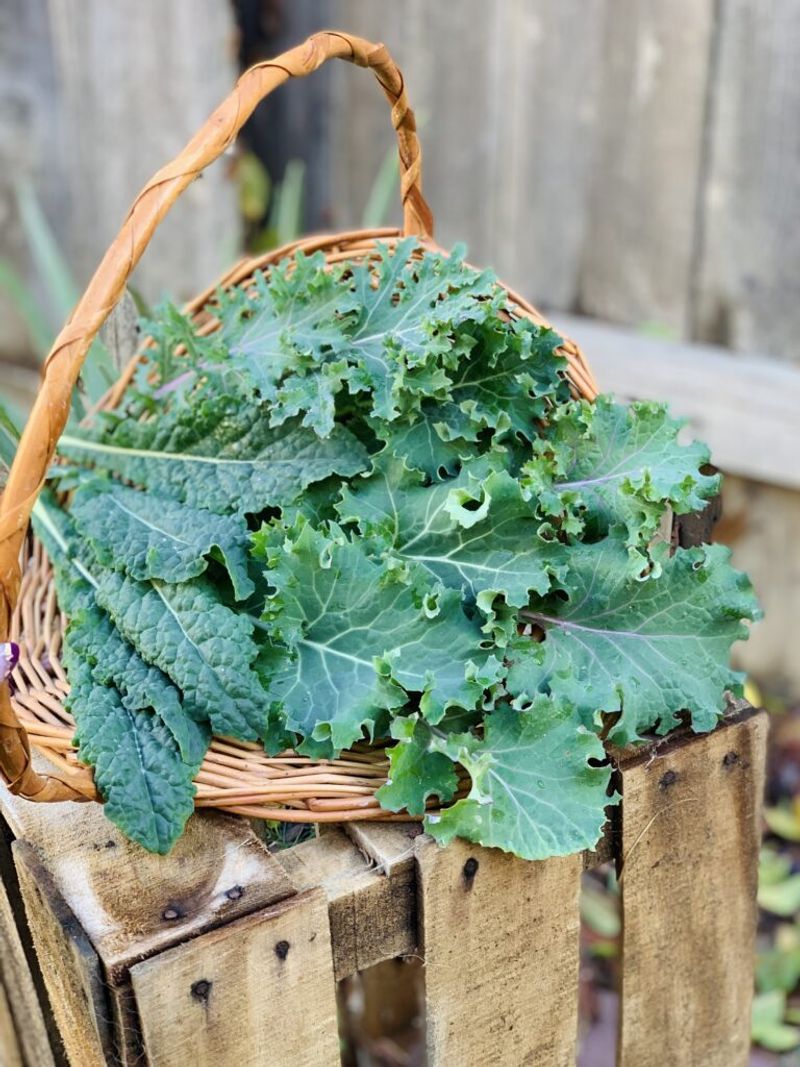
Picking the whole plant at once feels satisfying, but it ends the harvest right there. A slower approach keeps the same plants feeding you for weeks.
Gardeners call it the cut-and-come-again method, and it works well with kale, chard, leaf lettuce, and spinach.
Start with the large outer leaves, since they are the oldest and ready first. Leave the small center leaves alone so the plant can keep growing from its crown.
A clean pair of scissors or garden snips helps avoid tearing the stems.
Try not to take too much in one picking. Removing most of the leaves can weaken the plant, especially later in fall when regrowth gets slower.
Timing your harvest during the warmer part of the day can be helpful in cold weather. Leaves that are frozen may bruise when handled, so waiting until they thaw on their own is a gentler choice.
Gardeners across Ohio often find that late-season leaves taste milder and sweeter than summer ones.
Keep the tunnel closed quickly after harvesting on cold days. Every minute it sits open lets warm air escape, so plan your picking before you lift the cover.
Rinse greens gently and store them in the refrigerator soon after picking. Fresh leaves from a cool fall garden often stay crisp for several days when kept in a covered container.
7. Shorter Days Eventually Slow Growth Even Under Protection
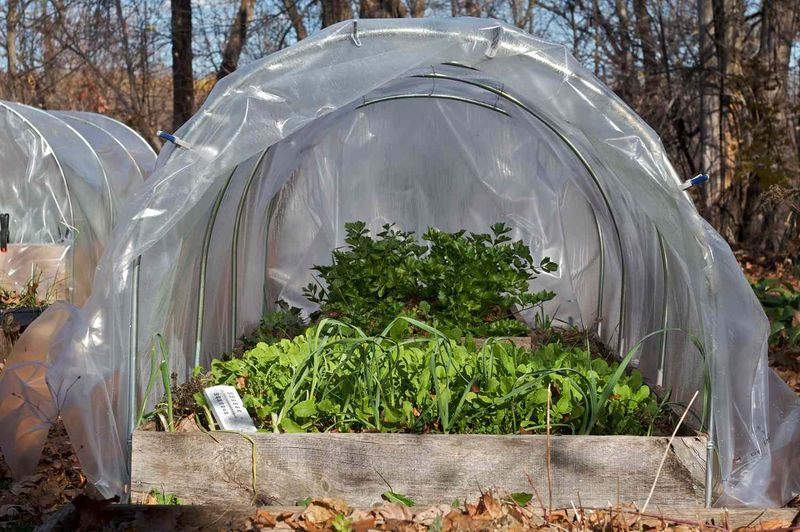
Covers can block cold, but they cannot add daylight. As fall moves toward winter, the shrinking number of daylight hours becomes the real limit on growth.
Once days get very short, most greens slow down sharply and sometimes stop growing almost entirely until late winter.
That shift catches some gardeners off guard. They pick heavily in November and then wonder why new leaves are not filling in.
Think of your tunnel as a cold storage area during the darkest weeks.
Plants that reached a good size earlier in fall can hold in place and be picked slowly over time. Small plants that went in late may not get much bigger before spring.
That is why planting dates in late summer matter so much. Across Ohio, aiming to have greens close to full size by the time days shorten noticeably usually gives the best results.
Hardy crops like spinach sometimes survive the winter under protection and start growing again as days lengthen.
Survival is not certain, though. Extreme cold snaps, heavy snow, or wet soil can still cause losses, even with good covers in place.
Keeping expectations realistic makes the whole project more enjoyable. A few extra weeks of fresh salad and soup greens is a solid win, and any winter survivors become a nice bonus when spring arrives.