Why Some Ohio Maples Turn Brilliant Red And Others Just Turn Brown
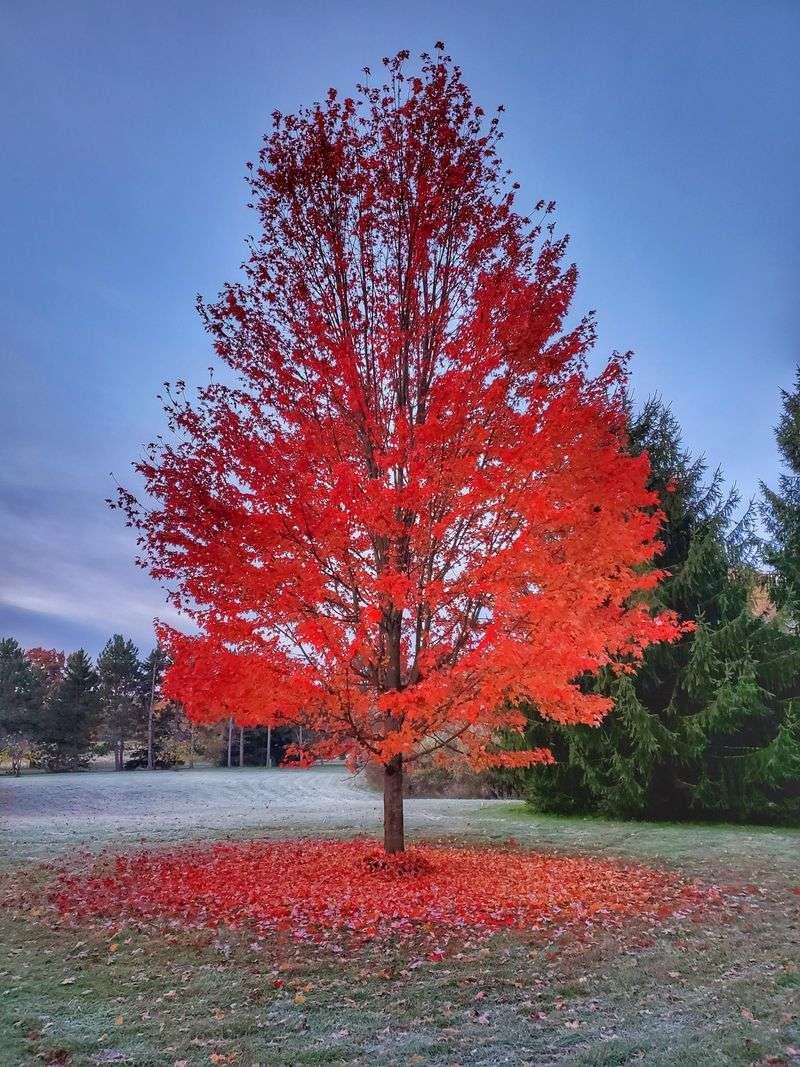
Brilliant red leaves are what many gardeners expect from maples in October, so a tree turning dull brown instead can be disappointing.
Before assuming your maple is unhealthy, remember that not every variety produces the same fall colors. Some naturally develop stronger reds, while others lean toward yellow or less vivid shades.
The weather leading up to autumn also plays a part in how those colors develop.
Cool nights and sunny days can favor brighter red pigments, while drought stress may cause leaves to brown prematurely.
Ohio gardeners sometimes notice striking differences even between maples growing just a few yards apart.
Instead of comparing your tree with every colorful maple nearby, consider its species and recent growing conditions. The explanation may have more to do with the tree’s natural traits and seasonal weather than anything you did wrong.
1. Maple Species Do Not All Produce The Same Fall Color
Genetics sets the stage before the weather ever gets a vote. A maple can only show the colors its species and its own genes allow, so two trees on one street may never match.
Red maples are known for scarlet leaves, though some seedlings lean yellow or orange instead.
Sugar maples tend toward a blend of orange, gold, and red. Silver maples usually stay pale yellow, and Norway maples often turn yellow late in the season.
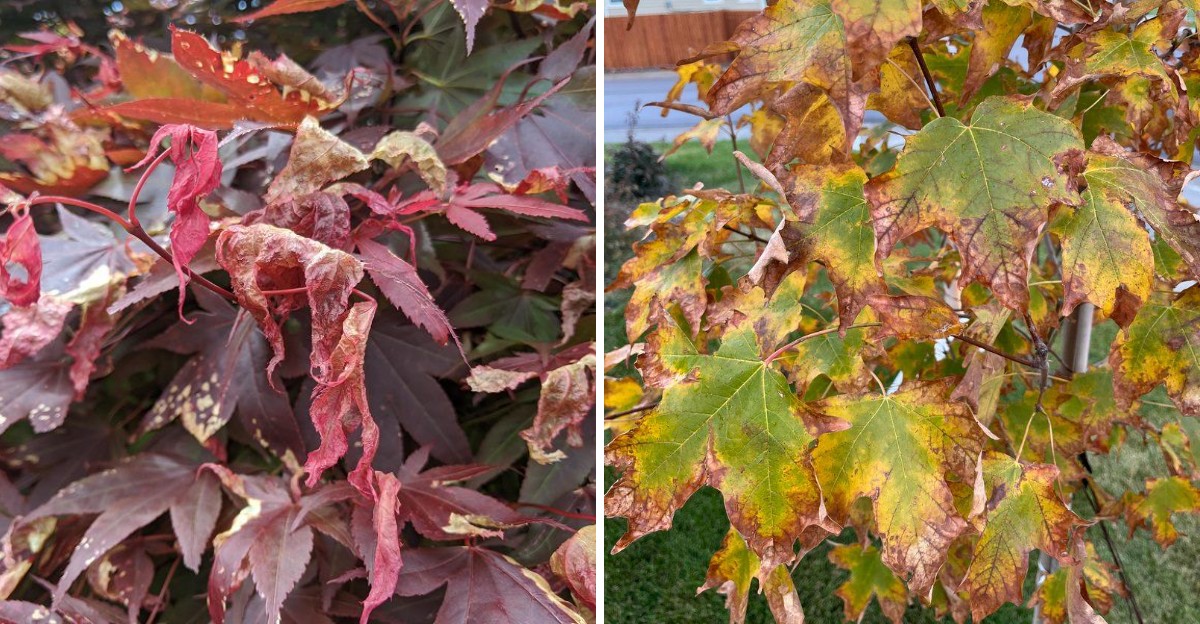
Japanese maples add another layer, with some cultivars bred for deep red fall leaves and others for gold.
Named cultivars matter a lot here. A nursery tree sold as a red-coloring selection was chosen and grown from cuttings or grafts to repeat that trait, while a random seedling is more of a surprise.
Shopping for a new tree in Ohio? Ask what fall color the specific cultivar is known for, and look at the tag closely.
Visiting a local arboretum or park in mid-October can help too. Seeing mature trees in person gives you a far better idea than any catalog photo.
Keep in mind that even a dependable cultivar can look duller in a rough year, since weather and site still play a big role.
2. Sugar Maples Can Turn Red Orange And Yellow
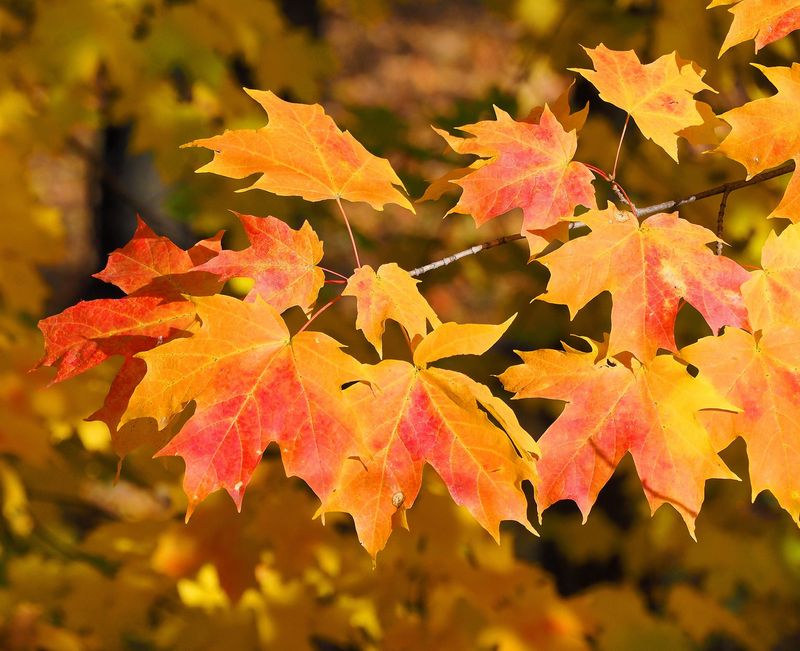
One sugar maple can look like three trees stitched together. Some branches glow orange, others go gold, and a few outer limbs may blush red.
Leaves facing the sun often develop more red than shaded inner leaves on the same tree.
Yellow and orange come from pigments called carotenoids, which sit in the leaf all summer. As green chlorophyll fades in fall, those warm tones finally show through.
Red works differently because the leaf makes those pigments, called anthocyanins, in autumn. How much it makes depends partly on sunlight, sugar levels, and temperature.
Sugar maples grow naturally across much of Ohio, from wooded hillsides in the southeast to farm fence lines up north. In the wild, they often prefer moist, well-drained soil.
Street and yard trees sometimes struggle more. Compacted soil, road salt, and reflected heat from pavement can stress a sugar maple and may dull its color.
Your Ohio Garden Changes Every Week. Your Plan Should Too.
Gardening in Ohio changes quickly throughout the season. Every Friday you’ll receive a simple weekly plan showing exactly what to plant, prune, fertilize, harvest, and protect so you never miss the right timing.
Planting one yourself? Give it room, decent soil, and some mulch kept away from the trunk, and water young trees during dry spells.
Patience pays off with these trees. Fall color can shift from year to year, so one plain autumn is not a sign that your sugar maple has lost its touch.
3. Silver Maples Often Finish With Duller Fall Color
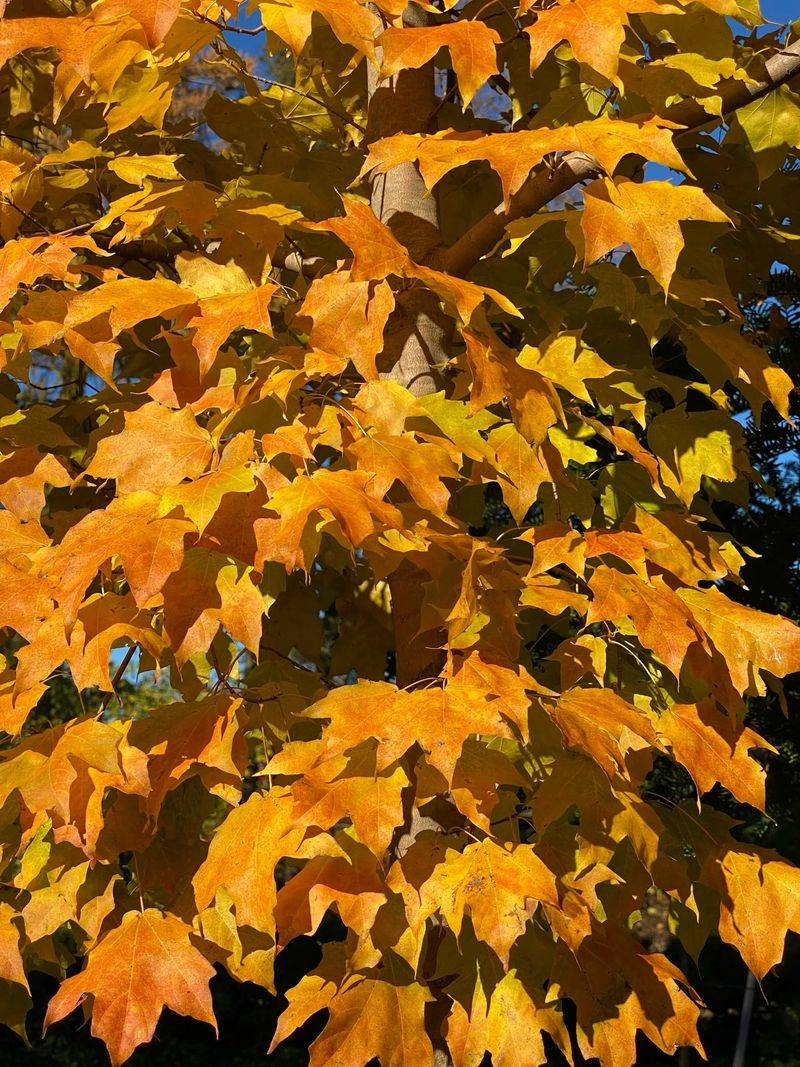
Silver maples are built for speed, not for fireworks. They grow fast, shade a yard quickly, and handle wet ground well, but their fall show tends to be modest.
Most turn a soft yellow, and some lean toward pale tan or a brownish yellow.
Wind adds to the letdown. Silver maples have long, deeply cut leaves with silvery undersides, and a breezy fall day can strip them before the color fully develops.
Plenty of older Ohio homes have one of these giants out back, often planted decades ago for quick shade.
Owners sometimes worry that pale leaves mean something is wrong. Usually, a silver maple is simply behaving like a silver maple.
Still, watch for changes beyond normal color. Early leaf drop in summer, thin canopies, or cracked limbs can point to stress or weak wood, which this species is known for.
A certified arborist can check large silver maples near houses or driveways, since their branches can be brittle in storms.
Hoping for more color nearby? Consider planting a red-coloring tree elsewhere in the yard.
You keep the shade from the silver maple and add the autumn glow it rarely provides.
4. Sunny Days Help Bring Out Brighter Red Pigments
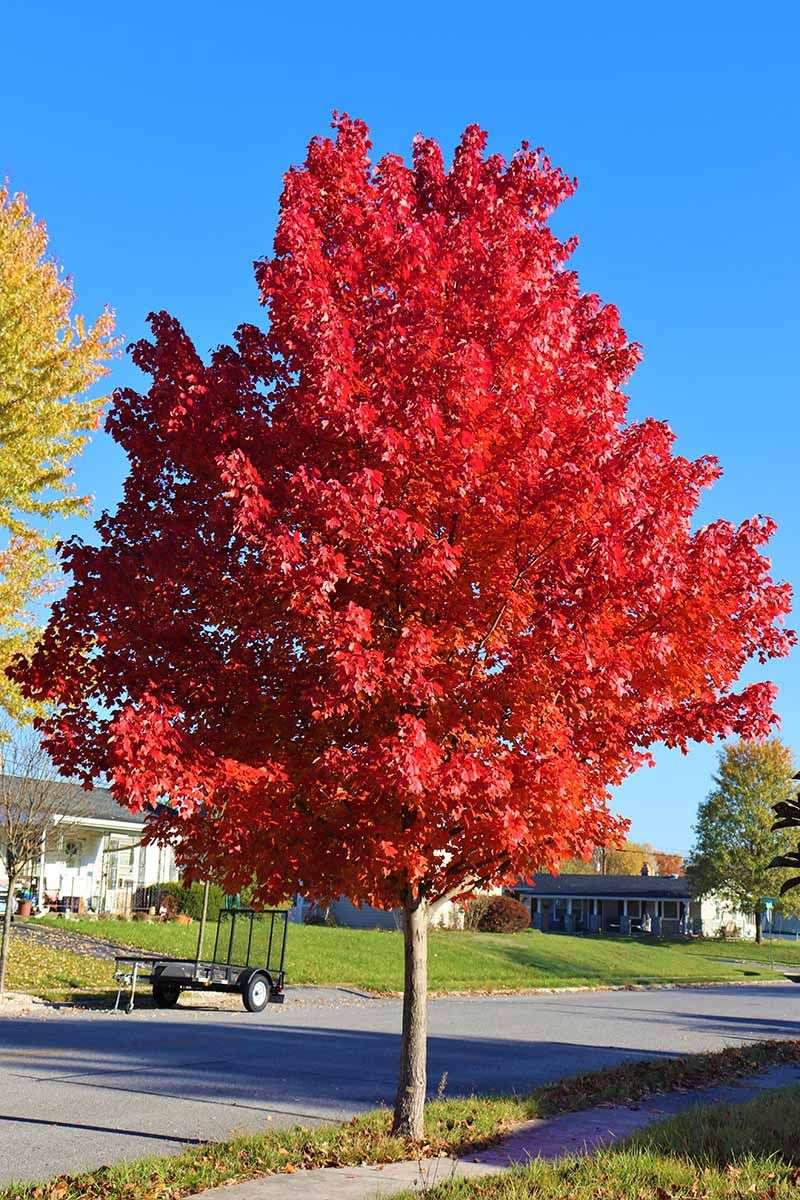
Sunshine is the fuel behind a red maple’s best moments. Bright fall days let leaves keep making sugars, and those sugars help build the red pigments we love.
Gray weeks tend to produce a quieter display.
You can see the effect on a single tree. The south and west sides often turn redder first, while branches hidden in shade may stay greener or more yellow.
Placement matters when you plant. A red maple tucked against a north wall or under tall oaks may color less than one in an open spot with plenty of light.
Ohio falls can swing between clear, crisp stretches and long cloudy spells, especially near Lake Erie where lake clouds are common. That variety partly explains why one year looks stunning and the next looks muted.
Nothing you do will control the clouds. What you can manage is giving a new tree a sunny location, so it has the best shot when good weather arrives.
Pruning tall neighbors just to brighten fall color usually isn’t worth it, and heavy cuts can stress trees.
Instead, enjoy the bright years as a bonus. Snap a photo of your tree each October, and over time you’ll notice how much sunny weather shapes its color.
5. Cool Nights Can Make Red Colors More Intense
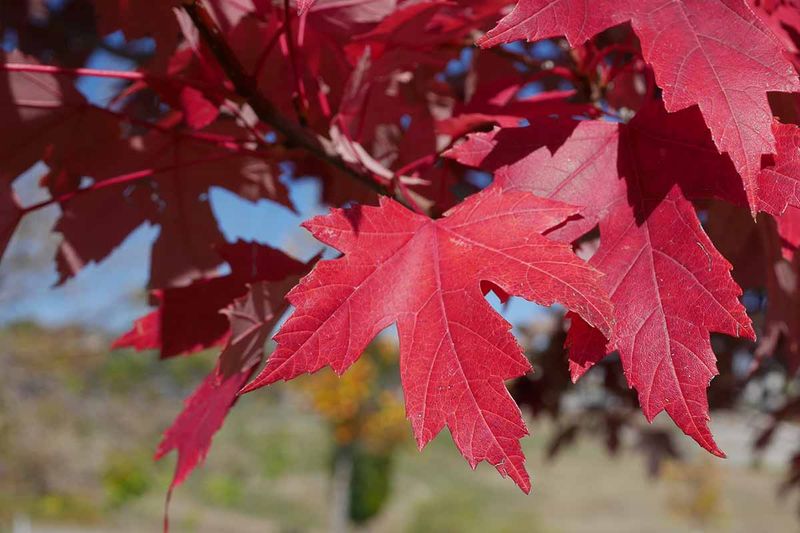
Warm afternoons paired with crisp, chilly nights set up some of the richest reds of the season.
When nights cool down without freezing, the tiny veins that carry sugar out of the leaf start to close. Sugar that stays trapped in the leaf can feed more red pigment production.
Picture a stretch of sunny days in the 60s with nights in the 40s. Weather like that is often linked with strong color, though no single temperature promises a great year.
Warm, muggy nights tend to slow the process.
Timing varies across Ohio. Northern counties and higher ground in the east often cool off sooner, while southern river valleys may hold warmth longer and peak a bit later.
Lake Erie shifts things too. Its stored summer warmth can soften fall nights along the shoreline, sometimes delaying color compared with inland spots a short drive south.
Watching local forecasts can help you plan a drive or a hike. A run of clear days and cool nights is a good hint that reds may be building.
Of course, nature doesn’t follow a script. Soil moisture, tree health, and genetics all mix in, so even ideal nights can bring mixed results on some trees.
6. Drought Stress Can Disrupt The Usual Color Change
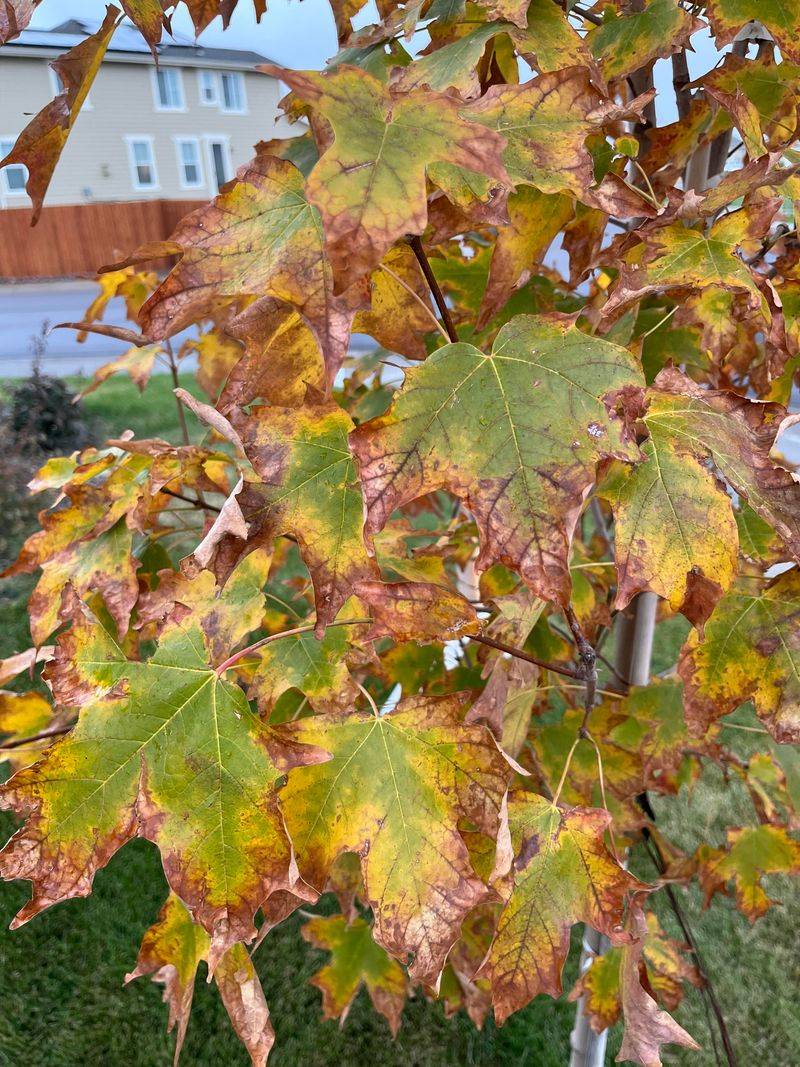
Brown, crispy edges in September often tell a story about August.
Maples short on water may close down early to protect themselves. Leaves can scorch along the edges, curl, turn brown, or drop before they ever reach their usual colors.
Moderate dryness late in the season doesn’t always spoil the show. Severe or long drought, especially during late summer, is more likely to leave trees looking tired and tan.
Ohio summers vary widely, and some years bring dry spells that stress yard trees even when the rest of the year was wet.
Young or recently planted maples feel it first. Their roots haven’t spread far, so they depend on you when rain stops.
A slow, deep soak around the root zone is more helpful than a quick sprinkle. Water out near the edge of the canopy, not just against the trunk.
A layer of mulch two to three inches deep helps hold moisture, as long as it stays pulled back from the bark.
Brown leaves can have other causes too, including leaf diseases, root damage, or construction near the tree. If browning keeps happening with plenty of water, a local Extension office or arborist can help sort out the cause.
7. Early Frost Can Cut The Fall Display Short
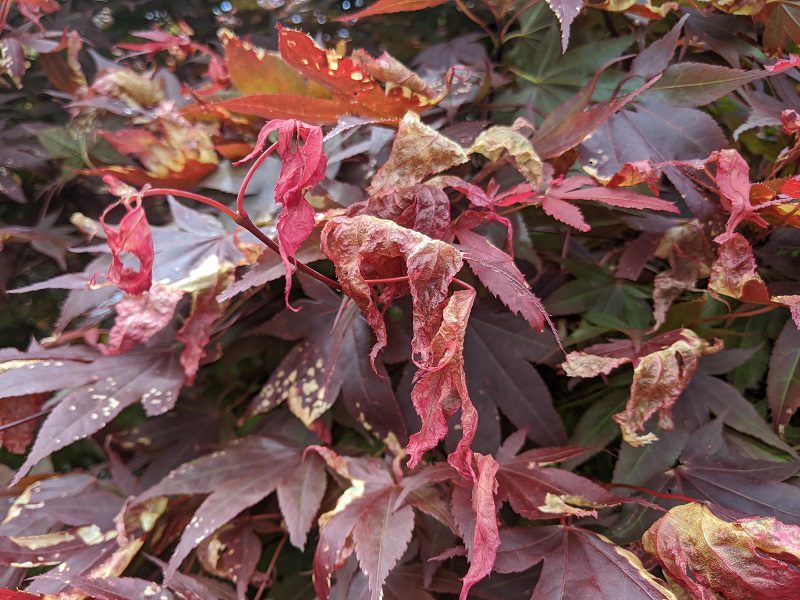
A single hard freeze can flip the switch on a tree that was just getting started.
Light frost doesn’t usually harm fall color much. A severe freeze before leaves finish changing, though, can damage leaf tissue and leave them brown, limp, or falling early.
First frost dates shift across the state. Northern Ohio and inland low spots often see frost earlier, while southern counties and areas near Lake Erie may stay frost-free a little longer.
Cold air drains downhill and settles in valleys.
Because of that, a maple at the bottom of a slope might turn brown overnight while one higher up keeps its color. Same yard, same week, very different results.
Covering a large tree isn’t practical, so there’s little a homeowner can do to stop a frost. Choosing planting spots away from frost pockets can help small or young maples in future years.
Leaves browned by frost will drop on their own schedule. Raking them into beds or shredding them for mulch puts them to good use.
An early freeze one fall doesn’t mean the next will repeat it. Weather resets every season, and your maple may surprise you with a much brighter show next year.