Your Halloween Pumpkin Can Feed Your Indiana Garden Instead Of Ending Up In The Trash
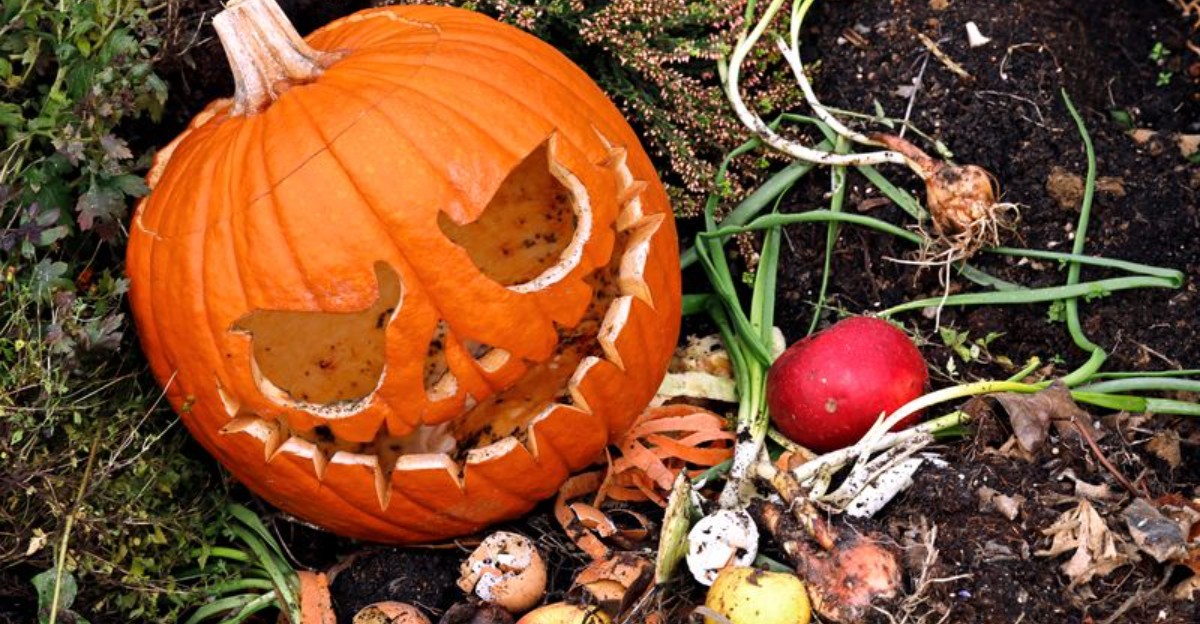
A carved porch decoration from Halloween is roughly ninety percent water, so it softens quickly once the skin is broken or cut open. I love that the soft flesh carries potassium, nitrogen, and other minerals right back into the ground below.
Indiana gardeners usually see their first hard frost in October, which means many vegetable beds sit empty by Halloween. That bare soil makes a handy landing spot for soft porch decorations that have started to sag.
Many people do not realize that the stringy insides and thick rind can rot down just like kitchen peelings. You only need a little prep work, because a few common decorations can cause trouble in soil.
You have probably watched a grinning face slowly slump on the front steps during a mild autumn week. So why toss that orange heap in a trash bag when your garden could quietly eat it all winter?
Soft Orange Flesh Turns Into Rich Soil Nutrients
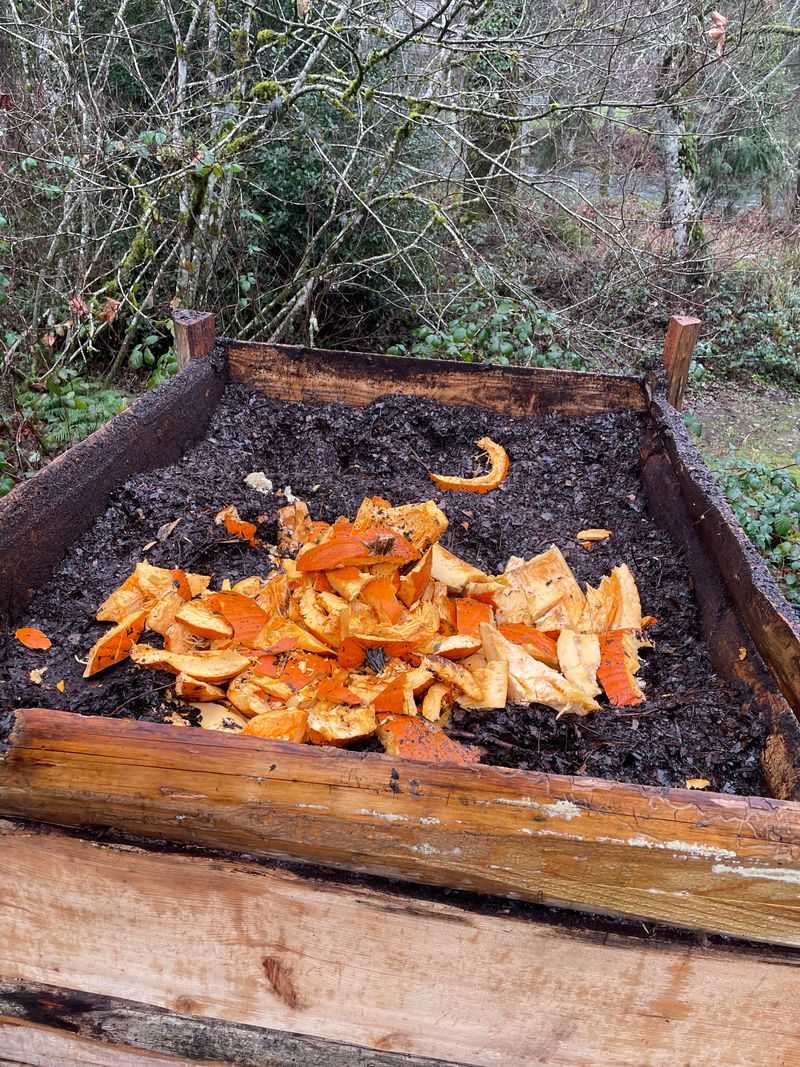
Your pumpkin is mostly water wrapped in fiber, and that makes it one of the easiest things to compost. Many university extension programs treat pumpkins as green material, which means they supply nitrogen to a compost pile.
Soil microbes feed on that nitrogen while they break down brown materials like dry leaves, straw, and shredded paper. Pumpkins also hold potassium, which helps plants build strong stems and handle stress from heat or drought.
As the soft flesh breaks apart, those minerals slowly return to the soil where future roots can reach them. Finished compost also improves soil structure, helping heavy Indiana clay drain better and sandy ground hold more water.
I think of a rotting pumpkin as a fertilizer that costs nothing and saves space in the trash can. It will not replace a full soil test, but it adds organic matter that most garden beds can use.
Food waste makes up a large share of what goes into landfills, according to the US Environmental Protection Agency. Buried in a landfill, a pumpkin breaks down without much oxygen and can release methane, a strong greenhouse gas.
Keeping it in your yard lets that same material feed earthworms, fungi, and helpful bacteria in your soil. Even one large jack-o-lantern can add several pounds of organic material to a backyard pile or bed this fall.
Pie pumpkins, giant carving types, and decorative gourds all work the same way once they start to soften. Just remove anything that is not plant material before you toss them in, which the next step covers.
Candle Wax Or Paint Scraped Off First
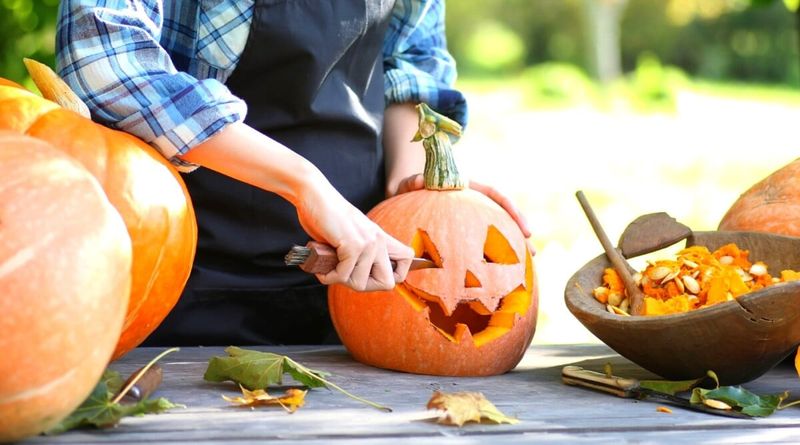
Before that grinning face heads to the compost bin, take a close look at everything stuck to it. Candle wax, glitter, paint, and plastic gems can linger in soil long after the pumpkin itself is gone.
Paraffin wax comes from petroleum, so it does not break down the way plant scraps do in a pile. A butter knife or spoon usually pops off hardened drips, especially after the pumpkin sits in a cold garage.
Your Indiana Garden Changes Every Week. Your Plan Should Too.
Gardening in Indiana changes quickly throughout the season. Every Friday you’ll receive a simple weekly plan showing exactly what to plant, prune, fertilize, harvest, and protect so you never miss the right timing.
Cut away any section where wax has soaked deep into the flesh, then toss that piece in the trash. Painted pumpkins are trickier, because many craft paints contain acrylic plastics or pigments you would not want near vegetables.
Many extension composting guides suggest keeping painted, sealed, or glittered pumpkins out of home compost piles altogether. If only a thin painted layer sits on top, you can peel or slice the outer skin away first.
I also pull out battery tea lights, toothpicks, wire stands, and any stickers my kids pressed onto the rind. Wooden toothpicks can compost, but plastic picks and metal pins should go back into the craft drawer instead.
Moldy pumpkins are generally fine to compost, since mold is simply part of the natural breakdown process at work. Wear gloves when handling slimy ones, and wash your hands well if anyone in your home has mold allergies.
Pumpkins sprayed with bleach or preservative sprays to last longer are better left out of the garden too. A clean, plain pumpkin gives your soil the most benefit with the least worry about leftover chemicals.
Smaller Pieces Break Down Faster Than Whole Shells
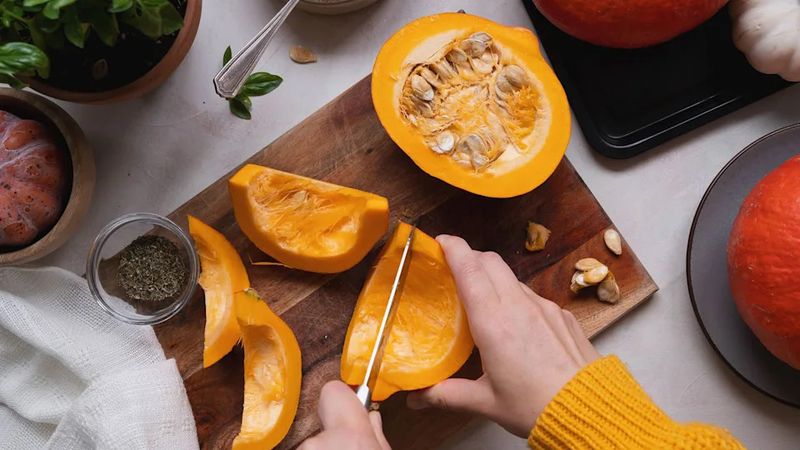
A whole pumpkin tossed on a pile can sit there for months, because its tough skin keeps microbes out. Breaking it into smaller chunks gives bacteria and fungi far more surface area to start their work right away.
Many composting guides from university extension services suggest cutting scraps into pieces about one to two inches wide. You do not need perfect cubes, so rough chunks from a sturdy knife or garden spade work just fine.
Some families make a game of it, setting the pumpkin on a tarp and stomping it into mushy bits. Kids usually love this job, and the smashed pieces start softening much sooner than a whole pumpkin would.
After chopping, mix the pieces with dry brown materials such as fallen leaves, which are plentiful in Indiana yards. A common rule of thumb is about two or three parts browns to one part greens by volume.
Without enough leaves, wet pumpkin chunks can turn slimy, attract fruit flies, and give off a sour smell. Covering each new batch with a few inches of leaves helps trap odors and discourages curious raccoons.
I like to turn the pile with a pitchfork every week or two while the weather stays mild. Turning adds oxygen, which lets the busy microbes work faster and keeps the center of the pile warmer.
The stem is the toughest part, so snap it off and break it up or set it aside. Woody stems can take much longer to soften, but they still add useful carbon to a pile over time.
Buried Pieces In Empty Garden Beds
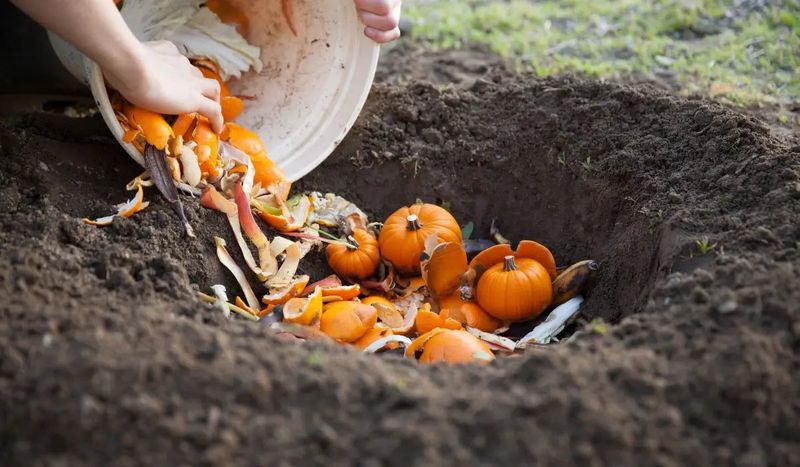
Last fall I skipped the compost bin and dug my pumpkin straight into a bare tomato bed instead. Gardeners call this trench composting, and many extension services describe it as a simple way to feed soil directly.
Dig a hole or trench eight to twelve inches deep in a bed that has finished for the season. Drop in the chopped pumpkin pieces, then cover them with the soil you removed and pat it down firmly.
That layer of soil hides the smell, which helps keep raccoons, opossums, and neighborhood dogs from digging it up. Earthworms move in to feed on the buried pieces whenever the soil stays mild, pulling bits of pumpkin through their tunnels.
October is a handy time for this job, because Indiana soil usually stays workable until late November or December. Try to finish before the ground freezes hard, since frozen clay is tough to dig with any shovel.
Choose a spot where you plan to plant next spring, like a vegetable row or a new flower border. By planting time, much of the pumpkin should have softened into the soil and enriched the root zone.
Keep buried pumpkin a few feet away from the roots of established shrubs and perennials to avoid disturbing them. Rotating trench spots each fall spreads the benefits around, so every bed gets a turn at a free meal.
Skip trenching in spots that stay soggy all winter, since waterlogged soil slows breakdown and can smell sour. A raised bed or a gently sloped garden area usually drains well enough to handle buried pumpkin pieces.
Seeds Left Inside Can Sprout As Volunteer Vines
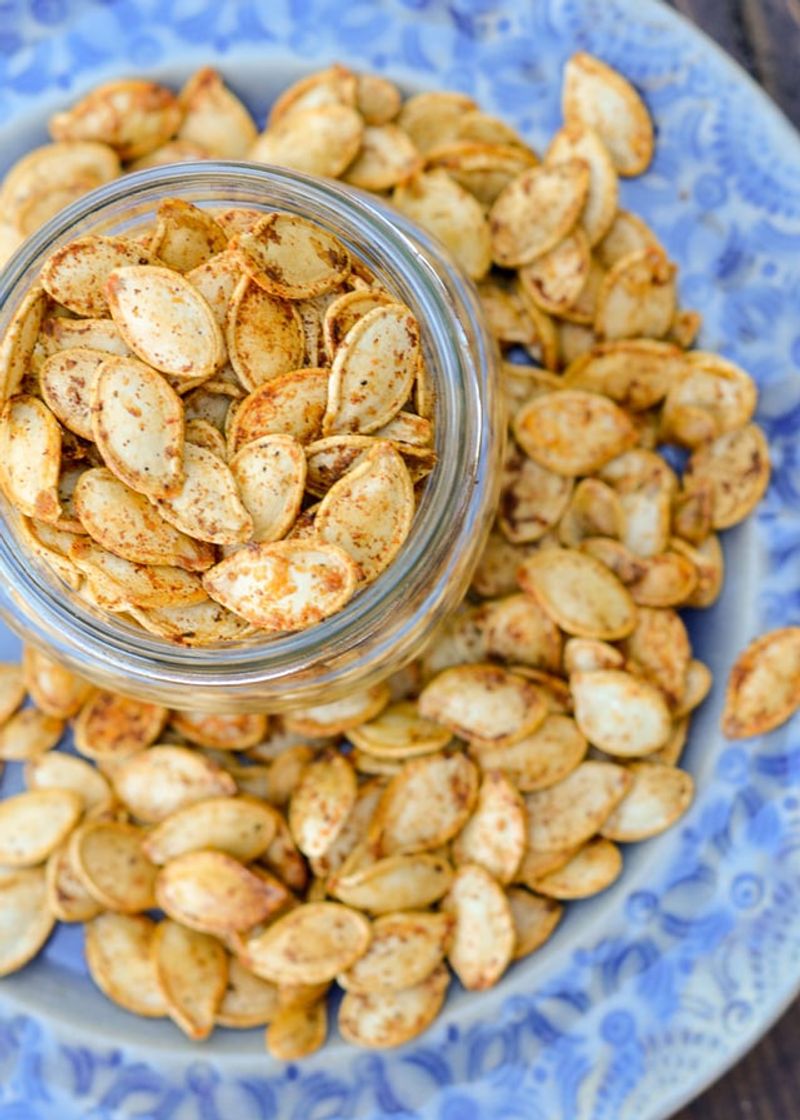
Most pumpkins hide several hundred seeds, and each one is ready to try its luck in your garden. Home compost piles often stay too cool to stop seeds, so some can survive winter and sprout when soil warms.
Gardeners call these surprise plants volunteers, and pumpkin vines can sprawl ten to twenty feet across a yard. Some people enjoy that free harvest, but others find the vines smothering their lettuce and peppers by July.
Many carving pumpkins are hybrids, so their seeds may grow fruit that looks quite different from the parent. Pumpkins can also cross with other squash of the same species, which helps explain the odd lumpy mystery fruits that sometimes pop up in compost.
If you want to prevent volunteers, scoop the seeds out before you chop or bury the rest of the pumpkin. Seeds scooped out on carving night can be roasted, but skip eating any from a pumpkin that sat outside.
Birds such as blue jays and cardinals will happily snack on raw seeds spread on a platform feeder. You can also dry a handful on a paper towel and save them in an envelope for spring planting.
If volunteers do appear next May, pull the extras while they are small and easy to lift out. Leaving one healthy vine in an open corner can be a fun experiment for kids who love surprises.
Watch for squash bugs and vine borers on any volunteer, since those pests also target planted squash nearby. Removing struggling volunteers early helps reduce pest numbers before they spread to the crops you planned on purpose.
A Slower Process Through Cold Indiana Winters
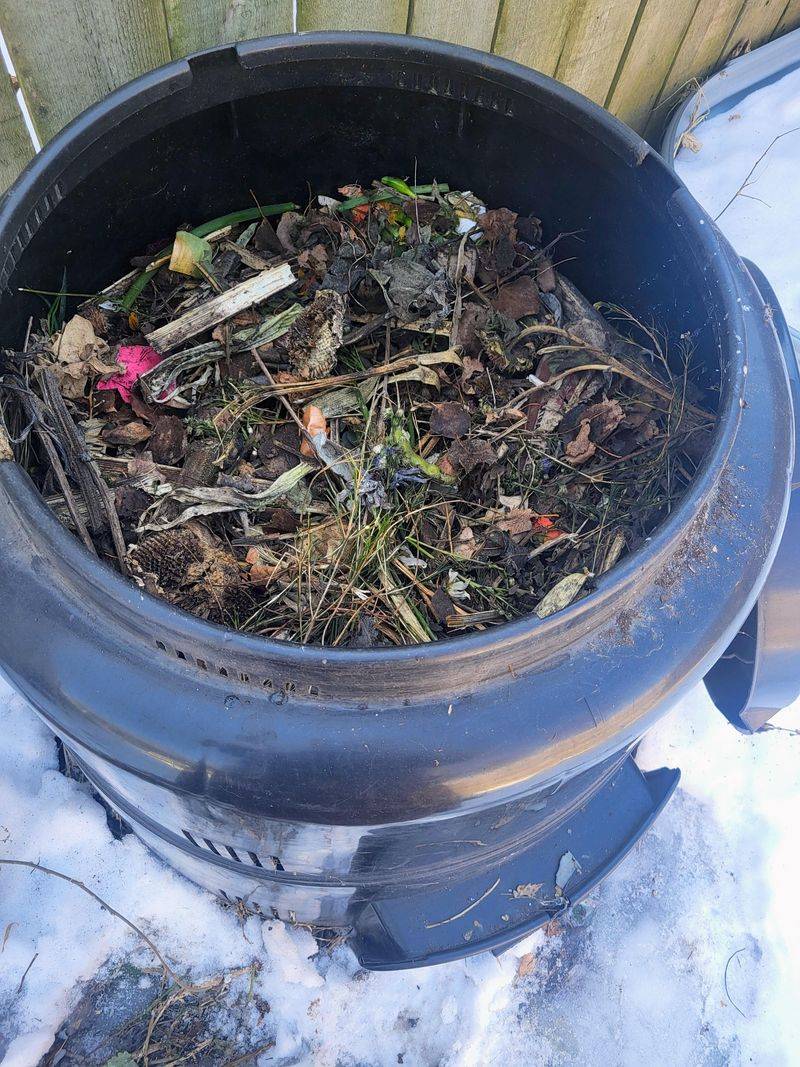
Patience matters once winter settles over Indiana, because compost microbes slow down sharply as temperatures drop toward freezing. Pumpkin pieces added in October may still look recognizable in January, and that is perfectly normal for a home pile.
Freezing and thawing can actually help, since ice crystals can burst plant cells and make the flesh softer for spring. Once soil warms in April and May, the microbes wake up and finish the job much faster.
A larger pile holds heat better than a small one, so aim for about three feet wide and tall. Many extension services recommend that size because it keeps the center active longer into the cold months.
I like to toss a thick layer of shredded leaves over the top to act as a cozy blanket. A tarp can also help, keeping heavy rain and snow from soaking the pile and cooling it further.
You can keep adding kitchen scraps all winter, even if the pile freezes solid for a few weeks. Everything should start breaking down together once spring arrives, so there is no need to stop composting now.
Exact timing varies with pile size, moisture, and weather, so your results may look different from someone else’s. Many backyard piles in Indiana turn into dark, crumbly compost somewhere between late spring and the following fall.
Finished compost smells earthy, and you should not be able to spot chunks of pumpkin skin or flesh. Spread it around your plants next season, and last year’s jack-o-lantern quietly becomes food for this year’s garden.