An Orchid That Hasn’t Rebloomed In Your Indiana Home May Just Need Cooler Fall Nights
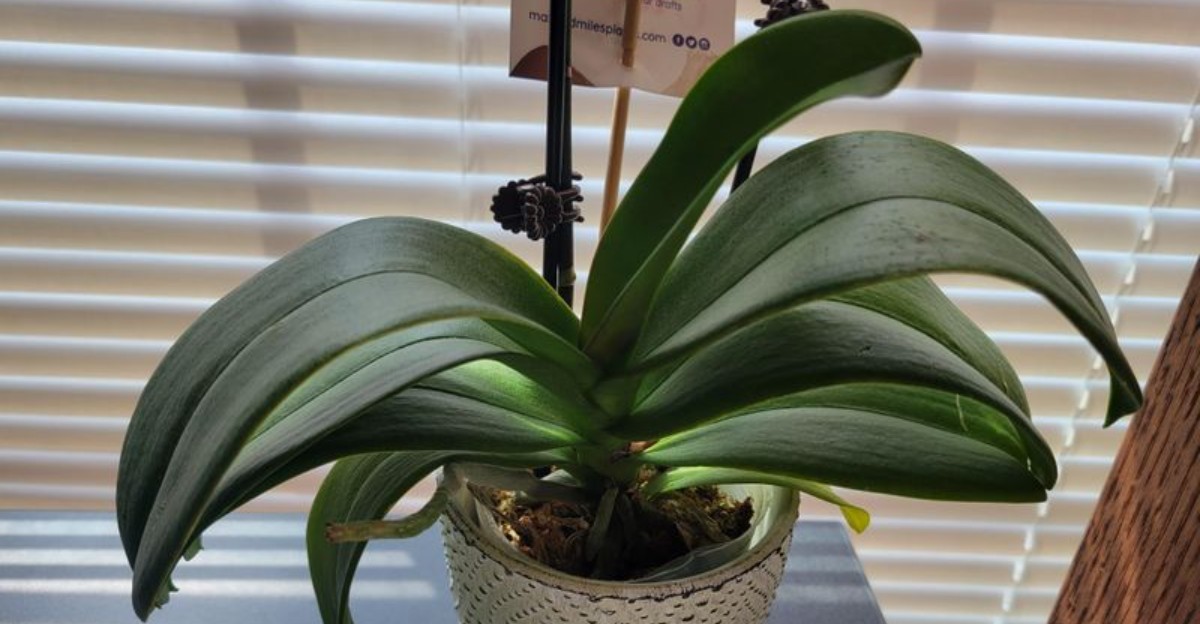
A houseplant that stubbornly refuses to flower can sometimes be fixed by letting your living room get chillier at night. Many growers learn that a drop of about ten to fifteen degrees after sunset tells the plant to start budding.
In Indiana, October is often when furnaces click on, and that steady indoor heat can hide the signal. I believe plenty of good plants sit in warm, cozy homes without ever getting the cue they need.
Back in their native tropical Asian forests, these plants feel cooler nights during the drier part of the year. That small seasonal change is the reminder they still carry, even when they live on a kitchen windowsill.
You may already own the perfect cool room, like a bright spare bedroom with the heat vent partly closed. Who knew that turning the thermostat down a little could be the secret to fresh flowers by winter?
Your Orchid Is Waiting For A Nightly Temperature Drop
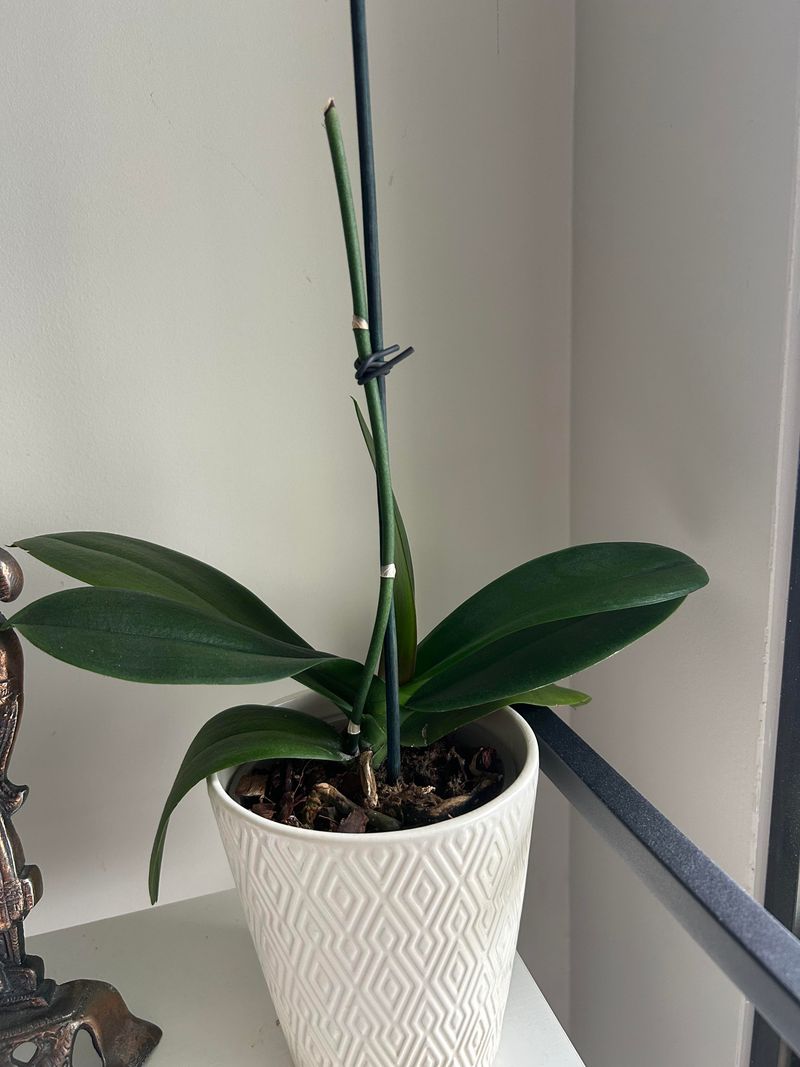
Moth orchids, known to scientists as Phalaenopsis, are the most common orchids sold in Indiana grocery stores and garden centers. Many owners enjoy the first round of blooms, then wait a year or more with only leaves to show.
University extension experts explain that these plants usually need cooler nights to start making a new flower spike. Nighttime temperatures around 55 to 65 degrees Fahrenheit for about three to four weeks often trigger the process.
Inside a heated house, nights may stay near 70 degrees, which feels pleasant to people but sends no signal. The plant keeps growing leaves and roots, yet it rarely switches over to building buds without that cooler cue.
October is a smart month to act, because Indiana nights are naturally cooling down and windows feel chilly. A spike that starts now can open flowers sometime in late winter, often between January and March.
Cool nights are a strong trigger, but they are not the only piece of the reblooming puzzle. Healthy leaves, enough light, and a plant that is mature enough to flower all matter too.
Growers also notice that some hybrids respond faster than others, so results can vary from home to home. Still, adding a steady temperature drop is one of the simplest changes you can make this fall.
Think of it as giving your orchid a gentle seasonal reminder that flowering time has finally arrived again. Once you understand that cue, a stubborn plant on your shelf suddenly looks a lot more hopeful.
Warm Days Followed By Noticeably Cooler Nights Work Best
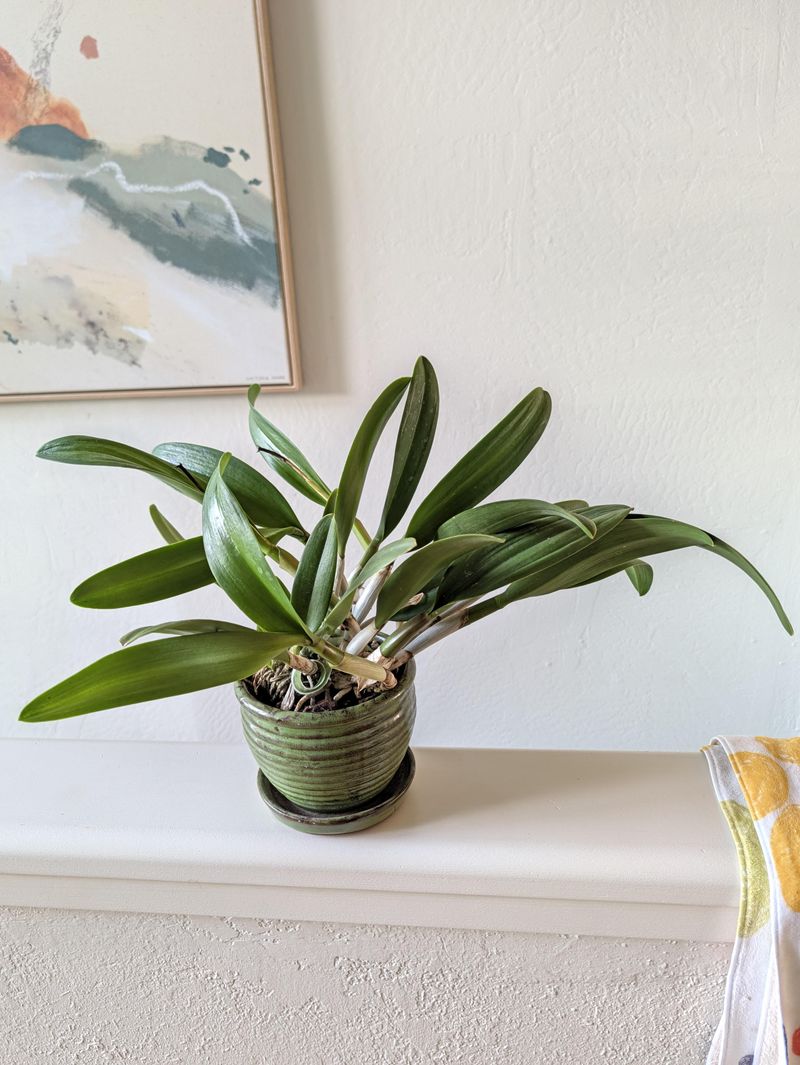
Your orchid does not need a cold room all day, and that surprises plenty of first-time growers. What it wants is a clear difference between warm daytime temperatures and cooler hours after dark.
Many extension guides suggest daytime readings in the low to mid 70s for moth orchids during fall. At night, aim for a drop of roughly ten to fifteen degrees, landing somewhere near 60 degrees.
A cheap digital thermometer with a memory feature can show the highest and lowest temperatures each day. Set it right beside the pot, since air near a window can differ from the thermostat reading.
Your Indiana Garden Changes Every Week. Your Plan Should Too.
Gardening in Indiana changes quickly throughout the season. Every Friday you’ll receive a simple weekly plan showing exactly what to plant, prune, fertilize, harvest, and protect so you never miss the right timing.
Some Indiana gardeners lower the thermostat a few degrees at bedtime, which helps the plant and the energy bill. Others move the pot into a cooler bedroom, basement window, or enclosed porch that stays above 55 degrees.
Be careful not to push things too far, because temperatures below about 50 degrees can stress tropical orchids. Chilled plants may drop buds, develop spotted leaves, or simply stop growing until warmer weather returns.
Leaving an orchid outdoors in October is risky in Indiana, since frost can arrive with little warning. Indoor cooling is easier to control, and it gives you the same helpful signal without the danger.
Keep the cooler routine going for about a month, then return to normal room temperatures once a spike appears. Steady patterns matter more than one chilly night, so consistency is the most useful tool you have here.
Find A Spot Near A Window Without Cold Drafts
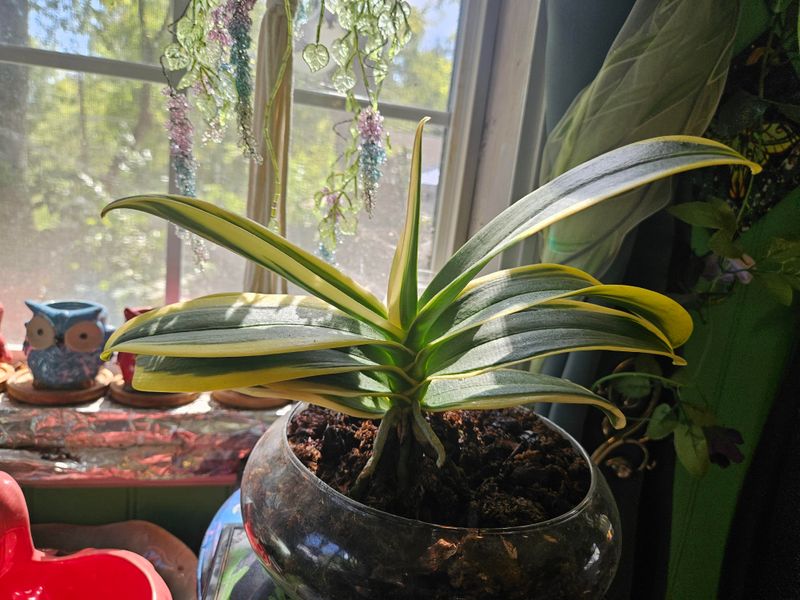
A north or east window in October can feel like a cool zone compared to the rest of your house. Glass loses heat at night, so plants sitting close to it often get a natural temperature drop.
That nightly cooling can help your orchid set a spike, but there is a fine line to watch. Leaves pressed against cold glass can get chilled, and that damage may show up as sunken, watery patches.
A good rule is to keep foliage a few inches away from the window pane, especially on cold nights. On very cold Indiana nights in late fall, slide the pot back another foot to stay safe.
Drafts are a different problem, and they often come from doors, leaky window frames, or heating vents. A blast of icy air or hot, dry furnace air can cause buds to yellow and fall off.
Bud drop is common enough that orchid societies list sudden temperature swings as one of its main causes. So the goal is a gentle, steady chill, not a sharp jolt every time someone opens the door.
Try holding a tissue near the window frame on a windy evening to check for moving air. If the tissue flutters, find another spot or seal the gap with weatherstripping before winter arrives.
I like using a small plant stand so the orchid sits near the glass but not touching it. That setup gives you cooler nights, decent light, and fewer worries about chilled leaves on frosty mornings.
Give It Bright Indirect Light Through Shorter Days
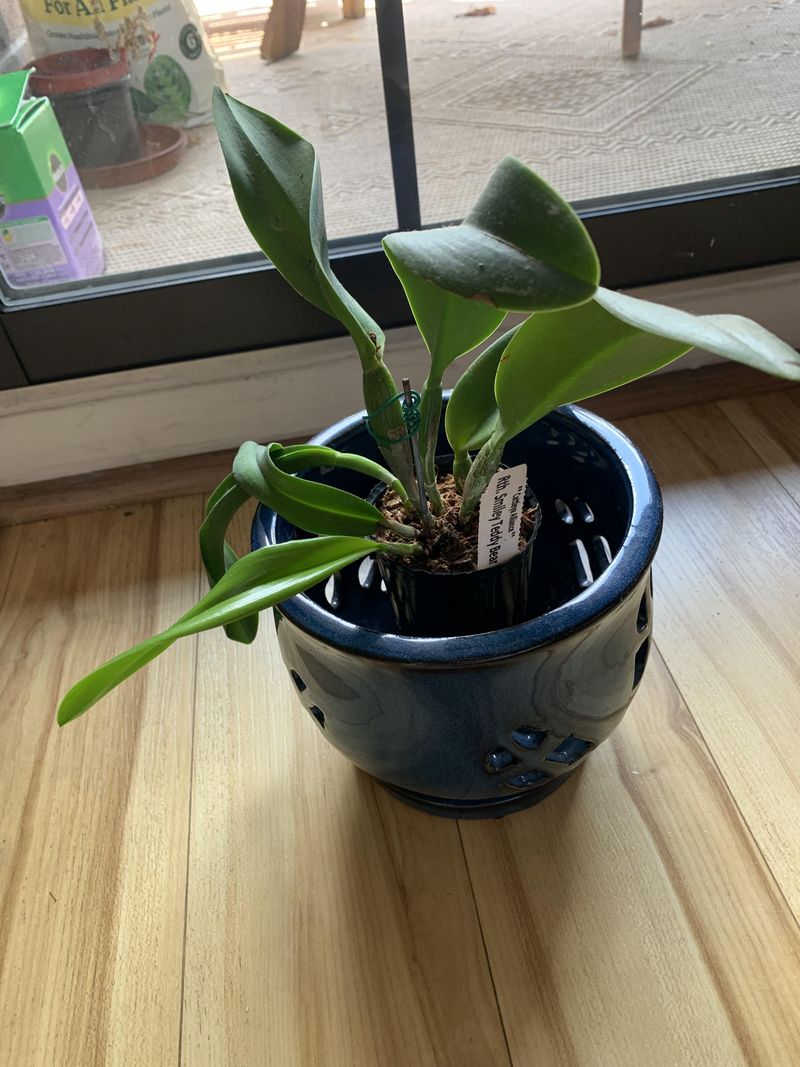
Shorter October days mean your orchid gets fewer hours of useful light, right when it is trying to bloom. Indianapolis loses more than an hour of daylight during October alone, and the sun sits lower in the sky.
Moth orchids prefer bright but indirect light, similar to what you would find under a thin forest canopy. An east window is often ideal, while a south window may work if a sheer curtain softens it.
Leaf color gives you a handy clue about whether the light level is right for your plant. Healthy leaves are usually a medium olive green, while very dark green leaves often mean too little light.
Yellowish or reddish leaves can signal too much sun, though fall sunlight is rarely strong enough for that. In fact, many Indiana homes need to move orchids closer to windows as the days get shorter.
Low light can quietly hold back flowering, even when nighttime temperatures are cool enough to send the signal. A plant needs stored energy from its leaves to build a spike, buds, and open flowers.
If your windows are limited, a basic LED grow light can fill the gap during gray fall weeks. Running it about twelve hours a day and keeping it a foot above the leaves works well.
Wipe dusty leaves with a soft damp cloth, since a layer of dust can block some light. It takes only a minute, and your orchid gets a little extra brightness when daylight is scarce.
Ease Up On Watering Through The Cooler Weeks
Overwatering ranks as one of the top reasons potted orchids struggle, and autumn makes that mistake even easier to make. Cooler rooms and weaker sunlight slow down how fast the bark or moss dries between waterings.
Many extension services suggest watering moth orchids roughly once a week, but that schedule often stretches in October. Checking the potting mix is smarter than following a calendar, because every home dries out at its own pace.
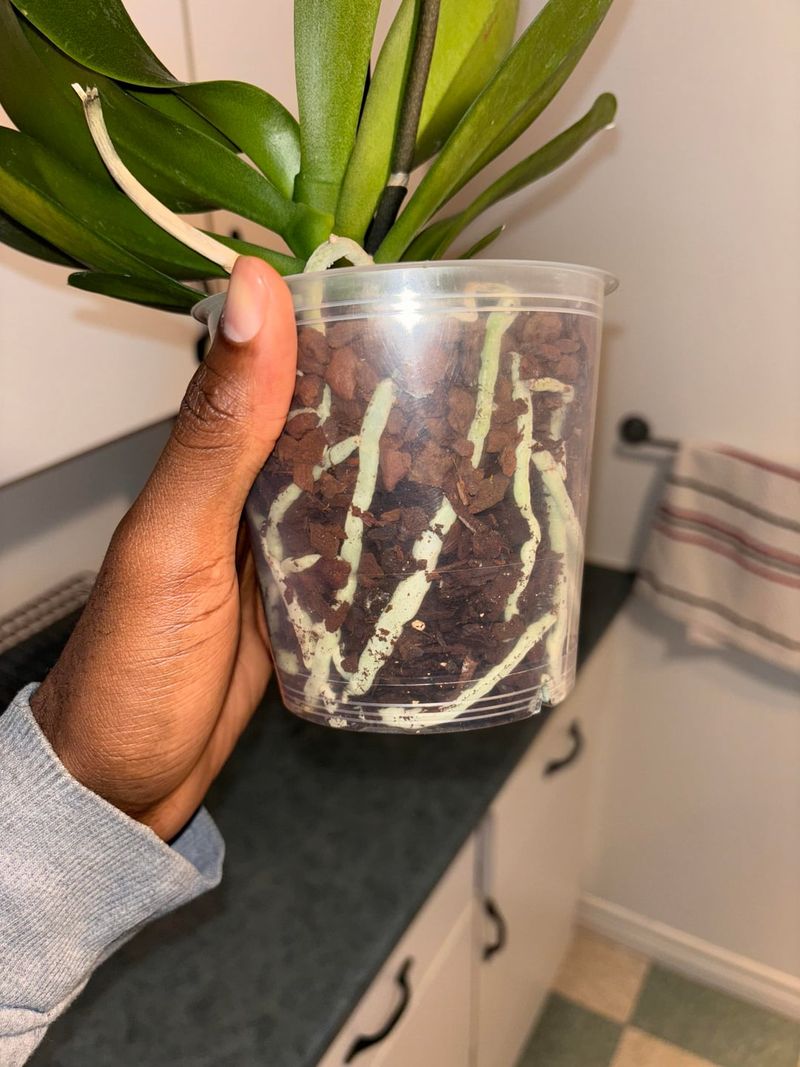
Push a finger or a wooden skewer into the mix, and water only when it feels nearly dry. Healthy roots look silvery when dry and turn bright green after a good soak, which is another useful hint.
When you do water, run lukewarm water through the pot for about a minute and let it drain. Water early in the day so the leaves and crown dry before the cooler night temperatures arrive.
Water sitting in the crown on a chilly night can lead to crown rot, a serious problem for these plants. If drops collect there, gently blot them with a paper towel before you walk away from the plant.
Fertilizer needs shift a bit too, since growth slows when nights cool and light levels drop. A diluted orchid fertilizer every few weeks is usually plenty until new growth picks back up.
Furnace heat can dry indoor air, so a pebble tray under the pot adds a little humidity. Just keep the pot resting above the water line, so the roots stay airy instead of soggy.
Watch For A New Flower Spike Weeks Later
Patience pays off with orchids, because a new flower spike usually appears about four to eight weeks after cooling starts. If you began cooler nights in early October, start checking closely around Thanksgiving or early December.
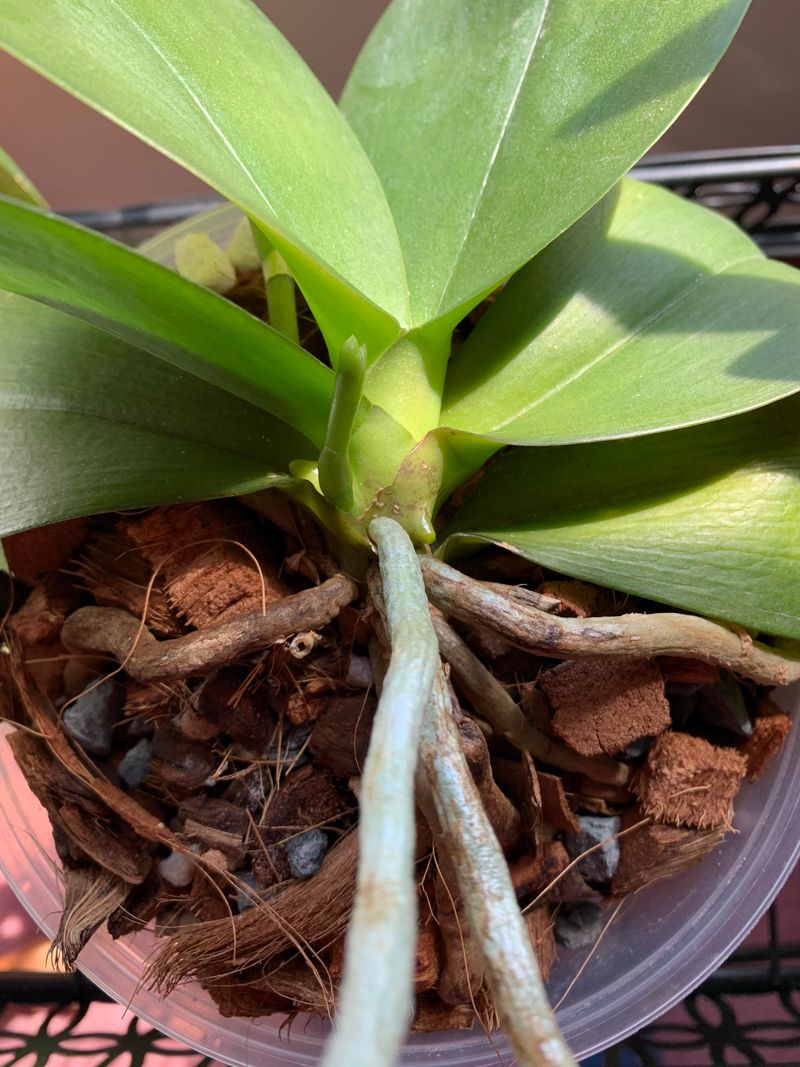
Spikes usually grow from a node on the main stem, tucked between the lower leaves of the plant. At first, a new spike looks a lot like a root, which confuses many beginners each year.
Growers often describe the tip of a young spike as shaped like a mitten, with a flattened point. A root tip looks rounder and smoother, and it often has a shiny green or silver color.
Once you spot a spike, you can return the plant to normal room temperatures without losing progress. Try not to rotate or move the pot much, since spikes bend toward light and buds may twist.
When the spike reaches about five or six inches, gently attach it to a thin stake with soft clips. Add a new clip every few inches as it grows, keeping the stem upright without forcing it.
Buds often take another two to three months to open, so late winter flowers are a common reward. Moth orchid blooms can last two months or longer, which brightens an Indiana home during gray February days.
If no spike appears by midwinter, review light, plant health, and nighttime temperatures before trying again next fall. Some plants simply need another season of steady growth, and that slow pace is perfectly normal for orchids.