A Giant Fossil From The Dinosaur Age Sat In An Alabama Museum Drawer For 30 Years
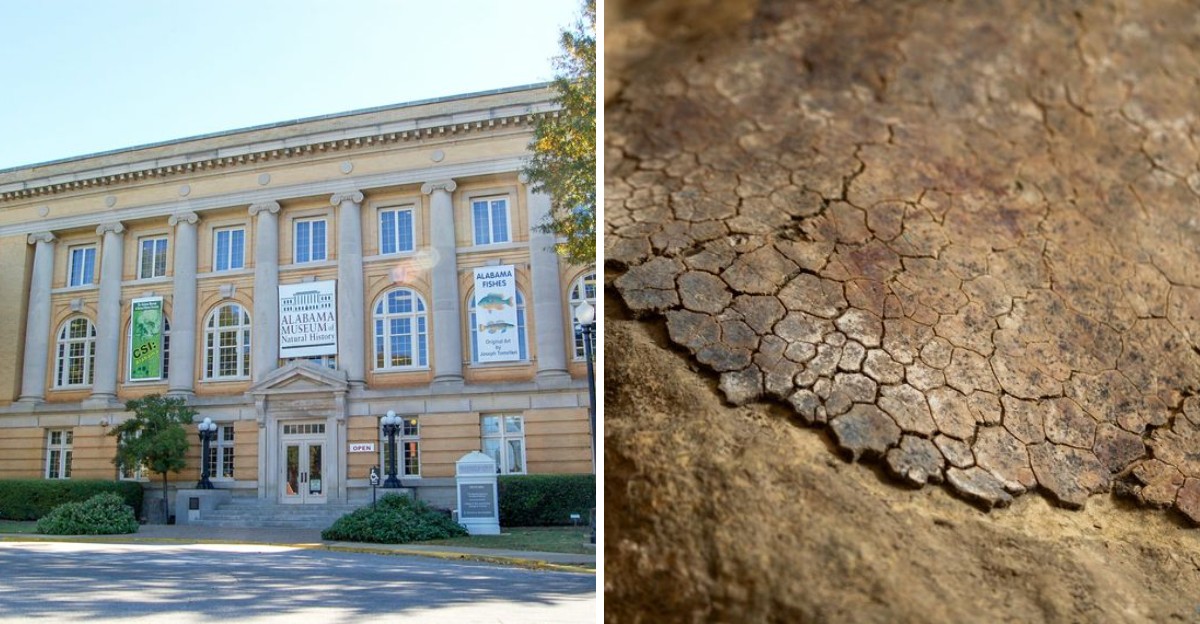
Open a drawer in Alabama and meet a giant wearing a borrowed label. Its plain tag calls the shell common, and you almost believe it.
Collectors recovered it from Alabama marine sediment, then moved on. Decades pass as the specimen rests in its drawer beside neighboring fossils.
Staring back is the largest freshwater turtle from the dinosaur age in North America. Currents carried its shell into a warm sea, far from home.
Your eyes trace its heavy shell, built for a slow, steady life. Anatomy suggests ties to snapping turtles or freshwater relatives of larger sea turtles.
Size alone makes you rethink what rivers held back then. Labels can be incomplete, and this old tag went unchecked.
Picture a curator sliding that drawer open and meeting an unnamed species. You are about to meet a giant that enriched eastern paleontology.
A Brand New Species Hiding In Plain Sight
Picture opening an old drawer and finding a stranger nobody had met. Scientists studying an Alabama specimen had a similar experience with a fossil turtle.
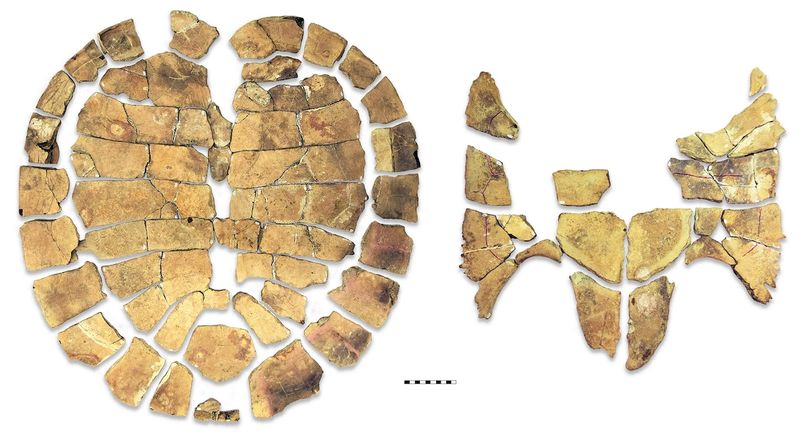
The animal is now called Appalachemys ebersolei, a species new to science. It lived about 83 million years ago, alongside dinosaurs.
For about 30 years, the fossil rested quietly in a museum collection. A label marked it as a common, well-known kind of ancient turtle.
Its shell turned up in marine sediments, though it was a freshwater turtle. The study appeared in 2022.
Turtle shells can look alike at first glance. The mix-up kept a notable discovery out of view for decades.
Once a specialist examined the specimen closely, it was recognized as something new. Its size and shell features pointed away from the label.
That kind of careful comparison is how new species get recognized. Experts line up features, measure them, and compare similar fossils.
The turtle was big, too, with a shell roughly 80 centimeters long. Imagine a large tray slowly moving along a muddy riverbank.
Its discovery shows that science is not only about faraway deserts. Sometimes the next big find sits on a shelf nearby.
If you visit a museum this fall, look closely at the displays. Many specimens have a story, and some stories are still waiting.
For students, the lesson is simple and encouraging. Paying close attention can turn something ordinary into something significant.
The Ancient Shores Of Appalachia
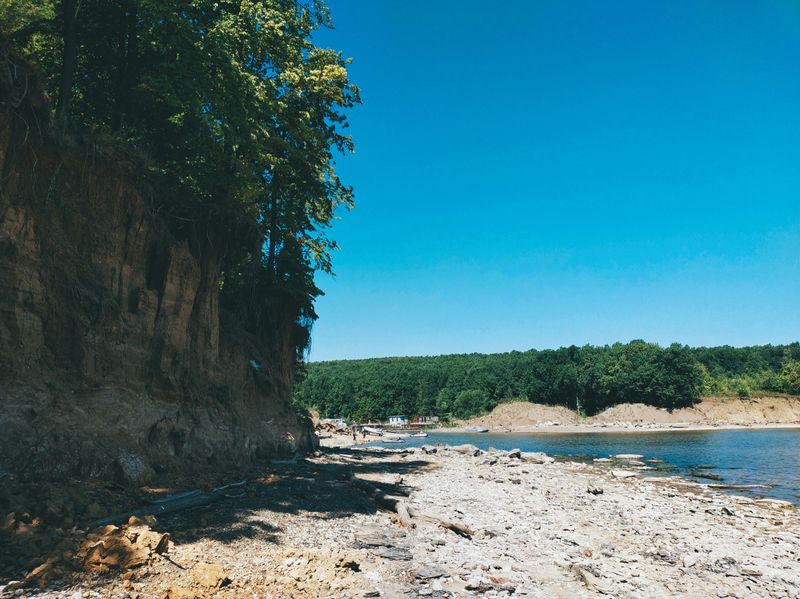
About 83 million years ago, North America looked like two separate landmasses. A shallow sea split the continent right down the middle.
The eastern landmass is called Appalachia by scientists today. Alabama lay along its southern edge, with beaches, swamps, and warm water throughout.
That setting gave our giant turtle its name, since Appalachemys means turtle of Appalachia. It is a little like naming a pet after your hometown.
Back then, much of southern Alabama was underwater or near the shoreline. Rivers carried mud and sand into the sea, covering fossils along the way.
Those layers of mud slowly hardened into rock over millions of years. Fossils trapped inside them can now be found across central Alabama.
Your Alabama Garden Changes Every Week. Your Plan Should Too.
Gardening in Alabama changes quickly throughout the season. Every Friday you’ll receive a simple weekly plan showing exactly what to plant, prune, fertilize, harvest, and protect so you never miss the right timing.
Alabama’s Late Cretaceous record includes huge sea reptiles and rare duck-billed dinosaur remains. Many fish and sharks cruised the nearby waters too.
Living near dinosaurs sounds risky, but a thick shell offered solid protection. Slow and steady was a decent survival plan in that busy world.
Appalachia had fewer known fossils than the western side of the continent. Each new find there helps fill gaps in the ancient story.
Scientists value Appalachian fossils as missing puzzle pieces. One turtle can reveal what lived where, and how animals spread around.
Next time you stand in southern Alabama, imagine waves rolling over the ground. Your sneakers might rest above an ancient seafloor packed with fossils.
A Simple Mix-Up In The Drawer
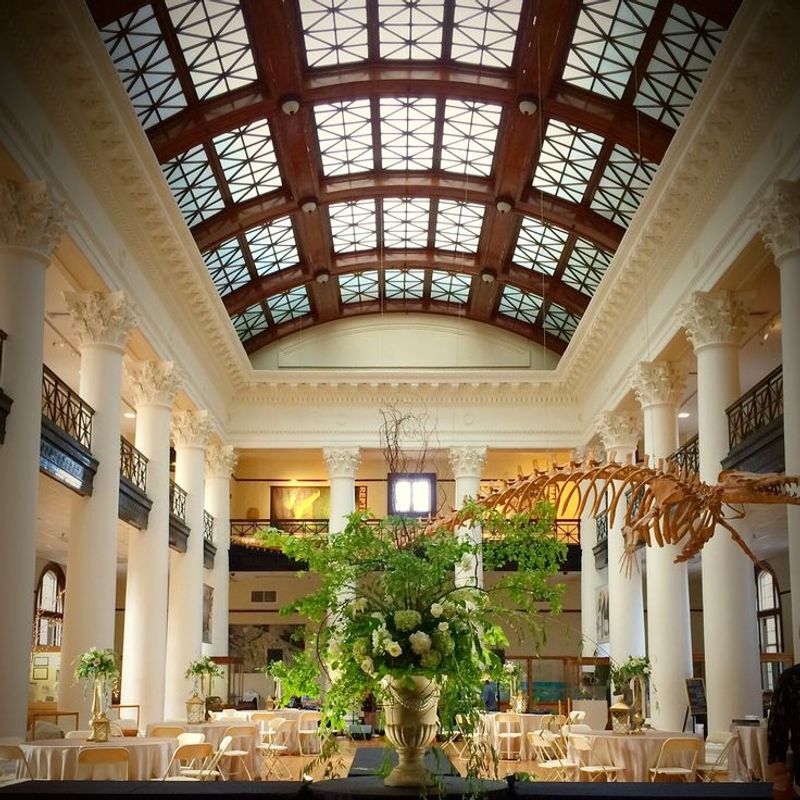
The whole story started with an ordinary labeling mix-up. Back in the 1980s, collectors gathered pieces of a large turtle in Alabama.
The pieces went into a museum collection, where staff gave them a label. That label matched a common ancient turtle already known from the area.
At the time, the label was an understandable placeholder for a common species. Fossil turtle shells often break into pieces, and pieces can be tricky.
Think about trying to identify a car using one dented door. You might guess the brand, but the model could stay unclear.
Museums also hold thousands, sometimes millions, of specimens in storage. Staff cannot study each specimen in detail, especially with small budgets.
So the turtle sat quietly while years turned into decades. Seasons changed, researchers came and went, and the label stayed the same.
Mix-ups like this are not unusual, and they happen in museums around the world. Many new species are identified in museum drawers, not only in the field.
Revisions like this are a normal part of science. Updating records is part of how knowledge grows stronger over time.
Here is a takeaway you can use in school or at home. When something looks familiar, it still deserves a second, careful look.
A quick label is helpful, but it is not the final word. Curiosity and patience can uncover truths that hurried eyes miss.
A Fresh Look At Old Fossils
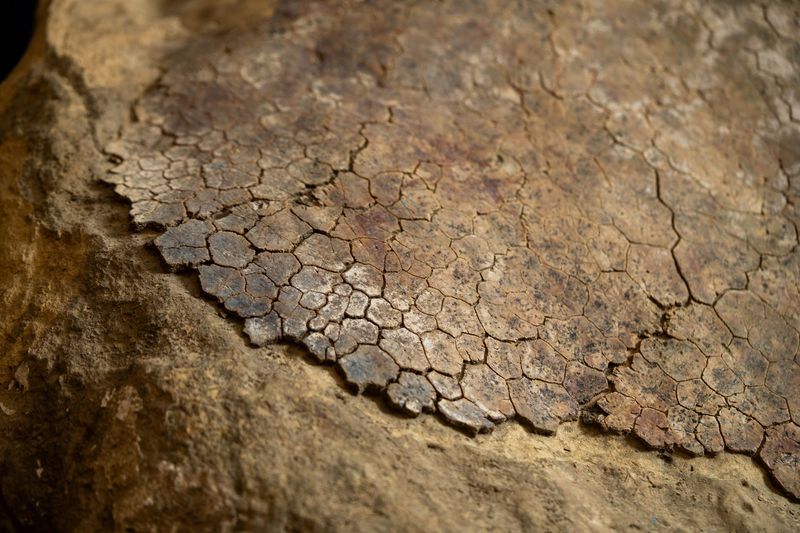
Ever looked at an old photo and suddenly noticed something new? Researchers had that same feeling when they reexamined the Alabama turtle.
They compared the shell pieces with many other fossil turtles from the same era. Small details did not fit the old label, which raised questions.
Turtle shells are made of bony plates that fit together like tiles. The shapes and patterns of those plates can identify a species.
On this fossil, the overall shape and shell features differed from the species named on the label. Its large size stood out too.
Scientists measured everything carefully and recorded each feature in detail. Then they ran comparisons to see where the turtle fit on the family tree.
The results pointed to a brand new species and a brand new genus. That means it was different enough to earn two new names.
Modern tools help a lot with this kind of work. Digital photos, 3D scans, and shared databases let experts compare fossils worldwide.
Yet the reason it stayed misidentified was simple: the mislabeled specimen was not examined closely until a specialist opened the drawer.
Science works a bit like a group project that lasts forever. Each generation builds on earlier work and fixes what it can.
So keep your old notes, drawings, and collections safe. Someday, fresh eyes and better tools might reveal something amazing within.
A Name Honoring A Fossil Keeper
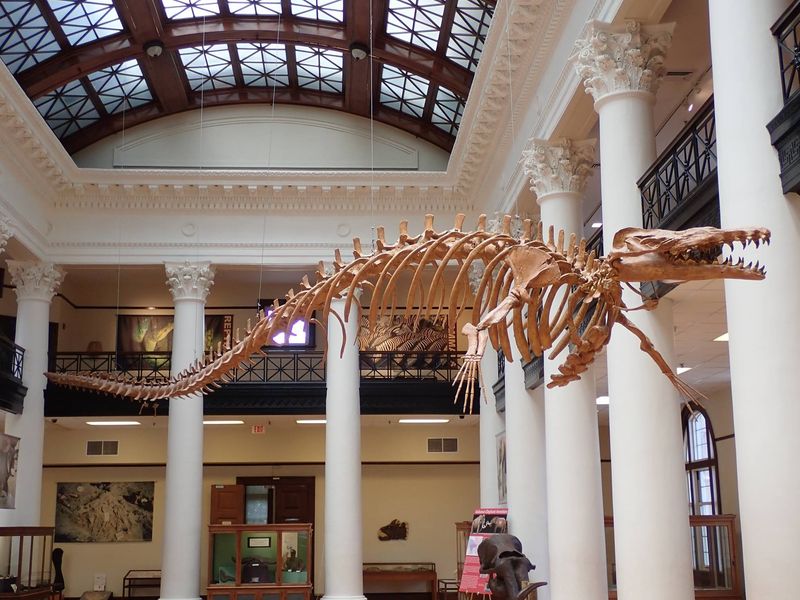
Each new species needs a name, and this one carries a thank-you note. The second part, ebersolei, honors Jun Ebersole.
Ebersole is a well-known fossil expert at the McWane Science Center in Birmingham, Alabama. He has spent years caring for and studying Alabama fossils.
Collection managers do work that often goes unnoticed. They clean, sort, label, and protect specimens so future scientists can study them.
Without people like him, fossils could get lost, damaged, or forgotten. Naming a turtle after a fossil keeper feels fitting and well deserved.
Scientific names usually come from Latin or Greek word parts. They often describe a place, a feature, or a person worth celebrating.
So Appalachemys ebersolei roughly means Ebersole’s turtle from Appalachia. That is quite a mouthful, but it tells a clear story.
Having a species named after you is a respected tribute in science. It is a little like leaving a lasting record.
The choice also shines a spotlight on Alabama’s rich fossil record. The state has produced many important finds from the age of dinosaurs.
If you love science, remember that many careers support discovery. Researchers, curators, artists, and volunteers all play meaningful roles.
Maybe one day a fossil will carry your name too. A slow, ancient turtle seems like a pretty great namesake to have.
Lessons For Museum Collections Today
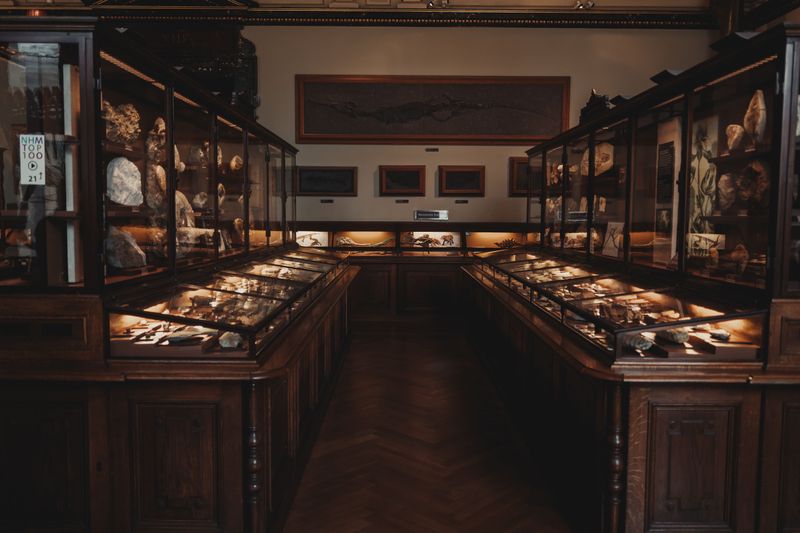
Museums are not just places to see cool stuff on a field trip. Their hidden storage rooms work like libraries for the natural world.
The Alabama turtle shows how valuable those back rooms can be. One overlooked drawer held a species that nobody knew existed.
Experts believe many more surprises sit in collections around the world. Some fossils have waited even longer than thirty years for attention.
That is why experts argue that museums and collection staff deserve funding. More hands and fresh eyes mean more discoveries in the years ahead.
Good record keeping also helps a lot. Knowing where and when a fossil was found makes later study much easier.
You can support this work in simple ways this season. Visit a local science center, join a member program, or attend a fossil event.
Some museums welcome volunteers, including teens, for special projects. Sorting, cleaning, and cataloging fossils can be rewarding.
If you find something interesting outdoors, take photos and note the location. Then contact a nearby museum and check local rules and landowner permission first.
The turtle waited patiently, just like turtles tend to do. Its story proves that patience and teamwork can pay off.
So next time you wonder what museums hold, share this story. A dusty drawer in Alabama turned out to hold a large dinosaur-era turtle.