Stung By Fire Ants? What Texas Gardeners Should Do In The First Few Minutes
Fall in Texas finally makes yard work feel enjoyable again. The air is cooler, the leaves are piling up, and you happily grab a big handful to toss into the bag.
Then a sharp, burning prickle races up your wrist. Then another. And another. It feels like a tiny, furious match is being pressed into your skin on repeat.
You look down and realize that innocent-looking leaf pile was hiding a fire ant mound the whole time. Surprise!
Those cozy autumn leaves make a great cover for ants, which is exactly why fall cleanup catches so many gardeners off guard.
Here is the encouraging part: what you do in the first few minutes can make a real difference in how your skin feels for days.
The right steps are quick, simple, and easy to remember, even mid-ouch.
1. Move Away From The Mound Fast
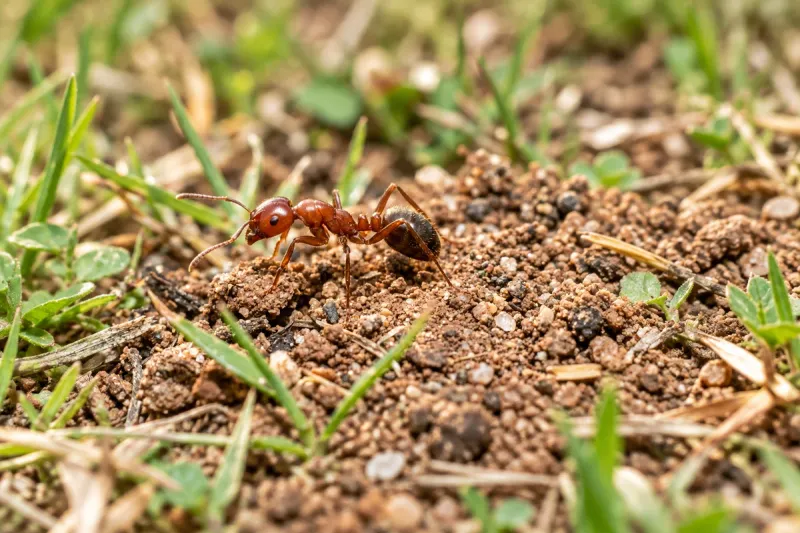
Speed is your best friend in the first ten seconds. Fire ants do not sting just once, and they call their friends to join in.
A single ant can sting several times while holding on with its jaws. When a mound gets disturbed, hundreds of workers rush out to defend it.
So step back several feet right away. Do not stand still trying to figure out what happened, because the ants are already climbing.
Many Texas gardeners make the mistake of freezing in surprise. That pause gives more ants time to crawl up shoes, socks, and pant legs.
Head toward a paved path, patio, or driveway if one is close. Bare concrete makes it easier to spot any ants still riding along on you.
Keep children and pets away from the area too. Pups love to sniff around, and a curious nose is an easy target.
Once you are clear, take a slow breath. The burning feels scary, but most stings cause only local pain and itching.
Mark the mound with a stick or flag so nobody steps there again. You can treat it later once your skin calms down.
Fun fact: red imported fire ants arrived in the United States in the 1930s through a port in Alabama. They reached Texas by the 1950s and have stayed ever since.
2. Brush Off Clinging Ants
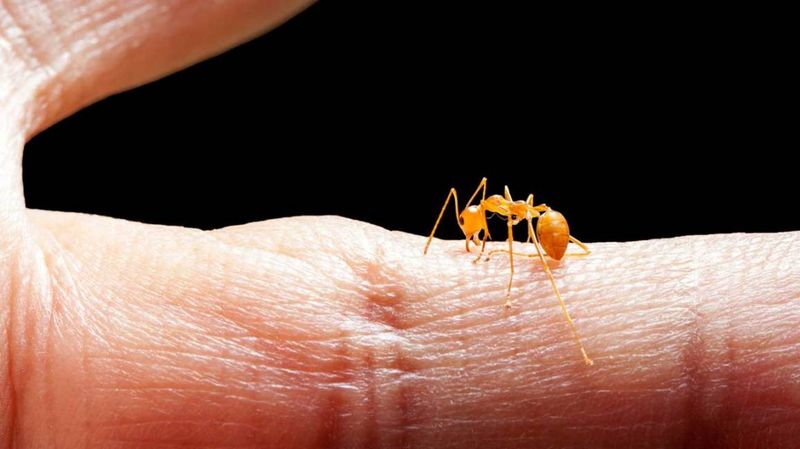
Ever tried to swat a fire ant? It barely budges, and that surprises nearly everyone the first time.
Fire ants bite down with strong jaws and then sting while anchored. Gentle slapping just squishes a few and leaves the rest hanging on.
Instead, use quick, firm brushing strokes. Sweep downward and outward with your hand, a glove, or even a rag.
Plain water from a hose can help a little, but ants hold tight even when wet. Brushing works much faster in most cases.
Check the tricky spots next. Look at your ankles, the tops of your socks, behind your knees, and along your waistband.
If ants crawled inside your clothes, take off the item quickly. Shake it hard away from your body, and turn it inside out to be sure.
Your Texas Garden Changes Every Week. Your Plan Should Too.
Gardening in Texas changes quickly throughout the season. Every Friday you’ll receive a simple weekly plan showing exactly what to plant, prune, fertilize, harvest, and protect so you never miss the right timing.
Warm fall afternoons in Texas still tempt plenty of us into the garden wearing shorts and sandals. Those bare feet and legs give ants easy access, so look carefully at your toes.
Ask a family member to scan your back and the backs of your legs. A second set of eyes catches stragglers you might miss.
Once every ant is gone, the stinging should stop getting worse. Now you can focus on soothing the spots that were hit.
3. Wash The Sting Sites With Cool Water

Soap and water might sound boring, but they do a lot of quiet work. Cleaning the skin helps lower the chance of infection later.
Head to the nearest sink or garden spigot. Use mild soap and cool water, and wash each sting area gently.
Skip scrubbing hard with a brush or rough towel. Irritated skin is already tender, and rubbing can make swelling and redness worse.
Cool water also feels wonderful on burning skin. Even on a mild fall afternoon, it can bring quick relief and help you feel calm again.
Pat the area dry with a clean towel. Avoid wiping back and forth, since friction can bother the tiny sting marks.
Wash your hands well afterward too. Garden soil carries germs, and you will likely touch the stings without thinking.
If you were stung on your feet, take off your shoes and rinse between your toes. Ants love to hide in those small spaces.
Here is a handy habit for gardeners. Keep a small bottle of liquid soap near your outdoor faucet so cleanup is easy any time.
Clean skin makes the next steps work better. Creams and cold packs do their best job on freshly washed spots.
4. Cool The Burn With A Cold Compress

Grandma had it right with her bag of frozen peas. Cold is one of the simplest ways to calm a fire ant sting.
Wrap ice or a cold pack in a thin towel. Hold it against the sting area for about 10 to 15 minutes at a time.
Do not press ice straight onto bare skin. That can cause cold burns, which are the last thing your sore skin needs.
The cold shrinks blood vessels near the surface. That helps reduce swelling and dulls that fiery, pins-and-needles feeling.
Find a comfortable spot to sit while you rest. A porch chair or the kitchen table works just fine while the cold does its job.
You can repeat the cold compress several times over the next few hours. Give your skin a break of at least 20 minutes between sessions.
No ice handy? A cold, damp washcloth or a chilled drink can works in a pinch.
Many seasoned gardeners keep a reusable gel pack in the freezer year round. It is cheap, easy, and ready the moment trouble strikes.
Pair the cold with a little patience. The sharp sting usually fades within an hour, even if itching hangs around longer.
5. Watch For Warning Signs
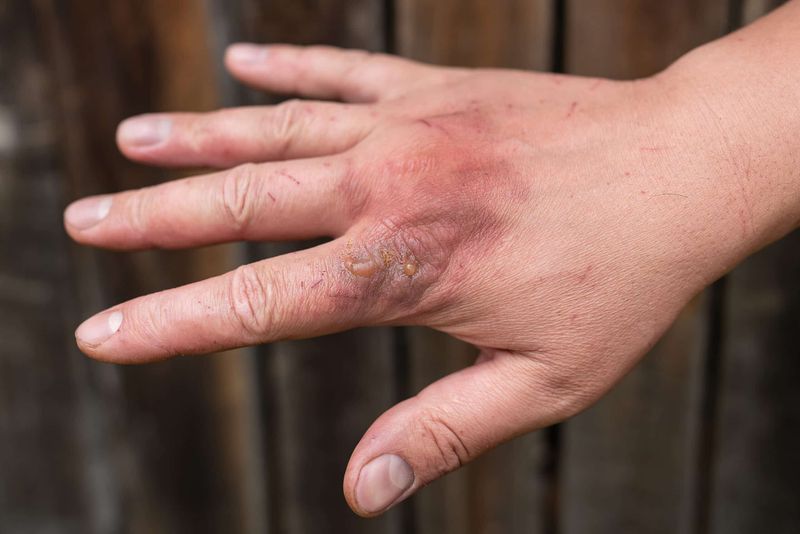
Most fire ant stings are a nuisance, not an emergency. Still, a small number of people have serious allergic reactions.
Pay close attention for the first 30 minutes or so. Serious reactions often show up quickly after the stings.
Call 911 right away if you notice trouble breathing, wheezing, or a tight throat. Swelling of the lips, tongue, or face is also a red flag.
Other warning signs include dizziness, a racing heartbeat, hives spreading across the body, or nausea. Confusion or fainting needs fast help too.
People with known sting allergies may carry an epinephrine auto-injector. If a doctor prescribed one, use it as directed and still call for emergency care.
Many Texas families live a fair drive from the closest hospital. Knowing where urgent care sits ahead of time can save precious minutes.
Young kids and older adults may react more strongly to many stings at once. Dozens or hundreds of stings deserve a call to a doctor, even without allergy signs.
Trust your gut here. If something feels wrong, getting checked is far better than waiting it out.
Write down the time of the stings and any symptoms you notice. That information helps medical staff decide on care quickly.
6. Reach For Over-The-Counter Relief
A little prep goes a long way. A few simple products can turn a miserable evening into a mostly comfortable one.
Hydrocortisone cream, usually 1 percent, helps ease itching and redness. Dab a thin layer on each sting a few times a day.
Oral antihistamines can calm itching from the inside. Some types make people sleepy, so check the label before driving or working.
Calamine lotion offers a cooling, soothing layer. Kids often like the pink color, which can make treatment feel less scary.
Pain relievers like acetaminophen or ibuprofen may help with soreness. Follow package directions carefully, especially for children.
Many Texas pharmacists are happy to suggest what fits your needs. They can also check whether a product mixes safely with your other medicines.
Home remedies pop up everywhere online, like bleach, ammonia, or vinegar. Most lack solid proof, and some can irritate skin, so stick with tested options.
Build a small sting kit for your garden shed or back porch. Toss in cream, antihistamines, a cold pack, and some clean bandages.
Having supplies close by means less scrambling. You can treat stings within minutes instead of hunting through cabinets with an itchy arm.
7. Leave Those Pustules Alone, Seriously
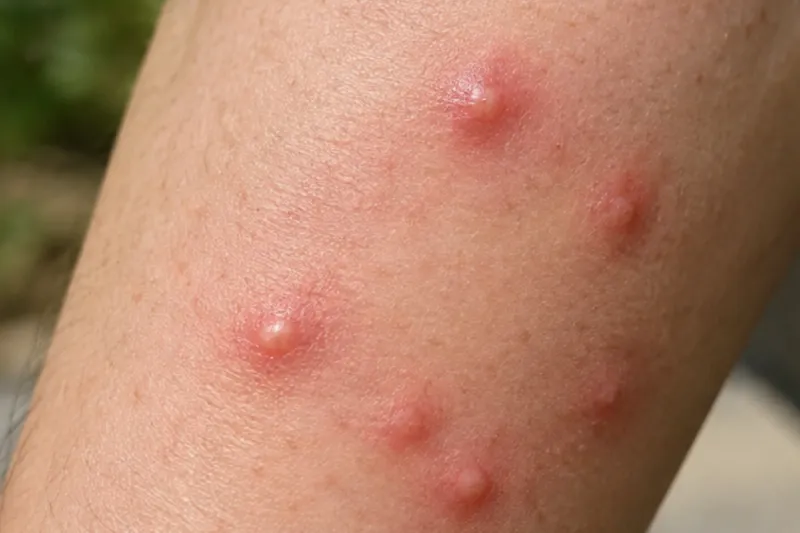
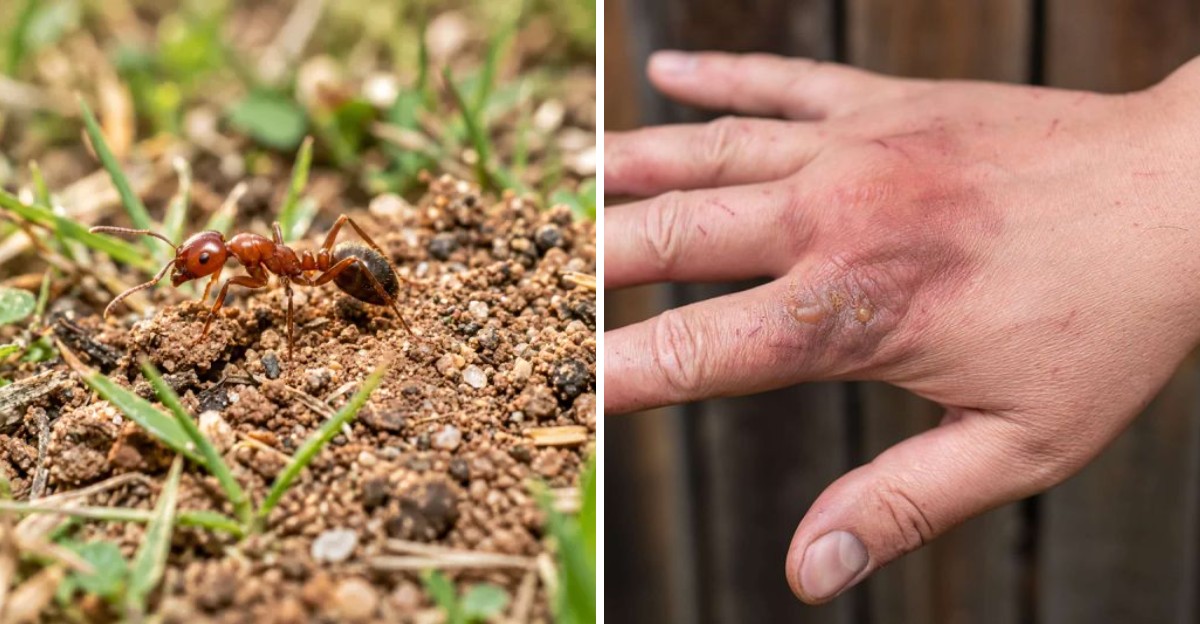
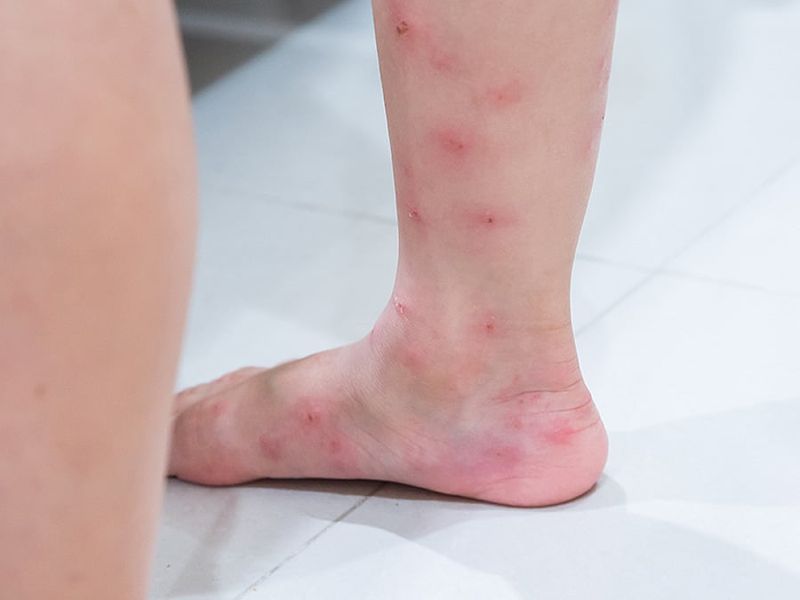
Here comes the weird part. About a day after the stings, small white bumps often appear right where the ants struck.
Those bumps are called pustules, and they are a normal reaction to fire ant venom. They are not caused by an infection at first.
The big rule is simple: do not pop them. Breaking the skin opens the door for bacteria and can lead to real infections.
Popping can also leave scars that linger for months. Plenty of longtime Texas gardeners have little marks on their ankles from scratching old stings.
Keep the pustules clean and dry. Wash gently with soap and water once or twice a day.
If clothing rubs the area, cover it loosely with a bandage. That shields the bumps from friction while you work.
Itching can feel unbearable at times. Try cold packs, anti-itch cream, or trimming your nails short so you do less damage if you scratch.
Most pustules dry up and heal within a week to ten days. Patience really is the best treatment here.
See a doctor if you notice growing redness, warmth, pus, red streaks, or fever. Those signs can point to an infection that needs care.
8. Know When To Call Doctor After The Rush

Large local swelling surprises people. Sometimes an entire hand or lower leg puffs up a day after the stings.
Big swelling that stays in one area is usually not dangerous by itself. Still, it can be painful, and a doctor may suggest stronger treatment.
Call your health care provider if swelling keeps spreading after 48 hours. Also reach out if the pain becomes hard to manage.
Signs of infection need attention too. Watch for warmth, oozing, red streaks, or a fever in the days after the stings.
Anyone who had a strong reaction in the past should talk with a doctor. An allergist can test for venom allergy and discuss allergy shots.
Allergy shots, called immunotherapy, can lower the risk of severe reactions over time. Many folks in fire ant country find real peace of mind that way.
Texas has some of the heaviest fire ant populations in the nation. Since most residents will meet these ants again, planning ahead makes sense.
Bring notes to your visit. Share how many stings you had, when symptoms started, and what you used for relief.
Telehealth visits can be handy for quick questions. Snap a clear photo of the sting area to share with the provider.
9. Prevent The Next Sting In Your Garden
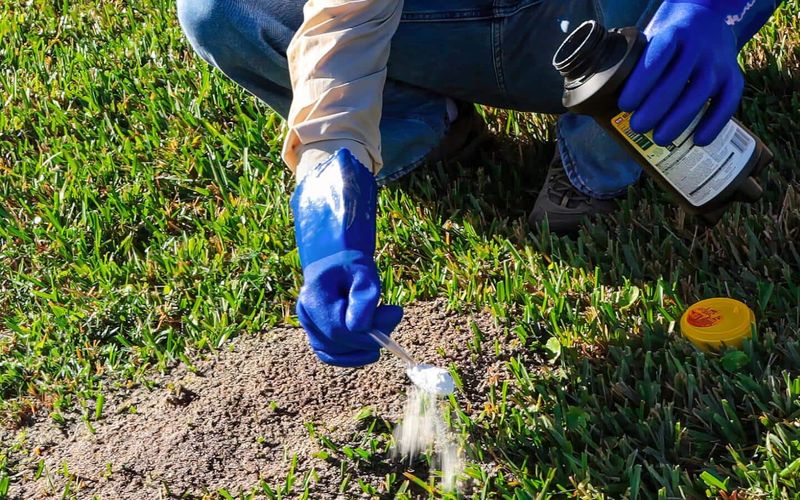
Once bitten, twice shy, as the saying goes. A few smart habits can keep you from repeating the whole ordeal.
Start with what you wear. Closed shoes, tall socks, long pants, and gloves make it much harder for ants to reach skin.
Tuck pant legs into socks or boots on busy garden days. It looks a bit silly, but your ankles will thank you.
Scan the ground before you kneel or reach into a bed. Fresh mounds often pop up after fall rains, sometimes overnight.
Fire ant mounds may not have an obvious opening on top. They often look like fluffy, crumbly piles of soil.
Fire ants tend to slow down as temperatures cool, but warm fall afternoons and the days right after a good rain are prime time for surprise encounters. Planting fall vegetables, spreading mulch, and raking leaves all put your hands close to the ground, so stay alert.
Many Texas gardeners use a two-step method to manage ants. Broadcast bait across the yard, then treat individual mounds as needed.
Fall is one of the best times to apply bait. Spread it when the ground is dry and ants are actively foraging, typically on a warm, calm day.
Keep kids and pets off treated areas, and follow every label instruction. Read about which products are approved for vegetable gardens before using them near food plants.
Your local county extension office offers free tips for your region. Their guides walk you through safe, effective control so you can enjoy gardening with fewer surprises.