What Falling Ohio Nights Mean For The Ferns Still On Your Porch
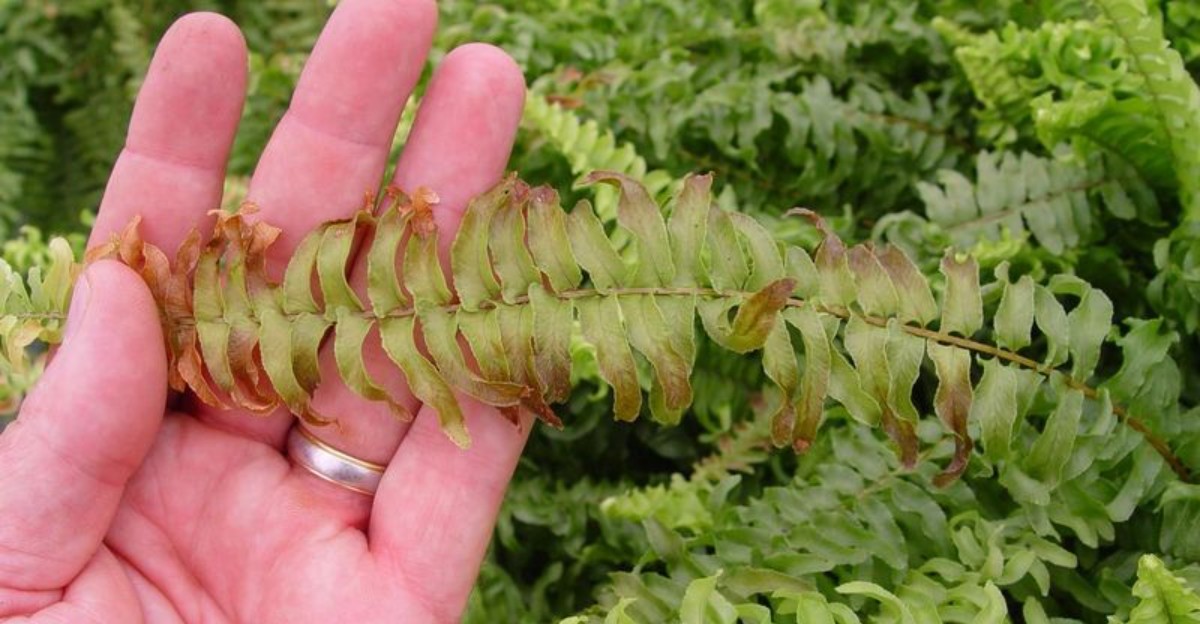
Your porch ferns may still look lush and healthy, but those increasingly chilly Ohio nights could be putting them at risk. The same plants that thrived through summer can struggle when temperatures begin dropping toward freezing.
And the first signs of cold damage aren’t always obvious right away.
Many popular porch ferns are tropical or subtropical plants that tolerate cool weather differently. Some can handle brief temperature dips, while others develop damaged fronds after exposure to conditions they aren’t suited for.
That makes knowing which type of fern you own especially important.
You might be tempted to leave your plants outside until the first frost, but waiting that long can be risky for sensitive varieties.
Before another cold night arrives, consider what your ferns need to stay healthy. The right timing and a suitable winter location can help you preserve the plants you’ve cared for all season.
1. Those Chilly Nights Can Be Trouble For Porch Ferns
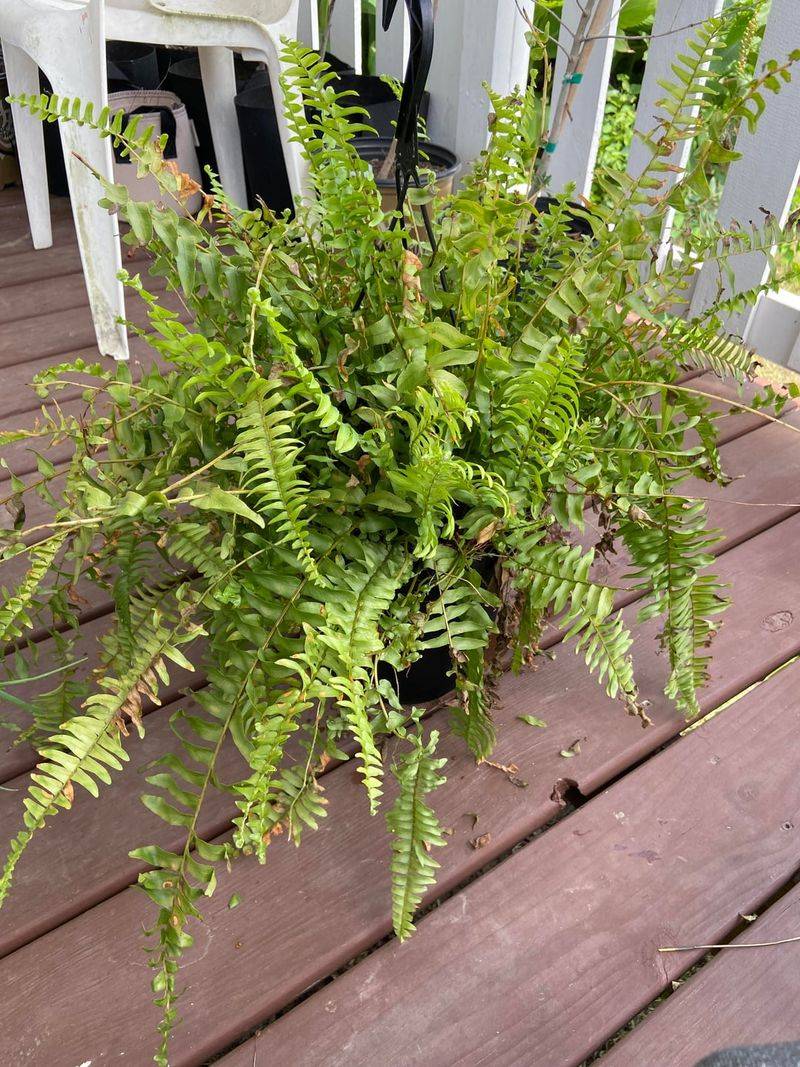
Cool air sneaks up on porch plants. One week your fern looks full and glossy, and a few chilly nights later it may start showing pale or tired fronds.
Most porch ferns sold in garden centers are Boston ferns or close relatives that come from warm, humid regions.
Native Ohio ferns in shady woods are a different story. They are adapted to cold winters and go dormant on their own, while tropical hanging ferns lack that built-in toughness.
Cold nights slow a tropical fern’s growth well before frost shows up.
You might notice fronds turning yellow, browning at the tips, or dropping small leaflets onto the porch floor. Those signs can come from cold stress, but dry soil or too much sun can cause similar damage, so look at the whole picture before blaming the weather.
A covered porch offers a little shelter, and a spot near the house wall can stay slightly warmer than an open railing.
Still, that protection has limits. Hanging baskets sit up in moving air, and their roots have only a small amount of soil to buffer them from a sudden temperature drop.
Paying attention now gives you choices later.
Watch your local forecast each evening as fall moves along, and keep a rough plan in mind. Deciding early whether to save the fern or let it go keeps you from scrambling on a cold night.
2. Boston Ferns Need Protection Before The First Frost
Frost does not give much warning. A clear, calm night with low humidity can drop temperatures faster than you expect, especially in low spots in the yard.
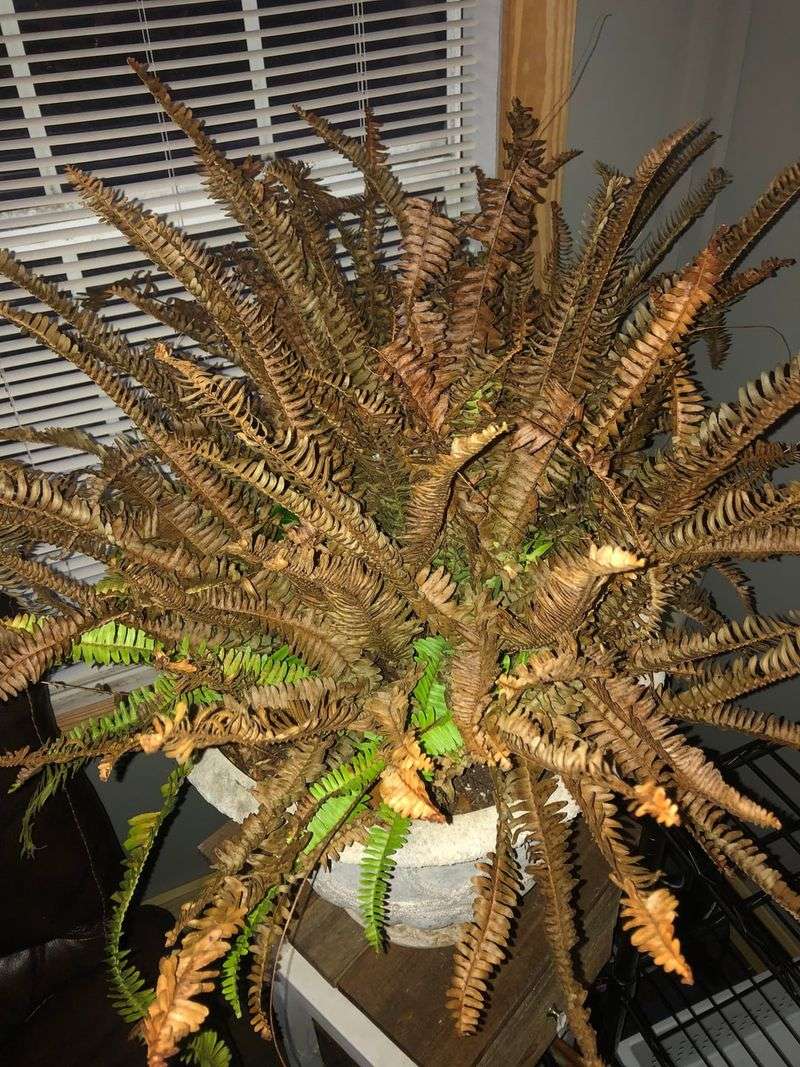
Boston ferns are not frost hardy, and even a light frost can brown the fronds.
Average first frost dates in Ohio vary quite a bit by location. Northern and inland areas often see frost in early to mid October, while parts of southern Ohio and spots near Lake Erie may hold off until later in the month.
Averages are only a guide, so a frost can arrive earlier or later in any given year.
Your Ohio Garden Changes Every Week. Your Plan Should Too.
Gardening in Ohio changes quickly throughout the season. Every Friday you’ll receive a simple weekly plan showing exactly what to plant, prune, fertilize, harvest, and protect so you never miss the right timing.
Your best tool is the forecast from the National Weather Service. When it mentions a frost advisory or freeze warning for your county, that is a clear signal to act that same day.
Covering a fern with an old sheet can help for a single cold night, but it is a short-term fix.
Plastic touching the fronds offers less help and can trap moisture against the leaves. If you cover the plant, use fabric, and remove it the next morning once the air warms up.
Moving the pot into a garage or shed overnight works too, as long as that space stays above freezing.
Planning ahead beats rescuing a frosted plant. Aim to have your ferns indoors, or have a final decision made, before the first frost risk appears in your area.
3. Temperatures Near 50 Degrees Signal It Is Time To Move Them
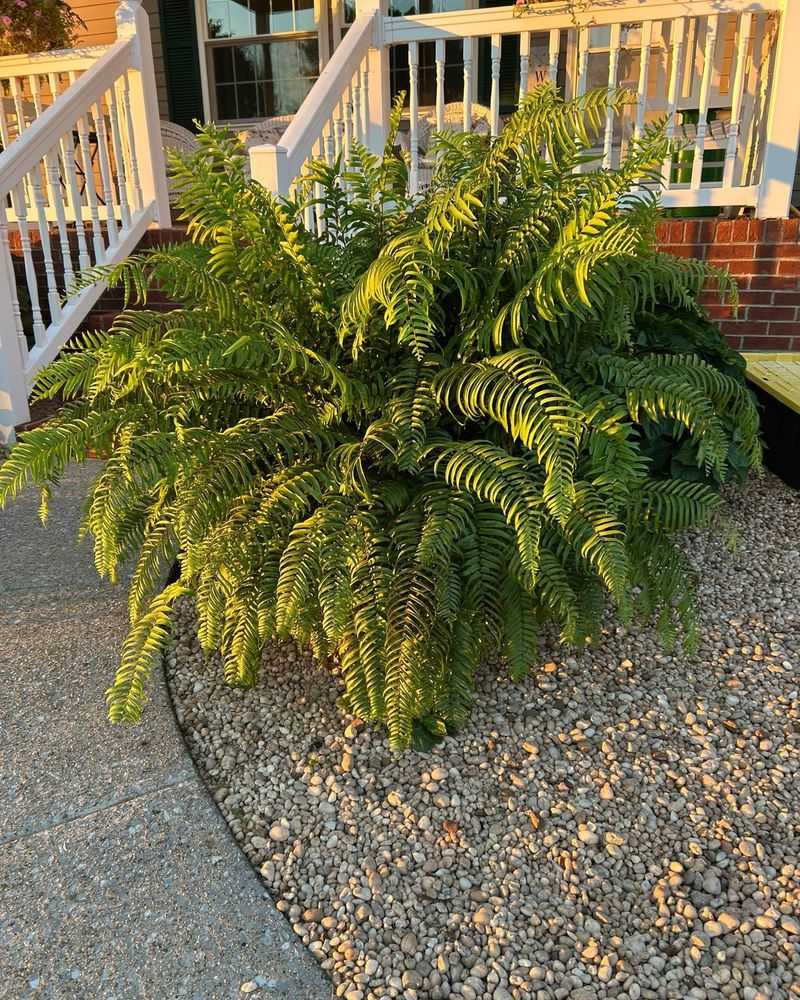
Fifty degrees is a handy number to remember. Many Extension guides suggest bringing tropical houseplants inside when nights start dipping into the low 50s or below.
Moving at that point gives ferns time to adjust before real cold arrives.
Waiting until frost is close can make the change harder on the plant. A sudden jump from cold nights to a warm, dry living room is a bigger shock than a gradual shift.
In Ohio, nights near 50 degrees commonly show up in September, though timing changes from year to year.
Northern counties may reach that point a bit sooner than southern ones. Your yard’s own setup matters too, since valleys and open lots tend to cool off faster than sheltered spots near buildings.
A simple outdoor thermometer near your porch takes out the guesswork.
Check it in the early morning, when temperatures usually bottom out. If you see several readings in the low 50s within a week, start your indoor prep.
Some gardeners ease the move by bringing pots in at night and setting them back out on warm afternoons for a few days.
That step is optional, and it depends on how much time you have. Even a quick, single move is fine for most healthy ferns, as long as you follow up with good indoor care.
4. Check The Fronds For Insects Before Bringing Pots Indoors
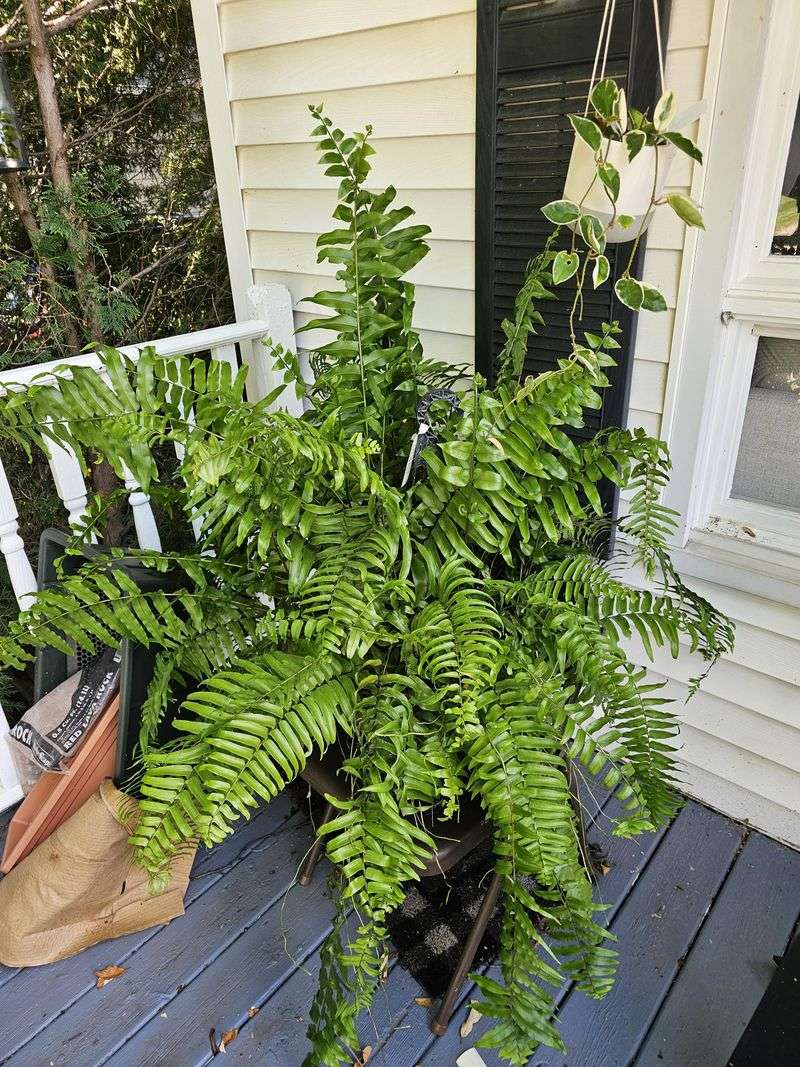
Hitchhikers love a free ride indoors. Outdoor ferns can pick up pests over the summer, and moving them inside without checking may spread trouble to your other houseplants.
Scale insects and mealybugs are among the pests that sometimes show up on Boston ferns.
Look closely at the stems and the undersides of fronds. Scale often looks like small brown bumps, while mealybugs resemble tiny cottony clumps tucked into the base of the plant.
Be careful not to confuse spore cases with insects.
Many ferns form neat rows of small brown dots called sori under their fronds. Those dots are a normal part of how ferns reproduce, and they are arranged in an even pattern instead of scattered randomly.
A gentle rinse with a garden hose can knock off loose debris, spiders, and some small insects.
Let the pot drain well before you carry it in. You can also tip it slightly to check for slugs, pill bugs, or ants hiding under the rim or around the drainage hole.
If you find a heavy pest problem, setting that fern aside for a while makes sense.
Keeping it apart from other plants for a couple of weeks lets you watch for new activity. If you choose a treatment like insecticidal soap, read the label to confirm it is safe for ferns, since some are sensitive.
5. Trim Damaged Fronds Without Cutting Back Healthy Growth
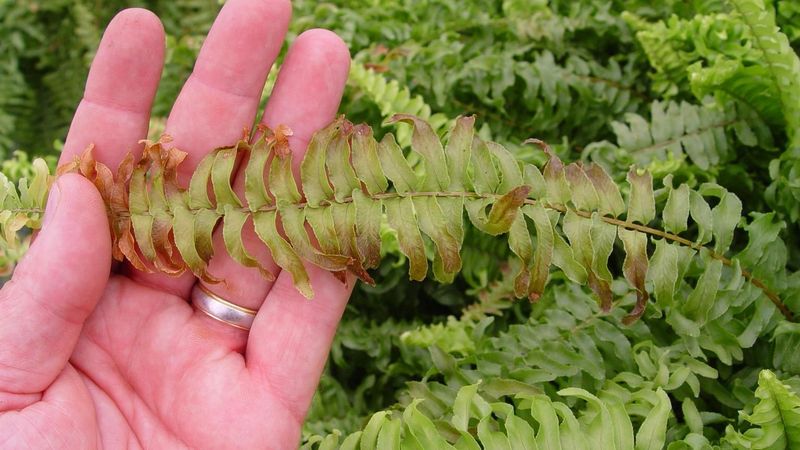
Less is more when the snips come out. A quick cleanup helps the fern look tidy, but heavy pruning right before a move indoors leaves the plant with fewer green fronds to work with.
Brown, broken, or mostly yellow fronds are fair to remove.
Cut them close to the soil line with clean scissors or pruners. Those fronds are unlikely to recover, and clearing them away also improves airflow through the center of the plant.
Healthy green fronds are worth keeping, even if a few tips look a bit rough.
Snipping only the brown tips is an option if the look bothers you. Just know that the trimmed edge may brown slightly again over time, so it is mostly a cosmetic choice.
Shake or brush out the loose leaflets that collect inside the basket, too.
Fallen bits can hold moisture and create a messy spot in the middle of the plant. Cleaning them out before the move also means less litter on your floors once the fern is inside your Ohio home.
Some people give overgrown ferns a hard cut in late winter or spring instead.
That timing lines up with the stronger light and growth that come with longer days. For now, focus on removing what is clearly damaged and leaving the rest to carry the plant through the darker months ahead.
6. Bright Indirect Light Helps Ferns Adjust To Indoor Conditions
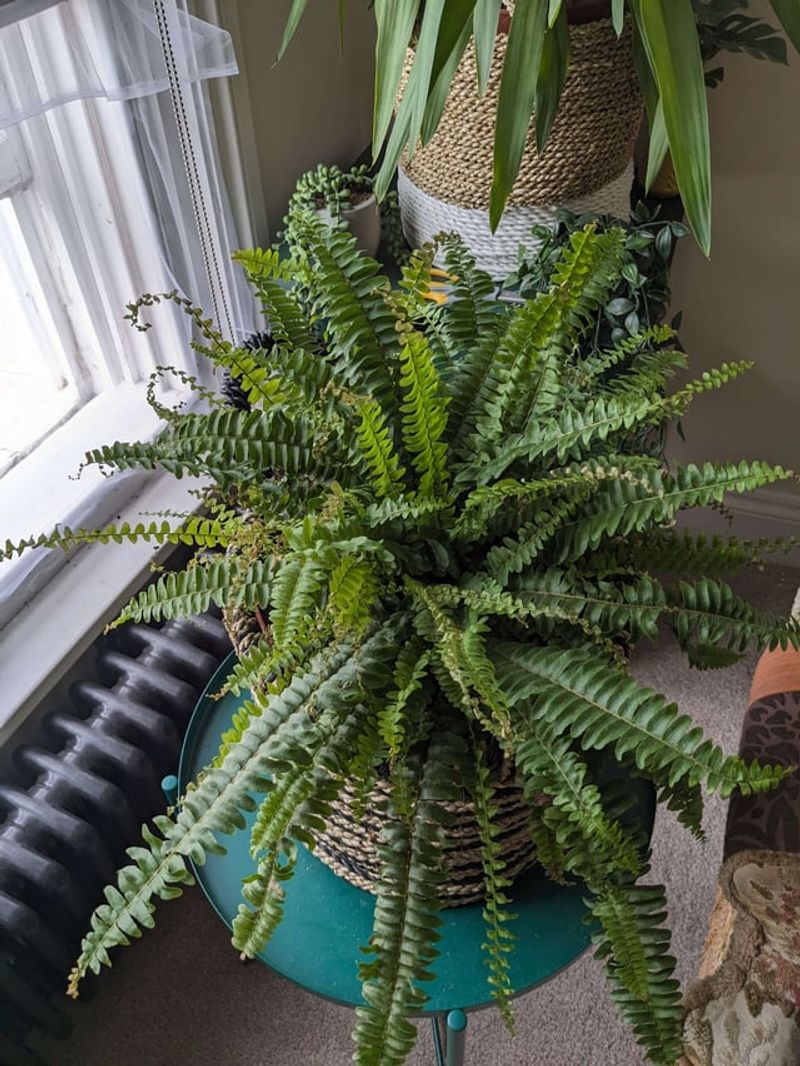
Winter light inside a house is weaker than most people think. Ohio skies are often gray from late fall into early spring, and a fern that thrived on a bright porch can struggle in a dim corner.
Bright, indirect light is what Boston ferns generally prefer indoors.
A spot a few feet from an east or north window often works well. South or west windows can also be fine if a sheer curtain softens the strongest afternoon sun.
Expect a little leaf drop during the first few weeks.
Fronds may yellow or shed leaflets while the plant adjusts to lower light and different air. That reaction is common, and it usually slows down once the fern settles into its new spot.
Turning the pot every week or two helps the plant grow evenly instead of leaning toward the glass.
Keep ferns away from heating vents, space heaters, and drafty doors. Blasts of hot, dry air or cold drafts can stress the fronds, even in a room with good light.
A small LED grow light can help if your home lacks a bright window.
Results depend on the light’s strength and how close you place it, so follow the maker’s directions. Either way, steady light beats moving the plant from room to room all winter long.
7. Dry Indoor Air And Overwatering Can Cause Winter Problems
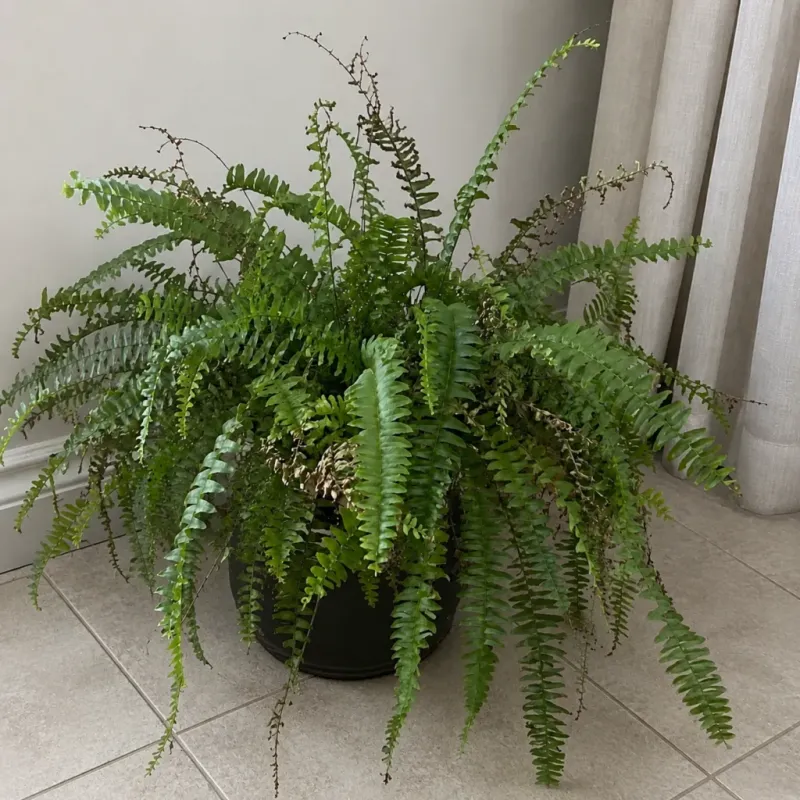
Furnace season is tough on ferns. Once the heat kicks on in an Ohio home, indoor humidity often drops well below what these tropical plants enjoy.
Crispy brown frond tips are a common sign of dry air, though uneven watering can cause them too.
A room humidifier is one of the more reliable ways to raise moisture around your plants. Grouping several houseplants together can also help a little, since plants release water into the air around them.
Pebble trays are popular, but their effect on room humidity is fairly small.
Misting feels helpful, yet the moisture fades within minutes. It will not hurt most ferns, but it should not be your main plan for dry winter air.
Watering is where good intentions sometimes go wrong.
Ferns grow more slowly indoors during winter, so they usually need less water than they did outside in July. Check the soil with your finger, and water when the top inch feels just starting to dry, not bone dry.
Soggy soil that never dries can lead to root rot, which may show up as wilting even when the pot feels wet.
Make sure the pot drains freely, and empty any saucer after watering. Hold off on fertilizer until spring, when longer days bring new growth and your fern is ready for the porch again.