Why Ohio Raised Bed Soil Dries Out Faster In July Than Any Other Month
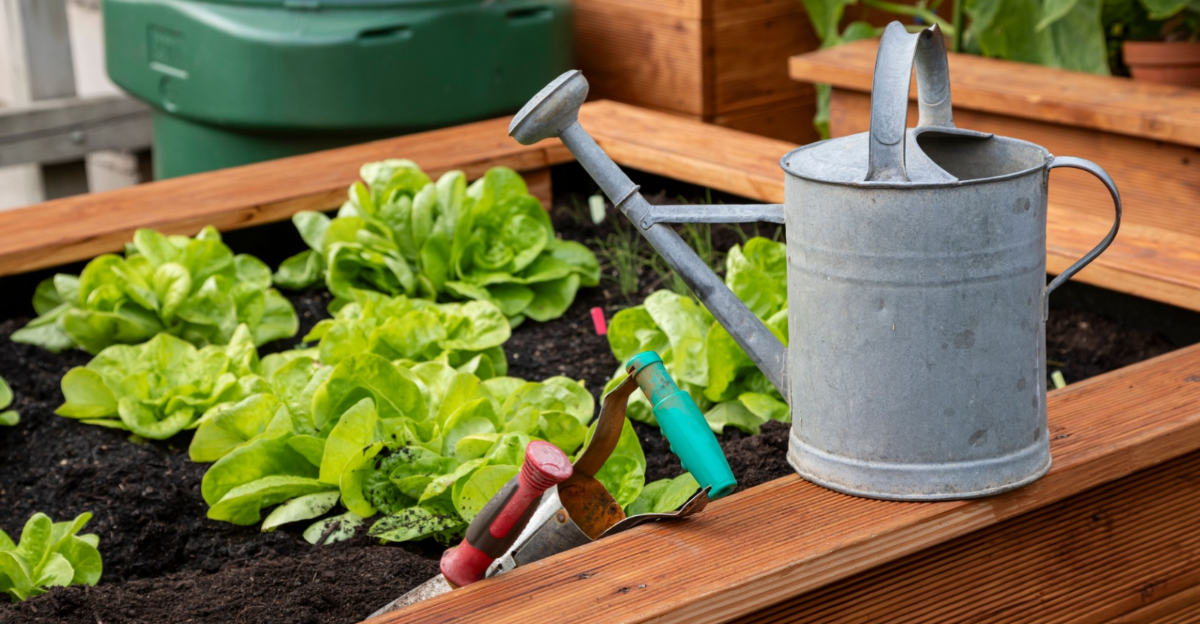
If your Ohio raised bed feels like it goes from perfectly moist to completely parched overnight in July, you are not imagining things and you are definitely not alone.
July is genuinely the toughest month for raised bed moisture management, and the reasons stack up fast.
Intense heat, long sunny days, mature plants that are drinking more than ever, and loose soil mixes that drain quickly all combine into a situation that can stress your vegetables before you even realize what is happening.
Throw in Ohio’s unpredictable midsummer rainfall and a few dry days can quietly push flowering and fruiting plants right to the edge.
The good news is that once you understand why your raised bed dries out so fast in July, watering smarter becomes a lot more straightforward. Better moisture, better harvest, less guessing.
1. Raised Beds Drain Faster Than In-Ground Beds
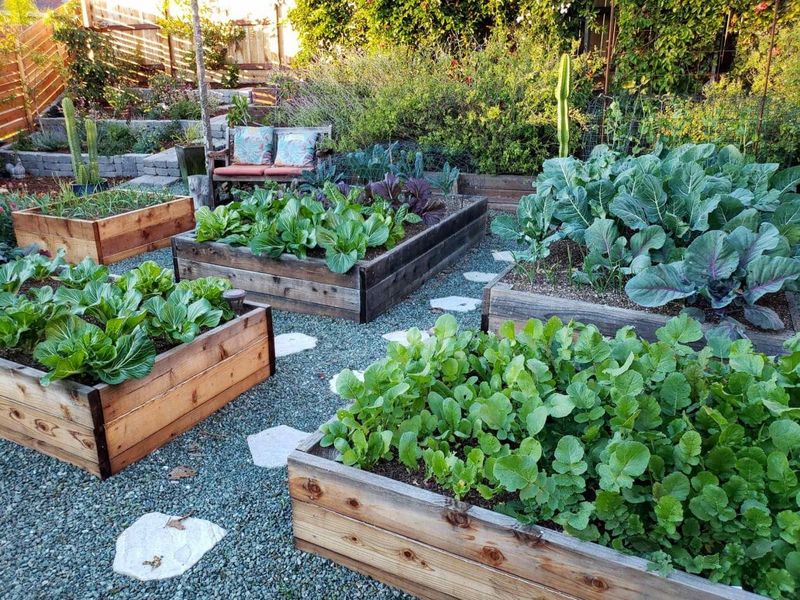
One of the most noticeable things about raised bed gardening in Ohio is how quickly water seems to disappear after you water.
Unlike traditional in-ground garden beds, raised beds sit above the surrounding soil, which means they drain from all sides and the bottom at the same time.
That fast drainage is one of the reasons raised beds warm up quickly in spring and support healthy root growth, but it also means water moves through the bed much faster than most gardeners expect.
In-ground beds benefit from the surrounding earth, which holds moisture and slows evaporation from the sides. Raised beds do not have that buffer.
Water drains downward and outward, and the exposed sides of the bed allow moisture to escape more quickly, especially on warm July afternoons in Ohio.
Checking soil moisture with your finger at least two inches deep before watering helps you avoid both underwatering and overwatering. If the soil feels dry at that depth, it is time to water.
Adding compost to your raised bed mix can slow drainage slightly while still keeping roots healthy and well-aerated throughout the growing season.
2. July Heat Increases Soil Moisture Loss
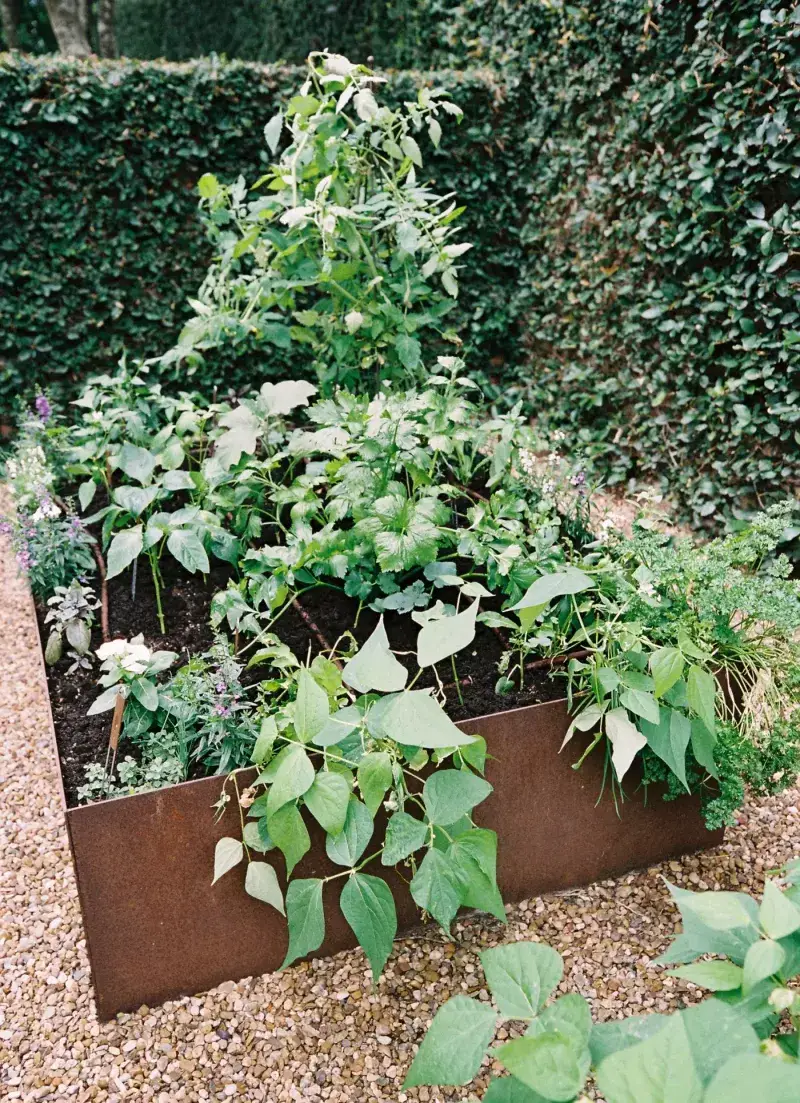
Stepping outside on a July afternoon in Ohio can feel like opening an oven door.
Temperatures regularly climb into the upper 80s and low 90s across the state during midsummer, and that heat has a direct effect on how fast moisture leaves your raised bed soil.
Warm air pulls water from the soil surface through a process called evaporation, and the hotter the air, the faster that process works.
Raised beds tend to absorb and hold heat differently than in-ground gardens because the sides of the bed are exposed to direct sunlight.
Darker bed materials like cedar or painted wood can heat up significantly during the afternoon, warming the soil from the outside in.
That extra warmth speeds up moisture loss even when the air temperature feels moderate in the morning.
Ohio gardeners often notice that a bed watered in the morning can feel noticeably drier by late afternoon on hot July days. Paying attention to your local forecast and checking soil moisture before evening can help you decide whether your plants need a second drink.
Your Ohio Garden Changes Every Week. Your Plan Should Too.
Gardening in Ohio changes quickly throughout the season. Every Friday you’ll receive a simple weekly plan showing exactly what to plant, prune, fertilize, harvest, and protect so you never miss the right timing.
Keeping the soil covered with mulch is one of the most effective ways to reduce heat-driven moisture loss throughout July.
3. Long Summer Days Speed Up Evaporation
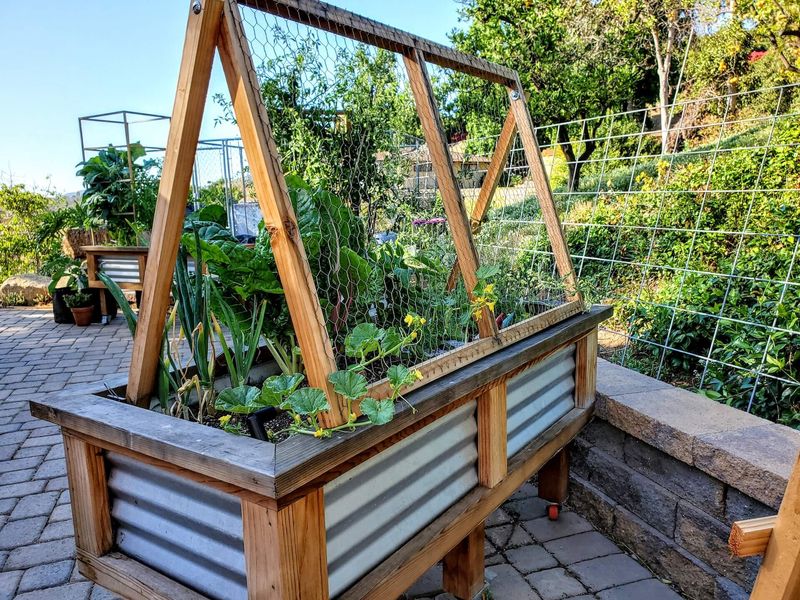
July brings some of the longest days of the year, and in Ohio, that means raised bed soil is exposed to sunlight for up to fourteen hours or more each day.
Sunlight drives evaporation directly from the soil surface, and the longer the sun shines, the more moisture the soil loses even before plants take their share.
This combination of long daylight hours and summer intensity makes July stand out from every other month on the calendar.
During June, days are slightly longer, but temperatures are often cooler. By August, days begin to shorten noticeably.
July sits at that uncomfortable intersection where days are still very long and heat is at its peak, creating a steady, all-day drain on soil moisture that gardeners in Ohio feel acutely.
Shading raised beds during the hottest part of the afternoon using shade cloth rated at thirty to forty percent can reduce evaporation without harming most vegetable crops.
Positioning taller plants like trellised cucumbers or pole beans on the south or west side of a bed can also provide natural afternoon shade to the soil below.
Small changes in how you manage sunlight exposure can make a real difference in how often you need to water during July.
4. Mature Plants Pull More Water From The Bed
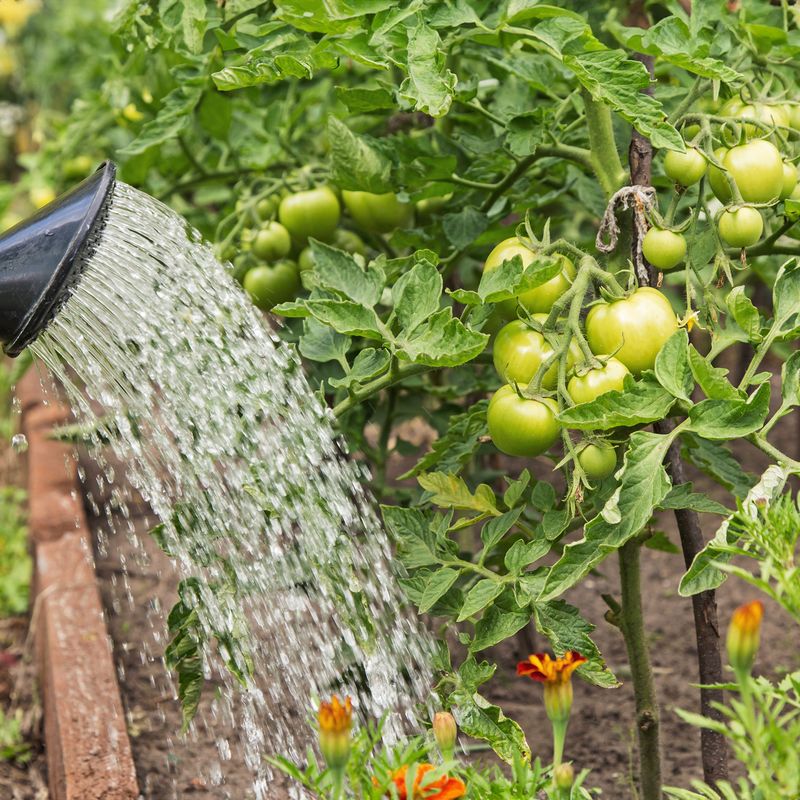
By the time July arrives in Ohio, most raised bed vegetables have grown significantly since transplanting or direct seeding in spring. Tomatoes that were small transplants in May are now large, leafy plants with extensive root systems reaching throughout the bed.
Cucumbers, squash, and peppers are all in active growth, and every one of those plants is pulling moisture from the soil continuously through their roots and releasing it into the air through their leaves.
This process, called transpiration, increases as plants grow larger. A single mature tomato plant can use a gallon or more of water on a hot day, and a raised bed with several plants pulling moisture at the same time can dry out surprisingly fast.
The bigger the plants, the faster the bed dries, which is why July often feels more demanding than earlier months when plants were smaller.
Watching your plants closely for early signs of mild wilting in the late afternoon can help you gauge whether the bed needs water.
Some wilting in the hottest part of the day is normal, but if plants have not recovered by early evening, the soil likely needs moisture.
Watering deeply rather than lightly encourages roots to grow deeper, which helps plants access more moisture between waterings.
5. Fruiting Vegetables Need Steady Moisture
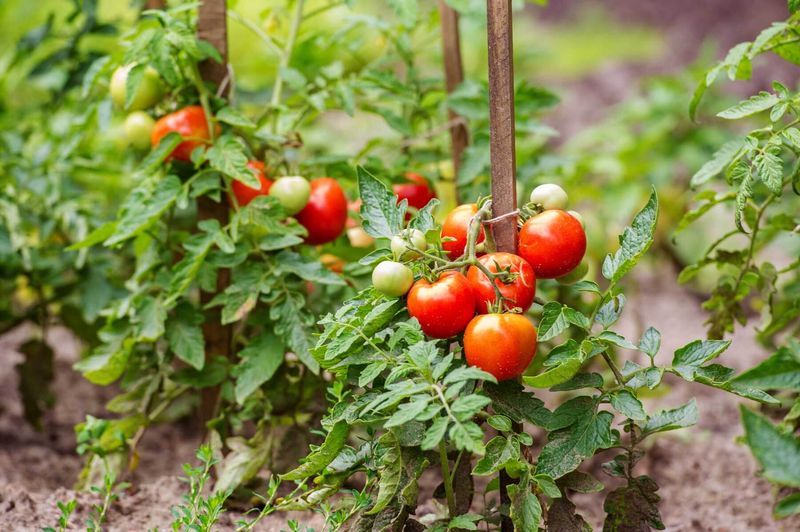
Vegetables like tomatoes, peppers, cucumbers, and zucchini are almost always in full fruiting mode by July in Ohio. Fruiting is one of the most water-demanding stages of a vegetable plant’s life.
The plant is using moisture not only to sustain its leaves and stems but also to develop and fill out the fruit, which is largely made up of water. That demand adds up fast in a raised bed with multiple fruiting plants growing together.
Uneven moisture during fruiting can cause real problems. Tomatoes may develop blossom end rot, a condition linked to inconsistent calcium uptake caused by irregular watering.
Cucumbers can become bitter or misshapen. Peppers may drop blossoms before they set fruit if the soil dries out during warm spells.
Keeping moisture consistent is especially important in July when Ohio temperatures and fruiting activity peak at the same time.
Checking the soil every day during dry stretches rather than following a set watering schedule helps you respond to what your plants actually need.
Deep, thorough watering that reaches the lower portion of the root zone is more effective than frequent shallow watering.
Using a soil moisture meter can take the guesswork out of knowing when fruiting vegetables truly need water versus when the surface just looks dry.
6. Loose Raised Bed Mixes Can Dry Quickly
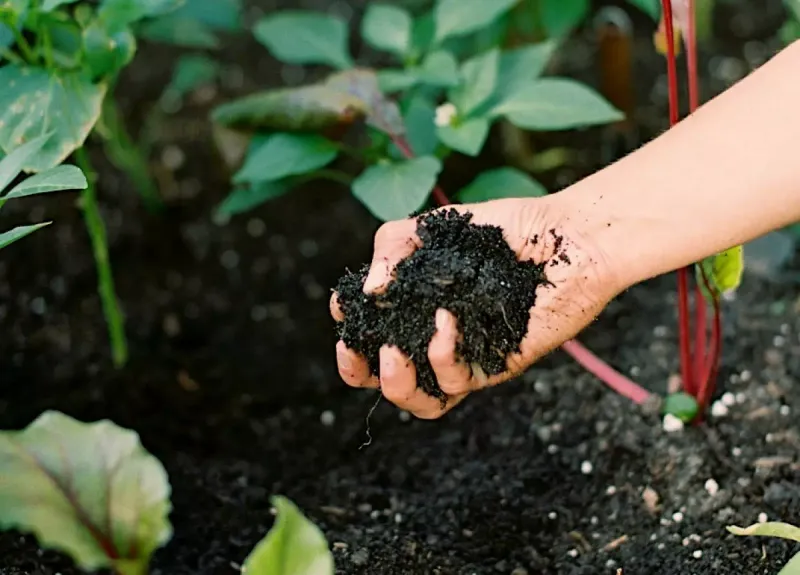
Most raised bed gardeners in Ohio use a blended soil mix rather than native yard soil. These mixes typically include compost, peat moss or coconut coir, and perlite or vermiculite.
The combination creates a light, fluffy growing medium that drains well, resists compaction, and supports excellent root development.
However, that same lightness that makes raised bed mixes so good for growing vegetables also means they hold less water by volume than heavier native soils.
Perlite, which is the small white material often visible in raised bed mixes, improves aeration and drainage but does not retain water.
Compost holds moisture reasonably well when fresh but can become hydrophobic when it dries out completely, meaning water will run off or through the mix rather than soaking in.
A raised bed that has dried out fully may need slow, thorough watering to rehydrate the mix evenly.
Adding a layer of finished compost to the top of your raised bed at the start of the season and again in midsummer can help improve moisture retention over time.
Worm castings mixed into the soil also improve water-holding capacity without reducing drainage.
Ohio gardeners who notice water running straight through their raised bed rather than soaking in may benefit from adjusting the ratio of compost to perlite in their mix.
7. Wind Reaches The Sides Of Raised Beds
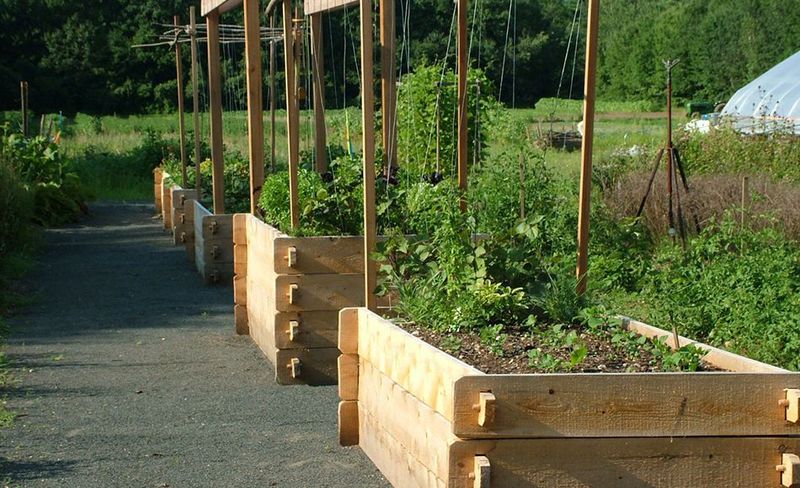
Wind is an often overlooked factor in how fast raised bed soil dries out during July in Ohio. Unlike in-ground garden beds that are surrounded and somewhat sheltered by the earth, raised beds sit up above ground level with their sides fully exposed.
Even a mild breeze can pull moisture from both the soil surface and the plant leaves, increasing the overall drying rate of the bed throughout the day.
Ohio summers can bring consistent southwesterly winds, and in open backyard spaces or community garden plots, those breezes move across raised beds without much interruption.
The taller the raised bed, the more surface area is exposed to wind on the sides.
Wind-driven moisture loss is not always obvious because it happens gradually, but it adds up over the course of a long July day when temperatures are already high.
Placing raised beds near a fence, hedge, or garden structure can reduce wind exposure without blocking sunlight. Planting a dense row of taller vegetables like trellised beans or sunflowers on the windward side of a bed can also help buffer airflow.
Mulching the soil surface reduces the direct impact of wind on bare soil, keeping the surface layer from drying out between waterings and protecting the moisture below.
8. Bare Soil Loses Moisture Faster
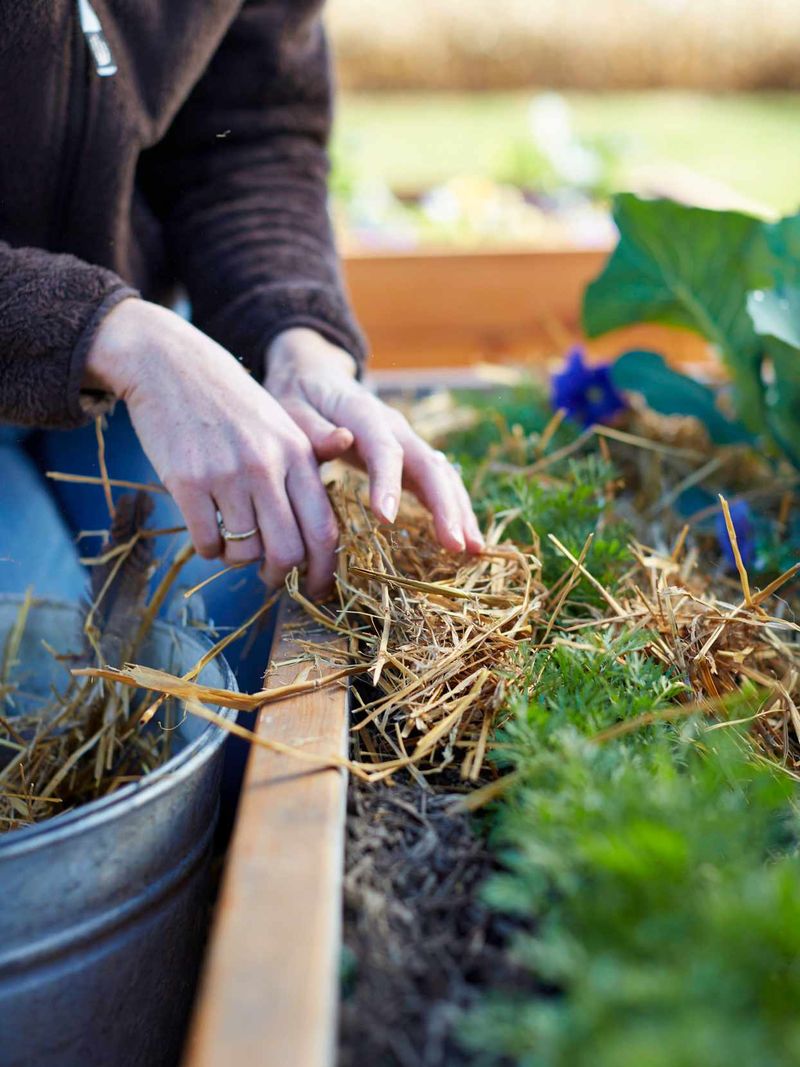
Walking out to a raised bed and seeing bare soil between your vegetable plants might not seem like a problem, but that exposed surface is losing moisture to the air and sun every single hour of the day.
In July, when Ohio temperatures are high and sunlight is intense, bare soil can lose a significant amount of moisture before any of it reaches plant roots.
Covering that soil with mulch is one of the simplest and most effective things a raised bed gardener can do to keep moisture in the bed longer.
Organic mulches like straw, shredded leaves, or wood chips create a physical barrier between the soil and the air.
That barrier slows evaporation from the surface, moderates soil temperature, and reduces the impact of direct sunlight on the top layer of the growing mix.
A two-to-three-inch layer of straw mulch can noticeably reduce how often you need to water during a dry Ohio July.
Mulch also breaks down slowly over the growing season, adding organic matter back into the soil and improving its structure over time.
Some gardeners in Ohio use landscape fabric or cardboard between plants as an alternative to organic mulch, though organic options tend to offer more long-term soil benefits.
Keeping at least some coverage over bare soil throughout July makes a real difference in moisture retention.
9. Morning Watering Helps Roots Use Moisture
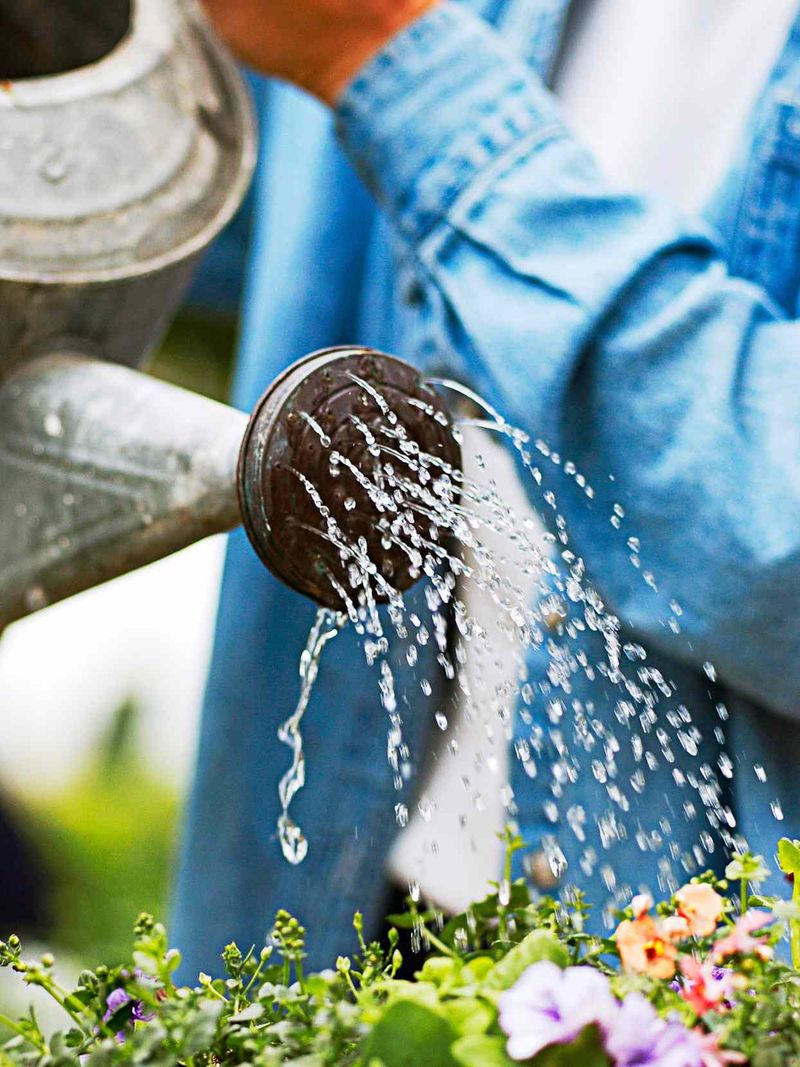
Early morning is widely considered the most effective time to water raised beds in Ohio during July. When you water in the morning, the soil has the entire day to absorb moisture before the heat of the afternoon increases evaporation.
Plant roots are actively growing and absorbing water throughout the day, so giving them a full drink early sets them up to handle the midday heat more comfortably.
Watering in the evening can work in some situations, but wet foliage left overnight in warm July air can encourage fungal issues on plants like tomatoes and cucumbers.
Morning watering allows leaves to dry during the day while the roots still benefit from the moisture in the soil.
In Ohio, where summer humidity can be high, keeping foliage dry at night is a reasonable precaution for raised bed vegetable gardens.
Drip irrigation or soaker hoses set on a timer are useful tools for delivering consistent morning moisture directly to the soil without wetting plant leaves at all.
These systems are especially helpful during busy weeks when checking the garden every morning is not always possible.
Even without a timer, making morning watering a habit in July can help Ohio raised bed gardeners stay ahead of dry soil before plants show any visible signs of moisture stress.