When To Take Down Your Hummingbird Feeder (It’s Later Than You Think)
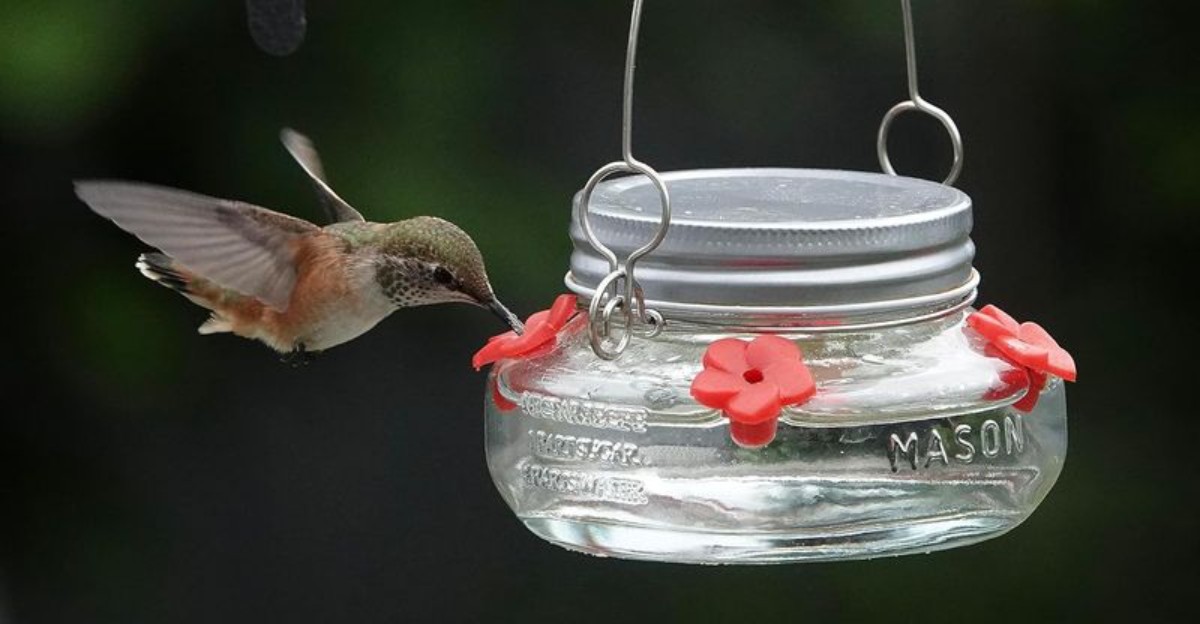
A tiny bird lighter than a nickel can nearly double its weight before flying across open water. That nonstop trip covers roughly five hundred miles, and the little traveler makes it alone.
Every fall, I hear gardeners worry that a sweet backyard snack will tempt these birds to stay too long. Bird experts say shrinking daylight, not food, tells them when to pack up and head south.
I have to admit, I once emptied my red feeders early in the fall and felt quite proud of myself. You might notice what I missed, because tired latecomers kept buzzing past my porch for weeks afterward.
Gardeners in warmer regions often see these visitors weeks after friends in cooler areas have packed their feeders away. So how late should your nectar stay outside, and which clues tell you the season has truly ended?
1. Shorter Daylight Tells Hummingbirds When To Leave
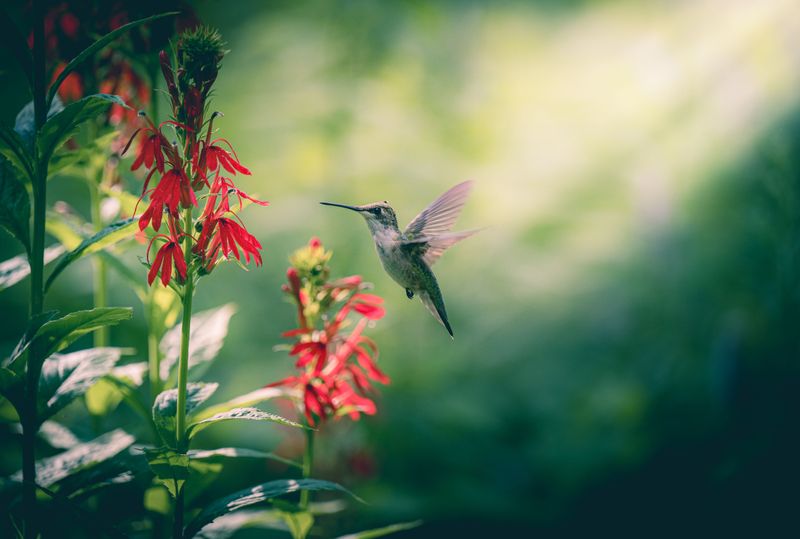
Hummingbirds carry a built-in calendar, and it runs on sunlight rather than the sugar water in your yard. As days shorten in late summer, hormone changes nudge them to eat more and grow restless at night.
Scientists call that restless urge migratory restlessness, and caged songbirds show it even with unlimited food nearby. I find that oddly comforting, because it means my feeder cannot trick a healthy bird into staying behind.
The old myth about feeders delaying migration has floated around for decades, passed along from neighbor to neighbor. Audubon and many university extension experts say plainly that leaving feeders up will not stop migration.
A bird that lingers past the usual window is often a young traveler running a little behind schedule. Your nectar does not cause that delay, but it can give that straggler the fuel it badly needs.
You might notice fewer visitors as September rolls along, and that drop is the calendar doing its job. Instead of reaching for the step stool, keep refilling the feeder and enjoy each late guest that appears.
Personally, I like thinking of my yard as a roadside diner for travelers who already know their route. They grab a quick meal and leave right on time, no matter how full the menu happens to be.
So keep that feeder hanging through October without guilt, since sunlight holds the real power over departure dates. Your only job is simply keeping the nectar fresh for anyone still passing through your neighborhood.
2. Tiny Hummingbirds Double Their Weight Before Migration
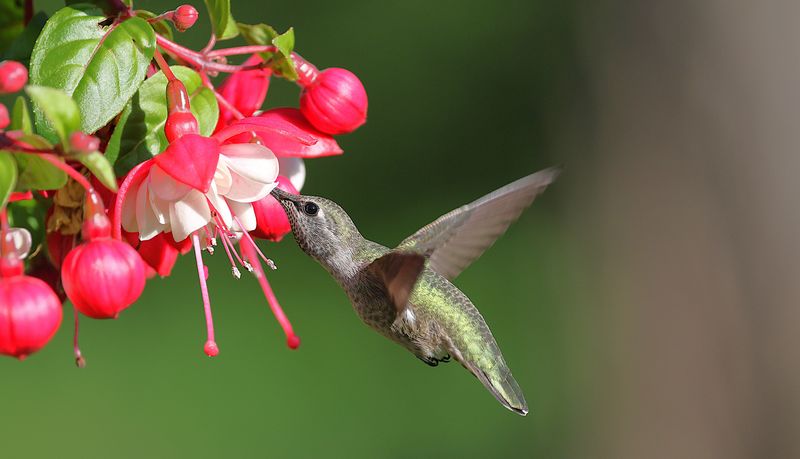
Before the big trip south, a ruby-throated hummingbird can balloon from about three grams to nearly six grams. That is like a person doubling their weight in a few weeks, and the birds do it deliberately.
The extra weight is fat, which works as fuel for long flights over land and water. Some birds cross the Gulf of Mexico nonstop, burning that stored fat across roughly five hundred miles.
I love watching late summer feeders turn into busy little cafeterias with birds chasing each other between sips. All that squabbling makes sense once you realize every drop of nectar becomes energy for the journey.
Hummingbirds also hunt tiny insects and spiders, which supply protein that sugar water cannot provide on its own. Leaving a few garden corners untidy helps, since small bugs hide in leaf litter and faded flower stalks.
During cool October nights, hummingbirds can slip into torpor, a deep rest that slows their heartbeat and breathing. That trick saves precious fat, but they wake hungry and head straight for the closest reliable food source.
You need to keep your feeder filled early in the morning, because dawn is when hunger hits hardest. I try to swap in fresh nectar before breakfast so the first visitor finds something clean and ready.
A full feeder in fall will not make birds lazy, and it will not hold them back. It simply helps them pack on the fuel they need for one of nature’s most impressive commutes.
3. Adult Male Ruby-Throats Head South First
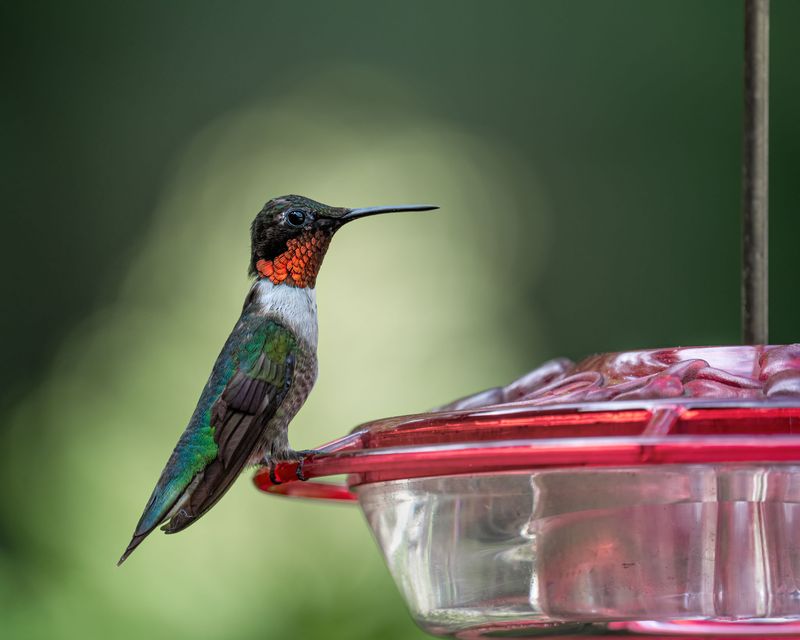
Long before school buses roll again, many adult male ruby-throated hummingbirds have already slipped away toward the south. Their glittering red throats often disappear from northern feeders by late August, sometimes even earlier than that.
Males leave first because they play no role in raising the young after mating season wraps up. Females handle nest building and feeding alone, so they stay behind until their chicks can feed themselves.
I have to admit, the first time my flashy male disappeared, I assumed my feeder season had ended. Then a plain green female showed up the next morning, and she guarded that feeder like a tiny bouncer.
Females and juveniles look similar, with white bellies and green backs, which can make identification a bit tricky. Young males sometimes show a few dark throat specks, a small clue that helps sharp-eyed watchers tell them apart.
This staggered schedule means your feeder may stay busy for weeks after the adult males are long gone. Many backyard watchers notice their busiest feeder days happening in late August and early September, not midsummer.
You need to resist the urge to pack up the moment the bright red throats stop appearing. That timing only marks the start of migration for your local birds, not the end of feeder duty.
Keep a little notebook by the window and jot down the dates when each type of visitor fades away. After a couple of years, you will have your own personal migration calendar built from real backyard notes.
4. Young Hummingbirds Make Their First Trip Alone
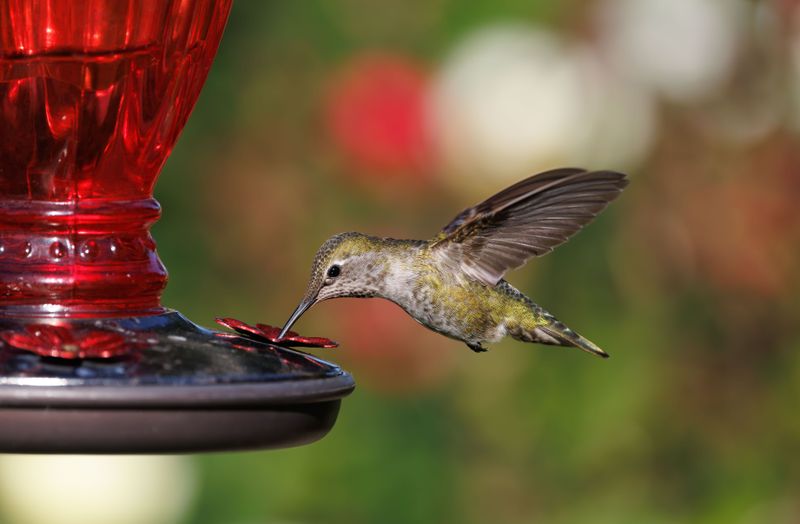
A hummingbird hatched this summer has no parent guiding it south, yet it still finds its winter home. Scientists believe that route knowledge is mostly inherited, which honestly blows my mind every single fall season.
These first-time travelers often leave later than adults, so they make up a big share of October visitors. They are still learning which flowers pay off, and a dependable feeder can make their trip much easier.
You might notice young birds acting a bit clumsy, poking at red objects that hold no nectar at all. I once watched a juvenile inspect my red garden hose nozzle three separate times before giving up.
That curiosity is how they learn, and every successful sip teaches them where reliable meals can be found. A feeder hanging in the same spot each year becomes a familiar landmark for returning birds later on.
Banding studies show some hummingbirds return to the same yards year after year, which feels like a small miracle. So the youngster you feed this October could zoom back to your porch next spring looking for you.
Place your feeder near shrubs or small trees, because young birds like a safe perch close by between visits. Place it either within three feet of a window or more than thirty feet away to reduce collisions with confused flyers.
Personally, I think helping a rookie traveler is one of the most rewarding parts of fall gardening. A clean feeder and a little patience give these brave youngsters a better shot at reaching their destination.
5. Late Rufous Hummingbirds Visit Southern Gardens
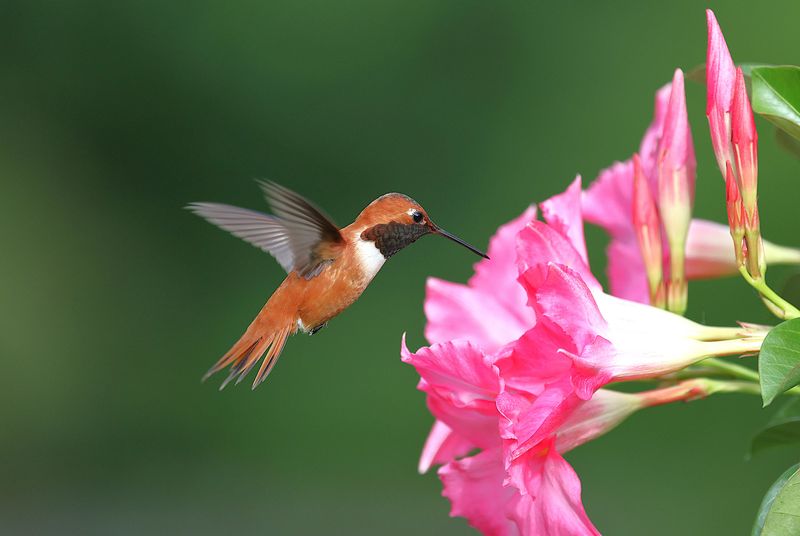
Some of the most exciting hummingbird sightings in the Southeast happen when most people have already stored their feeders. Rufous hummingbirds, which normally breed in the Northwest, increasingly show up in southern yards during late fall and winter.
These fiery orange birds are famous for long journeys, with some traveling thousands of miles between breeding and wintering grounds. Bird banders have documented them wintering along the Gulf Coast and beyond, often returning to the same yard.
Other western visitors, like black-chinned and Allen’s hummingbirds, sometimes turn up too, though they are much rarer. Telling them apart can be tough, so photos help a lot when you want an expert opinion.
I can’t imagine missing a rare visitor simply because my feeder went into the garage too early. That possibility alone keeps my nectar outside well into late fall, and honestly, the waiting is half the fun.
Rufous hummingbirds handle cold surprisingly well, tolerating frosty mornings that would send ruby-throats hurrying south much earlier. They still need reliable food, though, since flowers grow scarce once cold weather settles across the region.
If an unusual hummingbird visits your yard in late fall, report it to your state bird group or eBird. Some regions have licensed banders who will gladly visit, measure the bird, and add valuable data to research.
You might be surprised by how many winter hummingbirds go unnoticed simply because nobody leaves a feeder out. Keeping yours up gives these hardy wanderers a better chance and gives you a front-row seat to something special.
6. Wait Two Weeks After Your Last Hummingbird Sighting
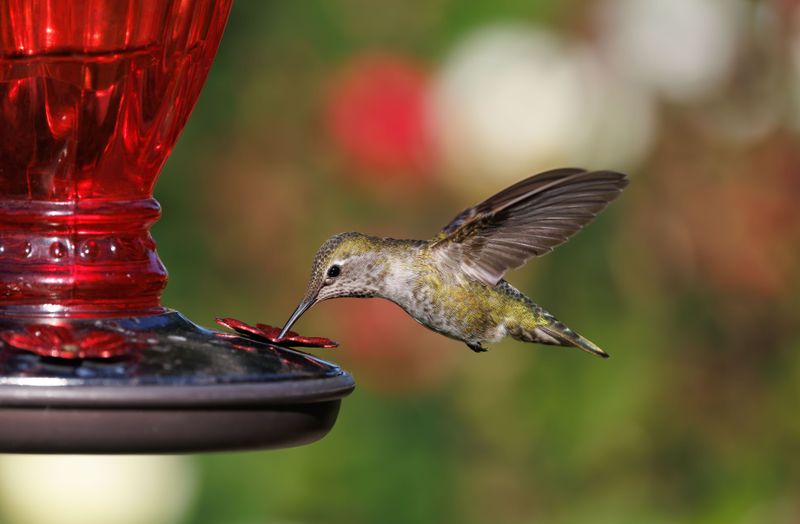
Seeing your final hummingbird of the year feels a little bittersweet, but it should not trigger an instant cleanup. Most birding experts suggest waiting about two weeks after your last sighting before taking the feeder down.
That window gives late migrants from farther north a chance to find food as they pass through. Birds you have not seen all summer may stop by for a single sip and then disappear forever.
I mark the date of my last visitor on the kitchen calendar, then count fourteen days forward. It becomes a little countdown, and more than once, a surprise guest has reset my clock for another two weeks.
If a new bird appears during your waiting period, start the two-week count over again from that day. This simple habit stretches feeder season naturally without any guesswork about calendar dates or weather forecasts.
Keep in mind that a quick visit can be easy to miss, especially if you work away from home. A quiet hour at the window on weekend mornings can reveal visitors you might otherwise overlook.
During the waiting stretch, you can fill the feeder only halfway, which reduces waste when traffic is slow. Fresh nectar matters more than a full reservoir, so smaller batches make sense as the season winds down.
Personally, I find this rule gives me peace of mind, because I know I did not quit too soon. When those two quiet weeks finally pass, you can clean the feeder and store it with a clear conscience.
7. Check Regional Timing Before Packing The Feeder Away
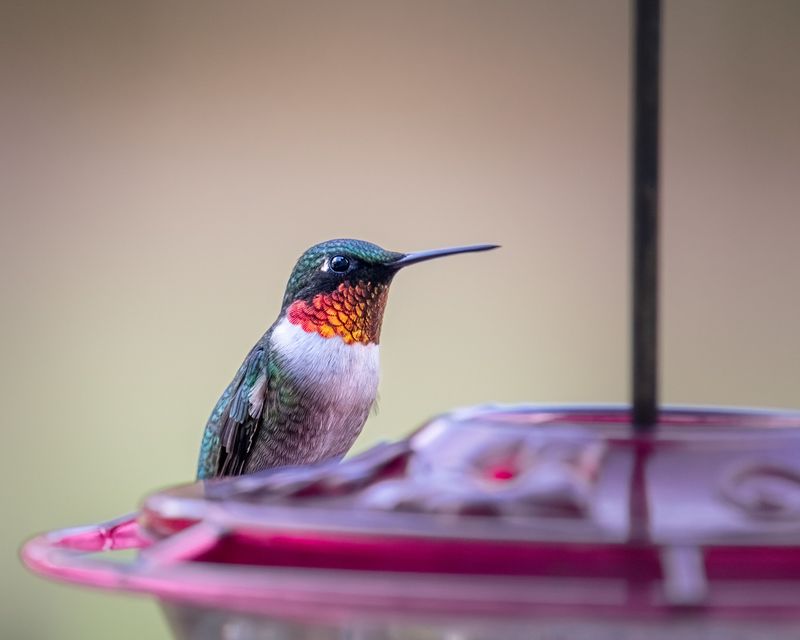
A hummingbird feeder in Minnesota and one in Louisiana follow very different fall schedules, sometimes by over a month. Northern gardeners often see their last ruby-throats in late September, while southern yards may host birds through October.
Along the Gulf Coast, ruby-throats gather in big numbers before crossing the water, often peaking in September. Some gardeners there keep feeders up through winter, hoping for rufous or other wandering western species.
Out West, Anna’s hummingbirds live year-round along much of the Pacific Coast, so feeders there can stay up. These hardy birds even visit feeders during snowy spells, which surprises plenty of people who see them.
I believe local knowledge beats any national rule, since your elevation and weather shape what you will see. A mountain town may lose its birds weeks earlier than a valley just a short drive away.
Migration maps from Journey North and eBird let you watch sightings move south in nearly real time. Checking those maps in October tells you whether birds are still moving through your part of the country.
Your local Audubon chapter or county extension office can also share typical last-sighting dates for your area. Those folks often keep years of records, and they love talking with curious gardeners about bird timing.
Use regional patterns as a starting point, then trust what you actually see happening at your own feeder. Your backyard observations, paired with the two-week rule, will guide you better than any generic calendar date.
8. Bring Feeders Inside On Frosty Nights
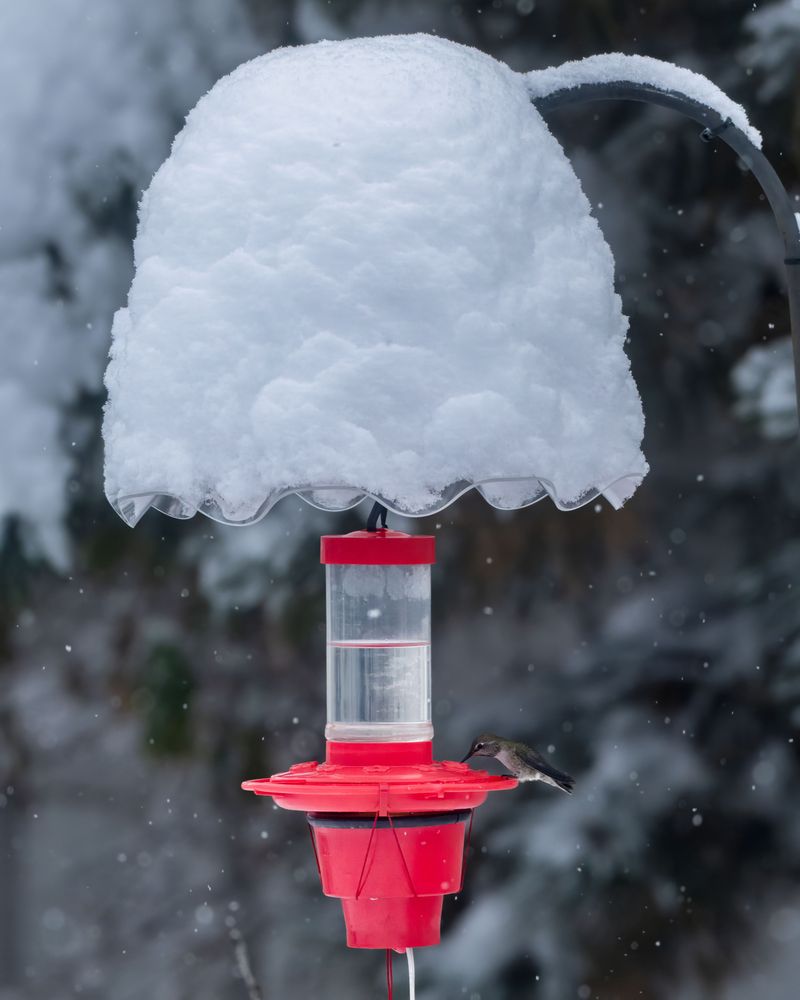
Sugar water freezes at a lower temperature than plain water, but a hard frost can still turn it slushy. Late-season hummingbirds, especially hardy wintering species, need liquid nectar at dawn when their energy runs lowest.
In colder areas, many gardeners bring feeders inside at dusk and hang them back out at first light. That routine keeps nectar from freezing overnight and gives early risers a warm sip when they need it most.
I keep a spare feeder ready on the counter, so swapping a chilly one takes only a few seconds. You might notice birds appearing within minutes of the swap, which shows how closely they watch your yard.
Some people wrap feeders with pipe insulation or hang a small outdoor light nearby to add gentle warmth. If you try heat, use products made for outdoor use and follow every safety label very carefully.
Avoid making nectar stronger to prevent freezing, since extra sugar can be harder for the birds to process. Most experts recommend sticking with the standard four-to-one ratio, even during chilly late fall weather stretches.
Frost does not mean your season is over, especially if rufous hummingbirds are known to winter near you. Healthy birds handle cold nights better than many people expect, as long as reliable food stays available.
Personally, I love that a quiet frosty morning can still bring a flash of feathers to the porch. Keep that feeder working through the chill, and you may become the reason a late traveler keeps going.