Your New York Garden Is Full Of Natural Dyes, And Fall Is The Time To Harvest Them
The green outer hull of a common backyard nut can stain your hands brown for days, even through gloves. Colonial dyers knew that trick well, and they used it to color wool a rich, lasting brown.
I love that the same hulls are probably rolling across a New York lawn near you right now. Squirrels treat them like snacks. Dyers treat them like gold.
You’re in for a big surprise once you start looking at your yard this way. Faded flower heads, onion skins in the kitchen, and bright red leaves all carry pigments that can soak into wool, cotton, and silk.
Personally, I can’t look at a fall cleanup pile the same way anymore. Half of what I used to toss now goes into a pot on my stove.
So what colors are hiding in the plants you were about to compost this weekend?
Those Sticky Black Walnut Hulls Are Brown Dye Waiting To Happen
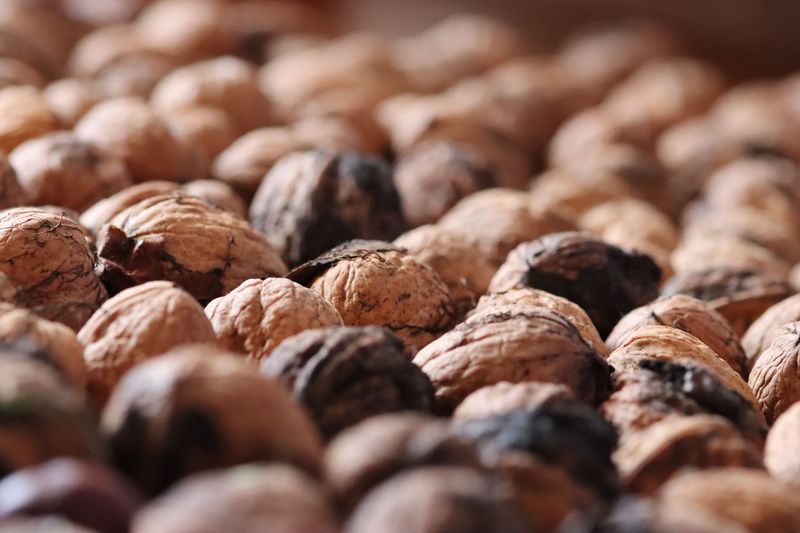
Wear gloves for this one, because black walnut hulls mean business. The green husk around each nut is loaded with juglone and tannins, which give a deep, colorfast brown with no mordant needed.
Black walnut (Juglans nigra) is native across much of New York, especially in the lower Hudson Valley and western parts of the state. The nuts drop from September into October, and that timing makes fall the natural harvest window.
You can use hulls green, yellowing, or fully black and mushy. Many dyers say the darker, softer hulls give even richer color.
Gather them in a bucket and remove the nuts if you want to eat them later.
To make a dye bath, cover the hulls with water in a dedicated pot. Simmer for an hour or two, then let the pot sit overnight.
Strain out the solids, add wet wool or cotton, and simmer gently until the color looks right.
Fun fact: walnut dye was a frontier favorite because it held up so well to washing and sunlight. Some folks still use it for coloring baskets and wood.
One caution matters here. Juglone can stunt tomatoes and other sensitive plants, so keep spent hulls out of your vegetable compost.
Toss them in yard waste instead.
Bright Goldenrod Blooms Turn Wool A Sunny Yellow
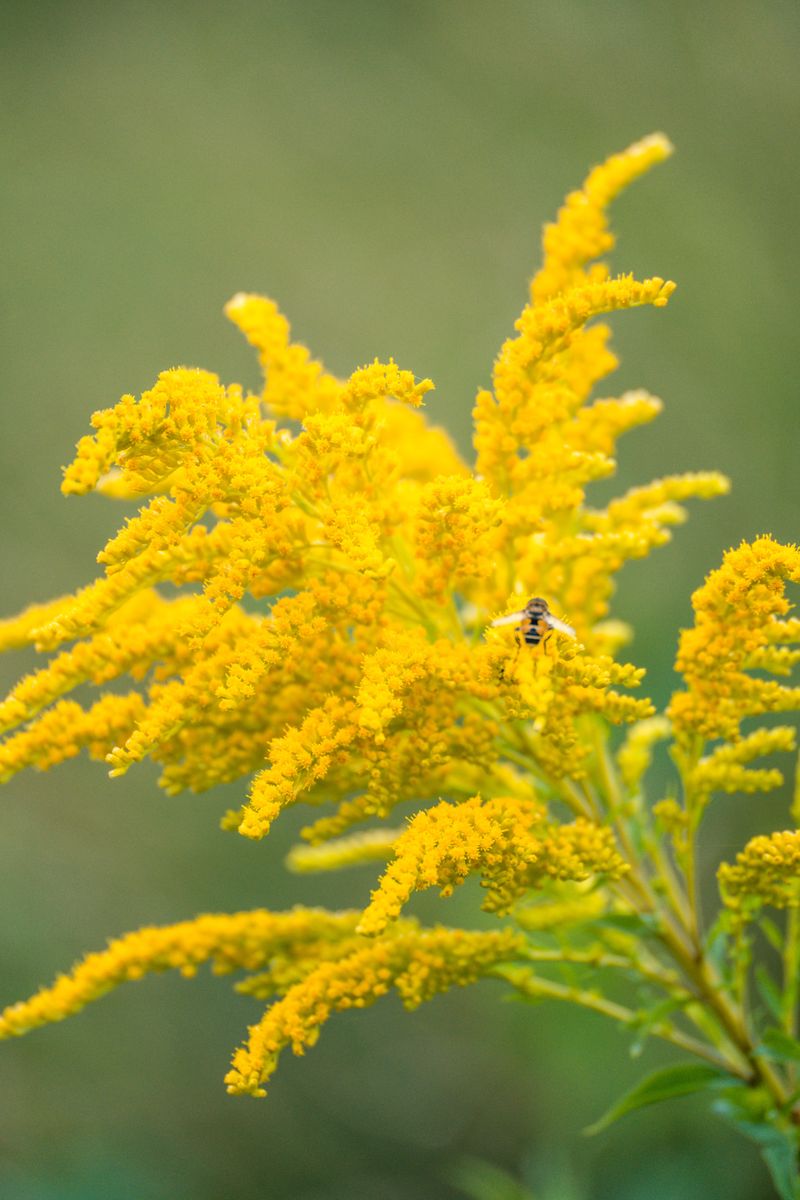
Goldenrod gets blamed for fall sneezing, but ragweed is usually the real culprit. Goldenrod pollen is heavy and sticky, carried by bees instead of wind.
That same plant is one of the easiest dye sources in the state. Several native Solidago species bloom from late August through October, filling roadsides and garden edges with gold.
Timing is the secret. Cut the flower heads when they are just opening or at full bloom.
Once they turn fluffy and brown, the yellow fades and the color gets duller.
Chop about equal weights of flowers and fiber. Simmer the flowers in water for about an hour, strain, then add wool you have already treated with alum.
Expect a clear, bright yellow that glows in sunlight.
Your New York Garden Changes Every Week. Your Plan Should Too.
Gardening in New York changes quickly throughout the season. Every Friday you’ll receive a simple weekly plan showing exactly what to plant, prune, fertilize, harvest, and protect so you never miss the right timing.
Want a twist? A tiny bit of iron in the after bath shifts that yellow toward olive green.
Experiment on small test skeins before you commit a whole sweater’s worth of yarn.
Harvest responsibly too. Goldenrod feeds monarchs, native bees, and many late-season pollinators, so leave plenty of stems standing.
Take a small share from your own yard and let the rest feed the insects.
You can also dry the flower heads on a screen and save them for winter dyeing projects.
Fading Marigolds Still Have Plenty Of Orange To Give
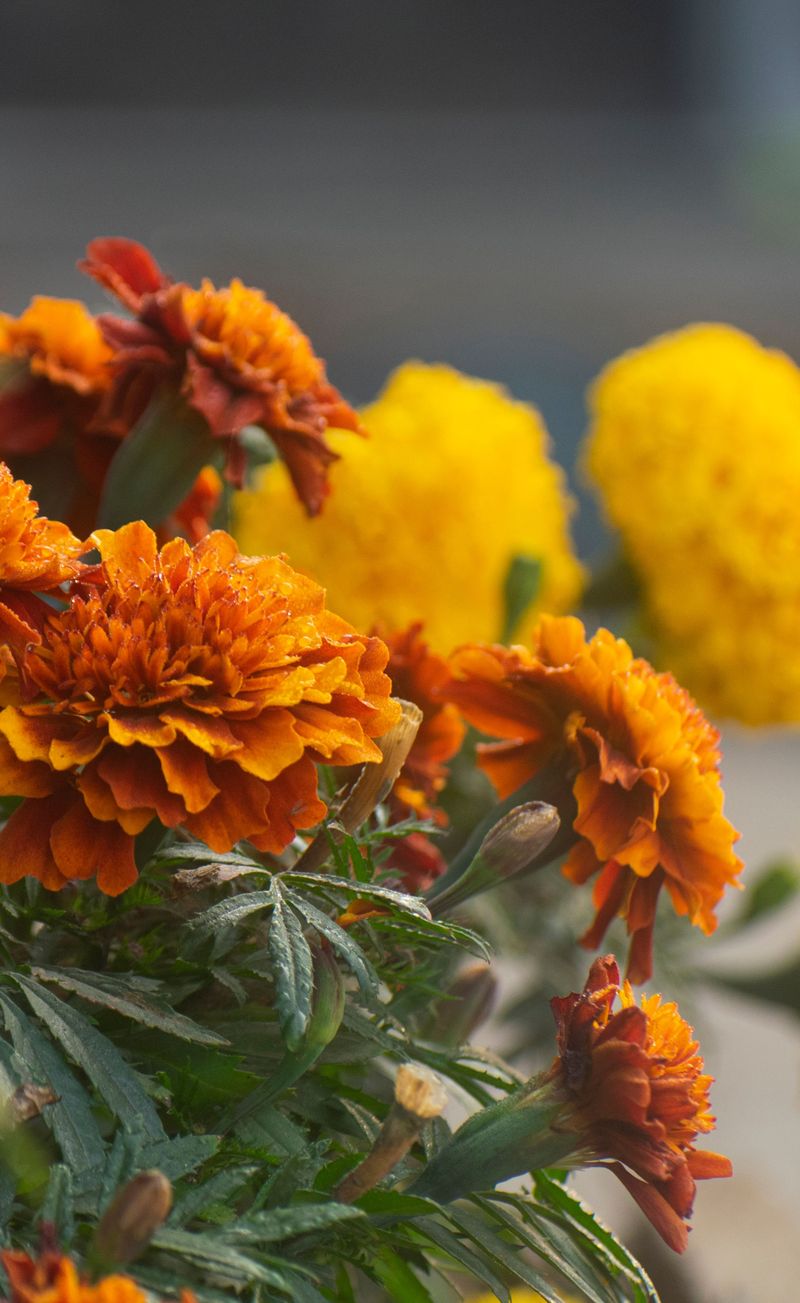
Marigolds rarely get credit as workhorses, yet they might be the most generous plant in your fall garden. They keep blooming until the first hard frost, which arrives in October across much of upstate New York and later near the coast.
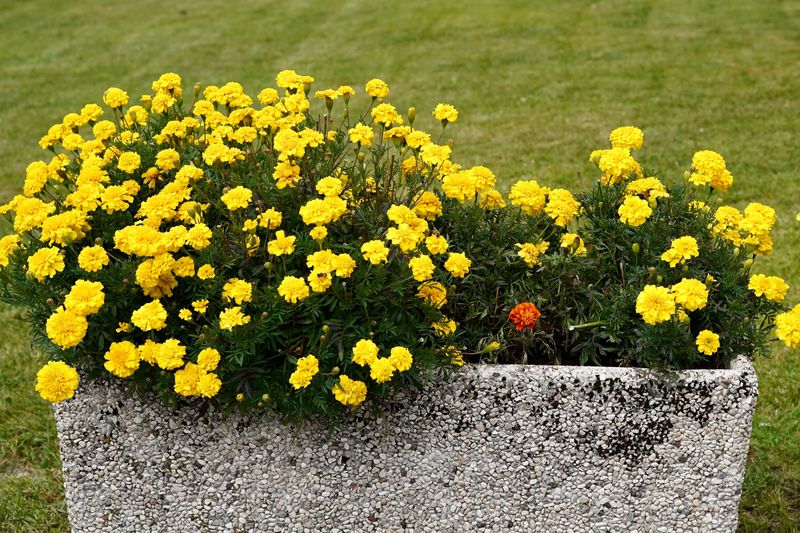
Every flower head you pick is a little packet of pigment. French and African marigolds (Tagetes) give warm yellows, golds, and soft oranges on alum-treated fiber.
I like to pick the open blooms every few days in September. Then I spread them on a tray to dry indoors.
Dried heads keep for months in a paper bag, so you can stockpile them until you have enough.
For a dye bath, aim for roughly the same weight of flowers as fiber. Simmer for about 45 minutes, strain, and add your fabric.
Wool and silk soak up the color more readily than cotton.
Here is a neat bonus. Picking spent flowers often encourages more blooms, so your dye supply keeps growing until frost.
Before the freeze, harvest everything left on the plants. Frost turns petals mushy and brown in a single night.
A last big basket is a cheerful way to say goodbye to summer and stock up for chilly-weather crafting.
Red Sumac Leaves And Berries Pack Serious Tannins
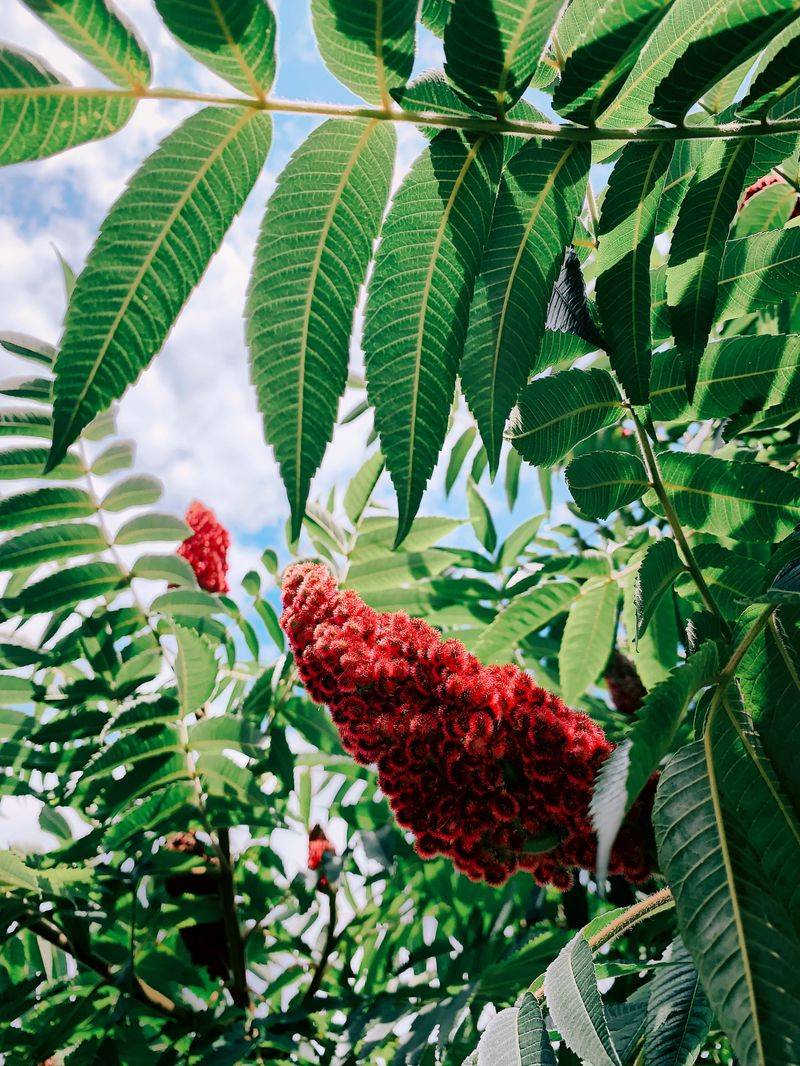
Few sights say autumn like staghorn sumac blazing scarlet along a fence line. Underneath that show is a plant packed with tannins, the natural compounds that help dyes bind and deepen.
Staghorn and smooth sumac are both native in New York. Their fuzzy red clusters of small berries, called drupes, appear in late summer and hang on through winter.
The leaves give tan and soft brown shades, especially when gathered as they color up in fall. Add a touch of iron and they can shift toward gray or near black.
The berries tend to give pinkish tans rather than true red.
Quick safety note: native red-berried sumacs are harmless. Poison sumac is a different plant with white or grayish berries that grows in swamps and wet woods.
Learn to tell them apart before you gather anything.
Many dyers also use sumac leaves as a tannin pretreatment for cotton and linen. Plant fibers take color poorly on their own, and a tannin soak followed by alum helps a lot.
Collect leaves on a dry day and spread them to dry. Crumbled and stored in jars, they stay useful all year.
A small grove can supply a whole season of experiments.
Onion Skins From Your Kitchen Rival Any Garden Plant
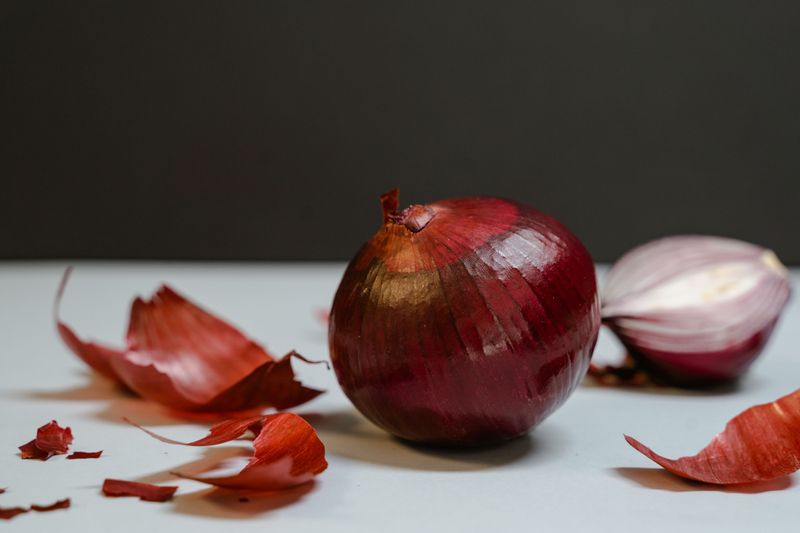
Some of the best dye in your house is headed for the trash right now. Papery onion skins are one of the most reliable natural dyes around, and fall kitchens in New York are full of freshly harvested onions.
The muck soils of Orange County and western New York grow huge onion crops. Garden onions are usually pulled in late summer, cured, and stored, shedding skins all winter long.
Yellow onion skins give rich gold, rust, and burnt orange. Red onion skins can surprise you with olive and khaki tones instead of red.
That twist delights almost every beginner I know.
Save skins in a paper bag until it is stuffed full. A full bag dyes about a skein of yarn.
Simmer the skins about 30 minutes, strain, and add alum-treated wool for the brightest results.
Onion skins are also a smart learning tool. They are free, easy to find, and forgiving, so you can test mordants without worrying about wasting precious garden material.
Kids enjoy this project too. Try wrapping eggs in skins and simmering them for marbled designs, an old tradition in many cultures.
Your compost pile will barely miss those skins, and your yarn basket will thank you.
Yarrow, Dandelion, And Other Garden Weeds Deserve A Second Look
Weeding becomes way more fun when every pulled plant might end up as a pretty skein of yarn. Many common yard plants carry soft, earthy dyes that are easy to try.
Yarrow (Achillea millefolium) blooms well into fall in the state. Its flower heads and leaves give pale yellows on alum and sage or khaki greens with iron.
Native and non-native forms both grow here, and either works in the dye pot.
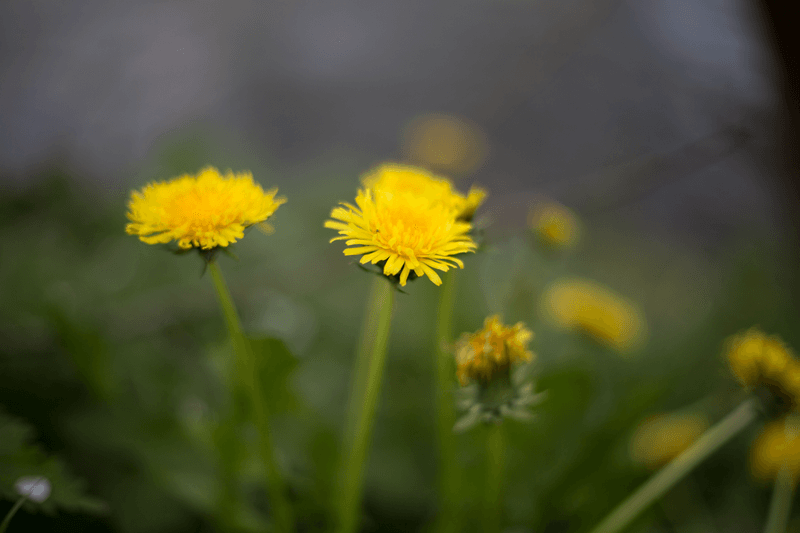
Dandelions often throw out a fresh flush of blooms in cool fall weather. The flowers give light yellow, while the roots have a reputation for faint pinkish or tan tones.
Results vary, so keep expectations playful.
Mullein, the fuzzy roadside plant with tall spikes, can produce yellows and greens from its leaves. Wear gloves, since the hairs can irritate skin.
A word of caution: only gather from spots free of pesticides and road spray. Your own unsprayed yard is the best source.
Remember that weed dyes are gentle by nature. Colors often land in soft pastels rather than bold brights.
Many dyers love that subtle look, especially for baby blankets and spring scarves. Keep a notebook so you can repeat your favorite shades.
Alum Mordant Makes Garden Colors Stick Around
Ever dyed something gorgeous only to watch it fade in one wash? That heartbreak usually comes from skipping the mordant step.
A mordant is a metal salt that helps pigment bond with fiber. Alum, or potassium aluminum sulfate, is the most common choice for beginners.
Iron is another option, and it darkens and dulls colors toward greens, grays, and browns.
For wool, many dyers use alum at about 10 to 15 percent of the dry fiber’s weight. Dissolve it in hot water, add wet fiber, and keep it warm, not boiling, for about an hour.
Then rinse or move straight to the dye bath.
Cotton and linen need extra help. Most guides suggest a tannin soak first, then alum, since plant fibers hold color less readily than wool or silk.
Gear matters for safety. Use a stainless steel or enamel pot, tongs, and spoons that stay out of your kitchen for good.
Work in a ventilated space and keep mordants labeled and away from children and pets.
Small test swatches save a lot of frustration. Try one plant on alum and on iron side by side, and you will see why dyers get hooked on experimenting.
Drying Your Fall Dye Harvest Keeps The Color Going Until Spring
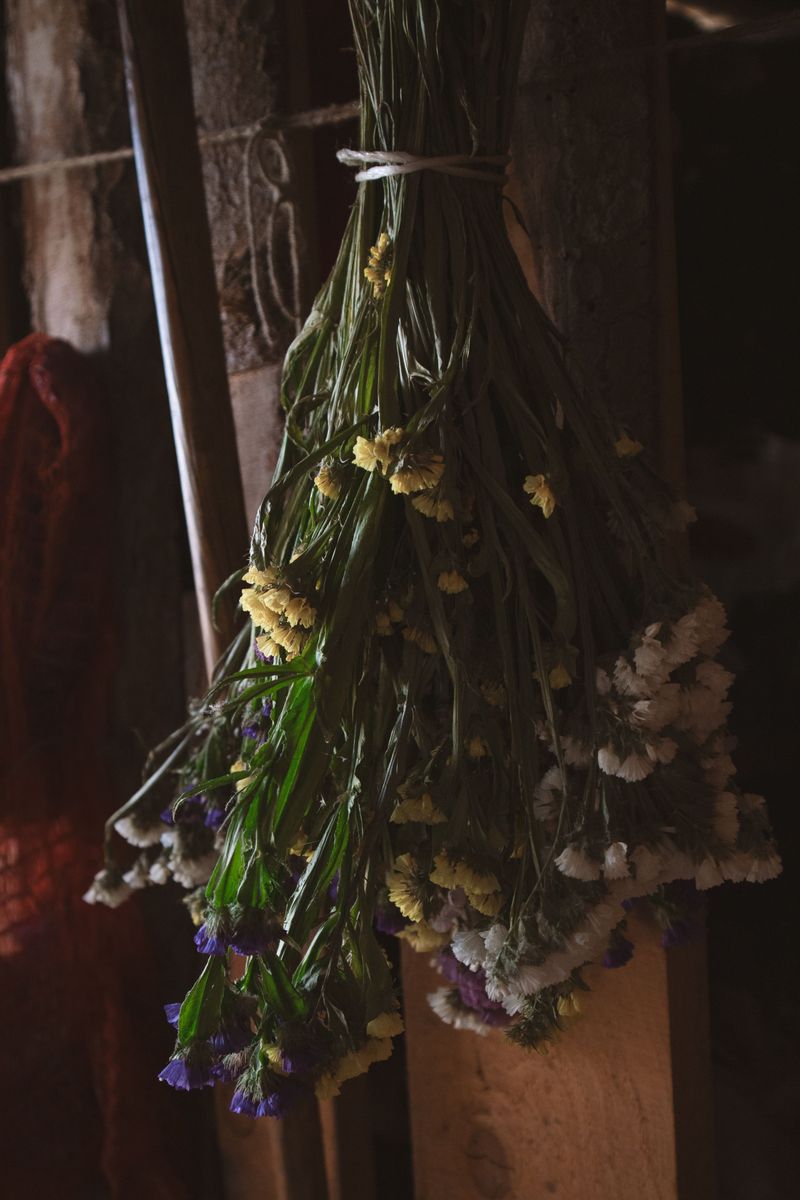
Frost can sweep through a New York garden almost overnight, so a little planning now pays off for months. Drying your harvest turns one busy fall into a year of color.
Flowers like marigolds and goldenrod dry well on screens or trays in a warm, airy room. Hang goldenrod in small bundles upside down.
Spread sumac leaves in a single layer and turn them every few days.
Once everything feels crisp, store it in paper bags or glass jars out of sunlight. Label each container with the plant name and harvest date.
Trust me, dried flowers all start looking alike by February.
Black walnut hulls are different. Many dyers let them soak in a bucket of water for weeks, or dry them in a single layer.
Either method keeps the brown handy.
Winter is a cozy time to dye, with the stove warming the house. Spring brings fresh chances too, like new dandelions and early plants.
My favorite takeaway is simple. Start small this fall with one or two plants you already grow.
Keep notes, save samples, and plant more marigolds or native goldenrod next year. Your garden will gradually become a living paint box.