The Overlooked October Lavender Job That Helps New York Plants Through Winter
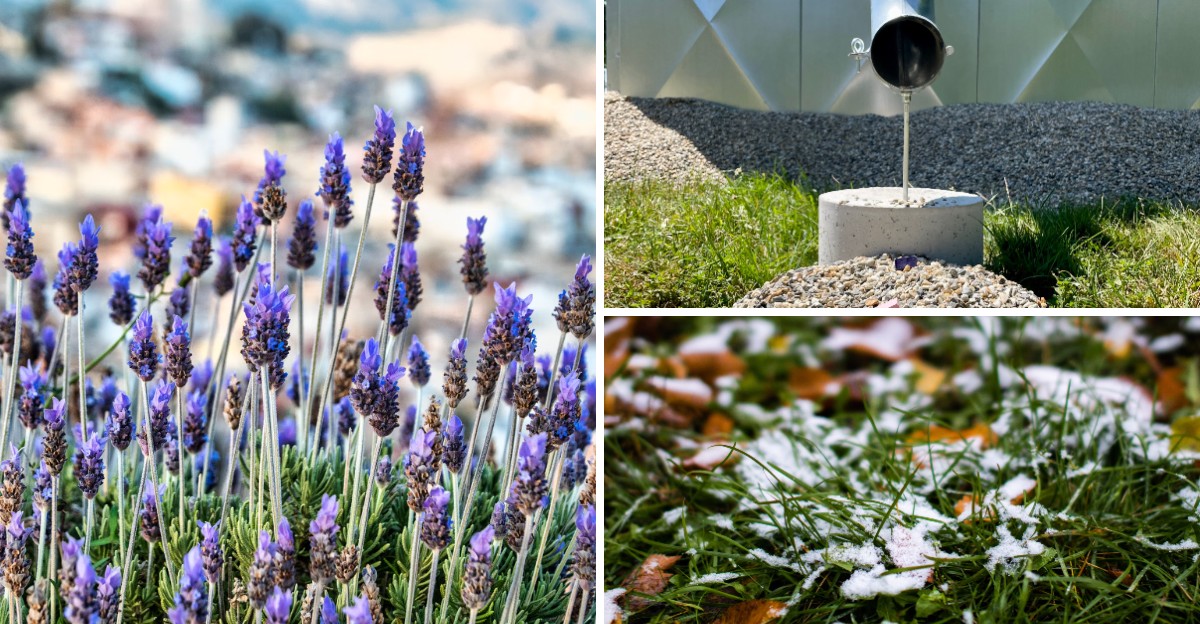
Your lavender tolerates frost but struggles in wet winter soil. Roots sitting in cold, soggy soil rot long before spring arrives.
Across New York, garden centers often see plants lost to wet winters each April. Gravel can improve drainage around the crown.
You need a bucket, a trowel, and a short afternoon. Pull back the mulch and scrape away the heavy soil crowding the crown.
Spread coarse gravel in a wide ring so water drains outward. Then watch meltwater slip past the stems instead of pooling there.
Silver foliage is more likely to stay healthy, and those purple spikes return in early summer. Stones also speed up drainage and keep soil from splashing onto the leaves.
Gardeners use the same trick for sage, though rosemary usually needs to winter indoors in most of New York.
Try it this weekend before the ground hardens. Neighbors will wonder what you are doing until your lavender blooms thick in July.
A Dry Crown Matters More Than Cold
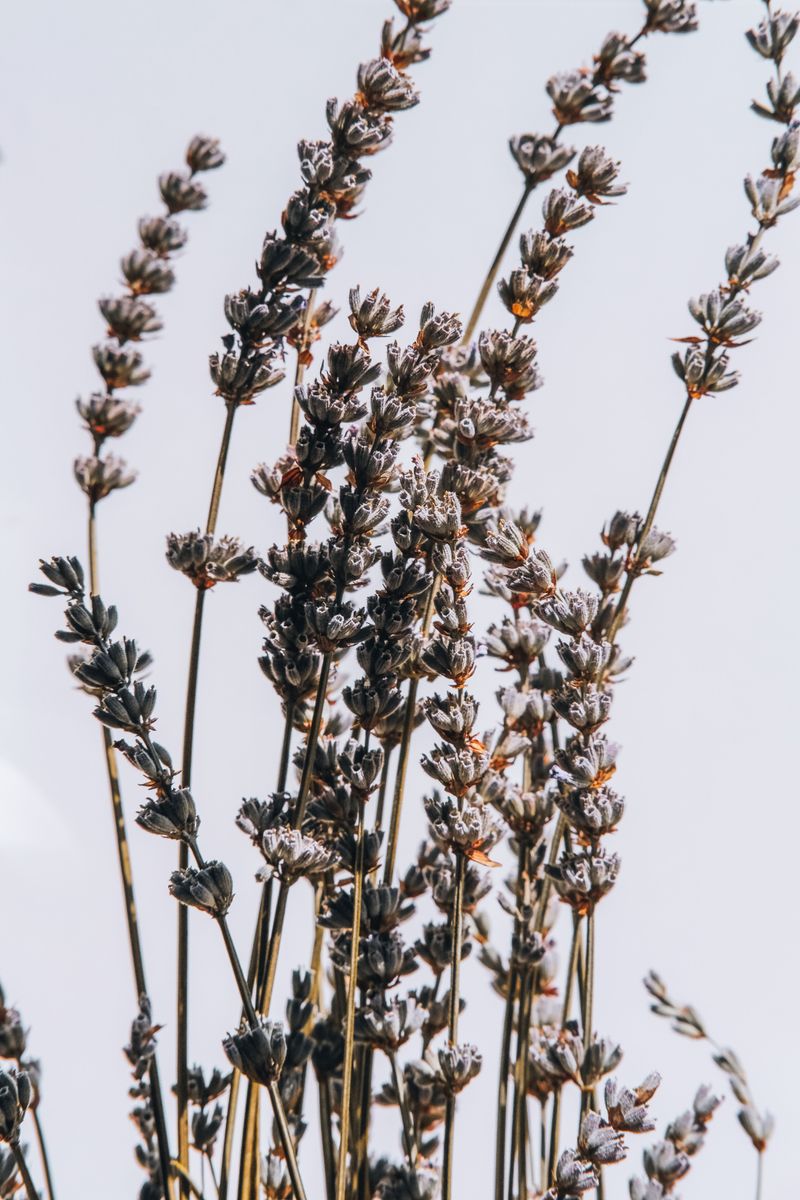
Gardeners in Buffalo and Brooklyn share the same October secret, and it has nothing to do with blankets. The real job is keeping the base of your lavender dry all winter.
That base, called the crown, is where the woody stems meet the soil. Water that sits there for weeks invites mold and rot that quietly weaken the whole plant.
Lavender comes from rocky hillsides around the Mediterranean, where winters are mild and soil drains fast. New York offers sticky clay, melting snow, and long gray stretches of drizzle.
Cold alone is not the main problem for hardy types like Munstead and Hidcote. Many survive even the coldest New York winters just fine when their roots stay on the drier side.
So the October task is simple: clear away anything holding moisture around the stems. Pull back leaves, old mulch, and weeds so air can move freely through the crown.
Next, check whether rainwater pools near the plant after a storm. If puddles linger for hours, drainage needs some help before the ground freezes.
Think of it like hanging a wet towel instead of leaving it balled up on the floor. Airflow and gravity do most of the drying work for you.
A few minutes of tidying now saves you from replanting next May. Your lavender is likely to show fresh silver growth once the weather warms.
Container plants count too, so tip pots slightly or raise them on bricks. Potted roots are more exposed to cold, so move them to a sheltered spot as well.
Wet Soil Is The Main Winter Risk
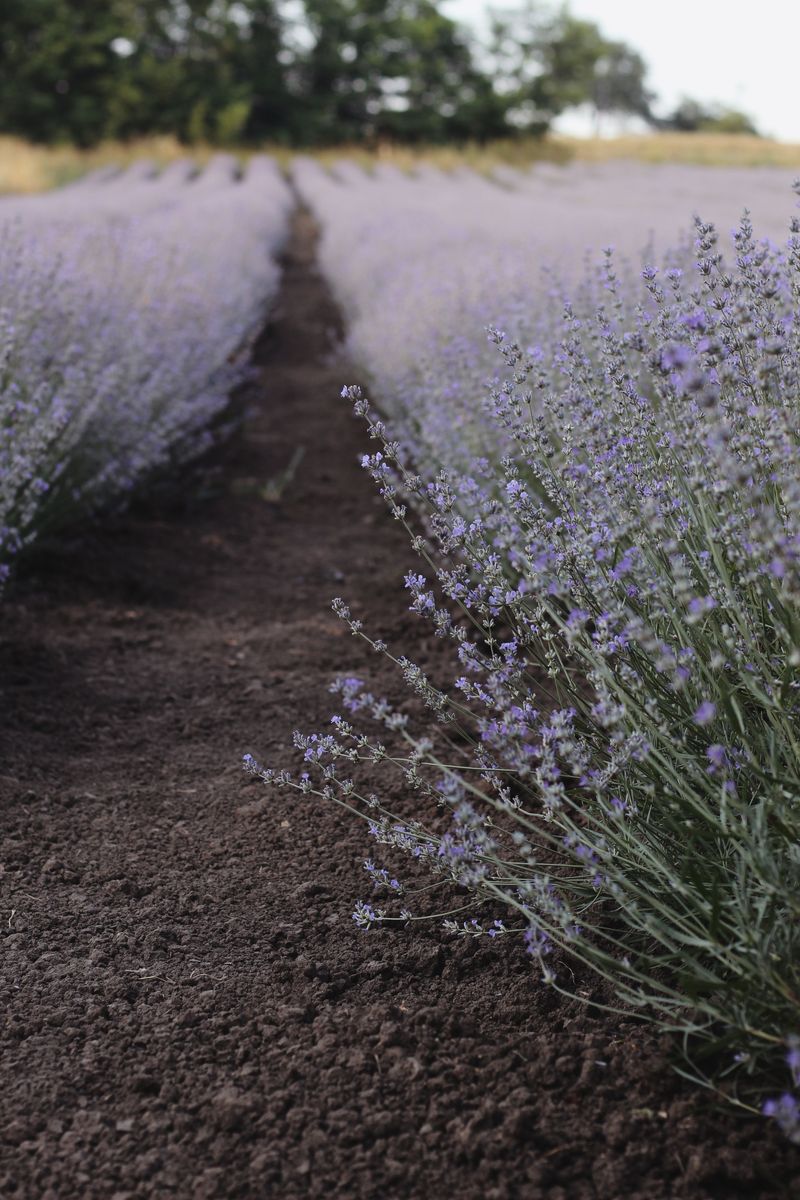
Here is a riddle worth pondering over coffee: what does lavender fear more than a January blizzard? The answer is a mild, rainy week followed by a hard freeze.
Wet soil holds far less air than dry soil, and roots need oxygen to stay healthy. Without it, fine root hairs can start breaking down within weeks.
Freezing makes things worse because ice expands inside soggy ground. That swelling can heave shallow roots upward and tear them, a process gardeners call frost heave.
Your New York Garden Changes Every Week. Your Plan Should Too.
Gardening in New York changes quickly throughout the season. Every Friday you’ll receive a simple weekly plan showing exactly what to plant, prune, fertilize, harvest, and protect so you never miss the right timing.
Clay soils, common in the Hudson Valley and in pockets of Long Island, hold on to water stubbornly. A squeezed handful stays in a sticky ball.
Sandy or gritty soil crumbles apart instead, which is exactly what lavender loves. Try the squeeze test this week to learn what you are working with.
Fungal troubles like root rot thrive in these cold, damp conditions. Leaves may turn gray-brown from the bottom up, and stems can feel mushy near the soil.
Snow itself is a smaller concern than many people think. A steady snow cover insulates roots, while repeated thaws soak the ground again and again.
That freeze-thaw cycle is classic in New York City and along the coast. Upstate gardens with deep, lasting snow sometimes fare better.
Understanding the risks helps you plan ahead before November arrives. Keep the soil loose, the crown airy, and the water moving away.
One quick check after the next heavy rain will tell you plenty. Grab a trowel, dig four inches down, and feel how wet it stays.
The October Window Before First Frost
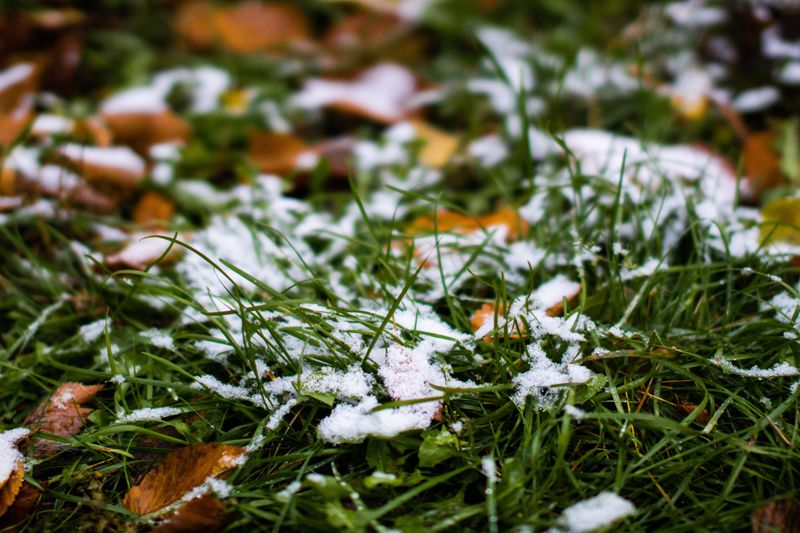
Mid-October feels like borrowed time in New York gardens, with sunny afternoons and nippy mornings. That gentle stretch is the perfect moment to prepare lavender for wet months ahead.
First frost typically arrives between late September and late October upstate, and in mid to late November in New York City and on Long Island. The ground stays workable for several weeks after that, so you have breathing room.
Aim to finish drainage fixes before the soil freezes solid. Digging in frozen clay is like chiseling a brownie that sat in the freezer overnight.
Pruning is another timing question, and here caution pays off. Skip any hard cuts now, since fresh shoots would be too tender to handle the cold.
A light trim to remove spent flower stalks is fine. Leave the leafy, silvery foliage in place to protect the woody center through winter.
Fertilizer should stay on the shelf until spring. Feeding in fall encourages soft growth that frost can damage.
Watering also changes this month, so let nature handle most of it. Established plants need almost no extra water once autumn rains begin.
Young lavender planted this summer is the exception and deserves a little extra attention. Give it a deep drink only if October turns unusually dry for two weeks.
Mark a date on your calendar, perhaps the weekend after the second Monday of October. A cool, dry afternoon makes the work pleasant and keeps soil from getting compacted.
Waiting until Thanksgiving can mean muddy soil and a race against frozen ground. An October afternoon gives you sunshine, patience, and maybe a cider break too.
Common Mistakes That Keep Lavender Too Wet
Confession time: many of us spoil our garden plants with a thick, cozy blanket of shredded bark. For lavender, that habit often causes problems.
Wood mulch acts like a sponge, holding rain and melted snow right against the stems. Lavender crowns stay damp for weeks, and soft spots soon appear.
Fallen leaves create the same soggy problem when they pile up around the base. Maple and other broad leaves mat down flat after rain and seal moisture inside.
Wrapping plants tightly in plastic to block the cold is another trap. Plastic traps condensation, turning the inside into a tiny, mildewy steam room.
Overwatering in fall is another common mistake worth avoiding. Lavender slows down in cool weather and uses much less water.
Planting in low spots can cause drainage problems too, since water naturally flows downhill and gathers. That damp corner near the downspout may look handy but stays wet all season.
Pushing soil up around stems, often called hilling, works for roses but harms lavender. Buried stems hold moisture and can split when frozen.
Each of these slips can be undone in a single afternoon. Rake mulch back about six inches from the crown and let the base breathe.
Move leaves to the compost pile or another bed that enjoys them. Hostas, ferns, and hydrangeas happily accept the leftovers you remove from lavender.
Once the area looks clean and open, step back and admire the difference. Bare gravel around a silvery plant looks tidy and surprisingly elegant.
Gravel Collars And Better Drainage
Picture a small ring of pebbles hugging the base of your lavender like a stone necklace. That simple gravel collar is a useful winter improvement.
Start by raking away old mulch and loosening the top inch of soil. Then spread pea gravel or crushed stone about two inches deep around the crown.
Gravel drains fast, dries quickly after storms, and reflects some light toward the plant. It also keeps soil from splashing onto leaves during heavy rain.
Light-colored stone also looks tidy against silver foliage. Plain granite, river rock, or crushed limestone all work nicely in New York yards.
Bigger drainage problems need a bigger fix, especially in heavy clay. Consider building a raised mound about eight inches tall using soil mixed with grit.
A blend of half native soil and half coarse grit or crushed stone works well. Fine sand packs down, so avoid it.
Downspouts deserve a look too, because roof runoff can saturate a bed quickly. A cheap extension or splash block can redirect that flow several feet away.
For potted lavender, move containers under an eave or against a sheltered wall. Pot feet or a couple of bricks lift the drainage holes off the ground.
Moving established plants in October is risky, so save transplanting for spring. Most gardens need only a bag of gravel and maybe a downspout extension. Not bad for protecting a plant that perfumes your yard every July.
What To Expect And Do In Spring
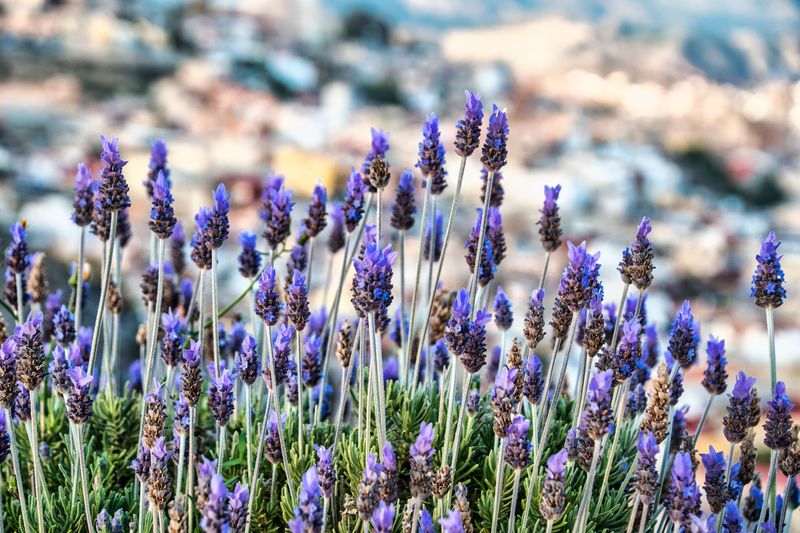
Imagine walking outside on a chilly April morning and spotting fresh green-gray shoots poking through the gravel. That small moment is the payoff for your October effort.
Lavender that stays dry over winter usually wakes up faster and fuller. Plants stressed by soggy soil often sulk for weeks or lose whole branches.
Wait until new growth appears at the base before pruning in spring. Then trim stems back by about a third, staying above the woody part.
Some brown, brittle tips are normal after a New York winter, so stay patient. Scratch a stem gently with a fingernail and look for green underneath.
Prevention for next year starts with smart placement. Choose the sunniest, highest spot you have, ideally with at least six hours of direct light.
Hardy varieties such as Munstead, Hidcote, and Phenomenal handle Northeast winters better than fancy Spanish or French types. Those tender cousins do best in pots brought indoors.
Spacing plants about two to three feet apart improves airflow and cuts down on fungal problems. Crowded beds stay damp longer after rain and snowmelt.
Keep a small notebook or phone note about which plants thrived and which struggled. Patterns appear quickly, revealing wet spots you might otherwise overlook.
Over a few seasons, your lavender patch can grow into a fragrant, buzzing hedge. Bees will crowd it in early summer, and visitors will ask for cuttings.
All that beauty begins with a rake, a bucket of gravel, and one cool October afternoon. This chore takes little effort and can improve your lavender’s chances through winter.