Don’t Let Leaves Smother Your Grass This Fall
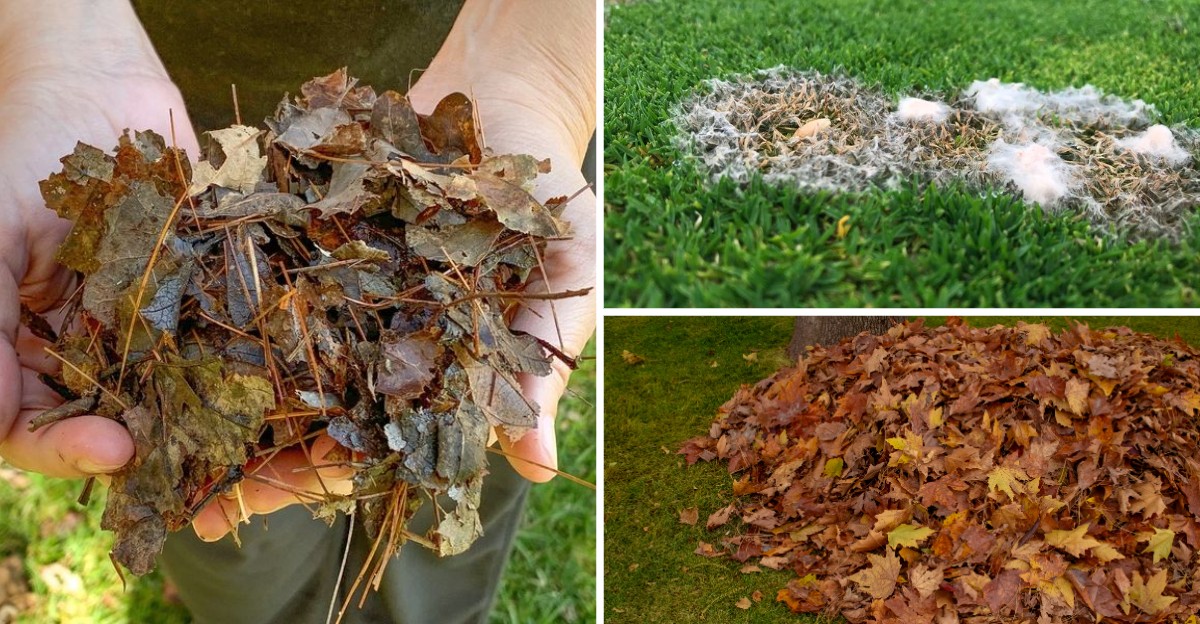
A single mature oak can drop thousands of leaves in one autumn, and every one of them lands somewhere. Plenty end up right on top of your lawn, where they settle over the grass blades and stay put.
Grass in fall is not sleeping yet. Cool-season turf is busy storing food in its roots for winter and spring, and it needs light and fresh air to do that job well.
I love the crunch of a fresh leaf pile as much as anyone. Still, I can’t ignore what happens a few weeks later, when rain turns that crunchy layer into a soggy, flat mat. Underneath, the grass sits in the dark with little air.
You may have seen the results in April without knowing the cause. Thin patches, pale blades, and fuzzy gray spots often trace back to last fall. So how much leaf cover is too much, and what should you do with the extra?
Your Lawn Is Still Hard at Work Under Those Fallen Leaves
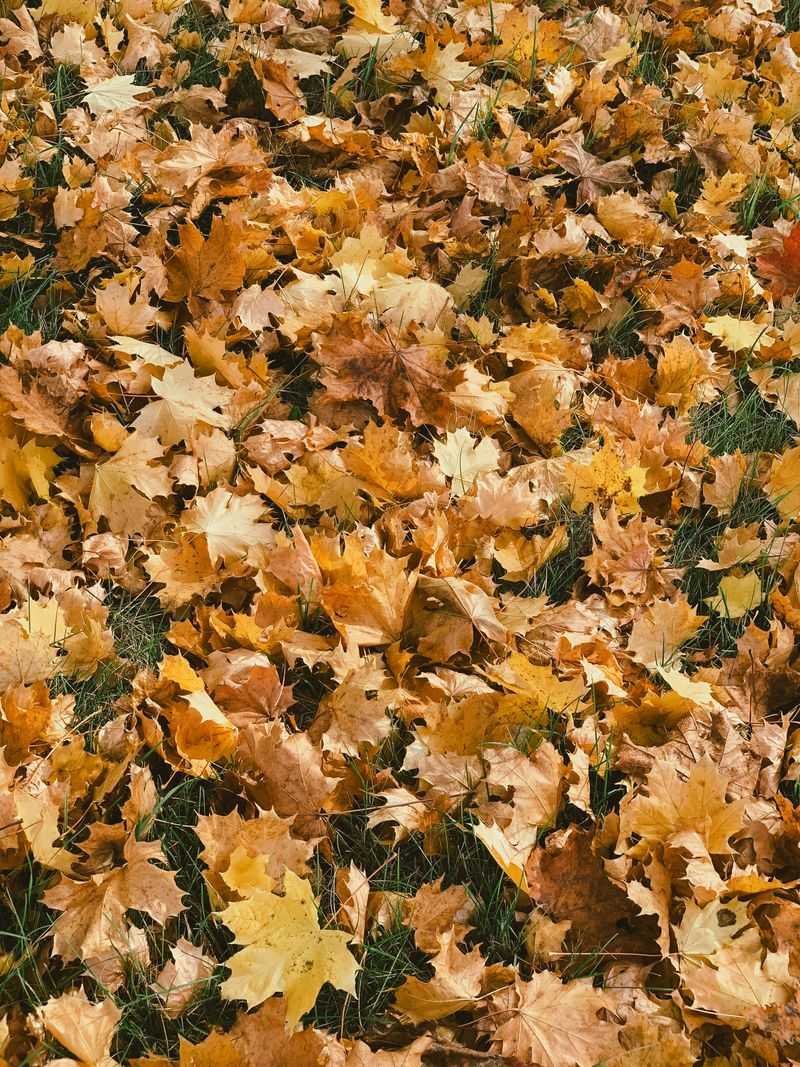
Autumn fools a lot of us. The mowing slows down, so it feels like the grass has clocked out for the year.
Cool-season grasses like Kentucky bluegrass, tall fescue, and perennial ryegrass are doing some of their most useful work right now. University extension experts note that fall is a prime time for root growth and food storage, as the blades turn sunlight into sugars that carry the plant through winter.
A heavy layer of leaves blocks that sunlight like a pulled shade. Less light means less food, and a hungry lawn heads into winter weaker than it should be.
The trouble grows when rain arrives. Wet leaves press flat and stick together, which cuts off air and holds moisture right against the blades. Grass under a matted layer for weeks can turn yellow, thin out, and struggle to recover come spring.
Personally, I check my yard after every big windy day in October. If I can barely see green through the leaves, I know it’s time to act.
A few scattered leaves are no problem at all. The real issue is a thick, soggy blanket that stays put for weeks.
Mow Those Leaves Into Tiny Bits and Feed Your Grass
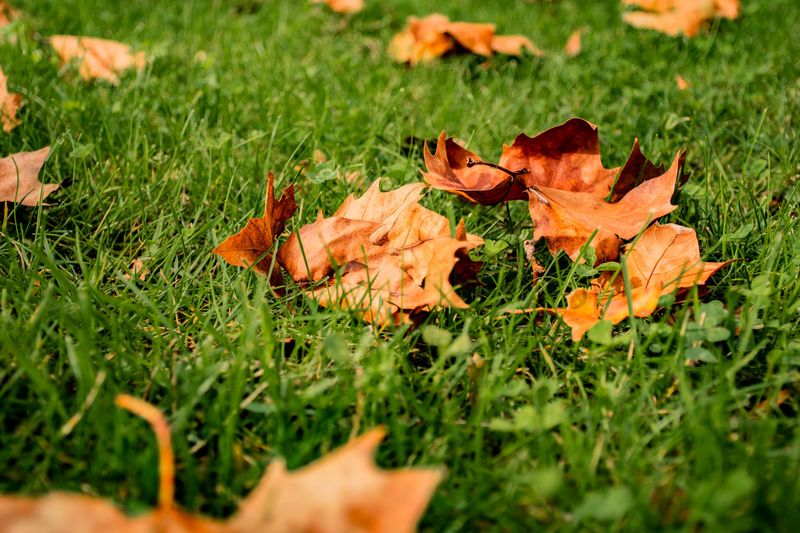
My favorite trick for leaf season needs no rake at all. You just need a lawn mower and dry leaves.
Research from Michigan State University found that mowing leaves into small pieces did no harm to turf. The shredded bits drop between the grass blades, where soil microbes break them down.
As they decay, those leaf pieces return organic matter and some nutrients to the soil. Over time, that can help soil hold water and stay loose and healthy.
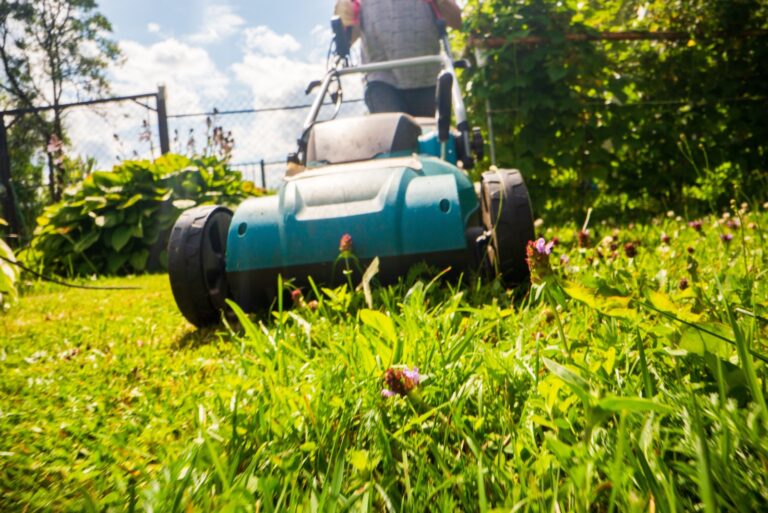
A mulching mower works best, but a regular mower with the bag removed can still do the job. Raise the deck a little and go slowly. You may need two passes over thicker spots.
Aim for pieces about the size of a dime or smaller. Once you finish, you should easily see grass blades poking through the thin layer of crumbs.
Dry leaves shred far better than wet ones, so pick a sunny afternoon. Bonus perk: you skip hauling heavy bags to the curb, and your back will thank you by Thanksgiving.
Grab a Leaf Rake When the Pile Gets Too Deep
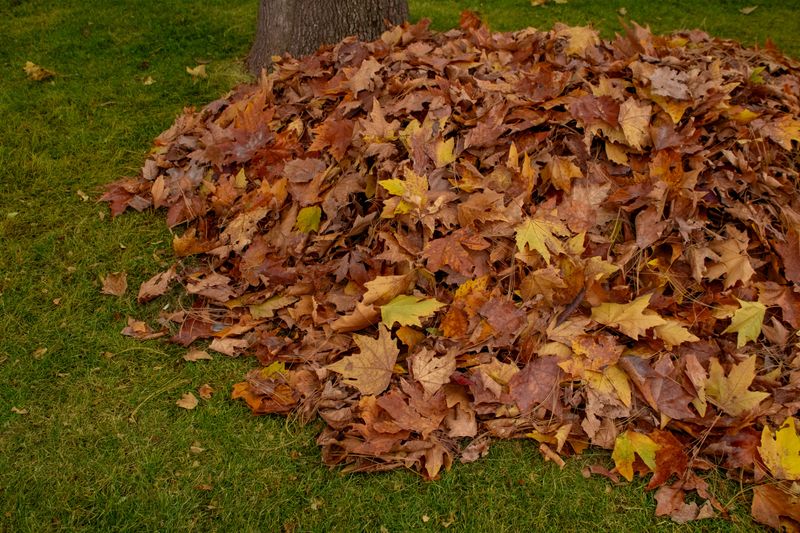
Mulching has its limits, and a giant silver maple can test them fast. Some yards simply get more leaves than any mower can handle.
Once the leaf layer is several inches deep, shredded pieces can still pile up thick enough to cover the grass. That defeats the whole purpose. Many lawn experts suggest raking when the leaves would leave more than a thin layer behind after mowing.
Wet, matted leaves are another reason to reach for the rake. A mower often just pushes soggy leaves around or clumps them into wads.
A wide, flexible leaf rake moves more leaves with less effort than a stiff garden rake. Pull in short strokes and work with the wind, not against it. A tarp makes moving big piles much easier.
Leaf blowers help on large properties, though they can be noisy. Some towns limit their use, so check local rules first.
My approach is a combination. I rake away the heavy drifts near the trees, then mow the leftover scatter across the open lawn. You get the clean surface of raking and the soil benefits of mulching together.
Soggy Leaf Mats Invite Snow Mold and Other Lawn Troubles
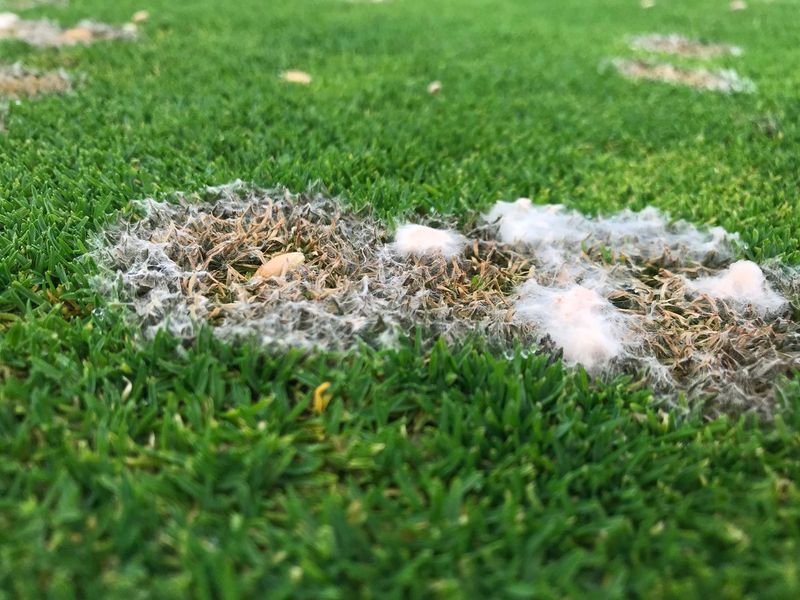
Ever notice crusty, grayish circles on the lawn as the snow melts? That fuzzy mess is often snow mold, and leaves can set the stage for it.
Gray and pink snow mold are fungal diseases that thrive in cold, damp, dark spots. Extension specialists point to matted leaves and long grass going into winter as common contributing factors. A wet leaf blanket under snow creates exactly the kind of hideout these fungi love.
Most snow mold damage is cosmetic, and grass usually recovers. A gentle spring raking helps the matted blades dry and stand back up.
Moss can also creep in where grass has been shaded and kept damp for long stretches. Thin, weak turf gives it room to spread.
Leaf piles can shelter critters too. Voles sometimes tunnel through grass under leaf and snow cover, leaving winding runways behind in spring. Slugs enjoy the moist cover as well.
Clearing heavy leaves before winter lowers the odds of all these problems. Mowing your last cut a bit shorter than summer height, without scalping, helps the grass stay upright and drier under snow.
Small Weekly Cleanups Beat One Huge Leaf Day
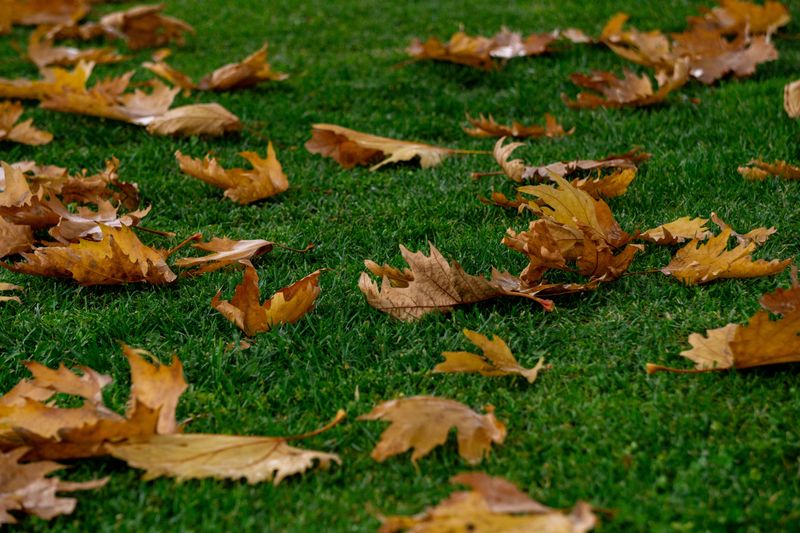
Waiting for every last leaf to fall sounds efficient. Trust me, it rarely works out that way.
By the time the final branch is bare, the early leaves may have sat on the lawn for weeks. Rain and frost press them into a dense layer that is harder to move and tougher on the grass underneath.
Instead, plan on light cleanups every week or so during peak leaf drop. A quick mow over dry leaves takes far less time than wrestling with a soaked pile in November.
Here’s a simple rule I use. If leaves cover roughly half or more of the grass surface, it’s time to mow or rake.
Timing varies by region. Northern lawns often see peak leaf drop in October, while southern yards may get leaves well into December. Warm-season grasses like Bermuda and zoysia go dormant in fall, but heavy leaf cover can still hold moisture and shade new spring growth.
Try to finish a final cleanup before the ground freezes or the first lasting snow arrives. That last pass gives your lawn a clean, breathable start to winter.
Shredded Leaves Make a Cozy Mulch for Garden Beds
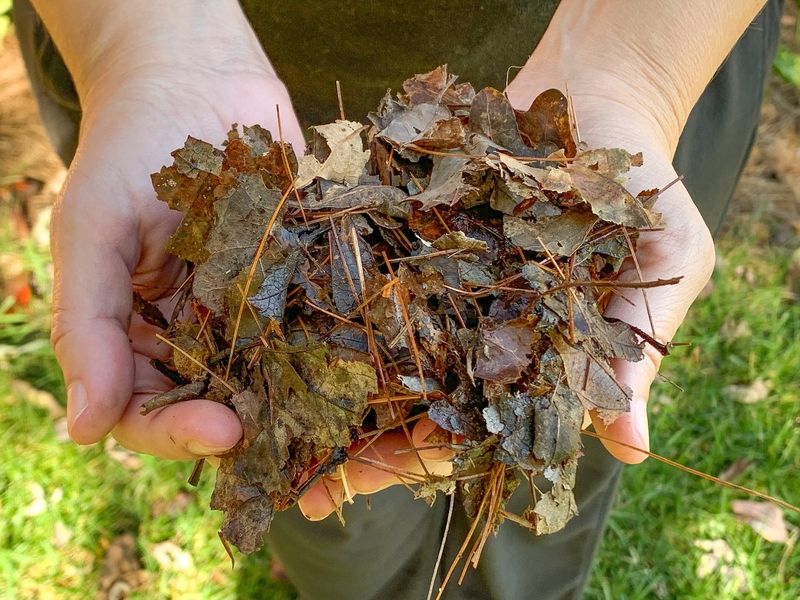
Bagging leaves for the curb feels a bit like throwing away free gardening supplies. Your flower beds would gladly take them.
Shredded leaves make a fine natural mulch. Spread a layer about two to three inches deep around perennials, shrubs, and in vegetable beds after the season ends. It helps hold in moisture, keeps weeds down, and buffers soil from wild temperature swings.
Shredding matters here too. Whole leaves, especially big ones like maple and sycamore, can pack into a soggy mat that sheds water. Running them over with the mower first fixes that.
Keep mulch a few inches away from tree trunks and plant crowns. Piling it against bark can trap moisture and invite rot or rodents.
Fun fact: gardeners have a nickname for well-rotted leaves. They call it leaf mold, and it’s crumbly, dark, and great for improving soil.
Leaving some leaves in beds also helps wildlife. The Xerces Society notes that many butterflies, moths, and beneficial insects spend winter in leaf litter. So your lawn gets cleared, and pollinators get a winter home nearby.
Turn That Leaf Pile Into Rich Compost by Spring
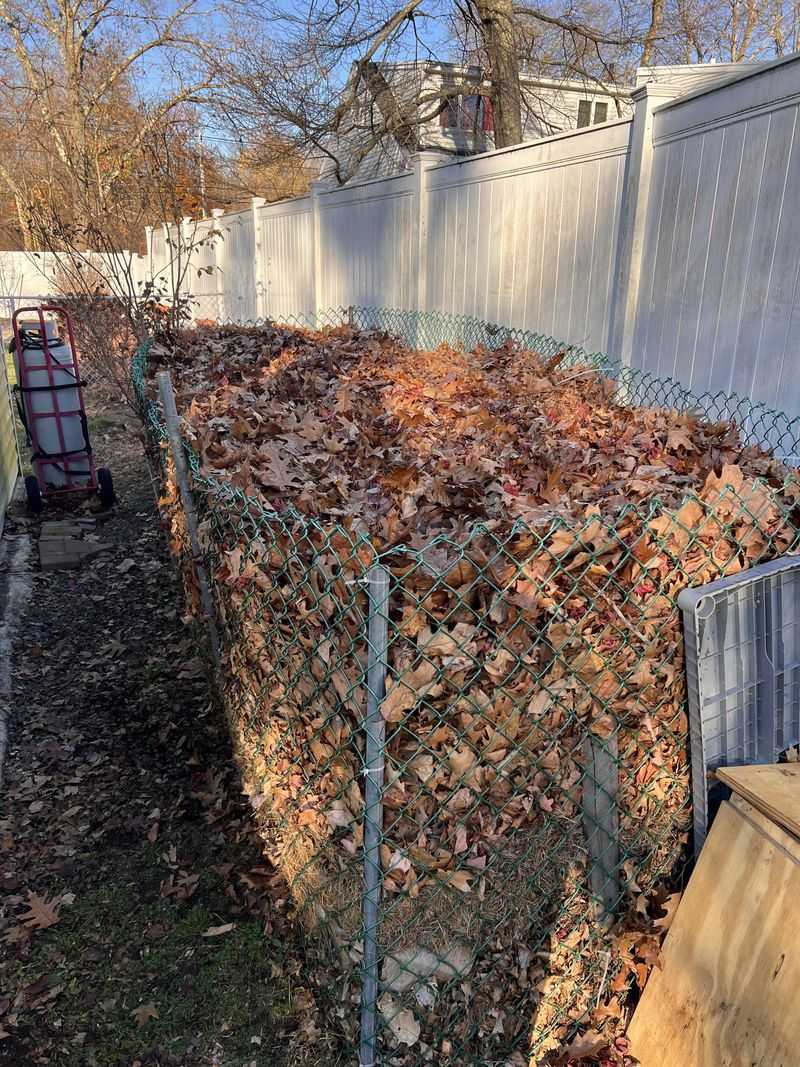
Compost lovers wait all year for fall. Dry leaves are the brown, carbon-rich ingredient every good pile needs.
A healthy compost pile balances leaves and other browns with greens like grass clippings and vegetable scraps, usually at two to three parts brown to one part green by volume.
Shred leaves before adding them. Smaller pieces decompose much faster than whole leaves, which can sit for a year or more.
Keep the pile about as damp as a wrung-out sponge. Turning it every couple of weeks adds air and speeds things up, even in cooler weather.
No room for a bin? Pack shredded leaves into a few large bags, add a splash of water, poke some holes, and tuck them behind the garage. By spring or summer, you may find crumbly leaf mold ready to use.
Personally, I keep one extra bag of dry leaves aside. Come summer, when I have loads of green clippings and kitchen scraps, those stored browns keep my compost balanced instead of slimy.
A Clear Lawn in November Pays Off With Thicker Spring Grass
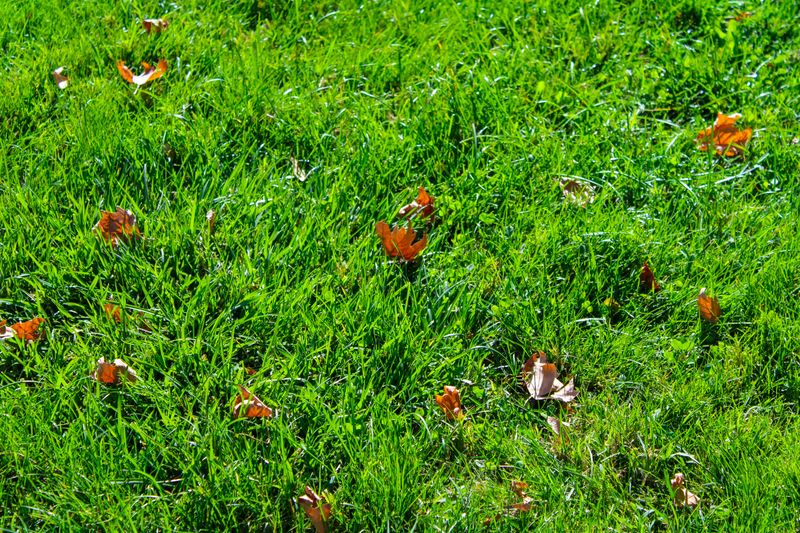
Spring has a way of grading your fall homework. A lawn that went into winter clear and healthy usually greens up faster and thicker.
Fall leaf care works best alongside a few other seasonal habits. Keep mowing until the grass stops growing, and keep it at a healthy height. For cool-season lawns, early fall is also a great window for overseeding thin spots and core aeration.
Many extension services recommend a fall fertilizer application for cool-season grasses. Follow label directions and your local guidance, and keep granules off sidewalks and driveways so they don’t wash into storm drains.
Leaves matter for waterways too. Piles left in streets can wash into storm drains, adding nutrients that feed algae in lakes and streams. Keeping them on your property as mulch or compost is a smart move.
So here’s my takeaway after years of autumn chores. Treat leaves as a resource, not trash, and never let them sit thick and soggy on the grass.
Mow the light stuff, rake the heavy drifts, and send extras to beds or compost. Your lawn, your garden, and next spring’s view will all show the difference.