The Mowing Mistake That’s Thinning Lawns Before Autumn
Something happens on your lawn that you never notice happening at all. Blades spin, grass falls, and satisfaction settles in instantly. Underneath that fresh cut, stress builds inside every blade.
Summer heat challenges grass that gets cut too short. Roots weaken, moisture escapes, and disease finds an opening. Lawns everywhere face the same struggle when height drops fast.
Fungus creeps in where sunlight once protected fragile soil. Weeds notice weakness before you even see it.
Sunlight exposes bare soil the moment grass gets weak. Autumn arrives, and suddenly your yard looks tired and thin.
Nobody warns you because this mistake looks completely harmless. Momentum matters here, and your lawn needs it badly. Height decisions made today shape everything through winter.
Confidence grows once you understand what your grass truly needs. Patience will not save a lawn already cut too short. You cannot afford another weekend of cutting your lawn wrong.
What Lawn Scalping Is And Why It Happens
Your lawn looked a little shaggy, so you dropped the mower blade low to get a “clean” cut. That one decision is called scalping, and it is the mowing mistake that’s thinning lawns before autumn all across the country.
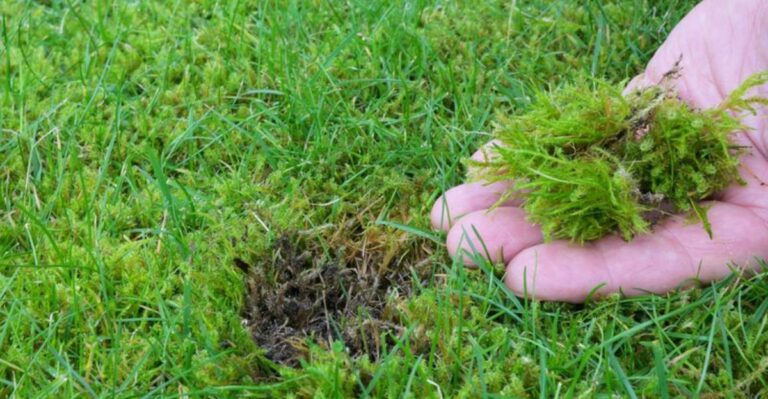
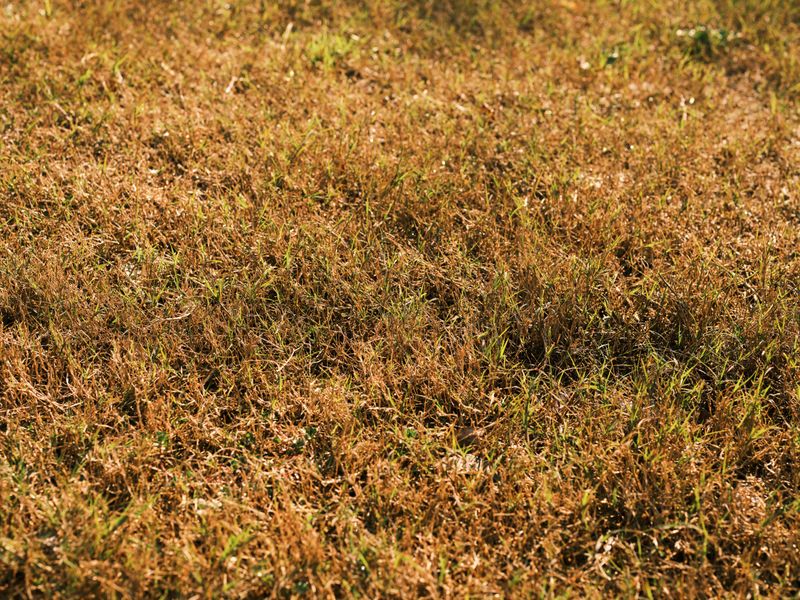
Lawn scalping happens when you cut the grass too short, removing most of the green leaf blade in a single pass. The exposed soil turns brown fast, and the grass loses its ability to make food through photosynthesis.
Most people scalp their lawns by accident. They skip a week of mowing, the grass grows tall, and then they try to make up for it by cutting it all the way down in one session.
Warm weather speeds up grass growth, making it easy to fall behind. When you finally mow, the temptation to cut short so you do not have to mow again soon is real and understandable.
Scalping also happens when mower blades are set too low from the start of the season. Many homeowners set it and forget it, never adjusting for changing growth rates or weather conditions.
Dull mower blades make the problem worse by tearing instead of cutting cleanly. Torn grass blades lose moisture faster and are more vulnerable to heat stress and disease.
Recognizing scalping early is the first step toward protecting your turf. Once you know what causes it, avoiding it becomes much easier with just a few simple habit changes.
How Cutting Grass Too Short Weakens The Root System
Roots do not grow in isolation. Every time you cut the grass blade shorter, you are also signaling the roots below to stop growing deeper into the soil.
Grass plants use their leaf blades to capture sunlight and turn it into energy. When those blades are cut too short, the plant redirects its energy upward to regrow leaves, not downward to strengthen roots.
Shallow roots cannot reach the moisture stored deeper in the soil. During late summer heat, shallow-rooted grass wilts fast and struggles to survive even brief dry spells.
A weak root system also means the grass cannot anchor itself well. Foot traffic, pets, and even heavy rain can thin out a lawn with shallow roots far more quickly than one with a deep foundation.
Turf science generally shows that grass kept at proper height tends to develop longer, more resilient roots. Longer roots mean better access to water, nutrients, and stability through seasonal changes.
The stress of being cut too short also makes grass more attractive to pests and fungal disease. Weakened turf simply cannot fight off threats the way healthy, well-rooted grass can.
Think of the root system as the foundation of a house. If the foundation is shallow, the whole structure becomes fragile, and it will not take much for things to start falling apart heading into a tough season.
Signs Your Lawn Is Thinning Before Fall
Bare patches are the most obvious warning sign, but thinning lawns often send earlier signals that most homeowners miss completely. Catching those signs early gives you time to act before the cold season locks in the damage.
Look for grass that appears pale or yellowish even after watering. That color shift usually means the plant is stressed and struggling to produce enough chlorophyll from its shortened blades.
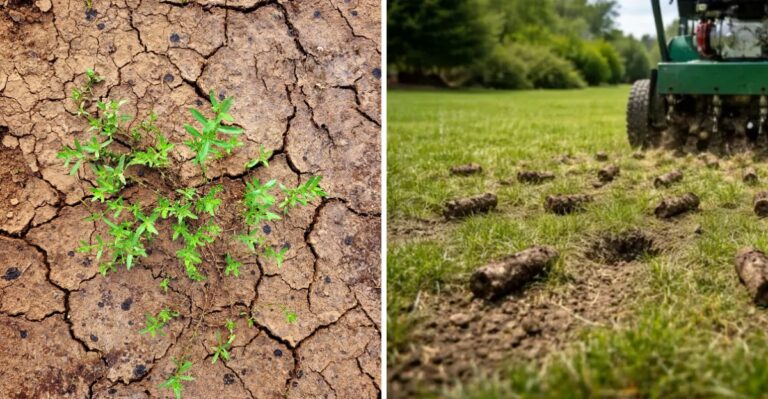
Another red flag is soil that feels hard and compacted underfoot. Compacted soil and thin grass go hand in hand because shallow roots cannot break through dense ground to find nutrients.
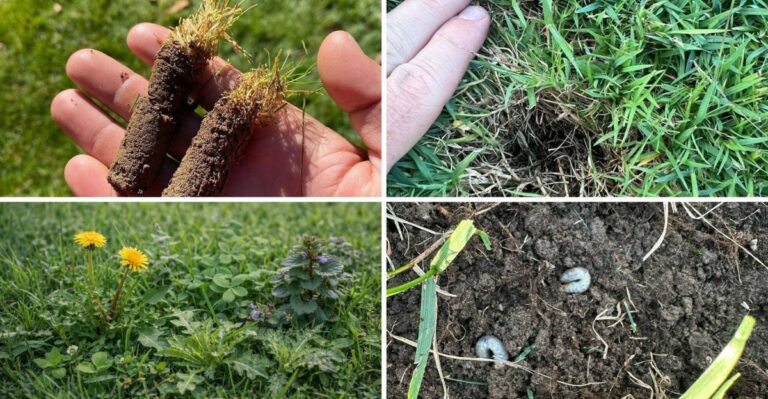
Weeds creeping into previously healthy areas are also a sign of thinning turf. Bare or sparse patches are open invitations for dandelions, crabgrass, and other opportunistic plants to move in fast.
If you run your hand across the lawn and feel more dirt than grass, that is a serious warning. Healthy turf should feel thick and cushioned, like a dense carpet underfoot.
Watch for areas that dry out much faster than the rest of the yard. Thin grass cannot hold moisture the way dense, healthy turf does, so dry spots often point to where thinning has already begun.
Catching these signs in late summer gives you the best window for recovery. A lawn that shows these symptoms now can still bounce back with the right care applied before the first frost settles in.
The One-Third Rule For Mowing The Right Way
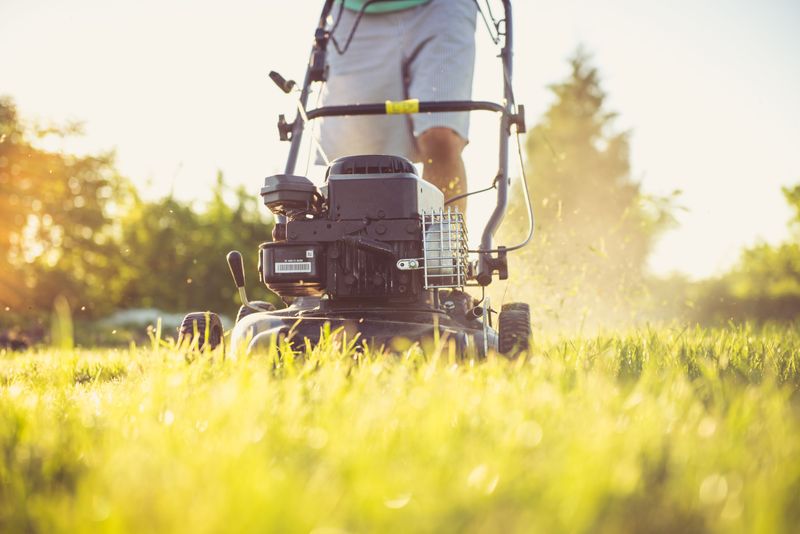
One simple rule can save your lawn from the most common mowing mistake that’s thinning lawns before autumn. Lawn care professionals call it the one-third rule, and it is one of the simplest fixes you can start using this weekend.
The rule says you should never remove more than one-third of the grass blade in a single mowing session. If your grass is three inches tall, you cut no more than one inch off the top.
Following this guideline keeps enough leaf surface intact for the grass to keep photosynthesizing. The plant stays nourished, the roots keep growing, and the turf stays thick through the season.
Breaking the rule even once can set your lawn back weeks in recovery time. The stress from a single deep cut is enough to trigger the shallow-root response that weakens turf heading into fall.
If you have fallen behind and the grass is very long, resist the urge to cut it all at once. Mow at a higher setting first, wait a few days, then mow again to bring it down gradually.
Consistent mowing schedules make the one-third rule easy to follow naturally. When you mow every five to seven days during peak growing season, the grass never gets long enough to tempt you into a deep cut.
Small habits create big results over time. Sticking to this rule all summer long means your lawn arrives at autumn in the strongest possible condition, ready to handle whatever winter brings.
Best Mowing Heights For Different Grass Types
Not all grass is created equal, and mowing height is not one-size-fits-all. Cutting your lawn to the wrong height for your specific grass type is a fast track to a thin, struggling yard before autumn arrives.
Bermuda grass thrives when kept between one and two inches tall. It is a warm-season grass that loves heat and handles short cuts better than most, but even Bermuda can struggle if cut too short.
Kentucky bluegrass, a cool-season favorite in northern states, does best at two and a half to three and a half inches. Cutting it shorter weakens its ability to handle summer heat stress before fall recovery begins.
Tall fescue is one of the most forgiving grass types, but it still needs to stay between three and four inches for best results. Its deep root system depends on enough leaf surface to fuel strong growth.
Zoysia grass falls in the middle, preferring a height between one and two and a half inches depending on the variety. It is slow-growing, so scalping it takes much longer to recover from than faster-growing types.
St. Augustine grass needs to stay between two and a half and four inches to maintain its thick, lush appearance. Cutting it too short exposes the stolons and invites both pest damage and moisture loss.
Matching your blade height to your turf type is one of the most effective steps you can take for a healthier lawn.
How To Help A Scalped Lawn Recover Before Winter
If your lawn has been scalped, recovery is still possible when you act before the cold weather shuts down grass growth for the season.
Recovery is absolutely possible when you act before the cold weather shuts down grass growth for the season.
Start by raising your mower blade immediately to the correct height for your grass type. Every mowing session from this point forward should follow the one-third rule without exception.
Water deeply but less frequently to encourage roots to grow downward. Shallow, frequent watering keeps roots near the surface, which is the opposite of what a recovering lawn needs right now.
Overseeding thin or bare areas in late summer gives new grass time to establish before frost arrives. Choose a seed variety that matches your existing turf for the most seamless, uniform recovery.
A light application of a balanced fertilizer can give recovering grass a helpful nutrient boost. Avoid high-nitrogen formulas in late summer because they push leafy growth at the expense of root development.
Limit foot traffic on stressed areas as much as possible during recovery. Thin turf cannot handle the same pressure as healthy grass, and too much activity can set back progress significantly.
Core aeration is another effective recovery tool, especially if your soil feels compacted. Pulling small plugs from the ground opens up space for roots to expand and for water to reach deeper soil layers.
Your lawn can absolutely come back strong before winter with consistent, focused care. The mowing mistake that’s thinning lawns before autumn is fixable, and starting today gives your grass the best shot at a full recovery.