Fall Bird Feeding Mistakes That Keep Birds Away
A black-capped chickadee can stash thousands of seeds in autumn and still remember where many of them went. That tiny brain actually grows new neurons each fall to handle the extra memory work, which still amazes me.
So when those clever birds skip your yard, the reason usually has little to do with luck or bad timing. Fall is when hungry flocks scout for dependable food, and they quickly cross unreliable stops off their mental maps.
I have to admit my own feeders sat empty for weeks one October, and I blamed the neighborhood hawk. You might be surprised how often the real problem hangs right outside the kitchen window, hiding in plain sight.
A few small habits can quietly push birds toward a neighbor’s yard, even when your intentions are wonderful. Which of these common slipups might be sending your feathered visitors somewhere else this busy season?
1. Grimy Bird Feeders Turn Into Germ Hotspots
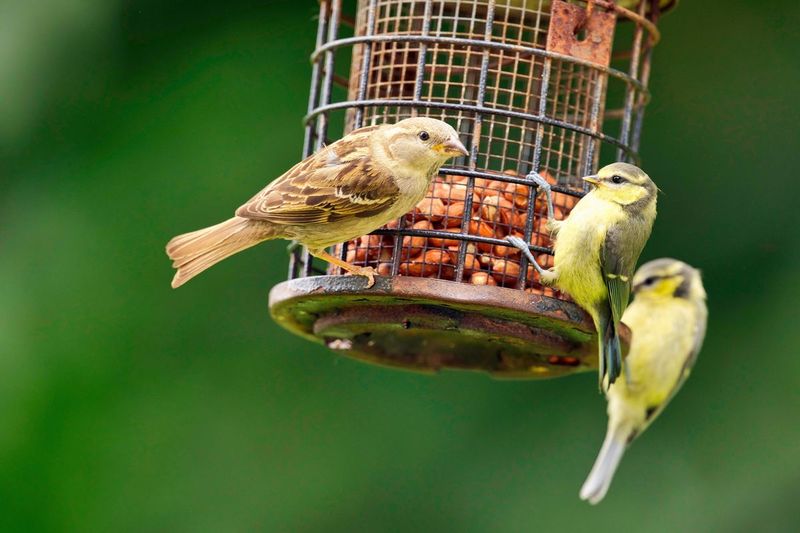
Salmonella bacteria can spread fast at a crowded feeder, especially when pine siskins and goldfinches gather shoulder to shoulder. I learned this the hard way after spotting a puffed-up, sleepy finch sitting on my tube feeder for hours.
Sick birds often look fluffed and sluggish, and they linger at feeders where they easily pass germs to others. Wildlife agencies link dirty feeders to diseases like salmonellosis and avian pox, which can spread quickly through flocks.
Fall rain makes things worse, because damp seed trapped in feeder ports can grow mold within just a few days. Birds are smart about this, and many will simply skip a feeder that smells sour or looks clumped.
You need to scrub feeders about once a week, and more often after wet weather or during busy stretches. A mix of one part bleach to nine parts water works well, followed by a thorough rinse with clean water.
Let every piece dry fully in the sun before refilling, since leftover moisture invites new mold right back inside. I keep a spare feeder on hand, so the birds still have a meal while the clean one dries.
Look down too, because piles of hulls and droppings under the feeder can hold germs and attract hungry rodents. A quick rake or sweep every few days keeps the ground tidy and much healthier for ground-feeding juncos.
If you notice sick birds, many state wildlife agencies suggest taking feeders down for a week or two. Spreading birds out gives illness less chance to travel, and your regulars usually return once the feeders reappear.
2. Moldy Birdseed Sends Hungry Finches Packing
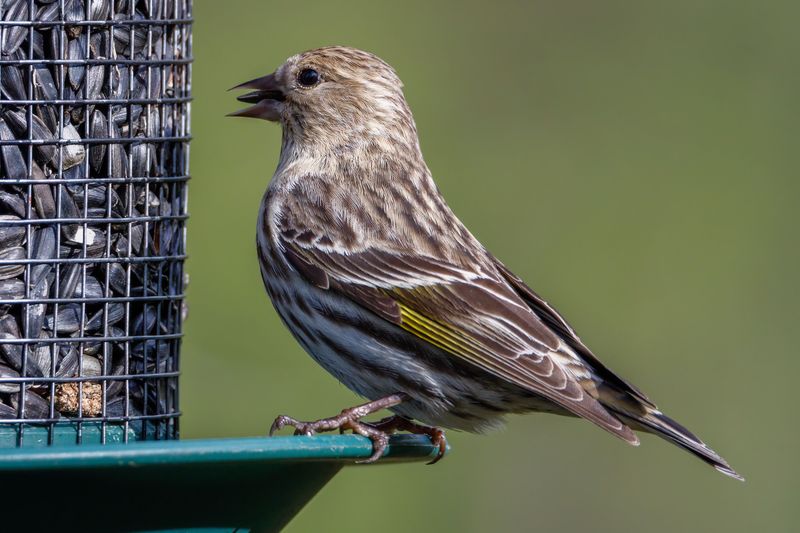
Sunflower seed can turn rancid surprisingly fast, because the same oils that make it so nutritious also spoil with heat. I once opened a forgotten bag in the garage and got hit with a musty smell that answered every question.
Birds notice that change long before we do, and many will pass up stale seed for fresher food nearby. Old seed also loses nutritional value over time, so it offers less energy right when birds need extra fuel.
Moisture causes the biggest trouble, since damp seed clumps together and quickly becomes a cozy home for mold growth. Moldy seed can make birds seriously sick, so tossing questionable food is much smarter than hoping for the best.
Give your seed a quick sniff and look before every refill, especially after a warm and humid stretch. Toss anything that smells sour, looks dusty or webbed, or shows signs of tiny moths and beetles crawling around.
Storage makes all the difference, and I love how a metal trash can with a tight lid solves several problems. It keeps out moisture and hungry mice, and it fits nicely in a cool corner of a shed or garage.
You might also try a first in, first out system, using older bags before opening anything new from the store. Buying smaller amounts more often helps too, especially if your yard only gets a handful of regular visitors right now.
Fill feeders partway during rainy fall weeks so birds empty them before the seed sits soaking for days. Fresh food in small portions often draws more visitors than a stuffed feeder full of soggy, forgotten seed.
3. Cheap Seed Mixes Packed With Red Milo
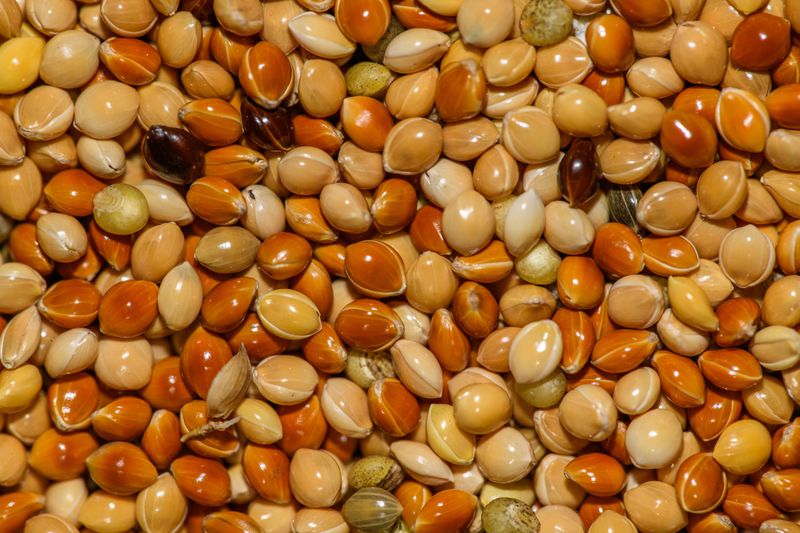
Ever notice birds flinging seeds onto the ground like picky toddlers tossing peas off a dinner plate? Those rejected bits are often red milo, a round reddish filler seed that most backyard songbirds simply refuse to eat.
Bargain mixes frequently pack in milo, cracked corn, wheat, and oats to stretch the bag and lower the price. Birds dig past these fillers to reach the good stuff, leaving a messy pile that attracts rodents underneath.
Fall is a critical eating season, since many birds are building fat reserves for migration or colder months ahead. They need high-energy foods packed with fat and calories, and cheap fillers rarely give them enough of either.
Black oil sunflower seed is my top pick, because its thin shell and rich oil appeal to so many species. Chickadees, cardinals, nuthatches, and titmice all happily visit a feeder stocked with this one dependable seed.
Nyjer seed works beautifully in a fine-mesh feeder, where goldfinches cling upside down and nibble away for ages. Safflower is another strong choice, and cardinals seem to adore it while many squirrels find the taste unappealing.
Shelled peanuts and suet cakes add extra fat that woodpeckers and wrens appreciate as nights grow cooler. Personally, I think paying a little more for quality seed saves money, since far less ends up wasted.
Read ingredient labels carefully, and choose blends where sunflower or safflower appears near the top of the list. If milo leads the list, you can bet much of that bag will end up scattered across your lawn.
4. Feeders Hung In The Wrong Spot Near Windows
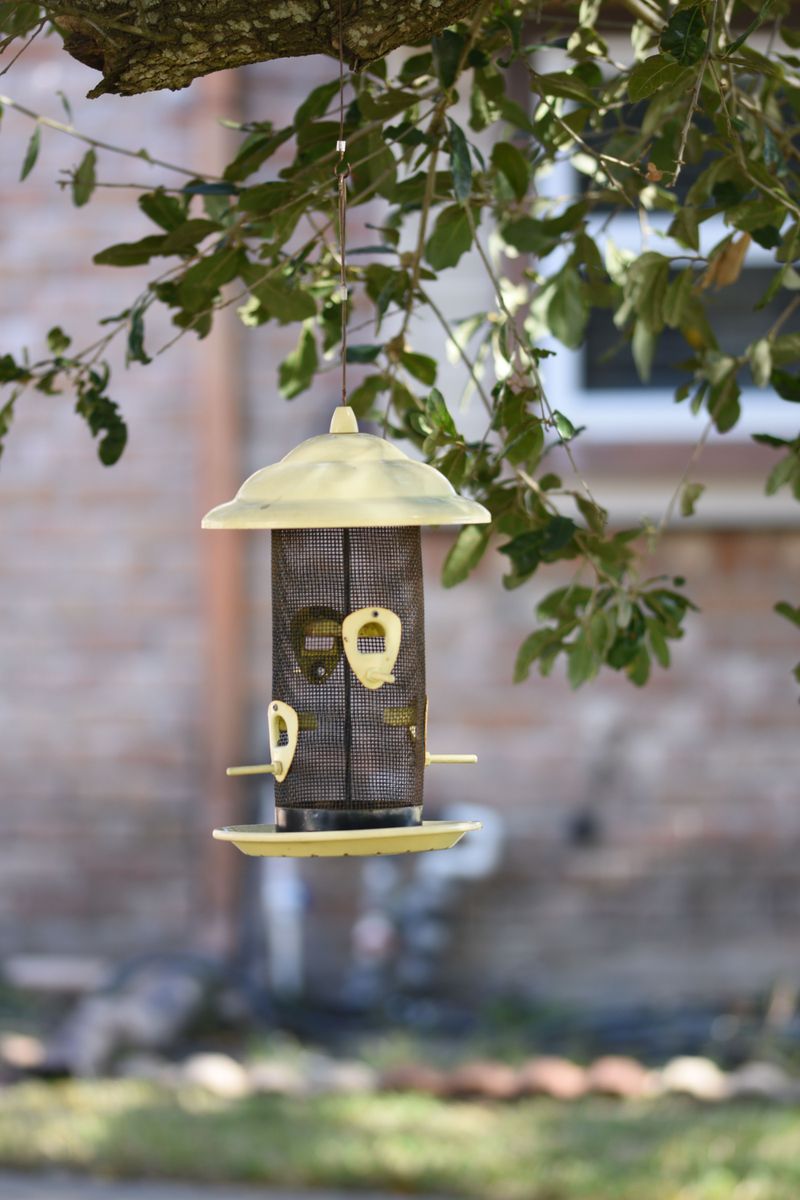
Researchers estimate that up to one billion birds collide with windows in the United States every single year. That number stunned me, and it made me rethink exactly where my favorite feeder hangs near the back porch.
Feeders placed within three feet of glass help, because birds leaving them cannot build up enough speed to get hurt. Feeders set more than thirty feet away also work, since birds can better recognize windows as solid barriers from there.
The awkward middle zone, roughly three to thirty feet from the glass, is where trouble happens, so measure your distance before hammering in that new pole. Decals or screens on large windows add another layer of protection, especially near busy feeding spots in fall.
Cover matters too, and birds feel nervous eating in the middle of a wide open lawn with nowhere to hide. Hawks often patrol open yards, so feeders with zero shelter nearby can feel like a risky place to linger.
Swing too far the other way, though, and dense shrubs right beside a feeder can hide a waiting cat. Aim for a spot roughly ten to twelve feet from thick bushes, giving birds a quick escape without ambush cover.
A height of about five to seven feet often keeps food out of easy reach for ground predators. It also lets you watch the action comfortably from a window, which I count as a wonderful bonus.
Spend a few minutes watching how birds approach your yard, and you might notice favorite flight paths and perches. Placing feeders along those natural routes often brings visitors faster than any fancy feeder upgrade ever could.
5. Greedy Squirrels Taking Over The Bird Feeder
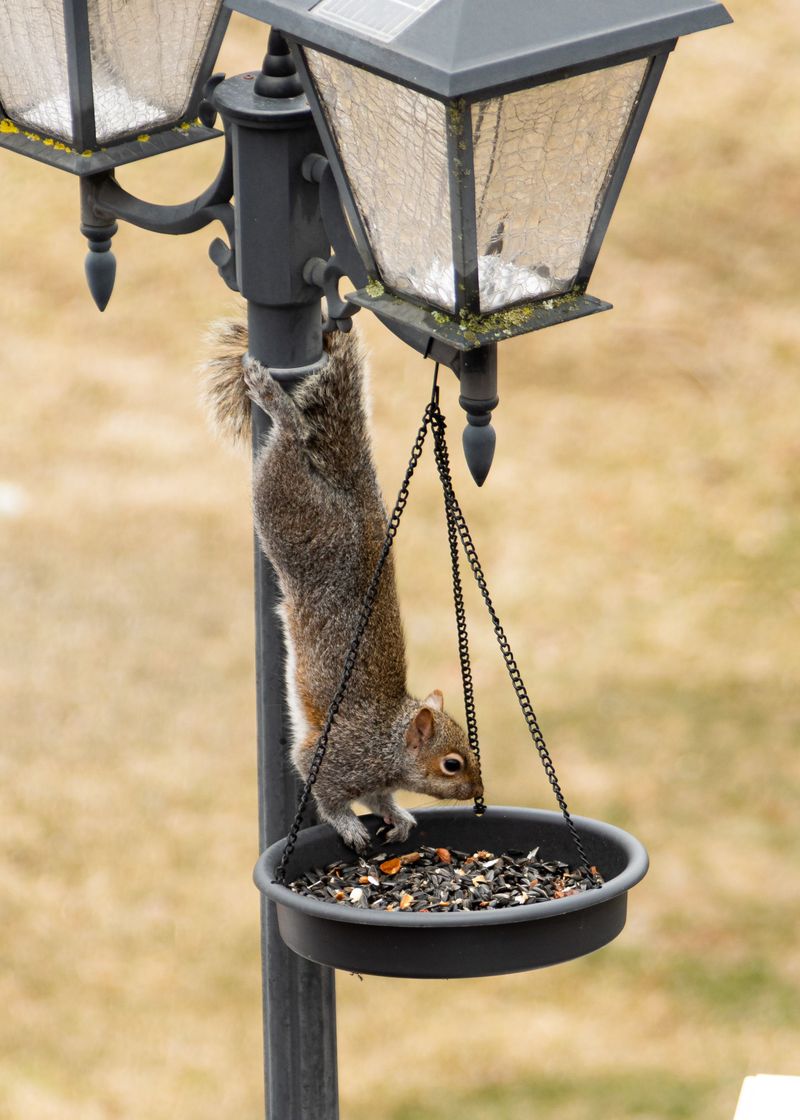
Gray squirrels can leap several feet sideways and dangle by their back toes, making them frustrating feeder guests. I once watched one empty a full tube feeder in an afternoon while chickadees waited nervously nearby.
Fall makes squirrels extra busy, since they spend these weeks gathering and burying food for the colder months ahead. Large critters at feeders can also intimidate smaller birds, who often wait or leave instead of competing for space.
Raccoons and rats join the party at night, especially when spilled seed piles up beneath feeders after dark. Bringing feeders inside overnight or cleaning up spills each evening can make your yard far less tempting for them.
A cone or cylinder baffle on the pole is one of the most effective tools I have ever tried. Mount the feeder at least five feet high and well away from branches, fences, or roofs squirrels might use.
Weight-activated feeders are clever, because a heavy squirrel causes the perches to close while small birds eat freely. They cost more upfront, yet many backyard birders find they pay for themselves in saved seed over time.
Switching to safflower can help too, since many squirrels dislike its bitter taste while cardinals happily munch away. Results vary by neighborhood, though, and some determined squirrels eventually learn to eat it anyway with enthusiasm.
Some folks set up a separate corn station far from bird feeders to keep squirrels distracted and content. Personally, I enjoy their antics more once they have their own snack bar and leave the birds alone.
6. An Empty Or Dry Birdbath In Autumn
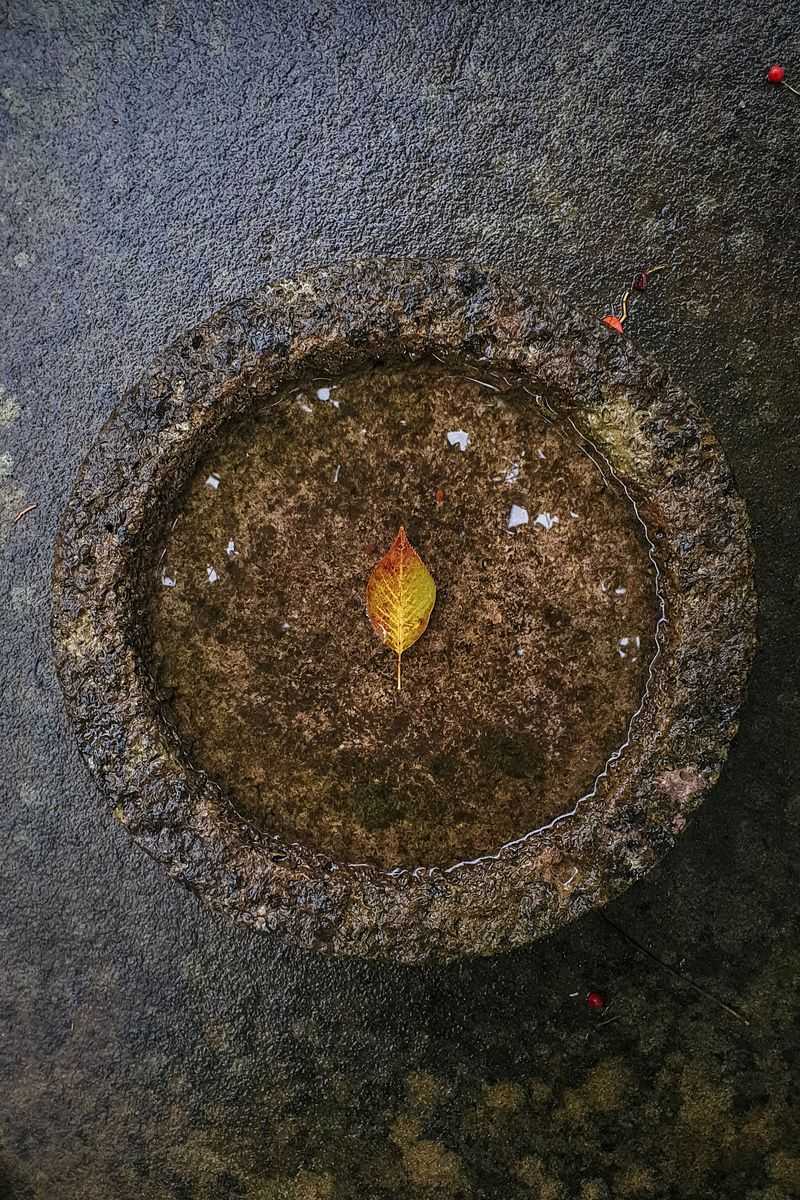
Birds splash in water even on chilly fall mornings, because clean feathers trap air and hold body heat much better. I love watching robins take noisy baths in October, flinging droplets everywhere like kids at a sprinkler.
Water can attract species that rarely visit seed feeders, including many warblers, robins, and bluebirds passing through. A bath often brings more variety to your yard than any single feeder, which surprises plenty of new birdwatchers.
Natural sources can shrink in autumn, especially during dry spells or when early cold snaps freeze small puddles. Your birdbath may become a reliable stop for travelers, so keeping it full matters more than many people realize.
Shallow water works best, with a depth of one to two inches and a rough surface for gripping toes. Dropping a flat stone in a deeper basin gives smaller birds a safe place to stand while they drink.
Fresh water is key, so dump and refill the bath daily and scrub it with a stiff brush regularly. Algae and droppings build up quickly, and stagnant water can spread germs just as easily as a grimy feeder.
Place the bath several feet away from feeders, since falling seed hulls and droppings quickly foul the water. Keep it near shrubs for quick escape, but not so close that a lurking cat can pounce unseen.
Gardeners in colder regions might consider a heated birdbath or a safe deicer before freezing nights arrive later. Planning now in October means birds will find open water waiting when ponds and creeks finally ice over.
7. Hummingbird Feeders Taken Down Too Early
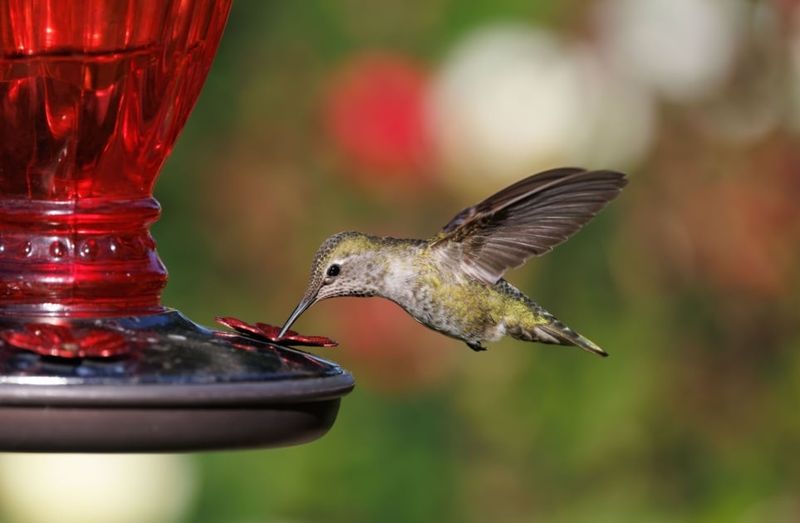
A ruby-throated hummingbird weighs about as much as a penny, yet many cross the Gulf of Mexico during migration. That tiny traveler needs every sip of nectar it can find, and fall flowers grow scarcer each passing week.
Plenty of folks take feeders down in September, worried that full feeders will tempt hummingbirds to stay too long. Experts agree that this old myth is not true, since daylight changes trigger migration rather than available food supply.
Late migrants and young birds often trail behind adults, and they rely on feeders as handy refueling stations. I keep mine up until two weeks after spotting my last visitor, which many birding groups recommend.
Gardeners in the Gulf Coast and parts of the West may see wintering hummingbirds, including rufous hummingbirds. Those regions sometimes host visitors well into winter, so a clean feeder can be a real lifesaver there.
Mix one part white sugar with four parts water, and skip red dye or honey in the recipe. Plain sugar water closely matches flower nectar, and the red parts on most feeders attract birds just fine.
Change nectar every few days, even in cooler fall weather, since cloudy liquid or black specks mean spoilage. Rinse feeders with hot water during each refill, and use a small brush to reach tight feeding ports.
Planting late-blooming natives like cardinal flower or certain salvias gives passing hummingbirds natural food beside your feeder. You might be surprised how many stragglers zip through your yard in October once you start paying attention.
8. Pesticide Sprays Near The Backyard Feeding Station
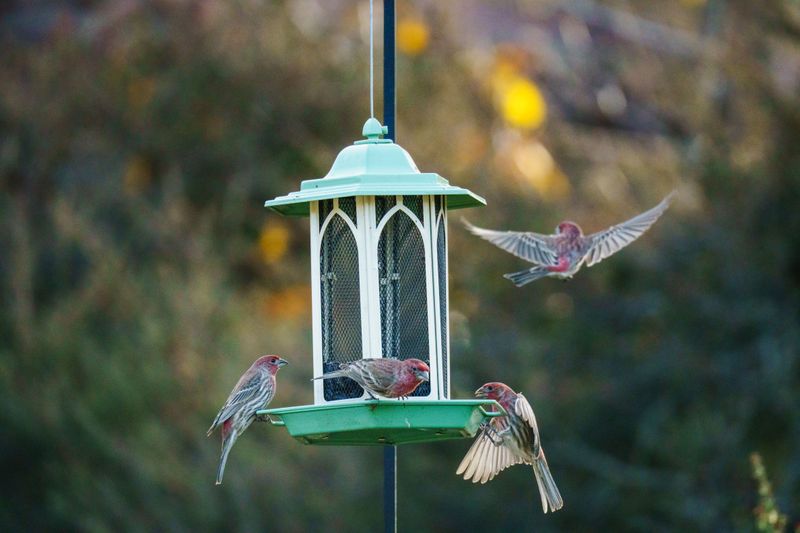
Most songbirds feed their nestlings mainly insects, and many adults still hunt bugs heavily during fall migration. Spraying pesticides near feeders can quietly shrink that insect buffet, leaving birds with fewer options as seasons change.
Birds face harm in several ways, from eating poisoned insects to pecking at treated seeds or contaminated plants. Research links pesticide exposure to weight loss and nerve problems, which can disrupt a bird’s ability to migrate.
Rodent baits pose a serious hazard too, because owls and hawks can be poisoned after catching affected mice. I stopped using rodent poison years ago, and focused instead on cleaning spilled seed to cut down on visitors.
Fall cleanup season tempts many gardeners to spray weeds and pests one last time before winter arrives. Before you reach for that bottle, consider whether the problem truly needs treatment or simply needs a little patience.
Hand-pulling weeds and encouraging natural predators often handle garden pests without needing any chemical sprays at all. Birds themselves are skilled pest controllers, and chickadees and wrens gobble up caterpillars and insect eggs.
Leaving some seed heads and leaf litter standing this fall gives birds extra places to forage naturally. Coneflowers and native grasses hold seeds that finches love, and fallen leaves shelter insects for hungry wrens.
If treatment becomes necessary, choose the least toxic option and apply it far from feeders and birdbaths. Read labels carefully, and follow every instruction so your backyard stays a welcoming spot for feathered friends.