What To Do The Night Before The First Frost
Frost can coat your lettuce even when the porch thermometer still reads a comfortable thirty-six degrees Fahrenheit. Cold air is heavy, so it sinks and pools near the ground while warmer air floats overhead like a lid.
Clear skies make things worse because the soil loses its stored daytime heat straight up into space. A light frost near thirty-two degrees nips tender leaves, while twenty-eight degrees can harm many hardier crops overnight.
I have to admit that my first frosty October morning left my basil looking like soggy black spinach. You might notice that a few simple chores the evening before can save weeks of extra harvest.
Most of those chores take less time than a favorite TV episode and cost almost nothing at all. So which tasks really matter when the forecast turns chilly and the sky looks suspiciously clear tonight?
1. Check The Forecast For A Clear Calm Night

Weather apps love to show a cheerful high temperature, but the overnight low is the number that matters most. I check it twice after dinner, because frost forecasts can shift quickly as evening clouds move away.
The National Weather Service issues frost advisories when lows are expected in the low to mid thirties. A freeze warning usually means temperatures may reach thirty-two degrees or colder, which is far more serious.
Clouds act like a fluffy blanket over your yard, holding warmth close to the ground through the night. When the sky turns crystal clear and the wind goes still, that stored heat escapes much faster.
You can also watch the dew point, which hints at how low temperatures might fall before sunrise. A low dew point on a calm evening often signals a colder night than many gardeners expect.
Personally, I keep a cheap thermometer at plant height, since official readings are taken about five feet up. Low spots and garden corners can run several degrees colder than the patio near your back door.
Make a quick list of your most tender plants while you still have daylight to work with outside. Basil and peppers usually top my list, since both start sulking at temperatures well above freezing.
Once you know the numbers, every other chore on this list becomes much easier to plan and finish. A few minutes with the forecast tonight can buy your garden several more weeks of gentle fall growth.
2. Pick Ripe And Green Tomatoes Before Dark
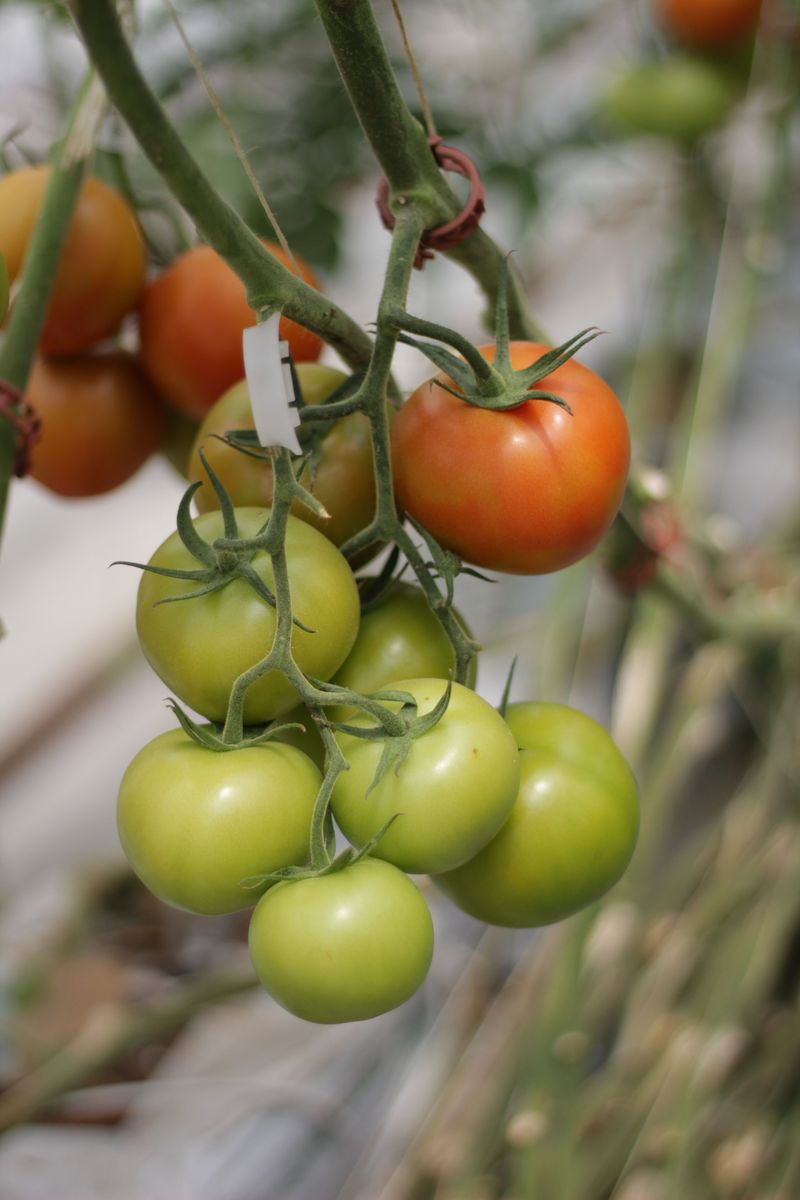
Green tomatoes have a hidden talent, because many of them will ripen on your kitchen counter after picking. I love finding a surprise red one tucked in a paper bag a week after the first frost.
Warm-season crops like tomatoes and peppers suffer damage at thirty-two degrees, and chilly nights near forty can hurt them. Pick anything close to ripe before sunset, along with full-sized green fruit that shows a pale or glossy shine.
Mature green tomatoes have a lighter color and a jelly-like inside when sliced, which signals they are mature enough to ripen indoors. Tiny, hard fruit rarely ripens well, so toss those into the compost pile or try fried green tomatoes.
Store the keepers at room temperature, ideally between sixty and seventy degrees, away from direct sunlight. Refrigerating unripe tomatoes slows ripening and often leaves the flesh mealy and bland when you finally eat it.
Basil deserves an evening rescue too, since its leaves turn black even when temperatures stay slightly above freezing. Snip whole stems and blend them into pesto, or tuck them in a glass of water on the counter.
Winter squash and pumpkins can handle a light frost on their vines, but a hard freeze harms them. Cut them with a few inches of stem attached, which helps them store longer through the colder months.
You might feel silly carrying bowls of half-green fruit inside, but your future salads will thank you. Few things beat slicing a homegrown tomato in November while the garden outside sits quietly under frost.
3. Water Garden Beds Deeply In The Afternoon
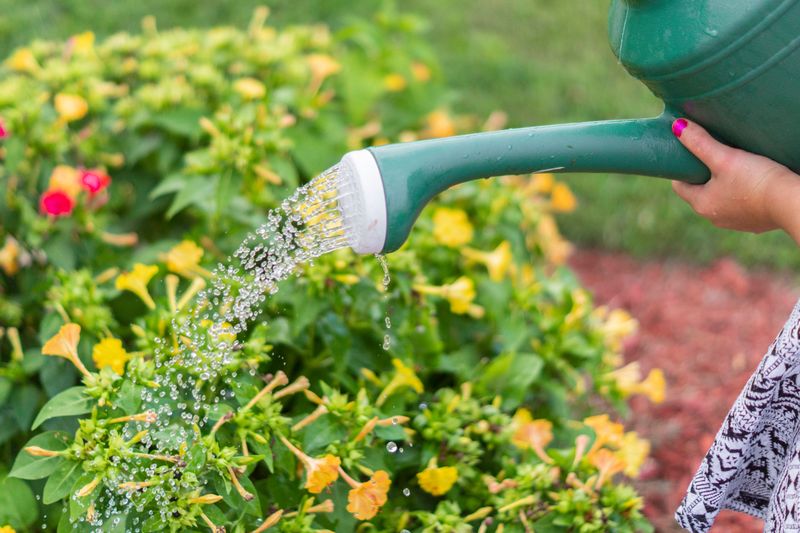
Soggy soil sounds like the last thing a chilly garden needs, yet moist ground actually holds heat better. Wet soil absorbs more warmth during sunny afternoons and slowly releases it after the sun goes down.
Many university extension guides note that damp soil keeps the air just above it slightly warmer overnight. That small boost can be enough to protect low-growing lettuce or strawberry blossoms on a borderline night.
I like to water in the late morning or early afternoon, giving the soil time to soak it up. Watering right before dark can leave puddles on leaves, and that surface moisture may freeze into icy patches.
Aim the hose at the base of plants instead of spraying over the top like summer rain. A soaker hose or watering wand helps you deliver water straight to the roots without wetting foliage.
Thirsty plants handle cold stress poorly, so a well-hydrated garden heads into the night in better shape. Drought-stressed shrubs and evergreens are especially prone to winter browning when they enter the cold season dry.
Containers dry out quickly in breezy fall weather, so give potted plants a deep drink as well. Water until it trickles from the drainage holes, then let the extra drain away before evening.
Personally, I find this the easiest frost chore, because it only needs a hose and a little patience. Your plants get a cozy heat bank underground, and you get to admire the sunset while you water.
4. Drape Frost Cloth Over Tender Plants
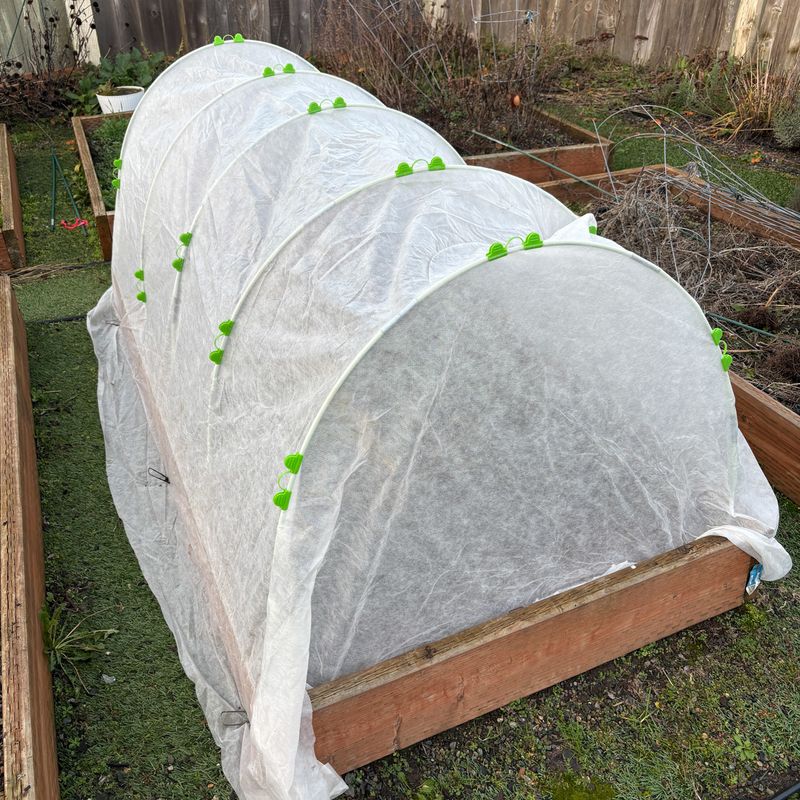
Frost cloth feels almost weightless in your hands, yet it can keep plants a few degrees warmer overnight. Most garden fabrics are rated for two to eight degrees of protection, depending on their thickness.
Old bedsheets and lightweight blankets work nicely in a pinch, so raid that linen closet before sunset. Burlap is another handy option for shrubs, though it breathes more and traps a bit less heat.
The real secret is letting the cover reach the ground, since warmth rises from the soil, not the sky. Pin the edges down with rocks or bricks so a sneaky breeze cannot lift them during the night.
Plastic sheeting can harm leaves wherever it touches them, because it passes the cold straight through. If plastic is all you have, drape it over stakes or a frame so it stays off the foliage.
Tomato cages and hoops make simple tents, keeping heavy fabric from crushing tender stems and flowers. I like using clothespins to clip the cloth to cages, which keeps everything snug and tidy.
Cover plants in the late afternoon or early evening, while the ground still holds some daytime warmth. Waiting until full dark means much of that stored heat has already drifted away into the clear sky.
Pull the covers off the next morning once temperatures climb above freezing and the frost melts away. Leaving them on too long can overheat plants on a sunny day, and nobody wants steamed peppers.
5. Move Potted Plants Into The Garage
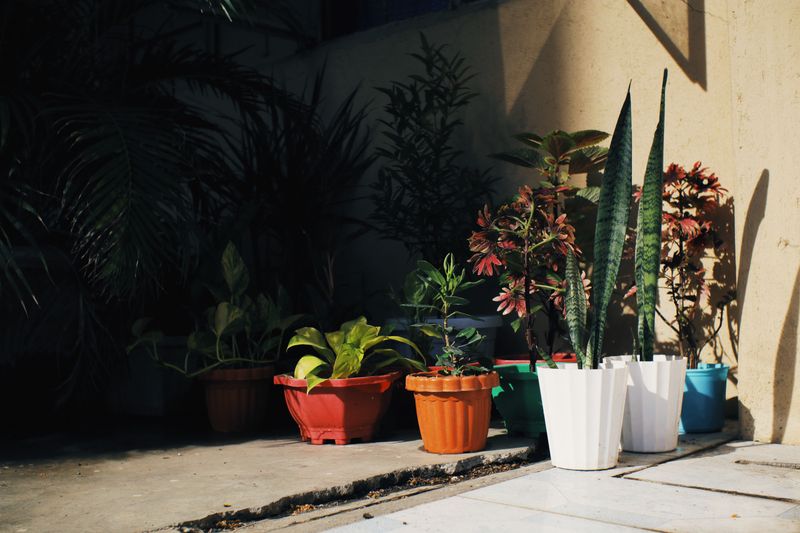
Potted plants are surprisingly vulnerable, because their roots sit in a small pot instead of deep, insulating soil. Cold air can reach those roots from every side, which makes containers chill faster than garden beds.
An unheated garage or shed often stays several degrees warmer than the open yard on a frosty night. I roll my heavier pots inside on a cheap plant dolly, which saves my back and my patience.
Tropical hibiscus and mandevilla often struggle when nights dip below fifty degrees, so move them early. Many gardeners bring these indoors for the whole winter and place them near a bright, sunny window.
Before any plant crosses your doorway, check the undersides of leaves for hitchhiking aphids and spider mites. A gentle spray from the hose a day or two earlier can rinse many of those pests away.
Pots too heavy to move can huddle together against a south-facing wall, which radiates stored daytime heat. Wrapping the outsides with burlap or bubble wrap adds extra insulation around those exposed and chilly root zones.
Clay pots can crack when wet soil freezes and expands, so empty unused ones and stack them indoors. Glazed ceramic containers are also prone to cracking, so they deserve a sheltered spot for the winter.
You might be surprised how cheerful a garage full of rescued plants looks on a cold morning. It feels a bit like a slumber party, and your plants get a cozy break from the frost.
6. Label Dahlia Tubers And Canna Rhizomes For Digging
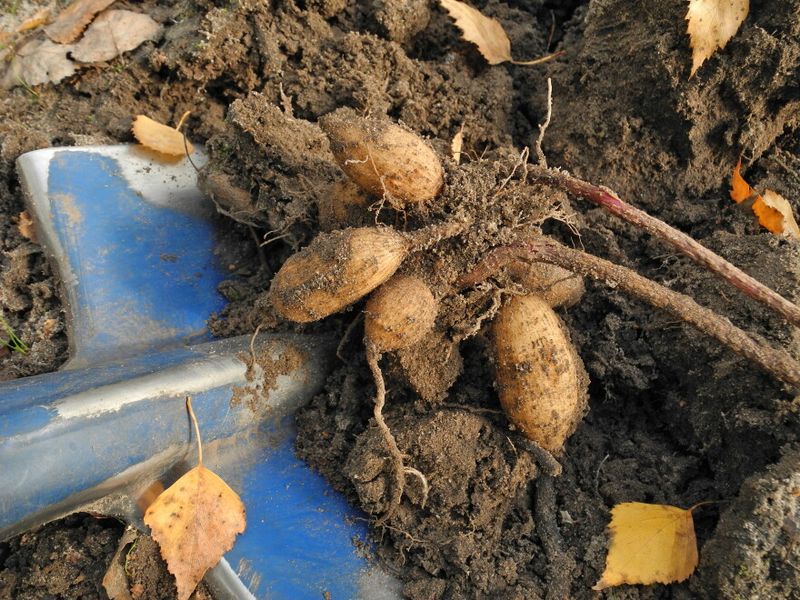
Dahlias hail from the mountains of Mexico and Central America, which explains why they sulk in freezing soil. Their chunky tubers look a bit like a bunch of knobby sweet potatoes once you lift them up.
Gladiolus corms and canna rhizomes share the same problem in cold regions, where winter soil freezes hard. Gardeners in USDA zones seven or colder usually dig them up, while warmer areas can often leave them.
The night before frost, mark each plant with a sturdy label so you remember colors and varieties. Once frost blackens the leaves, those labels become lifesavers, since every dahlia looks the same underground.
Many experts suggest waiting until a light frost darkens the foliage, because it signals the tubers to mature. Just finish digging before a hard freeze reaches deep into the soil and damages the tubers.
Loosen the soil about a foot from the stem with a digging fork, working slowly around the clump. Lift gently from underneath instead of yanking the stalk, which can snap the delicate necks of tubers.
Brush off loose soil and let the clumps dry for a few days in a shaded, airy spot. Store them in peat moss or wood shavings somewhere cool, ideally around forty to fifty degrees Fahrenheit.
I have to admit that opening my storage boxes each spring feels a little like unwrapping birthday gifts. Those plump tubers mean another summer of dinner-plate blooms, all from a single evening of planning ahead.
7. Drain And Store Garden Hoses
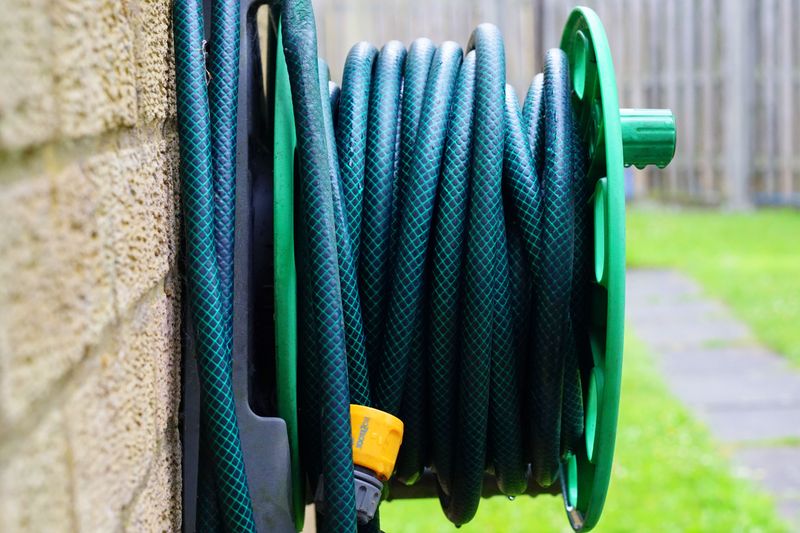
A forgotten garden hose can turn into a stiff, icy snake overnight, and frozen water can split it open. Water expands about nine percent when it freezes, which puts serious pressure on hoses and metal fittings.
Disconnect hoses from outdoor spigots the evening before frost, even if you plan to water again next week. A hose left attached can trap water inside the faucet, which may lead to a cracked pipe indoors.
Stretch each hose down a gentle slope so gravity pulls the water out from one end to the other. Coil it loosely afterward, then store it in a garage or shed where sunlight and ice cannot reach.
Frost-free spigots help a lot, but they only work properly when the hose is removed from the outlet. Insulated faucet covers are inexpensive foam domes that slip over outdoor taps and add an extra layer of protection.
Drip lines and soaker hoses need attention too, since their thin tubing cracks easily in freezing weather. Open the end caps and let the lines drain, or roll them up for indoor storage.
In-ground sprinkler systems often need a full blowout with compressed air, especially in regions with deep winter freezes. Many homeowners hire an irrigation pro for this job, since too much air pressure can damage the parts.
Personally, I treat this chore as my official goodbye to summer watering, and it feels oddly satisfying. Next spring, you will appreciate hoses that unroll without leaks instead of shopping for replacements in April.
8. Take Coleus And Geranium Cuttings Indoors
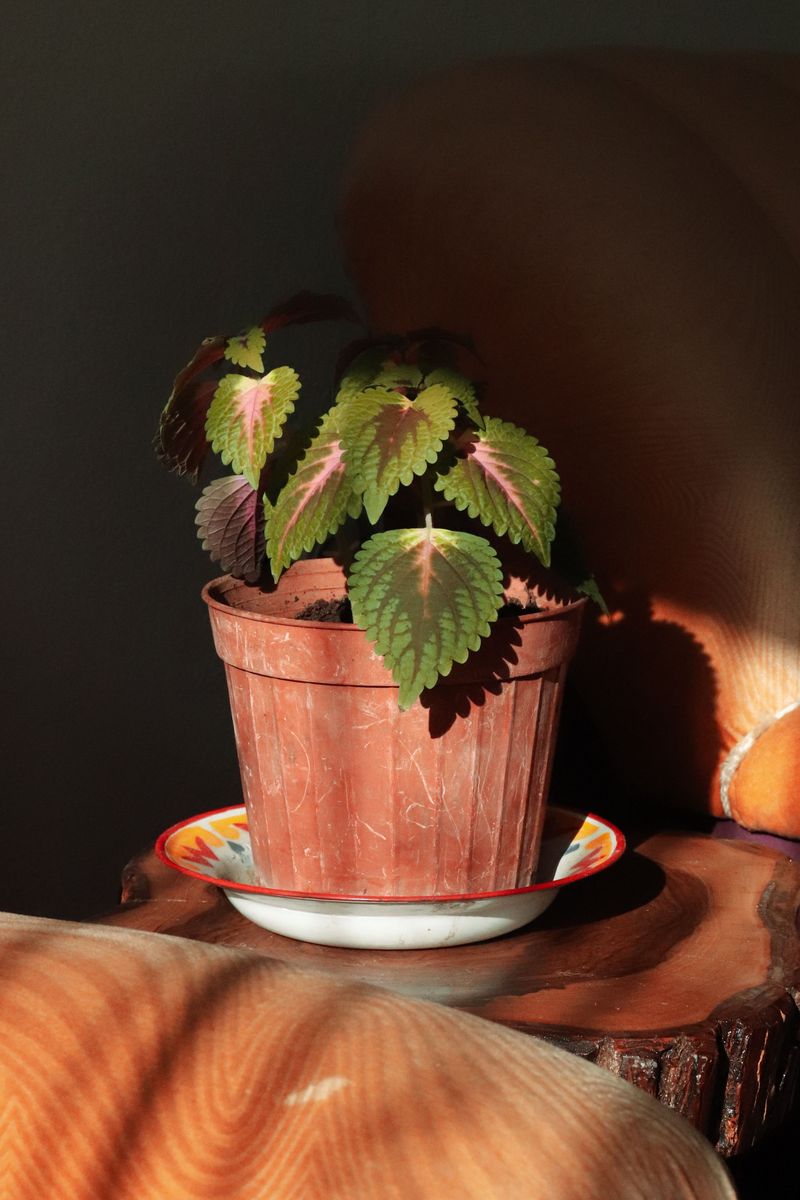
One healthy coleus can turn into a dozen new plants, and all it takes is a pair of scissors. Tender favorites like coleus and geraniums struggle outdoors in frost, but their cuttings root quickly indoors.
Snip four to six inch stem tips just below a leaf node, where new roots like to form. Remove the lower leaves so only a few remain at the top, which keeps the cutting from wilting.
Coleus roots happily in a simple glass of water, often showing tiny white roots within a week or two. Geraniums prefer a small pot of moist potting mix, since their stems can rot when left in water.
A dip in rooting hormone can speed things along, though many tender plants root fine without it. Place the cuttings in bright, indirect light, away from cold drafts and blasting heating vents.
I love watching a sunny windowsill fill up with little green jars while frost glitters on the lawn. It turns the winter months into a quiet nursery, and next spring you get free plants for containers.
Tomato plants still covered in green fruit can benefit from a different snip called topping. Cutting off the growing tips a few weeks before frost helps them send energy into ripening existing fruit.
Before you clip anything, check plant tags or patents, because some newer varieties are protected from propagation for sale. For your own windowsill, though, taking cuttings is one of the most rewarding ways to stretch the gardening season.