What Happens If An Ohio Nursery Sells You A Banned Plant
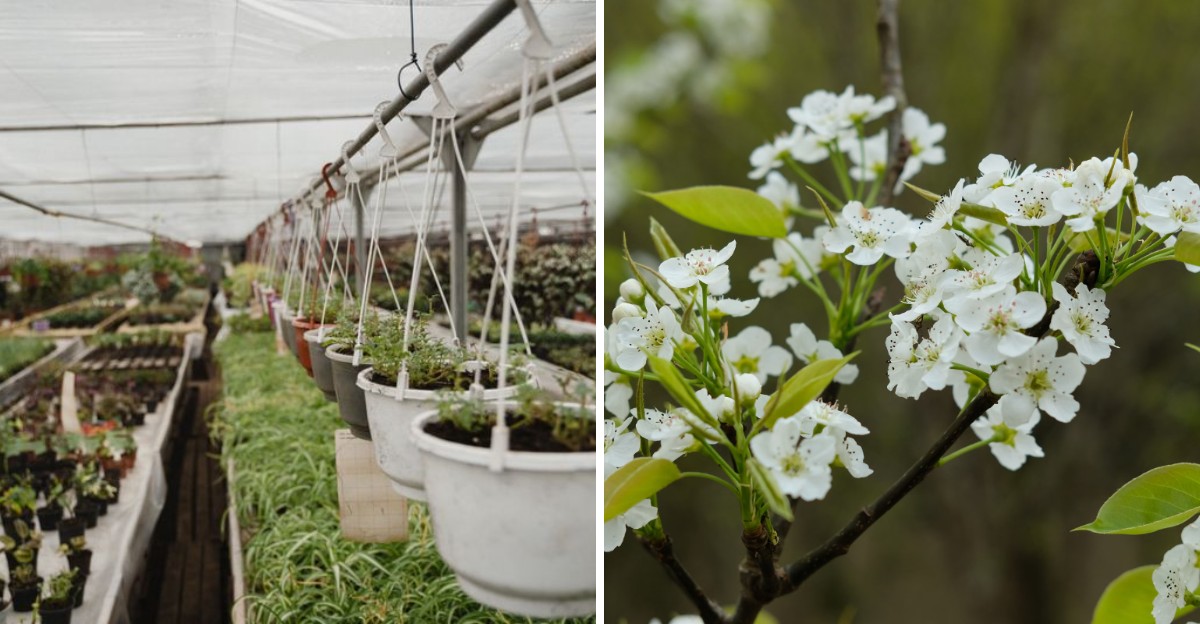
Ohio once let garden centers sell Callery pear trees by the thousands, and now those same trees are illegal to sell. A whole generation of spring blossoms went from neighborhood favorite to official outlaw.
That shift still surprises me. Some of the plants on today’s banned list were sold as tough, pretty, easy landscape picks for decades. Many homeowners still have them growing by the driveway.
So what if a nursery hands you one now? Are you in trouble, or is the seller? I believe most gardeners would rather know the rules than guess at them.
You’re in for a few surprises, because the law treats sellers and backyard growers very differently.
Some answers are reassuring, and some might send you out to the yard with a field guide in hand. Which group does your newest shrub belong to?
That Pretty Shrub On The Garden Center Shelf Might Be On A State List
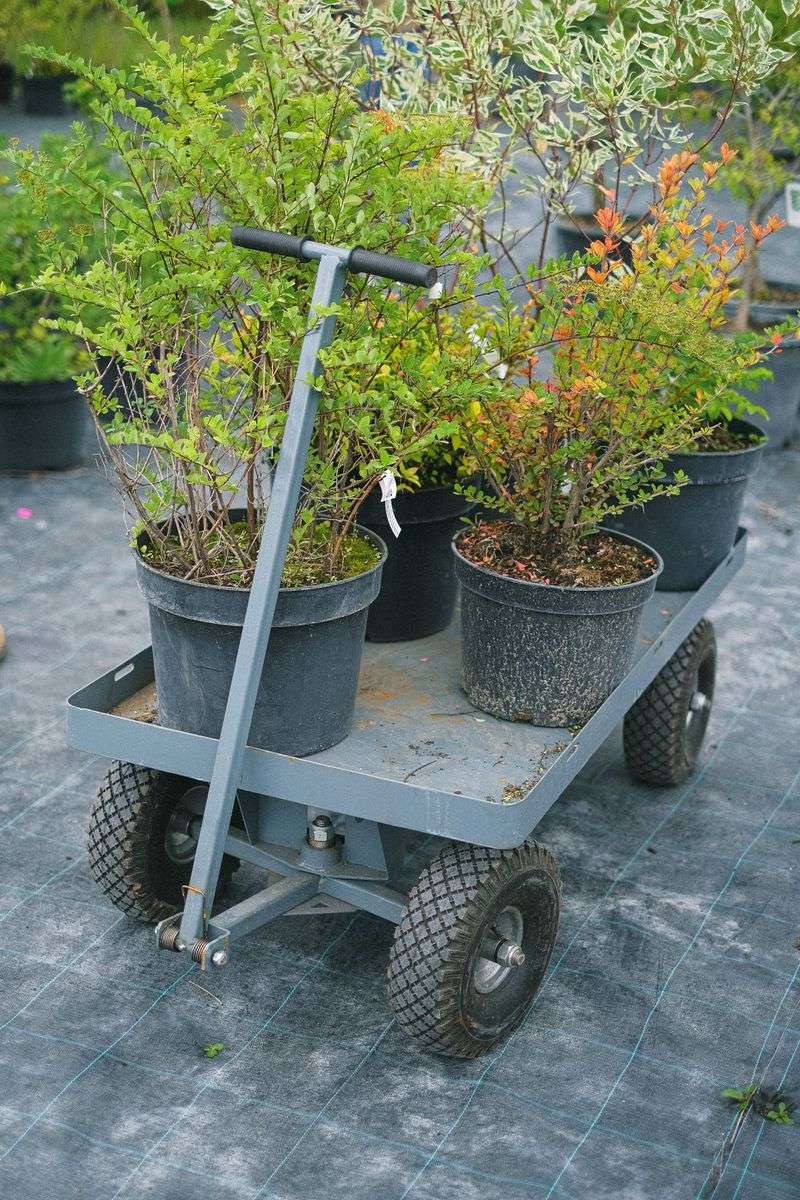
Blooms and glossy leaves can hide a legal secret. Ohio keeps an official invasive plant list, written into Ohio Administrative Code 901:5-30-01, and it is managed by the Ohio Department of Agriculture.
The list covers plants that are not native and spread aggressively enough to cause environmental or economic harm, or even risks to human health. It has grown to 60-plus species, including familiar names like Callery pear, common privet, autumn olive, purple loosestrife, and several bush honeysuckles.
Once a plant lands on that list, it cannot legally be sold, offered for sale, distributed, or intentionally propagated in the state. That covers big garden centers, small family nurseries, and even plant swaps run as a business.
Some species got a grace period before the ban kicked in. Callery pear and common privet, for example, were given delayed start dates, so sellers had time to clear out stock.
Those dates have now passed.
Here is the key point for you as a shopper. The rules target the sale and spread of these plants, not your purchase.
Nobody expects a home gardener to memorize a legal code before buying a shrub. Still, knowing the list exists helps you shop smarter and spot problems sooner.
State Inspectors Can Pull Those Plants Right Off The Nursery Bench
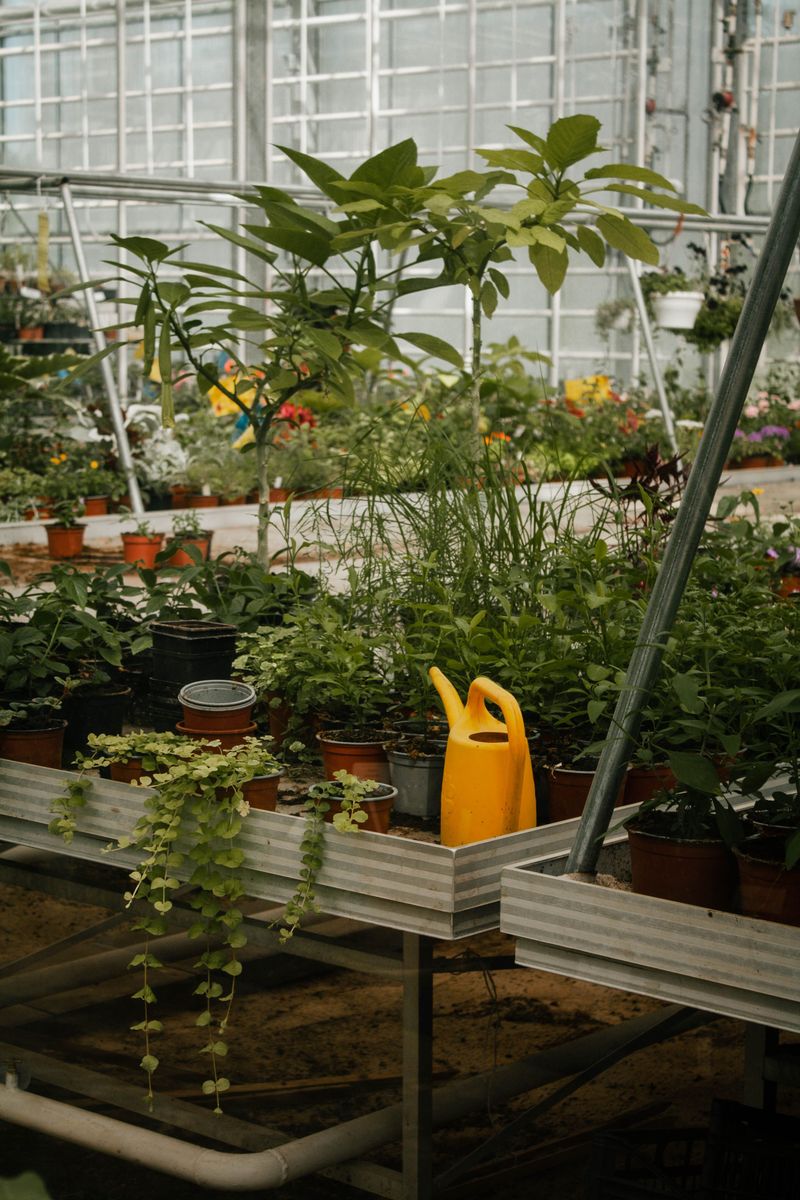
Nursery inspections in the state are not a rare event. The Ohio Department of Agriculture licenses nurseries and plant dealers, and its inspectors visit growers and retail spots to check plant health and compliance.
When an inspector finds a listed invasive plant for sale, the department can order it removed from sale or distribution. The director also has authority to seize those plants.
In plain terms, the shrubs can be pulled from the bench and kept out of shoppers’ carts.
Penalties for repeat or serious violations can include fines under Ohio law, and a nursery’s license standing can be affected. Most cases, though, start with an order to stop selling and handle the stock properly.
I find it reassuring that the burden sits with the seller. Licensed nurseries are expected to know which plants they can legally offer.
Your Ohio Garden Changes Every Week. Your Plan Should Too.
Gardening in Ohio changes quickly throughout the season. Every Friday you’ll receive a simple weekly plan showing exactly what to plant, prune, fertilize, harvest, and protect so you never miss the right timing.
Many garden centers take that job seriously and train staff to spot banned species.
Mistakes still happen. A mislabeled pot, a cultivar sold under a cute trade name, or old stock in a back corner can slip through.
If you notice a listed plant for sale, you can report it to the department’s Plant Health division. A quick tip helps everyone.
Already Planted That Callery Pear In Your Yard? Relax A Little
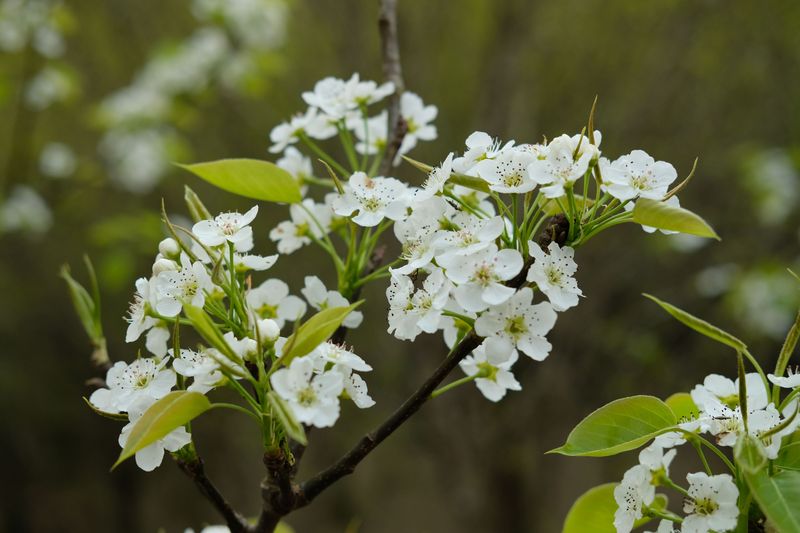
Plenty of Ohio homeowners have a Bradford pear in the front yard right now. If that describes you, breathe easy, because state law does not require you to remove a listed invasive plant you already own.
The invasive plant rule focuses on selling and distributing. Your existing tree or shrub is not a legal violation just by growing there.
You also will not get fined for buying something a nursery should not have sold.
You are allowed to control or remove the plant, as long as you do it in a way that does not spread it further. That means no giving away cuttings, no sharing seedlings with friends, and no dumping clippings in a nearby woodlot.
One catch deserves attention. The state has a separate list of prohibited noxious weeds, such as Canada thistle and poison hemlock.
Those follow different rules, and township trustees can require landowners to manage them after giving notice.
Local rules can add another layer. Some cities and homeowner associations have their own plant ordinances.
A quick call to your city office clears up any doubt. Personally, I would rather check once than wonder every spring.
Got A Receipt? A Refund Or Swap Might Be On The Table
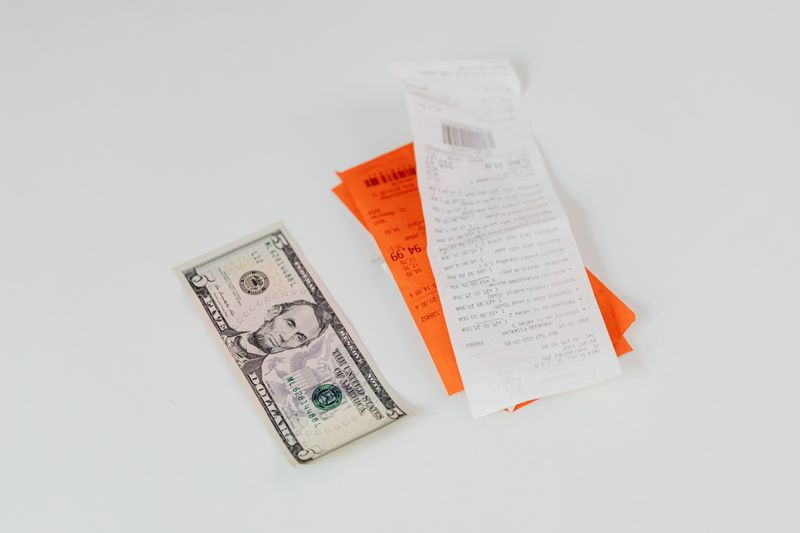
Money matters too. If a nursery sold you a plant that was illegal to sell, asking for a refund or exchange is a perfectly reasonable move.
No specific Ohio rule guarantees a refund to shoppers in this situation. However, most reputable garden centers want to fix the problem quickly.
Selling a banned plant puts their license and reputation at risk, so they usually prefer a calm, friendly resolution.
Bring your receipt, the plant tag, and a photo of the plant. Point out the species name on the tag and show where it appears on the state list.
Polite and specific works far better than angry and vague.
Ask whether they can swap it for a native plant with a similar look. A store clerk might suggest serviceberry instead of Callery pear, or a native ninebark in place of common privet.
That way you leave with something beautiful and legal.
If the seller refuses and you believe the sale broke the law, you can contact the Ohio Department of Agriculture. Small claims court is an option for bigger purchases, though few gardeners need to go that far.
Usually, a conversation solves it.
Why Ohio Woods Struggle When Bush Honeysuckle Moves In
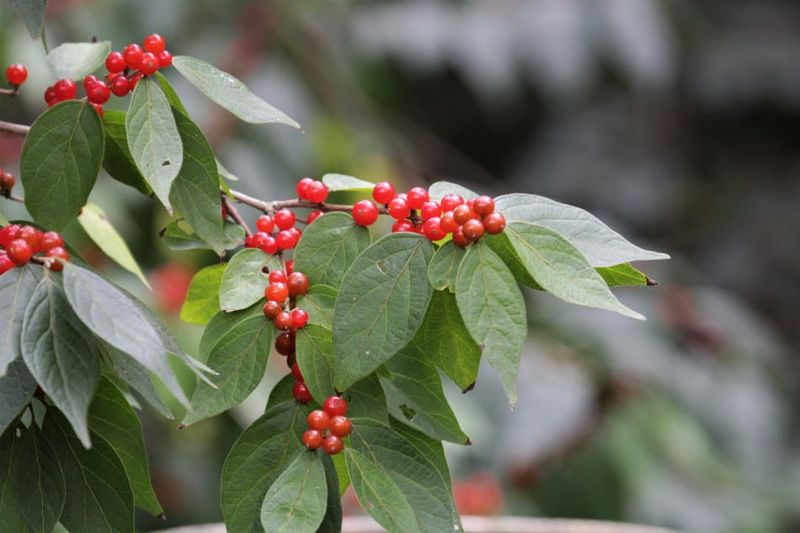
Walk any Ohio woodland edge in late fall and you might spot green shrubs long after the native trees go bare. Often, that is Amur honeysuckle, and its early leaf-out and late leaf-drop give it a head start over native plants.
Invasive plants crowd out native wildflowers, tree seedlings, and shrubs. Fewer native plants means fewer caterpillars, and fewer caterpillars means less food for nesting songbirds.
The whole food web feels the squeeze.
Japanese barberry has another strange side. Research in the Northeast linked dense barberry thickets to higher numbers of blacklegged ticks, which can carry Lyme disease.
The thick shrubs create humid shelter that ticks and mice seem to love.
Birds play a role in the spread. They eat berries from honeysuckle, autumn olive, and Callery pear, then drop seeds miles away.
A single landscape planting can seed a nearby forest without anyone noticing for years.
That is why the state cares about sales. Every pot sold is a potential seed source.
Pulling these plants from shelves is one of the cheapest ways to slow the spread before it reaches parks and nature preserves.
Check The Botanical Name On That Plant Tag Before You Buy
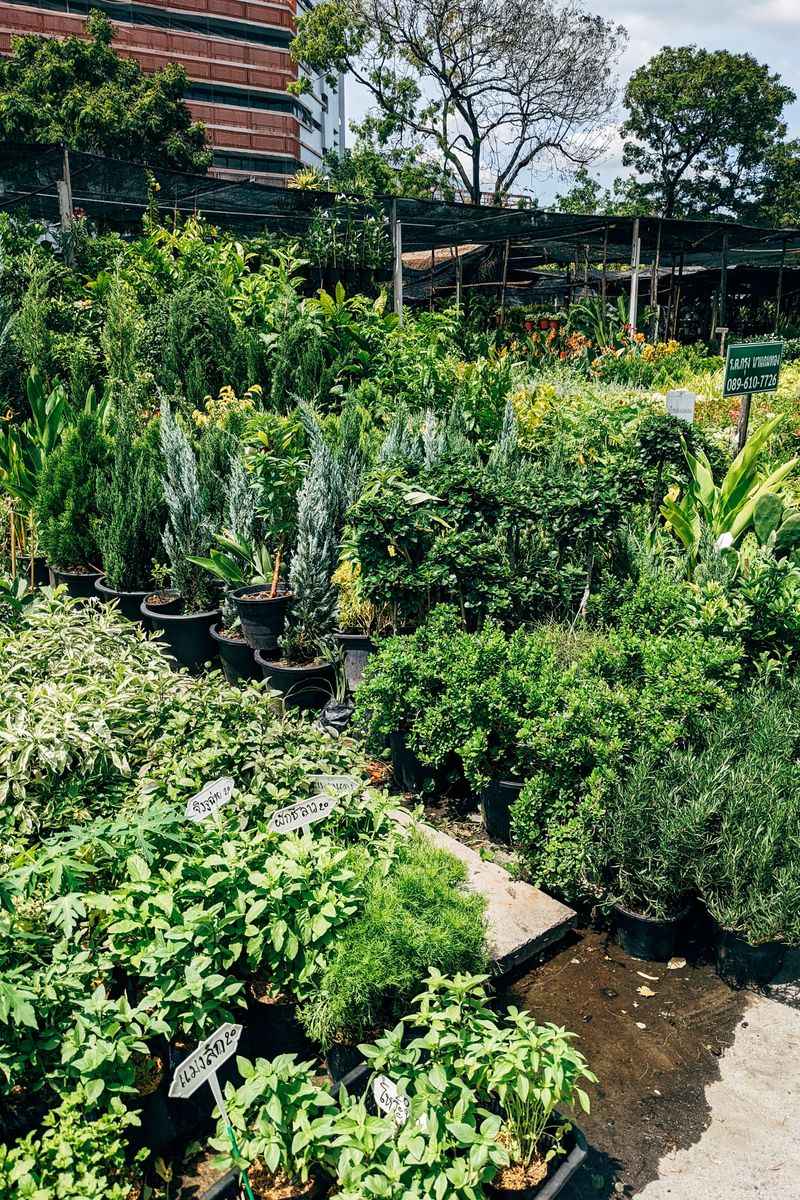
Plant tags tell you more than you might expect. Flip one over and you will usually find a botanical name in italics, such as Berberis thunbergii or Pyrus calleryana.
That Latin name is your best tool.
Common names can be slippery. A shrub might be sold under a catchy trade name that sounds nothing like the species on the state list.
Matching the botanical name avoids that confusion.
Before shopping, pull up the Ohio Department of Agriculture invasive plant list on your phone. The Ohio Invasive Plants Council also shares helpful lists and fact sheets with photos.
Saving a screenshot takes ten seconds and could save you a headache.
Be extra curious about plants marketed as fast-growing, spreads easily, or thrives anywhere. Those traits sound lovely in a sales pitch.
They also describe many invasive species pretty well.
Ask staff questions too. A good nursery worker will happily tell you where a plant comes from and how it behaves.
If they seem unsure, that is a sign to look it up yourself. I like treating shopping trips as a little detective game, and it makes the garden feel more personal.
Removing A Barberry Bush Without Spreading Its Berries
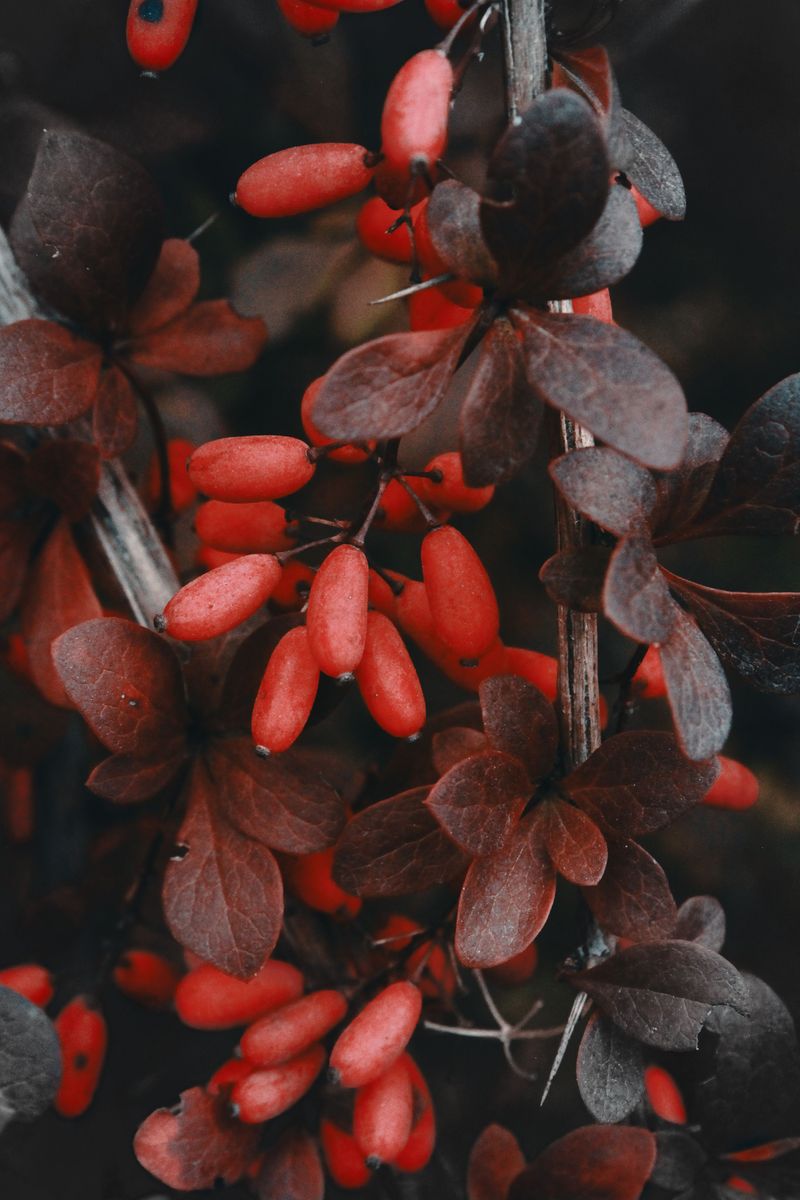
Thorny barberry fights back, so grab thick gloves first. If you decide to remove an invasive plant, a little planning keeps the job safe and stops new seedlings from popping up later.
Timing helps a lot. Removing shrubs before berries ripen, or bagging berries carefully if they are present, keeps birds from carrying seeds away.
Small plants can often be pulled or dug out with roots, especially when the soil is moist.
Larger trees and shrubs may need cutting plus follow-up treatment, because many resprout from stumps. Your local OSU Extension office can recommend methods that fit your plant and yard.
They can also help confirm the plant’s identity if you are unsure.
Disposal matters as much as removal. Bag seeds and berries for the trash rather than tossing them in a compost pile, which may not get hot enough.
Check local yard waste rules for the woody branches.
Some soil and water conservation districts run invasive trade-in programs. You remove a Callery pear or similar plant, and they help you get a native tree in return.
Butler County and others have offered versions of this. It feels great to turn a problem into a planting.
Native Serviceberry And Ninebark Make Gorgeous Replacements
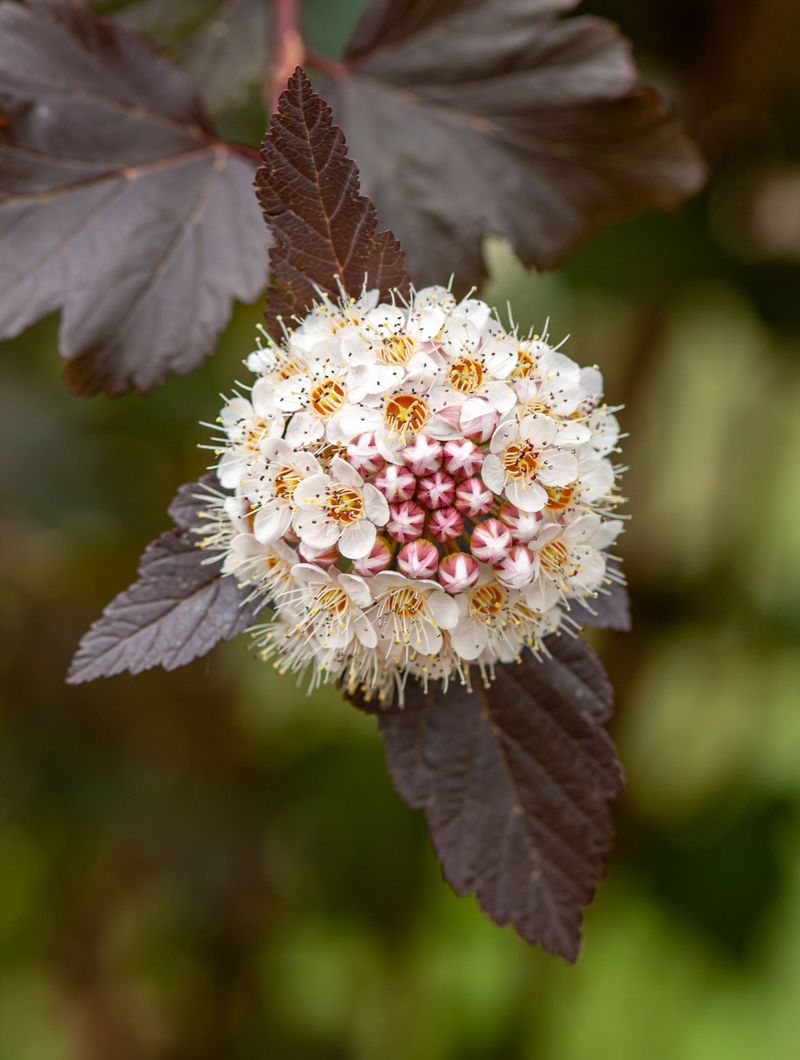
Spring blossoms do not have to come from a banned tree. Native serviceberry offers clouds of white flowers, sweet summer berries that birds adore, and bright fall color, all in a size that fits most yards.
Other native swaps are easy to love. Ninebark brings peeling bark and burgundy-leaved varieties that rival barberry’s color.
Spicebush, gray dogwood, and American hazelnut fill hedge spots nicely, while redbud lights up early spring with pink buds.
Native plants evolved with Ohio soil, rainfall, and winters across zones 5b through 7a. Once established, many need less watering and fertilizer than fussy imports.
They also feed native bees, butterflies, and the caterpillars that baby birds rely on.
Shopping tips make it simpler. Look for nurseries that specialize in natives, or visit spring plant sales hosted by Wild Ones chapters, conservation districts, and nature centers.
These events often have knowledgeable volunteers ready to help.
My takeaway is simple. A banned plant from a nursery is mostly the seller’s problem, not yours, yet you hold the power to choose what grows next.
Swap one shrub this year, and you might just notice more birds, more butterflies, and a yard that truly feels local.