The Native Ohio Shrub With A Witch In Its Name Blooms Right On Time For Halloween
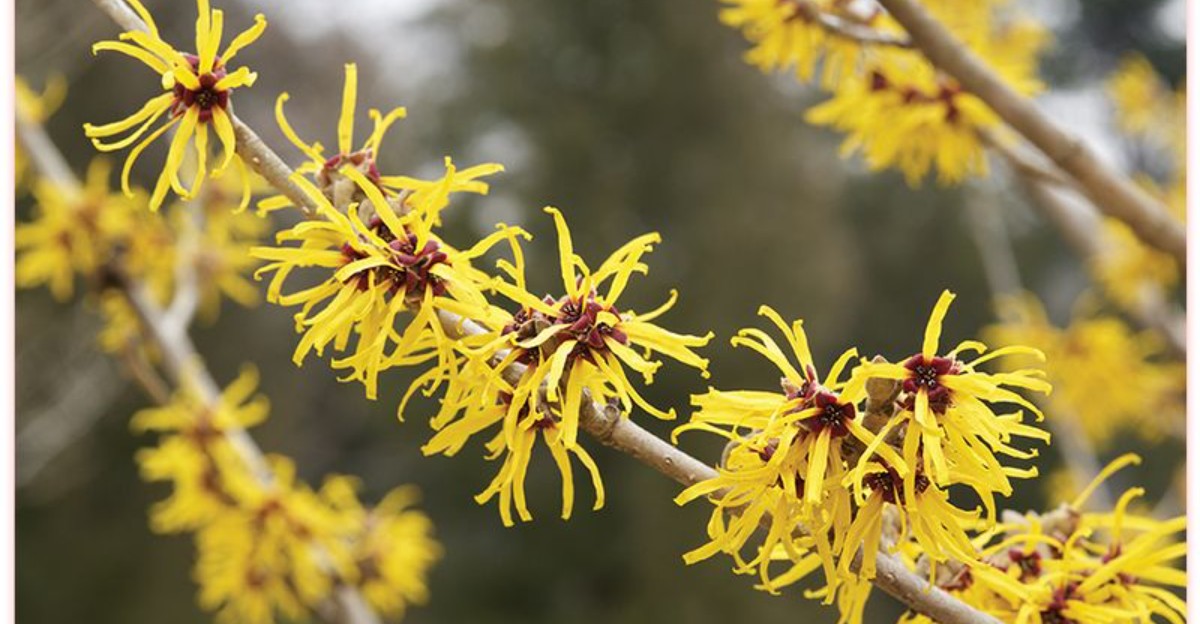
While every other shrub in your Ohio yard packs it in for the season, one holdout is just getting the party started, right on time for Halloween.
Trick-or-treaters will be wandering past in a few days, and this native has dressed for the occasion. Leaves drop, the air turns sharp, and ribbons of yellow petals unfurl like a costume built for a stage.
Passersby stop and stare. Pollinators that missed the memo about winter show up for a late snack.
The name sounds spooky, and the tales behind it get stranger the further back you look. Folklore, medicine, and an odd method for finding water all trace back to this one plant.
It handles shade, shrugs off deer, and adds color when the garden looks tired.
Time your nursery trip with the bloom and see it in person. A shrub this theatrical deserves a front-row seat.
1. American Witch Hazel Is Ohio’s Only Native Witch Hazel
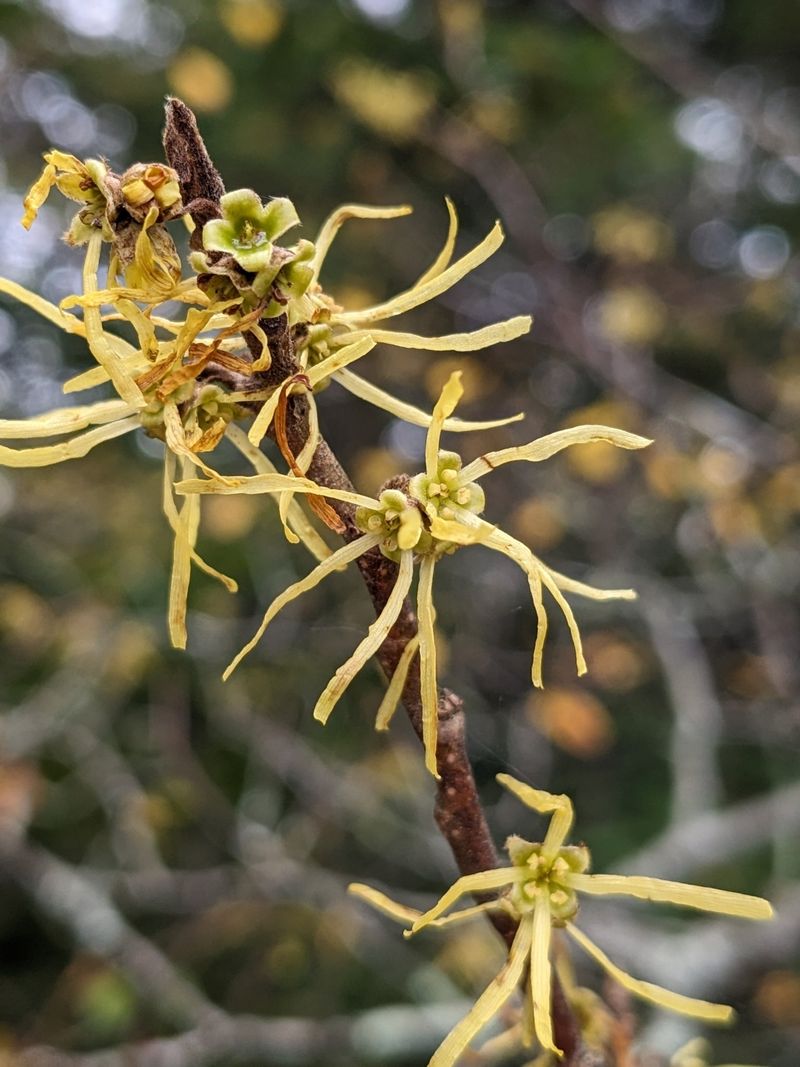
Out of every witch hazel on Earth, only one calls Ohio home by birth. Its name is American witch hazel, or Hamamelis virginiana if you want to sound fancy.
You can spot it across much of eastern North America. In Ohio, it likes woodland edges and the banks of creeks and streams.
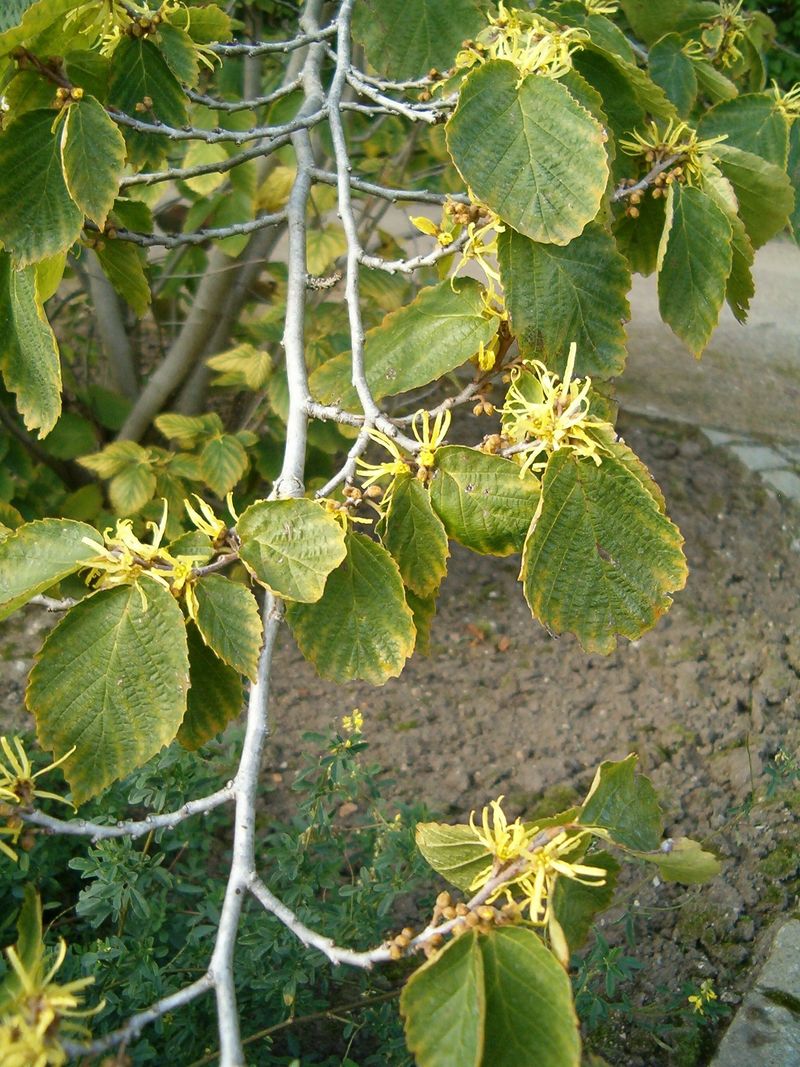
It grows as a large shrub or a small tree, often with several twisty trunks.
Garden centers sell other kinds too, like Chinese or Japanese witch hazels and mixes called hybrids. Those bloom in late winter, and they are lovely.
Still, they did not grow up here alongside Ohio bugs and birds.
Picking the native one gives local wildlife a plant it already knows. Late insects visit the flowers, and birds and small animals find shelter in the branches.
Want to grow one? Here are a few simple tips to start.
Give it part shade or sun, plus soil that stays a bit moist. Leave room, since it can reach 15 to 20 feet tall and wide over time.
Ask your nursery for Hamamelis virginiana by name. Labels can be tricky, and the scientific name keeps you from bringing home a look-alike.
A native plant sale or a local nature center is a great place to search, too.
2. Its Blooms Peak In Mid- To Late October
Picture a calendar page for late October. Pumpkins sit on porches, and costumes hang in closets.
Right then, American witch hazel opens its flowers. In Ohio, the bloom usually peaks from mid- to late October, often while its own leaves are turning yellow and falling.
Some years, the show stretches into early November. That makes it one of the very last native plants to flower in the state each year.
Why bloom so late? Fewer plants compete for attention, so the flowers stand out to the few insects still flying.
Small moths, gnats and some bees visit on mild afternoons for a late sip of nectar.
For you, this timing means a fun fall outing. Here is how to catch it.
Head to a park trail near a stream during the second half of October. Look low and middle height, under the taller trees.
Your Ohio Garden Changes Every Week. Your Plan Should Too.
Gardening in Ohio changes quickly throughout the season. Every Friday you’ll receive a simple weekly plan showing exactly what to plant, prune, fertilize, harvest, and protect so you never miss the right timing.
Watch for branches that seem dusted with gold.
Pick a sunny, calm day for your walk. The flowers open wider when it is warmer, and the light makes them glow.
Planting one near a window lets you enjoy it from your couch. Few things brighten a gray fall week like blooms that show up just when everything else is fading away.
3. The Spidery Yellow Flowers Fit The Season
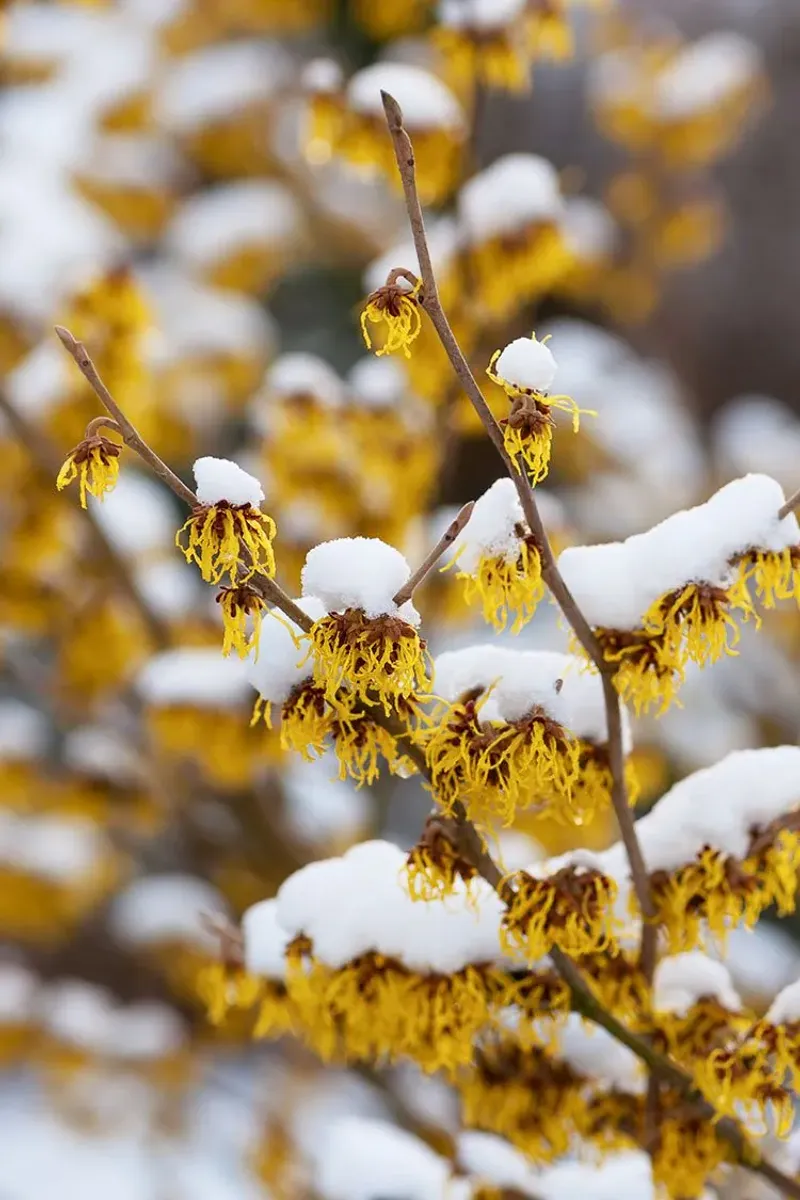
Leggy, crinkled and a little creepy, these blooms could pass for tiny spiders. Honestly, they make a perfect Halloween decoration that grows on its own.
Each flower has four thin petals shaped like curly ribbons. Most are bright lemon yellow, though some garden selections show reddish or orange tones.
Up close, they look fragile, like party streamers left out in the rain. Yet they are surprisingly tough.
On frosty nights, the petals roll up tight to protect themselves. When the sun warms things again, they slowly unroll and stretch back out.
It is like the flowers are pulling up a blanket and then kicking it off.
Lean in and take a sniff, too. Many people notice a light, sweet, spicy scent on mild days.
Want to enjoy these odd little blooms more? Try a few ideas.
Bring a magnifying glass on your walk to see the petal crinkles and the small cup at the base of each flower. Snap photos on a cold morning and again in the afternoon to compare curled and open petals.
Kids especially love the spider look. Pointing them out on a trail can turn a regular walk into a mini nature hunt for creepy, crawly-looking flowers.
4. Nobody Knows For Sure Where The Witch Name Came From
Sorry to spoil the fun, but broomsticks probably have nothing to do with it. The witch in witch hazel likely does not mean a cackling character in a pointy hat.
So where did it come from? The truth is, nobody can say for certain, and several ideas float around.
One popular idea points to Old English. Words like wych or wice meant to bend or pliable.
Witch hazel branches are bendy, so the name may simply describe how flexible the wood feels.
Fun fact: an English tree called the wych elm likely got its name the same way. Its branches are also known for bending without snapping.
The hazel part has a simpler story. Early settlers thought the leaves looked a lot like the hazelnut shrubs they knew back in Europe.
Another theory ties the name to an old practice of searching for water with forked sticks. That story gets its own section next, because it is a good one.
Word history is like a detective puzzle. Clues pile up, but sometimes the full answer stays hidden.
Next time a friend asks about the spooky name, you can share both ideas. Bonus points if you tell it with a flashlight under your chin.
5. Water Witching Is One Likely Source

Long before drilling machines, people needed a way to find water for wells. Some turned to a forked stick and a lot of patience.
The practice is called water witching, dowsing or divining. A person held a Y-shaped branch by its two arms and walked slowly over the land.
The belief was simple. When the walker passed over hidden water, the tip of the stick would dip down toward the ground.
Plenty of trees supplied sticks, but witch hazel was a favorite. Its branches bend easily without cracking, which made them handy for the job.
Because people who dowsed were sometimes called water witches, the shrub may have picked up the witch name from them. It fits neatly, even if no one can prove it.
Does dowsing work? Scientists have tested it and found no good proof that it does.
Still, it remains a fun piece of farm and family history.
Here is a neat way to explore it. Ask older relatives if anyone in your family ever dowsed for a well.
You might uncover a great story.
Just please skip cutting branches from wild plants in parks. Admiring the shrub, and telling its tale, works just fine.
6. Flowers, Fruit And Next Year’s Buds Share The Same Branch
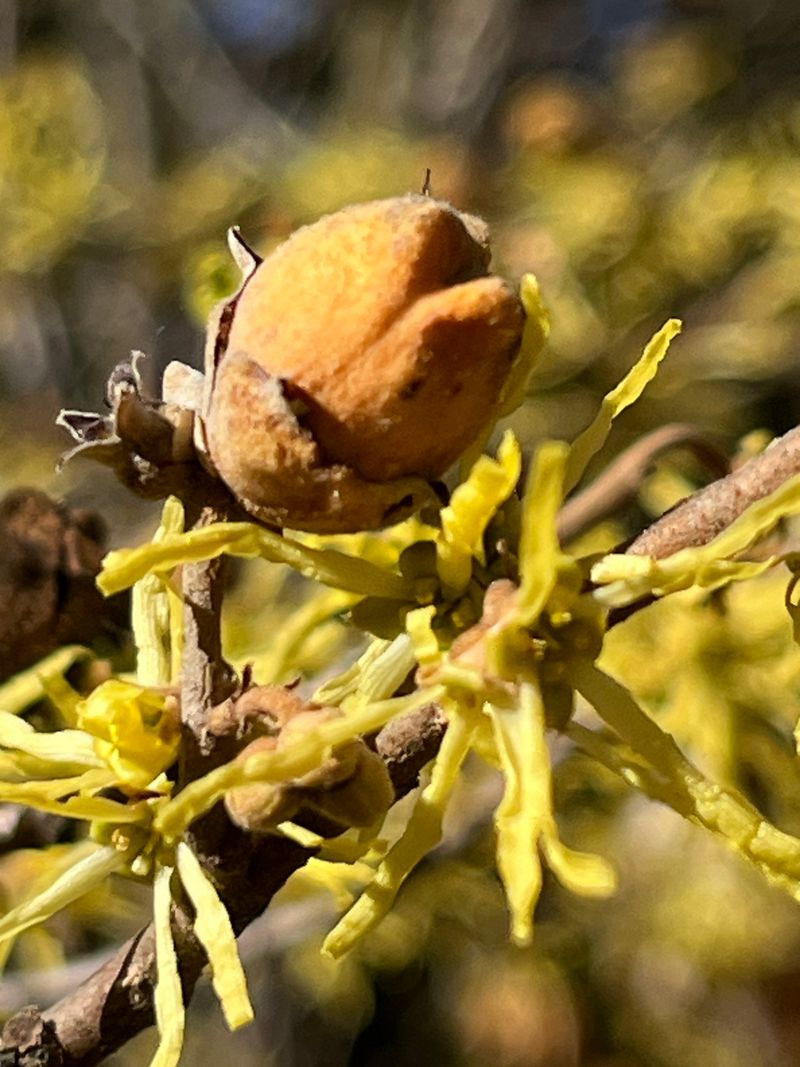
Imagine a family photo with a grandparent, a parent and a baby all in one frame. American witch hazel pulls off something similar on a single twig.
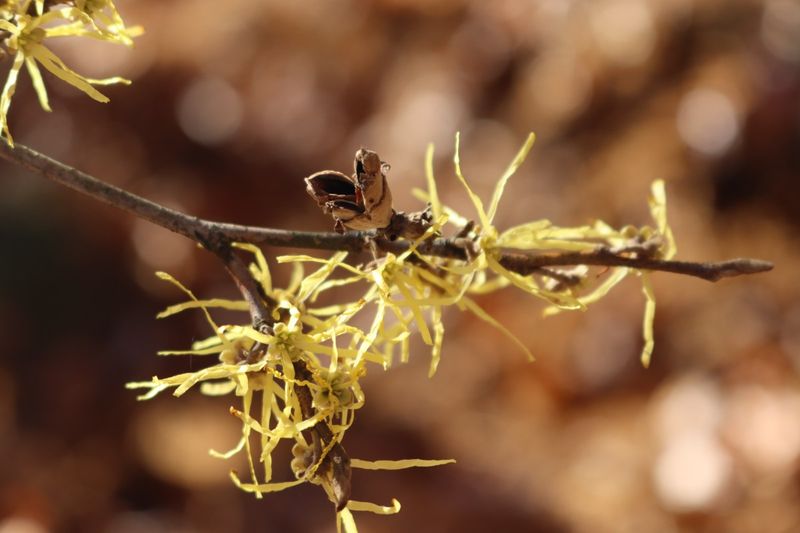
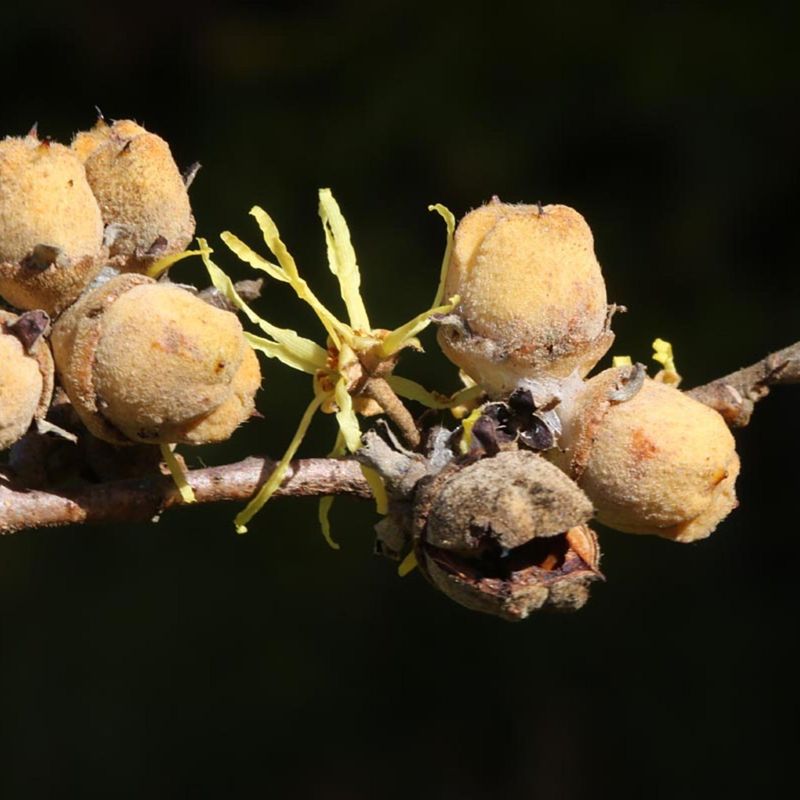
In fall, one branch can hold fresh yellow flowers, ripe fruit from last year and tiny buds waiting for next spring. Three seasons of life, all hanging out together.
Botanists noticed this long ago. The scientific name Hamamelis comes from Greek words meaning at the same time and fruit.
Here is how it works. Flowers that get pollinated this fall slowly grow into seed capsules.
Those capsules take about a year to ripen.
So by the time new flowers open next October, the older capsules are ready to release seeds. Meanwhile, the leaf buds for next year already sit quietly on the stem.
Spotting all three makes a great nature challenge. Try this on your next walk.
Find a blooming branch and look closely. The flowers are easy.
Next, search for small brown, woody pods, often in pairs. Then hunt for little fuzzy, pointed buds near the tips.
Sketch what you see in a notebook. Drawing slows you down, and you will notice details like the tiny hairs on the buds and the split tips on older pods.
7. Its Seed Pods Pop Open With An Audible Snap
Snap! Crack!
If you hear little pops in a quiet fall woods, a witch hazel might be nearby.
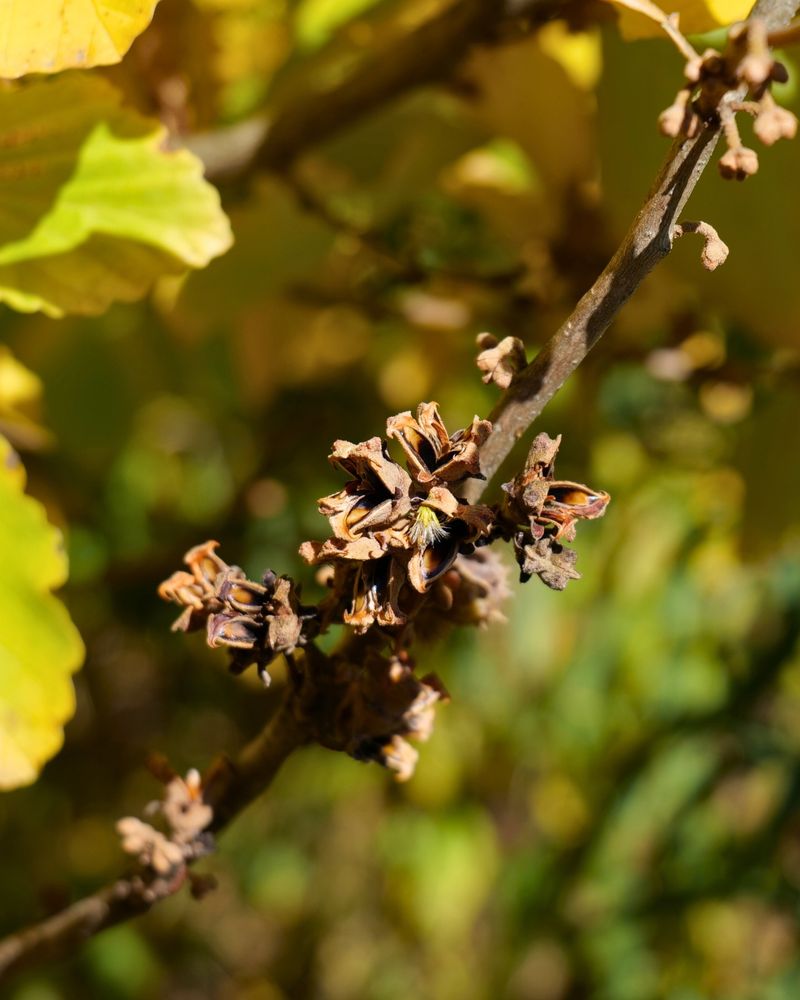
Its seed pods are small, hard and woody, a bit like tiny acorn-colored boxes. Each one usually holds two shiny black seeds.
As the pods ripen and dry out, the walls shrink and squeeze tighter and tighter. Eventually, the pressure becomes too much.
The pod splits open with a cracking sound and shoots its seeds out with force. Scientists call this ballistic seed dispersal, which is a fancy way of saying the plant launches its babies like tiny cannonballs.
This habit earned the shrub another nickname: snapping hazelnut. It is a name that makes total sense once you hear it in action.
Why go to all this trouble? Seeds that land farther away have more space, light and water to grow, instead of crowding under the parent plant.
Want to listen for it? Here are some tips.
Visit on a dry, sunny fall day, when pods are most likely to pop. Stand still near a shrub for a few minutes and stay quiet.
Bring a friend and make it a game. Whoever hears the first snap picks the snack for the hike home.
8. Seeds Can Fly As Far As 30 Feet
Thirty feet. That is about the length of a school bus, and it is how far a tiny witch hazel seed can travel in one leap.
When a ripe pod bursts, it fires its small, shiny black seeds with impressive power. Some sources even report flights of up to 40 feet.
The speed is wild too. Researchers have measured seeds zooming at around 30 feet per second.
For something smaller than a grain of rice, that is quite a launch. The plant does it all without muscles, just by drying out and squeezing.
This gives young plants a better shot at success. Landing far away means less competition for sunlight and food in the soil.
Of course, animals help a bit too. Some birds and small critters eat the seeds, and a few get carried even farther.
Curious how this compares to other plants? Touch-me-nots, also called jewelweed, also fling their seeds when their pods are touched.
Violets toss theirs as well.
Here is a fun science idea for a classroom or home. Measure out 30 feet in a hallway or yard with a tape measure.
Then picture a seed flying the whole way. It makes the number feel real, and pretty amazing.
9. Bring A Branch Indoors And The Pods May Fire Across The Room
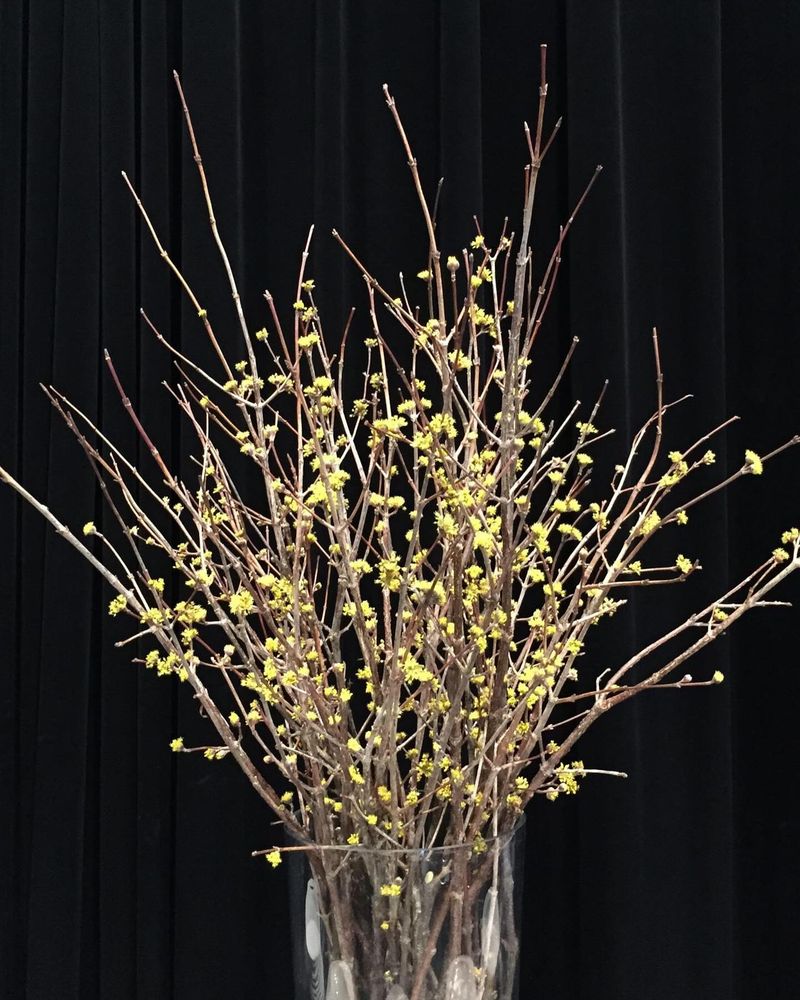
A family once set a pretty witch hazel branch in a vase for Halloween. Later that night, little tick sounds started bouncing off the walls.
No ghost was involved. The warm, dry air indoors had dried out the seed pods, and they began firing seeds across the room.
This happens fairly often when a branch with mature, closed pods comes inside. Heat speeds up the drying, so the pods may pop within days.
Do not worry about safety. The seeds are hard, but they are very light, so they are not expected to break glass or hurt anyone.
They might give you a jump, though. Pets may also love chasing them across the floor.
Want to try it on purpose? Follow these tips.
Use a branch from your own shrub or one you have permission to cut. Pick one with brown, closed pods.
Place it in a quiet spot, like a kitchen table or a bookshelf. Lay a light-colored cloth or paper underneath so you can find the seeds.
Keep a tally of each pop for a week. It turns a simple fall decoration into a surprise science show, with a spooky soundtrack fit for the season.