What It Means When Fire Ants Build Mounds After Texas Rains
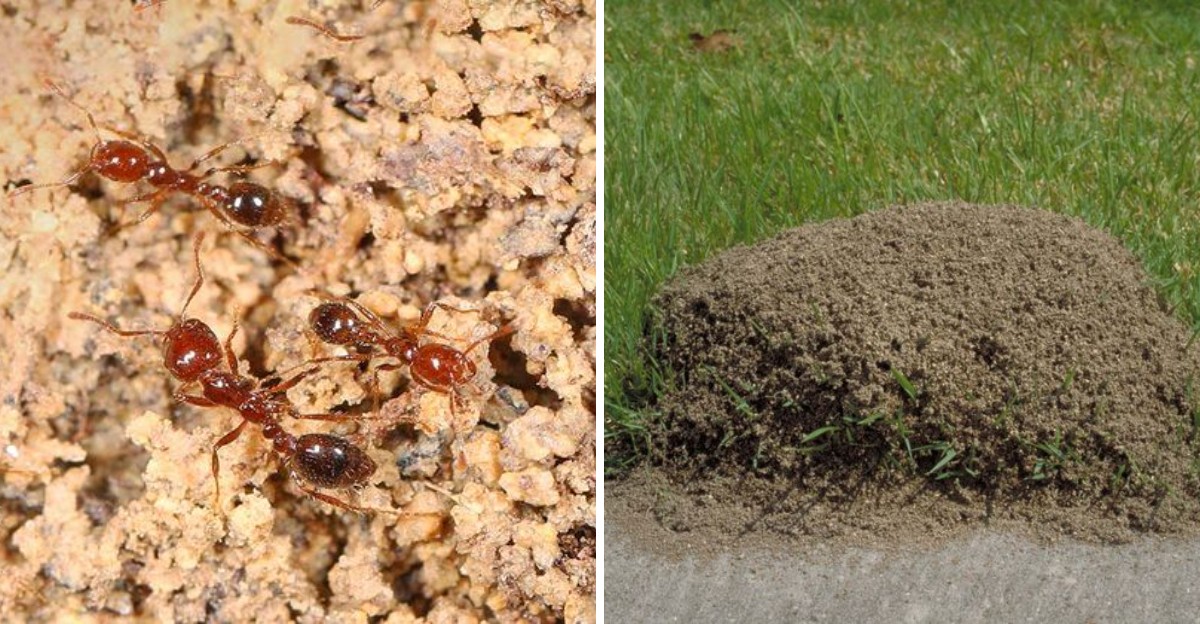
Some insects survive floods by grabbing each other’s legs and building a living raft that floats for days. The queen rides safely in the middle, surrounded by thousands of loyal workers.
That same survival instinct shows up in your yard after every good storm. One soggy night, the lawn looks smooth. By breakfast, crumbly domes of soil have popped up along the sidewalk, the flower bed, and right beside the swing set.
I used to think a fresh crowd had moved in overnight. Personally, I felt a little betrayed by the rain I had prayed for all summer. The truth turned out to be sneakier, and a lot more useful for anyone who gardens in Texas.
You need to know what those piles are saying before you grab a shovel or a kettle. A wrong move can make things worse. So what is really happening under all that wet dirt?
1. Those Overnight Dirt Mounds In Your Wet Lawn Have Been Brewing For A While
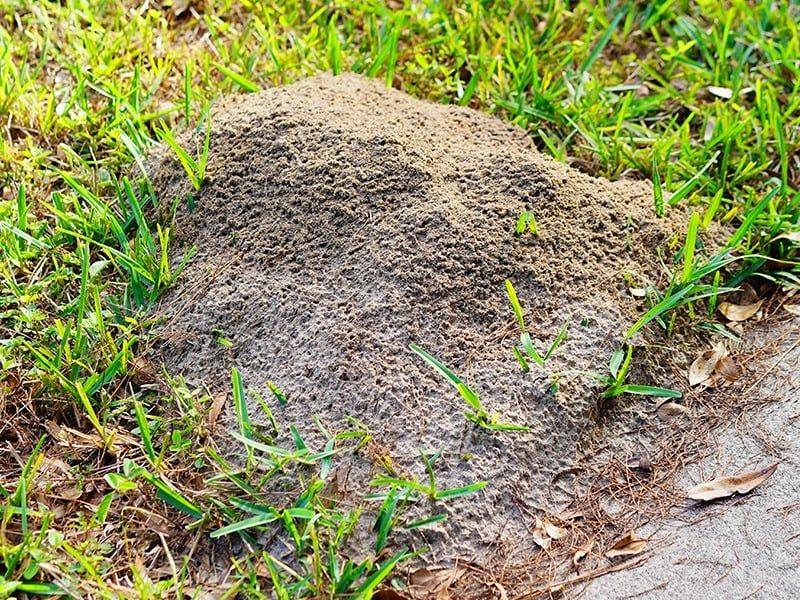
My first post-storm surprise came on a Saturday morning in June. Twelve lumpy piles had appeared across the backyard, and I was sure the neighborhood had a brand-new problem.
Entomologists with Texas A&M AgriLife Extension say the real story is much less dramatic. Those colonies were mostly already living under your grass before the clouds rolled in.
During dry spells, fire ants keep their nests deeper and flatter, so the mounds are easy to miss.
A good soaking changes the picture fast. Workers push loose soil upward, and a hidden colony suddenly looks like a giant bump in the lawn. The rain did not invite them over. It simply pulled back the curtain.
That matters for how you respond. If you count ten new mounds, you probably have ten colonies that were already sharing your yard, not a fresh wave arriving from next door.
Fun fact for your next backyard chat: red imported fire ants arrived in the United States through the port of Mobile, Alabama, roughly a century ago.
They reached Texas by the 1950s and now cover much of the eastern two-thirds of the state. So take a breath. Those piles are a clue, not a crisis.
2. Fire Ants Are Hauling Their Queen And Brood To Higher Ground
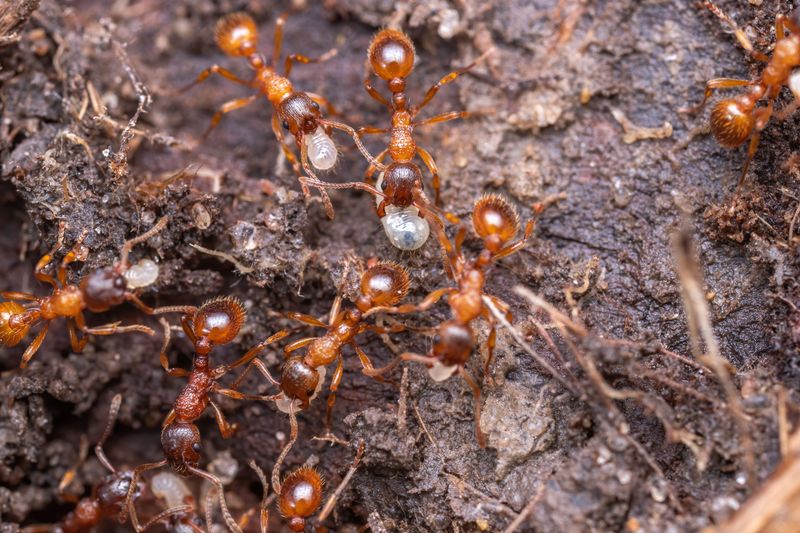
Picture-perfect parenting looks a little different underground. When water seeps into the tunnels, worker ants scramble to protect the most valuable members of the colony, the queen and the brood.
Brood means the eggs, larvae, and pupae that will grow into the next generation of workers.
Soggy chambers are risky for these soft little bundles, so the workers carry them upward into drier, warmer soil near the surface. Building the mound taller gives them more room above the waterline.
You can sometimes see this in action. If a fresh mound is disturbed after a storm, you may spot white, rice-like pupae close to the top.
I tried it once with garden gloves and long sleeves, and the workers boiled out in about two seconds flat.
Your Texas Garden Changes Every Week. Your Plan Should Too.
Gardening in Texas changes quickly throughout the season. Every Friday you’ll receive a simple weekly plan showing exactly what to plant, prune, fertilize, harvest, and protect so you never miss the right timing.
Fire ant mounds also work like solar panels. The domed shape catches sunlight, which helps warm the brood and speed up their growth after a chilly rain.
There is a practical takeaway here too. Because the colony crowds near the top after heavy rain, the ants are extra protective and quick to sting. Give those fresh mounds plenty of space, especially if kids or pets play in the yard.
3. Damp Soil Turns Worker Ants Into Speedy Mound Builders
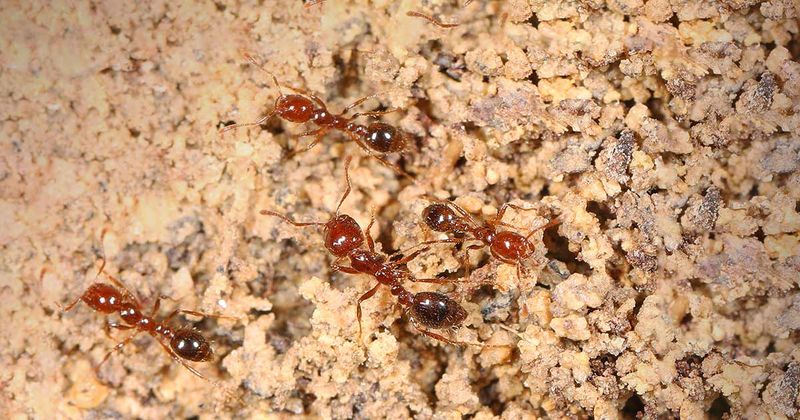
Anyone who has tried digging a flower bed in August knows dry soil fights back. Wet soil, on the other hand, crumbles and shapes like cookie dough. Fire ants feel the same way.
After rain, workers can move tiny soil pellets quickly and stack them into fluffy domes. That is why mounds seem to rise in just a few hours. The building materials are suddenly soft, light, and easy to carry.
Clay soils, common around Dallas-Fort Worth and much of Central Texas, hold moisture longer than sandy ground.
In those areas, the post-storm mounds often look taller and more obvious. Sandy East Texas yards drain faster, so mounds may flatten sooner.
Season plays a part as well. Spring and fall bring the busiest building, since warm temperatures and regular rain line up nicely. During the peak of summer heat, colonies tend to stay deeper and quieter.
I like to think of rain as the ants’ version of a home renovation weekend. They repair damage, expand rooms, and push up fresh soil all at once.
Knowing this helps you plan. A sudden crop of mounds in April or October is normal behavior, not a sign that something strange is happening in your yard.
4. Floodwaters Can Turn A Fire Ant Colony Into A Floating Raft
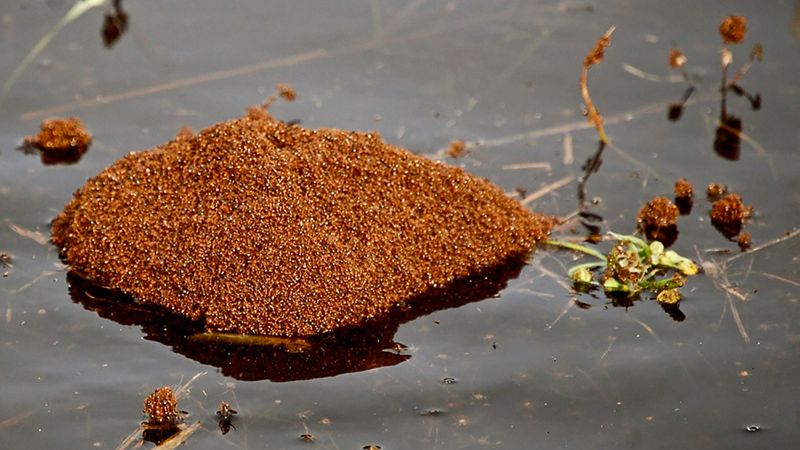
Here comes the part that still gives me goosebumps. When serious flooding hits, a fire ant colony does not simply give up. It builds a boat out of its own bodies.
Thousands of workers link legs and jaws together, forming a mat that floats on the water. Tiny hairs on their bodies trap air bubbles, which helps keep the whole raft buoyant. The queen and brood stay tucked near the center.
Researchers at Georgia Tech filmed these rafts and found they can stay afloat for days, sometimes longer, until they bump into a tree, fence post, or house.
Some rafts look like flat pancakes. Others stretch into ribbons along the edge of the floodwater.
After big storms along the Gulf Coast, emergency officials regularly warn people about these floating clusters.
Touching one can trigger a burst of stings, since every ant is on high alert. A few safety tips are worth remembering:
Wear rubber boots and gloves during flood cleanup. Avoid wading through standing water when you can.
If ants land on your skin, brush them off quickly instead of swatting. Rafts are fascinating to watch from a distance. Up close, they deserve your full respect.
5. Hold Off On Spreading Fire Ant Bait Until The Grass Dries
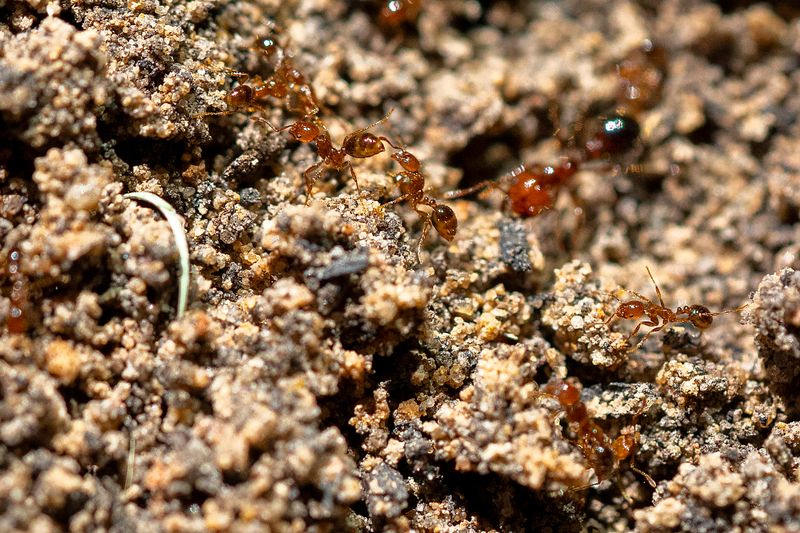
Patience pays off with fire ant bait, and I learned that the hard way. My first attempt came the morning after a storm, and the whole bag turned into soggy, useless crumbs.
Most fire ant baits are corn grit soaked in soybean oil, with a small amount of active ingredient. Water ruins that oil coating, so the ants lose interest.
Texas A&M AgriLife recommends spreading bait when the grass and soil surface are dry, with no rain expected for at least a day or two.
Timing within the day matters too. Foraging ants are most active when soil temperatures run roughly between 70 and 90 degrees.
A quick test helps: drop a potato chip near a mound and check back in 30 minutes. If ants are crawling all over it, they are hungry and ready for bait.
Freshness counts as well. Use bait from a newly opened bag, and store leftovers sealed tightly. Old bait can turn rancid and get ignored.
Spread it lightly around the mound rather than dumping it on top. Foragers leave through underground tunnels that open away from the peak, so a ring of bait meets them right where they travel.
6. The Two-Step Method Beats Chasing Every Single Ant Mound
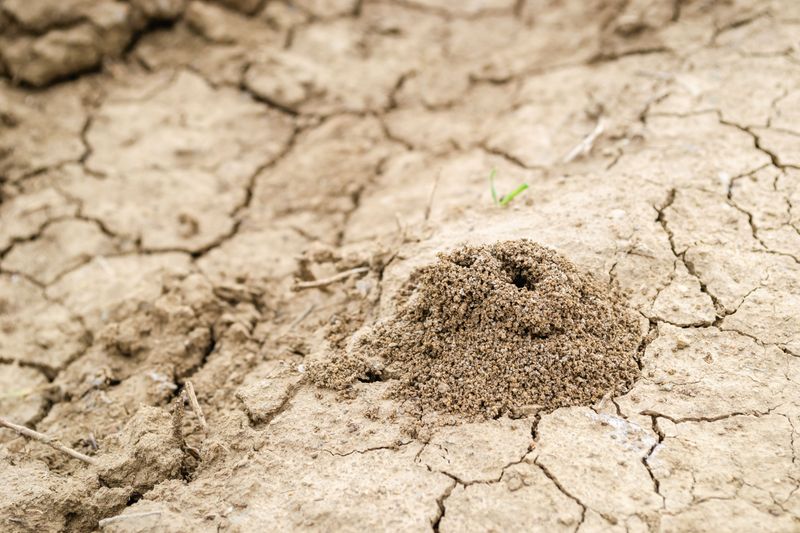
Chasing mounds one by one can feel like a game of whack-a-mole. Fire ant experts at Texas A&M came up with a smarter plan years ago, and it remains their go-to advice.
Step one is broadcasting bait across the whole yard. Workers carry it back and share it with the queen, which slowly shuts down the colony.
Baits work slowly, often taking a few weeks, but they reach colonies you have not even spotted yet.
Step two handles the trouble spots. Mounds near sidewalks, play areas, or garden beds get an individual treatment, such as a labeled mound drench or a fast-acting bait. This brings quicker relief where people walk and work.
Many Texas gardeners repeat the broadcast step once or twice a year, often in spring and early fall. Those windows match the busiest seasons for colonies.
Read every product label carefully, especially around vegetable gardens. Some baits are not approved near edible plants, while others list specific waiting periods.
Neighbors can boost your results too. Fire ants roam freely across fence lines, so teaming up with the folks next door helps keep new colonies from moving right back in.
7. Kicking Or Raking A Fresh Fire Ant Mound Can Spread The Problem
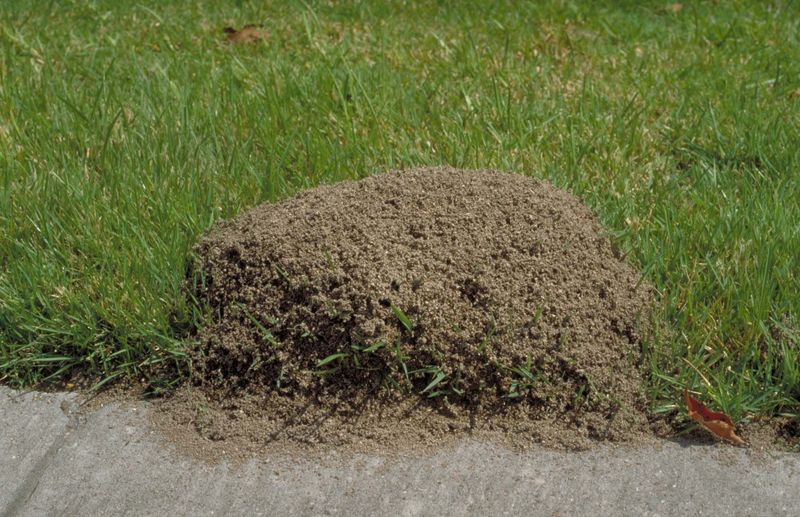
Oh, the temptation. A brand-new mound pops up next to your tomato bed, and every fiber of your being wants to flatten it with a boot or a rake.
Resist that urge if you can. Disturbing a mound often sends the colony packing to a new spot a few feet away. In some cases, especially with colonies that have several queens, the group may split into smaller nests.
Many fire ant colonies in Texas are the multiple-queen type. Those yards can hold far more mounds per acre, since the colonies tolerate each other instead of fighting.
Home remedies get a lot of attention too. Pouring boiling water on a mound may handle some surface ants, but it rarely reaches the queen deep below. Hot water also scalds grass and nearby plant roots, leaving bare patches behind.
Grits, club soda, and other kitchen tricks have been tested by extension researchers and generally show little effect.
A calmer approach works better. Mark the mound with a flag, wait for dry weather, then treat it properly with bait or a labeled product. Your back, your grass, and your ankles will all thank you.
8. Protect Your Ankles And Scout The Lawn For Fire Ants After Every Storm
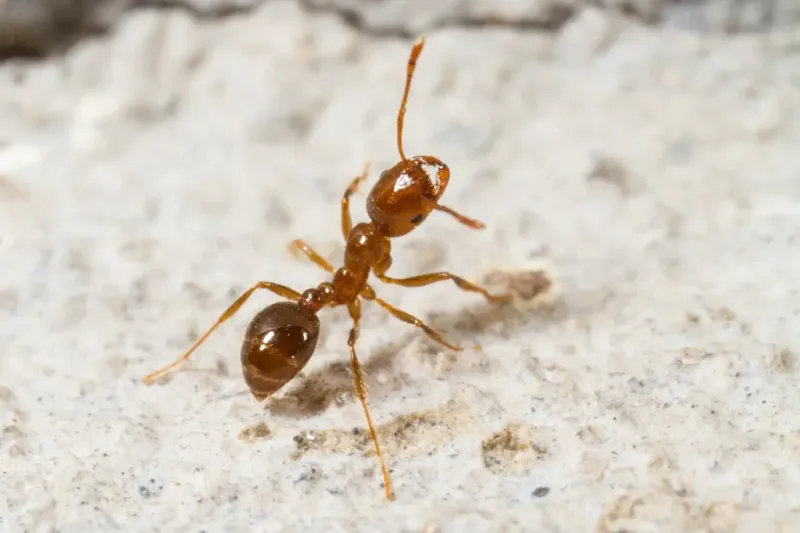
A quick walk around the yard after rain has become one of my favorite habits. Coffee in hand, boots on, I look for fresh mounds before anyone else steps on them.
Scouting helps you catch colonies early. Pay special attention to sunny spots, sidewalk edges, mailbox posts, and the bases of trees.
Fire ants also love to tuck mounds against air conditioning units and electrical boxes, where they can damage equipment.
Stings are part of the deal in fire ant country. Most cause a burning feeling, followed by a small white pustule within a day. Wash the area with soap and water, avoid popping the blister, and use a cold pack for comfort.
Watch for signs of a serious allergic reaction, such as swelling of the face, trouble breathing, or dizziness. Those symptoms need emergency medical care right away.
A few simple habits make a big difference. Wear closed shoes in the garden, tuck pants into socks while weeding, and check pet areas often.
Rain will keep falling, and mounds will keep popping up. Treat them as helpful signals, and you can enjoy a greener yard with far fewer surprises underfoot.