This Invasive Thrips Is Spreading Across Texas Gardens Faster Than Expected
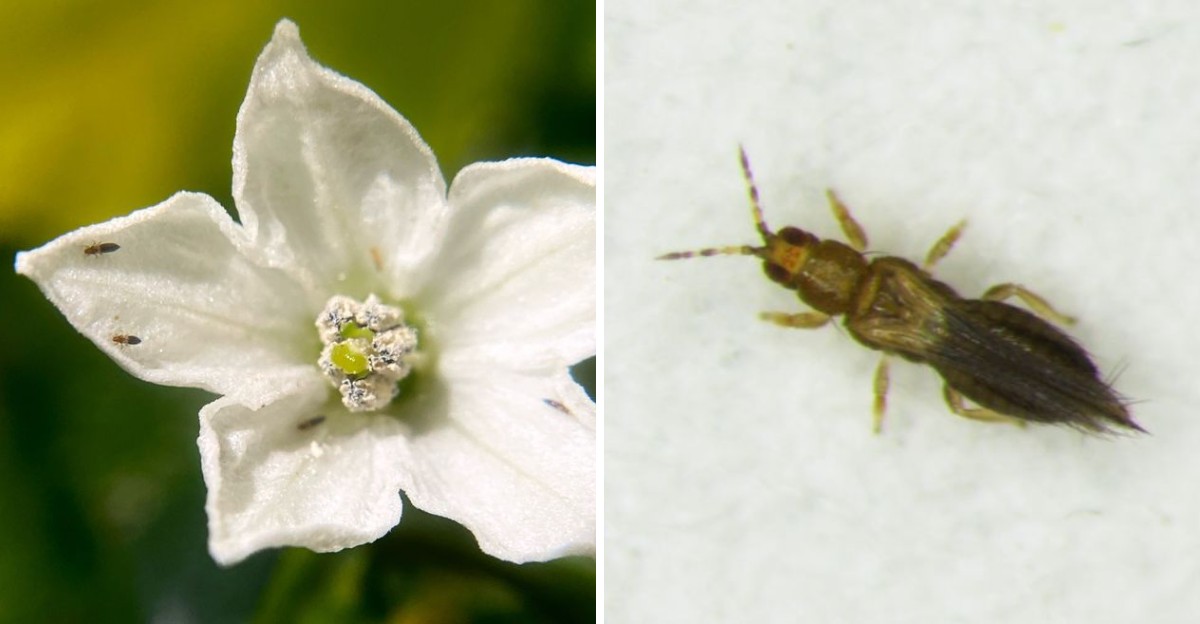
It’s only about a millimeter long, but this tiny invader is causing big headaches for gardeners. You’d need a magnifying glass just to get a good look at one.
Native to Southeast Asia, this pest has spread around the world through the plant trade. It was first reported in Florida in 2020 and has since turned up in several other states, including Texas.
It isn’t picky about what it eats. Peppers and a wide range of ornamentals, from gardenias to mandevillas, are all on the menu. Its feeding leaves speckled, bronzed leaves, twisted buds, and misshapen fruit.
Because it’s so small, many homeowners don’t notice anything until the damage is done. Learning the warning signs early can help keep this pest out of your garden.
A New Invader In Texas
Some newcomers arrive with a bang. Others slip in quietly, and the short-spined thrips is one of the quiet ones. Its scientific name is Thrips parvispinus, and it has traveled a very long way to reach Texas.
The insect first came from Southeast Asia. Over the years, it spread to other parts of the world, including Europe, Africa, and Hawaii.
It later turned up in Florida and other U.S. states. Then, in late 2025, experts confirmed it in Texas.
How did they find it? Plant samples collected in the Dallas area were checked in a lab. The tests showed the bug was there. Since then, researchers have published the first official report on finding Thrips parvispinus in several Texas locations.
That report is a big deal. It means the pest is not just in one yard or one store. It has shown up in more than one spot, which tells scientists it may already be settling in.
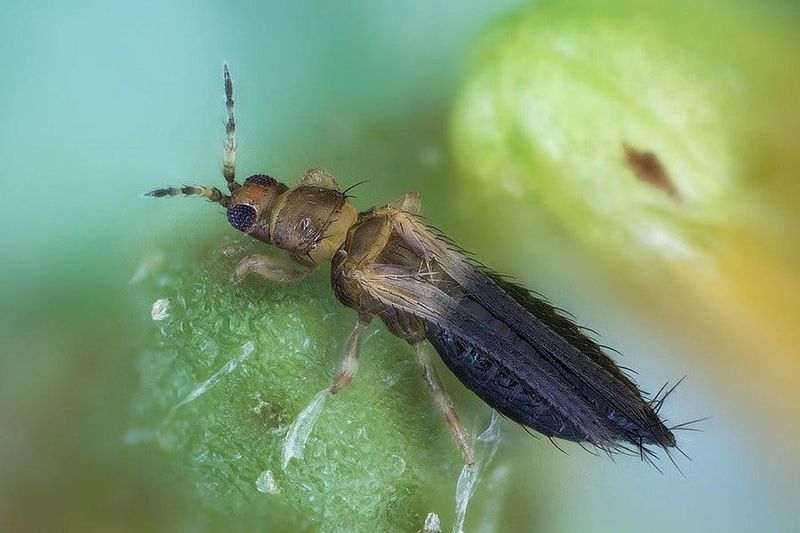
Fun fact: the name short-spined comes from tiny bristles on the bug’s body. Experts use these small hairs, along with other features, to tell it apart from other thrips under a microscope. You cannot see them with your bare eyes.
So what does this mean for you? It means Texas gardeners now have a new pest to watch. Most people have never heard of it yet. Learning its name now puts you a step ahead of your neighbors.
Try sharing what you learn with your garden club, family, or friends who grow plants. The more people who know about this bug, the faster it can be noticed. Awareness is the first line of defense against any new invader.
Why It’s Moving So Fast
Think about the last time you bought a plant at a garden center. You probably did not wonder where it grew before it reached the shelf. Yet that simple trip is a big part of how this bug gets around.
Researchers believe the ornamental plant trade has played an important role in spreading the pest across the U.S. Flowers and potted plants are shipped from state to state every day. If even a few thrips hide inside the buds, they ride along for free.
Your Texas Garden Changes Every Week. Your Plan Should Too.
Gardening in Texas changes quickly throughout the season. Every Friday you’ll receive a simple weekly plan showing exactly what to plant, prune, fertilize, harvest, and protect so you never miss the right timing.
Once they land in a new place, they can move from store to home to backyard. Nobody notices because the bugs are so tiny. By the time damage shows, the pest may already be well settled.
Texas weather adds another problem. The state’s warm climate may give the insect what it needs to establish and stay. Places with cold winters can slow pests down, but much of Texas stays mild for long stretches.
Warm weather also helps thrips grow and breed faster. More generations each year means more bugs. More bugs means more chances to spread to new plants.
One entomologist studying the pest said there is a reason it has been spreading across the U.S. pretty rapidly in the past few years. In simple words, the conditions are just right for it.
Here is a smart tip. Buy plants from trusted sellers who check their stock. Ask staff if they know about short-spined thrips. A good nursery will be glad you asked, and your question helps everyone stay alert.
How To Spot The Tiny Troublemaker
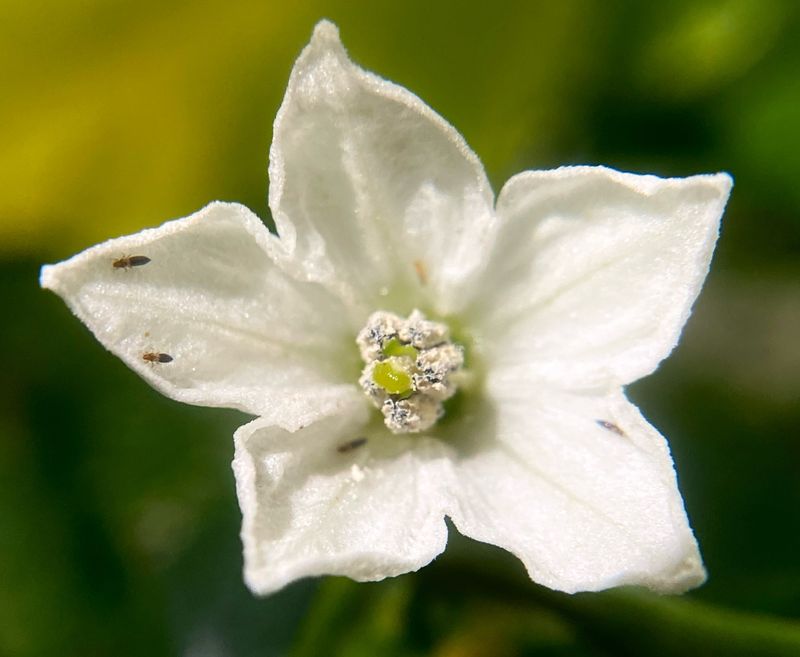
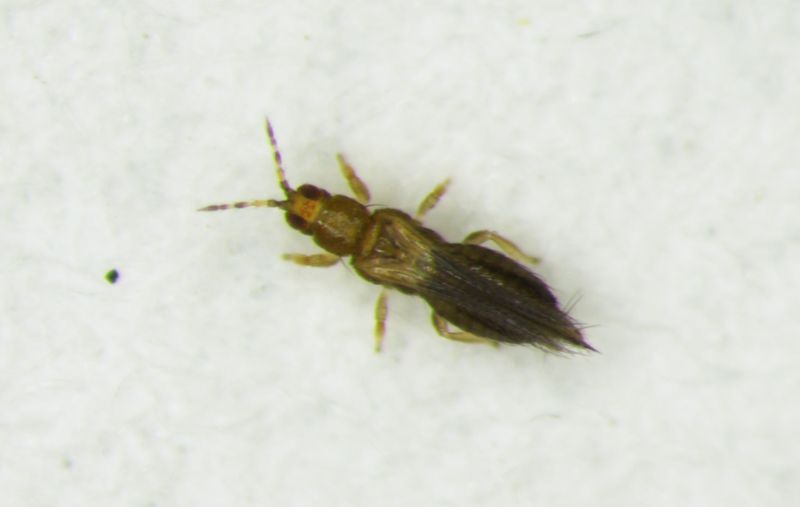
Grab a printed page and look at a hyphen, the little dash between two words. That is about how big a short-spined thrips is. According to Texas A&M AgriLife, the bug matches a hyphen in both size and shape.
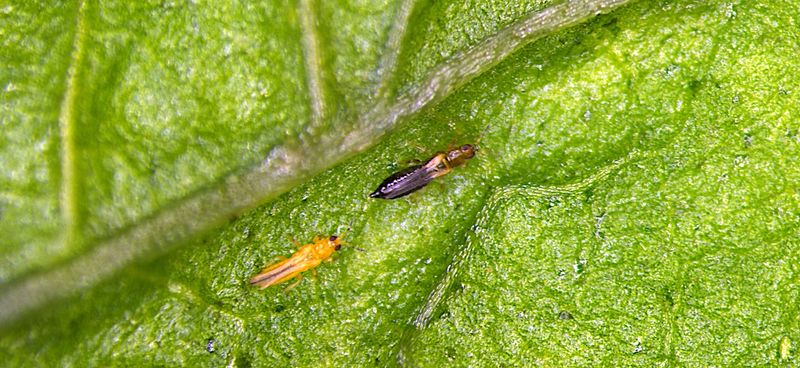
Yes, it is really that small. Adults are long and thin, often pale with darker shades on the body. Young ones look lighter, almost yellow, and they move around slowly.
Here is the tricky part. These bugs like to hide deep inside buds and flowers. Even when a plant shows clear damage, you often will not see the thrips at all.
So how can you find them? Try the tap test. Hold a sheet of white paper under a flower or leaf. Then gently tap the plant and watch for tiny moving specks on the paper.
A hand lens or magnifying glass helps a lot. Peek into open flowers and the soft new growth at the tips of stems. Look under leaves too, since thrips enjoy shady hiding spots.
Sticky cards are another useful tool. Yellow or blue sticky traps catch flying adults. Check them every few days and look for thin, dark specks stuck to the surface.
Keep in mind that many kinds of thrips live in Texas. Most look alike to the naked eye. Only an expert with a microscope can say for sure that you have found the short-spined kind.
If you see thrips plus strange damage on peppers or flowers, save a sample. Place it in a sealed bag and contact your local extension office for help.
Favorite Plants On Its Menu
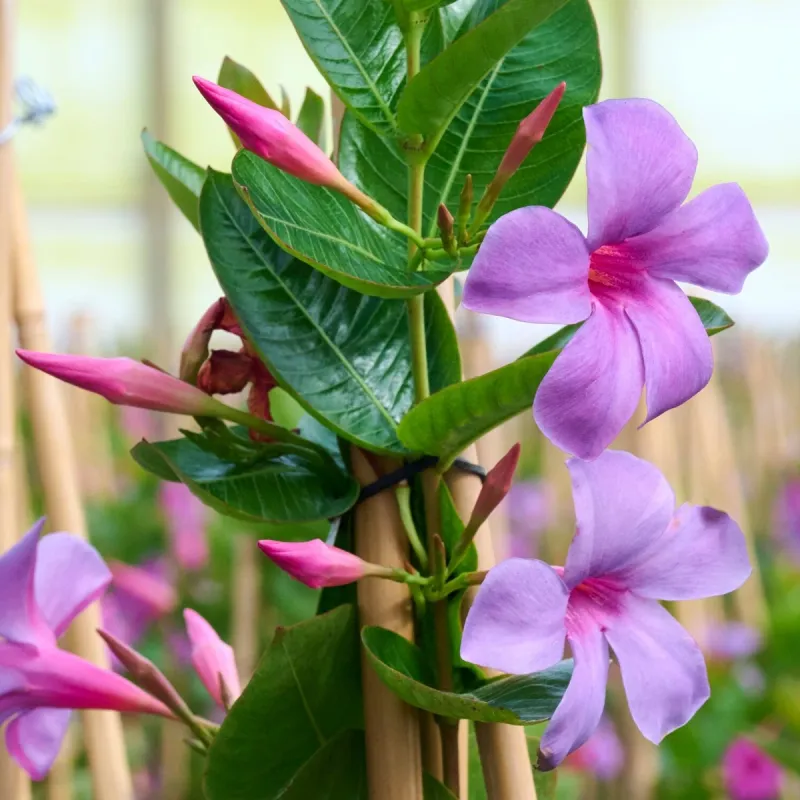
Picky eaters these bugs are not. The short-spined thrips will happily snack on a long list of plants, from farm fields to front porches.
On farms, it can damage peppers, tomatoes, melons, and squash. That worries Texas growers, since these crops matter a lot to the state.
Ornamental plants are on the menu too. Flowers sold in garden centers can be easy targets. That is one more reason the plant trade helps the bug travel.
In home landscapes, some plants get hit the hardest. Severe damage most often shows up on Capsicum, which is the group that includes bell peppers and hot peppers. Mandevilla and Dipladenia, those bright vining flowers, are also common victims.
Gardenia rounds out the top list. Many Texans love its sweet-smelling white blooms. Sadly, the thrips seems to love them just as much.
Hibiscus is another plant to watch closely. Its big, open flowers give the bug lots of places to feed and hide.
So what should you do if you grow these plants? Start by making a quick list of what is in your yard. Mark the ones the thrips likes best.
Then give those plants extra attention. Check them once a week, especially when new buds form. Catching trouble early on a single pepper plant is much easier than saving a whole row later.
Did you know? Peppers are among the plants most hurt by this pest worldwide, which is why growers in Florida were among the first in the U.S. to sound the alarm.
Clues Your Plants Are In Trouble
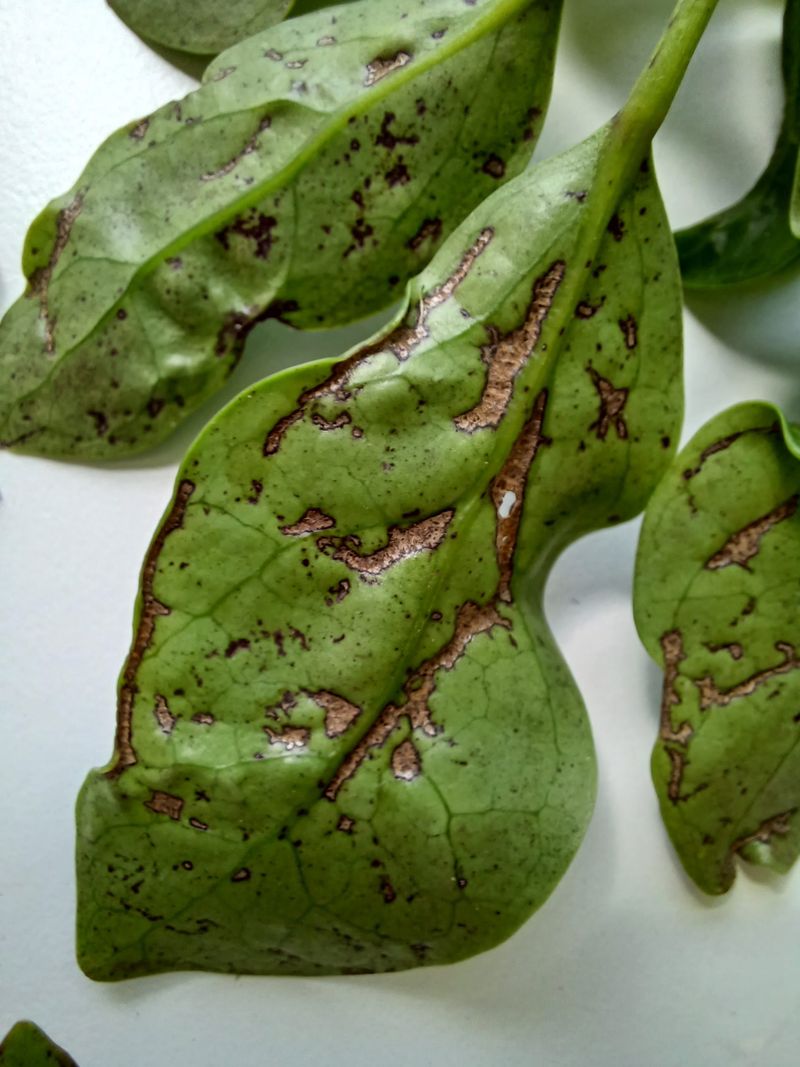
Your pepper plant looked great last week. Now the new leaves are twisted, and the fruit has strange brown scars. Something is wrong, but you cannot see a single bug.
That mystery is a classic sign of short-spined thrips. The pest feeds by piercing leaves, buds, and flowers. It then sucks out the plant’s juices, leaving damage behind.
The results can look pretty rough. Leaves may curl, wrinkle, or become deformed. Plants can show stunted growth, staying smaller than they should.
Watch the newest growth most closely. Thrips like soft, young tissue at the tips of stems. If fresh leaves look bent or crinkled, take a closer look.
Fruit tells a story too. Peppers may have scarred skin with rough, brownish patches. These marks can make the fruit look ugly and sometimes hard to sell or enjoy.
Flowers suffer as well. Hibiscus and mandevilla blooms may open with streaks, spots, or ragged edges. Some buds may drop before they ever open.
You might also notice silvery or bronze patches on leaves. Tiny black dots nearby are often bug droppings. Both are hints that thrips have been feeding.
Here is a helpful habit. Take photos of your plants every week or two. Comparing pictures makes slow changes much easier to spot.
Keep in mind that other problems, like mites or weather stress, can cause similar signs. Do not panic right away. Instead, gather clues, check closely with a magnifier, and ask an expert if the damage keeps getting worse.
Smart Steps For Texas Gardeners
Good news first: you are not helpless against this pest. A few easy habits can protect your garden and help your whole community.
Start at the store. Inspect new plants carefully before bringing them home. Pay extra attention to peppers, hibiscus, and mandevillas, since the bug often rides on infested plant material.
Look inside flowers and at the newest leaves. Check for curled growth, scars, or tiny moving specks. If something looks off, leave that plant behind.
At home, keep new plants apart for about two weeks. Set them away from your other plants and watch for any signs of trouble. Gardeners call this a quarantine, and it really works.
Remember that adults can also fly short distances. They even drift on air currents. That means your yard could get visitors from nearby plants, so keep checking regularly.
Clean up damaged flowers and leaves. Bag them and toss them in the trash instead of the compost pile. That removes hiding spots and possible eggs.
Most important of all, speak up. Texas A&M AgriLife is asking growers and the public to report any suspected infestations. Early reports help experts track the pest and slow its spread across the state.
To report, contact your county AgriLife Extension office. Share photos, the plant type, and your location. If possible, save a sample in a sealed bag.
Every report is like a pin on a map. Together, those pins show where the thrips is going. Your quick action today could help keep Texas gardens healthy and blooming for years to come.