The One Thing You Must Do To Georgia Hostas Before Fall Ends
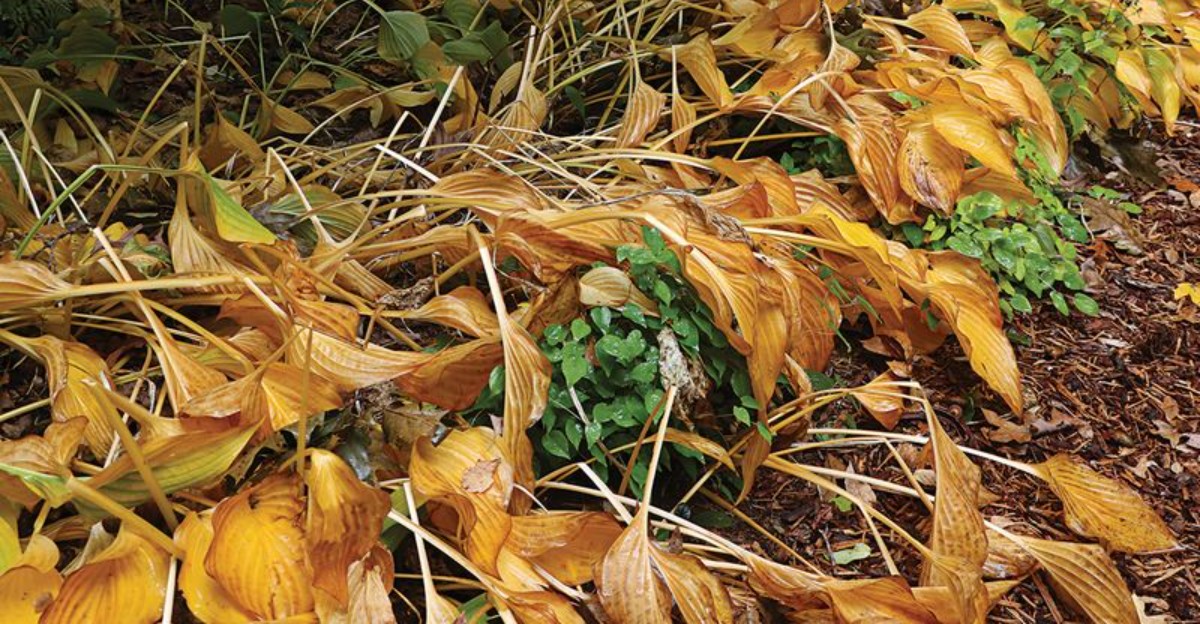
A single garden slug can lay hundreds of eggs in one season. Many of those pearly little clusters spend the winter hidden under soft, collapsed leaves in your shade beds.
I learned that the hard way. One spring, my favorite blue-leaved clump came up looking like lace before it had fully unrolled.
The culprits had been camping right on top of it all winter.
Here in Georgia, fall cleanup gets skipped because our winters feel mild. Many gardeners figure the bed will sort itself out.
I’ve noticed that mild weather can make the problem worse, since pests and fungus stay comfortable longer.
You need to know about one quick chore that takes maybe ten minutes per plant. It costs nothing, and it could decide whether next spring brings smooth, glossy leaves or a shredded mess.
Ready to grab your pruners and get to work?
1. Those Collapsing Hosta Leaves Are Hiding More Than You Think
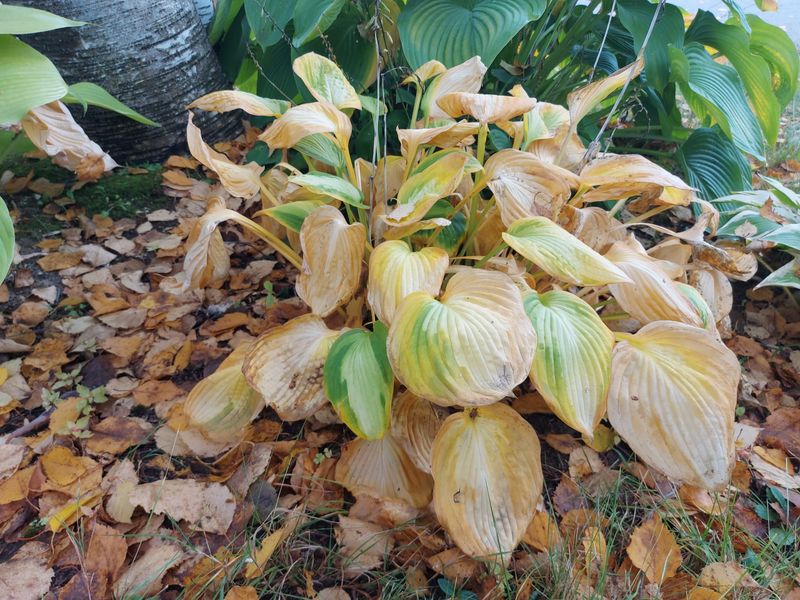
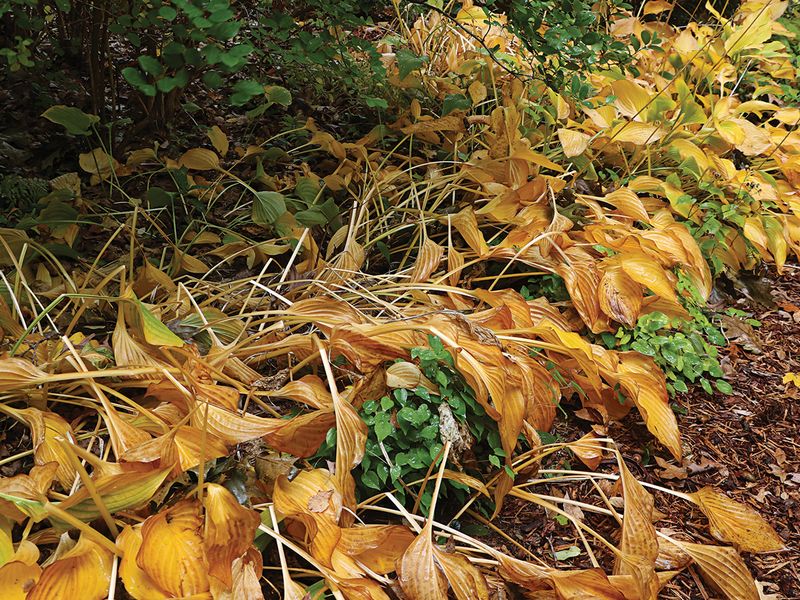
Every autumn, my hosta bed goes from lush to limp in what feels like a single week. The big leaves turn butter yellow, then tan, and finally flop onto the soil like wet paper.
That slump is normal. As days shorten and temperatures drop, hostas pull sugars and nutrients out of their leaves and store them in the crown and roots.
The plant is basically packing its lunch for next spring.
The trouble starts after the packing is done. Those soggy leaves form a damp, shaded mat right on top of the crown, which is the exact spot where next year’s shoots will appear.
Under that mat, the air stays moist and still. Slugs, snails, fungal spores, and even tiny worm-like nematodes find it a comfy place to wait out the cold months.
In much of the state, winters are mild enough that many of these troublemakers stay active on warmer days.
So the old leaves are not just messy. They act like a winter hotel for the very things that chew and spot your plants in April and May.
Once you see the bed that way, the fix becomes pretty obvious, and it is surprisingly simple.
2. Cut Back The Mushy Hosta Foliage Once It Flops
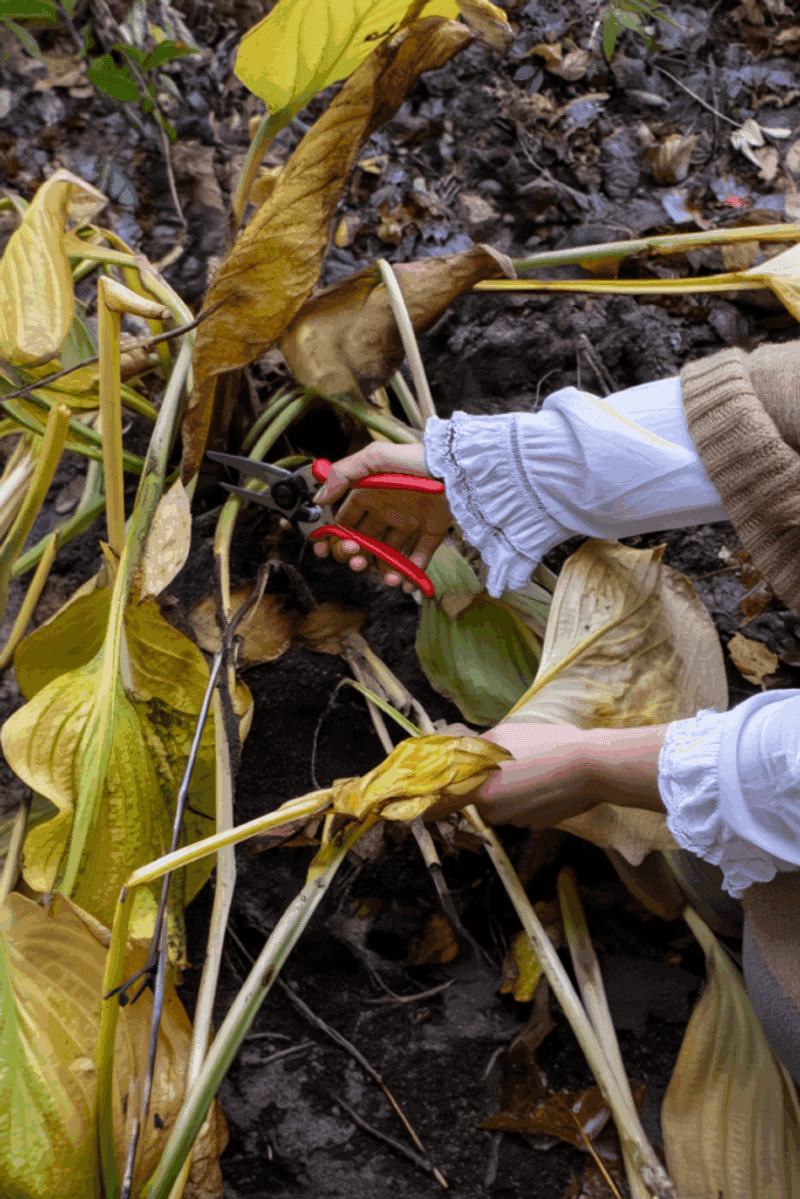
Here it is, plain and simple. Before fall wraps up, cut off the spent hosta leaves and stems and get them out of the bed.
I use clean bypass pruners or sharp scissors and snip each leaf stalk about an inch or two above the soil. Leaving a short stub helps you avoid nicking the crown, where next year’s buds are already formed and waiting.
If the leaves are truly mushy, many will pull away with a gentle tug. Just do not yank hard, since you can tear tissue that sits right at the soil line.
Once the stems are gone, rake out any loose leaf bits that slipped down between the clumps. Fallen tree leaves that piled into the hosta bed deserve a look too, especially if they are matted and wet.
Your Georgia Garden Changes Every Week. Your Plan Should Too.
Gardening in Georgia changes quickly throughout the season. Every Friday you’ll receive a simple weekly plan showing exactly what to plant, prune, fertilize, harvest, and protect so you never miss the right timing.
Wipe your blades with a household disinfectant between plants if any clump looked spotted or sickly this summer. That small habit helps keep problems from hitching a ride from one plant to the next.
A medium hosta takes only a few minutes. The payoff is a clean crown that can breathe all winter and push up healthy shoots when the weather warms.
3. Frost Tells You When Hostas Are Ready For The Snip
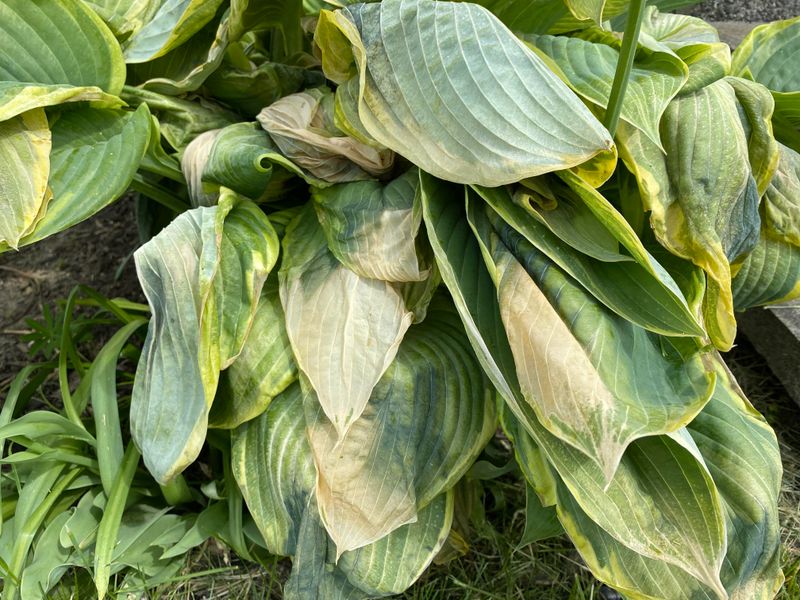
Patience pays off with this chore. Cutting green, healthy hosta leaves too early robs the plant of energy it has not finished storing.
The best signal is the leaves themselves. Wait until most of the foliage has turned yellow or brown and gone soft.
In many yards, a frost or two speeds things along and makes the leaves collapse almost overnight.
Timing varies a lot across Georgia. North Georgia mountain areas often see their first frost in October, while the Piedmont around Atlanta and Athens usually gets it in late October or November.
South Georgia is a different story. Frost may not arrive until late November or December, and some winters bring only a few light ones.
Hostas there can hang on to tired-looking leaves much longer.
If your leaves are yellow and floppy but frost has not shown up, go ahead and clean them up anyway. The plant has already done its nutrient recycling by that point.
My rule of thumb is easy. When the leaves look more like lettuce left in the fridge too long than a plant, it is time.
Aim to finish before winter rains turn the bed into a soggy puddle.
4. Slugs And Their Tiny Eggs Love Soggy Hosta Debris
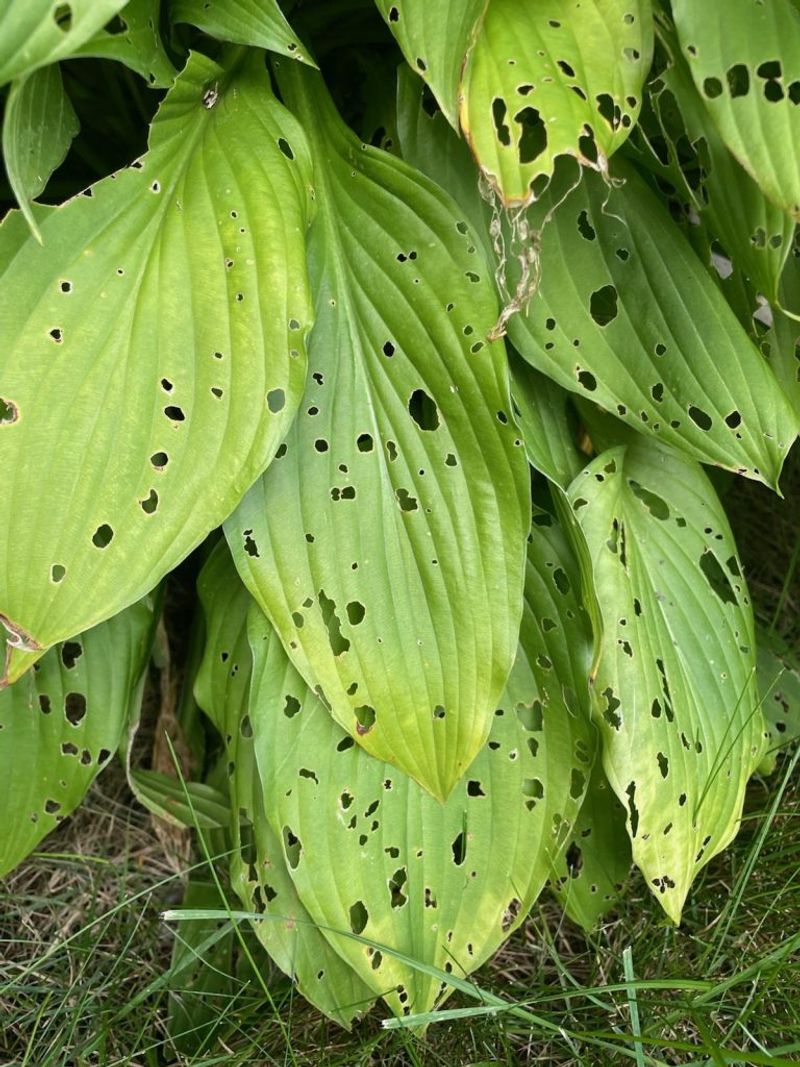
Flip over a wet hosta leaf in late fall and you might spot little clusters of clear, jelly-like beads. Those are slug eggs, and each cluster can hatch into a fresh crew of leaf chewers.
Slugs are the number one hosta pest in most gardens. They feed at night, leaving ragged holes and shiny slime trails, and young spring leaves are their favorite snack because the tissue is so tender.
Adults and eggs both seek cool, moist shelter to make it through winter. A thick mat of old hosta foliage is close to perfect for them.
Removing that cover exposes eggs to drying air, cold snaps, and hungry birds and ground beetles.
Fall cleanup will not solve every slug problem, but it cuts down the starting crowd in spring. Fewer slugs early means far less lacy damage by Mother’s Day.
For extra help, check under boards, pots, and stepping stones near your beds too. Slugs love those hiding spots as well.
If you want a backup plan, iron phosphate slug baits are labeled for home gardens and are considered lower risk to pets and wildlife than older baits. Follow the label closely.
5. Spotted Hosta Leaves Can Carry Fungus And Nematodes Into Spring
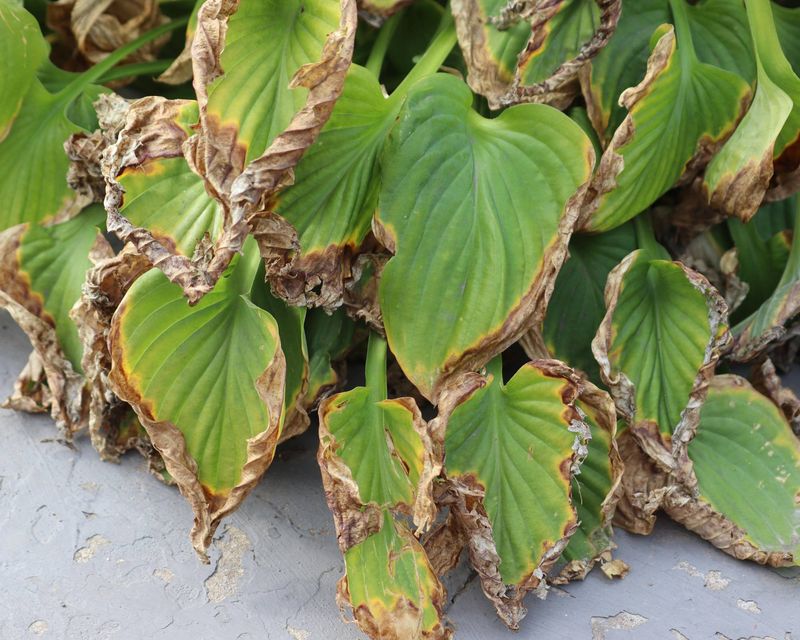
Did you notice brown streaks between the veins of your hosta leaves this summer? That pattern can point to foliar nematodes, microscopic worms that live inside the leaves.
University extension services report that these nematodes can survive the winter in old foliage and dormant buds. When spring rain splashes around, they move to new leaves and start the cycle again.
Fungal problems behave in a similar way. Anthracnose, which leaves tan, ragged spots with darker edges, overwinters on leaf debris.
Warm, humid Georgia summers give it plenty of chances to spread.
Southern blight, sometimes called petiole rot, is another concern in the Southeast. It causes leaf stems to rot at the base and leaves tiny tan or brown seed-like bodies on the soil.
Those structures can linger in plant debris and the top layer of soil.
Cleaning out old leaves will not cure an infected plant, but it lowers the amount of trouble waiting in the bed. That gives new growth a cleaner start.
If a clump has had nematode damage year after year, many experts suggest removing that plant. It is a tough call, yet it protects the rest of your collection.
6. Bag Those Hosta Trimmings Instead Of Tossing Them On The Compost Pile
My first instinct with a pile of garden clippings is to dump it on the compost heap. With hosta leaves, I hold back a bit.
Backyard compost piles often do not get hot enough to break down fungal spores, slug eggs, or nematodes. A pile needs to reach around 130 to 150 degrees Fahrenheit for a sustained stretch, and most casual home heaps run cooler than that, especially in winter.
Healthy leaves with no spots or streaks are usually fine to compost. Anything that looked sickly, though, should go in a yard waste bag or your local yard debris pickup.
Check your city or county rules before burning anything. Georgia has outdoor burning restrictions, and many metro counties limit burning during warmer months, so bagging is the easier route for most of us.
Do not leave the trimmings piled at the edge of the bed either. That simply moves the slug hotel a few feet over.
One more tip worth trying is to keep a bucket or bag right beside you while you cut. You will handle each leaf only once, and nothing drops back onto the freshly cleaned soil.
7. A Light Pine Straw Blanket Keeps Hosta Crowns Cozy
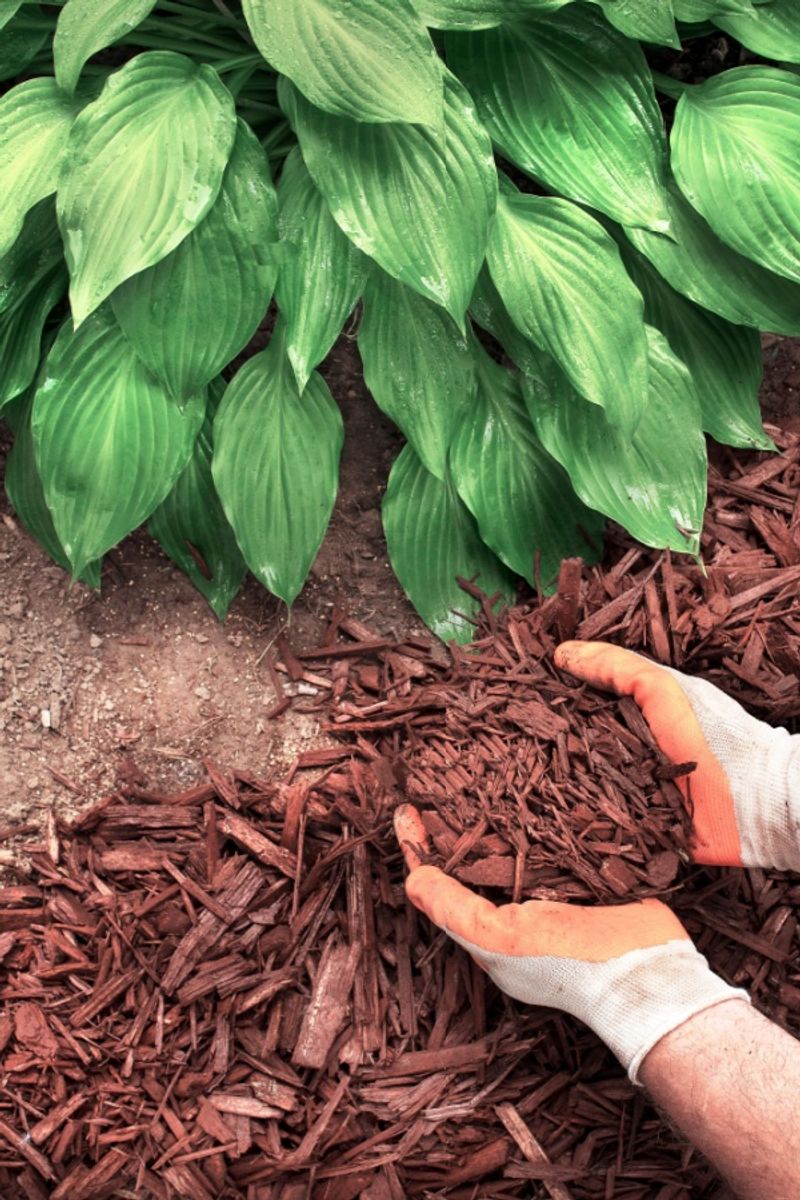
Pine straw is practically the official mulch of Southern gardens, and it works nicely for hostas after cleanup. It stays loose, lets water through, and does not pack down into a soggy mat.
Spread about two inches around your hosta clumps once the old foliage is gone. Pull it back a couple of inches from the crown itself so air can move and the buds do not sit in constant moisture.
Mulch helps steady soil temperatures during those freeze-and-thaw swings that happen across much of the Piedmont. It also holds moisture and keeps mud from splashing onto new leaves in spring.
Shredded hardwood or shredded leaves are fine too. Just skip whole, unshredded leaves piled deep, since they can mat down and recreate the exact problem you just cleaned up.
Watering matters as well. If fall has been dry, give the bed a slow, deep soak before winter, because roots still need some moisture while dormant.
Fun fact for you: hostas actually need a cold rest to perform well. Most need several weeks of chilly temperatures each winter, which is why they often struggle in the warmest parts of south Georgia.
8. Skip The Late Fertilizer And Plan Hosta Divisions For Spring
Once the bed is tidy, I try hard to keep my hands off the fertilizer bag. Feeding hostas in late fall can nudge tender growth at the wrong time, and the plant needs to rest instead.
Save fertilizer for spring, when shoots start poking up. A balanced slow-release product or a layer of compost works well, and a soil test through UGA Extension can tell you whether you even need extra nutrients.
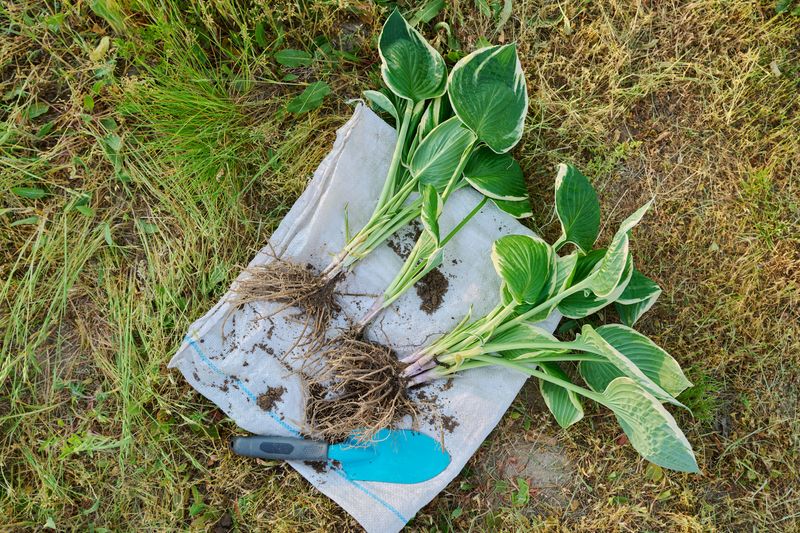
Thinking about splitting that giant clump? Early fall is a fine time in Georgia, as long as divisions get about a month to root before cold weather settles in.
If late fall has already arrived, wait until spring. Divide just as the pointed shoots, often called eyes, are emerging and before the leaves unroll.
You can see exactly where to cut, and the pieces bounce back quickly.
Jot a quick note or snap a photo of where each hosta sits. Bare crowns are easy to step on or forget during winter.
The big takeaway is simple. Clear the old leaves, mulch lightly, and let the plants rest, and you will have done more for next year’s display than any spring product could.