A Winter Arizona Yard Cleanup May Make Patio Areas Less Inviting to Gopher Snakes and Rattlesnakes
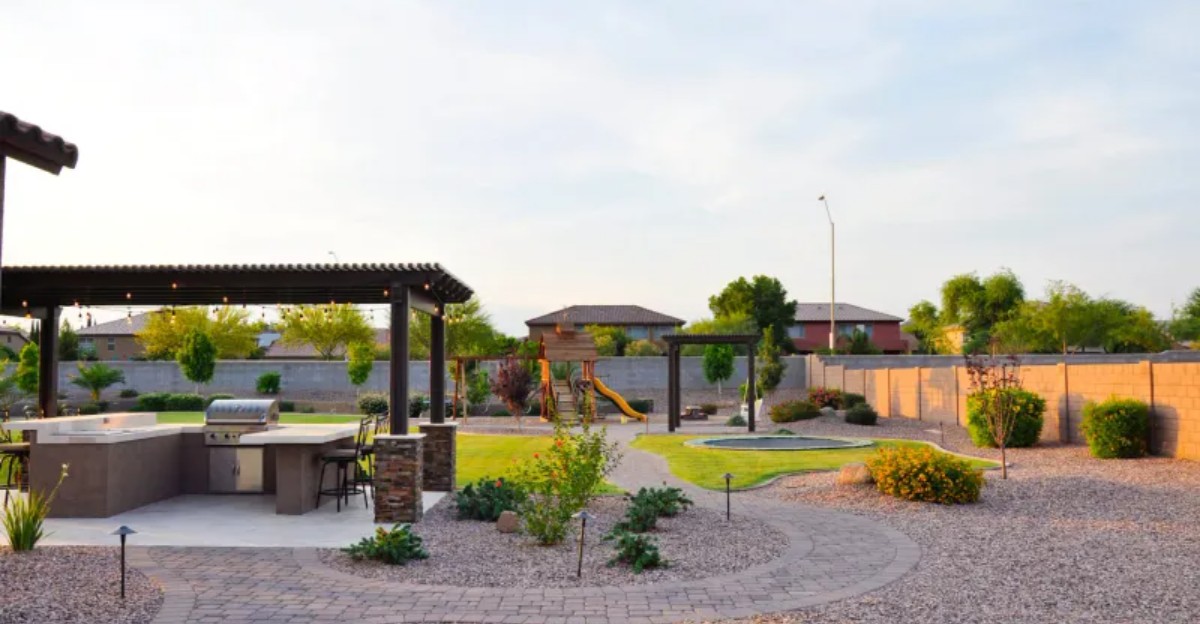
Snakes are a normal part of Arizona yards, and the spots they use for shelter are often the ones we forget about. Piles of old lumber, tangled brush, and thick low plants can give them a place to rest near your home.
A yard cleanup in the cooler months is a good time to tidy these areas safely. Here is how to reduce hiding places and rodent attractants without taking risks.
Winter is a project window, not a safety guarantee
Cooler months are a handy time to walk your yard with a notepad. Temperatures are easier on you, and you can plan what needs to be hauled away or trimmed before the heat returns.
Still, a winter project window is not proof that snakes are inactive. Arizona Game and Fish guidance notes that warm spells can bring rattlesnakes out, and poison center information says activity peaks in warmer months but does not stop entirely.
A sunny 70-degree afternoon in Phoenix or Tucson can be enough.
So treat every cleanup day as a day a snake could be nearby. Wear closed shoes, bring a flashlight, and watch where you step and reach.
The goal here is realistic. You are reducing cover and attractants around the patio and the surrounding yard, which may make the area less inviting.
You are not promising a snake-free yard, and you may still see wildlife passing through now and then.
What near the patio can offer cover
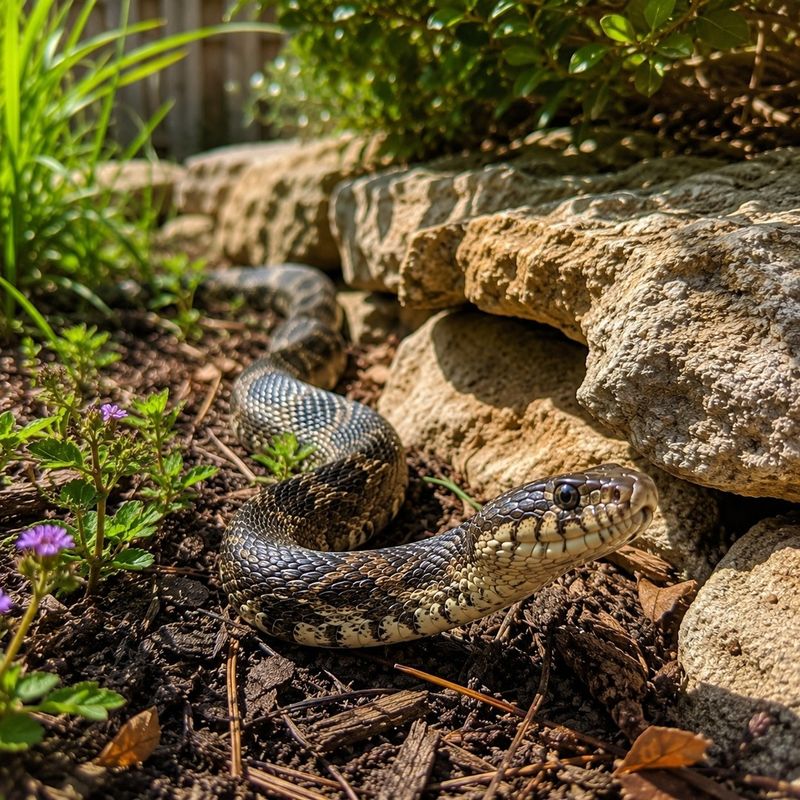
Snakes look for places that feel protected, and a yard can offer plenty. UC IPM rattlesnake guidance points to brush, logs, lumber, and other debris as cover worth tidying.
Low, dense vegetation can also provide shelter.
Walk the area around your patio and the wider yard with fresh eyes. Look for leftover lumber, stacked pavers, piles of branches, old pots, and thick groundcover that sits close to the soil.
Patio edges are just one part of this picture, since any quiet, covered spot in the yard can be useful to wildlife.
Food matters too. Rodents are prey for snakes, so cutting down on what draws mice and rats is part of the same habitat plan.
Wildlife-friendly design advice from Arizona Game and Fish supports looking at the whole property rather than a single corner.
Make a simple list of what you find, then decide what to remove, raise off the ground, or thin out.
Clear debris without reaching into hiding places
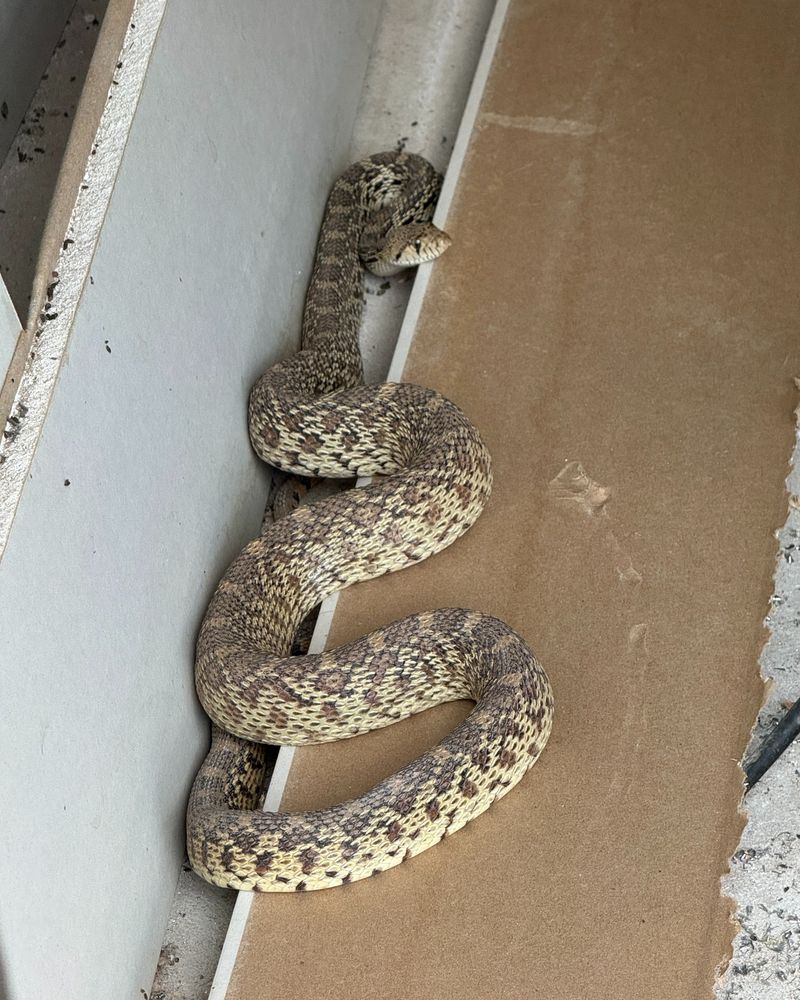
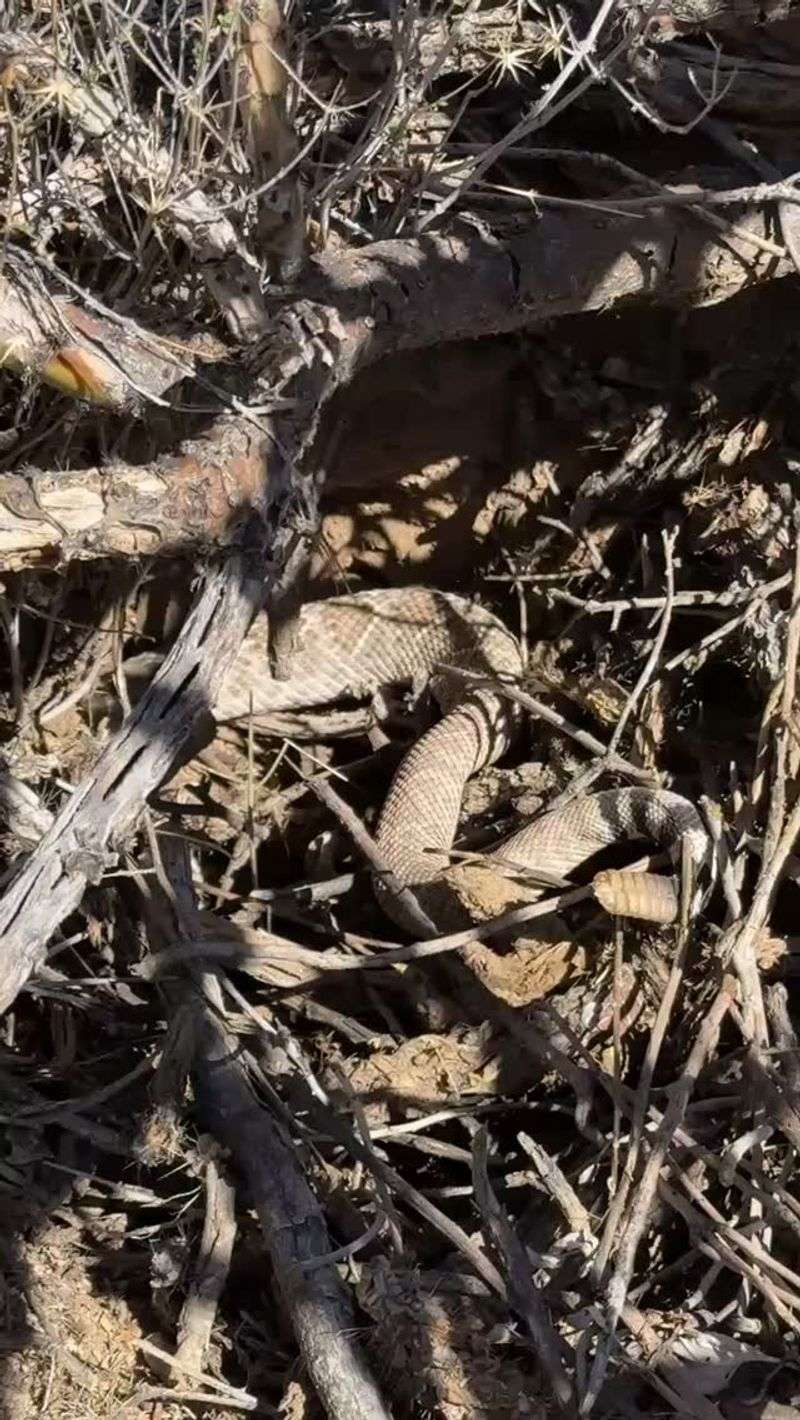
Before you move anything, pause and look. Check rocks, sticks, and firewood for a concealed snake first, using a flashlight in shady gaps.
UC IPM advice says to keep hands and feet out of crevices, woodpiles, and deep grass.
Use long-handled tools such as a rake or shovel to shift material from a distance. Never make a blind reach under a patio edge or into a pile, even if the day feels chilly.
Rattlesnakes can show up on warm winter days, as Arizona Game and Fish has warned.
If you see a snake, stop and back away slowly. Keep children and pets inside, and do not try to handle, move, or scare it off yourself.
Your Arizona Garden Changes Every Week. Your Plan Should Too.
Gardening in Arizona changes quickly throughout the season. Every Friday you’ll receive a simple weekly plan showing exactly what to plant, prune, fertilize, harvest, and protect so you never miss the right timing.
When a snake needs to be removed from the area, call a qualified snake removal service. Then wait until it is gone before returning to the job.
Reduce the rodent draw around the house
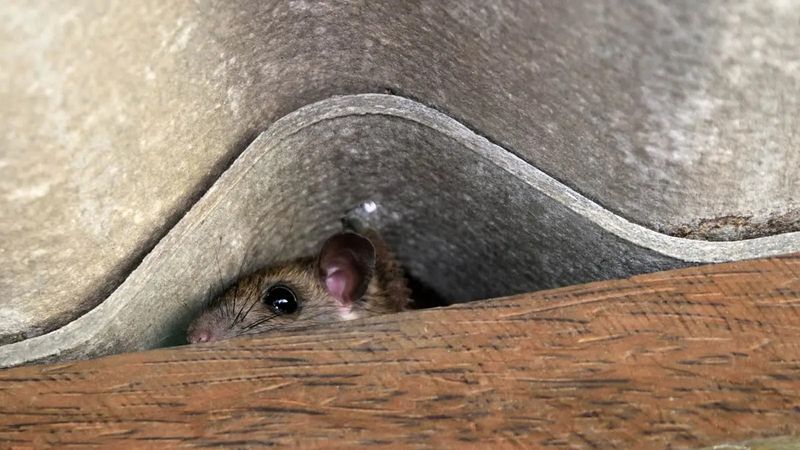
Mice and rats come where food, water, and shelter are easy to find. Trimming those perks can help, and Arizona Cooperative Extension offers a few practical steps.
Start with firewood. Move woodpiles away from the house and from areas where pets play, since stacks give both rodents and snakes places to tuck in.
Next, check irrigation. A cracked line or leaky emitter that leaves pooling water can draw wildlife in the dry desert, so repair it.
Then rethink bird feeding. Spilled seed can attract rodents, so avoid feeding birds right next to the home or outbuildings.
None of these jobs is direct snake-proofing. They simply lower the number of reasons rodents hang around, which may make the yard a little less appealing to the animals that hunt them.
Take the same careful approach while doing them, and keep hands out of any stack you are moving.
Gopher snakes are not rattlesnakes
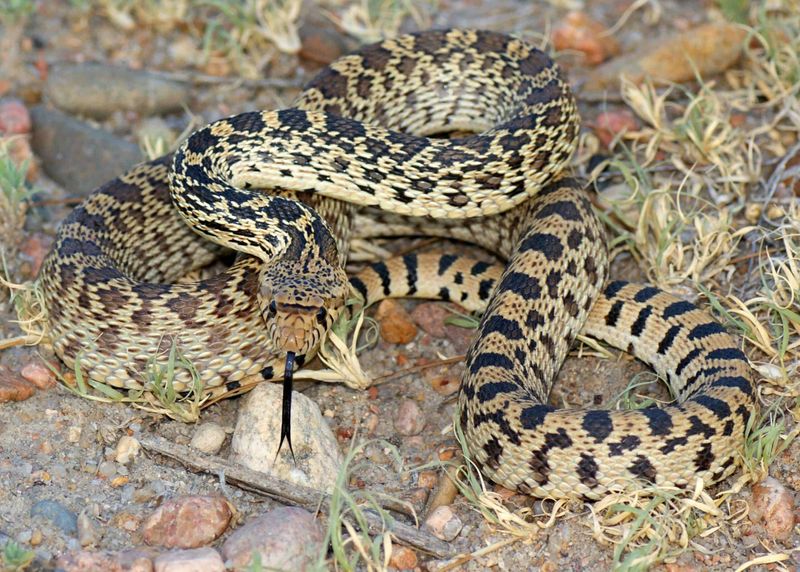
Plenty of Arizona homeowners get nervous about any snake, but they are not all alike. Cooperative Extension information describes gopher snakes as nonvenomous, and they can be helpful around homes because they eat rodents and other prey.
That is why the plan is safer yard upkeep, not removing every snake you see. A gopher snake passing through is part of the local wildlife.
The tricky part is that you should not try to tell them apart by looks or behavior alone. National Park Service details explain that gopher snakes may hiss, flatten their heads, and shake their tails to mimic a rattlesnake.
A quick glance in poor light can fool anyone.
So the rule is the same for every snake. Keep your distance, keep pets back, and let it move along.
If one stays near the patio or doors, call a qualified removal service rather than going near it yourself.
Maintain the area without relying on repellents
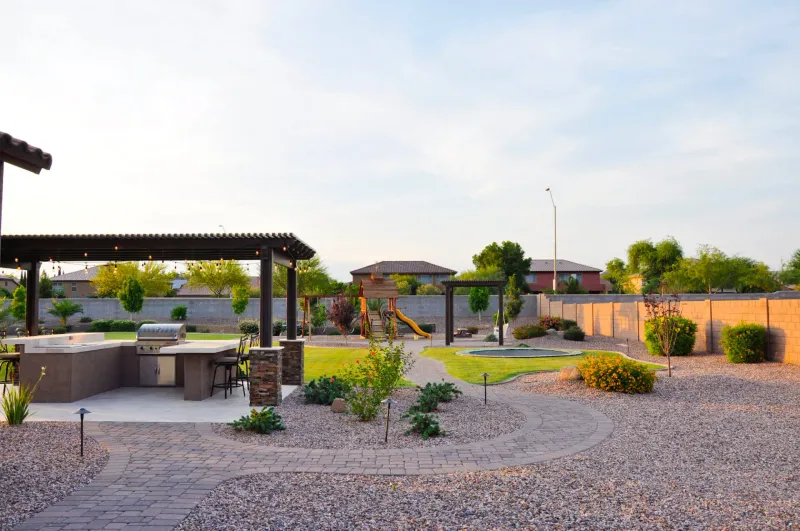
Once the big cleanup is done, the real payoff comes from keeping things tidy. Less debris, thinner low cover, and fewer rodent attractants may reduce the spots where snakes can shelter.
Conditions change, though, and no cleanup can guarantee that a snake will never visit.
It can be tempting to buy a quick fix. However, UC IPM does not recommend home remedies like mothballs or sulfur as reliable repellents.
Plants sold as snake deterrents have the same problem, so skip them and put that time into upkeep.
A simple routine works well. Store lumber and pots off the ground, trim dense low growth, and take a quick look around the patio and yard each season.
Wildlife-friendly guidance from Arizona Game and Fish supports managing the whole property thoughtfully.
A tidy yard will not stop every snake, but it gives you fewer surprises and a calmer patio.