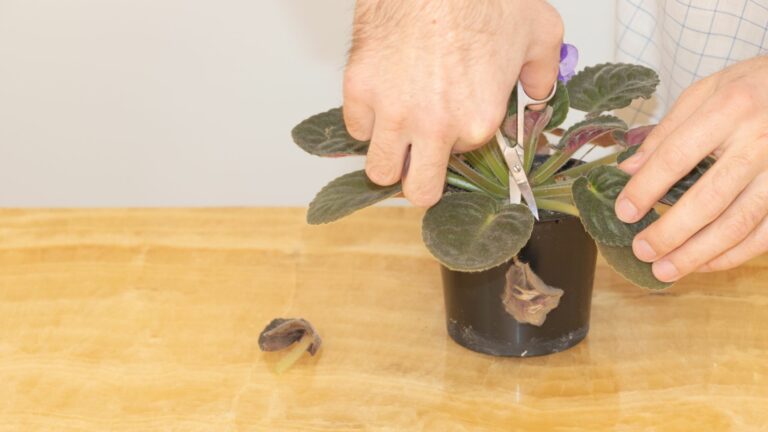
Cut Back Your Peonies Now For Healthier Plants Next Year
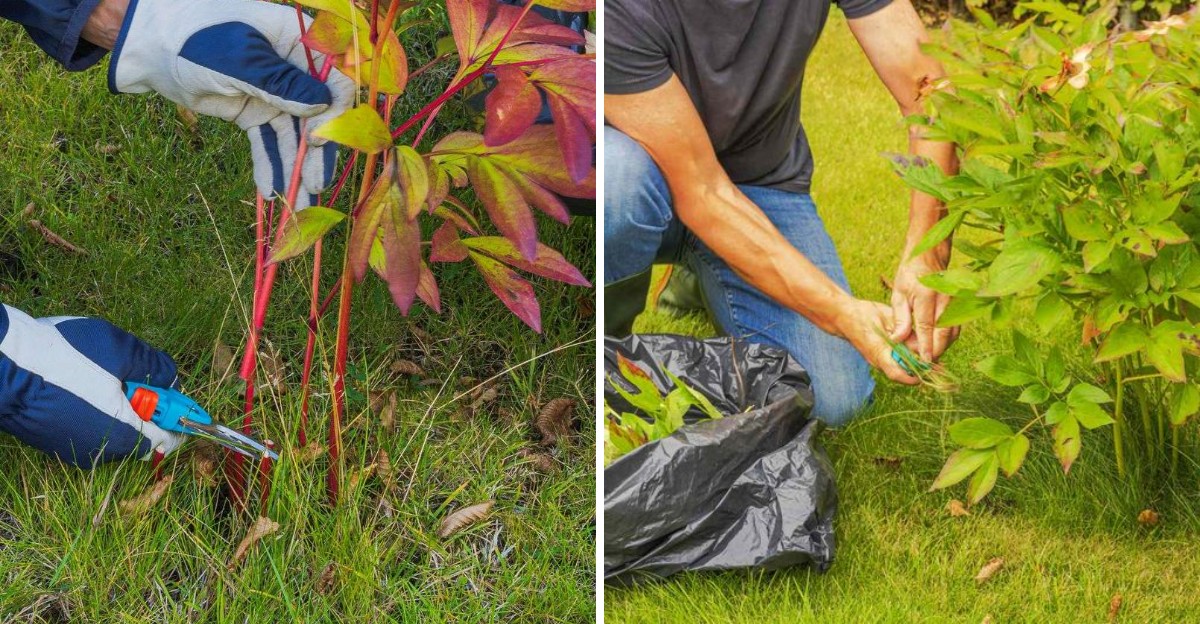
The fungus that ruins spring flower buds often spends winter snoozing in last summer’s leaves. It just waits there, tucked into soggy brown stems, until warm rain wakes it up.
I learned the hard way that a messy fall garden can mean shriveled black buds in May. My knees have opinions about kneeling in cold mud, but one quick chore changed everything for my favorite perennials.
Here’s what gets me. The fix takes maybe ten minutes per plant, and the tools are already in your shed. Gardeners in Wisconsin and other cold states have quietly done it for generations.
Timing matters, though, and so does knowing which plants should be left alone. Cut too soon and you rob the roots. Cut the wrong type and you lose next year’s flowers. So which plants in your yard are ready for a trim?
Those Floppy Brown Peony Stems Are Hiding More Than You Think
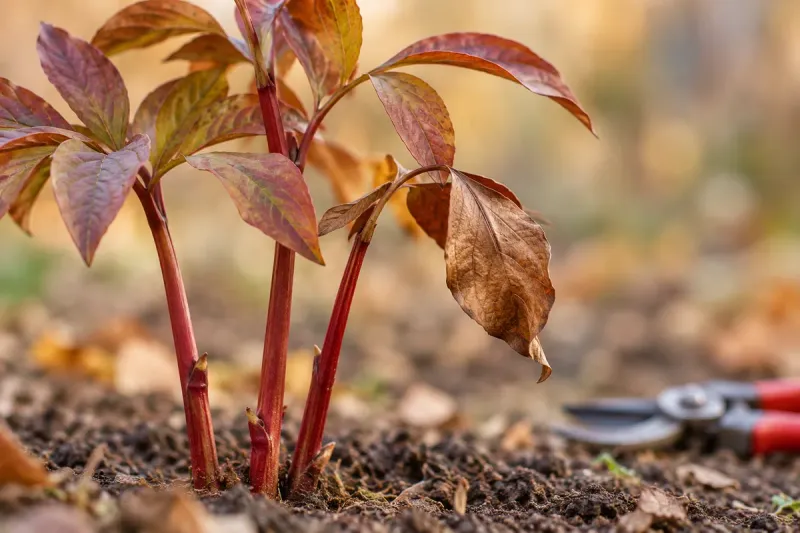
Old peony leaves look harmless, just a little sad and floppy. Yet that tired foliage can shelter fungal spores right through the coldest months.
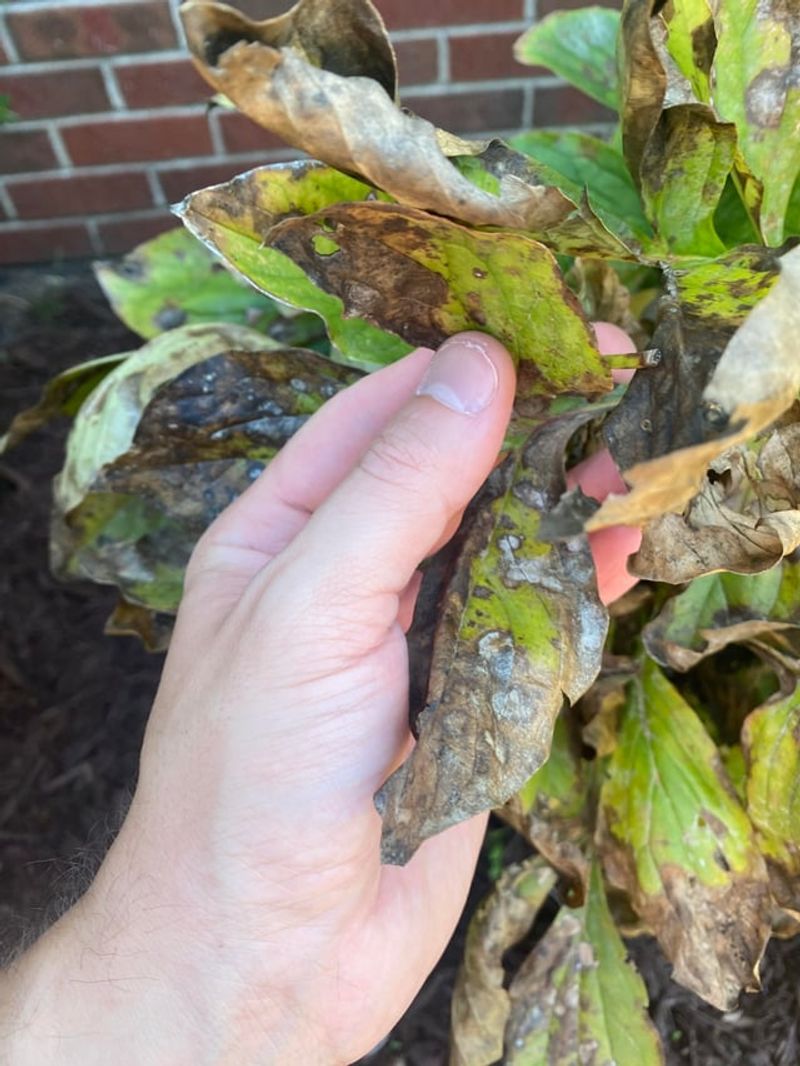
The main troublemaker is botrytis blight, also called gray mold. Extension experts at schools like the University of Minnesota explain that it survives the winter in infected stems and leaves left on the ground. When spring rain arrives, spores splash up onto fresh shoots and young buds.
You may have seen the results already. Buds turn black and shrivel before opening, or young stems wilt and flop at the base. Peony leaf blotch, sometimes called measles, follows a similar pattern, with purple-brown spots that spread from old debris to new leaves.
Removing that material breaks the cycle. Fewer spores sit around waiting, so next year’s growth starts with a cleaner slate.
Fall cleanup does not guarantee a spotless plant, because weather plays a big role too. A cool, wet spring can still bring some disease. But gardeners who clear old stems usually see far less trouble than those who let leaves pile up.
Think of it as taking the trash out before company comes. Your spring blooms will have a much better shot at opening fully.
Wait For Frost To Turn Peony Leaves Brown Before You Snip
Patience pays off with this job. Green peony leaves are still busy making food through photosynthesis, and that energy gets packed into the thick roots for next spring.
Cutting healthy green foliage in August or early September cuts that process short. The plant goes into winter with less fuel, which can mean fewer or smaller flowers later.
So when is the right moment? Most university guides suggest waiting until after a killing frost, or until leaves have turned yellow, bronze, or brown on their own. In much of Wisconsin, that often lands in October. Warmer regions may wait until November.
Watch the plant rather than the calendar. Once stems look limp and the color has faded, the roots have finished stocking up.
There is one exception worth knowing. If foliage is badly spotted with disease in late summer, many experts say it is fine to remove the worst leaves early. Sick leaves are not doing much work anyway, and getting them out slows the spread.
Late cleanup works too if fall gets away from you. Just get the old stems out before new red shoots poke up in early spring. A little delay beats skipping the chore.
Tree Peonies Want You To Put The Pruners Down
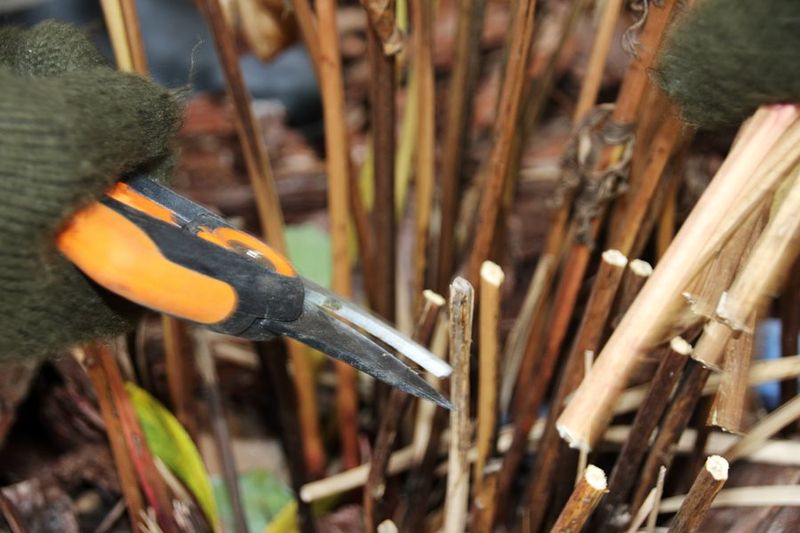
Here is a plot twist that saves a lot of heartbreak. Not every peony should be chopped to the ground.
Tree peonies are woody shrubs, not perennials that vanish each winter. Their stems stay alive above ground all year, and next spring’s flower buds are already forming on that wood.
Cut a tree peony down in October, and you lose those blooms. The plant may take years to recover its size.
Instead, leave the woody framework standing. In early spring, look for broken or winter-damaged twigs and trim just those back to healthy wood. You can also rake up fallen tree peony leaves in fall, since they can carry the same leaf diseases as their cousins.
Not sure which type you have? Check the stems in late fall. If they are tough, brown, and woody like a small shrub, you have a tree peony. If they are soft and floppy, it is herbaceous, unless the base of each stem feels slightly woody, which points to an Itoh.
Fun fact: tree peonies have been treasured in China for well over a thousand years. Some old plants there are said to be centuries old, which says plenty about how long these woody shrubs can live.
Itoh Peonies Play By Their Own Clever Rules
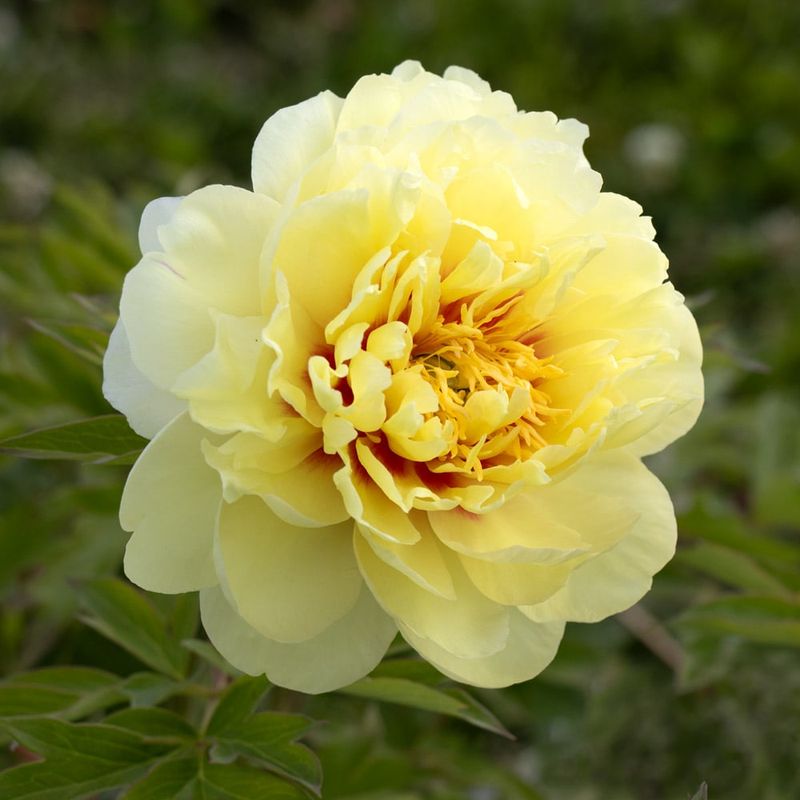
Itoh peonies are the fun hybrids of the peony world. They come from crossing tree peonies with herbaceous types, a feat first pulled off by Japanese breeder Toichi Itoh in the 1940s.
Their care sits somewhere in between their parents. The leafy top growth dies back in winter like a garden peony. Yet the base of each stem often turns a bit woody.
Many growers suggest cutting Itoh stems back in late fall, leaving short stubs a few inches tall. Some of those woody bits near the ground may carry buds for next year, so going all the way to the dirt is not ideal.
Look closely before you snip. If you spot small buds low on the stems, cut just above them.
Itohs are also prized for their sturdy stems that rarely need staking. They tend to hold up well against disease, but a fall cleanup still helps. Remove the clipped foliage and fallen leaves so spores have fewer places to hide.
If you bought a plant with yellow blooms and big, deeply cut leaves, there is a good chance it is an Itoh. Check the plant tag if you still have it.
Snip Herbaceous Peony Stems Down To A Short Stub
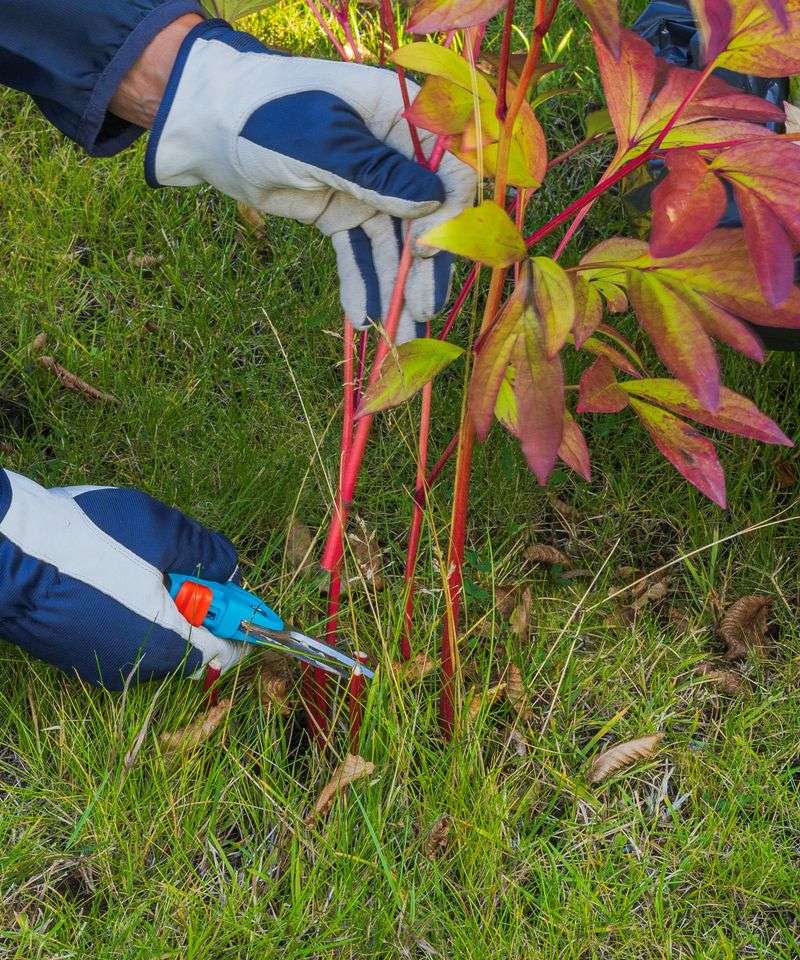
Okay, the main event. Grab a pair of sharp bypass pruners and a bucket or yard bag, and you are set.
Clean your blades first. A wipe with rubbing alcohol or a diluted bleach solution helps prevent carrying disease from plant to plant. Sharp blades also make clean cuts that heal well.
Gather the stems in one hand and cut each one down to about one to two inches above the soil. Those little stubs help you remember where the plant lives, which is handy when spring planting fever hits.
Go easy around the crown, the spot where stems meet the roots. Pink or red buds, called eyes, sit just below or right at the soil surface. Those eyes become next year’s shoots, so avoid digging or slicing into them.
Leave the crown buried at the same depth. Peonies planted too deep often refuse to bloom, so do not pile extra soil on top.
My knees appreciate a kneeling pad for this part. Each plant usually takes less time than it takes a cup of coffee to cool down.
Keep Peony Clippings Out Of The Compost Pile

Composting feels like the responsible move. For diseased peony foliage, though, it can backfire.
Most backyard piles do not get hot enough to reliably break down fungal spores. Botrytis and leaf blotch can survive and end up spread across your garden in finished compost.
The safer plan is simple. Bag the clippings and put them out with yard waste or household trash, depending on your local rules. Many city yard waste programs use large, hot commercial piles that handle plant disease better than a home bin.
If your plants looked healthy all season, with no spots or blackened buds, light composting is less risky. Still, many gardeners skip it with peonies just to play it safe.
Rake up the area around the base too. Fallen petals from summer and stray leaves can hold spores as well.
Once the bed is clear, you can add a thin layer of mulch in very cold areas for newly planted peonies. Established plants usually handle winter fine without it. Pull any mulch back in spring so it does not smother those emerging shoots.
Bright Red Peony Shoots Next Spring Are Your Reward
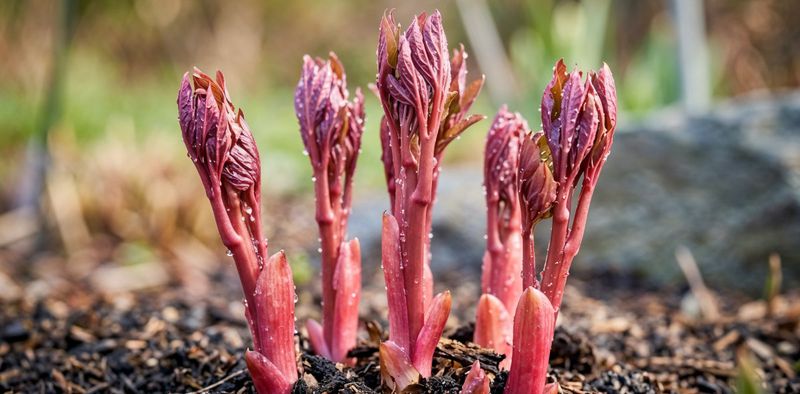
Few garden moments feel as exciting as spotting those first red peony shoots in spring. After a clean fall cutback, they push up through tidy soil instead of a soggy tangle of old leaves.
That fresh start matters. Healthier shoots mean stronger stems, and strong stems carry more of those big, fragrant flowers.
Your work does not end in fall, though. Keep an eye out in April and May, especially in wet weather. If a shoot wilts or a bud blackens, snip it off and toss it right away.
Give plants room to breathe as well. Good air flow between plants helps leaves dry quickly, which makes life harder for fungus. Water at the soil line rather than over the leaves.
Peonies are famously long-lived. With basic care, many clumps bloom for decades, and some old farmhouse plants have outlasted the houses beside them.
So add this chore to your fall list, right next to raking leaves. Ten minutes with your pruners now can mean a fuller, happier peony show for years to come. Not a bad trade for a little mud on your knees.