The Fall Butterfly Bush Task Most Gardeners Forget Until It Is Too Late
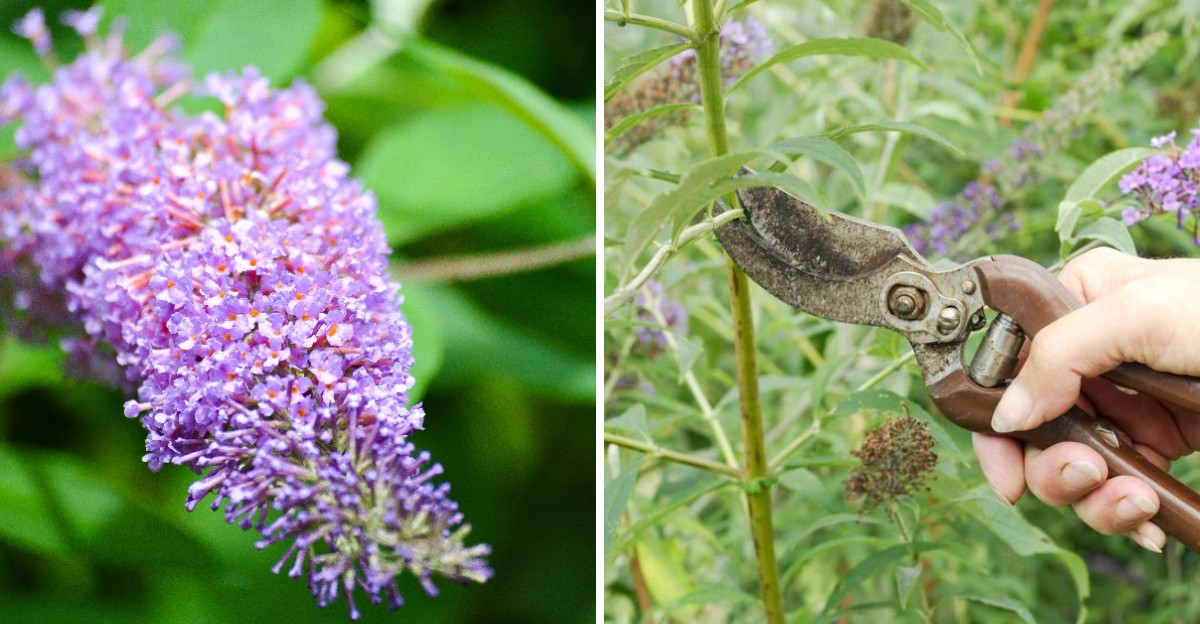
A single shrub in your yard can release up to three million seeds in one season. Most of them ride the fall wind right past your fence line.
I learned this the hard way. Tiny seedlings started popping up in my gravel path, along the alley, and even in a crack by the garage. None of them were invited, and all of them grew fast.
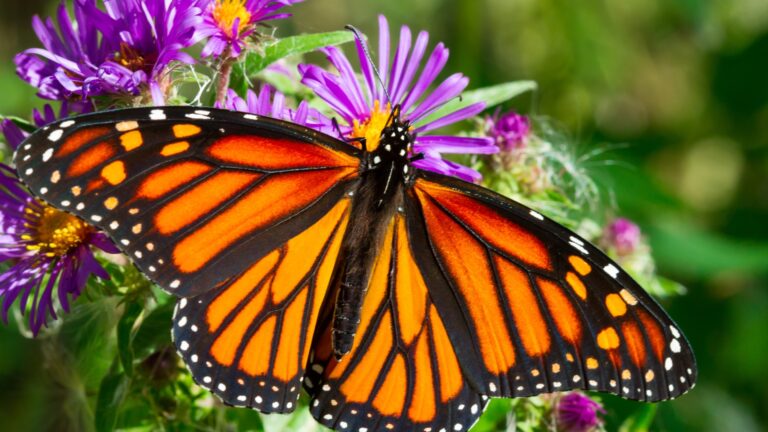
Gardeners across much of the country love this purple-spiked magnet for swallowtails and monarchs. You plant it for the butterflies, and the butterflies show up. Yet the plant keeps working long after the last flower fades.
The fix takes about ten minutes with a pair of hand pruners. The catch is timing, because once those brown seed capsules split open, the window has closed. When did you last take a close look at the tips of your shrub?
Those Faded Butterfly Bush Flower Spikes Are Hiding Something
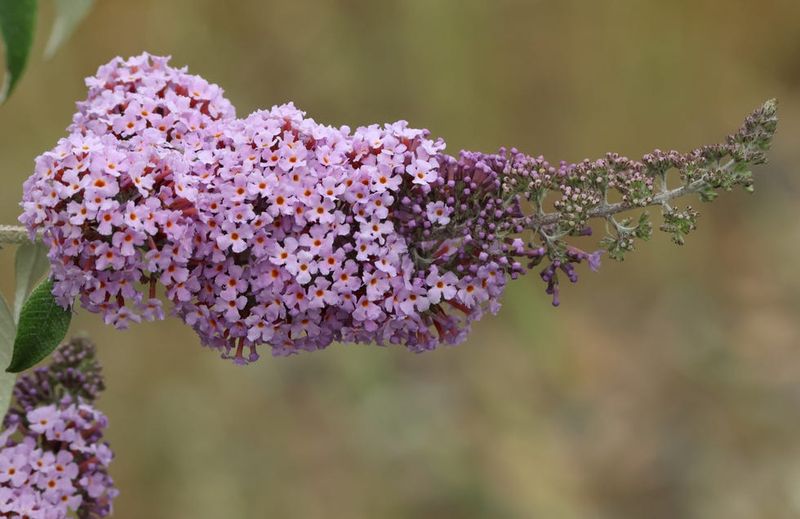
Brown, droopy flower spikes look harmless by October. Most of us glance at them and move on to raking leaves.
Inside each faded cluster sit hundreds of tiny seed capsules. When they dry out, they split and release seeds so light that a breeze can carry them across a yard, along a road, or down a creek bank.
University extension experts point to this wind-carried seed as the main reason the common butterfly bush, Buddleja davidii, spreads into places nobody planted it.
The plant is native to China, and it arrived in American gardens as an ornamental many decades ago. It handles poor soil, full sun, and disturbed ground with ease. Gardeners love how fast it grows, sometimes six feet or more in a single season.
That toughness also helps runaway seedlings settle into gravel bars, railroad edges, and forest clearings. Washington lists it as a noxious weed, and Oregon restricts sales to approved seedless types.
In the East, it shows up on several state invasive plant lists too. So the forgotten fall task has little to do with tidying up. It has everything to do with what those spent flowers send out once you stop paying attention.
Snip Spent Butterfly Bush Blooms Before The Seed Capsules Split
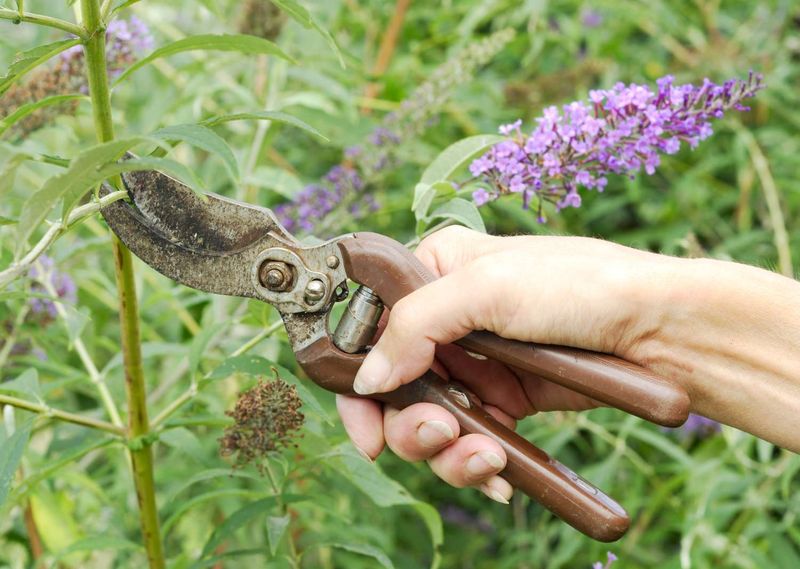
Grab a pair of clean hand pruners and a paper grocery bag. That is the whole toolkit for the most useful ten minutes you will spend on this shrub all fall.
Follow each faded flower spike down its stem to the first set of healthy leaves or a side bud. Make your cut just above that point and drop the spike straight into the bag. Working this way keeps loose seeds from sprinkling onto your mulch.
Timing matters a lot. Brown, papery spikes that crumble when you squeeze them may already be shedding, so start with the greenish-tan ones that still feel firm.
Keep the bagged spikes out of your compost pile. Home compost rarely gets hot enough to stop every seed, so tie the bag shut and put it out with the trash.
You can make this job easier by snipping flowers through the summer as they fade. Regular trimming also nudges the shrub to push out fresh blooms, which means more weeks of swallowtails and skippers visiting your yard.
A quick pass every week or two from late summer until the first frost keeps seed production low. Your neighbors and nearby woods will thank you, even if they never know why.
Put The Pruning Shears Down On Those Tall Butterfly Bush Stems
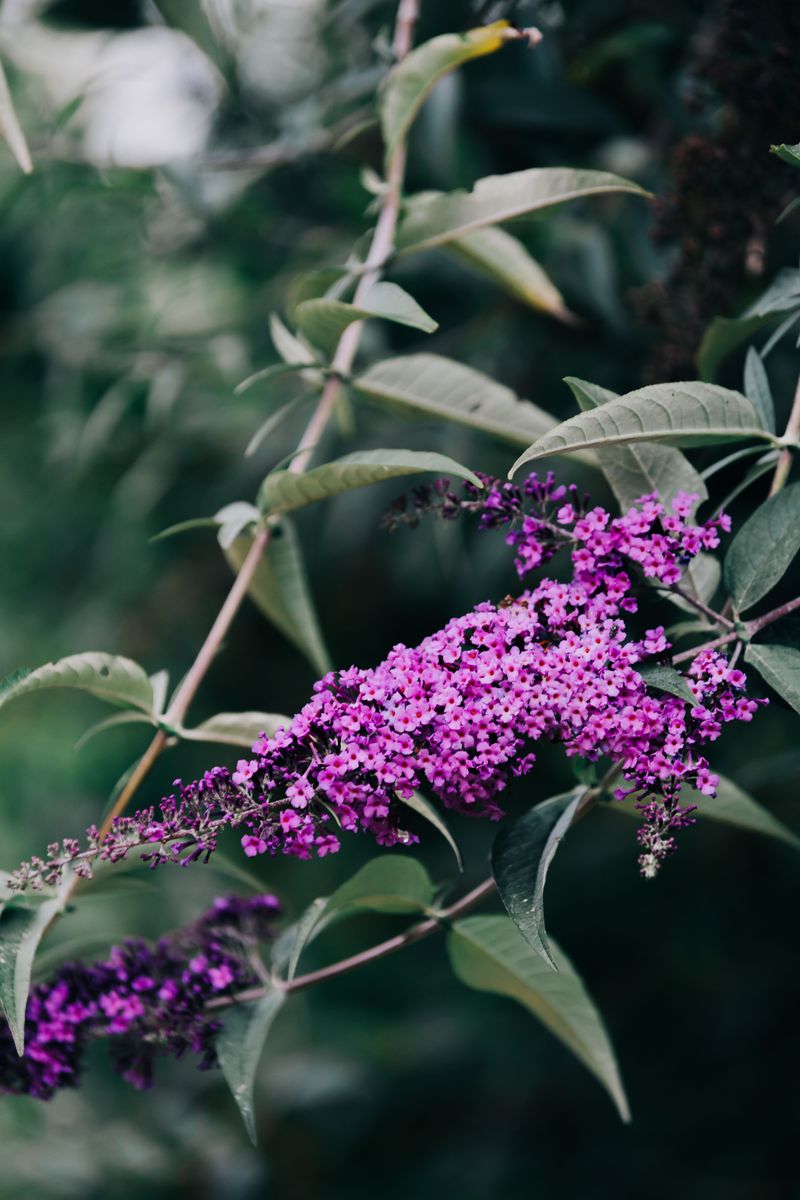
Cutting the whole shrub down to a tidy stump feels productive on a crisp fall afternoon. Most horticulture experts suggest you hold off.
Fresh cuts made in autumn can coax the plant into pushing tender new shoots during a warm spell. Those soft stems have no time to toughen up, and the first hard freeze often browns them back. The plant then spends stored energy on growth it cannot keep.
Leaving the tall, woody stems in place also gives the crown some shelter. Snow catches in the branches, and the old wood takes the brunt of drying winter wind instead of the base of the plant.
In colder spots, such as USDA zone 5 and the chillier parts of zone 6, the top growth often freezes back to the ground anyway. The roots usually survive and send up new stems in spring, as long as the crown stayed protected.
A few exceptions make sense. Go ahead and remove broken, rubbing, or diseased branches any time you spot them. Light shaping to keep stems off a walkway is fine too, so just skip the big haircut until later.
Late Winter Pruning Brings Back Bigger Butterfly Bush Flower Clusters
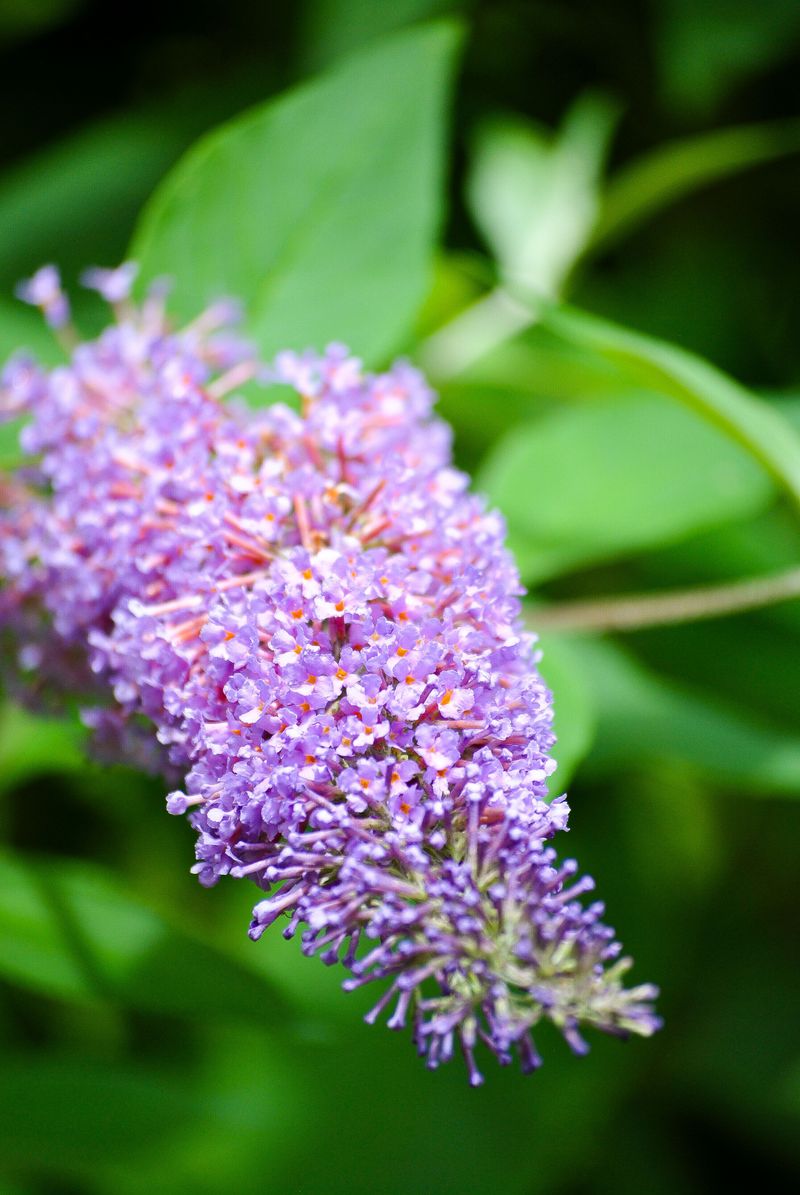
Every spring I hold my breath, staring at bare gray sticks and wondering if anything made it. Then tiny green buds pop out along the lower stems, usually in April, and the waiting pays off.
That bud break is your signal to prune. Butterfly bushes flower on new wood, which means this year’s blooms form on stems that grow this spring. Cutting old wood back does not cost you flowers, and it actually encourages more of them.
Most extension guides suggest trimming stems back to about 12 to 24 inches tall. Make each cut just above a pair of healthy buds, and remove any stems that stayed brown and brittle with no green showing.
Waiting until growth starts shows you exactly what survived. You avoid guessing, and you avoid cutting into live wood that had no damage at all.
Compact types bred to stay around two to four feet tall need lighter trimming. A cut of about one third keeps them neat without slowing them down.
Give the shrub a thin layer of compost afterward rather than heavy fertilizer. Rich feeding pushes floppy leaves over flowers, and this plant blooms best in lean soil.
Seedlings Sprouting Near Your Butterfly Bush Deserve A Closer Look
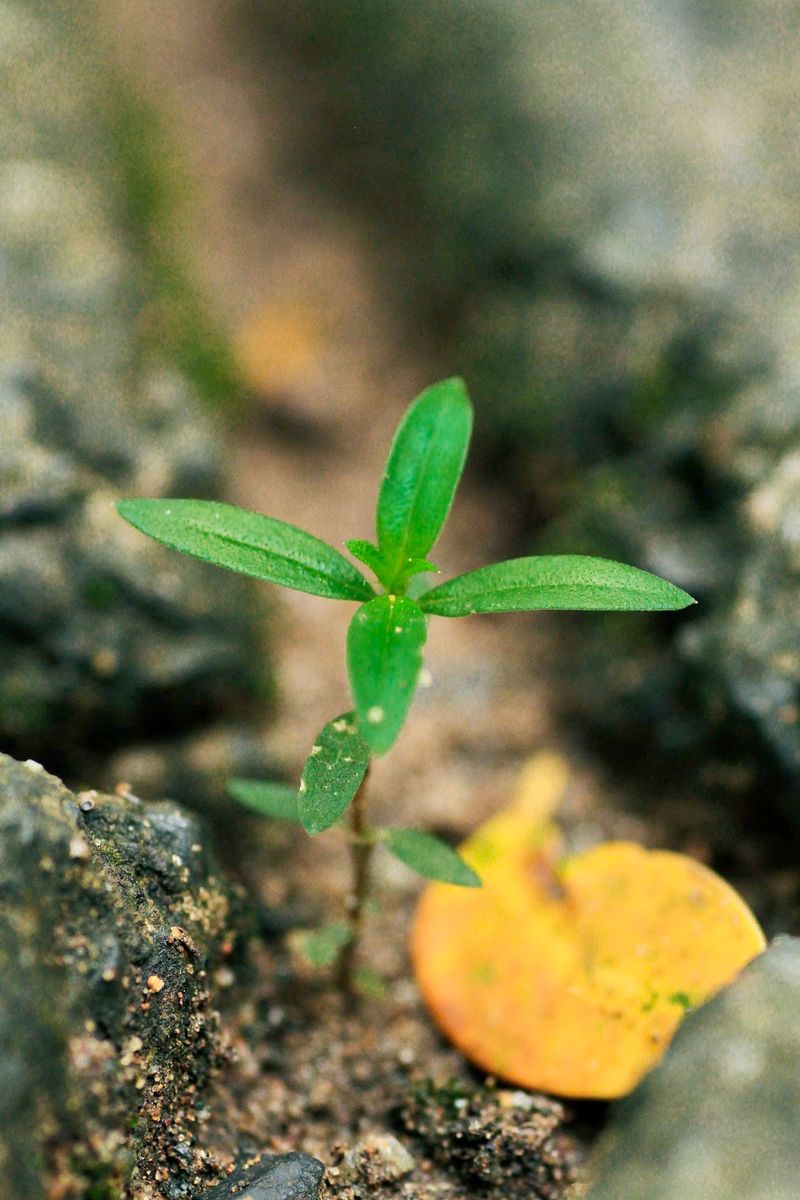
Last spring I pulled a handful of fuzzy, gray-green sprouts from between my patio stones. Each one had the same soft, lance-shaped leaves as the shrub ten feet away.
Seedlings like these are easy to miss in their first year. They often show up in gravel, sidewalk cracks, mulch beds, and bare soil, since the tiny seeds need light and open ground to sprout. Look for paired leaves that feel slightly felted, with pale undersides.
Pull them while they are small and the soil is moist. Young plants come up roots and all with a firm tug, while older ones grow a stubborn woody base that needs a digging tool.
Research suggests seeds can stay viable in the soil for several years. One fall of seed control helps a lot, yet checking for stragglers over the next few seasons is smart.
Walk the edges of your property too. Ditches, fence lines, and the strip by the street catch wind-blown seed easily.
If you spot seedlings in a park or natural area, let the land manager know. Many state and local groups track invasive plants and appreciate the extra eyes on the ground.
A Blanket Of Shredded Bark Mulch Helps Butterfly Bush Roots Through Winter
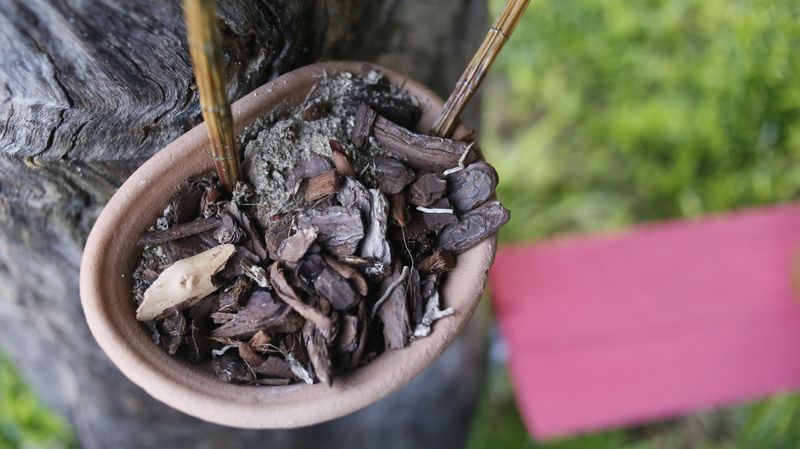
Roots do the heavy lifting through winter, so they deserve a little comfort. A 2 to 3 inch layer of shredded bark, pine needles, or chopped leaves works like a cozy quilt over the root zone.
Spread it after the ground cools in late fall, ideally after the first hard freeze. Mulching too early can keep soil warm and invite rodents to nest.
Pull it back a few inches from the stems so moisture does not sit against the bark and cause rot.
Mulch matters most for young plants and for gardens in the colder northern half of the country. In zone 7 and warmer, the shrub usually handles winter fine with very little help.
Potted butterfly bushes need extra care, since roots in a container freeze faster than roots in the ground. Move pots against a sheltered wall, group them together, or slide them into an unheated garage once growth stops.
Water potted plants lightly when the soil is dry and not frozen. A soggy pot in January causes more trouble than a slightly dry one.
Wet winter soil harms this shrub more often than cold does, so good drainage at planting time pays off for years.
Seedless Butterfly Bush Varieties And Native Buttonbush Keep Swallowtails Coming
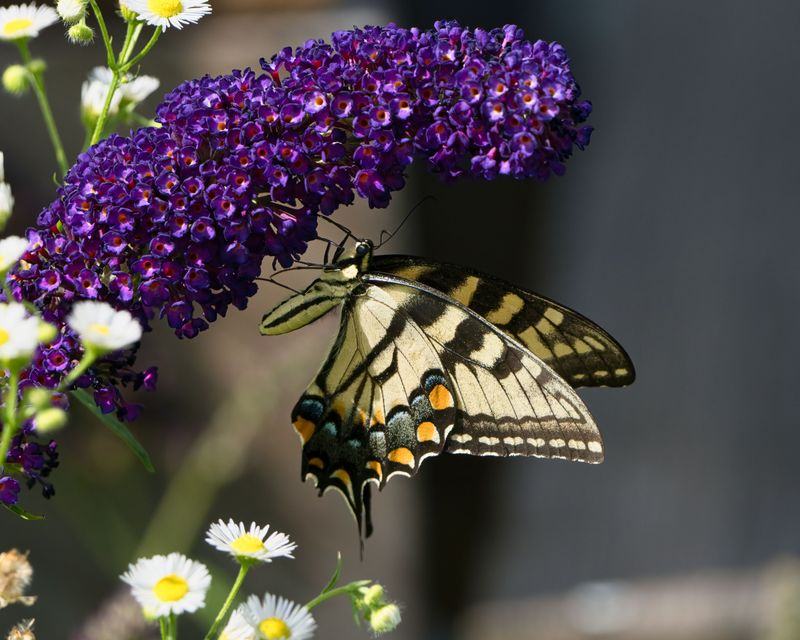
Butterflies sip nectar from a butterfly bush, but caterpillars of native butterflies rarely feed on its leaves. That detail surprised me, and it changed how I think about planting for pollinators.
If you love the look, choose a seedless or low-seed variety. The Lo and Behold series, plus cultivars like ‘Asian Moon’ and some Flutterby types, were bred to produce little or no viable seed.
Oregon allows sales of certain tested sterile types, which gives you a helpful shopping list. Native shrubs offer nectar and host value in one package.
Buttonbush has round white flower balls that swallowtails adore, and sweet pepperbush fills late summer air with a spicy-sweet scent. New Jersey tea, a compact native, feeds a long list of pollinators.
Pair those shrubs with swamp milkweed, Joe Pye weed, and asters for nectar from July into October. Monarchs passing through in fall rely heavily on late asters and goldenrods.
Your next step can be simple. Trim the spent flowers this week, mark your calendar for spring pruning, and pencil in one native shrub for next season. Your yard, and every swallowtail that visits, will notice the difference.